
REVIEW · WALKING TOURS
Takayama: Private Walking Tour with a Local Guide
Takayama’s best moments come in small details: a wooden Edo-era shopfront, a sake brewery tucked along an old street, the giant gingko tree at Hida Kokubunji Temple. This private walking tour gives you a local guide to connect those details and shape the day around what you care about.
I like the flexible itinerary, and I like the chance to pair major sights with less obvious corners of town. Guides such as Lily, Mitsu, Annie, Yoko, and Yoyo have tailored routes to guests’ interests, added local food stops, and adjusted the pace. The main drawback is that admission fees, food, and transport are extra, and your booking is not final until a guide accepts it.
In This Review
- Key points to know before booking
- Why a private walk works well in Takayama
- Sanmachi Street and the old merchant quarter
- Takayama Jinya and the machinery of Edo rule
- Morning markets along the Miyagawa River
- Hida Folk Village and mountain life
- Festival floats, shrines, and local tradition
- Temples and old houses worth your time
- What local guides add to the day
- Price, extra costs, and overall value
- Who should book this Takayama tour?
- Booking details and timing
- Should you book it?
- FAQ
- How long does the Takayama private walking tour last?
- Which languages are available?
- Is the tour private?
- Are food, drinks, and entrance fees included?
- Can the itinerary be customized?
- When is the tour confirmed?
Key points to know before booking
- A private route built around you: Choose the sights, pace, and interests that matter most, rather than following a fixed group schedule.
- Edo-era Takayama in one walk: Sanmachi Street, Takayama Jinya, Kusakabe Folk Museum, and local markets give you a strong sense of the old town.
- Hida Folk Village requires more time: It is a worthwhile open-air museum, but reaching it and seeing the houses can take a large part of a four to six hour tour.
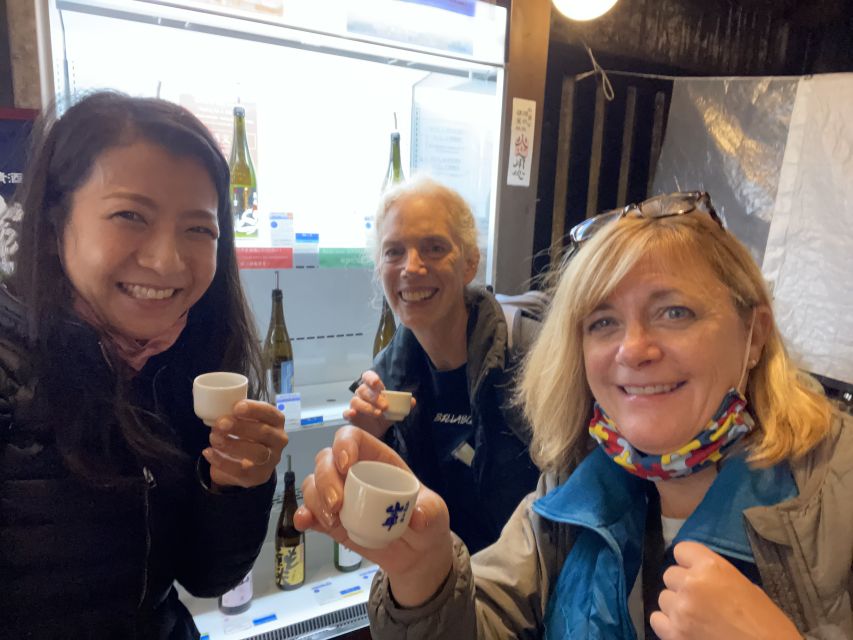
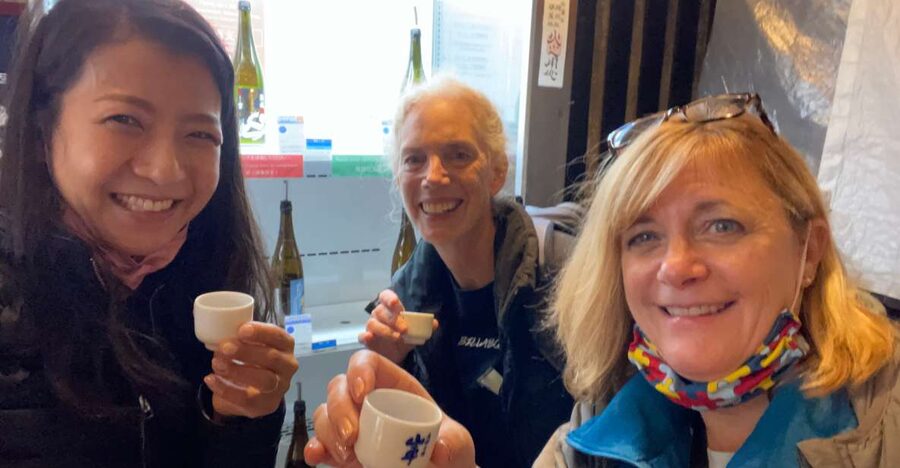
- Local food can be part of the day: Guides have helped arrange Hida beef, ramen, sake tasting, and green tea tasting, though meals and drinks cost extra.
- English and Japanese guides are available: Named guides have included Lily, Mitsu, Annie, Yoko, and Yoyo, but the assigned guide depends on availability.
- You pay for personal attention, not admission: At $119 per person, the value is strongest for couples, families, and small private groups who want context and flexibility.
Why a private walk works well in Takayama
Takayama is compact enough to explore on foot, yet its important sights are not all alike. One stop may focus on merchant houses, another on government in the Edo period, another on Buddhist worship, and another on the mountain culture of Hida.
That mix is where a guide helps. You can read signs and admire old buildings on your own, but a local can explain why the town developed as it did, point out details in traditional architecture, and help you decide what deserves your limited time.
The tour lasts four to six hours. That is enough for a solid old-town route, or for a more selective visit that includes Hida Folk Village. It is not enough to linger at every stop without making choices, so tell your guide early if you have one priority.
I would also use the private format to avoid repeating places you have already seen. Yoyo adjusted an afternoon route because the group had visited some sights in the morning. That kind of flexibility matters in Takayama, especially if you arrive by train and have only one day.
More walking tours in Takayama:
- Takayama: Takayama Jinya & Old Town Private Walking Tour
★ 4.5 · 32 reviews - Takayama: Edo-Period Old Town Walking Tour
★ 4.5 · 22 reviews - Takayama: Private Night Walking Tour with Dinner
★ 4.5 · 13 reviews
Sanmachi Street and the old merchant quarter
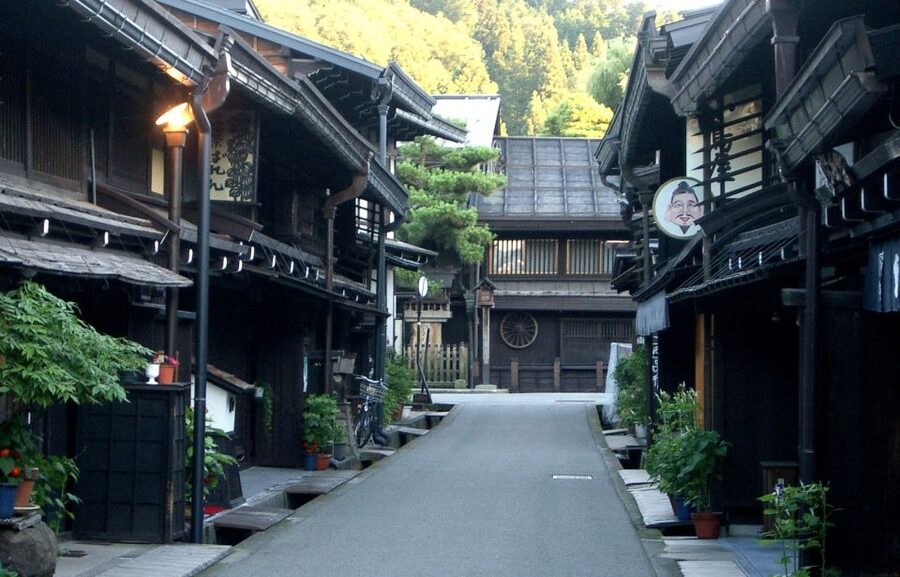
Sanmachi Street is the natural starting point for understanding Takayama. Its Edo-period houses now hold shops, food sellers, and stores offering local specialties. Dark wooden façades, narrow frontages, and carefully preserved details give the street its old-town feel.
The area is popular, so it can feel lively rather than quiet. That is part of the appeal, but it also means this is not a private historical set. People come here to shop and eat, and you will share the lane with plenty of other sightseers.
A guide can make the walk more useful by explaining what you are looking at instead of simply leading you from shop to shop. This is also a good place to ask about local snacks, sake, and crafts. Lily and Annie, for example, have helped guests choose local restaurants and food stops during the day.
Give yourself room to browse, but keep an eye on the clock. It is easy to spend an hour here without noticing. If your main goal is architecture, ask your guide to point out the details that separate an old merchant house from a modern reproduction.
Takayama Jinya and the machinery of Edo rule
Takayama Jinya offers a different view of the city. This complex served as the local government office for officials sent from Edo, now Tokyo. It remained in official use until 1969 and is now open as a museum.
The value of this stop is not just the building itself. It helps explain how a remote mountain region was administered and how government power reached Hida. Rooms and working areas give the site a more practical feel than a simple display of old objects.
Admission is not included, so budget separately for entry. The visit also takes time, particularly if you want to look closely rather than make a quick photograph stop. I would put this high on the list for anyone interested in Japanese government, architecture, or everyday life in the past.
The Jinya-mae Market is held in front of the building, making it easy to combine the two. Depending on the time of day, you might find produce, snacks, and local crafts. This is one reason the private format helps: your guide can adjust the route around market hours and your interests.
Morning markets along the Miyagawa River
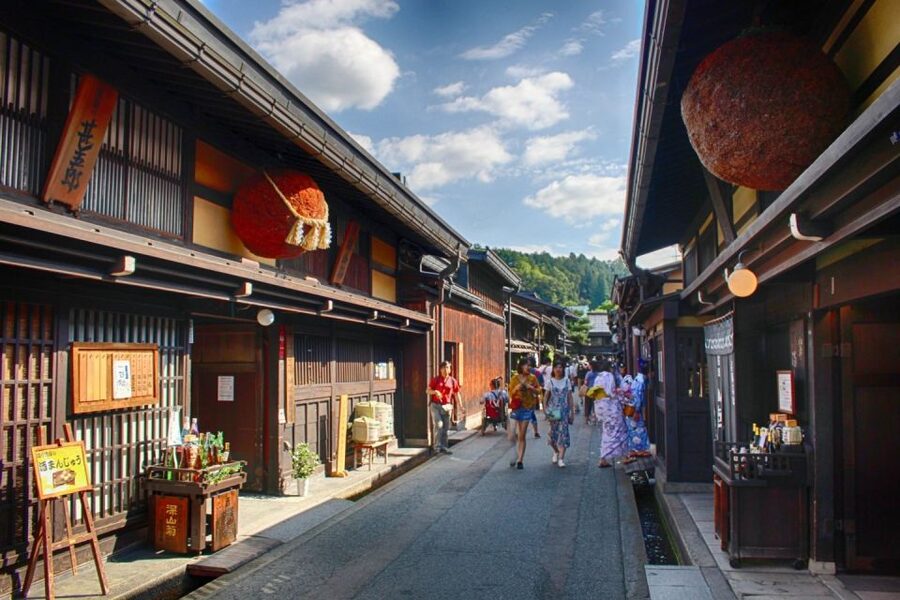
The Hida-Takayama Miyagawa Morning Market is held daily along the Miyagawa River. Its listed hours are from 7:00 AM, or 8:00 AM in winter, until midday. The Jinya-mae Market offers another nearby option in front of Takayama Jinya.
These markets are practical rather than grand. You can browse local produce, small crafts, and snacks while seeing a more everyday side of Takayama. If you are staying overnight, an early start lets you visit the market before the old-town streets become busier.
The timing is important. A tour beginning later in the morning may only catch the market’s final stretch, so ask about the start time when you book. The tour duration is listed as four to six hours, but the exact starting time depends on availability.
Food is not included. That is a drawback if you expect one all-inclusive price, but it also leaves you free to choose what you want. Guides have recommended Hida beef lunches and local ramen, and Annie arranged an impressive Hida beef lunch for one group. Yoko introduced another guest to a favorite ramen place.
A few more Takayama trips to weigh up
- Kanazawa/Takayama: Shirakawago & Takayama Private Day Tour
★ 4.8 · 172 reviews - Takayama Private Custom Tour with Local Guide
★ 5.0 · 31 reviews - Tokyo 6hr Private Tour with Government-Licensed Guide
★ 5.0 · 3,902 reviews - Private Tour to Mt. Fuji and Hakone (Fully Licenced Operator)
★ 5.0 · 1,910 reviews
Hida Folk Village and mountain life
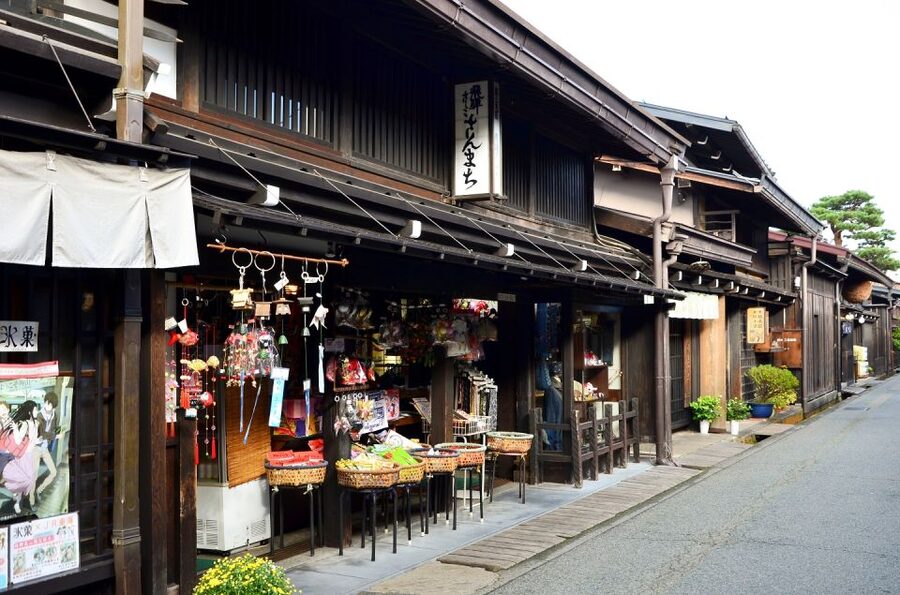
Hida Folk Village is an open-air museum with more than 30 traditional houses from the Hida region, the mountain district around Takayama. The houses were built during the Edo period and moved from their original locations when the museum was created in 1971.
This is the stop that best explains the region beyond the town center. You see how traditional buildings were adapted to a mountainous climate and how rural life differed from the merchant streets of Takayama.
The houses are the main attraction, not a single grand monument. You need time to walk among them and look at their construction. If you rush through, the visit can feel like a collection of old buildings. With a guide, you can ask why the houses look the way they do and how they relate to Hida’s culture.
There is a practical catch: the village is not part of a simple old-town circuit. Public or private transport during the tour is not included, and any entrance fee is also extra. For a six-hour tour, it can fit well if it is your main request. For four hours, adding it may mean skipping several central sights.
Tell your guide before the day begins if Hida Folk Village is essential. That lets the route be planned sensibly rather than squeezed in at the end.
Festival floats, shrines, and local tradition
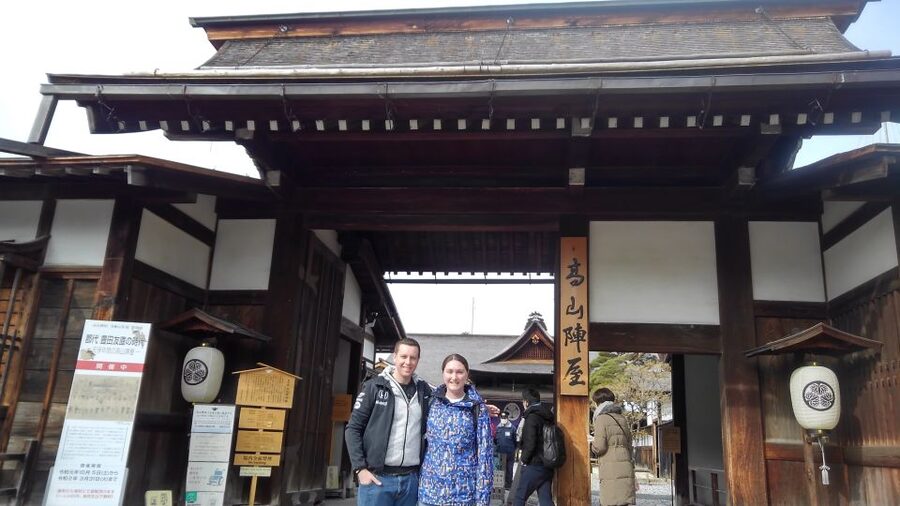
The Takayama Festival Floats Exhibition Hall, also called Yatai Kaikan, shows important parts of the Takayama Festival. The festival takes place for two days in spring and two days in autumn, and the event is regarded as one of Japan’s three most beautiful festivals, along with Kyoto’s Gion Matsuri and the Chichibu Yomatsuri.
The hall is useful if your visit does not fall during the festival itself. You can see four of the actual floats used in the event and get a clearer idea of their scale and craftsmanship.
Next to the hall is Sakurayama Hachimangu Shrine, the venue for the autumn festival. Combining the shrine and exhibition hall gives you both the religious setting and the festival objects. Admission is not included, so ask about current entry costs before deciding how many museums to visit.
This pairing suits you if festivals, craftsmanship, and Shinto traditions interest you. If you prefer markets and food, your guide may suggest using the time elsewhere. That choice is one of the tour’s real strengths.
Temples and old houses worth your time
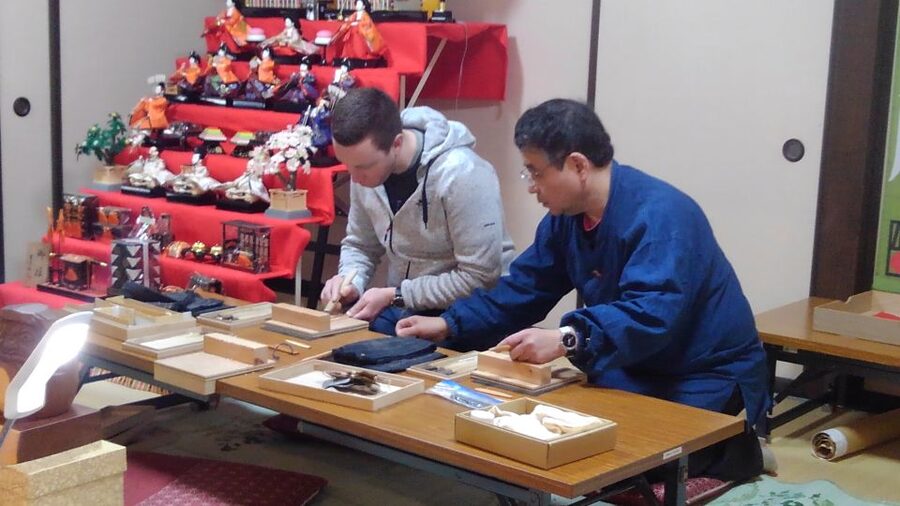
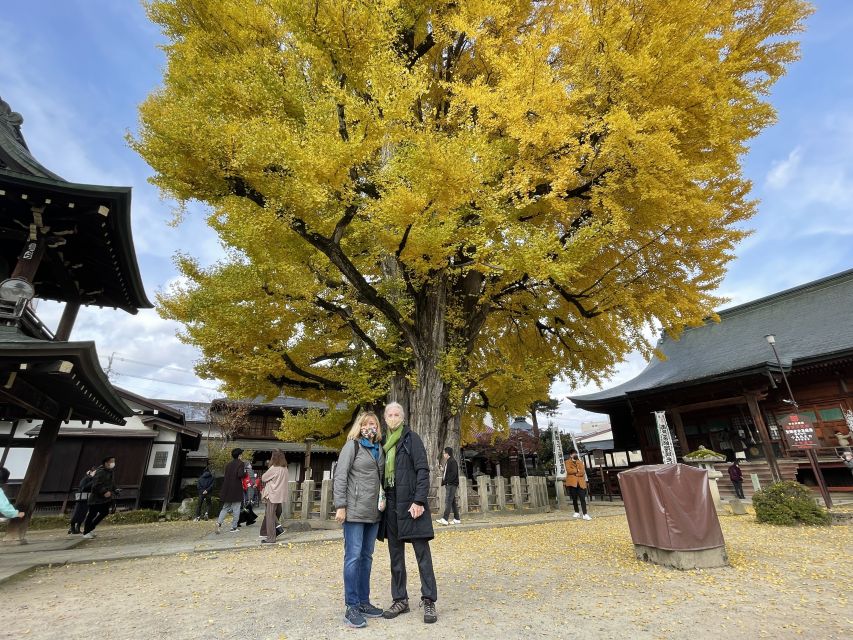
Hida Kokubunji Temple is an easy cultural counterpoint to the merchant quarter. Its three-storied pagoda was built in 1820, and a Buddhist statue thought to date from the Heian period is enshrined in the main building.
The grounds also hold a huge gingko tree said to be more than 1,260 years old. Even if you are not a temple specialist, the tree gives the visit a memorable focus. It is the kind of detail that can turn a short stop into a lasting image of Takayama.
The Kusakabe Folk Museum occupies a private residence built during the Meiji period in an Edo architectural style. The building is designated an important cultural property of Japan. It offers a useful look at how older design ideas continued into a later period.
These two stops are especially good for a guide-led visit because the differences are easy to miss on your own. One is a religious site with a very old tree and pagoda. The other is a private home with a formal architectural identity. Together, they broaden your view of Takayama beyond shopping streets.
What local guides add to the day
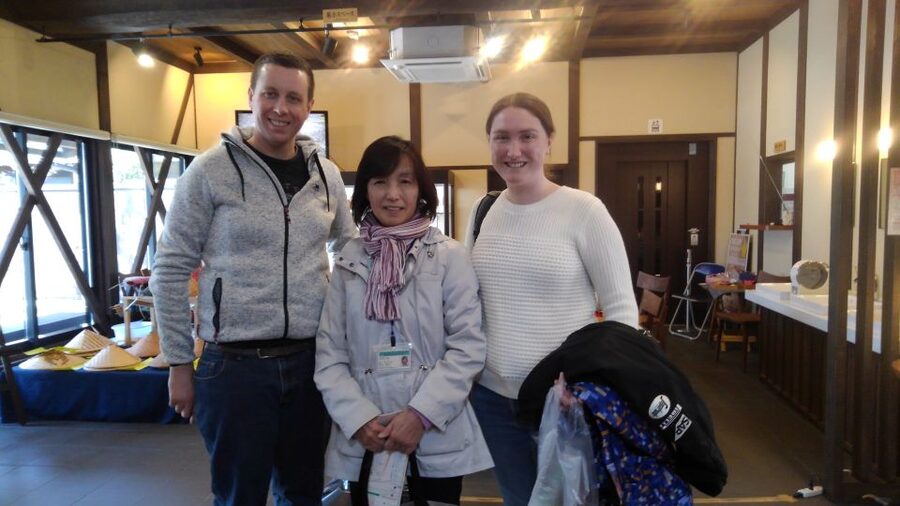
The strongest part of this experience is the person leading it. A private guide can change the pace, answer questions as they arise, and cut back on sights that do not interest you.
Lily has been praised for clear English, temple knowledge, and useful food advice. Annie has set a comfortable pace, arranged a Hida beef lunch, and included sake and green tea tastings. Mitsu has been especially good for guests who want local corners and detailed explanations of the town.
Yoko has tailored six-hour visits around Hida Folk Village and introduced guests to a favorite ramen restaurant. Yoyo adjusted an afternoon plan around sights already visited and made the time feel personal as well as informative.
Guide quality can vary because the tour is not confirmed until a guide accepts it. Most guides contact you within seven days, but the provider continues looking until 24 hours before the tour if needed. That uncertainty is worth knowing before you build an entire tight schedule around this experience.
The language options are English and Japanese. If you have specific interests, send them in advance: temples, architecture, food, local customs, photography, or the festival. A private tour works best when you give the guide something to work with.
Price, extra costs, and overall value
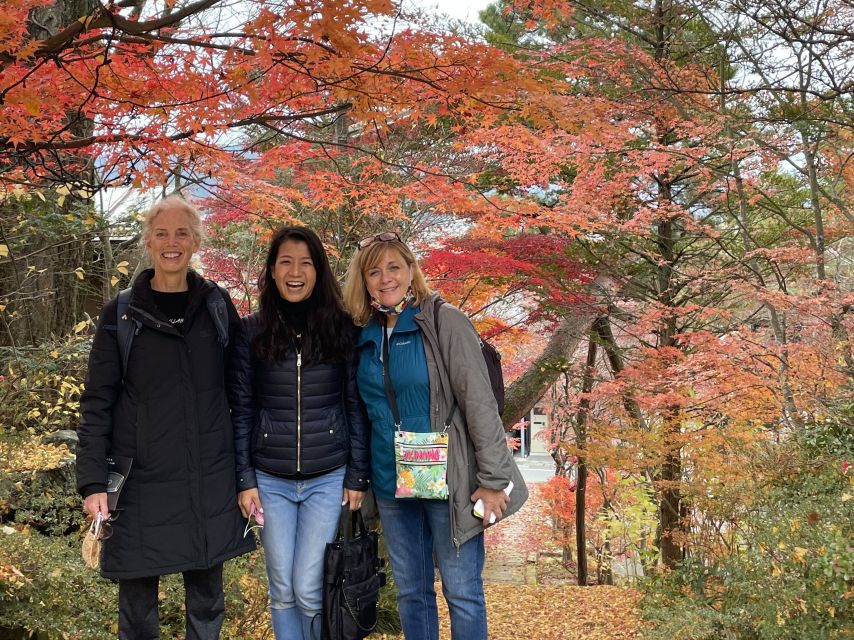
The price is $119 per person. That is not a bargain walking tour, especially because food, admission fees, and transport are not included.
Still, the price can make sense for a private group. You are paying for a licensed local guide, a route shaped to your interests, and the ability to move at your own pace. For two people who want a focused introduction to Takayama, that personal attention may be worth more than joining a cheaper fixed group.
The value is weaker if you only want to stroll Sanmachi Street and take photographs. Takayama’s central area is approachable, and you can visit some sights independently. The tour earns its cost when you want context, help choosing among several museums, or assistance finding a local meal.
Plan for extra spending on entry fees, lunch, tastings, and any public or private transport used during the tour. The guide may suggest Hida beef, ramen, sake, or green tea, but you pay for those yourself.
Who should book this Takayama tour?
I would recommend it most strongly if you have one day in Takayama and want to use it well. It is also a good fit for first-time visitors who prefer conversation and explanation to reading signs alone.
Families may like the private format because the guide can adjust the pace. Couples and small groups can also make better use of the flexible route than a solo visitor, since the per-person cost is easier to justify when the experience is shared.
The tour suits people with clear interests. Ask for Hida Folk Village if traditional rural houses matter most. Choose Takayama Jinya, Kusakabe Folk Museum, and Hida Kokubunji if you want architecture and history. Focus on Sanmachi Street and the markets if food, shopping, and daily life appeal more.
It may not suit you if you dislike walking, need a fully fixed price, or want every major attraction included without extra decisions. The tour is wheelchair accessible, but the exact route should still be discussed with the guide in advance, especially if you want to include several separate sites.
Booking details and timing
The experience lasts four to six hours, with start times shown according to availability. It is a private group tour with a licensed local guide, and tours are offered in English or Japanese.
You can reserve now and pay later, which helps if your Japan plans are still shifting. Free cancellation is available up to 24 hours before the start time. The booking remains provisional until a guide contacts you and accepts the tour, so do not treat it as fully confirmed until that message arrives.
I would send a short note listing your must-see place, walking preference, food interests, and any sights already visited. That gives the guide a clear starting point and reduces the chance of spending half the tour on something you have already done.
Should you book it?
Book this tour if you want Takayama to make sense, not just look attractive. Its best feature is the ability to connect old streets, government buildings, temples, mountain homes, markets, and festival traditions in one personal route.
At $119 per person plus admissions, food, and transport, it is not the cheapest way to see town. But if you have limited time, enjoy asking questions, or want help finding a good local meal, the private format offers real value.
I would book it for a first visit, particularly with six hours available and a clear request for Hida Folk Village or a food stop. If you are happy exploring at your own pace and mainly want the old town, save the money and walk independently.
FAQ
How long does the Takayama private walking tour last?
The tour lasts between four and six hours. Starting times depend on availability.
Which languages are available?
The tour is offered with a live guide speaking English or Japanese.
Is the tour private?
Yes. It is designed for a private group rather than a shared group experience.
Are food, drinks, and entrance fees included?
No. Food, drinks, entrance fees, and any public or private transportation used during the tour are not included.
Can the itinerary be customized?
Yes. The route can be adjusted around your interests and preferences. Possible stops include Sanmachi Street, Hida Folk Village, Takayama Jinya, the morning markets, festival sites, temples, and folk museums.
When is the tour confirmed?
The tour is not confirmed until a guide contacts you and accepts it. Most guides make contact within seven days. If a guide is not available, the search can continue until 24 hours before the tour, and you can cancel without a fee if you cancel at least 24 hours before the start time.
Just added around Takayama
- Takayama: Takayama Jinya & Old Town Private Walking Tour★ 4.5 · 32 reviews
- Takayama: Private Night Walking Tour with Dinner★ 4.5 · 13 reviews
- Takayama Private Custom Tour with Local Guide★ 5.0 · 31 reviews
- Takayama: Onigiri and miso soup making at a buddhist temple★ 4.9 · 93 reviews
- Takayama: Edo-Period Old Town Walking Tour★ 4.5 · 22 reviews
- Shirakawago&HidaTakayama&GujoHachiman 1 Day Tour from Nagoya★ 4.5 · 14 reviews
- Sake Tasting: Educational Tour of Six Takayama Breweries★ 5.0 · 14 reviews
- Ninja experience in Takayama – Special Course★ 4.9 · 13 reviews
Walking Tours, compared.
Kyoto Geisha Walking Tour: Gion District & Hidden Gems
Read our review →
Tokyo Tsukiji Fish Market Food and Culture Walking Tour
Read our review →
Gion Magical Night Walking Tour with Geisha Trivia
Read our review →
Imperial Palace and Shogun Historical Walking Tour
Read our review →
Gion Geisha District Walking Tour – Stories of Geisha
Read our review →
Asakusa Walking Tour with Sensoji Temple Visit
Read our review →
Kyoto Gion Geisha District Walking Tour – The Stories of Geisha
Read our review →Browse the lists this tour appears in