
REVIEW · TEMPLE & SHRINE TOURS
Takayama Rice Ball and Miso Soup Making at a buddhist temple
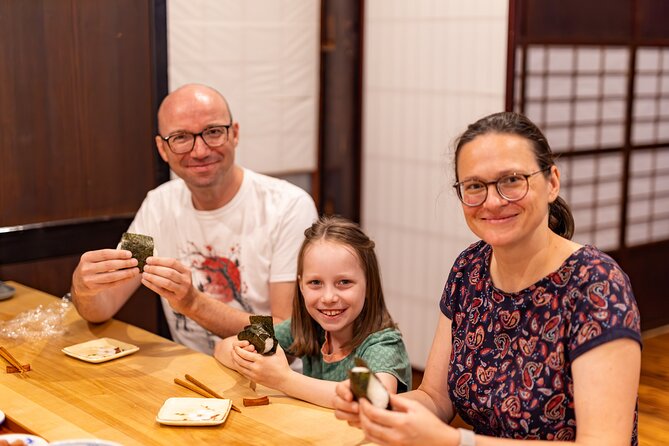
The best part of this Takayama cooking class is its setting. You make onigiri and Hida miso soup inside the kuri, the temple kitchen, rather than in a standard cooking studio. The meal is simple, but the setting gives it weight: rice, soup, seasonal ingredients, and a quiet lesson in mindful eating.
I like two things here. First, you get a proper light meal after making it, so this works well as lunch after a morning of sightseeing. Second, the class is entirely vegan-friendly, with an English-speaking guide such as Tama explaining both the cooking and the customs behind it. The main consideration is its short one-hour length. You get a pleasant introduction, not a full Japanese cooking course with many dishes.
In This Review
- Key points to know before booking
- Why the temple setting changes the cooking class
- Making onigiri with seasonal ingredients
- Preparing Hida miso soup from scratch
- The guide makes the difference
- A one-hour lunch stop in Takayama
- What $26.13 buys you
- Who will enjoy this experience most
- Practical details for a smooth visit
- How this compares with a regular cooking class
- Should you book the Takayama temple cooking class?
- FAQ
- Where does the onigiri and miso soup class take place?
- How long does the experience last?
- What will I make?
- Is food included?
- Is the activity vegan-friendly?
- How many people can join?
- Is transportation included?
- Can I cancel for a refund?
Key points to know before booking
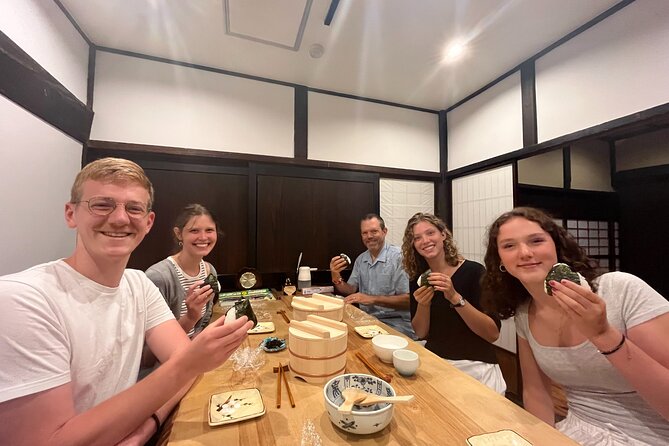
- Cook inside Takayama Zenkoji: The temple setting makes this feel more cultural than a typical kitchen lesson.
- Make two Japanese staples: You prepare onigiri rice balls and miso soup using locally known Hida miso.
- A calm one-hour break: It fits neatly between morning sightseeing and the rest of your day.
- Small group size: The class accepts a maximum of 10 people, which keeps the lesson manageable.
- Vegan-friendly brunch: The food is suitable for people seeking a plant-based meal.
- Good value at $26.13: The price includes the guide, instruction, and the meal you prepare.
Why the temple setting changes the cooking class
Takayama has no shortage of shrines, temples, old streets, and traditional buildings. It can be easy to look at one more religious site and keep moving. This experience gives you a reason to slow down and take part in something rather than only viewing it.
You meet at Temple Hotel Takayama Zenkoji, at 4-chome-3 Tenmanmachi. The class takes place in the temple’s kuri, a kitchen space used for the practical side of temple life. That detail matters. You are not simply eating a Japanese lunch in a decorated room. You are learning how everyday food connects with a Buddhist setting.
The atmosphere is meant to be quiet and reflective, though this is still a hands-on class with conversation and guidance. The cooking is not physically demanding. One person described it as a gentle hour after touring all morning, which is a useful way to think about the pace. You will be active, but you will not spend the session hauling equipment or working through a long recipe list.
I especially like this format for a first visit to Takayama. It adds a human scale to the city. Instead of only taking photographs of a temple, you sit down, work with food, and hear how Japanese customs shape the meal.
More temple & shrine tours in Takayama:
- Takayama: Onigiri and miso soup making at a buddhist temple
★ 4.9 · 93 reviews - Kyoto: Fushimi Inari, Kinkakuji, Bamboo Grove 1 Day Bus Tour
★ 4.8 · 4,316 reviews - Kyoto: Tea Ceremony in a Traditional Tea House in Kiyomizu
★ 4.9 · 3,519 reviews
Making onigiri with seasonal ingredients
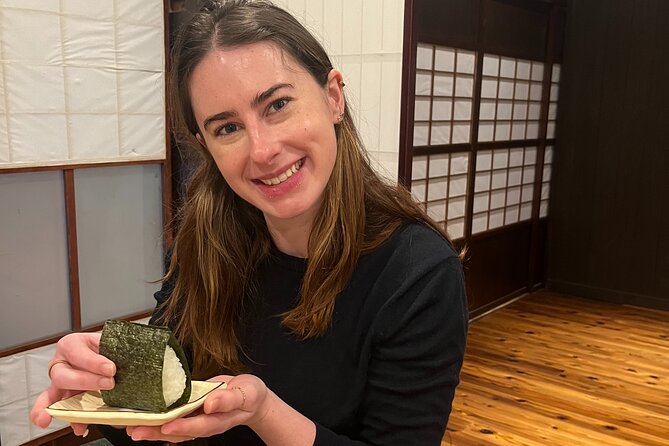
Onigiri are Japanese rice balls, often shaped by hand and filled or seasoned in different ways. They look humble, but they are a practical part of Japanese food culture. They are easy to carry, easy to eat, and flexible enough to suit many flavors.
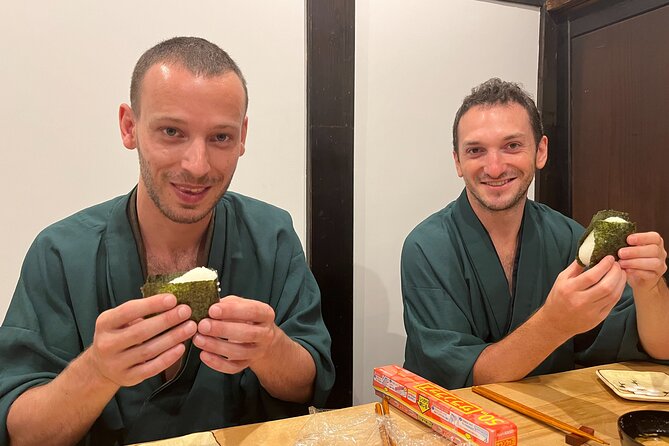
During the class, you learn how to make your own onigiri plate with fresh, seasonal ingredients. The available details do not specify every filling, so do not book this expecting a fixed menu of named ingredients. The useful point is that you get some room to personalize the rice balls rather than simply watching an instructor prepare them.
That hands-on element makes the class work well for families. Children aged 9 and 12 enjoyed the activity, and the process is simple enough for younger cooks to follow with help. You do not need advanced kitchen skills. The guide explains the preparation and helps you shape the rice and handle the ingredients.
You also get a small lesson in how Japanese people relate to food. Onigiri are not fancy restaurant fare. They are familiar, useful, and tied to daily life. Making them by hand helps you understand why rice is such a central part of Japanese meals.
The class is also a good choice if you are curious about texture and balance. A rice ball can be plain, savory, soft, or strongly flavored depending on its filling and seasoning. By building your own plate, you get a chance to compare combinations instead of receiving a single finished dish.
Preparing Hida miso soup from scratch
The second part of the meal is miso soup made with Hida miso. Hida is the historic mountain region that includes Takayama, and local food products are an important part of the area’s identity. Using Hida miso gives the lesson a direct connection to place.
The guide explains how to prepare the soup rather than treating miso as a ready-made flavoring that needs no thought. You learn about the ingredients and the customs around the dish. The class description also connects the meal with Buddhist ideas of mindfulness and gratitude, so the soup becomes more than a quick side dish.
You should expect a simple preparation, not a chef-training session. The focus is on making a tasty bowl of soup, understanding the basic process, and enjoying it with your onigiri. That makes the class approachable for people who want cultural context without spending half a day in a kitchen.
The meal is described as vegan-friendly. This is one of the strongest practical reasons to choose this activity if you eat plant-based food. Still, if you have a serious allergy or need strict ingredient control, raise that issue when booking or before the class. The information provided confirms the vegan approach, but it does not list every ingredient or substitution.
The guide makes the difference
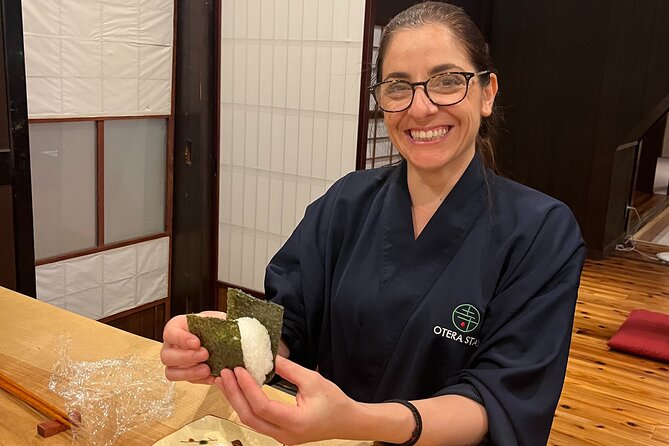
A cooking lesson can be pleasant but forgettable if the instructor simply recites steps. Here, the human side is one of the main strengths.
Tama is specifically praised for explaining the details of making miso soup and onigiri. English ability is described as excellent, and the teaching includes customs, traditions, preparation methods, and the ingredients themselves. That combination is useful because you are not left guessing why a particular step matters.
The guide also sets the tone for the hour. Most of the feedback points to a friendly, patient, and clear instructor who helps people take part without pressure. One account describes a young teacher who engaged the group and explained how the preparation had been done before the class began.
There is one less glowing account that found the instructor seemed slightly unhappy during the session. It did not spoil the activity for the family, and the children still enjoyed it, but it is worth keeping expectations realistic. Any small-group class depends partly on the energy of the person leading it. The overall record is very strong, but no teaching session is entirely separate from personality.
The group limit of 10 helps. A small class gives you a better chance to ask questions, receive help with shaping the rice, and hear the cultural explanation. It also keeps the temple kitchen from feeling like a crowded demonstration.
Same city, a completely different kind of day:
- Kanazawa: World Heritage Shirakawa-go Morning Guided Tour
★ 4.9 · 988 reviews - Kanazawa: World Heritage Shirakawa-go & Two Local Experience
★ 4.9 · 274 reviews - Kanazawa/Takayama: Shirakawago & Takayama Private Day Tour
★ 4.8 · 172 reviews - Departing from Takayama [Regular sightseeing bus] World Heritage Sites Shirakawago and Gokayama Ainokura
★ 4.5 · 137 reviews
A one-hour lunch stop in Takayama
The timing is one of the easiest reasons to fit this into your schedule. At roughly one hour, the class can serve as brunch or lunch without taking over your day.
A smart plan is to visit Takayama’s sights in the morning, then use the temple cooking session as a pause before continuing. The food is included, and the portion is intended as a meal rather than a token tasting. One person planned to use the experience for lunch and found it suited that purpose well.
Do not expect a long, leisurely restaurant meal. You will spend part of the hour learning and preparing, then eating what you have made. That is the appeal, but it also means the activity is best for people who want participation. If you only want to sit down and be served, a restaurant will be more suitable.
The short duration is also helpful for families and for anyone with a packed Takayama itinerary. You get a cultural activity, a meal, and a quiet indoor stop in one compact booking. The tradeoff is that there is not much time for extended conversation or a broad survey of Japanese cuisine.
What $26.13 buys you
At $26.13 per person, this is fairly priced for a small-group cultural activity that includes instruction and brunch. You are paying for more than rice and soup. The fee covers the guide, the use of the temple kitchen setting, the ingredients, and the chance to make the meal yourself.
The value is strongest if you were already planning to buy lunch. Instead of paying separately for a meal and then adding a cooking activity, you combine both. The food itself is modest, but the cultural setting and teaching give the hour extra value.
The price is less compelling if your only goal is to eat as cheaply as possible. Onigiri and miso soup are everyday foods, and you can find inexpensive versions around Japan. This class earns its price through access, instruction, and place rather than through a large or elaborate menu.
It also offers a better value for people who want a short activity. Many cooking classes take several hours and require a larger time commitment. Here, you can learn two basic dishes and still have most of the day for Takayama.
Who will enjoy this experience most
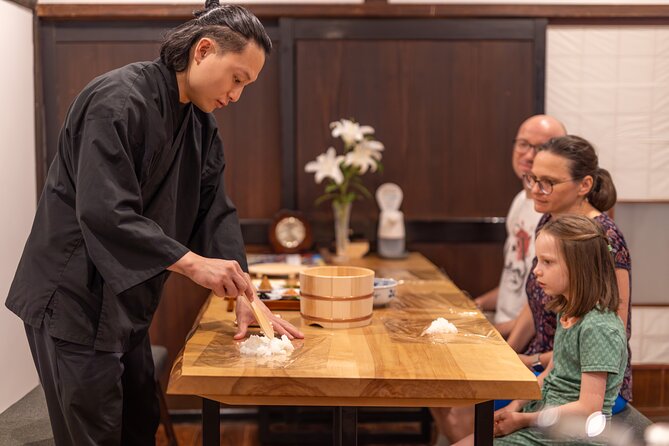
I would point this class toward several types of visitors:
- First-time visitors to Japan who want an easy introduction to everyday Japanese food.
- Food-focused visitors who prefer making a meal to simply ordering one.
- Families with children who want a manageable activity with clear steps.
- Plant-based eaters seeking a vegan-friendly meal.
- Sightseers needing a slower hour after a morning of temples, streets, and markets.
- Visitors interested in Buddhist culture who want context tied to food and daily practice.
It may be less suitable for someone looking for advanced culinary instruction. You will not be working through a large menu, practicing restaurant techniques, or spending an entire afternoon with a chef. The class is about connection, simplicity, and a meal you can understand and make yourself.
It is also not a private experience. The maximum group size is 10, so you should expect to share the kitchen and the guide’s attention. That is still a small enough group for personal help, but it does not offer the complete control of a private lesson.
Practical details for a smooth visit
The meeting point is Temple Hotel Takayama Zenkoji, 4-chome-3 Tenmanmachi, Takayama, Gifu 506-0025. The experience ends back at the same meeting point, so you do not need to arrange a separate return transfer.
Private transportation is not included. The location is near public transportation, which makes it practical if you are moving around Takayama by local transit. You should allow enough time to find the temple and arrive without rushing, especially if you are fitting the class between other reservations.
You receive confirmation when booking, and the activity uses a mobile ticket. Keep your booking available on your phone. The class is open to most people, and the group maximum is 10.
Booking around three weeks ahead is sensible. The average booking point is 23 days before the activity, which suggests that popular dates may fill before your arrival. If your Takayama visit falls on a tight schedule, reserve the cooking class before you build the rest of the day around it.
Free cancellation is available if you cancel at least 24 hours before the start time. Cancellations or changes inside that window are not accepted for a refund, and the cut-off follows local time.
How this compares with a regular cooking class
A regular cooking class often puts the food first. You learn a recipe, follow a sequence, and leave with new kitchen skills. This experience adds a sense of place that a commercial studio cannot easily copy.
The temple does not turn the class into a grand ceremony. The cooking remains simple. That is exactly why the setting works. The contrast between a quiet Buddhist temple and a practical meal of rice balls and soup encourages you to think about food as part of daily life, not only as a polished culinary product.
The cultural information is also restrained enough for a short session. You get touches of Buddhist teaching, customs, and gratitude without needing to commit to a full religious tour. For many people, this will be the right amount of background.
The limitation is variety. You make onigiri and miso soup, not a broad spread of regional dishes. If you want to learn sushi, tempura, ramen, or several Hida specialties, choose a longer or more specialized class instead.
Should you book the Takayama temple cooking class?
Book it if you want a short, calm, food-based cultural activity with a real sense of place. The strongest reasons are the temple kitchen, the vegan-friendly meal, the clear English instruction, and the chance to turn a simple lunch into a shared activity.
I would especially recommend it after a busy morning of sightseeing. The class gives you a reason to sit down, pay attention, and enjoy Takayama at a slower pace. Families, first-time visitors, and anyone tired of only looking at shrines and temples should find it a useful change of rhythm.
Skip it if you want advanced cooking skills, a long menu, or a private lesson. At one hour, this is an introduction rather than a full course. For $26.13, though, it offers a sensible blend of lunch, instruction, and Buddhist temple atmosphere.
FAQ
Where does the onigiri and miso soup class take place?
It takes place at Temple Hotel Takayama Zenkoji, 4-chome-3 Tenmanmachi, Takayama, Gifu 506-0025, Japan.
How long does the experience last?
The activity lasts approximately one hour.
What will I make?
You will learn how to make onigiri rice balls and miso soup using locally renowned Hida miso.
Is food included?
Yes. The experience includes brunch, consisting of the onigiri and miso soup you learn to prepare.
Is the activity vegan-friendly?
Yes. The experience is described as entirely vegan-friendly.
How many people can join?
The activity has a maximum group size of 10 people.
Is transportation included?
No. Private transportation is not included. The meeting point is near public transportation, and the activity ends back at the same location.
Can I cancel for a refund?
Yes. You can cancel up to 24 hours before the start time for a full refund. Cancellations or changes made less than 24 hours before the start time are not accepted for a refund.
Just added around Takayama
- Takayama Old Town Walking Tour with Local Guide★ 4.5 · 50 reviews
- Takayama Local Cuisine, Food & Sake Cultural Tour with Government-Licensed Guide★ 5.0 · 17 reviews
- Takayama Half-Day Private Tour with Government Licensed Guide★ 5.0 · 69 reviews
- Takayama Half Day Tour (Private Guide)★ 5.0 · 15 reviews
- Private Transfer from Takayama to Kanazawa Including Shirakawago★ 5.0 · 17 reviews
- Takayama: Authentic Sake Tasting at a Historic Brewery★ 5.0 · 65 reviews
- Shuriken Experience in Takayama★ 5.0 · 46 reviews
- Takayama Full-Day Private Tour with Government Licensed Guide★ 4.5 · 13 reviews
Temple & Shrine Tours, compared.
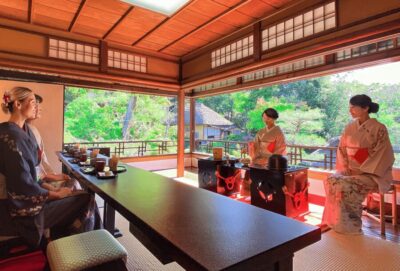
Tea Ceremony in a Traditional Tea House in Kiyomizu
Read our review →

Meiji Shrine, Asakusa, Skytree Bus Tour and Cruise
Read our review →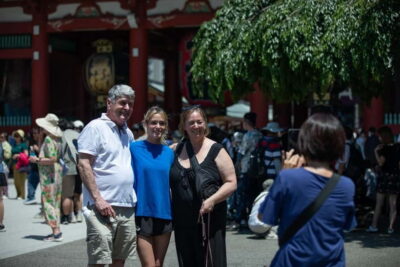
Asakusa Walking Tour with Sensoji Temple Visit
Read our review →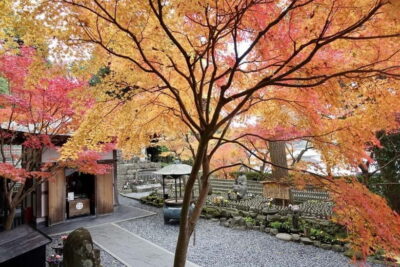
Kamakura & Enoshima Day Trip including Temple Tickets
Read our review →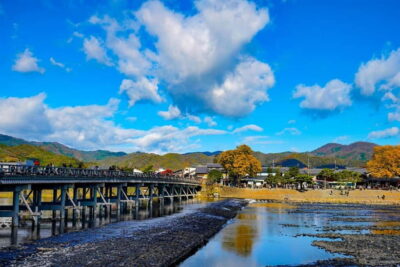
Kyoto/Osaka: Nara, Fushimi Inari Taisha, Arashiyama Bus Tour
Read our review →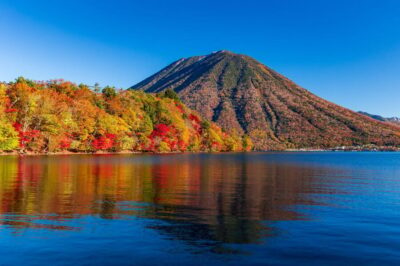
Nikko Toshogu Shrine and Kegon Waterfall Tour
Read our review →
Tokyo Panoramic 1 Day: Meiji Shrine, Asakusa, Odaiba and SKYTREE®
Read our review →Browse the lists this tour appears in