
REVIEW · SHIRAKAWA-GO VILLAGE TOURS
Departing from Takayama [Regular sightseeing bus] World Heritage Sites Shirakawago and Gokayama Ainokura
The best thing about this day trip is the pairing of quiet Ainokura with famous Shirakawago. You see two different Gassho-style settlements in one outing, without wrestling with regional bus connections or winter roads yourself.
I like the comfortable, air-conditioned bus and the useful guidance before each stop. I also like the freedom once you arrive: the guide points out routes, museums, food, and viewpoints, then lets you set your own pace. The main drawback is time. Shirakawago has plenty to see, and a long lunch queue or a slow walk can force you to choose between the museum and the lookout.
In This Review
- Key points at a glance
- Why this Takayama bus trip makes sense
- Ainokura: a gentle first look at Gokayama
- Shirakawago: the main event with choices to make
- Gassho-zukuri Minkaen: the included museum stop
- Tenshukakau Observatory and the famous Shirakawago view
- The guide and what you actually receive
- Bus comfort, timing, and the value of $64.80
- Who should book this experience
- My practical plan for the day
- Should you book the Nohi Bus tour?
- FAQ
- Where does the tour start and finish?
- How long does the experience last?
- Which villages does the bus visit?
- Is lunch included?
- Is admission to Gassho-zukuri Minkaen included?
- Is the tour guided?
- Can I cancel for a refund?
Key points at a glance
![Departing from Takayama [Regular sightseeing bus] World Heritage Sites Shirakawago and Gokayama Ainokura - Key points at a glance](https://f.bestjapantours.com/wp-content/uploads/departing-from-takayama-regular-sightseeing-bus-world-heritage-sites-shirakawago-and-gokayama-ainokura-1.jpg)
- Two World Heritage villages in one day: Visit Ainokura in Gokayama first, then the larger Shirakawago settlement.
- A guide who prepares you on the bus: Expect practical information about history, routes, food, local dialects, and seasonal conditions.
- Ainokura is the quieter stop: Its 20 surviving Gassho-style houses offer a calmer introduction to the region.
- Shirakawago includes free time and an open-air museum: Entry to Gassho-zukuri Minkaen is included.
- The classic hilltop view is built in: The Tenshukakau Observatory gives you the poster-style view over Ogimachi.
- Lunch costs extra: You have time to eat in Shirakawago, but you must pay for food yourself.
Why this Takayama bus trip makes sense
![Departing from Takayama [Regular sightseeing bus] World Heritage Sites Shirakawago and Gokayama Ainokura - Why this Takayama bus trip makes sense](https://f.bestjapantours.com/wp-content/uploads/departing-from-takayama-regular-sightseeing-bus-world-heritage-sites-shirakawago-and-gokayama-ainokura-2.jpg)
Ainokura and Shirakawago are not difficult to admire, but they are awkward places to connect independently from Takayama in one day. This Nohi Bus service removes the guesswork. You arrive at the meeting point in Takayama, board an air-conditioned medium or large bus, and let the driver handle the route through the Hida region.
The trip lasts about 7 hours and 20 minutes, beginning at 8:30 a.m. and ending back at the same Takayama meeting point. That makes it a full day, but not an exhausting overnight commitment. You get mountain scenery through the windows, guided orientation on the way, and several hours on foot in the villages.
This is a regular sightseeing bus, not a private tour. You share the bus with other passengers, and the maximum number entered on one booking is four people. The key distinction is that the guide does not usually walk beside you for the whole day. Instead, the guide explains the places during the ride, gives maps and advice, and sets clear return times. Once you step off, you explore independently.
That format suits me. I get the benefit of local direction without being tied to a group walking in a single line. If you want a guide beside you at every house and museum, this will feel more like transportation with orientation than a fully guided walking tour.
More Shirakawa-go Village Tours in Takayama
- Kanazawa: World Heritage Shirakawa-go Morning Guided Tour
★ 4.9 · 988 reviews - Kanazawa: World Heritage Shirakawa-go & Two Local Experience
★ 4.9 · 274 reviews - From Takayama: Guided Day Trip to Takayama and Shirakawa-go
★ 4.9 · 113 reviews
Ainokura: a gentle first look at Gokayama
The first stop is Ainokura Gassho Community in Gokayama, in Toyama Prefecture. Around 20 Gassho-style houses remain here, and the village is smaller than Shirakawago. You get about 50 minutes, enough to walk across the settlement, take in the steep roofs, and pause for photographs.
Ainokura works well as the opening stop because it gives you room to see the form of a Gassho village without the same level of activity found later in Shirakawago. The houses sit close to the mountain, and the compact size makes the village easy to understand on foot. You can cross much of it in only a few minutes, but the short walk is part of the charm.
The steep triangular roofs are not just decorative. They were built for a region with heavy snow, and their shape gives the houses the look that has made these settlements famous. You will hear more about local building methods and village life from the guide before arrival and during the approach.
Fifty minutes is a sensible amount of time for Ainokura, though it leaves little room for lingering inside every building. Use the stop for the overall setting, the mountain backdrop, and a few quiet minutes among the old houses. Save detailed museum time for Shirakawago, where the schedule is longer.
Shirakawago: the main event with choices to make
Shirakawago is the larger and more popular stop. The village retains 114 thatched Gassho-style houses and offers the broadest range of things to do on this excursion. You have about two hours for the settlement itself, plus separate time for the open-air museum and the lookout.
This is where you need a simple plan. You can eat lunch, walk among the houses, visit a museum, shop, find a cafe, and go to the observation point, but doing every one of those things at a relaxed pace may be difficult. A long wait at a restaurant can use up much of your free time.
The guide helps by explaining the village layout and suggesting routes. Some guides, including Yamashia and Ikuichinami, are specifically praised in the supplied information for clear explanations and practical recommendations. The guide may also point out places to eat and explain how to reach the main sights, which is useful when you have only a few hours.
I would decide your priority before you get off the bus:
- Choose lunch and a general walk if you want the village atmosphere.
- Choose the observation point if the classic panorama matters most.
- Choose Gassho-zukuri Minkaen if you want to see traditional buildings from closer range.
- Choose shops and a cafe if you prefer a slower village visit.
You can bring your own lunch, though lunch is not included. There are restaurants in Shirakawago, but a queue can change your plan. Eating early or keeping your meal simple may give you more time for the village and viewpoint.
Gassho-zukuri Minkaen: the included museum stop
![Departing from Takayama [Regular sightseeing bus] World Heritage Sites Shirakawago and Gokayama Ainokura - Gassho-zukuri Minkaen: the included museum stop](https://f.bestjapantours.com/wp-content/uploads/departing-from-takayama-regular-sightseeing-bus-world-heritage-sites-shirakawago-and-gokayama-ainokura-4.jpg)
During the Shirakawago visit, you can enter Gassho-zukuri Minkaen. The entrance fee is included, and you get about 30 minutes for this part of the program. It is an open-air museum with traditional Gassho-style buildings, giving you a more structured look at the architecture than a walk along the village streets.
I see this as one of the strongest value points in the tour. You are not only looking at rooflines from outside. You can use the museum to understand how the buildings were arranged and how old rural life was presented in preserved structures.
The tradeoff is time. Some people prefer to spend the full Shirakawago visit in the living village, while others find the open-air museum more rewarding than simply wandering. If you already know you want the panorama from the hill, you may have to shorten your museum visit or skip another stop.
The park is closed on Thursdays from December through March. If that closure affects your departure, the supplied tour information says you receive the operator’s original mascot instead. That is not an equal substitute for the museum, so check the day of your trip when planning your priorities.
Same city, a completely different kind of day:
- Kanazawa/Takayama: Shirakawago & Takayama Private Day Tour
★ 4.8 · 172 reviews - Takayama: Onigiri and miso soup making at a buddhist temple
★ 4.9 · 93 reviews - Ninja Experience in Takayama – Basic Course
★ 5.0 · 62 reviews - Ninja Experience in Takayama – Basic Course
★ 4.6 · 59 reviews
Tenshukakau Observatory and the famous Shirakawago view
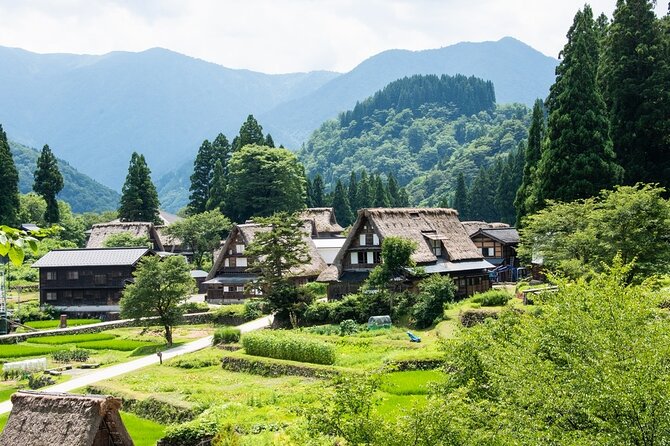
The Tenshukakau Observatory is on a hill northwest of Shirakawago. You have about 20 minutes here, with a view over the Ogimachi Gassho village that often appears in posters and travel photographs.
This is the place for the broad view. From street level, you focus on individual houses and details. From the lookout, you see how the settlement sits among the surrounding mountains, with the repeated steep roofs forming the image most people associate with Shirakawago.
Twenty minutes can work if the group reaches the access point efficiently, but it is not a generous window. One supplied account notes that reaching the observation point can take about an hour when walking is included, so listen carefully to the guide’s instructions and return time. If your visit is crowded or the route is slow, you may need to choose the view over another museum or shopping stop.
The outlook is especially appealing in snow or autumn. Snow-covered roofs create the storybook effect many people hope to see, while autumn brings a different color to the mountains. Weather conditions are never guaranteed, and the tour requires good weather. If poor conditions cancel the departure, you are offered another date or a full refund.
The guide and what you actually receive
![Departing from Takayama [Regular sightseeing bus] World Heritage Sites Shirakawago and Gokayama Ainokura - The guide and what you actually receive](https://f.bestjapantours.com/wp-content/uploads/departing-from-takayama-regular-sightseeing-bus-world-heritage-sites-shirakawago-and-gokayama-ainokura-5.jpg)
The guide is most useful before you arrive. Information is given in Japanese and English, and the guide explains what to see, how to use your time, where to eat, and which route makes sense. You may also hear details about Hida food, local words, and seasonal features that are not always found in standard guidebooks.
The quality of the day depends partly on how well those instructions are delivered. Several supplied comments praise guides for being friendly, clear, and careful with timing. Yamashia and Ikuichinami are named as especially helpful guides, with one guide offering detailed background and another providing strong practical advice.
Still, set your expectations correctly. This is not a private historian-led tour. The guide may speak on the bus, distribute a map, and then let you roam. One less favorable assessment described the experience as mainly transport, with information focused more on what to do than on the full background of the area.
I think that is a fair description of the format, not necessarily a flaw. You pay for safe transport, access to two hard-to-reach villages, basic interpretation, and freedom. The tour is a good match if you like a short briefing followed by independent exploring. It is less suitable if you want constant commentary at every building.
Bus comfort, timing, and the value of $64.80
At $64.80 per person, the price is reasonable if you value convenience. The fare includes the air-conditioned vehicle and admission to Gassho-zukuri Minkaen, while lunch is separate. The biggest saving is not just the seat. It is the time and effort involved in arranging transport to both Ainokura and Shirakawago.
The bus also matters in winter. Roads can be snowy, and the ride through the Hida mountains is part of the experience. You can look out at the countryside instead of concentrating on navigation. Supplied comments describe the ride as smooth and comfortable, with careful driving and excellent coordination when traffic caused a route change.
You should allow a few extra minutes at the start to exchange your voucher for bus tickets at the Nohi Bus station. This step has caused confusion for some people, so do not walk straight to the vehicle assuming the email voucher is the final ticket. The start and end point is 6-chōme-125 Hanasatomachi, Takayama, Gifu 506-0026.
The tour can accept same-day participants if seats remain, but booking ahead is safer. It is also free to cancel up to 24 hours before the start time for a full refund. Changes made within 24 hours are not accepted, and poor-weather cancellations offer a new date or full refund.
Who should book this experience
I would choose this tour if you are staying in Takayama and want to see both Gokayama and Shirakawago in one day. It works especially well for first-time visitors, families, and anyone who does not want to manage several regional buses.
It also suits you if you want a structured day with personal freedom. You get a clear schedule, but you are not required to follow a guide through every lane. The bus is a practical choice for a winter visit, when road conditions and changing schedules can add stress.
You may want another option if you need a slow photographic day. The 50 minutes at Ainokura and roughly three hours across Shirakawago, the museum, and the observatory give you a useful introduction, but not unlimited time. Lunch queues, crowds, and walking can make the second half feel tight.
The tour is also less ideal for anyone expecting a small private group. The service is shared, and the guide’s role is mainly to brief you and keep the schedule moving. That said, the booking form allows up to four people at one time, which may work well for a small party arranging seats together.
My practical plan for the day
I would arrive early at the Takayama meeting point, exchange the voucher, and keep the ticket easy to reach. On the bus, I would listen closely to the guide’s route advice because the short stops reward preparation.
At Ainokura, I would walk through the full village first, then return to any house or view that caught my eye. I would not spend the whole 50 minutes taking repeated photographs from one place.
At Shirakawago, I would decide between lunch and the observatory before arrival. If the lookout is essential, I would make it the first priority. If food and a slower village walk matter more, I would eat promptly and treat the museum as the main indoor stop.
Wear shoes suitable for walking and allow extra time to return to the bus. The bus cannot wait for a late individual, and the entire schedule depends on everyone returning when instructed.
Should you book the Nohi Bus tour?
Book it if you want the simplest way to combine Ainokura and Shirakawago from Takayama. The two-village itinerary, comfortable bus, clear English guidance, included open-air museum admission, and classic lookout make $64.80 a fair price.
Skip it if you want a long, unhurried Shirakawago visit or a guide beside you at every stop. For most people, though, this is a well-planned introduction to one of Japan’s most distinctive rural regions, with enough independent time to make the day feel like your own.
FAQ
Where does the tour start and finish?
The tour starts at 6-chōme-125 Hanasatomachi, Takayama, Gifu 506-0026, Japan, at 8:30 a.m. It ends back at the same meeting point.
How long does the experience last?
The full excursion lasts approximately 7 hours and 20 minutes.
Which villages does the bus visit?
The route visits Ainokura Gassho Community in Gokayama and the historic Gassho-style village of Shirakawago.
Is lunch included?
No. You have time to eat lunch at Shirakawago, but the cost of lunch is not included.
Is admission to Gassho-zukuri Minkaen included?
Yes. Admission is included, though the park is closed on Thursdays from December through March.
Is the tour guided?
Yes. A Nohi Bus guide provides information in Japanese and English, including details about the villages, routes, food, local dialects, and seasonal sights. You explore the villages independently after the guide’s briefing.
Can I cancel for a refund?
You can cancel at least 24 hours before the local start time for a full refund. Cancellations or changes made less than 24 hours before departure are not accepted, and poor-weather cancellations offer a different date or full refund.
More Historical Tours in Takayama
- World Heritage Shirakawa-go and Experience Tours from Kanazawa
★ 5.0 · 4,049 reviews - Tokyo: Imperial Palace and Shogun Historical Walking Tour
★ 5.0 · 2,251 reviews - World Heritage Kyoto & Nara Uji Authentic Matcha Experience
★ 5.0 · 1,573 reviews - Kyoto Gion: 2-Hour Geisha Culture & History Walking Tour
★ 5.0 · 1,186 reviews
Just added around Takayama
- Takayama: Takayama Jinya & Old Town Private Walking Tour★ 4.5 · 32 reviews
- Takayama: Private Night Walking Tour with Dinner★ 4.5 · 13 reviews
- Takayama: Private Walking Tour with a Local Guide★ 4.6 · 29 reviews
- Takayama Private Custom Tour with Local Guide★ 5.0 · 31 reviews
- Takayama: Onigiri and miso soup making at a buddhist temple★ 4.9 · 93 reviews
- Takayama: Edo-Period Old Town Walking Tour★ 4.5 · 22 reviews
- Shirakawago&HidaTakayama&GujoHachiman 1 Day Tour from Nagoya★ 4.5 · 14 reviews
- Sake Tasting: Educational Tour of Six Takayama Breweries★ 5.0 · 14 reviews
Shirakawa-go Village Tours, compared.
World Heritage Shirakawa-go and Experience Tours from Kanazawa
Read our review →
World Heritage Shirakawa-go Morning Guided Tour
Read our review →
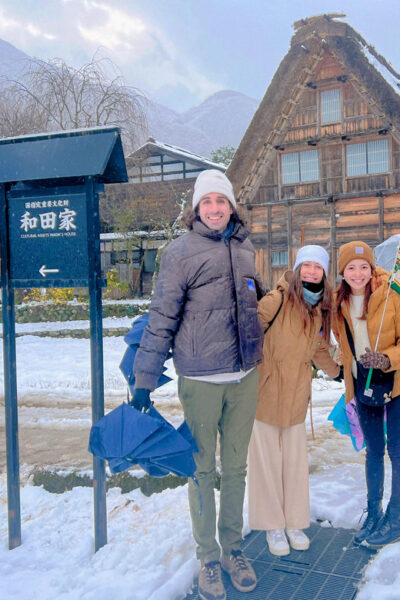
World Heritage Shirakawa-go & Two Local Experience
Read our review →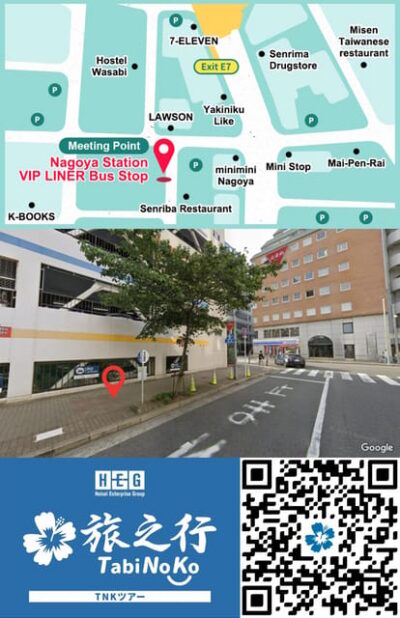
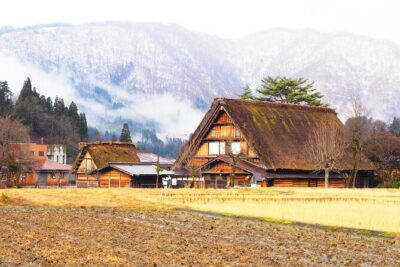
![[One-day bus tour departing from Kanazawa Station] Shirakawa-go and Gokayama – Two World Heritage Villages Enjoyable Bus Tour](https://f.bestjapantours.com/wp-content/uploads/one-day-bus-tour-departing-from-kanazawa-station-shirakawa-go-and-gokayama-two-world-heritage-villages-enjoyable-bus-tour-400x267.jpg)
[One-day bus tour departing from Kanazawa Station] Shirakawa-go and Gokayama – Two World Heritage Villages Enjoyable Bus Tour
Read our review →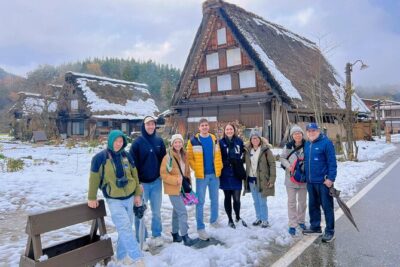
World Heritage Shirakawa-go Perfect Guided Tour from Kanazawa
Read our review →Browse the lists this tour appears in