
REVIEW · SHIRAKAWA-GO VILLAGE TOURS
Kanazawa: World Heritage Shirakawa-go & Two Local Experience
Shirakawa-go is the star here: a UNESCO-listed mountain village with steep gassho-zukuri farmhouses, reached without the hassle of arranging a bus connection yourself. The clever part is what comes next. You return to Kanazawa for Kenrokuen Garden and hands-on local crafts, so the day gives you both rural Japan and refined city culture.
I like the early arrival at Shirakawa-go, when the village is quieter and easier to photograph. I also like the guides, especially the warm, energetic style associated with Yasushi and Aiko, plus the useful mix of commentary and free time. The trade-off is a packed nine-hour schedule. You see a lot, but this is a sampler, not a slow stay in either place.
In This Review
- Key points at a glance
- Why this route works so well
- Meeting the coach at Kanazawa Station
- Shirakawa-go, thatched roofs and mountain air
- Kenrokuen, a garden designed for changing views
- Wagashi or Daruma painting in Kanazawa
- Higashi Chaya and Kanazawa’s gold leaf tradition
- What $116 includes, and what it does not
- The main strengths and the real compromises
- Who should book this day trip
- Final verdict: a strong one-day introduction
- FAQ
- Where does the tour begin?
- Is hotel pickup included?
- How long does the tour last?
- Is Shirakawa-go a UNESCO World Heritage Site?
- Is lunch included?
- What craft activities are included?
- What languages are available?
- Can the itinerary change?
Key points at a glance
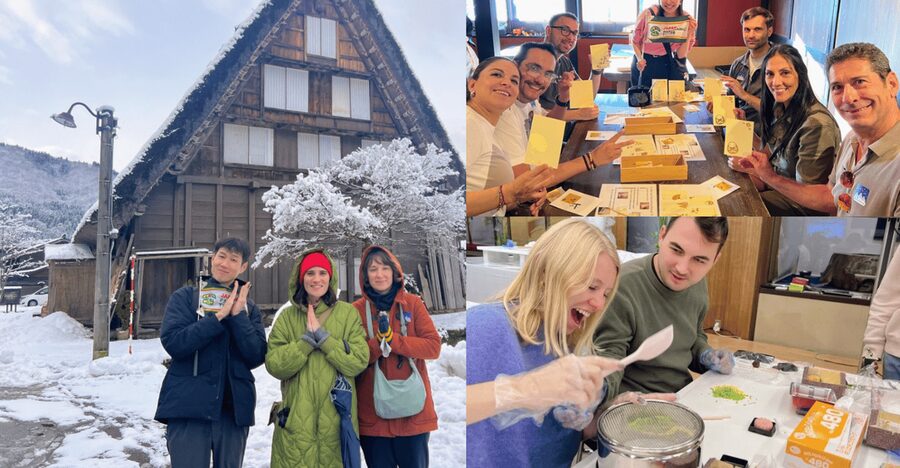
- Shirakawa-go before the crowds: Spend about two and a half hours among thatched farmhouses, mountain views, local food stalls, and snowy lanes in winter.
- Two sides of Kanazawa in one afternoon: Walk through Kenrokuen Garden, pass Kanazawa Castle, then explore the old Higashi Chaya entertainment district.
- Make something with your hands: Depending on the craftsperson’s schedule, you make wagashi sweets or paint a Daruma doll.
- Gold leaf is more than decoration: Create a gold leaf postcard and see why Kanazawa is Japan’s leading gold leaf production center.
- A guide-led day with room to wander: English commentary, multilingual audio guidance, and independent time keep the tour from feeling like one long lecture.
- Good value for a single day: At $116 per person, transport, garden admission, both craft fees, and guided access are included. Lunch is not.
Why this route works so well
Kanazawa is a terrific base for seeing central Honshu, but Shirakawa-go is not next door. Public transport is possible, yet it takes planning, fixed departure times, and some care with connections. This tour removes that work with a reserved air-conditioned coach from Kanazawa Station.
The route also solves a common sightseeing problem: spending an entire day on one famous village and missing Kanazawa itself. Here, the morning goes to Shirakawa-go, while the afternoon introduces you to the garden, castle area, crafts, and tea district that give Kanazawa its particular character.
I especially like the change of pace. Shirakawa-go is about timber houses, farming traditions, and mountain scenery. Kanazawa is about garden design, geisha culture, sweets, and gold leaf. The two places feel different enough that the long day does not become repetitive.
The schedule is full, though. You need comfortable shoes, a willingness to keep moving, and realistic expectations about free time. If you want to enter every building, linger over lunch, shop at length, and sit in a teahouse, book separate days instead.
More Shirakawa-go Village Tours in Takayama
- Kanazawa: World Heritage Shirakawa-go Morning Guided Tour
★ 4.9 · 988 reviews - Departing from Takayama [Regular sightseeing bus] World Heritage Sites Shirakawago and Gokayama Ainokura
★ 4.5 · 137 reviews - From Takayama: Guided Day Trip to Takayama and Shirakawa-go
★ 4.9 · 113 reviews
Meeting the coach at Kanazawa Station
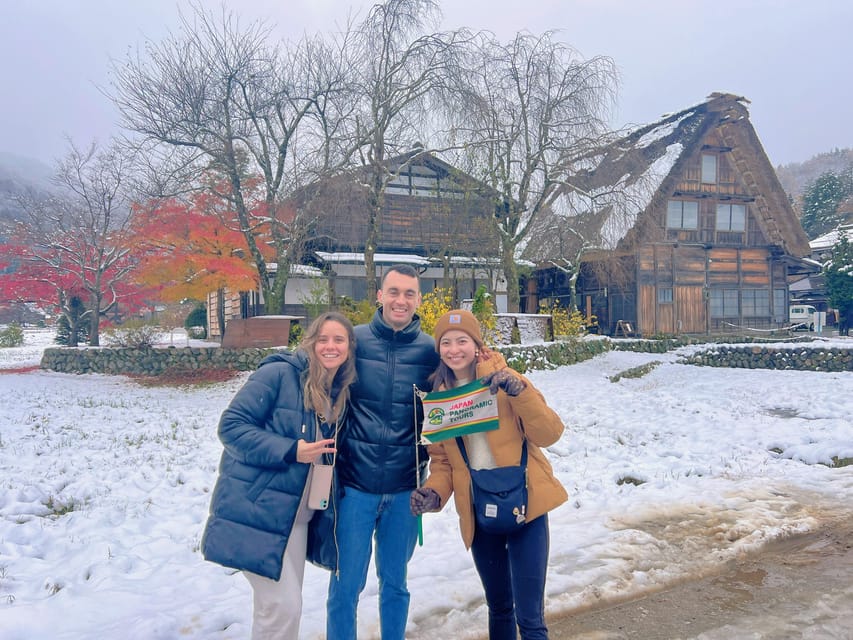
The day begins at the Kanazawa Station West Plaza Short-term Car Park, at 1-chōme-6-802 Hirooka. Check-in is at 7:50 AM, with departure at 8:00 AM. Look for the green and white Japan Panoramic Tours flag.
This is an important start to get right. The tour does not include hotel pickup, and latecomers and no-shows receive no refund or schedule change. I would arrive at the station early enough to find the west-side meeting area without rushing.
The coach has air conditioning, free Wi-Fi, regular ventilation, and an antibacterial coating. The outward ride to Shirakawa-go is listed at about 80 minutes, though traffic and weather can affect the timing. The bus is not just a transfer: your English-speaking guide uses the ride to explain Kanazawa, Japanese customs, and what to expect at the village.
Guides including Yasushi and Aiko have been praised for clear English, humor, quizzes, photos, and small visual aids such as pictures or a scrapbook. That style matters on a long bus ride. You get useful context before arriving, rather than trying to make sense of the village on your own.
If you prefer another language, audio guidance is available in Spanish, French, Italian, German, Portuguese, and Ukrainian. The live tour commentary is in English and Japanese.
Shirakawa-go, thatched roofs and mountain air
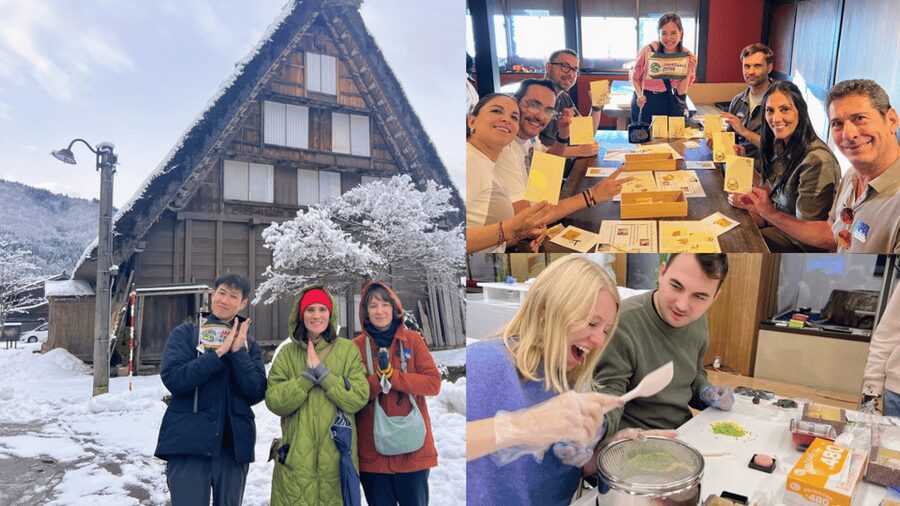
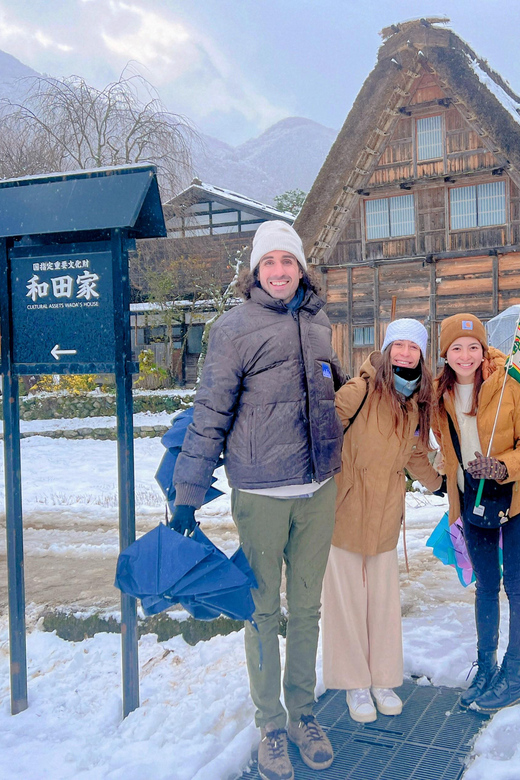
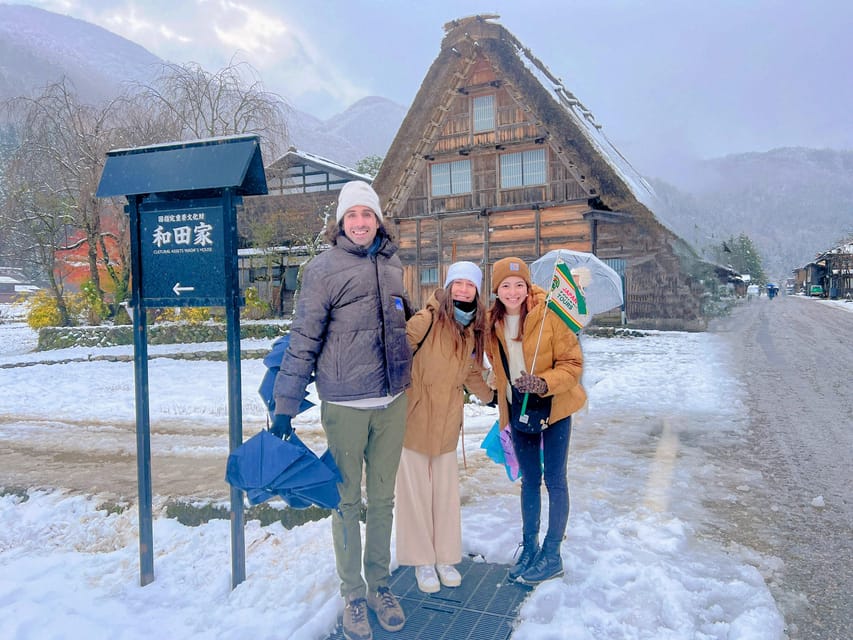
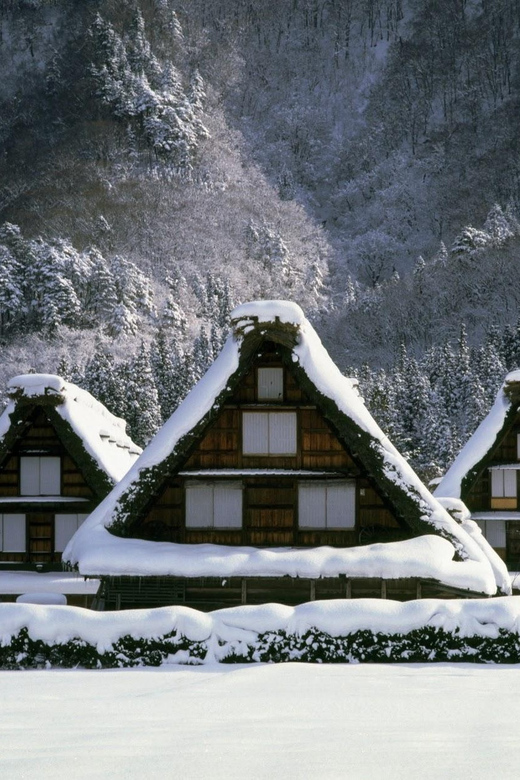
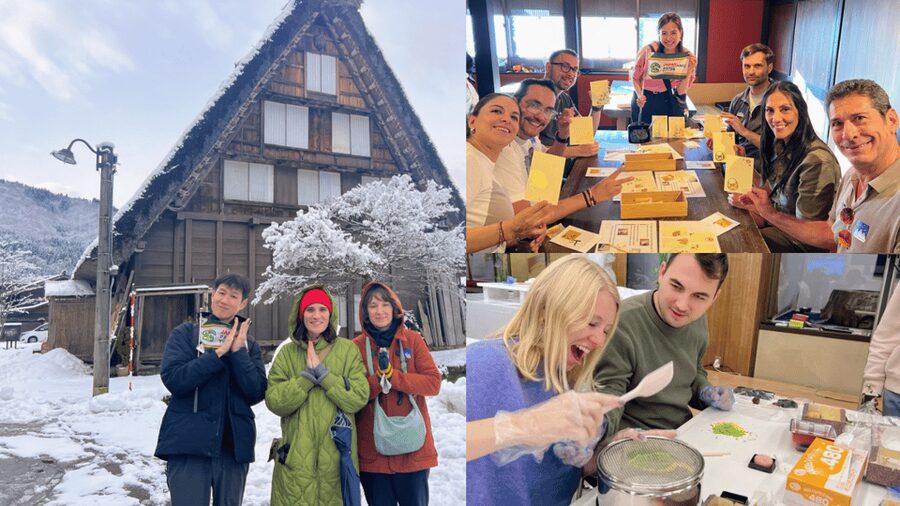
Shirakawa-go was added to the UNESCO World Heritage list in 1995. Its famous houses use the steep triangular gassho-zukuri design, built to handle heavy snowfall. The roofs look almost like hands pressed together in prayer, and the houses give the village its instantly recognizable profile.
You have roughly 2 hours and 20 minutes to 2 hours and 30 minutes here, including a guided walk and time to explore independently. That is enough for the main village experience, photographs, local snacks, and a view of the surrounding mountains. It is not enough for every house, trail, shop, and museum at a leisurely pace.
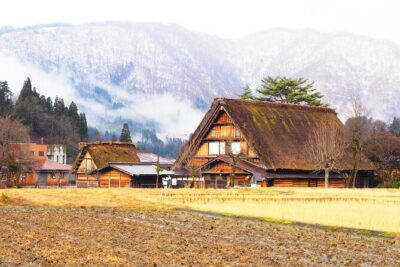
The early timing is one of the tour’s practical strengths. Arriving in the morning can mean fewer groups around the most scenic lanes. In winter, snow may turn the village into a picture-book scene, but it also makes footwear and careful walking important. In autumn, the surrounding colors can be striking. Summer brings a different look, with greener hills and warmer conditions.
Your guide introduces the village’s architecture and living traditions, then gives you space to wander. That balance is better than being escorted from one photo point to another. You can follow recommendations, or set off at your own pace after the orientation.
Lunch is on your own. Shirakawa-go offers local specialties such as Hida beef and Doburoku ice cream, along with other snacks and meals. Since lunch is not included, use the free time wisely. If you have a particular food stop in mind, ask the guide early and keep an eye on the meeting time.
One small limitation is that some people will want more time here. An extra hour would make it easier to slow down, visit additional buildings, or enjoy lunch without watching the clock. Still, the scheduled time gives you a meaningful look at the village while preserving the afternoon in Kanazawa.
Kenrokuen, a garden designed for changing views
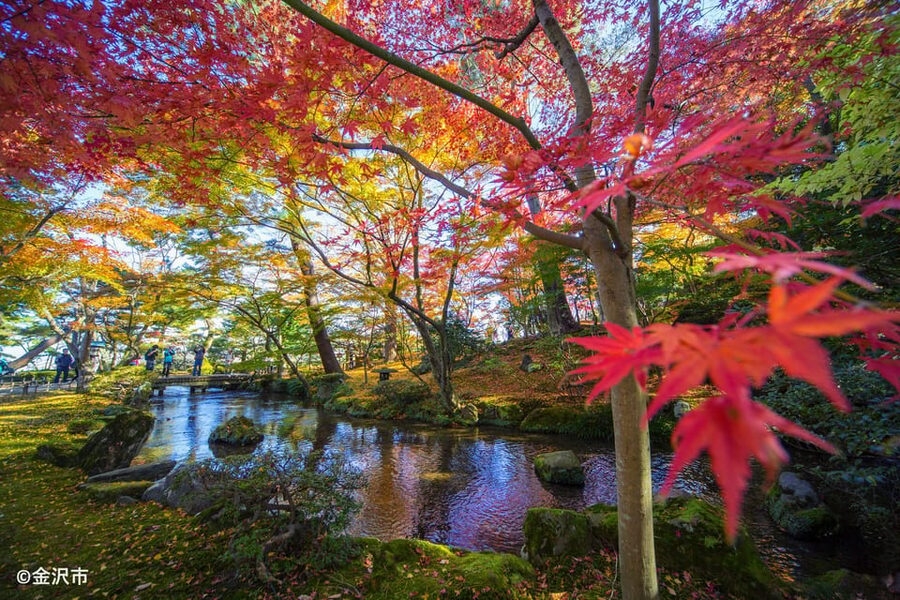
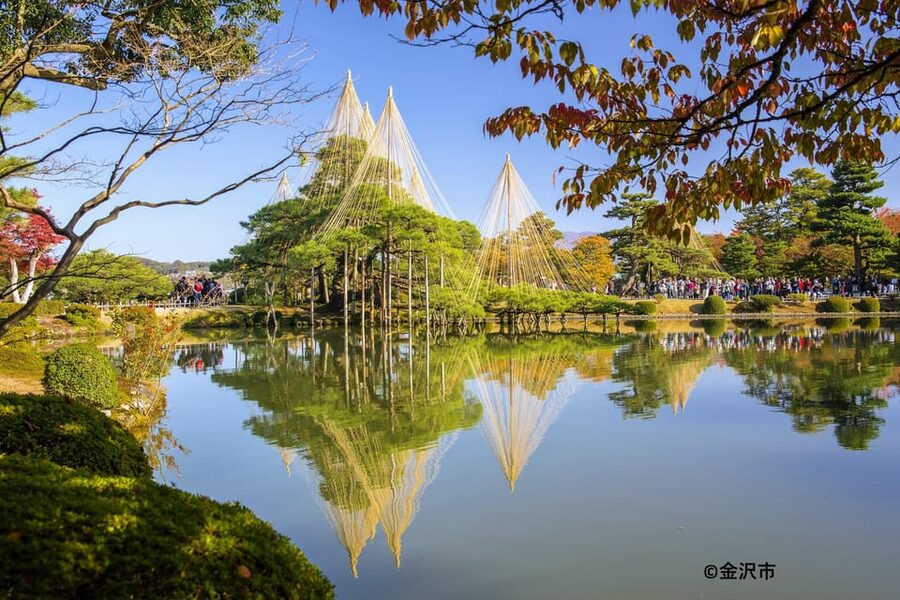
After Shirakawa-go, the tour returns to Kanazawa for Kenrokuen, one of Japan’s three most beautiful gardens. The name refers to six qualities traditionally prized in a garden: spaciousness, seclusion, artifice, antiquity, water, and views. You do not need to memorize the theory, but it helps explain why the garden feels different from a simple park.
The guide points out how water, trees, flowers, stones, bridges, teahouses, and hidden corners are arranged to reveal new views as you walk. That commentary is valuable because Japanese gardens can appear calm and simple at first glance. The design is doing much of its work quietly.
Kenrokuen changes with the seasons. Snow adds weight to the branches and highlights the garden’s structure. Spring brings blossoms, summer gives the ponds and trees a fuller look, and autumn brings color. Clear weather helps, but the garden is not dependent on sunshine to be worthwhile.
You have about an hour here, with admission included. That is enough for a guided introduction and a focused walk through the major areas. It is less time than you might want if gardens are your main interest. If you have already visited Kenrokuen independently, the guide can still add value by explaining symbols and design choices you may have missed.
The itinerary also includes a walk near Kanazawa Castle. The time is not separately specified, so think of this as part of the afternoon route rather than a full castle visit. You will get a sense of the historic setting, but the garden receives the more substantial visit.
Same city, a completely different kind of day:
- Kanazawa/Takayama: Shirakawago & Takayama Private Day Tour
★ 4.8 · 172 reviews - Takayama: Onigiri and miso soup making at a buddhist temple
★ 4.9 · 93 reviews - Ninja Experience in Takayama – Basic Course
★ 5.0 · 62 reviews - Ninja Experience in Takayama – Basic Course
★ 4.6 · 59 reviews
Wagashi or Daruma painting in Kanazawa
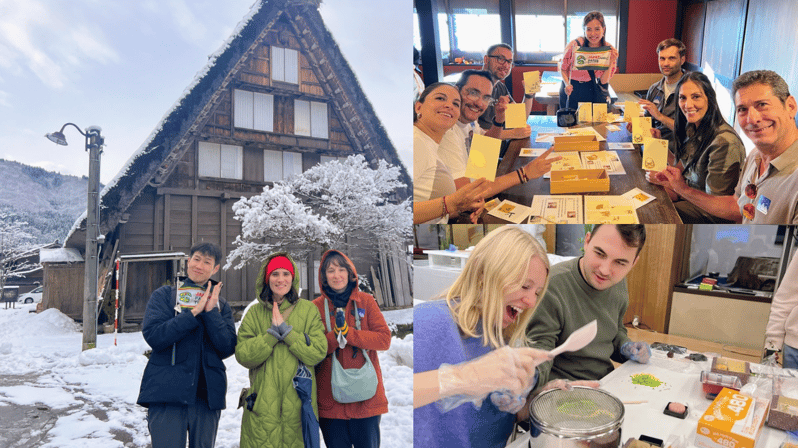
The craft portion gives the afternoon a welcome change from looking at monuments. You either make Japanese wagashi with an artisan or paint a Daruma doll, depending on the craftsperson’s schedule.
Wagashi are traditional Japanese sweets, often shaped to reflect flowers, seasons, or other natural forms. Under instruction, you make your own pieces and can take them home as a souvenir. The appeal is not only the finished sweet. You learn how much care goes into a small item that can look almost too pretty to eat.
If the activity is Daruma painting instead, you decorate a traditional good-luck figure. This is a more visual and lasting souvenir, and it suits people who would rather paint than work with sweets. The change is worth noting if you have your heart set on wagashi. The exact activity depends on the artisan’s schedule.
Some people will love the hands-on approach. Others may prefer watching a specialist demonstrate the craft instead of making their own. I think the activity earns its place because it lets you take part, even if your finished piece is less polished than the artisan’s work.
The session is part of roughly 50 minutes allocated to shopping and workshop time in Kanazawa. Keep your expectations practical: this is an introduction, not a full craft course. You get a taste of the process and a small object or sweets to remember it by.
Higashi Chaya and Kanazawa’s gold leaf tradition
Higashi Chaya District is one of Kanazawa’s historic entertainment areas, where geisha performed music, dance, and other traditional arts. Its wooden streets and teahouses offer a different view of the city from Kenrokuen’s open garden spaces.
The tour allows time to walk through the district, shop, enjoy the atmosphere, and take part in a gold leaf craft. The listed schedule gives about 30 minutes for the district and another 30 minutes for the workshop, with some overlap in the broader Kanazawa timing.
Kanazawa produces about 99 percent of Japan’s gold leaf. That fact makes the workshop more than a generic souvenir stop. You can paste gold leaf onto a postcard and take home something you made yourself. Depending on the day’s arrangements, you may also see part of the gold leaf production process, which helps explain why the material is so closely linked with Kanazawa.
Gold leaf ice cream is the district’s famous edible novelty. It is worth trying if you enjoy unusual food souvenirs, though the gold leaf contributes more sparkle than flavor. The point is the local connection and the fun photograph, not a dramatic change in taste.
The district visit is brief. You will not have time to explore every side street or wait for an evening performance. Geisha culture still exists in the area, and at night you might hear shamisen or drums from teahouses, but this daytime tour cannot promise that atmosphere. Think of Higashi Chaya as a guided introduction with a craft stop, not a full evening of entertainment.
What $116 includes, and what it does not
At $116 per person, the tour is priced as a full-day transport and culture package rather than a simple bus ride. The fee includes the coach, English and Japanese guide service, multilingual audio headsets, Kenrokuen admission, the wagashi or Daruma activity, and the gold leaf craft.
The value is strongest if you would otherwise need to arrange separate transport to Shirakawa-go, buy garden admission, and pay for two craft activities. The coach also protects you from the uncertainty of finding a convenient return connection after a long day.
Lunch and extra food or drinks are not included. You should also budget for any additional purchases in Shirakawa-go or Higashi Chaya. Gold leaf ice cream, local specialties, and souvenirs are optional extras.
For a solo visitor, the price buys convenience and company without requiring you to manage the route alone. For families, the workshops break up the sightseeing and give children something active to do. For couples, the tour offers plenty of photographs and shared activities, though independent travelers may find the schedule restrictive.
The main strengths and the real compromises
The guides are the biggest part of the experience. Yasushi is frequently described as energetic, funny, and generous with local information. Aiko is praised for her warmth, clear explanations, and ability to include the whole group. Other guides, including Keita, Ciel, and Nagomi, have also led tours with a friendly, engaging approach.
That human element matters. The guide does more than name the sights. You get explanations of Japanese culture, garden symbolism, regional foods, local history, and practical advice about where to look and what to try. Quizzes and photos can keep the bus ride lively, especially for families.
The second major strength is variety. Shirakawa-go gives you traditional rural architecture. Kenrokuen gives you artful garden design. Higashi Chaya introduces geisha culture. Wagashi, Daruma painting, and gold leaf let you use your hands rather than simply take pictures.
The compromises are mostly about time. Shirakawa-go receives the longest stop, but some visitors will want longer. Kenrokuen gets one hour, and Higashi Chaya is a short visit. The day is efficient, not slow.
The tour also depends on conditions beyond the operator’s control. Traffic, weather, and operational needs can change the order. If a listed place closes, an alternative is provided. On December 24, the published arrangement changes, with Shirakawa-go followed by Kenrokuen as a morning tour, so check the seasonal details before booking that date.
Who should book this day trip
I would recommend it to first-time visitors based in Kanazawa who want to see Shirakawa-go without arranging transport themselves. It is also a strong choice for solo visitors, families, and anyone with just one free day.
You will get the most from it if you enjoy a guide’s explanation but also want periods of independent wandering. The combination of live English commentary and free time makes the day less rigid than a stop-by-stop photo tour.
It suits people who like cultural activities with a clear local connection. Making sweets, painting a Daruma, and applying gold leaf are simple activities, but they give you a better sense of Kanazawa’s craft traditions than shopping alone.
I would hesitate if you dislike early starts, organized schedules, or bus travel. I would also choose a slower independent visit if Shirakawa-go or Kenrokuen is your main reason for coming to the region. You can see both, but you cannot give either one a whole day here.
Final verdict: a strong one-day introduction
Book this tour if you want the practical answer to a difficult routing question: how do I see Shirakawa-go and still experience Kanazawa in the same day? The answer is a busy but well-shaped outing with comfortable transport, strong guide support, and activities that keep the afternoon from becoming a string of landmarks.
The best reason to choose it is the mix. You get the thatched village, a serious Japanese garden, an old geisha district, and three small windows into local craft and food culture. Just arrive early, wear shoes suited to uneven or snowy paths, bring money for lunch and snacks, and accept that you are sampling the region rather than settling into it.
FAQ
Where does the tour begin?
It begins at the Kanazawa Station West Plaza Short-term Car Park, at 1-chōme-6-802 Hirooka, Kanazawa. Check-in is at 7:50 AM and departure is at 8:00 AM.
Is hotel pickup included?
No. You must make your own way to the Kanazawa Station meeting point.
How long does the tour last?
The tour lasts about nine hours and returns to the Kanazawa Station West Plaza parking area.
Is Shirakawa-go a UNESCO World Heritage Site?
Yes. Shirakawa-go was registered as a UNESCO World Heritage Site in 1995.
Is lunch included?
No. Lunch and additional food or drinks are not included, so you should plan to buy lunch during your free time in Shirakawa-go.
What craft activities are included?
The tour includes Japanese wagashi making or Daruma doll painting, depending on the craftsperson’s schedule. It also includes a gold leaf craft, including the chance to make a gold leaf postcard.
What languages are available?
The live tour guide service is in English and Japanese. Audio guidance is available in English, French, Italian, Spanish, German, Portuguese, and Ukrainian.
Can the itinerary change?
Yes. The order may change because of traffic, weather, or operational reasons. If a listed location is closed, an alternative place will be visited.
More Historical Tours in Takayama
- World Heritage Shirakawa-go and Experience Tours from Kanazawa
★ 5.0 · 4,049 reviews - Tokyo: Imperial Palace and Shogun Historical Walking Tour
★ 5.0 · 2,251 reviews - World Heritage Kyoto & Nara Uji Authentic Matcha Experience
★ 5.0 · 1,573 reviews - Kyoto Gion: 2-Hour Geisha Culture & History Walking Tour
★ 5.0 · 1,186 reviews
Just added around Takayama
- Takayama: Takayama Jinya & Old Town Private Walking Tour★ 4.5 · 32 reviews
- Takayama: Private Night Walking Tour with Dinner★ 4.5 · 13 reviews
- Takayama: Private Walking Tour with a Local Guide★ 4.6 · 29 reviews
- Takayama Private Custom Tour with Local Guide★ 5.0 · 31 reviews
- Takayama: Onigiri and miso soup making at a buddhist temple★ 4.9 · 93 reviews
- Takayama: Edo-Period Old Town Walking Tour★ 4.5 · 22 reviews
- Shirakawago&HidaTakayama&GujoHachiman 1 Day Tour from Nagoya★ 4.5 · 14 reviews
- Sake Tasting: Educational Tour of Six Takayama Breweries★ 5.0 · 14 reviews
Shirakawa-go Village Tours, compared.
World Heritage Shirakawa-go and Experience Tours from Kanazawa
Read our review →
World Heritage Shirakawa-go Morning Guided Tour
Read our review →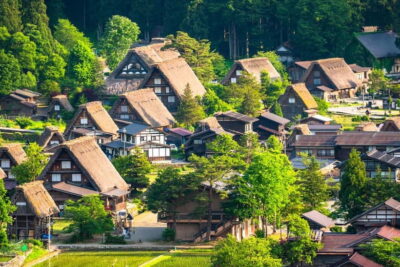
![[One-day bus tour departing from Kanazawa Station] Shirakawa-go and Gokayama – Two World Heritage Villages Enjoyable Bus Tour](https://f.bestjapantours.com/wp-content/uploads/one-day-bus-tour-departing-from-kanazawa-station-shirakawa-go-and-gokayama-two-world-heritage-villages-enjoyable-bus-tour-400x267.jpg)
[One-day bus tour departing from Kanazawa Station] Shirakawa-go and Gokayama – Two World Heritage Villages Enjoyable Bus Tour
Read our review →
World Heritage Shirakawa-go Perfect Guided Tour from Kanazawa
Read our review →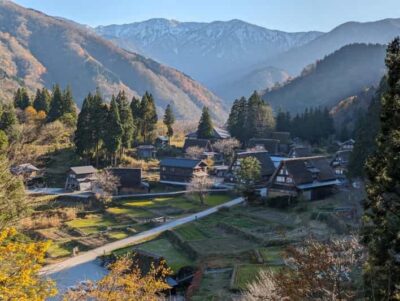
Browse the lists this tour appears in