
REVIEW · SHIRAKAWA-GO VILLAGE TOURS
From Kanazawa: Shirakawa-go, Gokayama and Wood Carving Art
Inami’s carved shopfronts and Zuisenji Temple make a fine opening act for a day usually booked for Shirakawa-go. I like the mix of hands-on craft and mountain villages, and I like that Gokayama often feels quieter and more personal than its famous neighbor. You may even spend more time admiring Ainokura than Shirakawa-go.
I also like the small-group feel, with guides such as Daniel, Mike, Garrett, and others praised for clear explanations and good judgment. The catch is the long day and the uncertain lunch setup. Food is not included, and one busy or weather-affected day can make the van feel tight.
In This Review
- Key points at a glance
- Why this day trip is more than a Shirakawa-go visit
- Starting from Kanazawa Station
- Inami, the town where woodwork fills the street
- Zuisenji Temple and its carved animals
- Gokayama and Ainokura’s quiet thatched houses
- Making washi paper with your own hands
- Shirakawa-go, the famous final stop
- The matcha stop at Shima
- Guides make the difference
- Timing, weather, and practical tradeoffs
- Who should book this tour?
- Should you book it?
- FAQ
- Where does the tour start?
- What time does the tour begin?
- What places does the tour visit?
- Is lunch included?
- Is the paper-making workshop included?
- Is transportation included?
- Can I finish the tour in Takayama?
- What happens if I need to cancel?
Key points at a glance
- Inami’s carved cats: Spot the 32 hidden cat figures along a street lined with traditional woodwork.
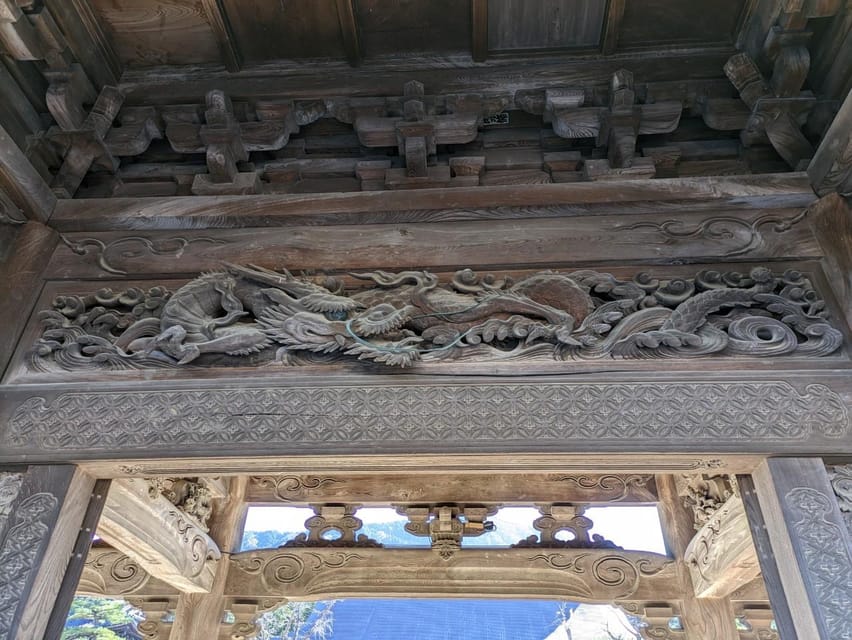
- Zuisenji Temple: See elaborate dragons, lions, elephants, gates, and other carvings in a large temple rebuilt after an 18th-century fire.
- Ainokura paper making: Make washi paper by hand and take home a useful memory of Gokayama.
- Two very different UNESCO stops: Ainokura is quiet and rural, while Shirakawa-go is more famous and often much busier.
- A guide-led mountain day: The English-speaking guide adds context during the drives and leaves room for wandering on your own.
- Useful route flexibility: Some departures can finish at Takayama Station instead of returning to Kanazawa, depending on the option booked.
Why this day trip is more than a Shirakawa-go visit
Shirakawa-go is the headline, with its steep thatched gassho farmhouses and postcard village views. But the clever part of this $180 day is the route before you get there.
Inami introduces a working craft town. Gokayama adds a quiet historic settlement and a paper-making workshop. By the time you reach Shirakawa-go, you have a better sense of how mountain communities used local materials, adapted to snow, and supported themselves far from Japan’s major cities.
I see this as a strong choice for you if you want more than a quick photo stop. It is also useful if regular bus tickets to Shirakawa-go are sold out, or if you would rather have transportation, entry fees, and an English-speaking guide handled in one package.
The price is not cheap for a one-day outing. Still, it includes transport between four widely separated areas, the Zuisenji entry fee, guiding in Inami and Shirakawa-go, and the Japanese paper workshop. Buying separate transport and arranging the rural stops yourself would take extra planning, and you would lose the local explanations that give the smaller towns their meaning.
More Shirakawa-go Village Tours in Kanazawa
Starting from Kanazawa Station
Meet your guide near the Information Center by the Shinkansen Ticket Gates at Kanazawa Station. The usual start is 9:00 a.m., changing to 8:30 a.m. from June 1. The bus leaves from the Kanazawa Port side of the station, so give yourself time to find the correct side and meeting point.
The first ride takes about an hour. You pass from the city through the Hokuriku mountains and out toward the plains. It is not a sightseeing cruise with scheduled photo stops, but the changing scenery helps explain why these villages developed as isolated mountain communities.
Transportation is one of the tour’s strongest practical features. Inami, Gokayama, and Shirakawa-go are not places I would want to connect in a single day using local buses. The drive also gives you a warm place to recover in cold or wet weather, something particularly welcome in winter and early spring.
Group size can vary. Several departures have been small, sometimes only four to eight people, creating an informal feel and allowing plenty of questions. A single critical point is worth keeping in mind: one person found a full van claustrophobic. If you dislike compact group transport, ask about the vehicle and group size before booking.
Inami, the town where woodwork fills the street
After roughly an hour, you arrive in Inami, a town known for traditional woodcarving. More than 100 professional woodcarvers work in the area, and the craft is not confined to a museum display. Carved details appear above shops, around entrances, and along the main road leading toward Zuisenji Temple.
This is a good place to slow down and look up. The most impressive work is often not at eye level. Shopfront panels, decorative beams, and small figures turn an ordinary walk into a quiet treasure hunt.
The hidden cats add a playful touch. The town association identifies 32 of them, though individual shops have added more. You can make a small game of spotting them as you walk, especially if you are traveling with children or need a lighter counterpoint to the temple’s formal design.
You may also see woodcarvers or carved works for sale. The quality is exceptional, but the shopping scene is not designed like a large souvenir market. Some shops may be closed, and smaller, inexpensive carvings are not always easy to find. If you see a piece you truly like, do not assume another shop will have something similar later.
One especially notable stop is associated with a living national treasure. The experience is less about buying a trinket and more about seeing a serious local craft tradition that is becoming harder to find. The town’s quieter mood is part of its appeal. Do not expect the number of open shops or visitor services found in Shirakawa-go.
Zuisenji Temple and its carved animals
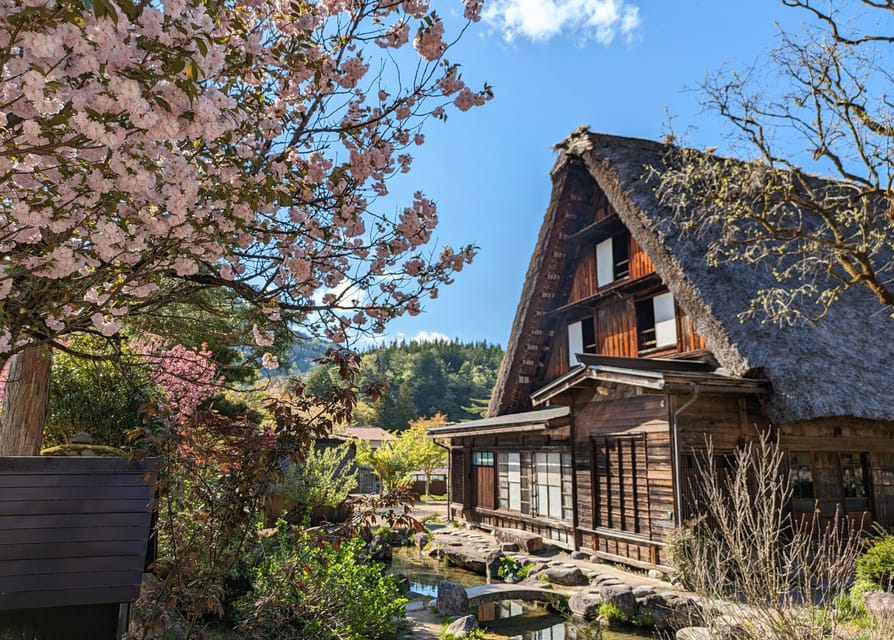
The main street ends at Zuisenji, a roughly 300-year-old temple with imposing walls. Approaching it can feel more like entering a castle than a temple courtyard, which makes the first view memorable.
The temple’s earlier structure dates to the 1300s, but it burned in 1735. The rebuilding brought a celebrated woodcarver from Kyoto, and the result gives you a direct link between Inami’s living craft and its religious architecture.
Look carefully at the gates and surrounding buildings. Dragons, lions, elephants, and detailed geometric patterns appear across the grounds. These carvings reward a guided visit because the details are easy to miss if you simply walk in, take a few photos, and leave.
The temple entry fee is included. Allow about an hour for the Inami visit, including the street, the carvings, and Zuisenji. The pace is generally comfortable, but the schedule does not leave unlimited time for browsing every workshop.
Same city, a completely different kind of day:
- Kanazawa: Kenrokuen Tea Ceremony Experience
★ 4.8 · 1,139 reviews - Kanazawa Half Day Tour (Private Guide)
★ 5.0 · 361 reviews - Kanazawa Full Day Tour (Private Guide)
★ 5.0 · 323 reviews - World Heritage Shirakawa-go Perfect Guided Tour from Kanazawa
★ 5.0 · 220 reviews
Gokayama and Ainokura’s quiet thatched houses
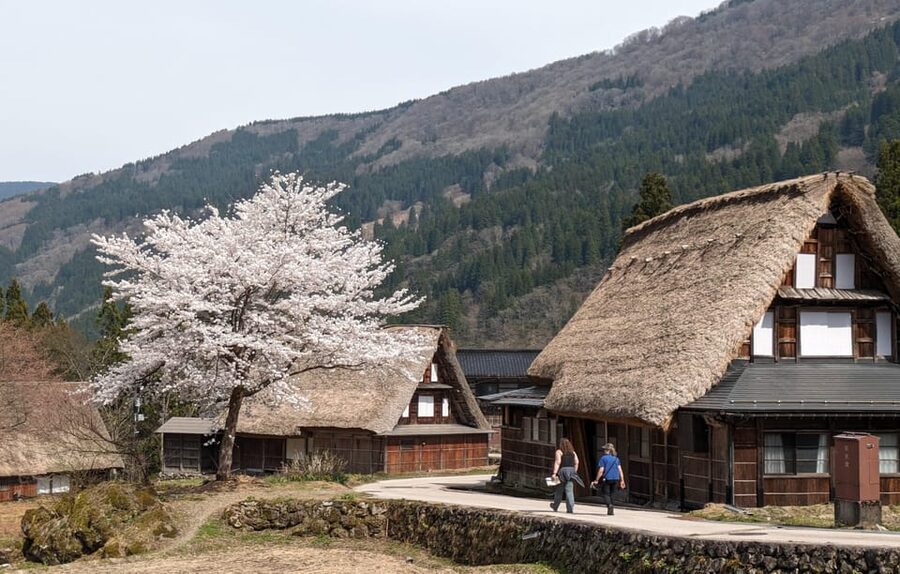
The ride from Inami to Gokayama takes about 35 minutes. Gokayama is one of the two areas included in the UNESCO World Heritage designation connected with the traditional villages of the region. The usual stop is Ainokura, one of the best-preserved settlements.
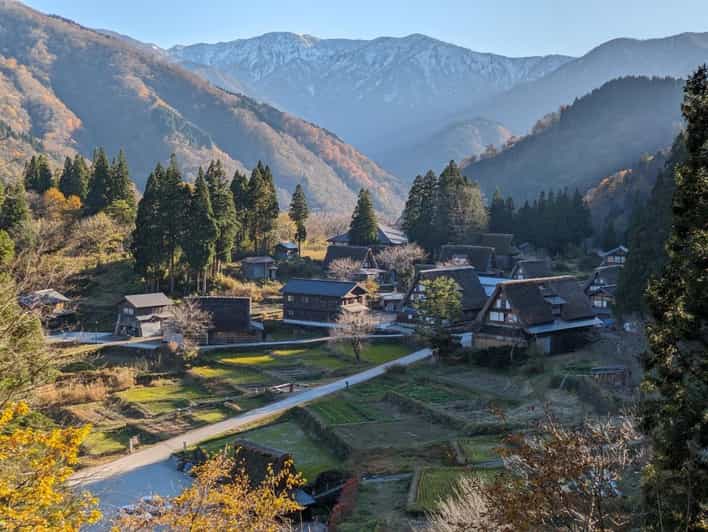
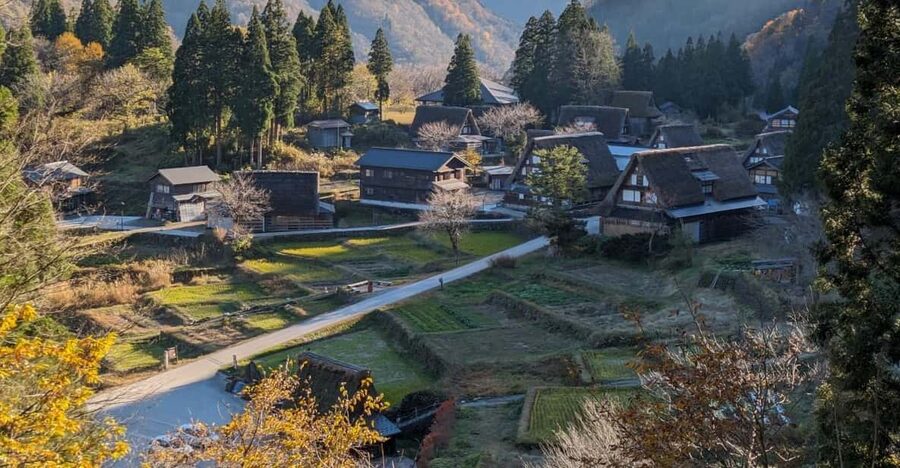
Ainokura is the contrast you need after Inami and before Shirakawa-go. Its thatched farmhouses sit in a mountain setting with a more peaceful, rural character. Several people have found this stop more appealing than the better-known village later in the day, largely because it offers room to breathe and fewer commercial distractions.
The houses are not just pretty façades. These remote settlements depended on agriculture, sake production, paper manufacture, and even gunpowder production. Their survival was tied to making useful goods in a difficult setting, not to tourism.
You will tour the village with your guide and usually have time for a short walk or viewpoint visit. The exact amount of free time depends on lunch, weather, and the group. One useful tip comes from a winter visit: if you plan to eat in Ainokura, you may have less time to explore, so decide what matters most before sitting down.
Snow can make Ainokura especially striking, but rain and cold are also possible. Wear shoes with a good grip and bring layers. The warm bus waiting between stops becomes a real comfort when the weather turns sharp.
Making washi paper with your own hands
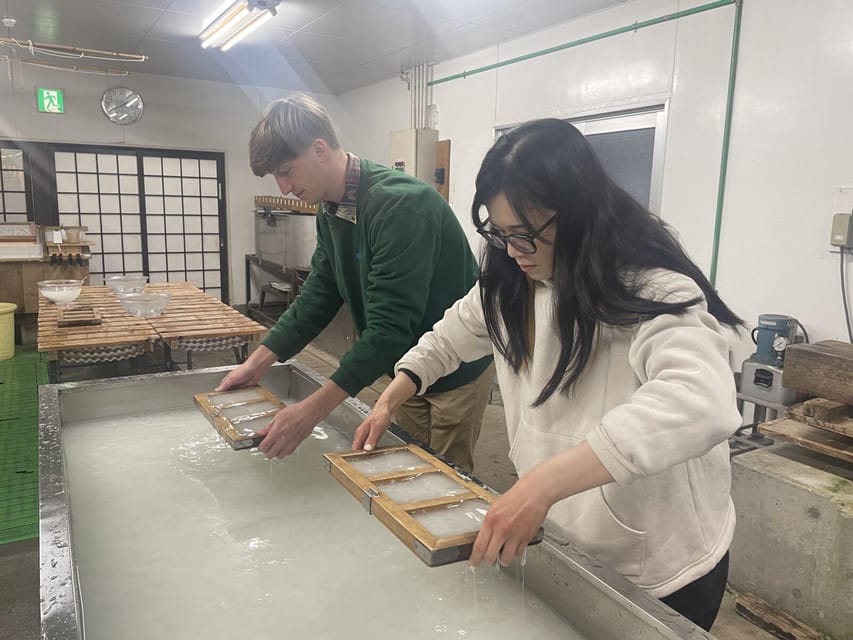
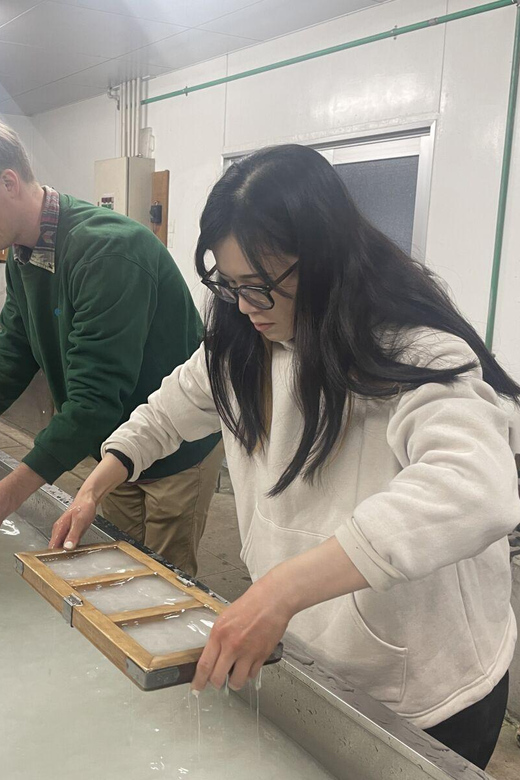
The paper-making workshop is the most active part of the day. Gokayama was historically known for paper production, and you get to try a traditional Japanese method rather than simply watch a demonstration.
Expect to get your hands wet as you shape the fibers and form a sheet. The activity gives you a small physical connection to the place. Instead of returning with only photographs, you leave with a paper souvenir tied to a local skill.
This workshop works well for a wide range of ages and interests. Children can take part, couples can make a shared memory, and craft-minded visitors get a better understanding of how much care goes into an everyday material.
The paper-making activity is normally included, but it is not offered from December 27 through January 3. All activities are subject to availability, so check the date carefully if the workshop is the main reason you are booking.
Lunch is not included. There is usually time to eat in Ainokura, though the meal may instead take place in Inami depending on conditions. Bring your own lunch if you have strict dietary needs, dislike making quick food decisions, or simply want to protect your time in the village.
Shirakawa-go, the famous final stop
After about 40 minutes on the road, you arrive at Shirakawa-go. The village is known for gassho-style farmhouses, whose sharply pitched thatched roofs were built to handle heavy mountain snow.
You begin along the main street with a guided walk through the historic area. The visit also includes entry into one of the thatched-roof houses, which helps you understand these buildings as working homes rather than scenic shells.
Two hours gives you a useful amount of time. You can follow the guided portion, then take photographs, browse shops, look for local sweets, or visit additional sites if time permits. Some past itineraries have included interest in a rice industry museum, farmhouse interiors, pudding, and souvenirs, but do not assume every optional stop is guaranteed.
Shirakawa-go is the busiest part of the route. Its fame brings crowds, and some days feel very different from the quiet lanes of Ainokura. If you want peaceful photographs, use the guided walk to get your bearings, then spend your free time away from the most packed stretches.
The village is still worth seeing. Its rooflines, mountain setting, and preserved town form are unlike anything in Kanazawa. I simply recommend adjusting your expectations: Shirakawa-go is a major attraction, while Ainokura feels like a smaller rural discovery.
The matcha stop at Shima
The experience information also lists a matcha stop at Shima, a heritage site with classic architecture. This adds a more refined, historic interior setting to a day otherwise centered on temples, villages, and hands-on craft.
Because the detailed route timing does not clearly place Shima among the main stops, confirm how this part fits into your selected departure. Activities and venue access can vary by date. Treat the matcha experience as an attractive included highlight when available, not as the sole reason to book the tour.
Guides make the difference
The guide is important here because the places are small and the visual details easy to miss. Daniel, Mike, Garrett, Lee, Mohammed, and other English-speaking guides have led departures, and their roles go beyond pointing out photo spots.
A good guide can explain why Inami’s carvings matter, connect Zuisenji to the town’s craft tradition, and make sense of Gokayama’s old industries. Guides have also helped with practical problems, including lost phones, misplaced bags, and questions about food or the rest of a Kanazawa visit.
The best balance is part of the appeal. You get explanations at each stop, then time to take photos and wander without a running commentary in your ear. If you enjoy asking questions about Japanese culture and daily life, the long drives are useful too.
Transport scores are very high, and the drivers are often praised for smooth, careful driving. That matters on a full day with mountain roads and changing weather. The bus is also a welcome place to warm up in snow or rain.
Timing, weather, and practical tradeoffs
The day begins in the morning and usually returns to Kanazawa between 6:00 and 6:30 p.m., depending on traffic. The final ride takes a little over an hour, so plan a relaxed evening rather than a tightly timed dinner reservation.
You will spend a lot of the day moving between stops. That is the price of seeing three distinct places in one outing. The schedule works best if you value variety and organized transport more than lingering for half a day in one village.
Weather can change the feel of the experience. Clear skies and snow produce beautiful mountain views, while rain can make walking less comfortable. The tour still offers value in poor weather because the bus is heated and the indoor temple, workshop, and farmhouse visits remain worthwhile.
Bring lunch or snacks, comfortable walking shoes, a waterproof layer, and a phone or camera with spare battery power. Keep purchases compact, since the vehicle may already have a full group and luggage.
Free cancellation is available up to 24 hours before departure, and you can reserve while paying later. The meeting point can vary by the option you select, so read the final booking details carefully.
Who should book this tour?
I recommend it most strongly for first-time visitors to the Hokuriku region, culture-minded couples, solo visitors who want company, families who like practical activities, and anyone who wants Shirakawa-go without arranging several buses.
It is also a smart route for people traveling from Kanazawa toward Takayama, since some options allow drop-off at Takayama Station. Confirm that option before booking, because not every departure has the same start and finish.
You may prefer another plan if you want a slow, unstructured day, extensive shopping, or a guaranteed long lunch. Inami can be quiet, some stores may be closed, and the van may feel cramped if the group is full.
Should you book it?
At $180, this is a fairly priced convenience tour rather than a bargain outing. You are paying for a full day of transport, an English-speaking guide, temple admission, the paper-making session, and access to rural places that are awkward to connect independently.
I would book it for the complete combination, not only for Shirakawa-go. The quiet character of Ainokura, the intricate work in Inami, and the chance to make paper give the day more substance than a standard village transfer. Bring food, prepare for a long day, and check the date-specific workshop and matcha details. If those conditions suit you, this is one of the better ways to see the mountain communities beyond Kanazawa.
FAQ
Where does the tour start?
The tour starts at Kanazawa Station. The guide meets you near the Information Center by the Shinkansen Ticket Gates, and boarding takes place at the bus terminal on the Kanazawa Port side of the station.
What time does the tour begin?
The usual start time is 9:00 a.m. From June 1, the start time changes to 8:30 a.m. Check the departure details for your selected date.
What places does the tour visit?
The route includes Inami, Zuisenji Temple, Gokayama and its Ainokura village, and Shirakawa-go. The activity information also lists a matcha experience at Shima, subject to availability and the selected option.
Is lunch included?
No. Lunch is not included. There is usually time to eat in Ainokura, though lunch may take place in Inami depending on circumstances. You can bring your own lunch if you have specific preferences.
Is the paper-making workshop included?
Yes. The traditional Japanese paper-making fee is included. The workshop is not available from December 27 through January 3, and all activities depend on venue availability.
Is transportation included?
Yes. Transportation to and from Shirakawa-go and the other listed destinations is included. The return to Kanazawa normally takes a little over an hour.
Can I finish the tour in Takayama?
Some options offer drop-off at Takayama Station instead of Kanazawa Station. The available drop-off depends on the option booked, so confirm it before paying.
What happens if I need to cancel?
You can cancel up to 24 hours in advance for a full refund. The tour also offers a reserve-now, pay-later option.
Just added around Kanazawa
- Shirakawa-go, Gokayama & Takayama Private Tour From Kanazawa★ 4.7 · 21 reviews
- From Kanazawa/Toyama: Shirakawago and Takayama Day Tour★ 4.7 · 82 reviews
- Kanazawa:Traditional Experience -kimono rent at wargo★ 4.7 · 30 reviews
- Kanazawa: Samurai Swordsmanship Lesson at a rented temple★ 5.0 · 21 reviews
- Kanazawa: Private Tour with Local Guide★ 4.9 · 70 reviews
- Kanazawa: Private Food Tasting Walking Tour★ 4.7 · 25 reviews
- Kanazawa Historic Brewery: Fermentation Tour, Tasting, Lunch★ 4.9 · 15 reviews
- Kanazawa: Private Custom Tour with Local Guide★ 4.9 · 20 reviews
Shirakawa-go Village Tours, compared.
World Heritage Shirakawa-go and Experience Tours from Kanazawa
Read our review →
World Heritage Shirakawa-go Morning Guided Tour
Read our review →
World Heritage Shirakawa-go & Two Local Experience
Read our review →
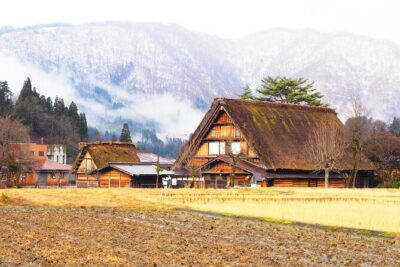
![[One-day bus tour departing from Kanazawa Station] Shirakawa-go and Gokayama – Two World Heritage Villages Enjoyable Bus Tour](https://f.bestjapantours.com/wp-content/uploads/one-day-bus-tour-departing-from-kanazawa-station-shirakawa-go-and-gokayama-two-world-heritage-villages-enjoyable-bus-tour-400x267.jpg)
[One-day bus tour departing from Kanazawa Station] Shirakawa-go and Gokayama – Two World Heritage Villages Enjoyable Bus Tour
Read our review →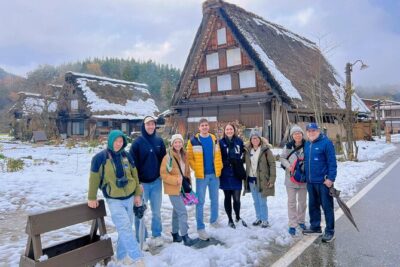
World Heritage Shirakawa-go Perfect Guided Tour from Kanazawa
Read our review →Browse the lists this tour appears in