
REVIEW · JAPANESE COOKING CLASSES
Private Japanese Cooking Class in Sapporo with Local Host Kanae
The best part of this Sapporo experience is not simply learning a recipe. It is entering Kanae’s family home, hearing about life in Hokkaido, and cooking in the open kitchen where a local family actually prepares food. The menu changes with the season and may include udon, tempura, seafood, tofu, burdock, and miso soup.
I like the private format, which gives you room to ask questions and work at a comfortable pace. I also like that the meal is made with local vegetables, fish, and meat, then served at the table while the food is still fresh. The main consideration is transport: hotel pickup is not included, and groups larger than four guests must arrange a taxi from the meeting point.
In This Review
- Key points at a glance
- Why a home kitchen makes this class different
- Meeting Kanae at 10:30 in Sapporo
- A welcome drink and a personal introduction
- Cooking in the open kitchen for 60 to 90 minutes
- Eating the meal you prepared together
- What makes Hokkaido ingredients worth exploring
- Is $72 a fair price?
- Who will enjoy this Sapporo experience most
- Dietary needs and menu planning
- Booking ahead and cancellation flexibility
- My recommendation for booking
- FAQ
- Where does the cooking class take place?
- What time does the class begin?
- How long does the experience last?
- Is the cooking class private?
- What food might I prepare?
- Can I request vegetarian or vegan food?
- Can I report allergies or dietary restrictions?
- Are drinks included?
- Is hotel pickup included?
- What happens if my group has five or more people?
Key points at a glance
- Cook in Kanae’s Sapporo home: You get a personal look at everyday life in Hokkaido, not just a lesson in a commercial kitchen.
- The menu changes with the season: Fresh seafood, vegetables, meat, udon, tempura, tofu, burdock, and miso soup may appear.
- The cooking takes about 1 to 1.5 hours: The remaining time is spent eating, talking, and enjoying the meal you prepared.
- It is fully private: Only your own party takes part, making it a good choice for families, couples, and small groups.
- Drinks are included: Expect one or two glasses of local alcohol, with nonalcoholic preferences worth mentioning when you book.
- Plan transport carefully: Meet at 26 Chome-2 Odorinishi in Sapporo, and arrange a taxi if your group has five or more people.
Why a home kitchen makes this class different
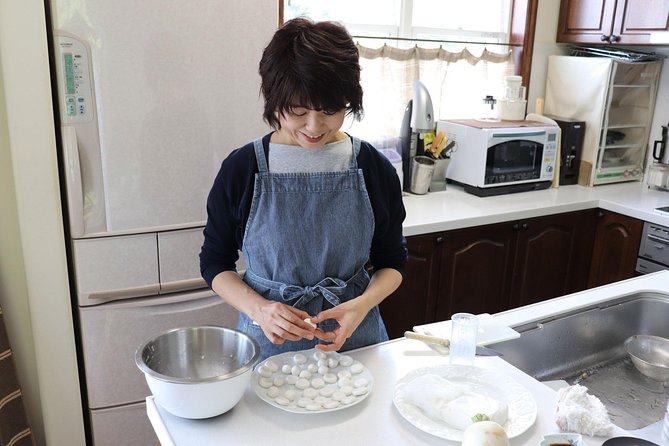
Many Japanese cooking classes focus on a fixed menu and a tidy demonstration. This one places you in a local home, which changes the feel of the afternoon. You are not just copying a chef in a studio. You are sharing a family setting and learning how Japanese food fits into daily life in Hokkaido.
Kanae welcomes you with a drink and time to talk. That opening matters. You can ask about her family, her home, and the way people live in Sapporo before the chopping boards come out. If you enjoy conversation as much as cooking, this is one of the strongest reasons to choose a private home lesson.
The home is located in one of Sapporo’s peaceful, upscale residential areas. The setting should feel calmer than the city center, though the class does not include hotel pickup or drop-off. You meet at the stated starting point, then continue to Kanae’s home according to the arrangements provided at booking.
More japanese cooking classes in Sapporo:
- Private Japanese Cooking Class in Sapporo with Local Chef Shiori
★ 5.0 · 34 reviews - Private Market Tour and Cooking Class with Kanae, a Sapporo Local
★ 5.0 · 29 reviews - Sushi Making Tokyo Roll and Authentic Japanese Sushi Class
★ 5.0 · 3,971 reviews
Meeting Kanae at 10:30 in Sapporo
The class begins at 10:30 am and lasts about three hours. The listed meeting point is 26 Chome-2 Odorinishi, Chuo Ward, Sapporo, Hokkaido 064-0820, and the experience ends back at the meeting point.
The transport plan deserves attention before you book. Kanae’s car can carry five people total, including the driver, so it can take a maximum of four participants. If your party has five or more people, you need to use a taxi and follow Kanae’s car to her home after meeting her at the station.
That is not a serious problem, but it is a detail you should settle in advance. Group discounts are available, and the private format can make the price more attractive when shared by several people. You should still allow enough time to reach the meeting point without rushing into the class.
A welcome drink and a personal introduction
The first part is gentle rather than rushed. Kanae offers a welcome drink and talks with you about her life in Hokkaido. This is a useful chance to ask about local ingredients, family meals, and the differences between familiar Japanese dishes and foods that are more specific to northern Japan.
The class includes one or two glasses of local alcohol. That is a pleasant match for the meal, but tell the provider in advance if anyone in your party does not drink or has dietary concerns. The supplied details confirm vegetarian and vegan options, as well as help with allergies and other restrictions, but you must advise them when booking.
I like this beginning because it gives the class a human shape. You are not thrown straight into a recipe. You first meet the person who will teach you, then learn why the food matters to her.
Cooking in the open kitchen for 60 to 90 minutes
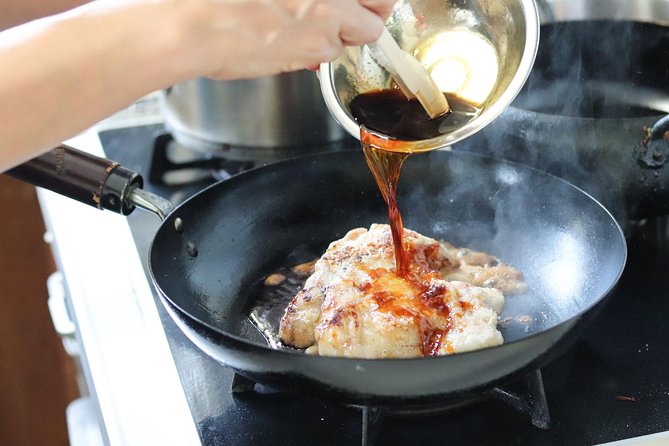
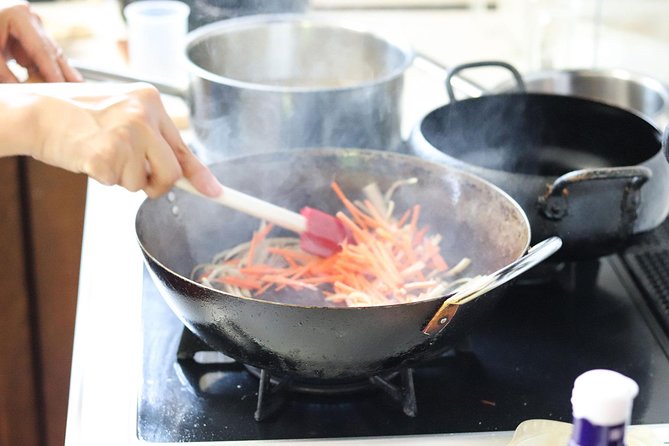
The hands-on cooking portion lasts roughly one to one and a half hours. Kanae teaches a traditional homemade Japanese meal, with the exact dishes changing according to the season and available ingredients.
Possible dishes include:
- Fresh seafood
- Cooked burdock
- Deep-fried tofu
- Miso soup
- Seasonal vegetables
- Meat dishes
- Udon and tempura, depending on the selected menu
The class has enough variety to feel like a proper meal rather than a single demonstration. You might work with a main dish, a vegetable preparation, soup, and other small plates. The menu is not guaranteed, so you should think of the changing selection as part of the experience rather than a drawback.
One especially appealing possibility is making udon from scratch and preparing crisp tempura. That combination gives you two different kinds of kitchen work: handling dough and preparing a light fried coating. If you have a particular interest in Hokkaido food, Kanae is happy to introduce regional dishes instead of a standard homestyle menu, if you request that in advance.
This is where the private format pays off. You can ask why a method is used, how an ingredient is handled, or what you could substitute at home. In a larger class, those questions can be hard to fit in. Here, the pace belongs to your group.
A few more Sapporo trips to weigh up
- Ramen Cooking Class at Ramen Factory in Kyoto
★ 5.0 · 1,937 reviews - Ramen & Gyoza Cooking Class in Tokyo with Local Supermarket Visit
★ 5.0 · 823 reviews - Kyoto: Ramen Cooking Class at a Ramen Factory with Souvenir
★ 4.9 · 532 reviews - Kyoto: Ramen, Gyoza, and Onigiri Cooking Class
★ 5.0 · 445 reviews
Eating the meal you prepared together
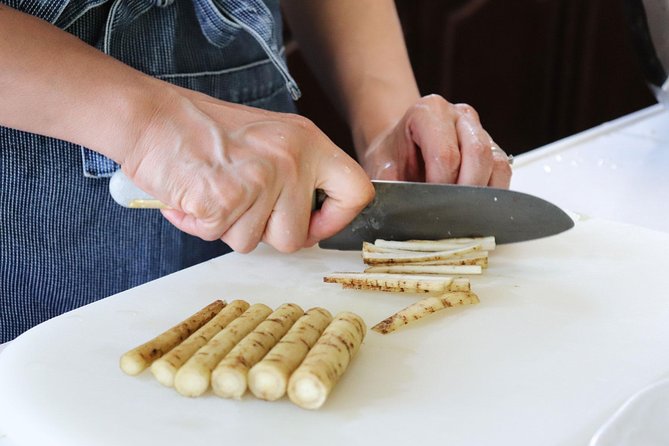
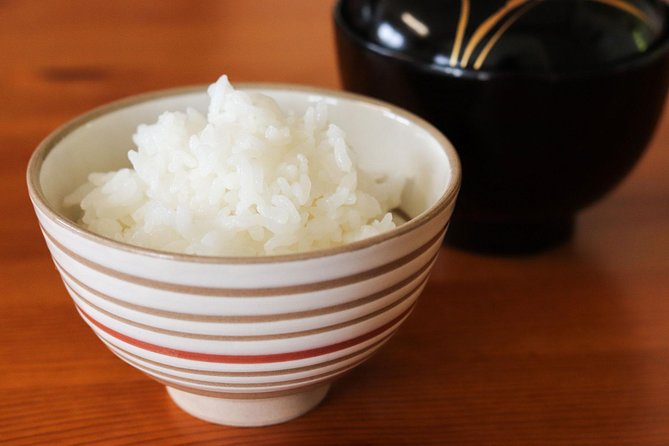
After the cooking, you sit down and eat what you made. The class is not designed as a quick lesson followed by a rushed exit. The meal is part of the experience, and you have time to enjoy the results with Kanae.
That shared table is likely to be the most memorable part for people who value conversation. The warm, personal tone comes through clearly in the feedback: Kanae is repeatedly praised for being kind, accommodating, easy to talk with, and a strong cook. One participant described the meeting as feeling like time with an old friend. Another highlighted the pleasure of making dinner and then eating it together.
You should not expect restaurant-level service or a formal tasting menu. This is home cooking, served in a family setting. That is precisely the appeal, but it also means the atmosphere is informal and the food depends on the seasonal menu chosen for your visit.
The class can also include practical food guidance beyond the meal. Kanae has helped a participant with a culinary purchase after the cooking session, so you may want to ask if you are looking for a particular ingredient or local food item.
What makes Hokkaido ingredients worth exploring
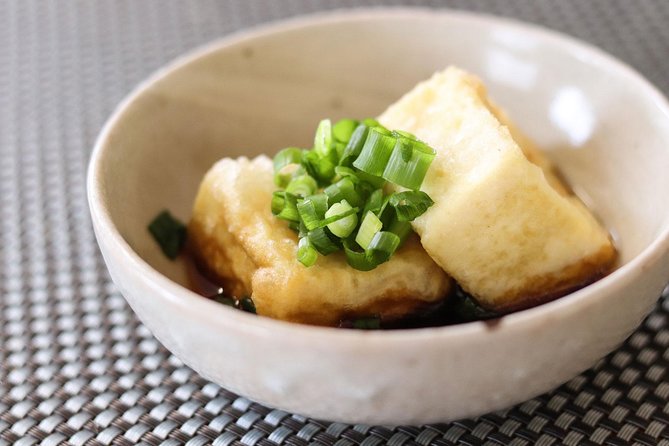
Hokkaido is well known in Japan for its produce, dairy, seafood, and cool-climate farming. This class uses locally sourced vegetables, fish, and meat, giving you a direct way to taste the region through ordinary cooking rather than a formal food tour.
The menu may be especially appealing if you have already eaten sushi and ramen elsewhere in Japan and want something closer to a home table. Burdock, tofu, miso soup, and seasonal vegetables show how Japanese meals are built from several modest dishes. Seafood and meat can add a stronger Hokkaido note, while udon and tempura provide familiar favorites in a hands-on form.
Do not book expecting a guaranteed list of dishes. The season controls much of what appears on the table. If you have a strong preference for Hokkaido specialties, tell Kanae before the class. She is willing to adjust the menu toward regional dishes when requested.
Is $72 a fair price?
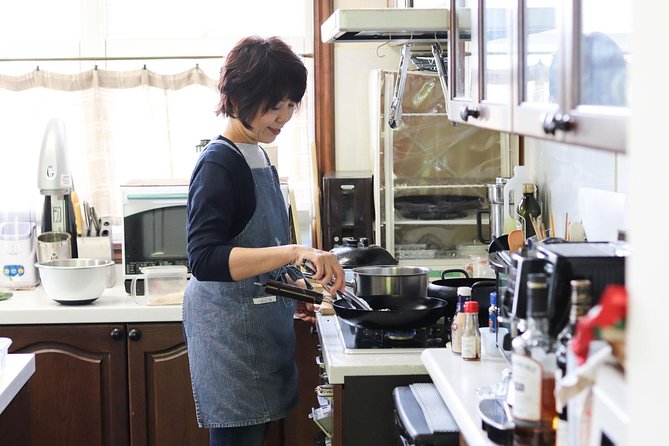
At $72 per person, this is not the cheapest way to eat in Sapporo. You can find an inexpensive Japanese meal for much less. The price makes more sense when you count the private instruction, the home visit, the full meal, and one or two glasses of local alcohol.
You are paying for time with Kanae as much as for the food. A three-hour visit offers conversation, cooking guidance, and a meal in one package. For a couple or small family, that can be good value, especially if you want an activity with a personal connection rather than another restaurant stop.
The value is strongest for people who cook at home and will use the techniques later. It is also strong for anyone who wants to understand Japanese food beyond famous dishes. If you only want to eat and have little interest in preparing food, the price may feel high.
Group discounts may help. Since the class is private, several people can share the same setting and instruction rather than joining strangers. Ask about the discount when booking, particularly if your party has four people.
Who will enjoy this Sapporo experience most
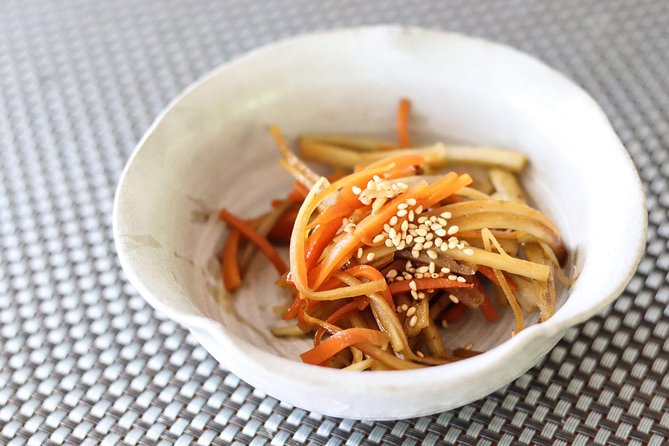
I would recommend the class to couples, families, and small groups who like food and conversation. It suits people who want a slower morning and a direct connection with local life.
It is also a good choice for:
- Home cooks who want recipes they can repeat
- First-time visitors looking for a personal introduction to Hokkaido cuisine
- Families who prefer a private activity
- People with vegetarian or vegan diets, provided they advise the provider ahead of time
- Anyone who enjoys meeting local people more than visiting another formal attraction
- Small groups that want to celebrate a trip with a shared meal
The experience may be less suitable if you need a highly predictable menu, dislike participating in food preparation, or want transportation from your hotel. The class involves cooking for about 60 to 90 minutes, so it is not a passive tasting.
Dietary needs and menu planning
Kanae can provide vegetarian and vegan options, but you need to give notice at booking. The same applies to food allergies, dietary restrictions, and cooking preferences.
This advance message is especially important because the menu uses fish, meat, vegetables, tofu, and other ingredients that may vary by season. If you want a Hokkaido-focused menu, say so early. If you prefer a familiar homestyle meal, you can ask for that instead.
Alcohol is included, with one or two glasses of local alcohol. Mention any drinking preference in advance so the experience is comfortable for everyone in your party.
Booking ahead and cancellation flexibility
The class is booked an average of 46 days in advance, so I would not leave it until the last few days of a Sapporo stay. That advance planning also gives you time to explain allergies, request vegetarian or vegan food, and clarify the transport arrangement for larger groups.
You can cancel for a full refund up to 24 hours before the local start time. Cancellations or changes made less than 24 hours before the experience are not accepted for a refund. The booking confirmation is issued at the time of booking, and the activity is available with a mobile ticket.
My recommendation for booking
Book this class if you want to meet a local person, cook several Japanese dishes, and sit down to a meal in a private home. Kanae’s warm manner, the flexible seasonal menu, and the chance to make foods such as udon and tempura give the experience real substance.
Skip it if you want a guaranteed menu, hotel transportation, or a purely sightseeing-based morning. For everyone else, $72 is a reasonable price for three hours of cooking, conversation, a homecooked meal, and local drinks. Tell Kanae your food preferences early, confirm the meeting details, and allow extra planning if your group has more than four people.
FAQ
Where does the cooking class take place?
The experience takes place in Kanae’s family home in a peaceful residential area of Sapporo. The listed meeting point is 26 Chome-2 Odorinishi, Chuo Ward, Sapporo, Hokkaido 064-0820, Japan.
What time does the class begin?
The class starts at 10:30 am.
How long does the experience last?
The activity lasts approximately three hours. The cooking portion takes about one to one and a half hours, followed by the shared meal.
Is the cooking class private?
Yes. Only your own group takes part in the activity.
What food might I prepare?
The seasonal menu may include fresh seafood, cooked burdock, deep-fried tofu, miso soup, vegetables, fish, meat, udon, or tempura. The exact menu may vary.
Can I request vegetarian or vegan food?
Yes. Vegetarian and vegan options are available, but you must advise the provider when booking.
Can I report allergies or dietary restrictions?
Yes. You should provide details of allergies, dietary restrictions, and cooking preferences at the time of booking.
Are drinks included?
Yes. The experience includes one or two glasses of local alcohol. A welcome drink is also provided.
Is hotel pickup included?
No. Hotel pickup and drop-off are not included. The activity ends back at the meeting point.
What happens if my group has five or more people?
Kanae’s car can carry up to five people including the driver, so it can take a maximum of four guests. Groups of five or more need to use a taxi and follow Kanae’s car to her home after meeting her at the station.
More Workshops in Sapporo
- Wagashi traditional japanese sweets class
★ 5.0 · 49 reviews - 2 hours sushi class
★ 5.0 · 40 reviews - Kyoto: 45-Minute Tea Ceremony Lesson Experience
★ 4.3 · 2,378 reviews - Tokyo: Roll and Authentic Sushi Making Class in Asakusa
★ 4.9 · 1,957 reviews
Just added around Sapporo
- Snowshoe Hike Tour from Sapporo include hotel p/up & drop off★ 5.0 · 16 reviews
- Wagashi traditional japanese sweets class★ 5.0 · 49 reviews
- Sapporo Sumo Show Experience with Japanese Food and Photo★ 4.5 · 38 reviews
- Full Day Private Skiing / Snowboarding Tour in Sapporo★ 5.0 · 30 reviews
- Snowshoeing and Onsen Adventures in a Winter Wonderland -Sapporo.★ 5.0 · 30 reviews
- Sapporo 4hr Private Tour with Government Licensed Guide★ 5.0 · 42 reviews
- Sapporo 6hr Private Tour with Government Licensed Guide★ 5.0 · 57 reviews
- Authentic Sapporo: Nijo Market Seafood Lunch & Local History Tour★ 5.0 · 13 reviews
Japanese Cooking Classes, compared.
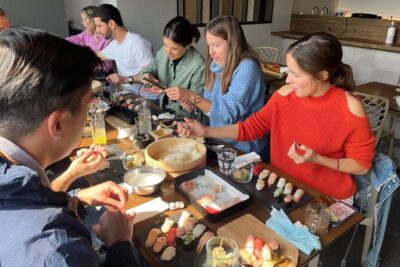
Sushi Making Tokyo Roll and Authentic Japanese Sushi Class
Read our review →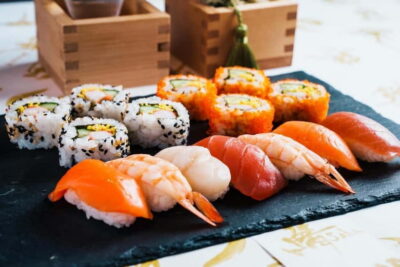
Roll and Authentic Sushi Making Class in Asakusa
Read our review →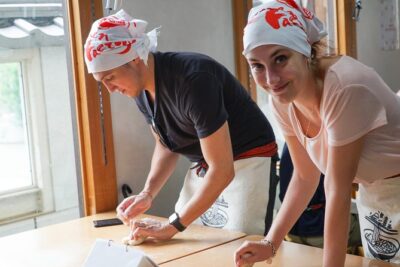
Ramen Cooking Class at Ramen Factory in Kyoto
Read our review →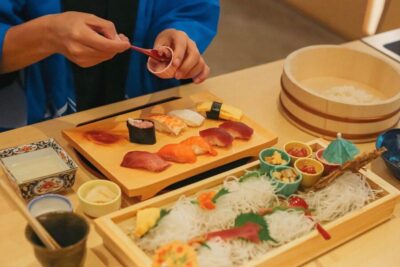
Sushi Making Class in a Happi Coat near a Famous Spot
Read our review →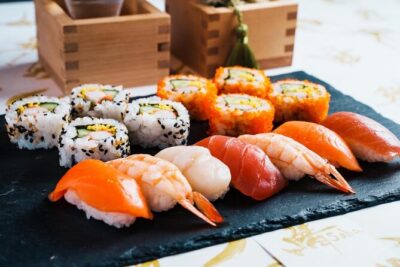
Sushi Making Osaka Roll and Authentic Japanese Sushi Class
Read our review →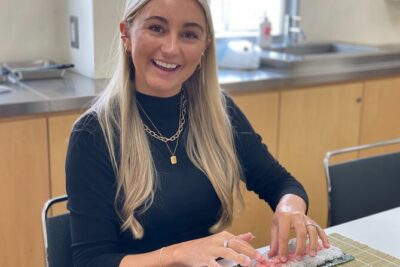
Tokyo Sushi Making Class in Tsukiji with Professional Chef
Read our review →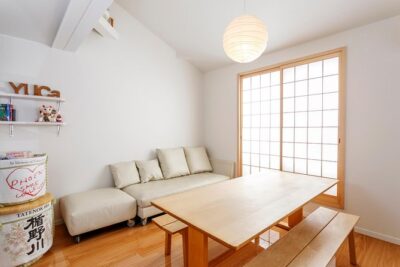
Ramen & Gyoza Cooking Class in Tokyo with Local Supermarket Visit
Read our review →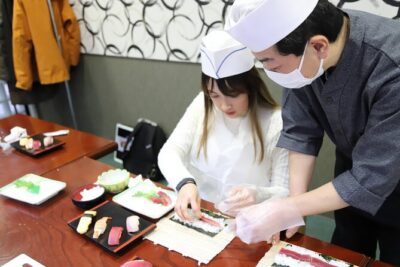
Tsukiji Fish Market Guided Tour and Sushi Making with Pro Chef
Read our review →Browse the lists this tour appears in