
REVIEW · WORKSHOPS
2 hours sushi class
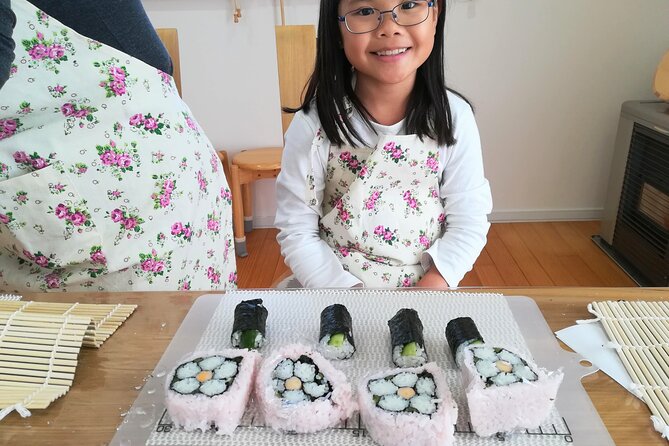
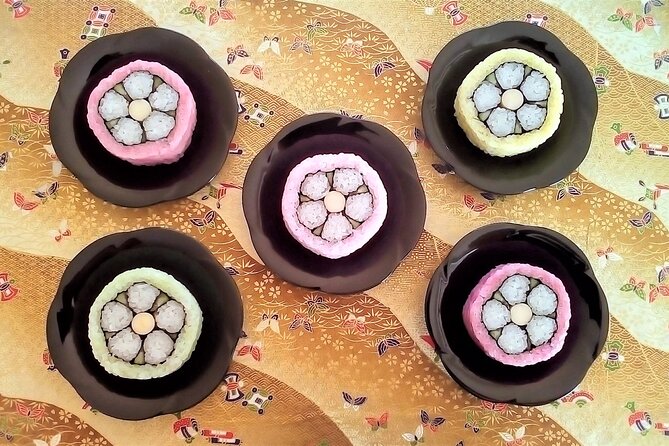
Decorative sushi is the star here. With Yuki’s patient guidance, you shape rice and fillings into flower-like rolls that look far more complicated than they are. You also learn about washoku, Japan’s traditional cuisine, in a friendly home setting rather than a formal cooking school.
I like the small maximum group of 12, which gives the instructor room to watch your technique. I also like the practical finish: you take your sushi home, along with English recipes, so the class can continue in your own kitchen.
The main caution is simple: confirm the meeting details carefully. One unhappy customer went to the wrong location and waited in the rain, while the host believed the venue information had already been confirmed. Clear messages before class matter here.
In This Review
- Key points at a glance
- Making flower sushi in a Sapporo home
- The two-hour class, step by step
- Why the take-home sushi matters
- A warm host, tea, and a friendly cat
- Getting to the class in Minami Ward
- The optional bento and Japanese cooking add-ons
- Food allergies and dietary needs
- Is the $20.08 price good value?
- Who should book this sushi class?
- Booking advice and cancellation terms
- Should you book the Sapporo sushi class?
- FAQ
- How long does the sushi class last?
- Where does the class meet?
- Where does the activity finish?
- Is pickup available?
- Is the class private?
- How many people can join?
- Is instruction available in English?
- Are ingredients and an apron included?
- Can I take my sushi home?
- Can I request dietary accommodations?
Key points at a glance
- Decorative flower sushi: Learn the rolling method used to create attractive patterns inside the rice.
- Yuki’s patient teaching: The class suits beginners, families, and anyone who needs careful step-by-step help.
- Pickup from Makomanai station: Arrange the free pickup service in advance if you need help reaching the venue.
- English support included: You receive English instruction, ingredients, an apron, and printed recipes.
- Take-home result: Your handmade sushi rolls go home with you after the approximately two-hour class.
- Optional Japanese cooking: Add bento decoration, dashi and miso soup, rice balls, extra dishes, or Hokkaido beef.
Making flower sushi in a Sapporo home
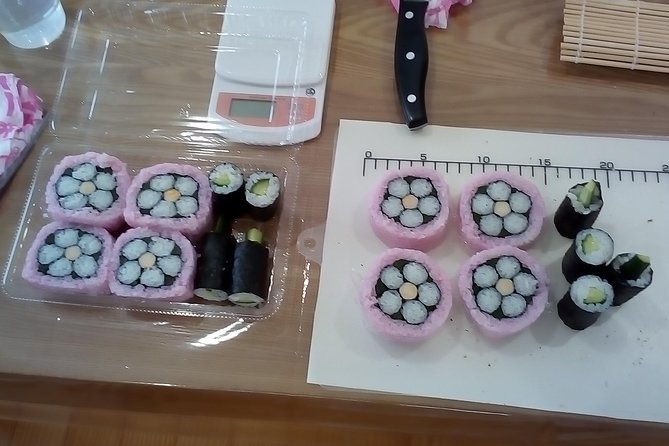
This is not a lesson in slicing premium fish. It is a hands-on class focused on decorative sushi rolls, the kind that reveal a flower or other design when cut open. That distinction matters. If you want to master restaurant-style nigiri, this is not the right class. If you want a fun Japanese food activity with a result you can show friends back home, it fits well.
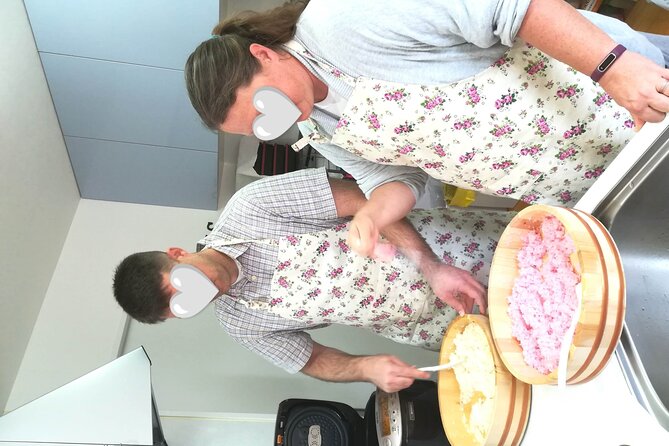
Yuki teaches from her home in Sapporo’s Minami Ward. The class begins with an introduction and tea, giving you a little time to settle in before handling ingredients. That home setting is part of the appeal. You are not simply standing at a counter while an instructor demonstrates. You have a chance to talk with Yuki about Japan, cooking, and everyday life.
Yuki has experience as a decorative sushi roll instructor and has appeared on television. In 2024, she demonstrated her decorative sushi rolls at a Sapporo hotel during celebrations for the 65th anniversary of the sister-city relationship between Sapporo and Portland, Oregon. That background gives the activity a clear focus: this is a specialist class built around presentation as well as taste.
A few more Sapporo trips to weigh up
- Wagashi traditional japanese sweets class
★ 5.0 · 49 reviews - Private Japanese Cooking Class in Sapporo with Local Chef Shiori
★ 5.0 · 34 reviews - Private Market Tour and Cooking Class with Kanae, a Sapporo Local
★ 5.0 · 29 reviews
The two-hour class, step by step
The class is short enough to fit into a busy Sapporo schedule, but long enough to feel like a real activity. You can expect English instruction throughout, with ingredients supplied and an apron provided at no extra charge.
First comes the basic preparation. You learn how sushi rice is handled and how colored rice, including pink rice, can help form the design. The goal is not just to copy movements. Yuki explains why each part is placed where it is, so you can understand how the pattern appears after rolling and slicing.
Next comes the construction of the decorative roll. This is the part that calls for patience. Small sections need to be positioned in the right order, and the roll must be held firmly without crushing the design. Yuki’s teaching style is useful for beginners because she checks each stage closely and explains the purpose behind it.
You then roll the completed shape and cut it to reveal the pattern. Making flower sushi has a nice element of surprise. The roll can look plain from the outside, then show a carefully arranged design when sliced. It is also forgiving in the right way. Your first roll may not look perfect, but the process is approachable and the finished food remains edible.
At the end, you take your sushi rolls with you. You also receive recipes in English, which adds real value to a class that could otherwise be only a two-hour holiday activity. You can try the method again at home, perhaps with friends or family.
Why the take-home sushi matters
Many cooking activities end when you leave the kitchen. This one gives you something concrete to carry away. You can eat the sushi later and use the recipe to repeat the technique.
That makes the class especially good for families. Several visitors attended with children or daughters, and the activity gave them a shared task rather than a passive demonstration. Kids can see the design develop as they work, while adults get a useful introduction to sushi preparation.
The take-home element also makes this a good choice if you want a food memory that is different from dining in a restaurant. You are not only tasting Japanese cuisine. You are learning one small part of how it is prepared and presented.
Do keep in mind that the sushi is your finished class project, not a restaurant meal with a long menu. If you want a large lunch, ask about adding one of the food options in advance.
A warm host, tea, and a friendly cat
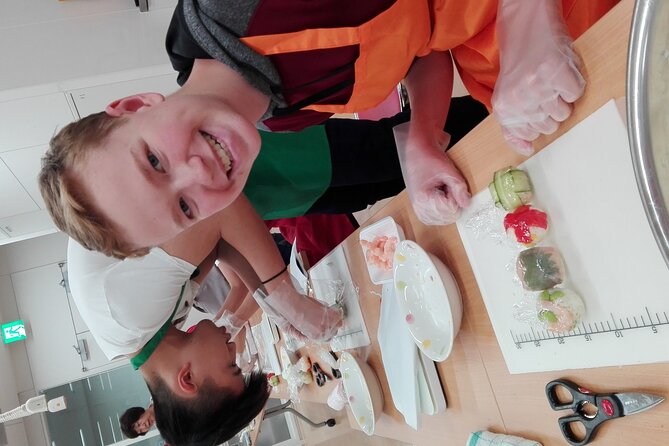
The social side of the class is a major part of its character. Yuki serves tea before the lesson, and the home environment encourages conversation. Her teaching is described as kind, patient, and easy to follow, with plenty of attention given to each step.
A Maine Coon cat named TiTi, also called a house panther by one visitor, may be part of the household welcome. If you like cats, this will be an entertaining extra. If you have allergies, tell the host about your concerns when booking and consider asking for more information before you commit.
The tone is relaxed rather than formal. You can talk with Yuki about subjects beyond sushi, and the class has worked well for families and first-time sushi makers. Her willingness to help with transportation has also been appreciated, including rides back to a station or onward to another activity. Treat any extra ride as something to confirm directly, since the clearly stated pickup service is from Makomanai subway station when required.
Same city, a completely different kind of day:
- Sapporo Bar Hopping Food Tour
★ 5.0 · 232 reviews - Hokkaido Seasonal: Lake Toya & Noboribetsu Jigokudani Valley
★ 4.7 · 173 reviews - Sapporo Private Tour with a Local – Highlights & Hidden Gems
★ 5.0 · 91 reviews - Sapporo: Sumo Show Experience with Japanese food & Photo
★ 4.9 · 81 reviews
Getting to the class in Minami Ward
The meeting point is at 7 Chome Ishiyamahigashi, Minami Ward, Sapporo, postal code 005-0850. The activity ends back at the meeting point.
Free pickup is offered from Makomanai subway station if you arrange it. This can simplify the journey, especially if you are unfamiliar with Sapporo’s southern suburbs. Do not assume the pickup is automatic. Message ahead and confirm where and when you should meet.
The experience is near public transportation, but the address and station pickup details still deserve your attention. One poor experience came from going to a different location after a communication mix-up. I would save the exact address, reread the host’s instructions, and send a short confirmation before class. This is a small step that can prevent a very wet start.
The group maximum is 12 people. That is not a private class, and the host specifically asks you to request a private booking if that is important to you. Large groups should also make contact before booking so the arrangements are clear.
The optional bento and Japanese cooking add-ons
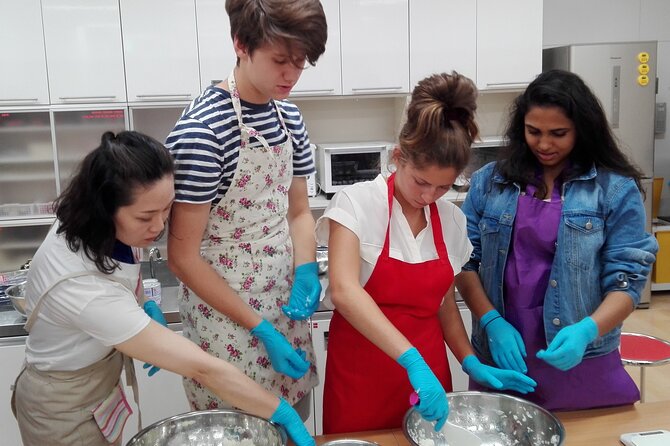
If you want more than decorative sushi, Yuki and Yui offer extra Japanese cooking options. These are useful if you want to turn a short sushi lesson into a wider introduction to washoku.
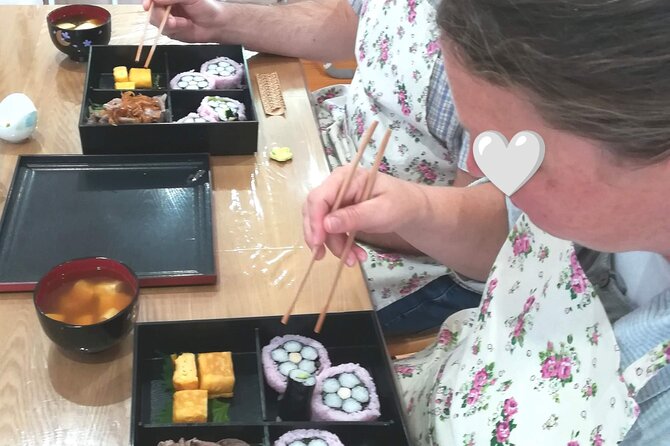
One option teaches you to decorate a bento in the traditional Shokado style, followed by a meal of your own prepared lunch box. The format gives you a better sense of how Japanese food can be arranged with care, not just cooked and placed on a plate.
You may also be able to add:
- Hokkaido-branded beef such as Biratori Wagyu or Shiraoi beef
- Rice balls and steamed rice
- Three additional dishes with miso soup
- Two additional dishes with miso soup
- One additional dish with miso soup
The miso soup option begins with dashi, the Japanese soup stock, and continues with homemade miso. That is a worthwhile addition if you want to understand the base flavors behind many Japanese meals.
There is also instruction on preparing steamed rice without a rice cooker, if requested. This is a practical detail for anyone hoping to recreate the meal at home without buying special equipment.
These additions are not part of the basic two-hour sushi class unless arranged, so ask about the price, timing, and availability before booking. The supplied information does not give set prices for the options.
Food allergies and dietary needs
Tell the host in advance about food allergies or dietary needs, including vegan and vegetarian requirements. That notice matters because ingredients are prepared for the class, and decorative sushi may include items that do not suit every diet.
The basic experience includes ingredients, but no complete ingredient list is provided in advance here. If you have a serious allergy, ask for the exact ingredients and preparation details before your visit. Do not wait until you arrive.
The host has also offered gluten-free Japanese sweets as a possible future activity in replies to visitors, but that is not part of this sushi class. Keep your request focused on the food you will actually prepare during your booking.
Is the $20.08 price good value?
At about $20.08 per person, this is inexpensive for a two-hour guided cooking experience in Sapporo. The price includes instruction, ingredients, apron rental, English recipes, and the sushi you make. Free pickup from Makomanai station is also available if arranged.
The value is strongest if you want an activity rather than a meal. You receive personal guidance, a recipe to use later, and a memorable food project. The class also costs less than many structured cooking workshops, while keeping the group size to 12 or fewer.
The comparison changes if you add bento, beef, soup, rice, or extra dishes. Since those options are separate, check the final total before booking. Also remember that a simple sushi class may not fill you up in the way a full restaurant meal would.
The activity is booked, on average, 41 days in advance. That suggests you should plan ahead, especially if you have a fixed Sapporo itinerary or want a particular date. Confirmation arrives within 48 hours, subject to availability.
Who should book this sushi class?
I would recommend it most strongly to:
- First-time sushi makers
- Families with children
- Couples or friends who want a shared activity
- Visitors interested in Japanese home cooking
- People who enjoy food crafts and presentation
- Anyone who wants English recipes to use at home
It is also a good rainy-day plan. The class takes place indoors, and the tea, conversation, and cooking give you a warm break from Sapporo weather.
I would choose another activity if your main goal is learning professional knife skills, raw fish preparation, or traditional sushi-bar technique. The focus here is decorative rolls, friendly instruction, and a social home visit.
Booking advice and cancellation terms
Send a message before the class to confirm the exact address, pickup plan, dietary needs, group size, and any optional dishes. If you need a private class, say so clearly because the standard class is not private.
Free cancellation is available up to 24 hours before the start time for a full refund. Cancellations or changes made less than 24 hours before the start are not accepted for a refund, and the cut-off uses Sapporo local time.
Should you book the Sapporo sushi class?
Book it if you want a low-cost, personal introduction to Japanese cooking with a host who takes time to guide beginners. The flower-shaped sushi, English recipe, tea, and take-home food give the two hours a clear purpose.
I would make the booking only after confirming the meeting point and pickup details in writing. With that small precaution, this is a cheerful choice for families, couples, and curious cooks who want to bring home more than a souvenir.
FAQ
How long does the sushi class last?
The class lasts approximately two hours.
Where does the class meet?
It meets at 7 Chome Ishiyamahigashi, Minami Ward, Sapporo, Hokkaido 005-0850, Japan.
Where does the activity finish?
The activity ends back at the meeting point.
Is pickup available?
Yes. Free pickup is offered from Makomanai subway station if required and arranged in advance.
Is the class private?
No. The standard class is not private. You should ask about a private class if you need one.
How many people can join?
The maximum group size is 12 people.
Is instruction available in English?
Yes. English instruction and English recipes are provided.
Are ingredients and an apron included?
Yes. Ingredients are included, and apron rental is free.
Can I take my sushi home?
Yes. You can take the sushi rolls you make with you after class.
Can I request dietary accommodations?
You should inform the host in advance about allergies, vegan needs, vegetarian needs, or other dietary concerns.
Just added around Sapporo
- Snowshoe Hike Tour from Sapporo include hotel p/up & drop off★ 5.0 · 16 reviews
- Wagashi traditional japanese sweets class★ 5.0 · 49 reviews
- Sapporo Sumo Show Experience with Japanese Food and Photo★ 4.5 · 38 reviews
- Full Day Private Skiing / Snowboarding Tour in Sapporo★ 5.0 · 30 reviews
- Snowshoeing and Onsen Adventures in a Winter Wonderland -Sapporo.★ 5.0 · 30 reviews
- Sapporo 4hr Private Tour with Government Licensed Guide★ 5.0 · 42 reviews
- Sapporo 6hr Private Tour with Government Licensed Guide★ 5.0 · 57 reviews
- Authentic Sapporo: Nijo Market Seafood Lunch & Local History Tour★ 5.0 · 13 reviews
Workshops, compared.

Sushi Making Tokyo Roll and Authentic Japanese Sushi Class
Read our review →

Roll and Authentic Sushi Making Class in Asakusa
Read our review →
Ramen Cooking Class at Ramen Factory in Kyoto
Read our review →
Sushi Making Class in a Happi Coat near a Famous Spot
Read our review →

Sushi Making Osaka Roll and Authentic Japanese Sushi Class
Read our review →
Tokyo Sushi Making Class in Tsukiji with Professional Chef
Read our review →Browse the lists this tour appears in