
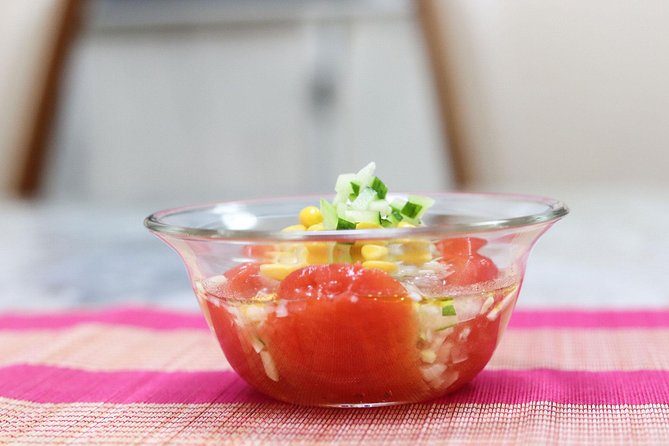
REVIEW · JAPANESE COOKING CLASSES
Private Home-Style Cooking Class in Osaka with Local Mom Yoshiko
The best part of this experience is simple: you cook inside a real Japanese home, not in a polished demonstration kitchen. Yoshiko picks you up at Kawanishi-Ikeda Station, brings you to her kitchen, and teaches the basics behind everyday Japanese food, especially dashi, the stock that gives dishes their savory umami taste.
I like two things right away. First, the class connects cooking with conversation, so you get a look at ordinary life beyond Osaka’s tourist center. Second, you leave with printed recipes, not just a pleasant memory. The main consideration is location: Yoshiko’s home is in Hyogo Prefecture, and reaching it from central Osaka can take about an hour.
In This Review
- Key points to know
- Why a home kitchen beats another restaurant meal
- Getting from Osaka to Kawanishi-Ikeda Station
- Your first lesson: dashi and the taste of umami
- Four or five dishes in about one hour
- Sitting down to eat what you made
- What makes Yoshiko’s teaching style appealing
- Is $86 a fair price?
- Timing, menu choices, and important planning tips
- Who will enjoy this cooking class most?
- Should you book Yoshiko’s home cooking class?
- FAQ
- Where does the cooking class take place?
- How long does the experience last?
- Is transportation included?
- How do I get back after the class?
- Is the activity suitable for large groups?
- What food will I prepare?
- Can I choose my menu?
- Are drinks included?
- Can I cancel for a refund?
Key points to know
- Dashi is the central lesson: Learn why Japanese cooks use this stock instead of plain water.
- Yoshiko hosts in her own home: This feels personal and informal, with time to talk over the meal.
- Four or five dishes are prepared: The menu may include okonomiyaki or bento-style dishes, depending on your selected option and the season.
- Lunch and dinner are available: Tell Yoshiko your preferred menu at least three days ahead.
- The class lasts about three hours: Cooking takes roughly an hour, followed by the meal and conversation.
- Plan your return trip: The experience ends at Yoshiko’s home, and a taxi back to the station costs about ¥2,000 if you need one.
Why a home kitchen beats another restaurant meal
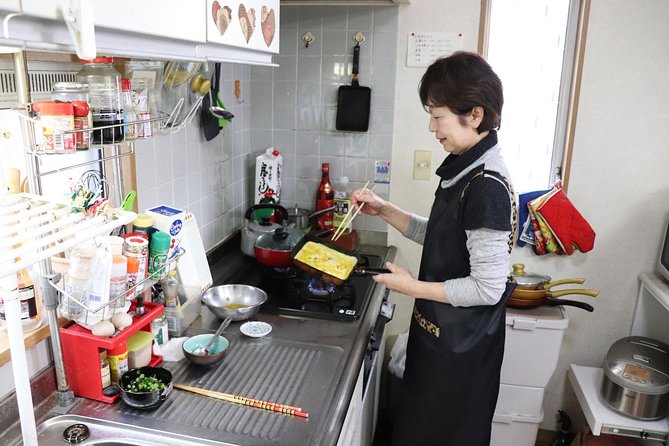
Osaka is famous for eating well. You can order takoyaki, okonomiyaki, sushi, and noodles on nearly every busy street. But ordering food tells you little about how people prepare it at home.
Yoshiko’s class offers a different window. You see the kitchen where the meal is made, learn how basic ingredients are used, and sit down with the person who taught you. That personal setting is the real reason to choose this outing.
This is not a large culinary school with several instructors and a strict production line. It is a private, personalized class for your own group. That makes it a good fit for couples, families, and small groups who want a slower experience with room for questions.
The tone is warm and relaxed. Yoshiko is described as patient and kind, and the class leaves time to chat after lunch or dinner. If your ideal food activity includes learning a few useful techniques and getting to know a local resident, this checks the right boxes.
More japanese cooking classes in Kobe:
- Exclusive Sushi Making Experience with a Master Chef – Osaka Area
★ 5.0 · 25 reviews - Sushi Making Tokyo Roll and Authentic Japanese Sushi Class
★ 5.0 · 3,971 reviews - Tokyo: Roll and Authentic Sushi Making Class in Asakusa
★ 4.9 · 1,957 reviews
Getting from Osaka to Kawanishi-Ikeda Station
The meeting point is Kawanishi-Ikeda Station on the JR Takarazuka Line. Yoshiko picks you up there in her car and drives about 10 minutes to her home.
This sounds easy, and it is once you reach the station. The catch is the distance from central Osaka. One practical estimate puts the full trip at about an hour from Osaka Station, so allow plenty of time. This is not a quick activity you can squeeze between sights in Dotonbori and Osaka Castle.
The ride out is part of the change in pace. You leave the central tourist zone and head toward the area where Yoshiko lives. The activity takes place in Hyogo Prefecture, not central Osaka, so check your train route before booking.
If your party has more than four people, Yoshiko asks the extra members to take a taxi and follow her home. That matters for larger families or groups booking together. The pickup arrangement is built around a small vehicle and a small group.
Your first lesson: dashi and the taste of umami
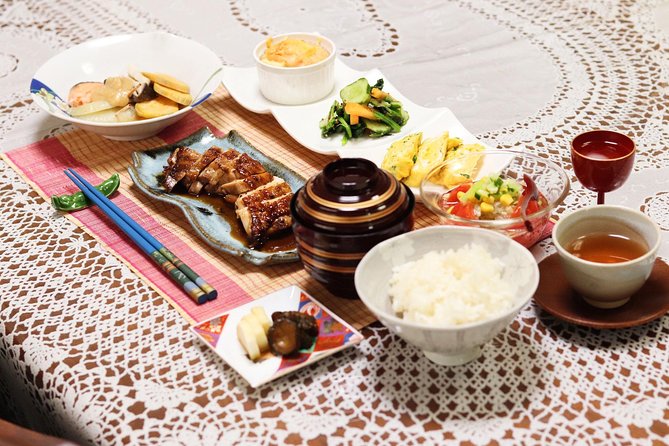
The cooking begins with dashi. This is a smart choice for a short class because it teaches more than one recipe. Dashi is a foundation for many Japanese dishes, and learning to make it helps you understand why Japanese food can taste full and savory without heavy sauces.
Yoshiko shows you how to prepare the stock and how to use it in place of water. That small switch can change the taste of soups, simmered dishes, and other home-style preparations.
You also learn about basic Japanese seasonings and kitchen staples. The point is not to turn you into a professional cook in one afternoon. It is to help you recognize the building blocks of a Japanese meal and use them with more confidence once you return home.
That makes this class especially useful for someone who has enjoyed Japanese food but has never understood how the flavors are built. The printed recipes give you a practical record of the lesson, while the dashi demonstration gives you a technique you can use in several dishes.
Four or five dishes in about one hour
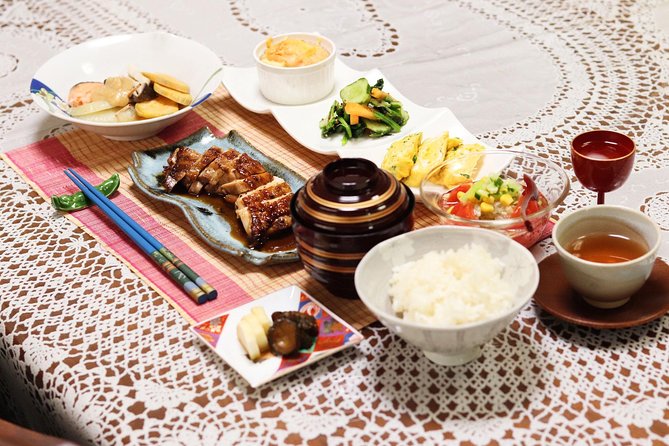
The cooking portion lasts around an hour. During that time, you prepare four or five Japanese home-style dishes from scratch with Yoshiko’s guidance.
The exact food depends on the menu option you choose and what is available in the season. You need to tell Yoshiko your preference at least three days before the class so she can shop. If she does not receive a choice, she prepares option one, called the Mother’s Taste menu.
The available examples include okonomiyaki and bento-style dishes. Okonomiyaki is a particularly fitting Osaka lesson. It is filling, casual, and tied closely to the city’s food culture. You may also help assemble your own bento box, which adds a hands-on and visual part to the meal.
Expect a home-style spread rather than a restaurant tasting menu. That is a benefit if you want to learn food you can realistically make again. It is less ideal if you are looking for advanced knife skills, elaborate plating, or a formal chef-led course.
The class seems to balance explanation with participation, but the amount of hands-on work may vary. Some descriptions emphasize small-group participation, while one careful assessment says the experience felt more like a demonstration than a fully hands-on class. I would book it expecting to watch Yoshiko closely, follow her instructions, and take part where appropriate, rather than assuming you will prepare every dish alone.
A few more Kobe trips to weigh up
- Ramen Cooking Class at Ramen Factory in Kyoto
★ 5.0 · 1,937 reviews - Ramen & Gyoza Cooking Class in Tokyo with Local Supermarket Visit
★ 5.0 · 823 reviews - Kyoto: Ramen Cooking Class at a Ramen Factory with Souvenir
★ 4.9 · 532 reviews - Kyoto: Ramen, Gyoza, and Onigiri Cooking Class
★ 5.0 · 445 reviews
Sitting down to eat what you made
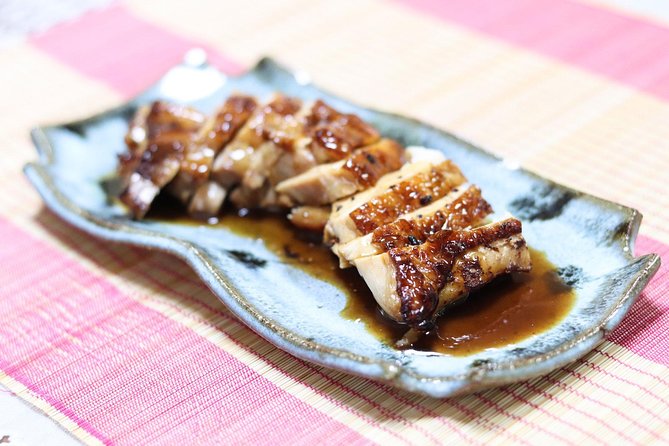
After the cooking, you sit down to enjoy the meal. This is when the activity shifts from lesson to visit.
Yoshiko provides plum wine, with local beer available if requested ahead of time. You may also bring your own alcohol to enjoy with the meal. The drink is a small detail, but it helps the meal feel social rather than rushed.
The food is the reward for the earlier work, yet the conversation matters just as much. You can ask Yoshiko about Japanese cooking, daily routines, ingredients, and local life. The time around the table is also where the class feels most different from a standard food tour.
Couples who want a shared activity will likely appreciate this rhythm. You work together, eat together, and have time to talk without moving on to the next stop. It also suits a birthday gift or a special outing for coworkers, especially when the goal is a personal memory rather than a souvenir.
The meal is described as delicious and carefully prepared, with some diners comparing the finished spread favorably to restaurant food. Keep that praise in perspective: tastes vary, and the menu changes. Still, the repeated appreciation for the food, Yoshiko’s warmth, and the chance to talk point to a strong overall experience.
What makes Yoshiko’s teaching style appealing
Yoshiko’s role is more than that of a cooking instructor. She is the person welcoming you into her home, arranging the pickup, cooking beside you, and sharing the finished meal.
That setup encourages questions that may not come up in a commercial class. You can ask why dashi is used, how seasonings work, or how a dish fits into an ordinary Japanese meal. The setting also gives the activity a human scale.
The class is conducted in a private home, so do not expect the same space or equipment you would find in a professional cooking studio. For some people, that is exactly the point. You get a more ordinary and personal setting. For others, it may mean less room to move and a more informal structure.
I would also keep your expectations realistic about the word private. It means only your group participates, not that you receive a highly technical one-on-one chef certification course. The value lies in the host, the setting, and the food traditions being explained in a friendly way.
Is $86 a fair price?
At $86 per person, this costs more than simply ordering okonomiyaki or taking yourself to a neighborhood restaurant. You are paying for several things at once: the private instruction, station pickup, food, drinks, time in Yoshiko’s home, and the chance to ask questions in a small setting.
The printed recipes add lasting value. If you use them after your trip, the class becomes more than a three-hour event. You can try the dishes again, make dashi at home, and share a Japanese meal with friends or family.
The price makes the most sense for people who value personal contact. If you only want to eat Japanese food, Osaka offers cheaper options. If you want to understand how the food is made and spend time with a local host, the cost is easier to justify.
Group discounts are available, which can help families or larger parties. Since this experience is often booked about 88 days ahead, early planning is sensible, especially if you need a specific lunch or dinner date.
Timing, menu choices, and important planning tips
You can choose lunch or dinner. State your menu preference at least three days in advance, and include any dietary requirements in the special requirements field when booking.
The menu can change by season. That is normal for a home-style meal, but it means the exact dishes are not guaranteed. If you have your heart set on a particular menu, communicate early rather than assuming it will be available.
The experience lasts about three hours, but your total outing takes longer once you add the train ride from Osaka. I would avoid scheduling a major attraction immediately afterward. Give yourself time for the meal, the return trip, and the possibility of arranging a taxi.
There is an important end-point detail. Pickup is at Kawanishi-Ikeda Station, but the activity ends at Yoshiko’s home. Afterward, you make your own way to a station. Yoshiko can help arrange a taxi, which costs approximately ¥2,000 paid directly to the driver.
The general meeting-point information says the activity ends back at the meeting point, but the more specific instructions say it ends at her home. Treat the home as the true endpoint and confirm the return plan with Yoshiko before you begin.
The experience is near public transportation, and mobile tickets are supported. Confirmation arrives within 48 hours of booking, subject to availability. You can cancel for a full refund up to two full days before the start time. Changes or cancellations made later are not accepted.
Who will enjoy this cooking class most?
I would recommend it most strongly to:
- Couples seeking a personal food experience
- Families who want an activity everyone can share
- First-time visitors interested in everyday Japanese culture
- Home cooks who want recipes and basic techniques
- People who enjoy conversation as much as sightseeing
- Small groups looking for a private outing
It is also a good choice for anyone who has already seen Osaka’s major sights and wants to spend part of the trip outside the center.
You may want a different activity if you need a fully hands-on professional cooking course, dislike traveling away from central Osaka, or have a tightly packed schedule. The class is personal and home-based, so the pace and structure are less formal than in a cooking school.
Should you book Yoshiko’s home cooking class?
Book this if you want to share a meal with a local person, learn the basics of dashi, and take home recipes you can actually use. The combination of station pickup, home cooking, okonomiyaki or bento-style dishes, and conversation gives the experience a clear sense of place.
Before booking, check the travel time from your hotel, choose lunch or dinner, and send your menu and dietary requests at least three days ahead. Also plan your ride back from Yoshiko’s home.
For me, the strongest reason to choose this class is not the number of dishes. It is the chance to see how Japanese food works in a local kitchen and then sit at the table with the person who taught you. If that sounds better than another meal in a crowded Osaka restaurant, $86 is a reasonable price for a memorable afternoon or evening.
FAQ
Where does the cooking class take place?
The class takes place at Yoshiko’s home in Hyogo Prefecture, near Osaka. You meet her at Kawanishi-Ikeda Station on the JR Takarazuka Line, and she drives you about 10 minutes to her home.
How long does the experience last?
The activity lasts approximately three hours. The cooking portion takes about one hour, followed by the meal and time to talk with Yoshiko.
Is transportation included?
Pickup from Kawanishi-Ikeda Station is included. Hotel pickup and drop-off are not included.
How do I get back after the class?
The experience ends at Yoshiko’s home, and you are responsible for returning to the station. Yoshiko can help arrange a taxi, which costs approximately ¥2,000 and is paid directly to the driver.
Is the activity suitable for large groups?
The activity is private and only your group participates. If more than four people are in your group, Yoshiko asks the additional people to take a taxi and follow her car to the home.
What food will I prepare?
You will prepare four or five Japanese home-style dishes. The menu may vary by season and can include dishes such as okonomiyaki or bento-style food.
Can I choose my menu?
Yes. Yoshiko offers four menu choices, and you should tell her your preference at least three days in advance. If she does not receive your choice, she prepares option one, the Mother’s Taste menu.
Are drinks included?
Plum wine is included. Local beer can be provided if requested in advance, and you may bring your own alcohol to enjoy with the meal.
Can I cancel for a refund?
You can receive a full refund if you cancel at least two full days before the experience start time. Cancellations or changes made less than two full days before the start time are not accepted.
More Workshops in Kobe
- Kyoto: 45-Minute Tea Ceremony Lesson Experience
★ 4.3 · 2,378 reviews - Tokyo Shinjuku Chopsticks Making Class
★ 5.0 · 1,763 reviews - Tokyo: Sushi Making Class in a Happi Coat near a Famous Spot
★ 4.9 · 1,377 reviews - Chopstick Making Workshop in Ginza
★ 4.8 · 1,366 reviews
Just added around Kobe
- Next-Generation Local Guide: Private Kobe Tour★ 5.0 · 39 reviews
- Exploring Nada Sake Breweries Kobe Private Tour with Government-Licensed Guide★ 5.0 · 17 reviews
- Cruise Stop-Over: Private Custom Day trip to Kyoto from Kobe Port★ 4.5 · 12 reviews
- Sake Brewery and Japanese Life Experience Tour in Kobe★ 5.0 · 39 reviews
- Shore excursion: Full Day Private Kyoto Tour From Osaka/Kobe Port★ 4.5 · 36 reviews
- Private Shore Excursion Kobe Port – Best of Kobe with a local★ 5.0 · 19 reviews
- Kobe : Private Custom Tour (Excursion to Osaka / Kyoto possible)★ 4.5 · 12 reviews
- Kyoto Full Day Tour from Kobe with Licensed Guide and Vehicle★ 4.5 · 19 reviews
Japanese Cooking Classes, compared.
Sushi Making Tokyo Roll and Authentic Japanese Sushi Class
Read our review →
Roll and Authentic Sushi Making Class in Asakusa
Read our review →
Ramen Cooking Class at Ramen Factory in Kyoto
Read our review →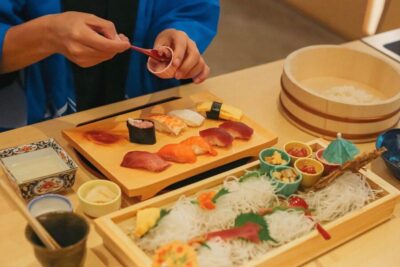
Sushi Making Class in a Happi Coat near a Famous Spot
Read our review →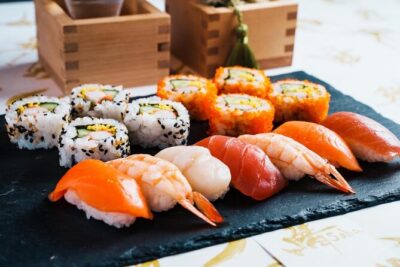
Sushi Making Osaka Roll and Authentic Japanese Sushi Class
Read our review →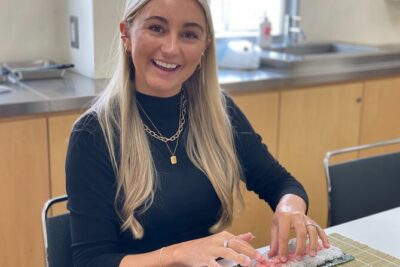
Tokyo Sushi Making Class in Tsukiji with Professional Chef
Read our review →
Ramen & Gyoza Cooking Class in Tokyo with Local Supermarket Visit
Read our review →
Tsukiji Fish Market Guided Tour and Sushi Making with Pro Chef
Read our review →Browse the lists this tour appears in