
REVIEW · SAKE & BAR HOPPING TOURS
Sake Brewery and Japanese Life Experience Tour in Kobe
Kobe’s Nada district produces about 30 percent of Japan’s sake, and this private tour gives you a useful look at why. You visit the Hakutsuru Sake Brewery Museum, taste sake, see the brewery behind Fukuju, and connect sake with everyday foods such as mirin and pickles.
I like the mix of famous producers and ordinary Kobe life. The brewery visits explain the craft, while the shopping-street stops show how food culture works beyond a tasting room. I also like the private format, since guides such as Tomoko and Norio can adjust the pace and answer questions.
The main drawback is that this is not a food tour with a meal. Tastings are part of the brewery visits, but you should expect an educational walking tour, not a long series of sake bars. You will also need extra cash for transport and at least some listed costs.
In This Review
- Key points at a glance
- Why Kobe is a smart place to study sake
- Starting at Sannomiya Station
- Hakutsuru Sake Brewery Museum: the clearest introduction
- Kobe Shushinkan and the Fukuju name
- Mirin and pickles at Konan Muko no Sato
- A local shopping street rather than a staged attraction
- What the $83.56 price really covers
- Who will enjoy this tour most
- Practical details that affect the day
- Should you book the Kobe sake tour?
- FAQ
- How long does the Sake Brewery and Japanese Life Experience Tour last?
- Where does the tour begin?
- Where does the tour finish?
- Is this a private tour?
- Is food included?
- Can people under 20 drink sake on the tour?
Key points at a glance
- Nada supplies about 30 percent of Japan’s sake, making Kobe an important place to learn about the drink.
- Fukuju, served at Nobel Prize dinners, is produced at Kobe Shushinkan, one of the tour’s brewery stops.
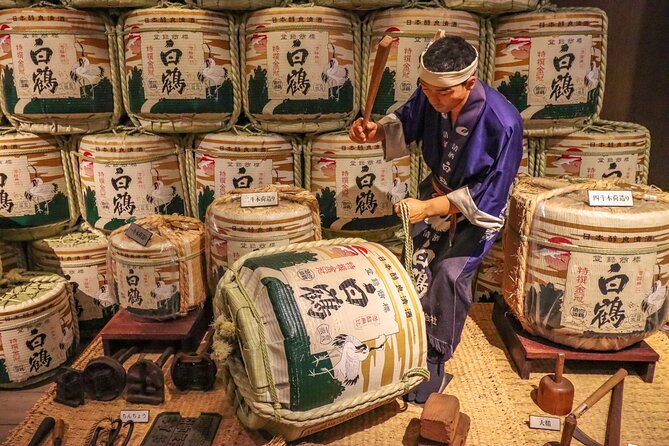
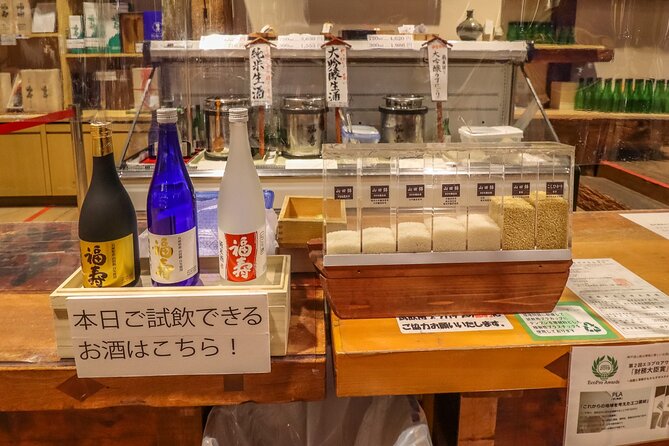
- Hakutsuru’s museum presents the traditional brewing process and includes a sake tasting.
- Mirin and pickles add a practical food angle, showing how sake-related products appear in Japanese cooking.
- The private guide format suits couples, families, and small groups who want room for questions.
- The route finishes at Kobe-Sannomiya Station, not where it begins, so plan your onward journey accordingly.
Why Kobe is a smart place to study sake
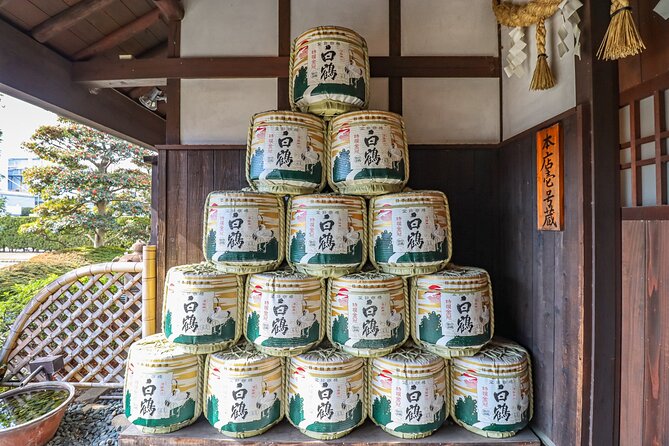
Sake has been brewed in Nada since the Edo period. The district’s importance comes from several factors listed for the tour: its climate, water, and quality rice all support brewing. That gives the visit more purpose than a simple tasting stop. You are seeing one of Japan’s major sake-producing areas in the place where the work has been carried on for centuries.
The tour also treats sake as part of daily food culture. That matters because sake is not only something poured into a small cup at a bar. Mirin, a sweet cooking rice wine made from the same basic materials as sake, is used in Japanese cuisine. Pickles and shopping streets bring the subject closer to the food you encounter during the rest of your Japan trip.
This connection is one of the strongest parts of the experience. You learn about production, then see how related ingredients fit into home cooking and local shopping. It gives you more context for the bottles and dishes you will meet elsewhere.
More sake & bar hopping tours in Kobe:
- KOBE Sake Tasting Tour at Breweries (tasting fee included)
★ 5.0 · 154 reviews - Kobe: Guided Sake Breweries Tour with Tastings
★ 5.0 · 55 reviews - 1-Day Kobe Highlights Tour including Sake Tasting
★ 4.5 · 28 reviews
Starting at Sannomiya Station
The meeting point is Sannomiya Station in central Kobe. This is a practical starting place, with good public transport connections, but do not cut it close. The tour moves between several locations by public transport and on foot, and missing the start can reduce the time available at the later stops.
The activity lasts about four and a half hours. The listed visits total roughly two hours and 20 minutes, leaving the rest for transfers, walking, explanations, and time at the stops. You should wear comfortable clothes and shoes. This is not a bus-bound outing where you sit between attractions.
Because the tour is private, your group is the only group participating. That can make a real difference at a museum or tasting. You can ask basic questions without worrying about holding up a large party, and the guide can spend more time on the topics that interest you.
Guide quality matters here. Norio is praised for clearly explaining the stages of sake making, while Tomoko is noted for her lively approach and strong knowledge of Kobe. You cannot assume which guide you will receive, but those names give you a sense of the kind of personal guiding the operator aims to provide.
Hakutsuru Sake Brewery Museum: the clearest introduction
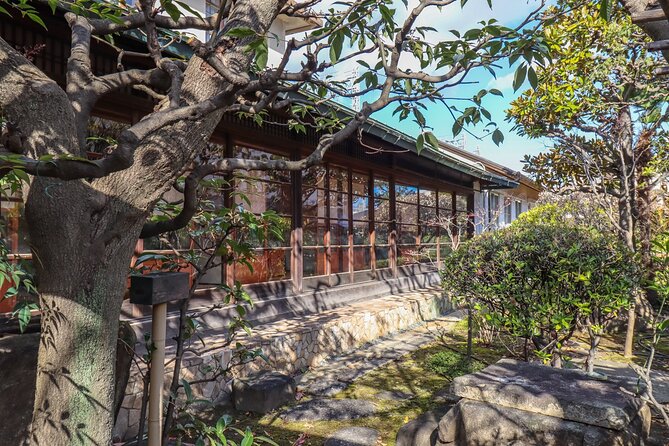
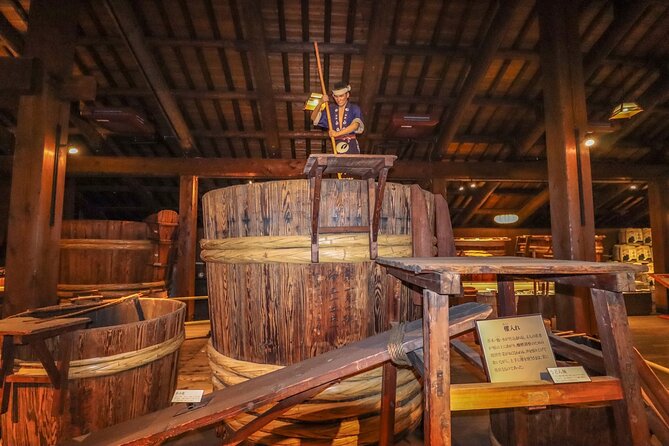
The first major stop is the Hakutsuru Sake Brewery Museum, housed in a building dating to the early Taisho era. The museum presents traditional brewing operations and the steps used to make sake. You have about 40 minutes here, with admission listed at ¥530 per person.
This is likely the most structured part of the tour. If you have never learned how sake is produced, the displays provide a useful framework before the tasting. You can connect the equipment and brewing stages with the drink in your glass rather than treating the tasting as a vague cultural ritual.
A sake tasting is included at the museum. The supplied information does not specify the number or style of pours, so keep your expectations sensible. The point is to sample and understand, not to spend the afternoon drinking heavily.
The museum is especially useful for first-time sake drinkers. A well-paced explanation can help you notice differences in aroma, sweetness, and finish, even if you normally choose wine or beer. If you already know sake well, you may find the museum’s educational side more appealing than the basic introduction.
Remember that anyone under 20 is not allowed to drink alcohol in Japan. The tour is still possible for younger members of a private group, but they cannot take part in the sake tasting.
Kobe Shushinkan and the Fukuju name
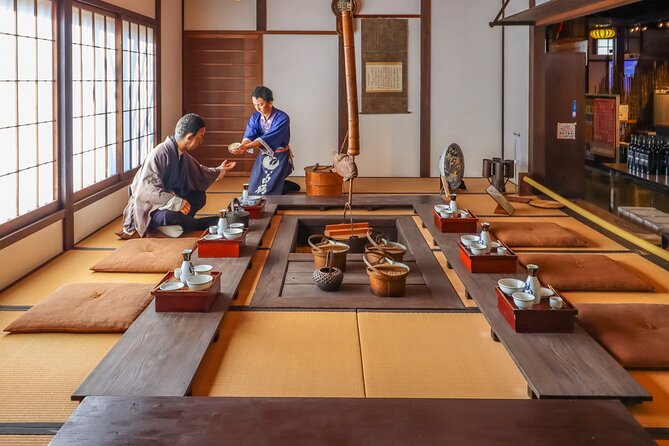
The second brewery stop is Kobe Shushinkan, a sake producer with 250 years of operation dating back to the Edo period. This is where Fukuju is made. The sake has been served at Nobel Prize dinners and is highly regarded in Japan, giving the visit a notable connection to modern Japanese culture as well as old brewing practice.
You have about 40 minutes here. The value lies in comparing this brewery with what you learned at Hakutsuru. Instead of seeing one producer and assuming it represents every sake maker, you get a second point of reference within the same Nada district.
The tour description emphasizes the brewing process and the reasons Kobe remains a major producer. Your guide can help translate technical details into plain language. This is where a private guide can be more useful than a self-guided museum visit, especially if you want to know why water, rice, climate, or local methods affect the final drink.
Fukuju’s Nobel Prize dinner connection is an appealing detail, but it should not mislead you about the character of the stop. This is still a brewery visit, not a formal dinner or luxury tasting event. You will not receive a meal as part of the tour, and the activity is best judged as a cultural introduction to sake.
A few more Kobe trips to weigh up
- Kobe: 3-Hour Sake Breweries Tour with Special Tasting
★ 4.4 · 25 reviews - Exploring Nada Sake Breweries Kobe Private Tour with Government-Licensed Guide
★ 5.0 · 17 reviews - Tokyo Bar Hopping Tour in Shinjuku (All-You-Can-Drink + Dinner)
★ 5.0 · 3,587 reviews - Best of Shinjuku: Izakaya Food Tour (4 Stops, 14+ Tastings)
★ 5.0 · 1,863 reviews
Mirin and pickles at Konan Muko no Sato
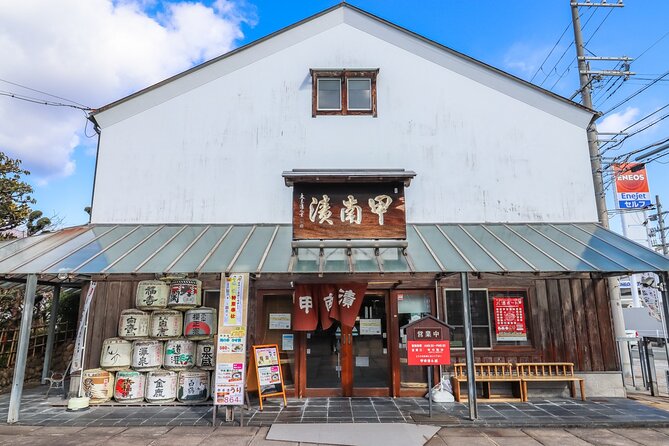
At Konan Muko no Sato, the focus shifts from drinking to cooking. The shop specializes in pickles and mirin, the sweet rice wine used in many Japanese dishes. You have about 30 minutes to learn how mirin relates to sake and why it matters in the kitchen.
This is a small but valuable change of subject. Many sake tours stay focused on fermentation and tasting. Here, you see how similar raw materials can lead to a different product with a different role. Mirin is not simply a sweeter sake for sipping. It is an ingredient used to add sweetness and polish flavors in cooking.
The pickle connection also gives you something practical to look for in Japanese food shops. You might find this stop more appealing if you like condiments, preserved foods, and local specialties. It is less useful if you want nonstop alcohol tasting, but that is not what this tour promises.
The visit does not include a meal. Any food or drink you buy at the stops is your responsibility, and some shops may not accept credit cards. Carry Japanese cash so you can make purchases without fuss.
A local shopping street rather than a staged attraction
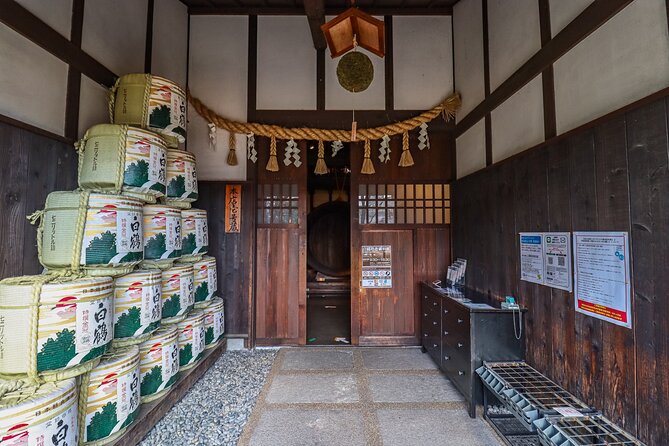
The route includes Oyasutei Ichiba Shopping Street, described as more than 100 years old and one of Kobe’s oldest shopping streets. It has long-established shops dating from the postwar period. The broader tour description also refers to Suidosuji Shotengai, a local arcade with more than 500 shops, so the precise shopping-street stop may depend on the day’s route.
This portion gives the tour its everyday Kobe character. A shopping arcade is not a grand monument, and that is the point. You get a look at the kind of place where locals shop, browse, and buy food rather than moving from one major sight to the next.
You have about 30 minutes here. That is enough for an introduction and perhaps a quick purchase, but not enough to explore hundreds of shops in detail. If you want a long shopping session, you may feel rushed. If you want a short look at local commerce woven into a larger tour, the timing works better.
Your guide can also help explain what you are seeing. Japanese shopping streets can be easy to pass through without understanding their role, especially when signs are unfamiliar. A local guide gives the storefronts and food products more meaning.
What the $83.56 price really covers
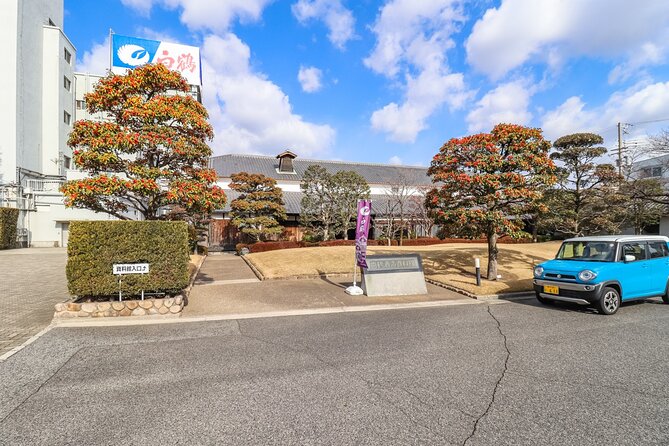
The listed price is $83.56 per person. For a four-and-a-half-hour private tour with a guide, that can be fair value, particularly if you are traveling as a small group and care about personal explanations. A private arrangement usually gives you more freedom to ask questions and avoids being tied to a large group’s interests.
The price does not cover every expense. The stated estimated cost is ¥530 per person for transportation, while Hakutsuru’s admission is separately listed as ¥530 per person. The information also says admission fees are otherwise zero, so I would budget for at least those listed charges and confirm the final breakdown when booking.
Food and drinks are not included. There is no dining stop, and purchases at visited locations are paid by you. Group discounts may be available, which can improve the value for families or friends traveling together.
The tour provider covers the guide’s necessary expenses. You are paying mainly for the guide, route, interpretation, and private format, not for an elaborate meal or a large bundle of included admissions. That distinction helps you compare it honestly with a standard brewery visit.
Who will enjoy this tour most
I would recommend this experience to you if you want a guided introduction to sake and prefer local context to a simple tasting. It suits first-time visitors to Kobe, curious food lovers, and anyone who wants to understand how sake-related products fit into Japanese life.
It is also a good choice for a private group with mixed interests. Someone interested in brewing can focus on the two producers, while another person may prefer mirin, pickles, and the shopping street. A guide such as Tomoko can add broader Kobe context, while Norio’s explanations may appeal to anyone who wants the brewing stages spelled out carefully.
You should think twice if you expect a food crawl or a night of drinking. One poor experience came from that mismatch: the activity felt less enjoyable because the guest expected food stops and a guide with obvious enthusiasm for sake. The tour works best when you approach it as a cultural and educational walk with tastings, not as a bar-hopping session.
Practical details that affect the day
The tour begins at Sannomiya Station and normally ends at Kobe-Sannomiya Station. The finishing point differs from the start, though you can ask the guide about changing it. This is useful if you have a train, hotel appointment, or dinner reservation afterward.
Bad weather can change the transport, destinations, or route. Temporary closures can also lead to substitute stops. Since the tour moves around Kobe, allow some flexibility rather than planning a tight connection immediately after the scheduled finish.
The activity is near public transportation, and most people can participate. You should still expect a fair amount of walking and time spent moving between locations. Comfortable clothing is a sensible choice.
Free cancellation is available when you cancel at least 24 hours before the local start time. Changes or cancellations inside that window are not accepted for a refund. Confirmation is sent within 48 hours of booking, subject to availability.
Should you book the Kobe sake tour?
Book it if you want a private, well-organized introduction to Nada’s sake culture, with two brewery visits and a useful link to mirin, pickles, and local shopping. The Fukuju connection adds interest, while Hakutsuru gives you a clear starting point for understanding production and tasting.
I would choose this over a basic brewery visit if you value a guide and want to see more than bottles and brewing equipment. I would skip it if your priority is a full meal, a long tasting menu, or an evening focused entirely on drinking.
For the best fit, arrive early, carry cash, wear good walking shoes, and treat the four and a half hours as a cultural walk with sake along the way. That expectation matches what the experience offers and lets the strongest parts, the private guiding, Nada’s importance, and the link between brewing and daily food, do their work.
FAQ
How long does the Sake Brewery and Japanese Life Experience Tour last?
The tour lasts approximately four hours and 30 minutes.
Where does the tour begin?
The meeting point is Sannomiya Station in Kobe, at 4 Chome-1-1 Nunobikicho, Chuo Ward, Kobe.
Where does the tour finish?
The tour normally ends at Kobe-Sannomiya Station. The finishing point is different from the starting point, but you can ask the guide about changing it.
Is this a private tour?
Yes. Only your group participates in the private tour.
Is food included?
No. The tour does not include a dining stop or meal. Any food, drinks, and purchases at the visited locations are paid for separately.
Can people under 20 drink sake on the tour?
No. People under 20 are not permitted to drink alcohol in Japan.
More Food & Drink in Kobe
- Tokyo: Shinjuku Food Tour (13 Dishes at 4 Local Eateries)
★ 5.0 · 6,603 reviews - Tokyo Tsukiji Fish Market Food and Culture Walking Tour
★ 5.0 · 3,184 reviews - Osaka: Shinsekai Food Tour with 13-15 Dishes at 5 Eateries
★ 4.8 · 2,204 reviews - Osaka Food Tour: 13 Dishes at 5 Local Eateries
★ 5.0 · 2,149 reviews
More Breweries in Kobe
- 3-Hour Kyoto Insider Sake Brewery Tour with Tastings & Pairings
★ 5.0 · 917 reviews - Arashiyama Bamboo, Temple, Monkeys, or Secret Sake Brewery
★ 4.8 · 886 reviews - Kyoto: Insider Sake Brewery Tour with Sake and Food Pairing
★ 5.0 · 704 reviews - Kyoto Sake Brewery & Tasting Walking Tour
★ 5.0 · 623 reviews
Just added around Kobe
- Next-Generation Local Guide: Private Kobe Tour★ 5.0 · 39 reviews
- Exploring Nada Sake Breweries Kobe Private Tour with Government-Licensed Guide★ 5.0 · 17 reviews
- Cruise Stop-Over: Private Custom Day trip to Kyoto from Kobe Port★ 4.5 · 12 reviews
- Shore excursion: Full Day Private Kyoto Tour From Osaka/Kobe Port★ 4.5 · 36 reviews
- Private Shore Excursion Kobe Port – Best of Kobe with a local★ 5.0 · 19 reviews
- Kobe : Private Custom Tour (Excursion to Osaka / Kyoto possible)★ 4.5 · 12 reviews
- Kyoto Full Day Tour from Kobe with Licensed Guide and Vehicle★ 4.5 · 19 reviews
- Kobe Half Day Tour – Private & Personalized with a Local Guide★ 4.5 · 18 reviews
Sake & Bar Hopping Tours, compared.
Tokyo Bar Hopping Tour in Shinjuku (All-You-Can-Drink + Dinner)
Read our review →
Best of Shinjuku: Izakaya Food Tour (4 Stops, 14+ Tastings)
Read our review →
Kyoto Night Foodie Tour in Gion (9+ dishes + 6 Sake tastings)
Read our review →
Shibuya Meltdown Nightlife Tour: All-You-Can-Drink Bar Hopping
Read our review →
1-Day Snow Monkeys, Zenko-ji Temple & Sake in Nagano
Read our review →
Osaka Bar Hopping Night Walking Tour in Namba (3 bars, 6 tastes)
Read our review →
3-Hour Kyoto Insider Sake Brewery Tour with Tastings & Pairings
Read our review →
Browse the lists this tour appears in