REVIEW · TEMPLE & SHRINE TOURS
1-Day Snow Monkeys, Zenko-ji Temple & Sake in Nagano
Jigokudani’s Japanese macaques are the star here, and seeing them close to the hot springs is a memorable wildlife encounter. I like that the day adds Zenko-ji Temple and a guided sake tasting, rather than making you travel all the way to the park for one short stop. I also like the included Nagano-style lunch, which turns a necessary midday break into part of the experience.
The tradeoff is the walk to the monkey park. It takes about 45 minutes each way and can be steep, icy, crowded, or muddy depending on the season. At $151.88 per person, this is good value if you want transport, a guide, lunch, sake, and admission handled in one package, but less appealing if you prefer a slow temple visit or independent travel.
In This Review
- Key points before you book
- Why this Nagano day works so well
- Zenko-ji Temple, Nagano’s spiritual center
- A 30-minute introduction to Nagano sake
- Lunch in a traditional setting
- The forest walk to Jigokudani Snow Monkey Park
- Meeting the snow monkeys up close
- Transport, timing, and group size
- Is $151.88 good value?
- Who should book this tour?
- Should you book it?
- FAQ
- How long does the tour last?
- What attractions does the tour visit?
- Is lunch included?
- Is sake tasting included?
- How old must I be to drink the sake?
- Is the Snow Monkey Park admission fee included?
- Are shinkansen tickets included?
- Will I definitely see monkeys bathing in the hot spring?
- How difficult is the walk to the monkey park?
- What should I wear in winter?
- How large can the tour group be?
- Is there a shuttle from Hakuba?
- Can I cancel for a full refund?
Key points before you book
- The monkeys are wild: There are no barriers between you and the macaques, and you must stay at least 1 to 2 meters away.
- Three very different stops: The day moves from a major Buddhist temple to sake tasting, then into a forest park with hot-spring-loving monkeys.
- Lunch is included: Vegetarian and vegan meals are available if you request them in advance, and food allergies should also be reported early.
- Winter needs serious footwear: Snow, ice, and temperatures as low as -10°C can affect the trail from mid-December to early March.
- The group may be large: The maximum is 45 people, though guides split larger groups between them.
- Monkey sightings are not guaranteed: The macaques usually appear, but wild animals can arrive late, leave early, or stay away.
Why this Nagano day works so well
This tour solves a common Nagano problem: the region’s best-known sights sit outside the city, and arranging all the transport yourself takes time and planning. In roughly eight hours, you visit Zenko-ji, sample local sake, eat a proper Japanese lunch, and reach Jigokudani Snow Monkey Park with park admission included.
I especially like the way the stops balance culture, food, and wildlife. Zenko-ji gives you a sense of Nagano’s spiritual importance. The sake tasting introduces a local product in a friendly, compact format. Then the monkey park supplies the visual payoff, with macaques grooming, resting, playing, and sometimes soaking in the hot spring.
The schedule is full but not simply a checklist. Most of the day is spent either at the temple or monkey park, with the tasting taking about 30 minutes. The park visit is allocated three hours, which matters because reaching the monkeys takes time on foot.
The main limitation is pace. You will not have unlimited time to browse temple shops, linger over lunch, or explore Nagano independently. If you want a relaxed day centered only on Zenko-ji, this is too much. If you want to make the most of a short stay, the packed schedule works in your favor.
More Sake & Bar Hopping Tours in Nagano
- Nagano: Snow Monkeys, Zenkoji Temple & Sake Day Trip
★ 4.9 · 833 reviews - Private Nagano 1-Day Tour:Snow Monkeys,Zenko-ji,Obuse,Sake,Onsen
★ 5.0 · 71 reviews - Izakaya Food Tour in Nagano
★ 5.0 · 60 reviews
Zenko-ji Temple, Nagano’s spiritual center
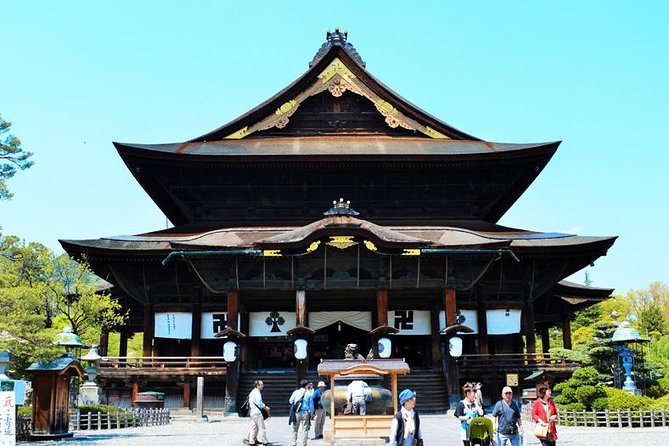
The morning begins at Zenko-ji, one of Japan’s oldest and most important Buddhist temples. Its story reaches back nearly 1,400 years, and the site carries a strong sense of age, devotion, and local identity.
You have about 90 minutes here. That is enough to walk through the temple grounds, hear the main legends from your guide, and take in the architecture without being rushed from one doorway to the next. Guides such as Tom, Endo, Kieran, Nadine, Shin, Hiroshi, and Sijung have been praised for bringing the temple’s stories to life, though the guide on your departure will vary.
One memorable feature is the passage beneath the temple. It is completely dark, and the experience depends on moving slowly and feeling your way through. You should not expect a long attraction with elaborate displays. Its power comes from the simple act of walking through the darkness while thinking about the temple’s spiritual traditions.
The temple grounds also give you a chance to get your bearings in Nagano. You might have time for a short look at nearby shops or snacks, but do not count on a long shopping session. One useful tip from the day’s guides is to ask for recommendations around Nagano Station later, where you can find regional food and souvenirs if you have time after the tour.
Entry to the main grounds is free, but paid attractions at Zenko-ji are not included. Your guide can explain what is available, but you should budget separately if you want to enter any ticketed areas.
A 30-minute introduction to Nagano sake
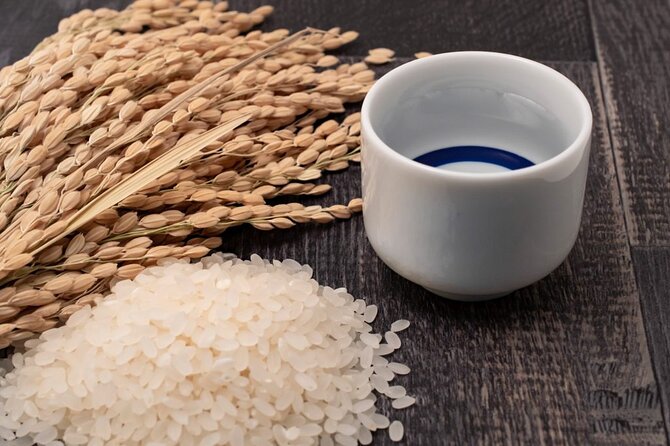
Nagano is closely linked with sake production, and the stop at Nishimon Yoshinoya gives you a quick, approachable lesson in the drink. You taste several sakes and learn about how the beverage is made and how different varieties can taste.
This is not a long brewery tour. The tasting lasts about 30 minutes, so think of it as an introduction rather than a full afternoon at a sake producer. That short format is useful on a busy day because you get local context without losing the time needed for the snow monkey park.
The guide makes a real difference here. Sake can seem confusing if you are facing unfamiliar labels and terminology, but an English-speaking guide can explain the basics and help you notice differences between samples. Guides including Sijung, Tom, and others have been praised for making this part clear and enjoyable.
You must be at least 20 years old to drink alcohol in Japan. The supplied details do not promise a specific nonalcoholic tasting for every departure, so anyone under 20 should check the arrangements before booking. Additional drinks and snacks are not included.
I like this stop because it connects the meal and scenery to Nagano itself. You are not simply passing through a pretty city on the way to the monkeys. You get a taste of something the region is known for, even if the tasting is brief.
Lunch in a traditional setting
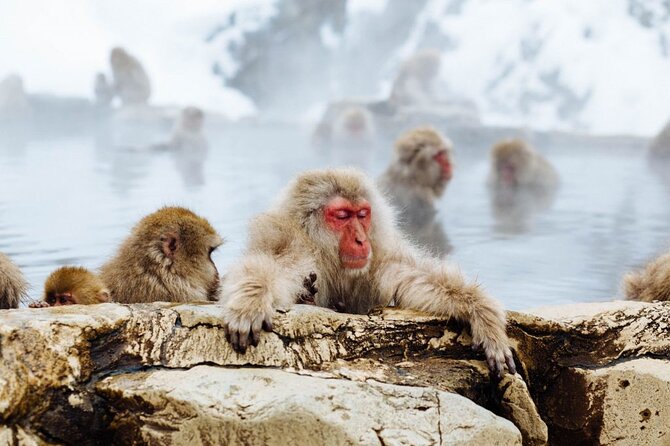
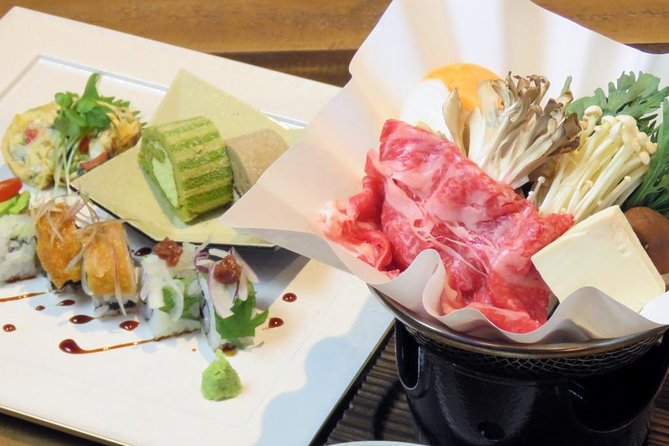
After the temple and sake tasting, the tour travels toward the monkey park and stops for lunch at a local restaurant. A hot pot meal is frequently served, and the setting has been described as an elegant, traditional building more than 100 years old.
Lunch is one of the strongest parts of the day because it provides warmth and substance before the forest walk. In winter, this is especially welcome. A hot meal before heading onto an icy trail is far better than trying to make do with a quick snack.
The restaurant menu can change, so the exact meal is not guaranteed. Vegetarian and vegan options are available, but you need to request them in advance. Do the same for allergies. The tour provider can arrange alternatives, but last-minute requests may be difficult during a fixed group schedule.
The guides also appear to pay attention to practical details. On some departures, the guides ask about hot pot preferences on the bus and arrange seating in advance with name tags. That sort of organization helps a large group settle in quickly, though the experience can vary by date and restaurant availability.
You should not expect extra food, snacks, or drinks beyond the included lunch. If you need regular snacks, carry your own. The day contains walking, transport, and a long park visit, so a small supply is sensible.
More Temple & Shrine Tours in Nagano
- Food & Cultural Walking Tour around Zenkoji temple in Nagano
★ 5.0 · 58 reviews - Nagano/Tokyo: Snow Monkey and Zenkoji Temple Private Tour
★ 4.8 · 54 reviews - Nagano: Snow Monkeys & Togakushi Shrine Two-Spot in-One Day
★ 4.9 · 35 reviews - Food & Cultural Walking Tour around Zenkoji temple in Nagano
★ 5.0 · 16 reviews
The forest walk to Jigokudani Snow Monkey Park
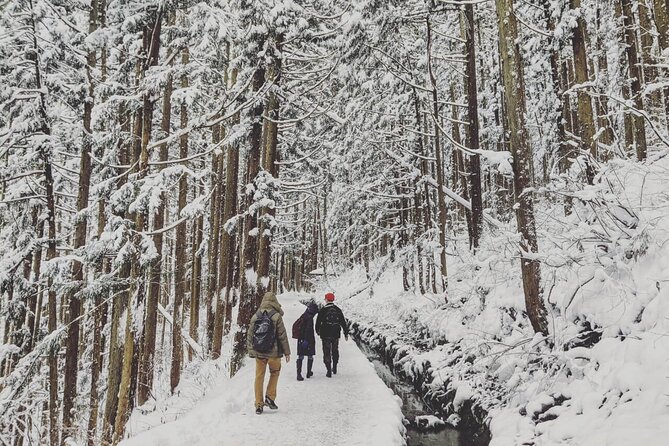
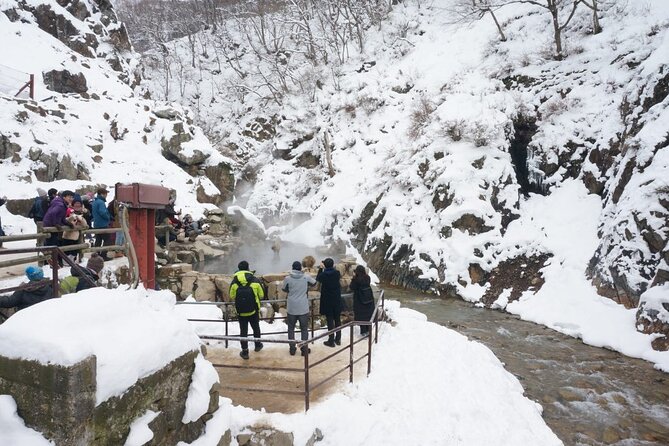
The journey from lunch to Jigokudani Snow Monkey Park is the longest and most active section of the day. The park sits at the end of a forest trail, and reaching the viewing area takes roughly 45 minutes on foot. Much of the route is uphill, and the surface changes with weather and season.
In good conditions, the walk is part of the attraction. You move through the forest toward the hot springs, with the surroundings becoming quieter and more remote than central Nagano. In winter, the same route can turn into a serious trek. Packed snow and ice create slippery sections, and rain can make the trail wet and uneven.
Wear shoes with strong grip. From mid-December to early April, warm clothing and suitable boots are essential. From mid-December to early March, temperatures may fall below freezing and can reach about -10°C. Rental boots are available near the park, and crampons can be purchased or rented in the area.
A useful practical point: the official information desk farther up the hill is the better place to ask about snow boots and traction equipment. Some visitors have found that buying crampons at the bottom of the hill was not the best choice. If you already own compact ice cleats, bringing them can save time and money.
The park entrance fee is included. If you already have your ticket, follow your guide’s directions rather than automatically joining a long ticket line. Guides have helped groups bypass the ticket queue and move into the park more efficiently.
Meeting the snow monkeys up close
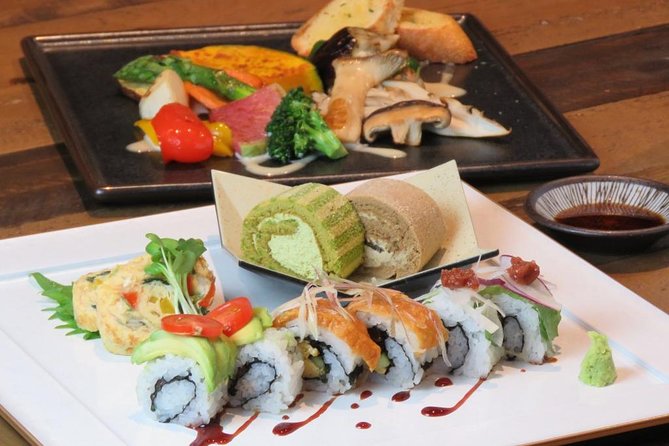
Jigokudani Snow Monkey Park was established in 1964 and is known for its Japanese macaques. These are wild animals, not trained performers. There are no barriers separating you from them, which makes the encounter feel unusually direct, but it also means you must behave carefully.
You may see monkeys sitting near the hot spring, grooming one another, eating, playing, or simply ignoring the people around them. Winter is the season when the famous bathing scene is most likely, especially when the weather is cold. From spring through autumn, the monkeys may play or feed in the water instead, and there is no guarantee that any macaque will be in the bath.
The three-hour park allocation is generous. It gives you time to watch the animals rather than snapping one picture and turning straight around. You may find that the best approach is to choose a safe viewing spot and wait quietly. The monkeys often move through the area, and patience can produce better moments than chasing them from place to place.
You are not allowed to touch, hold, feed, or bathe with the monkeys. Keep at least 1 to 2 meters away, avoid sudden movements, and follow the park rules at all times. Your guide explains these rules before entry, but you remain responsible for following them.
The park cannot promise a wildlife performance. On a few days each year, the macaques may not come down, arrive late, or leave early. That is uncommon, but it is the central uncertainty of the experience. Book this for the chance to see wild monkeys in their environment, not for a guaranteed photograph of one in the hot spring.
Transport, timing, and group size
The tour uses transport between the stops, with a microbus or large bus depending on the season and group size. The maximum group size is 45 people, so this is not a private or intimate outing. A larger group can slow movement at meeting points, but multiple guides may divide the party.
The guide quality is one of the tour’s biggest strengths. Names associated with recent departures include Tom, Endo, Kieran, Nadine, Jens, Brent, Dylan, Devin, Shawn, Yama, Luke, Kay, and Sijung. Your guide will vary, but the role is important: keeping a large group moving, explaining temple customs, handling park tickets, and answering questions on the bus.
The tour is designed for a full day from Nagano. Tokyo visitors can use the shinkansen, but train tickets are not included. Suggested morning services include the 7:20 Kagayaki, arriving at 8:43, the 7:24 Asama, arriving at 9:14, and the 7:52 Hakutaka, arriving at 9:30. Check the tour’s confirmed meeting time before choosing a train.
The planned end is around 17:30 at Nagano Station. In winter, snow and road conditions can delay the return. If you are continuing to Tokyo, do not book a tight connection. The supplied guidance recommends avoiding services earlier than the 17:56 Kagayaki and suggests the 18:23 Hakutaka as a safer choice.
In winter, a shuttle is available for people staying in Hakuba, using the Hakuba Tokyu Hotel in Wadano and Hakuba Happo Bus Terminal. This service runs from mid-December through the end of March, may not operate every day, and finishes later, around 19:00. The large bus drops you at one of four Hakuba points rather than at individual hotels, so you must arrange your own final connection.
Is $151.88 good value?
For $151.88, you are paying for more than entry to the monkey park. The price includes transportation between activities, an English-speaking guide, lunch, sake tasting, and the Snow Monkey Park admission fee. Those inclusions remove several pieces of planning on a day when public transport connections and winter roads can complicate the trip.
The value is strongest if you are staying in Nagano for a short time, coming from Tokyo for the day, or visiting in winter. You get a sensible route and a guide to explain cultural details that can be easy to miss on your own. The included meal also saves you from finding a restaurant near the park during the busiest part of the day.
The price is less attractive if you already have a car, enjoy arranging local buses, or want to spend several hours at Zenko-ji. You also need to add your own shinkansen fare if you are coming from Tokyo, plus any paid Zenko-ji attractions, extra drinks, snacks, and possible traction equipment.
The tour has a 4.9 rating from 1,020 reviews and a 98 percent recommendation rate, which points to consistently strong execution. The praise centers on the guides, food, organization, and close monkey sightings. The main concerns are not poor service, but the unavoidable realities of a large group and a difficult trail.
Who should book this tour?
I would choose this tour if you want to see the monkeys but also care about understanding Nagano. The temple and sake stop prevent the day from feeling like a long transfer to a single wildlife attraction.
It suits first-time visitors, families with older children, couples, and mixed-age groups who prefer a clear plan. Most people can take part, but you should be comfortable walking uphill for about 45 minutes and managing uneven or slippery ground. The park route may be difficult if you have trouble walking for extended periods.
You should also book it if lunch matters to you. The regional meal, often a hot pot, receives unusually strong praise and gives the day a welcome local flavor.
I would think twice if you dislike fixed schedules, large groups, alcohol tastings, or winter walking. You might prefer independent transport and a longer temple visit. Also keep your expectations realistic: the monkeys are wild, and even a well-planned tour cannot control their behavior or the weather.
Should you book it?
Book this tour if the snow monkeys are high on your Nagano list and you want the practical pieces handled for you. The combination of wildlife, temple, sake, and lunch gives you a fuller picture of the region than a simple park transfer.
Before booking, check the season, prepare for the walk, request dietary needs in advance, and leave plenty of time for your return train. If you do that, the $151.88 price buys a well-organized day with strong cultural context and a real chance at one of Japan’s most memorable wildlife encounters.
FAQ
How long does the tour last?
The experience lasts approximately eight hours.
What attractions does the tour visit?
It visits Zenko-ji Temple, Nishimon Yoshinoya for sake tasting, and Jigokudani Snow Monkey Park.
Is lunch included?
Yes. Lunch at a local Nagano restaurant is included. Vegetarian and vegan options are available if requested in advance.
Is sake tasting included?
Yes. The tour includes a sake tasting and an introduction to Nagano’s sake culture.
How old must I be to drink the sake?
You must be at least 20 years old to consume alcohol in Japan.
Is the Snow Monkey Park admission fee included?
Yes. Entry to Jigokudani Snow Monkey Park is included.
Are shinkansen tickets included?
No. You must purchase your own bullet train tickets.
Will I definitely see monkeys bathing in the hot spring?
No. The monkeys are wild, and there is no guarantee they will be in the bath. From spring through autumn, they may play or eat in the water instead.
How difficult is the walk to the monkey park?
The forest trail takes about 45 minutes each way and includes uphill sections. Snow, ice, rain, and crowds can make it harder.
What should I wear in winter?
Wear warm clothing and sturdy shoes or boots with good traction. From mid-December to early March, temperatures may fall below 0°C and can reach about -10°C. Rental boots and crampons are available near the park.
How large can the tour group be?
The maximum group size is 45 people. The tour may use a microbus or large bus, depending on the season and group size.
Is there a shuttle from Hakuba?
A Hakuba shuttle operates in winter from mid-December through the end of March, though it may not run every day. Pickup and drop-off use designated points, not individual hotels.
Can I cancel for a full refund?
Yes, if you cancel at least 24 hours before the experience starts. Cancellations or changes made less than 24 hours in advance are not accepted for a refund.
More Food & Drink in Nagano
- Tokyo: Shinjuku Food Tour (13 Dishes at 4 Local Eateries)
★ 5.0 · 6,603 reviews - Tokyo Tsukiji Fish Market Food and Culture Walking Tour
★ 5.0 · 3,184 reviews - Osaka: Shinsekai Food Tour with 13-15 Dishes at 5 Eateries
★ 4.8 · 2,204 reviews - Osaka Food Tour: 13 Dishes at 5 Local Eateries
★ 5.0 · 2,149 reviews
More Drinking Tours in Nagano
- Nagano Sake Tasting Walking Tour
★ 5.0 · 17 reviews - Tokyo Bar Hopping Tour in Shinjuku (All-You-Can-Drink + Dinner)
★ 5.0 · 3,587 reviews - Best of Shinjuku: Izakaya Food Tour (4 Stops, 14+ Tastings)
★ 5.0 · 1,863 reviews - Tokyo: Shinjuku Local Bar and Izakaya Guided Walking Tour
★ 4.9 · 1,794 reviews
Just added around Nagano
- Nagano: Snow Monkeys & Togakushi Shrine Two-Spot in-One Day★ 4.9 · 35 reviews
- Nagano: 1-Day Ski Tour Package from Nagano Station★ 4.9 · 35 reviews
- Nagano Sake Tasting Walking Tour★ 5.0 · 17 reviews
- Nagano: Tateyama-Kurobe Guided Walking Tour★ 5.0 · 16 reviews
- Snow Monkeys & Best of Nagano: Togakushi, Zenko-ji and more★ 4.9 · 36 reviews
- From Nagano: Tateyama-Kurobe Alpine Route★ 4.8 · 45 reviews
- Food & Cultural Walking Tour around Zenkoji temple in Nagano★ 5.0 · 16 reviews
- 1 Day Tour: Snow Monkeys & Snow Fun in Shiga Kogen★ 5.0 · 52 reviews
Temple & Shrine Tours, compared.
Tea Ceremony in a Traditional Tea House in Kiyomizu
Read our review →
Meiji Shrine, Asakusa, Skytree Bus Tour and Cruise
Read our review →
Asakusa Walking Tour with Sensoji Temple Visit
Read our review →
Kamakura & Enoshima Day Trip including Temple Tickets
Read our review →
Kyoto/Osaka: Nara, Fushimi Inari Taisha, Arashiyama Bus Tour
Read our review →
Nikko Toshogu Shrine and Kegon Waterfall Tour
Read our review →