
REVIEW · WORKSHOPS
Private Handmade Ring Workshop Class
The best part of this Osaka workshop is that you do not simply buy a souvenir. You help make one. Using the Japanese Tankin technique, you hammer a pattern into a ring that will never be exactly duplicated, while a craftsperson handles the delicate final polishing.
I like the easy pace and the freedom to choose your metal, width, shape, and finish. I also like that couples can work on each other’s rings, turning a simple craft class into a personal keepsake. The main thing to watch is the price: the advertised workshop fee does not cover every ring option, so gold, platinum, thicker bands, and some finishes cost extra.
In This Review
- Key points to know before you book
- Making a Japanese ring in Nakazaki
- Step one: choosing the ring you actually want
- Step two: watching the base ring take shape
- Step three: hammering the one-of-a-kind pattern
- Step four: letting the craftsperson finish the ring
- What the price really includes
- The staff and language support
- Why the private format matters
- Timing, arrival, and cancellation details
- Who should book this Osaka workshop?
- Should you book the handmade ring workshop?
- FAQ
- Where does the ring-making workshop take place?
- How long does the activity last?
- What technique do I use to make the ring?
- Can I take the finished ring home the same day?
- Is the ring included in the advertised price?
- What materials are available?
- Can I choose the ring’s width and shape?
- What happens if my ring size is above 21?
- Can staff help if I do not speak Japanese?
- Is this a private activity?
- What happens if I arrive late?
- Can I cancel the booking?
Key points to know before you book
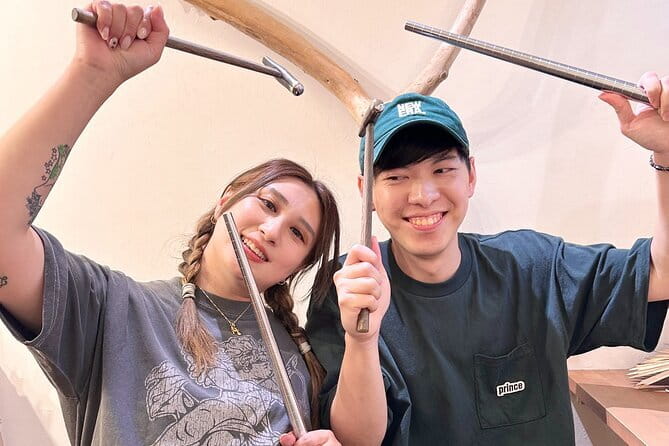
- You hammer the ring yourself: Create the distinctive Tsuchime, or hammered, texture with special tools.
- The ring is ready the same day: The craftsperson completes the final shaping and polish while you wait.
- The base price is only the starting point: A thin silver ring is the least expensive choice, while gold and platinum can cost much more.
- Couples can make rings for each other: Exchange rings during the workshop and add the texture by hand.
- Language help is available: Japanese staff use translation tools to explain each step.
- Your group has the workshop privately: The activity is limited to your own party, not a large mixed class.
Making a Japanese ring in Nakazaki
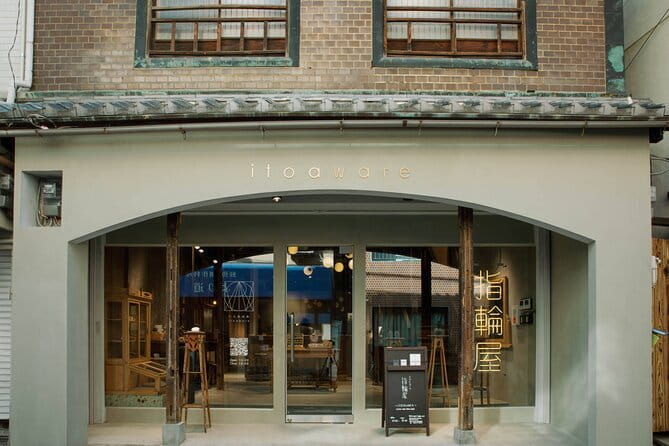
The workshop takes place at itoaware Osaka, at 3-chōme-2-18 Nakazaki in Osaka’s Kita Ward. The shop is near public transportation, though you will need to make your own way there. Private transport is not included.
This is a useful activity to place between Osaka’s larger sights. It takes about 60 to 90 minutes, so you are not giving up half a day. At the same time, it feels more personal than a quick shopping stop. You leave with something you helped shape, rather than another packaged souvenir.
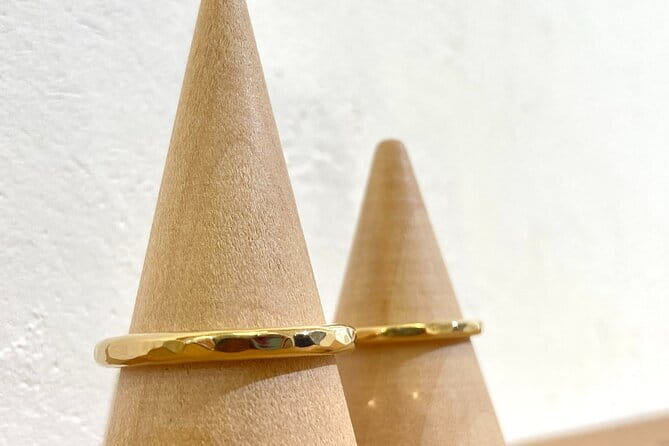
The experience focuses on 槌目, or Tsuchime, the hammered pattern used on the ring’s surface. The exact pattern depends on the force, angle, and placement of your hammer strikes. That means your finished ring has a handmade look instead of a perfectly repeated factory design.
You do not need previous craft experience. The process is explained step by step, and the staff completes the fine finishing work. That division of labor matters. You get the satisfying part of making the ring, without being responsible for the most difficult work.
A few more Osaka trips to weigh up
- Sushi Making Osaka Roll and Authentic Japanese Sushi Class
★ 5.0 · 1,220 reviews - Matcha Making Class in Osaka with Authentic Japanese Sweets Set
★ 5.0 · 509 reviews - Osaka: Ramen and Gyoza Cooking Class in Dotonbori
★ 5.0 · 378 reviews
Step one: choosing the ring you actually want
Your first decision is the ring’s width, shape, material, and finish. This is where the workshop becomes more than a simple silver craft class.
The least expensive option is a 1.0 millimeter wide silver 925 ring, priced at 3,300 Japanese yen per ring. Silver widths of 1.5 millimeters, 2.0 millimeters, and 2.5 millimeters cost 4,400, 5,500, and 7,700 yen. Wider designs, including 3.0 millimeter and 4 by 2 millimeter styles, cost 11,000 yen, while a 5 by 2 millimeter option costs 15,400 yen.
You can also select K10 green gold. Prices begin at 11,000 yen for a 1.0 millimeter band and rise to 99,000 yen for a 3.0 millimeter design. Platinum 900 and K18 gold are available in yellow, pink, green, and white gold. These begin at 27,500 yen for a 1.0 millimeter ring and reach 220,000 yen for a 3.0 millimeter ring.
I recommend deciding your spending limit before you arrive. The low advertised price makes the workshop easy to book, but the material and width choices can change the final cost sharply. If you want the basic experience at the lowest price, choose the thin silver band. If you want a substantial wedding-style ring or precious metal, treat the activity as a jewelry purchase with a craft session included.
Ring shape and finish also affect the look. The available choices can include rounded, square, or octagonal forms, along with different surface treatments. One participant created a K10 green gold octagonal and square thumb ring, showing how far the design can move beyond a standard narrow band.
For sizes above 21, there is a 10 percent surcharge. This is easy to overlook, so check your ring size before booking if you already know it. If you are making a ring for someone else, accurate sizing matters even more.
Step two: watching the base ring take shape
Once you choose your design, a craftsperson prepares the plain base ring. This part is handled by the staff before you begin hammering.
That arrangement keeps the activity within its 60 to 90 minute window. It also means you are not spending your time on technical metalwork that could be frustrating for a first-timer. The ring arrives at the stage where your contribution matters most: creating its surface texture.
This is a good point to ask about the options again if you are unsure. The workshop allows you to choose the combination of metal, width, shape, and finish on the day. You can make a decision after seeing the available examples, but remember that the final amount may differ from the online payment.
The staff members are there to help rather than rush you. Junpei, Ayane, and Connie are among the staff names associated with the workshop, and the experience is set up for careful, individual instruction. The group format is private, so you only participate with the people in your own booking.
Step three: hammering the one-of-a-kind pattern

Now comes the hands-on part. You use special hammers and tools to mark the ring’s surface.
The goal is not to produce a flawless machine-made finish. The charm comes from small differences in each strike. A lighter or heavier tap changes the texture, and the spacing of your marks becomes part of the ring’s character. You are making an object with a visible record of your own work.
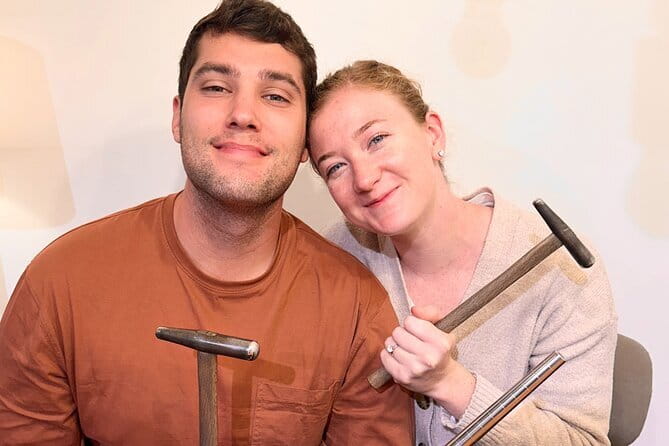
This is also the most engaging part for couples. You can exchange rings and hammer the texture into each other’s bands. It adds a small ceremony to the class without requiring a formal proposal or anniversary. The finished rings can carry the memory of the trip and the fact that you made them together.
You can take commemorative photographs with your mobile phone during the process. Some sessions have also included personal videos and special events such as Halloween games, but those extras should not be treated as guaranteed parts of every booking. The reliable offer is the ring-making workshop itself.
The staff can explain the process in Japanese with translation tools. That may sound like a limitation, but the activity is visual and hands-on. The tools, demonstrations, and repeated steps do much of the explaining. If you need detailed discussion about metal types or finishes, give yourself time to use the translation app and confirm the choice before work begins.
Same city, a completely different kind of day:
- Osaka Go Karting Tour with Funny Costume
★ 5.0 · 2,658 reviews - Osaka Castle: Museum and Tower Entry Ticket
★ 4.5 · 2,380 reviews - Osaka: Shinsekai Food Tour with 13-15 Dishes at 5 Eateries
★ 4.8 · 2,204 reviews - Osaka Food Tour: 13 Dishes at 5 Local Eateries
★ 5.0 · 2,149 reviews
Step four: letting the craftsperson finish the ring
After you create the hammered pattern, the staff takes over for the final polish and finishing work. This is a practical feature, not just a convenience.
The last stage requires delicate handling. If you are not comfortable with fine manual work, you can still take part without worrying that one imperfect move will ruin the ring. Your marks remain visible, while the craftsperson makes the piece wearable.
The finished ring is available to take home the same day. That makes this a strong final-day or near-final-day activity, especially if you want to return to your hotel with your souvenir rather than arrange shipping. It also works early in a trip because you can wear the ring during the rest of your time in Japan.
The final look depends on your choices. A thin silver band will feel light and understated. A wider gold, platinum, or shaped ring will read more like serious jewelry and will cost accordingly. I would not choose the thickest or most expensive option simply to make the activity feel more special. The handmade texture is the heart of the experience, not the price tag.
What the price really includes
The listed price is about $21.80 per person, and the booking page describes it as the workshop price. The Japanese pricing information gives a minimum of 3,300 yen per ring for a 1.0 millimeter silver band.
You should read those figures together. The low entry price gets you into the activity, but the ring material, width, shape, and options determine the final bill. Online payment is made in advance, and you can pay any difference at the shop.
This pricing model is fair if you want control. You are not forced into an expensive metal or wide band. You can keep the cost close to the minimum with thin silver. It is less comfortable if you expect the advertised amount to cover a finished gold or thick silver ring.
The practical solution is simple: ask to see the price for your exact combination before confirming the order. Credit cards and electronic payment are preferred because the shop promotes cashless payment.
As a souvenir, the value is good for the basic silver option. You receive a usable object, spend only about an hour to an hour and a half making it, and take it home that day. Precious metal options are a different decision. At those prices, compare the ring’s cost with other jewelry purchases you may be considering in Japan.
The staff and language support
The staff’s patience is one of the strongest parts of the experience. The workshop is designed for beginners, and help is available at each stage.
Japanese staff members guide you with translation tools when needed. You should not expect a long English lecture about metalworking, but the activity does not depend on advanced language ability. Clear instructions and demonstrations carry much of the lesson.
Names connected with the workshop include Junpei, Ayane, and Connie. If you meet one of them, you can expect personal guidance rather than being left alone with the equipment. The staff can help with ring sizing, the hammering process, and the final design choices.
I would still arrive with a little patience. Translation apps can slow down a detailed conversation, especially when comparing subtle finishes or precious metals. Use short questions, confirm the price, and check that you understand the size and width before the base ring is prepared.
Why the private format matters
This is a private activity, so only your group participates. That makes it a good fit for couples, families, and friends who want a shared project without strangers at the same table.
A private session also gives you room to work at your own pace. One person may want a very regular texture, while another may prefer a more uneven handmade pattern. You can focus on your own ring without feeling watched by a large class.
The tradeoff is that a private activity may not provide the social energy of a larger workshop. You are there for the people in your booking and the object you are making. If you want to meet other visitors, this is not the right format.
Most people can participate, and service animals are allowed. The information provided does not list specific physical requirements, so ask the shop directly if you have concerns about standing, hand strength, or using a hammer.
Timing, arrival, and cancellation details
Plan to arrive on time at itoaware Osaka. If you are more than 15 minutes late, the shop may not be able to provide the experience. That rule matters because the base ring must be prepared and the staff has a set schedule for the finishing work.
The workshop lasts approximately 90 minutes, though the stated completion range is about 60 to 90 minutes including the staff’s final work. Build a little extra time around it if you have a train, restaurant reservation, or another timed activity immediately afterward.
Your meeting point, ticket redemption point, and end point are all the same shop address. Transportation to the shop is not included, but the location is near public transportation.
You can cancel for a full refund up to 24 hours before the local start time. Cancellations or changes made inside that 24 hour window are not accepted for a refund. Confirmation is sent within 48 hours of booking, subject to availability.
Who should book this Osaka workshop?
I would choose this class if you want a small, practical souvenir with a clear connection to Japan. It suits first-time craft participants because the staff prepares the base ring and handles the delicate finishing.
It is particularly good for couples. Making and hammering each other’s rings gives the hour a personal rhythm, and the finished bands can serve as a shared reminder of the trip.
Families and friends can enjoy it too, as long as everyone is comfortable with the ring-making format. The private setup keeps the activity focused and avoids the pressure of a large class.
I would be more cautious if your main goal is a bargain piece of precious-metal jewelry. Silver is affordable, but K10 green gold, K18 gold, and platinum rise quickly in price. I would also skip it if your Osaka schedule is so tight that a 15-minute delay could cause trouble.
Should you book the handmade ring workshop?
Book it if you want an authentic, hands-on memory rather than a standard souvenir. The best value comes from the thin silver option, where the workshop fee and ring cost remain relatively modest. You still get the central experience: choosing a design, hammering the texture, and taking home a finished ring that same day.
Before booking, decide how much you are willing to spend and remember that the displayed starting price is not the final price for every design. Arrive early, confirm the metal and width, and leave enough time for the staff to finish the piece.
For couples, this is one of the more personal short activities in Osaka. For solo visitors, it is a creative way to make a useful keepsake. If you accept the variable pricing and want a private beginner-friendly class, I would book it.
FAQ
Where does the ring-making workshop take place?
The workshop takes place at itoaware Osaka, 3-chōme-2-18 Nakazaki, Kita Ward, Osaka, 530-0016, Japan.
How long does the activity last?
The full process takes about 60 to 90 minutes, with approximately 90 minutes listed as the expected duration.
What technique do I use to make the ring?
You use the Japanese traditional Tankin style to hammer a pattern into the ring. The hammered surface is called Tsuchime.
Can I take the finished ring home the same day?
Yes. The staff completes the final polishing and finishing, and the ring can be taken home on the day of the workshop.
Is the ring included in the advertised price?
The advertised amount is the workshop price, and the final ring cost can change based on the material, width, shape, and options you choose. A 1.0 millimeter silver ring is the minimum-priced option at 3,300 yen per ring.
What materials are available?
Choices include silver 925, K10 green gold, platinum 900, and K18 gold in yellow, pink, green, and white gold.
Can I choose the ring’s width and shape?
Yes. You choose the width, shape, material, and finish on the day of the activity. Prices vary by selection.
What happens if my ring size is above 21?
Ring sizes above 21 carry a 10 percent surcharge.
Can staff help if I do not speak Japanese?
Yes. Japanese staff members assist participants and use translation tools to explain the process.
Is this a private activity?
Yes. Only your own group participates in the workshop.
What happens if I arrive late?
If you are more than 15 minutes late, the shop may not be able to provide the experience.
Can I cancel the booking?
You can cancel at least 24 hours before the local start time for a full refund. Cancellations or changes made less than 24 hours before the start time are not accepted for a refund.
Just added around Osaka
- Samurai dress-up and shows, plus Tea Ceremony & Calligraphy★ 5.0 · 27 reviews
- Kyoto & Nara Private customized tour with English speaking Guide★ 4.5 · 99 reviews
- Well-balanced BENTO (lunch box) Cooking Class★ 5.0 · 35 reviews
- Urban Canvas: Osaka Street Art Bike Tour★ 5.0 · 47 reviews
- OSAKA:Feel the Power! Learn Taiko Drum from Professionals★ 5.0 · 28 reviews
- Volleyball in Osaka & Kyoto with Locals!★ 5.0 · 21 reviews
- 1.5〜2 Hours Traditional Kintsugi Work Shop in Namba Osaka★ 5.0 · 75 reviews
- Umami Town Street Food Tour★ 5.0 · 120 reviews
Workshops, compared.
Sushi Making Tokyo Roll and Authentic Japanese Sushi Class
Read our review →
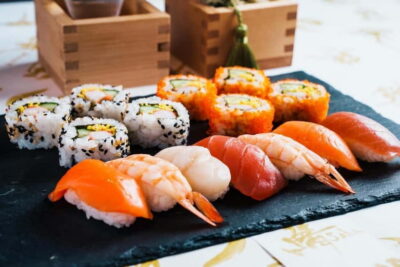
Roll and Authentic Sushi Making Class in Asakusa
Read our review →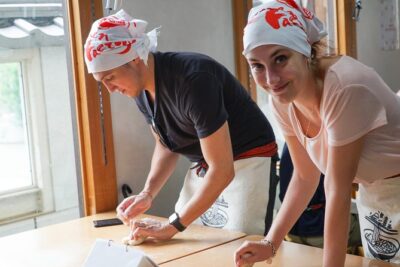
Ramen Cooking Class at Ramen Factory in Kyoto
Read our review →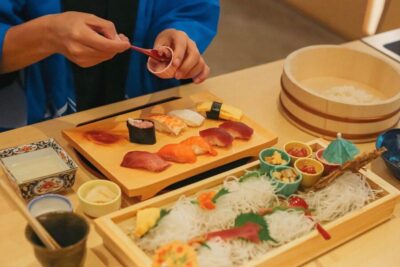
Sushi Making Class in a Happi Coat near a Famous Spot
Read our review →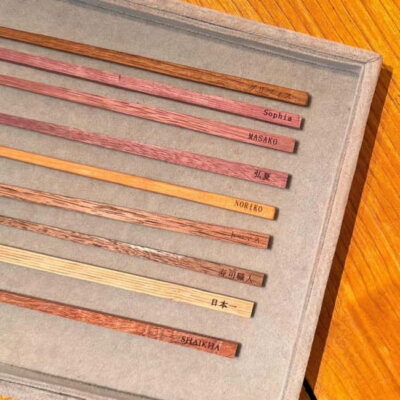

Sushi Making Osaka Roll and Authentic Japanese Sushi Class
Read our review →
Tokyo Sushi Making Class in Tsukiji with Professional Chef
Read our review →Browse the lists this tour appears in