
REVIEW · JAPANESE COOKING CLASSES
Popular Sushi Making Class near Tokyo Tower
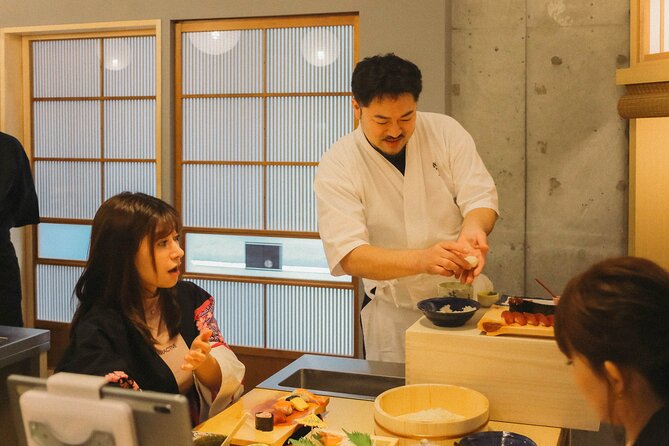
Making sushi beside Tokyo Tower turns lunch into a hands-on lesson. At Sushi Garyu, an English-speaking chef demonstrates each step, then you shape rice and place salmon, tuna, and other toppings yourself. You finish by eating what you made, often around 8 to 12 pieces, so arrive ready for a proper meal.
I like the friendly, patient teaching, especially for families and first-time sushi makers. I also like the playful extras: kimono-style dress-up, samurai swords, photos, and a ring light. The main caution is value. At $87.55 per person, this is more costly than simply ordering sushi, and a few people found the class too brief or the instruction hard to follow.
In This Review
- Key points to know before booking
- What happens at Sushi Garyu near Tokyo Tower
- Learning the rice and fish technique
- A playful Japanese food experience for families
- How the Tokyo Tower area fits into your day
- Is $87.55 a fair price?
- What the food is like
- English support and group size
- Who should book this class?
- Booking details that matter
- My call: book it for the activity, not just the sushi
- FAQ
- Where does the sushi-making class take place?
- How long does the experience last?
- Is the class taught in English?
- How much sushi will I make?
- Are vegetarian, vegan, and gluten-free options available?
- Can I cancel for a refund?
Key points to know before booking
- You make and eat your own sushi: The class combines a simple lesson with a filling meal.
- The location is near Tokyo Tower: The Higashiazabu meeting point makes a visit to the tower easy to pair with the class.
- English instruction is provided: Chefs and helpers demonstrate each stage, with a short video beside your seat.
- Dress-up adds a light cultural touch: Kimono-style clothing, samurai swords, and photo sessions make this especially appealing to families.
- Dietary requests need advance notice: Vegetarian, vegan, and gluten-free choices are available if requested ahead of time.
- The group can reach 14 people: You may share a table or seating area with other customers when the venue is busy.
What happens at Sushi Garyu near Tokyo Tower
This is a compact sushi workshop in Higashiazabu, a short walk from Tokyo Tower. The activity lasts about 90 minutes, though one report describes finishing in about an hour, so I would leave a little breathing room rather than schedule a tight connection afterward.
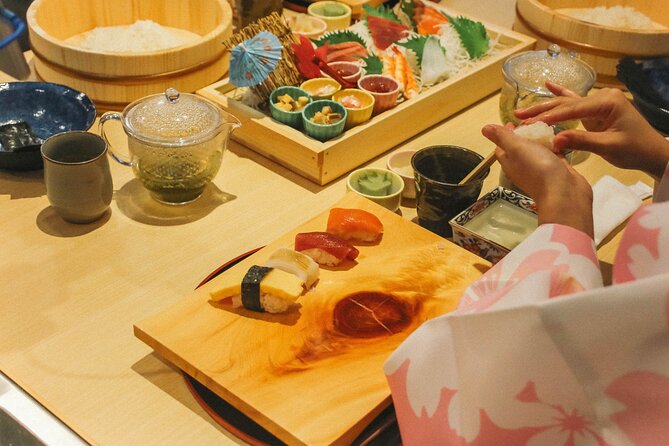
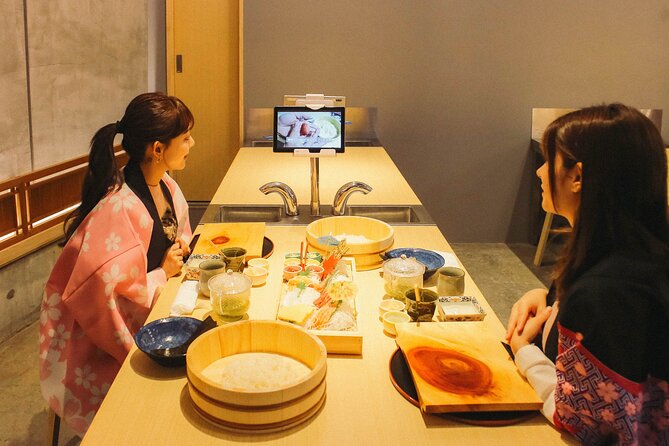
You sit at an individual work area with the ingredients arranged in front of you. A Japanese sushi chef demonstrates the process in English, and you follow along at your own pace. A short instructional video can also play beside your seat, giving you another look at the basic movements.
The focus is practical rather than advanced. You learn how to handle the rice, shape it, and place the fish correctly. The class also explains ingredients and gives you simple methods you can try at home. That makes the experience more useful than a purely decorative food activity, though you should not expect professional sushi-chef training in an hour and a half.
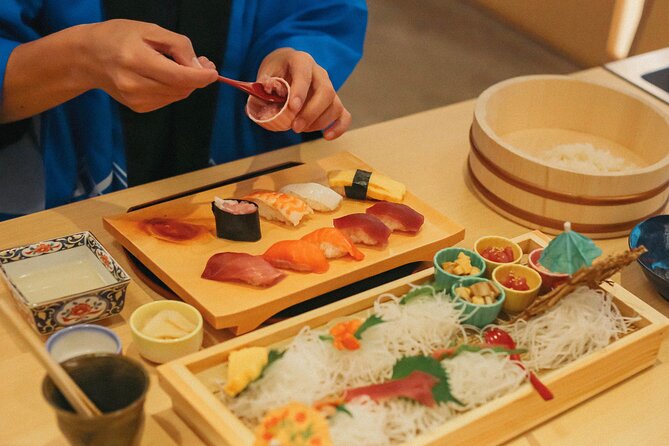
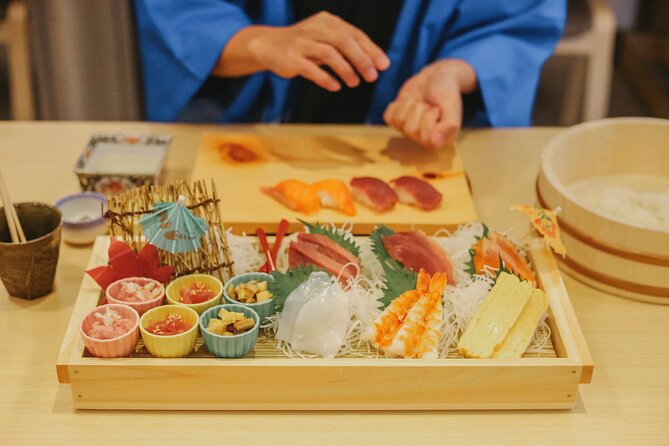
The best part comes at the end. You eat the sushi you have made, including pieces with salmon, tuna, and other ingredients. The amount varies in the descriptions, but 8 to 12 pieces is a sensible expectation. Several people found it substantial enough to replace lunch.
More Japanese Cooking Classes in Tokyo
- Sushi Making Tokyo Roll and Authentic Japanese Sushi Class
★ 5.0 · 3,971 reviews - Tokyo: Roll and Authentic Sushi Making Class in Asakusa
★ 4.9 · 1,957 reviews - Tokyo: Sushi Making Class in a Happi Coat near a Famous Spot
★ 4.9 · 1,377 reviews
Learning the rice and fish technique
Sushi can look easy until you try to make it. The rice must hold together without becoming a hard lump, and the fish needs to sit neatly on top. The chef breaks those tasks into small steps, which keeps the lesson approachable for children and adults who have never made sushi before.
You may get help from an instructor or assistant while working. Keiko, Yuki, and Mickie are names associated with especially warm and patient instruction, while Garyu Izumi is also named in the class responses. Staff assignments can change, so I would treat these as possible instructors rather than guaranteed hosts.
The class gives you enough repetition to understand the basic motion. You can ask for more rice, and helpers may correct the shape or placement of each piece. That personal guidance matters because the short video alone would not teach much. One less positive experience found the screen small and the hands-on help limited, so the quality of your session may depend partly on how busy the room is.
Still, the teaching style appears well suited to beginners. You are not expected to arrive with knife skills or cooking experience. The chef shows you what to do, then gives you time to copy the movement. For a first introduction, that is the right level of challenge.
A playful Japanese food experience for families
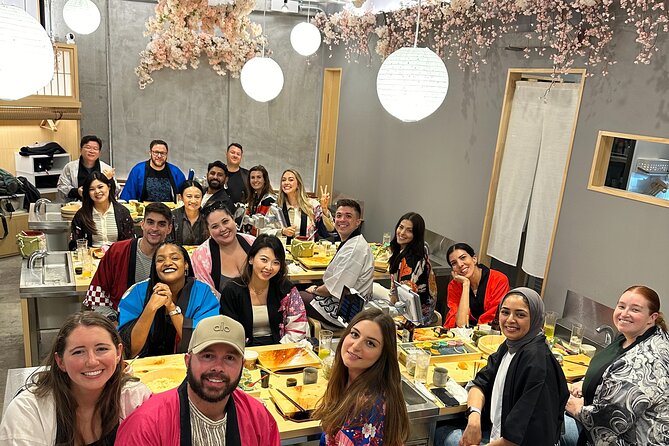
The dress-up element changes the mood from a basic cooking class to a small cultural activity. You may put on kimono-style clothing and pose with traditional props, including samurai swords. Staff can take photos, and some sessions include a video as well.
I especially like this for families with children. Kids aged 7 to 15 have enjoyed the combination of making food, wearing costumes, and eating the result. Younger children can take part too, but the fee applies from age four, and children under four are expected to share a dish rather than receive their own paid place.
The activity also works well for couples. You can make the class part of a date, take photos together, and then walk toward Tokyo Tower afterward. One useful timing idea is to book the session before an evening visit to the tower, since the meeting point is close enough to combine both plans on foot.
The atmosphere is described as clean, organized, and pleasant. The work areas are set up for teaching, with ingredients and equipment close at hand. That simple arrangement helps you focus on the food instead of trying to watch a demonstration from the back of a large room.
How the Tokyo Tower area fits into your day
The experience begins and ends at 1-chōme-6-8 Higashiazabu, Minato City. It is near public transportation, and the setting gives you several easy ways to build a half-day around the class.
The listed points of interest include Tokyo Tower, Zojo-ji, Azabujuban, Shiba Park, Teamlab Borderless Tokyo Azabudai Hills, Azabudai Hills, Hamarikyu Wharf, Tokyo City View at Roppongi Hills, The National Art Center, Tokyo, and Roppongi. These are nearby or useful area landmarks for planning before or after the class, not a sightseeing route included in the 90-minute sushi lesson.
Tokyo Tower is the clearest pairing. Its red-and-white structure is close to the class location, and an evening visit gives you a good reason to schedule sushi earlier in the day. The tower area can be busy, so check the timing of any observation-deck visit before booking your class slot.
Zojo-ji and Shiba Park offer a calmer contrast to the tower. They are useful choices if you want a little temple and park time around your meal. The class itself does not include guided visits to these places, so allow separate time and transportation if they are priorities.
Azabujuban and Azabudai Hills are practical neighborhood additions. Azabujuban gives you another food and shopping area to explore, while Azabudai Hills is useful if you already plan to visit Teamlab Borderless Tokyo. Do not assume the sushi session will connect you directly to timed museum admission. Treat the class as one booking and your sightseeing as another.
Hamarikyu Wharf and Roppongi suit a broader Tokyo day. The wharf belongs in a plan involving waterfront sightseeing, while Roppongi works well with Tokyo City View or The National Art Center, Tokyo. These locations are not part of the sushi instruction, but the central position makes the class easy to fit into a larger Minato or Roppongi itinerary.
Same city, a completely different kind of day:
- Mt Fuji and Hakone 1-Day Bus Tour Return by Bullet Train
★ 5.0 · 26,383 reviews - 1-Day Tokyo Bus Tour
★ 5.0 · 14,250 reviews - Tokyo: TOKYO SKYTREE® Admission ticket
★ 4.5 · 11,192 reviews - Tokyo: teamLab Planets TOKYO Digital Art Museum Entry Ticket
★ 4.6 · 9,779 reviews
Is $87.55 a fair price?
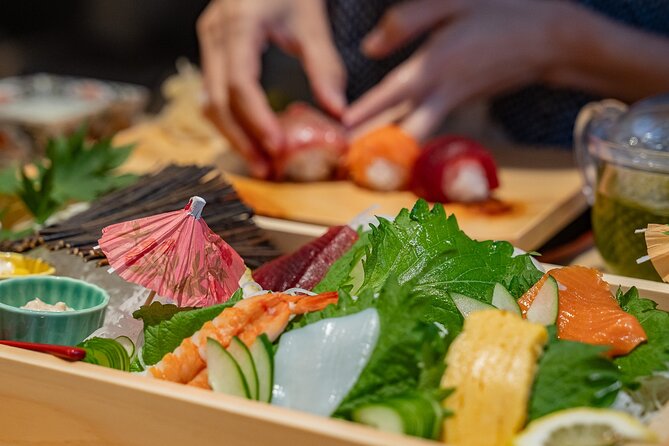
At $87.55 per person, this is not a bargain meal. You can find less expensive sushi in Tokyo, and you could order a very good lunch without spending close to this amount. The price pays for the instruction, ingredients, staff attention, dress-up props, photos, and the activity itself.
The value is strongest if you want three things at once: a meal, a cultural activity, and a family-friendly photo opportunity. You also leave with techniques that are simple enough to repeat at home. One person specifically valued learning how to prepare sushi in a way that felt manageable outside Japan.
The value is weaker if your main goal is top-end sushi quality. This is a teaching class, not a carefully paced omakase meal. You are paying to participate, not to sit back while a master prepares a series of refined courses.
The amount of food helps. Several descriptions point to a generous portion, and you may be full by the end. Plan it around lunch or dinner rather than treating it as a small snack. If you have a large appetite, you can ask for more rice, but the exact amount of extra food is not guaranteed.
What the food is like
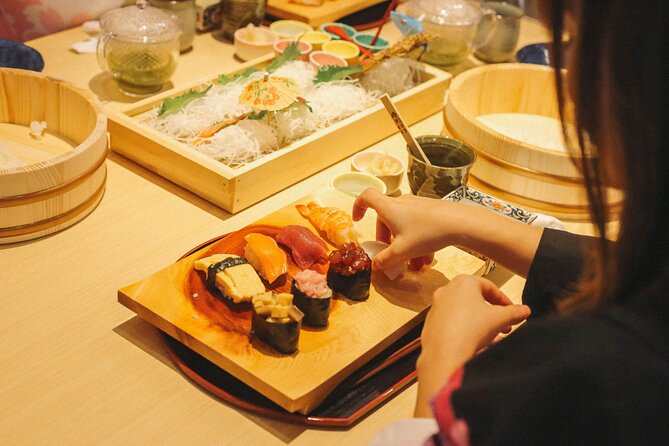
The main ingredients include salmon, tuna, and other sushi toppings. Many sessions have produced fresh-tasting fish and soft rice, with a good variety across the pieces. The sushi you make is straightforward, which lets you concentrate on technique instead of complicated recipes.
Food quality can vary by session. Most feedback is strongly positive, but one experience found the fish disappointing and the rice too hard. Another person thought the sushi was good but considered the overall price slightly high. I would set your expectations at fresh, enjoyable class food rather than destination-level sushi.
That distinction matters in Tokyo. If you want the most delicate fish, the most exact rice seasoning, or a formal chef-led meal, spend your budget at a specialist sushi counter. If you want to understand how a piece is assembled and then eat your own work, this class makes better sense.
Tell the provider about allergies before the day of the activity. Vegetarian, vegan, and gluten-free versions are available, but same-day requests may not be possible. This is one detail I would handle early, especially for a family or group with mixed dietary needs.
English support and group size
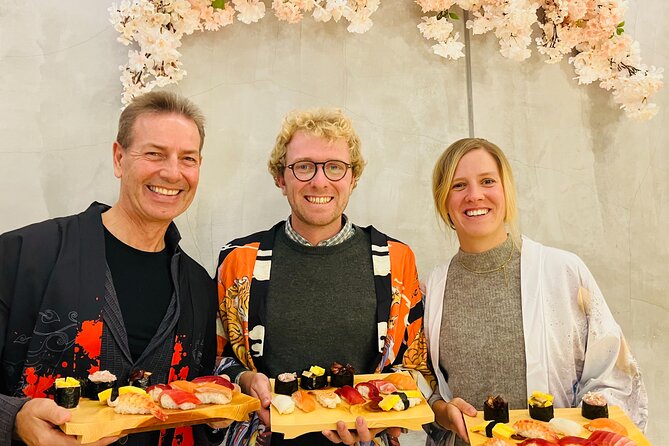
The class is designed for an international audience, with instruction in English. Many sessions have included clear demonstrations and friendly conversation about Japan and the participants’ home countries. That makes it easier to ask questions and understand why each step matters.
The language experience may not be identical every time. One person found the instructions hard to follow because of a language barrier, even though the sushi itself was good. The video beside your seat provides some backup, but it is short, so do not rely on it as the main lesson.
The maximum group size is 14 people. That is still small enough for a hands-on activity, but it is not a private class. When the venue is busy, you may be seated with other customers. A small class can feel more personal, while a fuller room may mean that staff divide their attention among several workstations.
For the best chance of close help, pay attention during the demonstration and ask questions as soon as you need them. The class is simple enough to follow, but it moves along at a steady pace.
Who should book this class?
I would recommend it most strongly to:
- Families looking for an activity that keeps children involved
- First-time visitors who want a gentle introduction to Japanese food culture
- Couples who like cooking activities and photo opportunities
- Home cooks who want basic sushi techniques they can repeat
- Anyone planning to visit Tokyo Tower, Shiba Park, or Azabujuban
You may want to skip it if you are seeking a quiet, private meal, a serious culinary qualification, or a high-end sushi tasting. The dress-up and group format are part of the appeal, but they may feel too lighthearted if you want a formal Japanese dining experience.
It is also worth considering your schedule. The class runs at different times through the day, which is helpful, but the experience itself can finish sooner or later than the approximate 90 minutes. Avoid booking a timed attraction immediately afterward.
Booking details that matter
Your mobile ticket is accepted for the activity, and confirmation is provided at booking. The meeting point is the same as the end point, so you do not need to arrange a separate return transfer.
The activity has free cancellation up to 24 hours before the start time. Cancel at least 24 hours ahead for a full refund. Inside that window, cancellations and changes are not accepted for a refund.
The class charges for children aged four and older. A child under four can share a dish, according to the provided rules. Contact the provider in advance with allergies or dietary requests rather than waiting until you arrive.
My call: book it for the activity, not just the sushi
I would book this class if you want a friendly, hands-on break from sightseeing near Tokyo Tower. The patient demonstrations, generous serving, English support, and playful costumes make it a strong choice for families and first-time visitors. The chance to eat your own sushi gives the class a clear payoff.
I would not book it solely for the food. At $87.55, the meal alone does not justify the cost, and the short format may disappoint anyone expecting a deep culinary lesson. Think of it as a compact Japanese culture experience with lunch attached. If that combination suits your day, Sushi Garyu is a practical and memorable choice.
FAQ
Where does the sushi-making class take place?
The class takes place at 1-chōme-6-8 Higashiazabu, Minato City, Tokyo 106-0044, Japan, near Tokyo Tower. The activity returns to the same meeting point.
How long does the experience last?
The advertised duration is approximately 1 hour and 30 minutes. One description indicates that some sessions may finish in about an hour, so allow extra time in your schedule.
Is the class taught in English?
Yes. A Japanese sushi chef teaches the class in English, with demonstrations and a short instructional video available beside your seat.
How much sushi will I make?
The exact amount can vary, but the provided experiences describe roughly 8 to 12 pieces. You eat the sushi you make, and you may ask for more rice during the activity.
Are vegetarian, vegan, and gluten-free options available?
Yes, these options are available if you request them in advance. Same-day requests may not be possible, so send the information before the class.
Can I cancel for a refund?
You can receive a full refund if you cancel at least 24 hours before the experience start time. Cancellations or changes made within 24 hours are not accepted for a refund.
More Workshops in Tokyo
- Tokyo Shinjuku Chopsticks Making Class
★ 5.0 · 1,763 reviews - Chopstick Making Workshop in Ginza
★ 4.8 · 1,366 reviews - Tokyo Sushi Making Class in Tsukiji with Professional Chef
★ 5.0 · 1,177 reviews - Ramen & Gyoza Cooking Class in Tokyo with Local Supermarket Visit
★ 5.0 · 823 reviews
Just added around Tokyo
- Tokyo: Customizable Private Guided Walking Tour★ 4.5 · 129 reviews
- Private Harajuku Omotesando Architecture Tour★ 4.9 · 18 reviews
- Tokyo: Guided Helicopter Ride★ 4.9 · 24 reviews
- Tokyo: Guided Walking Tour of Tsukiji Market with Lunch★ 4.4 · 24 reviews
- Tokyo: Private Personalized Local Food Tour★ 4.5 · 101 reviews
- Tokyo GINZA: KONPARU Japanese Cabaret Show with Drink★ 4.8 · 38 reviews
- Tokyo: Guided Walking Tour of Tsukiji Market with Breakfast★ 4.4 · 134 reviews
- Tokyo: Gotokuji Cat Temple, Shinjuku Cat Cafe & 3D Cat Tour★ 4.9 · 38 reviews
Japanese Cooking Classes, compared.
Sushi Making Tokyo Roll and Authentic Japanese Sushi Class
Read our review →
Roll and Authentic Sushi Making Class in Asakusa
Read our review →
Ramen Cooking Class at Ramen Factory in Kyoto
Read our review →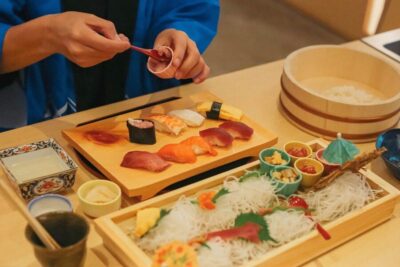
Sushi Making Class in a Happi Coat near a Famous Spot
Read our review →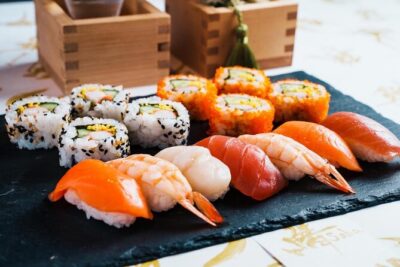
Sushi Making Osaka Roll and Authentic Japanese Sushi Class
Read our review →
Tokyo Sushi Making Class in Tsukiji with Professional Chef
Read our review →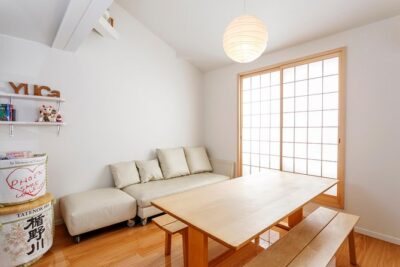
Ramen & Gyoza Cooking Class in Tokyo with Local Supermarket Visit
Read our review →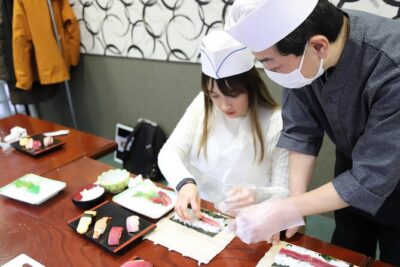
Tsukiji Fish Market Guided Tour and Sushi Making with Pro Chef
Read our review →Browse the lists this tour appears in