
REVIEW · JAPANESE COOKING CLASSES
Osaka Dotonbori: Sushi Making Experience
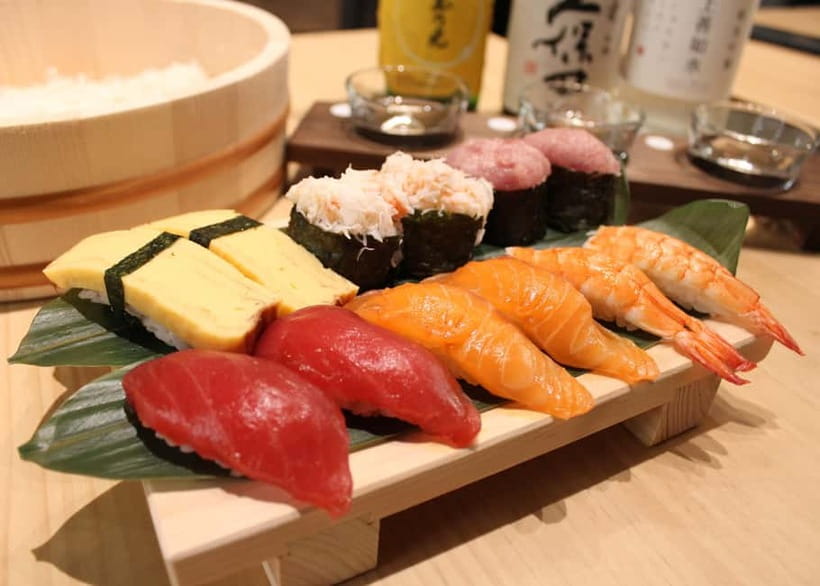
Dotonbori is famous for eating, but this class lets you do more than point at a menu and order. In 90 minutes, you make 12 pieces of sushi, learn the basic craft from English-speaking instructors, taste Japanese sake, and then eat what you prepared.
I especially like the friendly teaching style and the small cultural touches, including sushi cosplay and a certificate at the end. The class suits first-timers, families, and people who are unsure about raw fish. The main caution is practical: the meeting location can be a little hard to find, and one recent participant found the seafood good but not exceptionally fresh.
In This Review
- Key points at a glance
- Why a sushi class fits Dotonbori
- The 90-minute lesson, step by step
- 1. Preparing the shari, or sushi rice
- 2. Shaping the rice
- 3. Adding neta and wasabi
- 4. Final shaping
- What the instructors add
- Eating your 12 pieces and tasting sake
- Sushi cosplay, photos, and the certificate
- Dietary needs and accessibility
- Location, timing, and the small navigation problem
- Is $45 a fair price?
- Who should book this class?
- Should you book Osaka Dotonbori Sushi Making?
- FAQ
- How long does the Osaka Dotonbori sushi class last?
- How many pieces of sushi will I make?
- Is the class taught in English?
- Is sake included?
- Are vegan and halal sushi options available?
- Can I cancel or pay later?
Key points at a glance
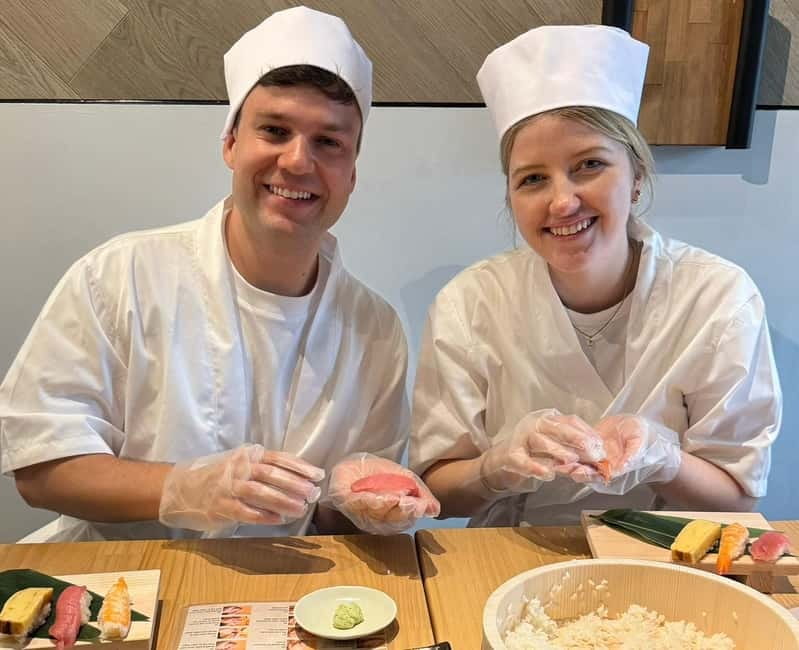
- Make 12 pieces yourself: You handle the rice, toppings, wasabi, and final shaping instead of simply watching a chef work.
- Learn in English: Instructors including Mako, Mika, Saki, Yumiko, Kosei, and others explain each step in clear, beginner-friendly language.
- Sake is part of the fun: You can enjoy Japanese sake with the sushi and hear basic information about this traditional drink.
- A good choice for mixed groups: Families, couples, friends, non-fish eaters, and complete beginners can all take part.
- Dietary options are available: Vegan and halal sushi can be arranged, and gluten-free soy sauce has been provided for a participant with a gluten allergy.
- The class has a playful finish: Sushi cosplay, photos, a special gift, and a sushi master certificate give you something beyond lunch.
Why a sushi class fits Dotonbori
Dotonbori is Osaka at its most theatrical. Neon signs, restaurant fronts, and the famous canal draw you into a part of the city built around food and entertainment. A sushi class fits this setting well because it gives you a hands-on food experience before or after you explore the neighborhood.
You are not signing up for a full-day cooking school. This is a compact introduction to sushi, designed to fit into an Osaka sightseeing plan. At $45 per person, the price covers ingredients for 12 pieces, instruction, sake, the cosplay element, and a certificate.
That makes the cost reasonable if you want an activity rather than just another meal. A regular sushi lunch may cost less, but it will not teach you how sushi rice is prepared or give you a chance to shape each piece. If you are mainly looking for the finest possible sushi in Osaka, a specialist restaurant may be a better use of your money. If you want food, culture, and a bit of silliness in one sitting, this class makes more sense.
More Japanese Cooking Classes in Osaka
- Sushi Making Osaka Roll and Authentic Japanese Sushi Class
★ 5.0 · 1,220 reviews - Osaka Sushi Making Experience
★ 5.0 · 400 reviews - Osaka: Ramen and Gyoza Cooking Class in Dotonbori
★ 5.0 · 378 reviews
The 90-minute lesson, step by step
The class begins with an introduction to sushi, its ingredients, and the basic method. The teaching is in English, and the instructors explain the process rather than leaving you to guess what your hands are supposed to do.
The staff names vary by session. Mako, Mika, Saki, Yumiko, Kosei, and other instructors have led classes, and the strongest part of the experience is the warm, conversational approach. You can expect the teachers to keep the mood light while still showing you the technique.
1. Preparing the shari, or sushi rice
Your first job is the rice. You pour sushi vinegar over the cooked rice and learn why this seasoning matters. It adds the familiar sweet, sour flavor that separates sushi rice from ordinary steamed rice.
This sounds simple, but the rice is the base of every piece. Too much vinegar can overpower the topping, while poor shaping can make the rice fall apart. The class gives you a chance to see how the basic mixture comes together before you move to the more delicate work.
2. Shaping the rice
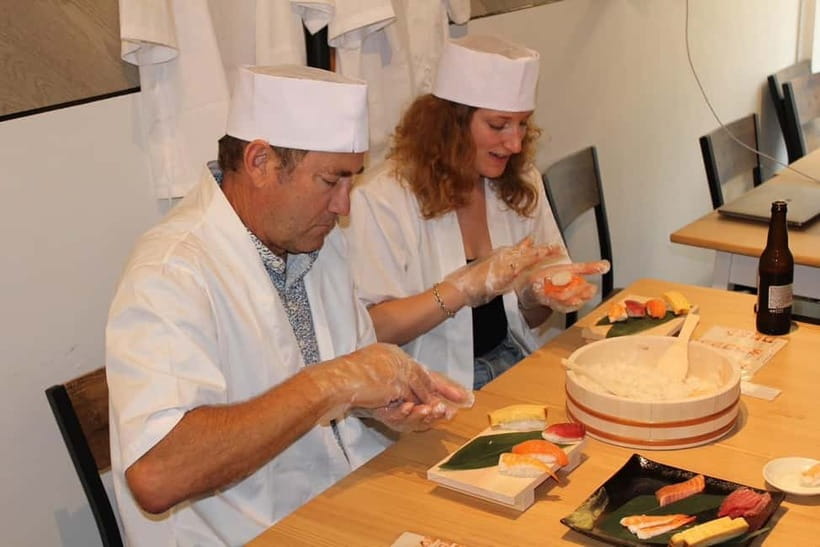
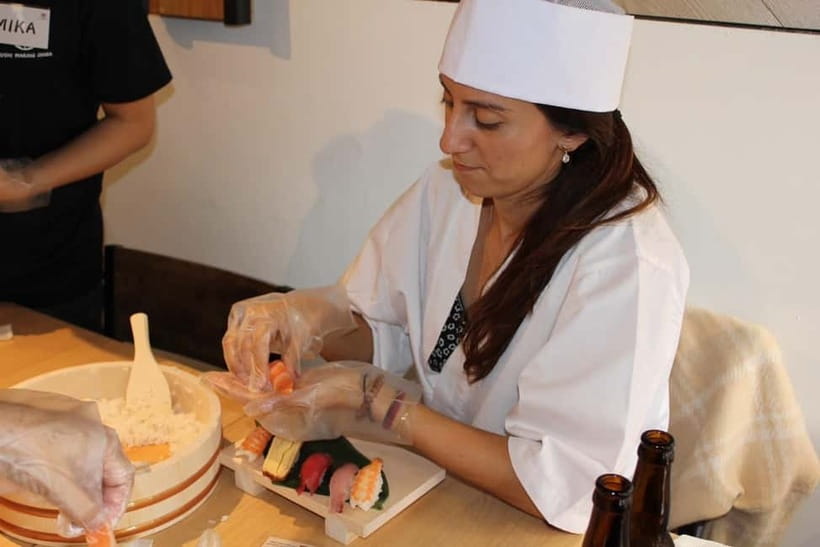
Next, you form the rice into small portions. The instructors show you how to make a rice ball and shape it without crushing the grains into a dense lump.
For a beginner, this is the point where a demonstration helps most. Sushi looks neat when it arrives on a plate, but getting the size and shape right takes a little control. The teachers simplify the method, and the class is designed to turn a novice into someone who can produce a presentable piece.
One useful point to keep in mind is that this is an introductory class, not professional chef training. You will learn the proper basic technique, but you should not expect to leave with the precision of a sushi counter chef.
Same city, a completely different kind of day:
- Osaka Go Karting Tour with Funny Costume
★ 5.0 · 2,658 reviews - Osaka Castle: Museum and Tower Entry Ticket
★ 4.5 · 2,380 reviews - Osaka: Shinsekai Food Tour with 13-15 Dishes at 5 Eateries
★ 4.8 · 2,204 reviews - Osaka Food Tour: 13 Dishes at 5 Local Eateries
★ 5.0 · 2,149 reviews
3. Adding neta and wasabi
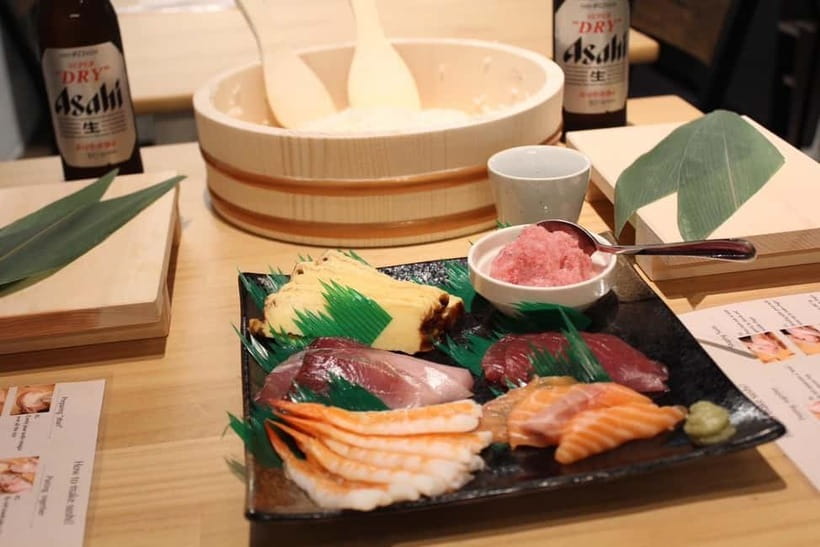
Neta means the sushi topping. You place the topping with the rice and add wasabi according to the instructions. This lets you see how the topping, rice, and seasoning work together.
The process also helps you understand that sushi is not just raw fish placed on rice. The balance depends on portion, temperature, seasoning, and shape. The exact selection of toppings is not specified, so you should think of this as a lesson in the method rather than a guaranteed menu of particular fish.
That is useful for cautious eaters. One participant said the sushi was enjoyable even though they did not like fish, and the class can accommodate vegan and halal sushi requests. If you have an allergy or strict dietary need, tell the provider in advance rather than relying on a last-minute change.
4. Final shaping
The last stage is the hand shaping. You use your fingers to bring the rice and topping together into sushi.
This is where the class becomes more than a food demonstration. You are using the same basic movements the instructors have shown you, and your finished pieces will likely have a little personality. Some may be tidy, while others may look as if they took a wrong turn in Dotonbori.
The staff’s role is important here. Several sessions have been praised for clear instructions and friendly help. One participant suggested that instructors could pay closer attention to each person’s hand position and correct mistakes more often. That is a fair point if you want close technical coaching, particularly in a larger session.
What the instructors add
The English-speaking instructors are a major reason this class works for international visitors. Mako has been praised for explaining sushi, Japan, and Osaka in an easy, entertaining way. Mika, Saki, Yumiko, Kosei, and other teachers have also been noted for patience, humor, and clear demonstrations.
The best sessions appear to balance instruction with conversation. You learn the steps, but you also have room to ask questions and hear small pieces of information about Japanese food culture. One participant enjoyed a short explanation of sushi’s history, including where names came from, how sushi was originally eaten, and the people it was first aimed at.
Do not expect a long lecture on Japanese culinary history. The class focuses on making sushi, and the cultural background is an added layer. If you want an academic treatment of sushi, this will feel light. If you want enough context to understand what you are eating, the amount should be about right.
There is also a practical social benefit. The class can work well for a family with an older child, a couple, or a group of friends. A fifteen-year-old joined one family group and enjoyed the activity, which gives you a good sense of the age range. The tone is friendly rather than formal.
Eating your 12 pieces and tasting sake
Once the work is finished, you eat the sushi you made. You receive ingredients for 12 pieces, so this is not just a sample bite. It can serve as a light lunch or afternoon meal, depending on your schedule.
The finished sushi has value because you understand the work behind it. You have seasoned the rice, shaped it, added wasabi, and assembled the pieces yourself. Even an imperfect piece tastes better when you know exactly how it came together.
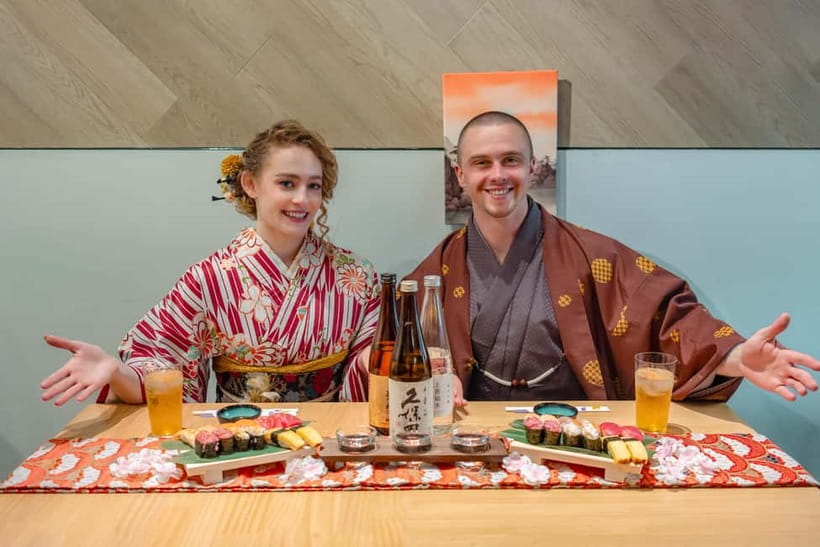
Japanese sake is included as part of the experience. You can taste it alongside the sushi and hear an introduction to traditional sake. Several participants particularly enjoyed this pairing, and it adds a distinctly Japanese element that a standard cooking class might skip.
The sake component also means you should consider timing. If you are traveling with children or do not drink alcohol, confirm how the class handles your preference before booking. The supplied details confirm sake is available, but they do not specify an alternative drink.
Food quality has generally been praised, with one participant noting that ingredients are bought from markets daily. At the same time, a four-star assessment found the seafood good but not extremely fresh. That is the right expectation to carry: the food should be enjoyable, but this is not being sold as a high-end omakase meal.
Sushi cosplay, photos, and the certificate
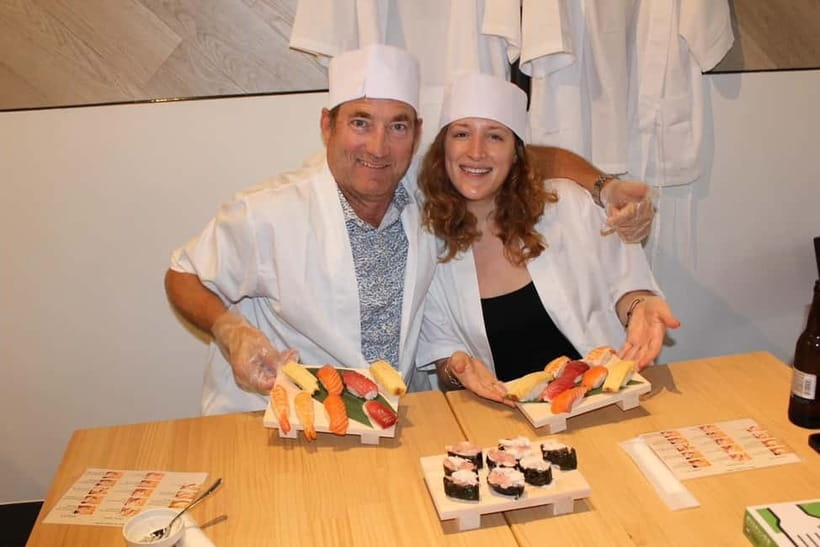
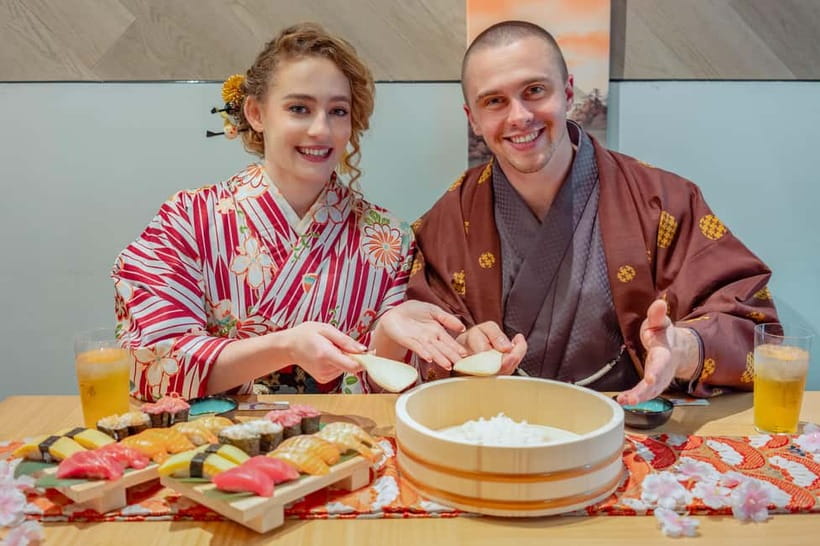
The cosplay element gives the class a playful edge. You can dress up for sushi-themed photos, which makes this especially appealing if you want a memorable group activity rather than a quiet technical lesson.
You also receive a special gift and a certificate identifying you as a sushi master. The certificate is, of course, a souvenir rather than a professional qualification, but it is a nice finish for children and first-time cooks.
The photo session matters more than it may sound. Dotonbori already supplies plenty of colorful scenery, but these pictures record the activity itself. You leave with evidence that you made the sushi, not simply proof that you stood beside a famous Osaka sign.
If you prefer a serious, traditional cooking lesson with no costume or staged photos, you may find this part a little lighthearted. For most people booking an experience in Dotonbori, that is likely the point.
Dietary needs and accessibility
The class specifically offers vegan and halal sushi. That gives mixed groups more flexibility, especially when one person does not eat fish or follows a particular diet.
A gluten-free soy sauce has also been provided for a participant with a gluten allergy. Still, food allergies require care. The available information does not list every ingredient or promise a fully allergen-free kitchen, so share your needs before the class and confirm what can be prepared.
The activity is wheelchair accessible. That is a useful feature for a compact city experience, though the supplied information does not describe the exact room layout or restroom arrangements. If you need very specific accessibility features, ask before reserving.
Location, timing, and the small navigation problem
The class takes place in Dotonbori, a convenient choice if you are already exploring central Osaka. You can pair it with an evening walk along the canal, shopping, or another meal nearby.
The activity lasts 90 minutes, with starting times based on availability. That length is easy to fit between major sightseeing stops. I would avoid scheduling it too tightly against a train departure or timed attraction, since you will want room for the class to begin and finish without watching the clock.
The location has been described as hard to navigate, and the map pin has caused confusion for at least one participant. Take the meeting information seriously and allow extra time to find the entrance. Dotonbori’s signs and crowds can make a short walk feel less direct than it looks on a map.
The activity includes skip-the-ticket-line access, so you should not need to wait in a long ticket queue once you arrive. That does not solve the problem of finding the correct location, however. Get your bearings before the start time.
Is $45 a fair price?
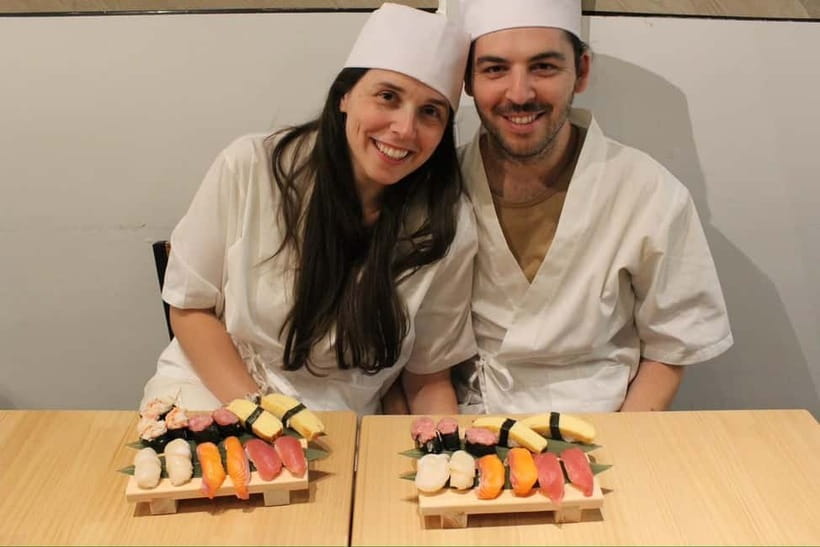
At $45, you are paying for more than 12 pieces of food. The fee includes the ingredients, teaching, sake, cosplay, photographs, a gift, and the sushi master certificate.
I see the strongest value in the combination of food and instruction. You can find cheaper sushi in Osaka, but you cannot eat a meal, learn a Japanese preparation method, and take part in a themed photo session for the same price. The class also saves you from the uncertainty of choosing a restaurant when someone in your group has dietary restrictions.
The value drops if you dislike group activities, do not want to eat sushi, or only care about restaurant-quality seafood. The class is built around participation. You should be ready to handle rice, follow demonstrations, and accept that your finished pieces may not look perfect.
Free cancellation up to 24 hours before the activity and the reserve-now, pay-later option also reduce the financial risk when your Osaka schedule is still changing. Those policies are useful, but they do not replace checking the time and location carefully.
Who should book this class?
I would recommend it most strongly to:
- First-time sushi makers who want clear guidance
- Families with older children and teenagers
- Couples or friends looking for a shared activity
- People who want a food experience in Dotonbori, not just a restaurant meal
- Visitors who need vegan, halal, or selected gluten-free accommodations
- Anyone curious about sake and basic Japanese food customs
You may want to skip it if you are seeking advanced knife skills, a long chef-led lecture, or a premium sushi tasting. It is a friendly introduction with food at the center, not a formal culinary qualification.
Should you book Osaka Dotonbori Sushi Making?
For most visitors, yes, especially if you have 90 minutes free in Dotonbori and want an activity that works in poor weather as well as in sunshine. The combination of clear English instruction, 12 pieces of sushi, sake, photos, and a certificate gives the class more substance than a quick food sample.
Book with realistic expectations. The seafood may not match the best sushi counter in Osaka, the map location may take patience, and the cultural talk is an introduction rather than a full history lesson. But if you want to make your own lunch, meet upbeat instructors such as Mako or Mika, and leave with a better feel for how sushi is assembled, $45 is a sensible spend.
FAQ
How long does the Osaka Dotonbori sushi class last?
The experience lasts 90 minutes. Starting times depend on availability.
How many pieces of sushi will I make?
You will make 12 pieces of sushi using the provided ingredients, then enjoy what you prepared.
Is the class taught in English?
Yes. The instructor language is English, and the class teaches the sushi-making process in English.
Is sake included?
Yes. Japanese sake is included as part of the experience and can be enjoyed with the sushi.
Are vegan and halal sushi options available?
Yes. Vegan and halal sushi are available. You should communicate your dietary needs before the class.
Can I cancel or pay later?
You can cancel up to 24 hours in advance for a full refund. The reserve-now, pay-later option lets you hold a place without paying at the time of booking.
Just added around Osaka
- (Ticket Included) Explore Osaka Castle & Museum of History★ 4.8 · 21 reviews
- Hidden Osaka – Yukaku Red Light Tour & Culinary Adventure★ 4.8 · 96 reviews
- Osaka: Walking Tour and Top Highlights★ 4.8 · 104 reviews
- Osaka: Private Ceramic Painting Workshop★ 5.0 · 13 reviews
- Pickleball in Osaka, Kobe & Kyoto with Locals!★ 4.7 · 80 reviews
- Eat Like a Local in Osaka – Private Custom Street Food Tour★ 4.3 · 33 reviews
- Osaka:SUMO BEATS SHOWCASE: Taiko Drum and Wagyu burger!★ 4.2 · 37 reviews
- Kimono photoshoot-Includes 100 photo data★ 5.0 · 21 reviews
Japanese Cooking Classes, compared.
Sushi Making Tokyo Roll and Authentic Japanese Sushi Class
Read our review →
Roll and Authentic Sushi Making Class in Asakusa
Read our review →
Ramen Cooking Class at Ramen Factory in Kyoto
Read our review →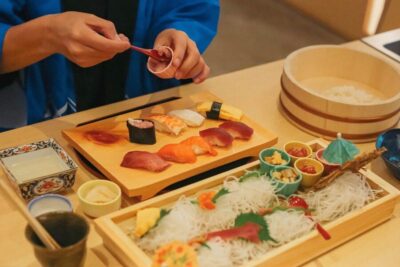
Sushi Making Class in a Happi Coat near a Famous Spot
Read our review →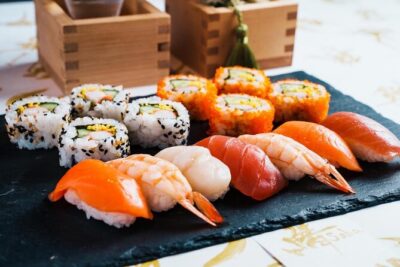
Sushi Making Osaka Roll and Authentic Japanese Sushi Class
Read our review →
Tokyo Sushi Making Class in Tsukiji with Professional Chef
Read our review →
Ramen & Gyoza Cooking Class in Tokyo with Local Supermarket Visit
Read our review →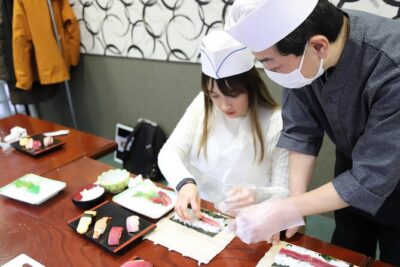
Tsukiji Fish Market Guided Tour and Sushi Making with Pro Chef
Read our review →Browse the lists this tour appears in