
REVIEW · WORKSHOPS
Osaka Daruma Workshop — Paint Your Own Good-Luck Daruma
A Daruma workshop gives you something many Osaka activities do not: a quiet hour with your hands busy and your phone mostly forgotten. At DARUMA CLUB in Nipponbashi, you learn why the round, wide-eyed doll represents perseverance, then create one around your own wishes.
I especially like the 10-color choice, which lets you begin with a Daruma that feels personal before you paint a single line. I also like the calm, self-paced format, including practice options and the choice of a pre-painted face if you are worried about making a mistake. The main consideration is that this is a seated, focused activity, not a lively demonstration, and children must be at least 6 years old and able to sit calmly.
In This Review
- Key points at a glance
- Why a Daruma makes a meaningful Osaka souvenir
- Arriving at DARUMA CLUB in Nipponbashi
- The first step: learning what Daruma represents
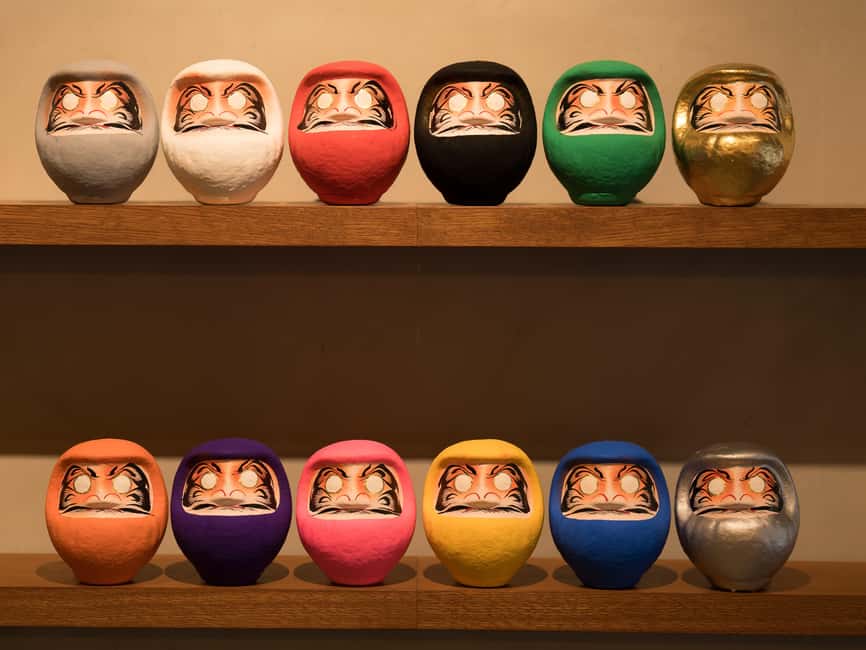
- Choosing one of 10 colors
- Painting your Daruma without art-school pressure
- The quiet side of the experience
- A good choice for families and mixed-age groups
- What the price includes, and what it does not
- Planning the 90 to 110 minutes
- Accessibility and practical limits
- The Daruma you take home
- Should you book the Osaka Daruma Workshop?
- FAQ
- Where is the Osaka Daruma Workshop held?
- How long does the workshop last?
- How much does the workshop cost?
- What is included in the price?
- Can I choose the color of my Daruma?
- Is the workshop available in English?
- Can children take part?
- Can I bring a suitcase or large bag?
- Is the workshop wheelchair accessible?
- Can someone come in just to watch?
- Can I cancel my booking?
Key points at a glance
- Choose from 10 Daruma colors: Your color selection becomes the first part of the design.
- Learn the meaning first: The workshop explains Daruma symbolism and the idea of fall seven times, rise eight.
- Paint at your own pace: A video, guidebook, and personal support keep the process easy to follow.
- Practice before committing: You can try your design first, and a pre-painted face is available if you want less pressure.
- Walkable Nipponbashi setting: The workshop is within walking distance of Dotonbori and Kuromon Market.
- Take home a useful souvenir: Your finished Daruma is both a craft project and a reminder of a goal.
Why a Daruma makes a meaningful Osaka souvenir
Daruma dolls are not simply decorative figures. In Japan, they are linked with wishes, goals, and the patience needed to reach them. Their round shape is associated with Bodhidharma, the traditional figure connected with the doll, while the familiar saying about falling seven times and getting up eight captures its main message.
That idea gives the workshop more purpose than painting an ordinary ornament. You are not just adding color to a blank object. You are deciding what your Daruma should represent, then spending focused time making it yours.
Traditionally, Daruma dolls are often shown with blank eyes. A person fills in one eye when making a wish or setting a goal, then fills in the other when the goal is reached. The supplied information does not specify that you must follow this exact ritual during the session, so you should treat the painting as a personal interpretation rather than a strict ceremony.
I like this flexibility. You can make a traditional-looking Daruma, decorate it with words, or create something playful and highly individual. The finished piece will not look like a factory souvenir, and that is the point.
A few more Osaka trips to weigh up
- Sushi Making Osaka Roll and Authentic Japanese Sushi Class
★ 5.0 · 1,220 reviews - Matcha Making Class in Osaka with Authentic Japanese Sweets Set
★ 5.0 · 509 reviews - Osaka: Ramen and Gyoza Cooking Class in Dotonbori
★ 5.0 · 378 reviews
Arriving at DARUMA CLUB in Nipponbashi
The meeting point is DARUMA CLUB, at 2-10-9 Nipponbashi, Chuo Ward, Osaka City. Its central location fits neatly into a day around southern Osaka, since Dotonbori and Kuromon Market are within walking distance.
That makes the timing useful. You can plan the workshop between meals, shopping, and sightseeing rather than giving it a full day of its own. A late-afternoon session may also provide a welcome pause after time in the busy city center.
Arrive at least five minutes early. The end time cannot be extended if you arrive late, so a rushed arrival can cut into the part you paid for: the actual creative work.
Bring only what you need for the session. Suitcases, oversize luggage, and large bags are not allowed. Seating is provided for the number of people on the reservation, and companions or observers cannot enter without their own booking.
The first step: learning what Daruma represents
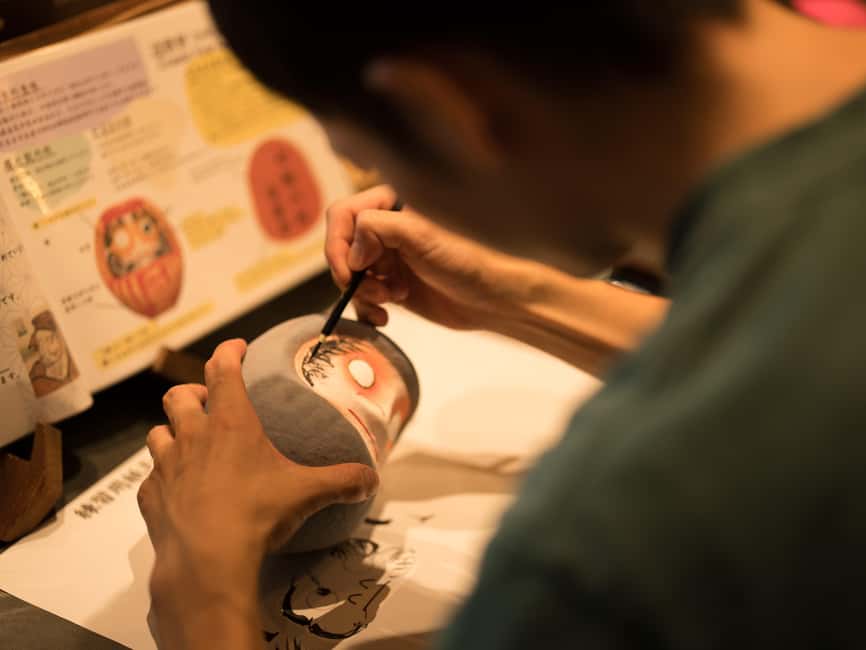
The workshop begins with an introduction to Daruma and its origins. A video provides an easy-to-follow explanation, and a guidebook helps you understand the process before you start painting.
This introduction matters because the doll’s symbolism changes how you approach the craft. Instead of choosing colors at random, you can think about what you want your Daruma to carry home with you. That might be a personal goal, a wish for the coming year, or simply a reminder of your time in Japan.
English and Japanese guidance is available. The instructions are designed to be accessible, and you can ask for support while you work. The setting is quiet, so you should expect a calm lesson rather than a fast, highly theatrical presentation.
That may suit you well if you want cultural context without a long lecture. It may feel too subdued if you are looking for a high-energy class with constant conversation.
Choosing one of 10 colors
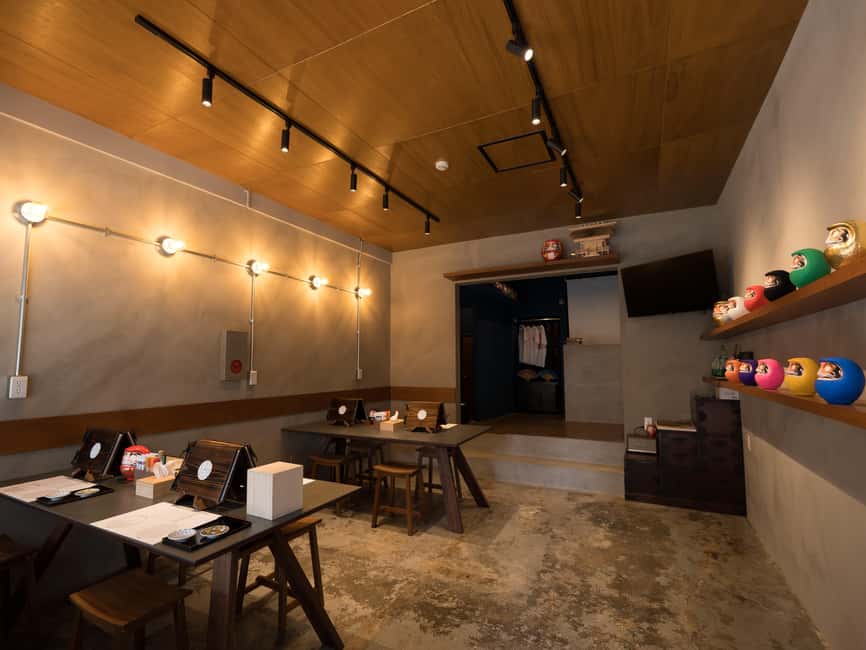
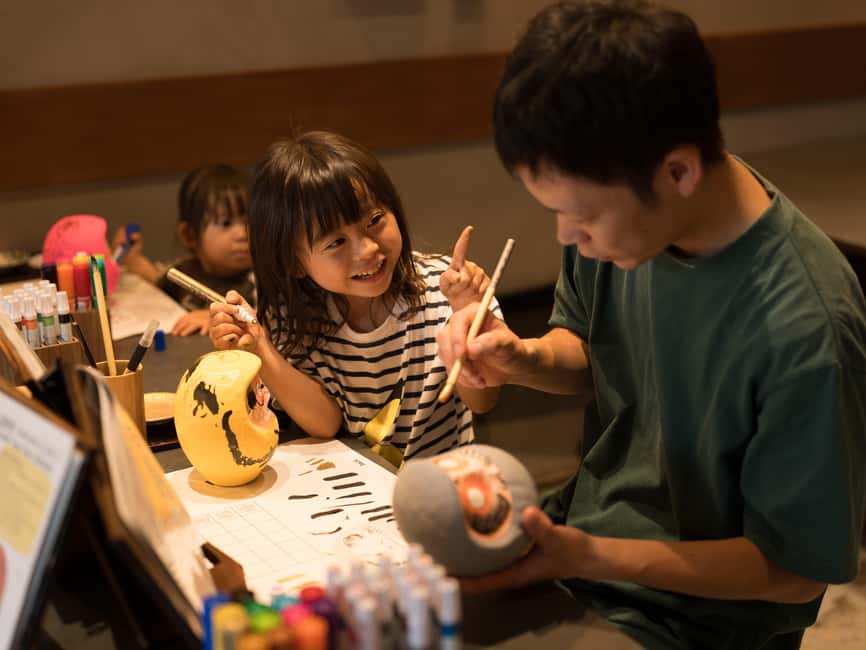
After the introduction, you choose your Daruma from 10 colors. This is one of the nicest parts of the activity because your decision comes before the painting begins.
The available range lets you start with a doll that matches your taste, mood, or intended meaning. You might pick a familiar red Daruma for a traditional look, or choose another color as a way to make the souvenir more distinctly yours. The exact meaning of every color is not provided, so do not expect a formal color-by-color lesson unless the guide explains it during your session.
The dolls are described as cute and suitable for customization. You can focus on the main body, add words or drawings, and choose how much detail feels right for you.
If you are traveling with friends or family, the 10-color selection also helps each person create a different result. Couples can make matching pieces, while children can choose bold colors and simpler designs.
Same city, a completely different kind of day:
- Osaka Go Karting Tour with Funny Costume
★ 5.0 · 2,658 reviews - Osaka Castle: Museum and Tower Entry Ticket
★ 4.5 · 2,380 reviews - Osaka: Shinsekai Food Tour with 13-15 Dishes at 5 Eateries
★ 4.8 · 2,204 reviews - Osaka Food Tour: 13 Dishes at 5 Local Eateries
★ 5.0 · 2,149 reviews
Painting your Daruma without art-school pressure
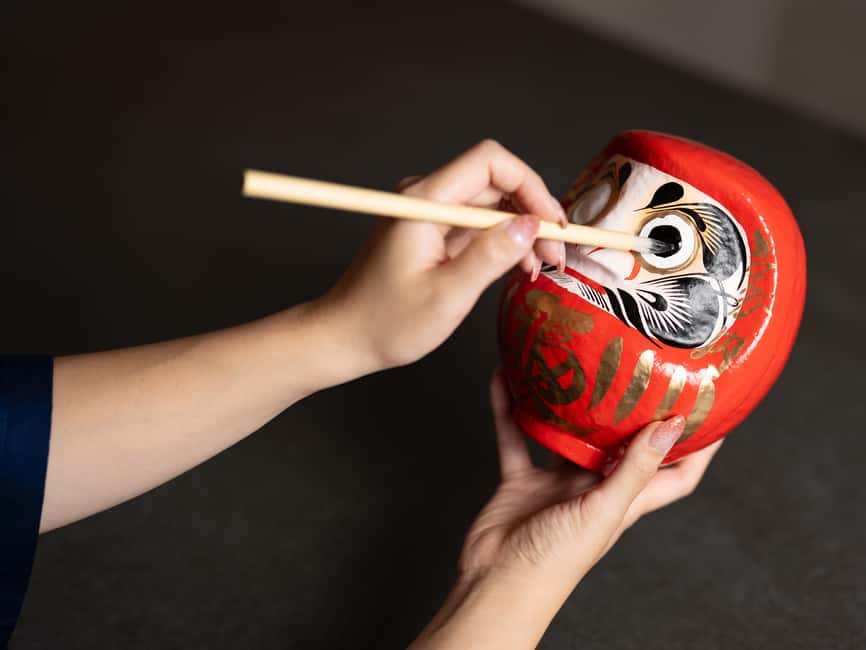
The painting portion is self-paced. You receive the Daruma and a complete set of painting tools, including brushes and other supplies for the design.
You do not need to arrive with a polished artistic plan. The workshop allows you to practice first, which takes away much of the worry about ruining the final piece. You may also choose to have the face pre-painted if drawing facial features feels like too much pressure.
That option is a smart touch. A Daruma’s face is visually important, and a small mistake can feel large when you are trying to make a souvenir you will keep. With the face handled for you, you can spend your energy on patterns, colors, words, or other decorations.
The staff can replace brushes when needed, and support is available throughout the session. Kelly is specifically noted as a kind and attentive instructor, though staff assignments can vary by date. You can ask for help, but you are not required to follow a strict design.
Keep your expectations realistic. This is a hands-on craft session, not a professional ceramics or painting course. Your Daruma may have uneven lines, and that is part of its character. The finished object records your choices and your time in Osaka, rather than showing a machine-perfect design.
The quiet side of the experience
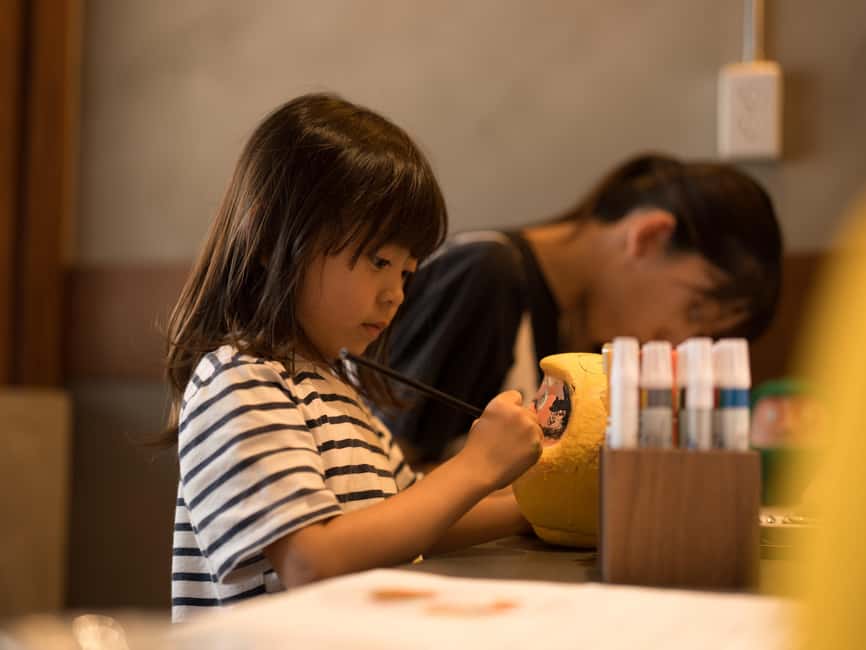
The workshop’s strongest quality is its peaceful pace. After a day of crossing crowded streets, browsing shops, and moving between attractions, sitting down with a small object in front of you can feel surprisingly restorative.
You focus on brush control, color placement, and the next small section of the design. That concentration can create a quiet, almost Zen-like pause without requiring any formal meditation.
Several sessions may be calm enough for you to work with little commotion, especially when the room is not busy. One evening booking was described as having the class to itself, but you should not assume that every time slot will be private in practice. The experience is listed as a private group, yet the number of people and atmosphere can depend on the selected booking.
Photography and conversation should be kept to a minimum so you do not disturb others. Non-alcoholic drinks are allowed, but food and alcohol are not. Anyone causing a disturbance may be asked to leave.
These rules are sensible for a small creative room. If you want to talk loudly, snack throughout the session, or take constant photographs, this may not be the right activity.
A good choice for families and mixed-age groups
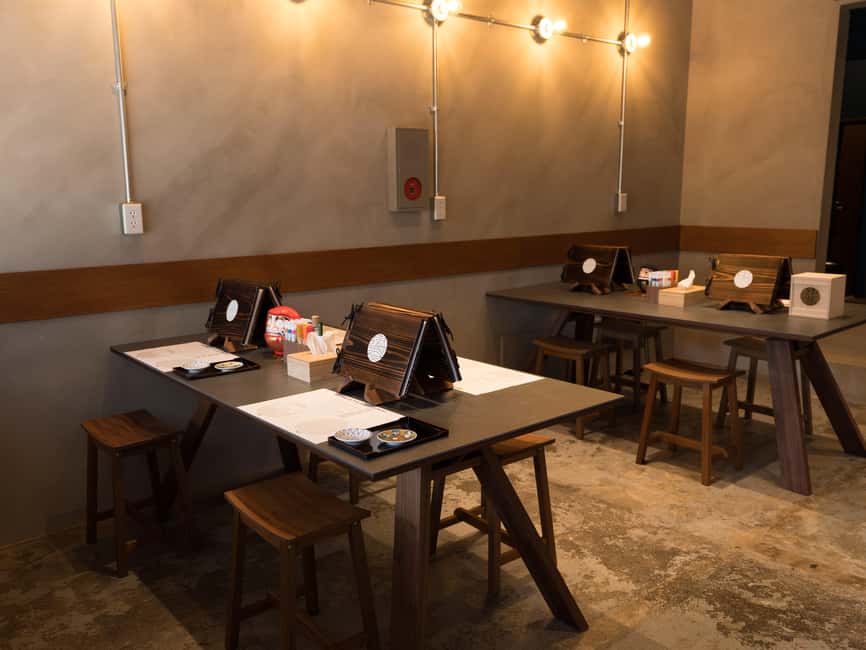
The minimum age is 6, and children must be able to sit calmly. That makes the workshop workable for families, but it is not a free-form play activity for young children.
Parents should explain in advance that the session involves listening, painting, and following instructions. The ability to practice first and receive help with the face should reduce frustration for children who are nervous about drawing.
Art-loving children may get the most from it, but you do not need to be an artist. Adults can enjoy the process just as much, especially if they treat the Daruma as a personal project rather than a test of skill.
Couples and friends can make the workshop social without turning it into a noisy group event. You can compare colors and designs, then still have enough quiet time to work independently.
Solo visitors are also welcome. In fact, the self-paced format may be especially comfortable alone, since you can give the design your full attention without needing to keep conversation going.
What the price includes, and what it does not
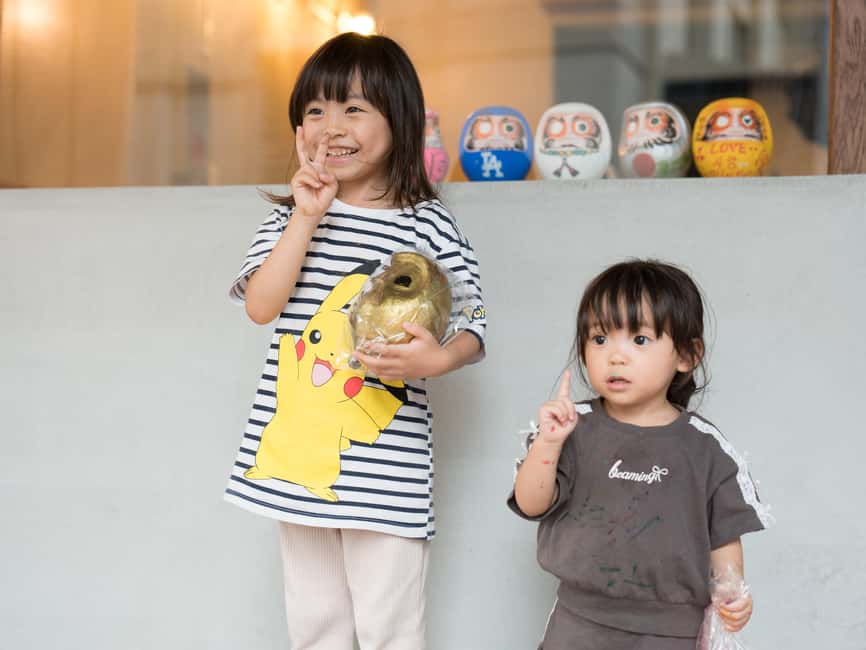
The cost is $35 per person. That includes the Daruma itself and a complete rental set of painting tools, so the main materials are covered from the start.
For me, the value comes from the combination of three things: a cultural explanation, guided creative time, and a finished souvenir. A shop-bought Daruma may cost less, but it will not carry your own design or the memory of making it.
The value is strongest if you enjoy hands-on activities and want a break from standard sightseeing. If your main goal is to see as many Osaka attractions as possible, 90 to 110 minutes may feel like a large block of your day.
The price does not include transportation, personal purchases, or merchandise. Plan for your own route to Nipponbashi and avoid bringing a large bag that the venue cannot accept.
Planning the 90 to 110 minutes
The stated duration is 90 to 110 minutes, with the exact time depending on the plan you select. Check the available starting times before booking because the end time is fixed and cannot be extended for late arrivals.
The session normally follows this practical rhythm:
- An introduction to Daruma and its cultural meaning
- A video and guidebook explaining the activity
- Selection of one Daruma from 10 colors
- Practice and design planning
- Painting with tools provided at the venue
- Final decorating and taking your Daruma home
Your own painting speed will affect how much time you spend on each stage. A simple design may leave you with breathing room, while detailed drawings and lettering can use the full session.
I suggest deciding before arrival whether you want a simple traditional look or a more personal design. You can still change your mind, but a rough idea helps you use the workshop time well.
Accessibility and practical limits
The workshop is wheelchair accessible, which is important for anyone planning a central Osaka activity with limited mobility. The information provided does not specify the exact room layout, restroom details, or transfer arrangements, so contact the provider if you need a particular setup.
English and Japanese support makes the activity easier for international visitors. The guidebook and video also give you a way to follow along visually rather than relying only on spoken instructions.
Do not bring a suitcase or large bag. You also cannot add an unreserved companion or observer, and seating is limited to the number of people booked.
Free cancellation is available up to 24 hours before the activity for a full refund. You can also reserve now and pay later, which helps if your Osaka schedule may change.
The Daruma you take home
At the end, your finished Daruma becomes the physical souvenir. It is small enough to display and personal enough to remind you of a particular wish, goal, or day in Osaka.
Some participants also customize a box for the Daruma. The availability of specific box options may depend on the session, but it is worth asking if you want a more finished presentation for carrying it home.
The craft has a useful built-in story. You can explain the doll’s meaning, describe the color you chose, and point out the details you painted yourself. That gives it more staying power than a souvenir picked up in a hurry at the airport.
The design does not need to be perfect. A slightly wobbly line can make the Daruma feel more human, and the point of the workshop is to connect the object with your own effort.
Should you book the Osaka Daruma Workshop?
Book it if you want a thoughtful break from sightseeing, enjoy making things, or prefer souvenirs with a personal story. It is a particularly good fit for couples, families with children aged 6 and older, art-minded people, and solo visitors who like calm activities.
I would also recommend it after a busy day around Dotonbori and Kuromon Market, since the Nipponbashi location is convenient and the quiet setting changes the pace. The $35 price is fair when you value the included Daruma, tools, cultural explanation, and guided time.
Skip it if you dislike seated crafts, need a very fast activity, or plan to carry large luggage. You should also choose another Osaka experience if your group wants constant conversation, food, or a highly active format.
For most visitors who want to make something rather than simply buy something, this is an appealing use of 90 to 110 minutes. You leave with a good-luck Daruma that carries your own fingerprints, which is about as personal as a Japan souvenir gets.
FAQ
Where is the Osaka Daruma Workshop held?
It is held at DARUMA CLUB, 2-10-9 Nipponbashi, Chuo Ward, Osaka City, Osaka Prefecture.
How long does the workshop last?
The activity lasts 90 to 110 minutes. The exact duration depends on the plan you select.
How much does the workshop cost?
The price is $35 per person. Prices are calculated individually for each participant.
What is included in the price?
The price includes the Daruma and a complete set of painting tools for use during the workshop.
Can I choose the color of my Daruma?
Yes. You can choose one Daruma from 10 different colors, then decorate it freely.
Is the workshop available in English?
Yes. Guidance is available in English and Japanese.
Can children take part?
Children must be at least 6 years old and able to sit calmly during the activity.
Can I bring a suitcase or large bag?
No. Oversize luggage, suitcases, and large bags are not permitted.
Is the workshop wheelchair accessible?
Yes. The activity is listed as wheelchair accessible.
Can someone come in just to watch?
No. Entry without a reservation is not allowed, including companions and observers.
Can I cancel my booking?
Yes. You can cancel up to 24 hours in advance for a full refund. You can also reserve now and pay later.
Just added around Osaka
- (Ticket Included) Explore Osaka Castle & Museum of History★ 4.8 · 21 reviews
- Hidden Osaka – Yukaku Red Light Tour & Culinary Adventure★ 4.8 · 96 reviews
- Osaka: Walking Tour and Top Highlights★ 4.8 · 104 reviews
- Osaka: Private Ceramic Painting Workshop★ 5.0 · 13 reviews
- Pickleball in Osaka, Kobe & Kyoto with Locals!★ 4.7 · 80 reviews
- Eat Like a Local in Osaka – Private Custom Street Food Tour★ 4.3 · 33 reviews
- Osaka:SUMO BEATS SHOWCASE: Taiko Drum and Wagyu burger!★ 4.2 · 37 reviews
- Kimono photoshoot-Includes 100 photo data★ 5.0 · 21 reviews
Workshops, compared.
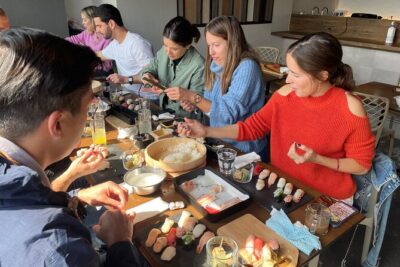
Sushi Making Tokyo Roll and Authentic Japanese Sushi Class
Read our review →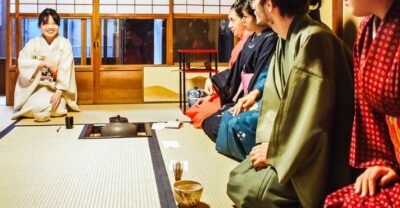

Roll and Authentic Sushi Making Class in Asakusa
Read our review →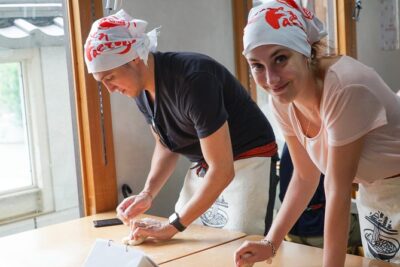
Ramen Cooking Class at Ramen Factory in Kyoto
Read our review →
Sushi Making Class in a Happi Coat near a Famous Spot
Read our review →

Sushi Making Osaka Roll and Authentic Japanese Sushi Class
Read our review →
Tokyo Sushi Making Class in Tsukiji with Professional Chef
Read our review →Browse the lists this tour appears in