

REVIEW · FOOD MARKET TOURS
NO DIET CLUB – Unique local food tour in Tokyo !
Sangenjaya gives you a taste of old Tokyo just one station from Shibuya, but the mood changes quickly. Instead of neon crowds, you’ll find narrow alleys, nostalgic shops, and long-running local eateries, with food stops built around Japanese comfort food.
I like the tour’s generous food policy: all tastings are included, with at least five stops or samples and both savory and sweet dishes. I also like the small-group format, since a maximum of 10 people makes it easier to ask guides such as Valentin or Marie about what you’re eating.
The main consideration is that drinks are not included, apart from water. The tasting menu can also change with the seasons, so you should book this for the neighborhood and food experience rather than for a fixed list of exact dishes.
In This Review
- Key points to know before booking
- Why Sangenjaya makes a smart food-tour base
- The first bites: Japanese comfort food, not fine dining
- Small alleys and local shops between the stops
- What the three-hour pace feels like
- Why the included food improves the $68 value
- English and French guidance
- Pescatarians and seasonal tasting changes
- What the strongest feedback tells me
- Who should book this Sangenjaya food walk
- Should you book NO DIET CLUB in Sangenjaya?
- FAQ
- Where does the food tour take place?
- How long does the tour last?
- How much does the experience cost?
- How many food tastings are included?
- What foods might I try?
- Are drinks included?
- Is the tour available in English?
- Can pescatarians join the tour?
Key points to know before booking
- Sangenjaya is close to Shibuya but feels much more local, making it a useful break from Tokyo’s major sightseeing zones.
- At least five food tastings are included, with a mix of savory and sweet dishes.
- Takoyaki, omurice, curry pan, and other soul-food favorites may appear during the walk, though the seasonal menu can vary.
- English and French guides are available, including guides named Valentin and Marie.
- Groups are limited to 10 people, which suits anyone who prefers a more personal food walk.
- Pescatarians are welcome, but you should check the day’s tasting choices if you avoid particular ingredients.
Why Sangenjaya makes a smart food-tour base
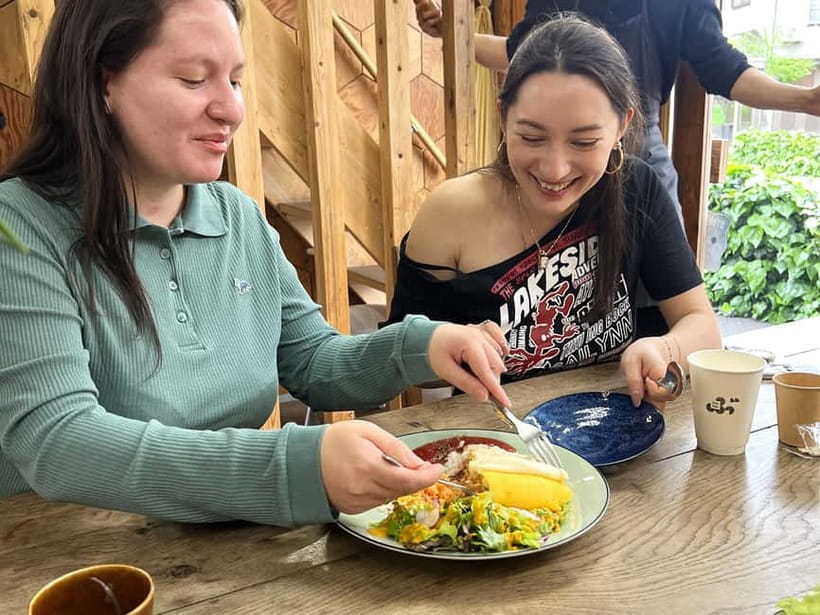
Tokyo has no shortage of food tours, but location matters. Sangenjaya sits only one station from Shibuya, yet it offers a calmer, older side of the city. That makes the area especially useful if you want to combine an easy-to-reach neighborhood with food that feels less designed for sightseeing.
The tour spends about three hours walking through this part of Tokyo. You are not simply taken from one famous restaurant to another. The appeal is the combination of eating and wandering, with time to see small lanes, familiar local businesses, and older shops between tastings.
I like this format because Tokyo food can be filling fast. A walk between stops gives you time to digest and keeps the afternoon from becoming one long seated meal. It also helps you notice the neighborhood itself, rather than treating the area as a backdrop for lunch.
Sangenjaya is described as old Tokyo, but that does not mean every street is frozen in the past. The point is the contrast. Shibuya is close enough for convenience, while Sangenjaya offers a less tourist-focused setting where everyday Japanese food takes center stage.
More Food Market Tours in Tokyo
- Tokyo: Shinjuku Food Tour (13 Dishes at 4 Local Eateries)
★ 5.0 · 6,603 reviews - Tokyo Tsukiji Fish Market Food and Culture Walking Tour
★ 5.0 · 3,184 reviews - Tokyo: Shinjuku Food Tour (15 Dishes and 4 Eateries)
★ 4.9 · 2,033 reviews
The first bites: Japanese comfort food, not fine dining
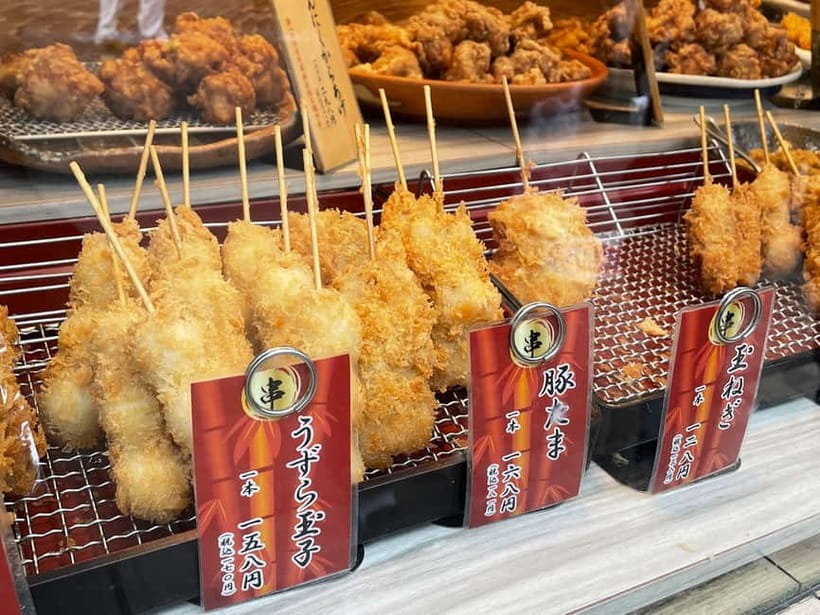
The food focus is Japanese soul food. That phrase matters here. You should expect familiar, satisfying dishes rather than a formal restaurant meal or a parade of expensive specialties.
Possible tastings include takoyaki, the hot octopus-filled balls associated with casual Japanese eating. You may also try omurice, the soft omelet and rice dish that is popular across Japan, along with curry pan, a fried bread filled with Japanese curry. These examples give you a useful spread of textures and flavors: crisp, soft, savory, rich, and comforting.
The exact order and menu can change, particularly with the seasons. That flexibility is a plus if you enjoy trying what is good at the time of your visit. It is less ideal if you have your heart set on one specific dish.
At least five tastings are included, and the selection covers sweet and savory food. The wording allows for more than five samples in many cases, but you should treat five as the reliable minimum. The tour is designed to provide a proper amount of food, not just a few token bites.
I would avoid eating a large meal immediately before the tour. The combination of fried items, rice dishes, bread, and sweets can add up. At the same time, the walking helps spread the meal out, so this is not the same as sitting down to consume five full restaurant portions.
Small alleys and local shops between the stops
One of the strongest parts of this experience is the movement between food locations. The walk takes you through tucked-away alleys and past nostalgic shops that are easy to miss when you are focused on major Tokyo sights.
The route is not presented as a list of grand monuments. Its value comes from small details and local atmosphere. You might see the kind of storefront or side street that gives you a better sense of how people eat and shop in a neighborhood away from the main tourist circuit.
That makes the guide important. The food itself is only half the experience. Guides explain what you are eating and add context around dishes you may already recognize. If you know takoyaki or curry pan from restaurants outside Japan, the walk can help you understand how those foods fit into everyday Japanese eating.
The available guide names include Valentin and Marie. The feedback provided about both is strong, with particular praise for their attention, explanations, and willingness to respond to individual interests. Valentin is also noted for finding small food spots and showing the quieter side of Sangenjaya. Marie is described as helpful when introducing dishes that were less familiar to her group.
That kind of personal guidance can make a difference in Tokyo, where menus and ordering systems may not always be easy to understand. You do not need to arrive with a long list of questions, but this is a good setting to ask about ingredients, preparation, and the background of each dish.
What the three-hour pace feels like
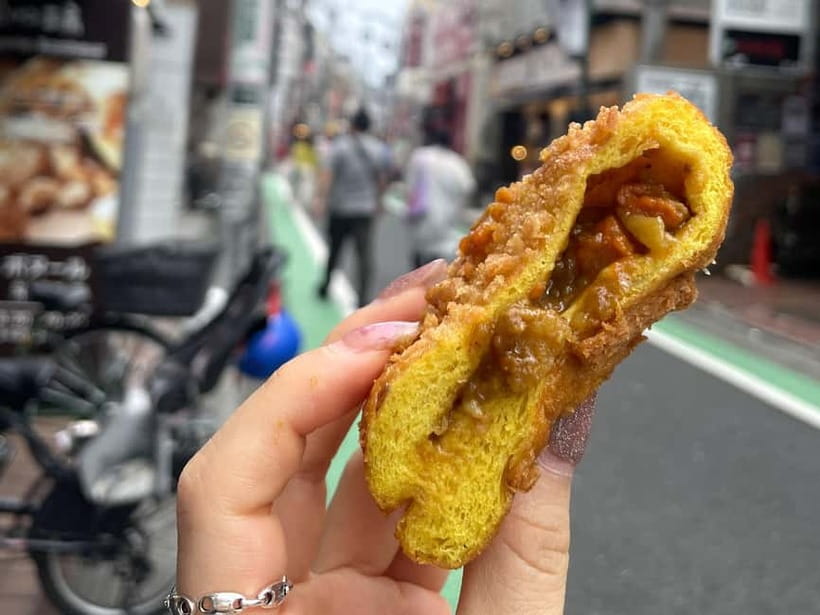
Three hours is long enough for a proper neighborhood walk without taking over your whole day. You can schedule it as a morning activity, a lunch outing, or an afternoon food stop, depending on the available starting times.
The pace appears to alternate between walking, eating, and explanation. That is better than rushing through one tasting after another. The breaks give you a chance to let the food settle and pay attention to the streets around you.
I would leave room around the tour rather than booking another demanding activity immediately afterward. Tokyo’s train system makes it easy to continue elsewhere, but the food quantity means you may want a little breathing space before another major meal.
The small-group limit of 10 people is another practical advantage. A food walk works better when nobody has to wait for a large crowd to gather around a counter or squeeze into a narrow place. It should also be easier to hear the guide and ask questions.
Still, this is a group experience, not a private tasting. If your group has very different dietary needs, the seasonal menu may require some flexibility. Pescatarians are welcome, but anyone with strict food restrictions should confirm the choices before booking.
Same city, a completely different kind of day:
- Mt Fuji and Hakone 1-Day Bus Tour Return by Bullet Train
★ 5.0 · 26,383 reviews - 1-Day Tokyo Bus Tour
★ 5.0 · 14,250 reviews - Tokyo: TOKYO SKYTREE® Admission ticket
★ 4.5 · 11,192 reviews - Tokyo: teamLab Planets TOKYO Digital Art Museum Entry Ticket
★ 4.6 · 9,779 reviews
Why the included food improves the $68 value

At $68 per person, this tour costs more than simply buying one snack in Sangenjaya. The fair comparison is not one dish, though. You are paying for a three-hour guided walk, at least five food tastings, neighborhood orientation, and help finding places you might not choose on your own.
The inclusion of all food makes the price easier to judge. You do not need to keep reaching for your wallet at every stop, and the tour’s promise is based on quality and quantity rather than a single sample followed by a sales pitch.
Drinks are the one clear extra. Water is included, but other drinks are not. If you want coffee, tea, soft drinks, or anything alcoholic, budget separately. That is a small point, but food-tour costs can rise when every drink is added to the bill.
I see the strongest value for people who want to eat several different foods without spending time researching restaurants. You are also paying for access to local knowledge and for the chance to visit small food spots that may not be obvious to someone passing through the neighborhood.
The value is weaker if you only want one specific dish, dislike walking, or prefer to choose every restaurant yourself. This tour works best when you enjoy a planned route with room for discovery.
English and French guidance
The tour is offered in English and French. That is helpful for visitors who want more than a basic explanation of what is on the plate.
Food vocabulary can be surprisingly difficult. A guide can explain the difference between familiar dishes, point out ingredients, and give context that a translated menu may not provide. The available comments place strong emphasis on clear explanations and attentive guides, so the language element is a meaningful part of the experience.
The guide also helps connect the food to the area. Instead of tasting an item in isolation, you can ask why it is popular, how it is commonly eaten, or how it differs from something you may have tried elsewhere.
If you are booking for a mixed-language group, check that everyone is comfortable with the selected tour language. Both English and French are available, but the experience is still led in one language at a time.
Pescatarians and seasonal tasting changes
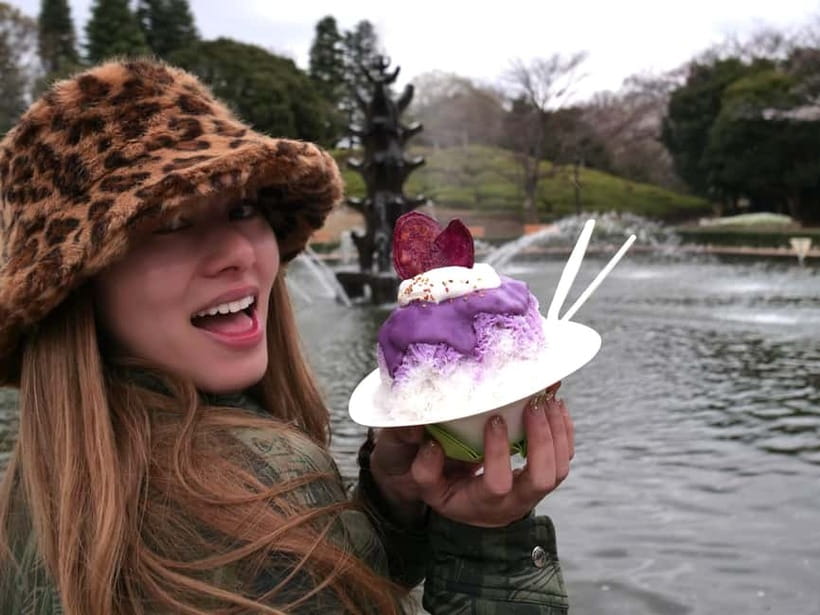
Pescatarians are welcome, which makes this tour more flexible than many food walks built around meat-heavy street food. However, the tastings may change according to the season, so you should not assume every item will suit your preferences.
The supplied information specifically presents the tour as suitable for pescatarians, but it does not provide a full ingredient list or guarantee a fixed substitution for every dish. If you avoid shellfish, eggs, dairy, or particular sauces, ask for clarification before you reserve.
For most pescatarians, the range of Japanese comfort food may offer plenty to enjoy. Takoyaki, omurice, curry pan, sweets, and other seasonal dishes can all vary in their preparation, so the guide’s explanation will be useful.
I would describe this as pescatarian-friendly, not a specialized vegetarian or allergy-focused tour. That distinction matters if your diet is strict.
What the strongest feedback tells me
The experience has a 5 out of 5 score from 16 ratings, with repeated praise for the food, the neighborhood, and the guides. The most consistent point is that the stops feel like places people would not easily find on their own.
That is the tour’s clearest strength. Tokyo is easy to explore on your own in theory, but the hard part is knowing which small eateries are worth your limited time. A guide who can lead you to local spots turns the walk into a practical introduction to the area.
The food is also praised for both quality and quantity. That combination is worth noting. Some food tours offer interesting samples but leave you hungry, while others provide a lot of food with little explanation. This experience aims for both eating and learning.
The guides receive specific praise for being attentive and adaptable. Marie is noted for introducing dishes beyond the familiar choices and offering useful advice. Valentin is praised for finding small food locations and showing the quieter neighborhood.
No activity is perfect for every person. The main limits here are the lack of included drinks, the changing menu, and the need to enjoy walking between stops. The available information does not promise a fixed restaurant list, exact dish count beyond the minimum of five, or a private group.
Who should book this Sangenjaya food walk
I would recommend it to you if you want:
- A food-focused way to see a less tourist-oriented Tokyo neighborhood
- Several tastings rather than one standard restaurant meal
- Japanese comfort food with both savory and sweet choices
- A guide who can explain unfamiliar dishes in English or French
- A small group capped at 10 people
- A convenient activity close to Shibuya
- A pescatarian-friendly food experience with some menu flexibility
I would think twice if you need a fully fixed menu, have severe allergies, avoid walking, or want drinks included. You should also keep your expectations realistic: this is a local food stroll, not a luxury dining tour or a formal cooking class.
The free cancellation policy allows you to cancel up to 24 hours before the start time for a full refund. You can also reserve now and pay later, which is useful when your Tokyo schedule is still shifting.
Should you book NO DIET CLUB in Sangenjaya?
I would book this tour if you want food to lead you through Tokyo rather than simply stopping at famous sights. The mix of at least five tastings, small local eateries, hidden lanes, and guide commentary gives you a fuller experience than a quick snack crawl.
The $68 price is reasonable when you value the included food and the time saved finding suitable places. Just bring money for drinks, do not eat a large meal beforehand, and accept that the seasonal menu may change.
For a first visit to Tokyo, it offers an easy way to see a neighborhood near Shibuya without staying in the main tourist flow. For a repeat visit, it gives you a reason to explore Sangenjaya through its everyday food. That is the real reason to book it.
FAQ
Where does the food tour take place?
The tour takes place in Sangenjaya on Honshu, Japan. The neighborhood is one station from Shibuya and includes alleys, nostalgic shops, and local eateries.
How long does the tour last?
The tour lasts three hours.
How much does the experience cost?
The listed price is $68 per person.
How many food tastings are included?
All food is included, with a minimum of five tastings at several locations. The selection includes savory and sweet items.
What foods might I try?
Possible dishes include takoyaki, omurice, curry pan, and other Japanese comfort foods. The tastings can change with the seasons.
Are drinks included?
Water is included, but other drinks are not included.
Is the tour available in English?
Yes. The tour is offered in English and French.
Can pescatarians join the tour?
Yes, pescatarians are welcome. The tasting menu may vary seasonally, so anyone with strict dietary needs should confirm the available dishes before booking.
More Food in Tokyo
- Tokyo Night Foodie Tour in Shinjuku – Seasonal Sushi, Wagyu Beef
★ 5.0 · 1,161 reviews - Tokyo: Tsukiji Fish Market Food and Culture Walking Tour
★ 4.7 · 757 reviews - Tsukiji Fish Market: Street Food & Culture Walking Tour
★ 5.0 · 669 reviews - Tsukiji Fish Market Small-Group Food Walking Tour
★ 5.0 · 621 reviews
More Food & Drink in Tokyo
- Best of Shinjuku: Izakaya Food Tour (4 Stops, 14+ Tastings)
★ 5.0 · 1,863 reviews - Tokyo: Tsukiji Fish Market Food and Walking tour
★ 5.0 · 1,724 reviews - Eat and Drink Like a Local: Tokyo Ueno Food Tour-Taverns&Ramen
★ 5.0 · 957 reviews - Tokyo: Shibuya Food Tour (13 dishes and 4 Eateries)
★ 5.0 · 770 reviews
Just added around Tokyo
- Tokyo: Customizable Private Guided Walking Tour★ 4.5 · 129 reviews
- Private Harajuku Omotesando Architecture Tour★ 4.9 · 18 reviews
- Tokyo: Guided Helicopter Ride★ 4.9 · 24 reviews
- Tokyo: Guided Walking Tour of Tsukiji Market with Lunch★ 4.4 · 24 reviews
- Tokyo: Private Personalized Local Food Tour★ 4.5 · 101 reviews
- Tokyo GINZA: KONPARU Japanese Cabaret Show with Drink★ 4.8 · 38 reviews
- Tokyo: Guided Walking Tour of Tsukiji Market with Breakfast★ 4.4 · 134 reviews
- Tokyo: Gotokuji Cat Temple, Shinjuku Cat Cafe & 3D Cat Tour★ 4.9 · 38 reviews
Food Market Tours, compared.
Shinjuku Food Tour (13 Dishes at 4 Local Eateries)
Read our review →
Tokyo Tsukiji Fish Market Food and Culture Walking Tour
Read our review →
Shinsekai Food Tour with 13-15 Dishes at 5 Eateries
Read our review →
Osaka Food Tour: 13 Dishes at 5 Local Eateries
Read our review →
Shinjuku Food Tour (15 Dishes and 4 Eateries)
Read our review →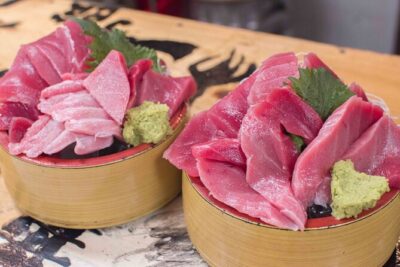
Best of Shinjuku: Izakaya Food Tour (4 Stops, 14+ Tastings)
Read our review →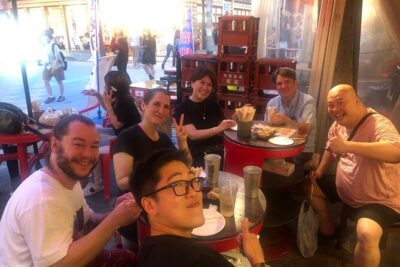
Hungry Osaka Street Food Tour:15 Tastings & 3 Drinks with a Local
Read our review →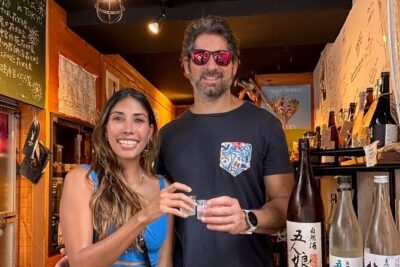
Browse the lists this tour appears in