
REVIEW · NARA DAY TRIPS
Nara:Tea Tasting&Private Tea Ceremony -Master Matcha Making-
Nara’s tea culture is best understood one careful cup at a time. In this private 90-minute session, you taste five teas from Nara Prefecture, learn how each one is brewed, and then make your own matcha under the watch of tea master Mike.
I like the one-on-one format, which gives you room to ask questions and receive hands-on help. I also like the mix of tea styles, from fragrant matcha to mellow roasted teas, plus the chance to chat with Mike about places to visit in Japan.
The main consideration is the price, $63.06 per person. That is more than a simple tea tasting, but it is fair if you want private instruction, a traditional setting, sweets, and a calm cultural activity rather than a quick sample.
In This Review
- Key points at a glance
- Five teas reveal a broader side of Nara
- A quiet tea room inside a traditional Nara house
- What happens when you make your own matcha
- Wagashi makes the tasting more complete
- Why the private format matters at $63.06
- The best place in your Nara schedule
- Who will enjoy this tea experience most
- Practical details before you book
- Should you book it?
- FAQ
- How long does the tea experience last?
- Where does the experience begin?
- Where does the activity end?
- How many teas can I taste?
- Do I get to make my own matcha?
- Is this a private activity?
- What is the cancellation policy?
Key points at a glance
- Five Nara teas in one sitting: Compare several styles before choosing a favorite for a carefully brewed pot.
- Private instruction with Mike: Your group receives personal guidance instead of following a large class.
- Hands-on matcha making: Learn the tools, motions, and basic etiquette, then whisk your own bowl.
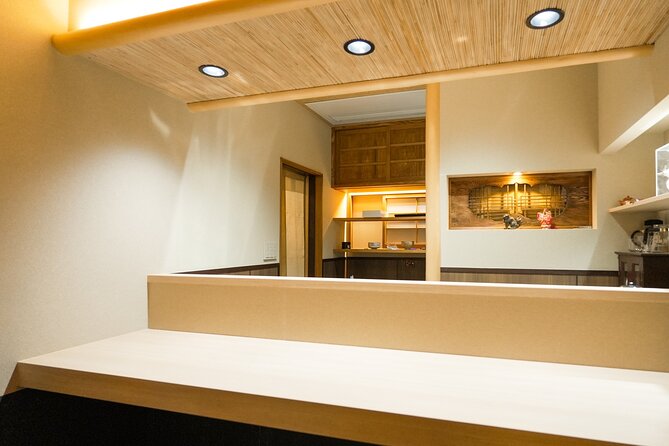
- A renovated traditional house: The tea room offers a quiet break from Nara’s temple visits and busy sightseeing hours.
- Seasonal wagashi included: Traditional Japanese sweets balance the bitter, grassy edge of matcha and other teas.
- Useful local conversation: Mike can share ideas about places to visit while you are in Japan.
Five teas reveal a broader side of Nara
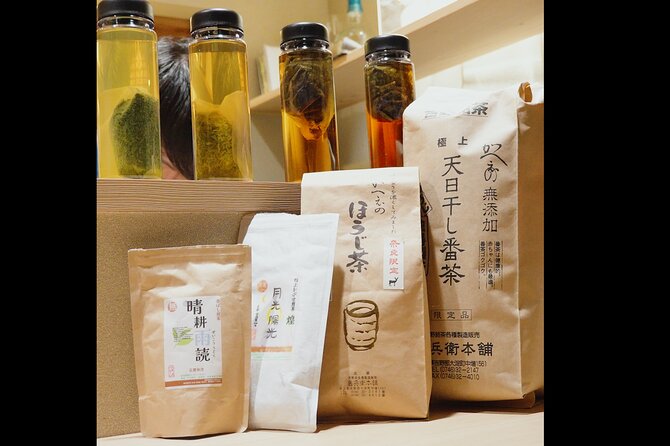
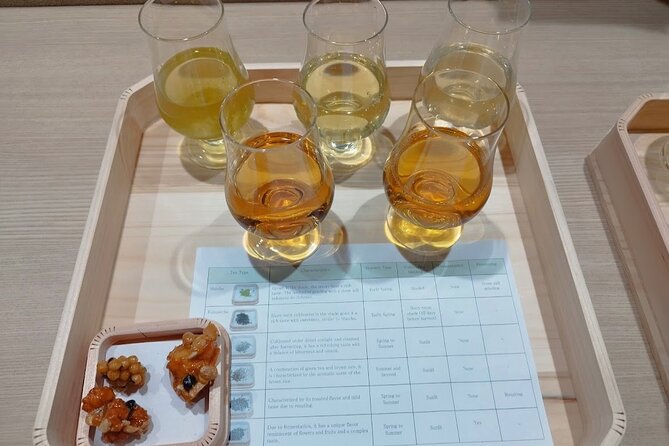
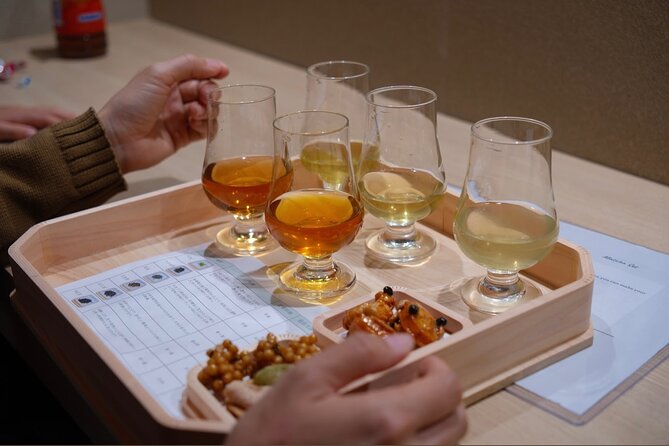
Many visitors first meet Japanese tea through matcha. This experience wisely begins with more than matcha alone. You taste five teas selected by the tea master, giving you a better sense of how Japanese tea can shift in aroma, body, sweetness, roast, and bitterness.
The selection is locally sourced in Nara Prefecture. That regional focus matters because tea is not one single drink with one fixed flavor. A tea can be fragrant and light, grassy and savory, or warm and toasted. The tasting lets you compare those differences instead of treating all Japanese tea as the same.
Some of the teas may be served cold brewed, while others are prepared hot. That contrast is useful. Temperature and brewing method can change a tea’s character, so you begin to see why preparation is part of the craft, not just a step before drinking.
I would pay attention to the aroma before taking each sip. Notice which cup feels clean and delicate, which has more roast, and which one you would actually want at home. You later choose your favorite tea for a pot-brewed serving, prepared by Mike to bring out its best flavor.
That second serving is one of the better parts of the format. A flight gives you comparison, but a carefully prepared pot gives you time with one tea. It also shows how much the final taste depends on water, timing, quantity, and pouring technique.
More Nara Day Trips in Nara
- World Heritage Kyoto & Nara Uji Authentic Matcha Experience
★ 5.0 · 1,573 reviews - Nara Half Day Trip Walking Tour (Private Option Available)
★ 5.0 · 937 reviews - Nara Early Morning Tour (Kyoto or Osaka Departure Available)
★ 5.0 · 676 reviews
A quiet tea room inside a traditional Nara house
The setting is a renovated traditional Japanese house near Guesthouse Naramachi30 in Nara. The tea room is designed for a slower pace, which makes this a welcome change from a day spent moving between temples, shrines, shops, and deer-filled paths.
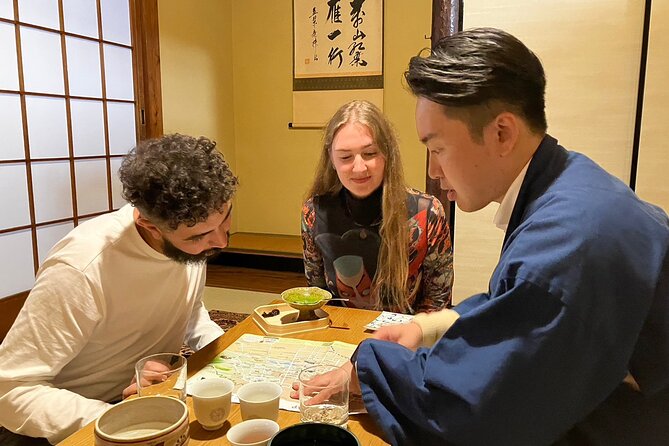
You do not need to know formal tea ceremony etiquette before arriving. The point is to learn by watching and doing. Mike explains the customs, tools, and background in a friendly way, so the experience feels approachable rather than stiff.
The room also gives you a chance to ask questions that may not come up during a formal demonstration. You can talk about tea varieties, matcha, Japanese customs, and places to visit during the rest of your trip. Several participants found Mike especially warm with children, and his conversational style appears to be a key part of the experience.
That relaxed tone will suit you if you want cultural context without a lecture. It may be less suitable if you are seeking a highly formal, silent ceremony with strict rules and little conversation. This is private and personal, but it is also social.
What happens when you make your own matcha
After the tasting and explanation, you get to whisk your own matcha. This is not just a photo opportunity. You handle the tools, follow the motions, and receive personal feedback from the tea master.
Matcha has a different appeal from the other teas in the flight. The powdered leaf is whisked into the water, so you drink the tea itself rather than sipping only an infusion. The result can have a fresh aroma, a vegetal taste, and a pleasant bitterness that works well with a sweet wagashi.
The whisking motion is simple to describe but takes a little care. You move the bamboo whisk through the tea in a steady way, aiming for a smooth texture and light foam. The value here is the correction you receive while making it. In a large group, you might copy the person beside you and move on. In this private session, you can ask why the whisk is held a certain way or how the tea should look.
Do not worry about producing a perfect bowl. The experience is more useful when you treat it as a small lesson. You learn how matcha is prepared, gain respect for the tools, and taste the result of your own work.
The session also introduces etiquette and the meaning behind the motions. You get a clearer sense that tea ceremony is not only about flavor. It includes attention, hospitality, order, and the shared pace of the moment.
Wagashi makes the tasting more complete
Seasonal wagashi, traditional Japanese sweets, are served with the tea. Their role is practical as well as decorative. The sweetness helps soften matcha’s bitterness and gives you a useful way to understand why tea and confectionery are often paired.
The seasonal element adds interest because wagashi can reflect the time of year in shape, color, or ingredients. The exact sweet served is not specified in advance, so you should regard it as part of the day’s presentation rather than a fixed menu item.
I recommend taking a small bite before another sip of matcha. The contrast makes both the sweet and the tea easier to appreciate. The wagashi also gives children and anyone new to matcha something familiar to enjoy alongside the more unusual flavors.
This is a modest food component, not a meal. If you book the activity around lunchtime, plan to eat separately. The focus remains tea, instruction, and conversation.
More tea ceremony experiences in Nara:
- Nara:Authentic Tea Ceremony(Max 5 ppl) -Master Matcha Making
★ 5.0 · 119 reviews - Nara:5 Type of Tea Tasting & Mindful Tea Ceremony
★ 5.0 · 28 reviews - Kyoto: Tea Ceremony in a Traditional Tea House in Kiyomizu
★ 4.9 · 3,519 reviews - Kyoto: Tea Ceremony Ju-An at Jotokuji Temple
★ 4.9 · 3,207 reviews
Why the private format matters at $63.06
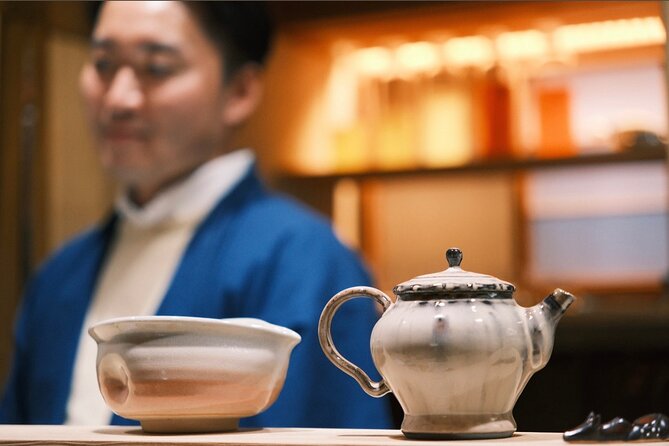
At $63.06 per person, this experience costs more than stopping for a cup of tea at a cafe. The comparison is not quite fair, though. You are paying for five teas, a private session, instruction from a tea master, a pot-brewed serving of your chosen tea, matcha practice, wagashi, and time for local conversation.
The private format is especially valuable for couples, families, or small groups with different levels of interest. A tea enthusiast can ask detailed questions, while a beginner can take things slowly. Children also have a better chance to participate when the host can give them direct attention.
The price is harder to justify if you only want a quick taste of matcha or plan to spend most of the hour taking photos. It also may not suit a tight budget if you have already booked several hands-on cultural activities in Japan.
For me, the strongest value comes from the personal instruction. You do not just consume tea. You compare it, prepare it, and learn how the ceremony works. That gives the experience more lasting value than a standard beverage stop.
The activity is booked, on average, 26 days ahead, so advance planning makes sense. It has a five-out-of-five rating from 19 reviews, with 100 percent recommending it, but you should still judge it by the format: this is a small cultural lesson, not a major sightseeing attraction.
The best place in your Nara schedule
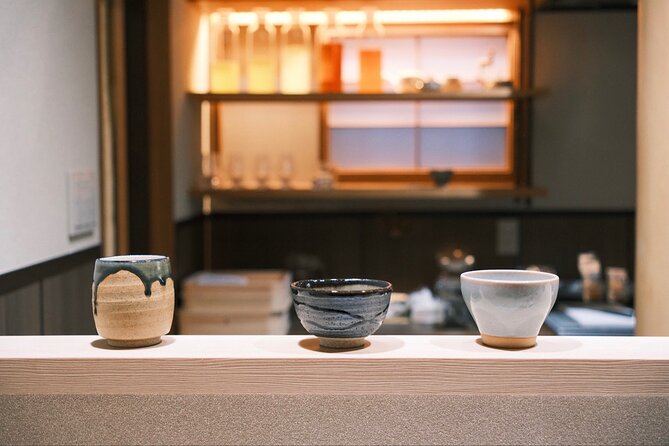
This activity makes a smart early-trip choice. Once you know more about Japanese tea, you may notice tea shops, sweets, and brewing styles during the rest of your time in Japan. Mike can also help you think about places to visit while you are in the country.
It works just as well after a busy morning of sightseeing. Nara can involve a lot of walking, and the tea room gives you a quiet pause without asking you to spend another hour outdoors. On a cold day, the hot tea and calm setting can be particularly welcome.
The experience lasts about 1 hour and 30 minutes. That is long enough for a real tasting and lesson but short enough to fit around other plans. Since the activity ends where it begins, you do not need to arrange a second pickup point at the end.
The meeting point is Guesthouse Naramachi30, at Kitakyōbatechō, Nara, postal code 630-8322. It is near public transportation, though you should allow time to find the exact entrance and arrive promptly for a private appointment.
Who will enjoy this tea experience most
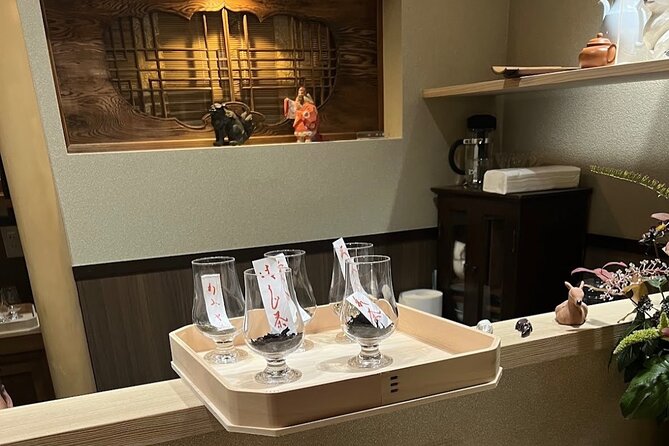
I would recommend this to you if you want a cultural activity that is calm, social, and hands-on. It suits first-time matcha drinkers because the tasting begins with several teas rather than assuming you already know what you like.
It is also a good fit for:
- Couples looking for a quiet shared activity
- Families who want children to take part
- Tea fans who want to compare local Nara varieties
- Visitors interested in Japanese etiquette and traditional tools
- Anyone who wants useful conversation with a local host
- People who prefer a private activity to a large class
The experience may be less appealing if you dislike bitter or roasted flavors, though the five-tea format gives you several chances to find a favorite. It is also not the right choice if you want a full meal, a long history lecture, or a large sightseeing tour.
Mike’s personal approach is worth noting. He is described as friendly, patient, and good with children, while also offering detailed explanations of tea types and ceremony customs. His easy conversation seems to be as important as the tea itself.
Practical details before you book
You receive confirmation at the time of booking, and the ticket is mobile, so you do not need a printed voucher. The activity is private, meaning only your own group takes part.
Free cancellation is available if you cancel at least 24 hours before the start time. Canceling or changing the booking less than 24 hours before the local start time does not qualify for a refund, so keep that deadline in mind when arranging a busy Nara itinerary.
The experience is near public transportation, but the supplied details do not specify the exact train station, walking time, or route from Nara’s main transport hubs. Check the meeting point carefully before setting out.
Wear something that lets you sit comfortably in the tea room. The exact seating arrangement is not provided, so contact the provider if you need specific accessibility information. The provider is Tea Lounge Navi Cafe.
Should you book it?
Book this experience if you want to understand Japanese tea through tasting, conversation, and practice rather than simply watching a ceremony. The five-tea flight, personal matcha instruction, seasonal wagashi, and quiet traditional house give you several connected experiences in 90 minutes.
I would especially choose it near the beginning of a Japan trip, when local tips and a better sense of tea culture can shape the days ahead. Families and couples should appreciate the private setting, while tea lovers will value the chance to compare Nara teas and then focus on one favorite.
Skip it if you need a very low-cost activity, a full meal, or a strictly formal ceremony with little conversation. For most visitors who can spare $63.06 per person, it offers a thoughtful and well-paced introduction to tea in Nara, with enough hands-on work to make the lesson stick.
FAQ
How long does the tea experience last?
The activity lasts approximately 1 hour and 30 minutes.
Where does the experience begin?
It begins at Guesthouse Naramachi30, Kitakyōbatechō, Nara, 630-8322, Japan.
Where does the activity end?
The activity ends back at the meeting point.
How many teas can I taste?
You can taste five different Japanese teas selected by the tea master and locally sourced in Nara Prefecture.
Do I get to make my own matcha?
Yes. You receive private, one-on-one instruction, practice whisking matcha, and receive personal feedback.
Is this a private activity?
Yes. Only your group participates in the activity.
What is the cancellation policy?
You can cancel up to 24 hours before the experience start time for a full refund. Cancellations or changes made less than 24 hours before the start time are not accepted for a refund.
More Food & Drink in Nara
- Private Nara Tour and Sake Tasting (Departing from Kyoto/Nara)
★ 5.0 · 40 reviews - Nara Sake Tasting Tour at Local Brewerie(tasting fee included)
★ 5.0 · 12 reviews - Tokyo: Shinjuku Food Tour (13 Dishes at 4 Local Eateries)
★ 5.0 · 6,603 reviews - Tokyo Tsukiji Fish Market Food and Culture Walking Tour
★ 5.0 · 3,184 reviews
Just added around Nara
- Private Nara Tour and Sake Tasting (Departing from Kyoto/Nara)★ 5.0 · 40 reviews
- All must-sees in 3 hours – Nara Park Classic Tour! From JR Nara!★ 5.0 · 108 reviews
- Nara World Heritage PRIVATE TOUR★ 4.5 · 15 reviews
- Nara Private Tour: Flexible Pickup from Kyoto, Osaka, or Nara★ 5.0 · 17 reviews
- Hammer a Pattern on Your Ring Workshop★ 5.0 · 57 reviews
- Nara Sake Tasting Tour at Local Brewerie(tasting fee included)★ 5.0 · 12 reviews
- Nara Highlight Walking Tour with Furoshiki Experience with Lunch★ 5.0 · 73 reviews
- Nara – Highlights Bike Tour★ 4.5 · 89 reviews
Nara Day Trips, compared.
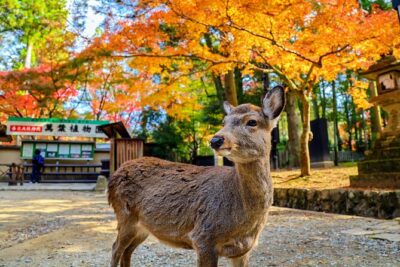
World Heritage Kyoto & Nara Uji Authentic Matcha Experience
Read our review →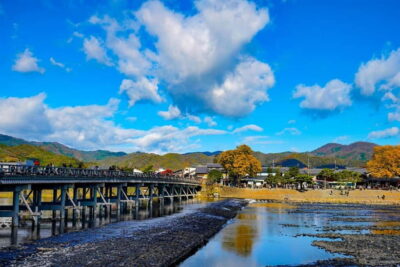
Kyoto/Osaka: Nara, Fushimi Inari Taisha, Arashiyama Bus Tour
Read our review →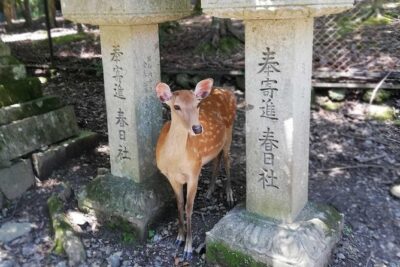
Nara Half Day Trip Walking Tour (Private Option Available)
Read our review →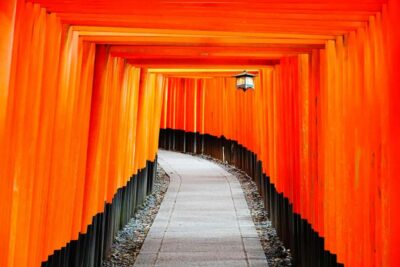
Osaka/Kyoto: Arashiyama, Nara & Fushimi Inari Shrine w/Lunch
Read our review →
Nara Early Morning Tour (Kyoto or Osaka Departure Available)
Read our review →

Full Day Guided Tour to Kyoto and Nara from Osaka by Van
Read our review →
Browse the lists this tour appears in