
REVIEW · NARA DAY TRIPS
Nara:5 Type of Tea Tasting & Mindful Tea Ceremony
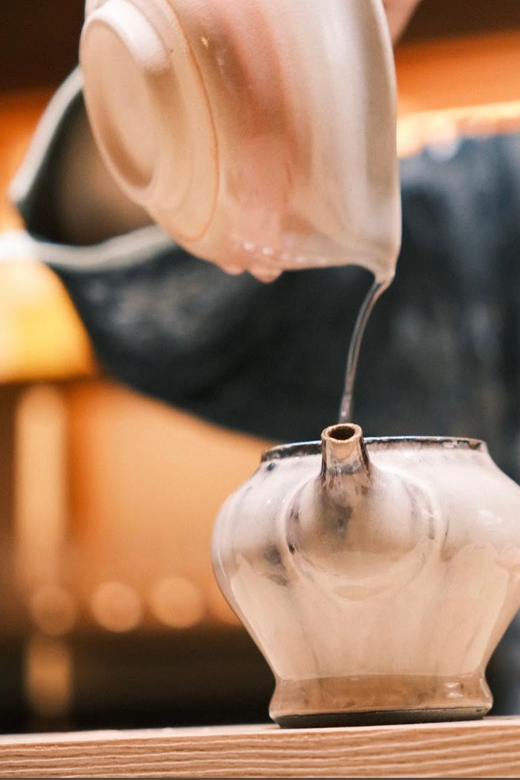
The most appealing part of this Nara experience is its setting: a 120-year-old wooden Japanese house with a small garden, where tea is treated as a quiet social ritual rather than a quick demonstration. You taste five teas from Nara prefecture, then choose a favorite for a carefully brewed pot. I like the one-on-one matcha coaching, and I like that the host, Mike, can also share local tips beyond the tea room.
The main consideration is pace and posture. This is a calm, deliberate 90 minutes, and one account says the ceremony involved sitting on the floor for about two hours. The activity is listed as wheelchair accessible, but anyone who finds floor sitting difficult should confirm the exact arrangement before booking. Children under 12 and pregnant women cannot join.
In This Review
- Key points at a glance
- Why this Nara tea experience feels different
- The five-tea tasting in Nara
- Learning to whisk your own matcha
- The ceremony, tools, and quiet rhythm
- Wagashi and the balance of flavors
- What the small private format means
- The house, garden, and practical comfort
- How the timing fits a Nara day
- Who will get the most from the $61 price
- Is Nara: 5 Type of Tea Tasting worth booking?
- FAQ
- How long does the tea experience last?
- How much does the experience cost?
- Which teas are included?
- Can I prepare my own matcha?
- Is the activity conducted in English?
- How many people join the experience?
- Are sweets included?
- Can children join the tea ceremony?
- Is the activity wheelchair accessible?
- What is the cancellation policy?
Key points at a glance
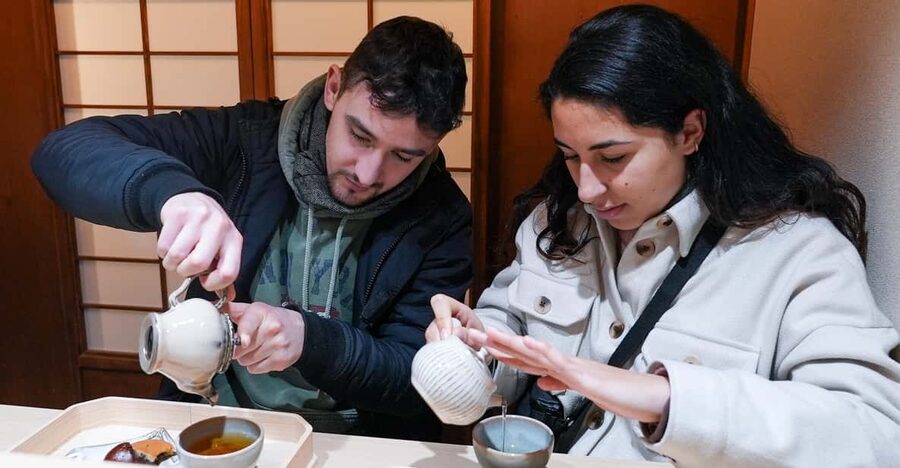
- Five Nara teas in one sitting: Compare matcha, roasted tea, and other Japanese varieties before choosing a favorite.
- A historic home setting: The tea room occupies a traditional Japanese house more than a century old, with a small garden view.
- Personal matcha practice: You whisk your own matcha and receive direct instruction from the tea master.
- A small private group: The experience is designed for a private group, and one description specifies no more than four people.
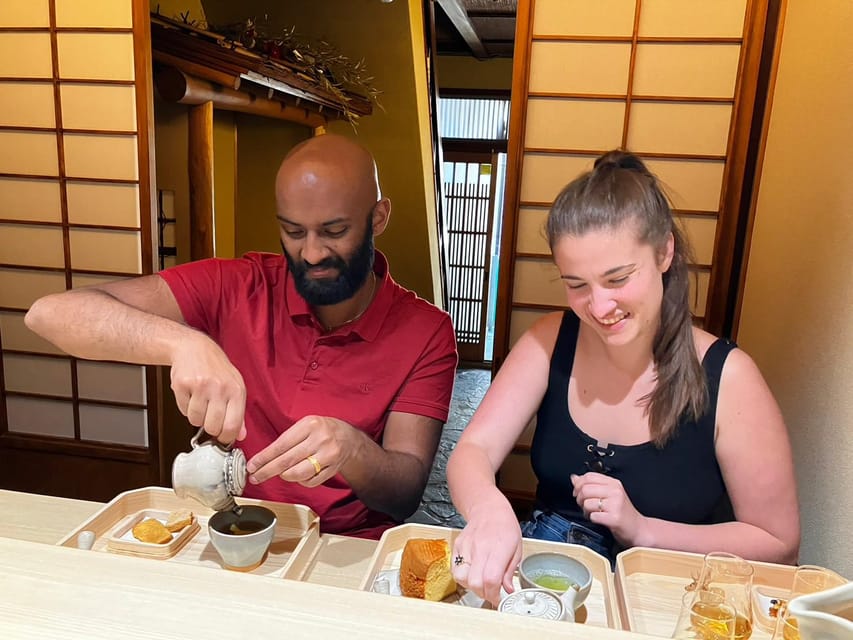
- Tea with seasonal sweets: Two kinds of wagashi accompany the tea, offering a gentle contrast to bitter, grassy, or roasted flavors.
- Useful local conversation: Mike and the hosts can offer practical suggestions for places to visit in Japan.
Why this Nara tea experience feels different
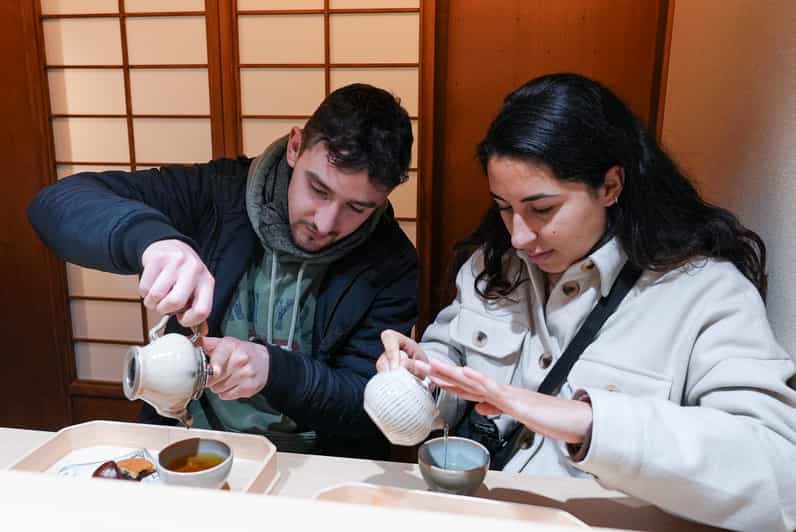
Many tea activities are built around watching someone else perform a ceremony. This one gives you two connected experiences. First, you taste Japanese tea in a practical, easy-to-follow way. Then you learn how matcha fits into a formal tea ceremony, including its tools, gestures, etiquette, and meaning.
That order matters. If you start with ceremony rules, the details can feel distant. Here, you first notice how different teas taste in your own cup. By the time you reach the matcha session, you have a better sense of why water temperature, whisking, serving style, and presentation matter.
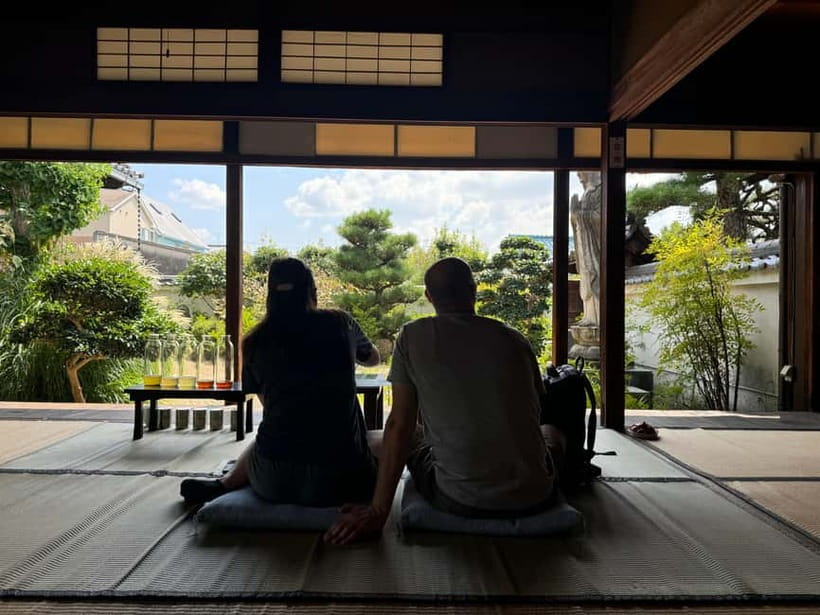
The house adds much of the character. It is described as a traditional wooden home dating from roughly 120 to 125 years ago, with a view toward a small Japanese garden. This is not a large performance space or a busy cultural center. The mood is personal, quiet, and domestic.
Mike is the named host associated with the experience. He welcomes a small number of people and explains the ceremony in English. That makes a real difference if you want to ask questions, rather than simply copy a sequence of movements without knowing what they mean.
More Nara Day Trips in Nara
- World Heritage Kyoto & Nara Uji Authentic Matcha Experience
★ 5.0 · 1,573 reviews - Nara Half Day Trip Walking Tour (Private Option Available)
★ 5.0 · 937 reviews - Nara Early Morning Tour (Kyoto or Osaka Departure Available)
★ 5.0 · 676 reviews
The five-tea tasting in Nara
The first stage is a flight of five Japanese teas selected by the tea master. The exact lineup can change with the season, but the experience includes a range of styles, from aromatic matcha to mellow roasted teas.
This is the best part for anyone who is curious about tea but does not yet know what they like. You can compare color, scent, texture, bitterness, sweetness, and the length of each finish. A coffee drinker may especially appreciate the roasted varieties, while matcha offers a more vegetal and fragrant cup.
The tasting also keeps the activity from becoming too formal too soon. You are learning by drinking, not by sitting through a long lecture. The host can explain how each tea is prepared and help you notice small differences that might otherwise pass you by.
After trying all five, you choose the tea you prefer. The tea master then prepares it in a special pot-brewed serving, using a method intended to bring out its full flavor with each pour. This second preparation is useful because it lets you revisit a favorite tea in a more focused way.
The experience includes five kinds of Japanese tea, but the exact names are not provided in advance. If you are booking because you want one particular variety, ask before reserving. If your goal is comparison and discovery, the changing selection is part of the appeal.
Learning to whisk your own matcha
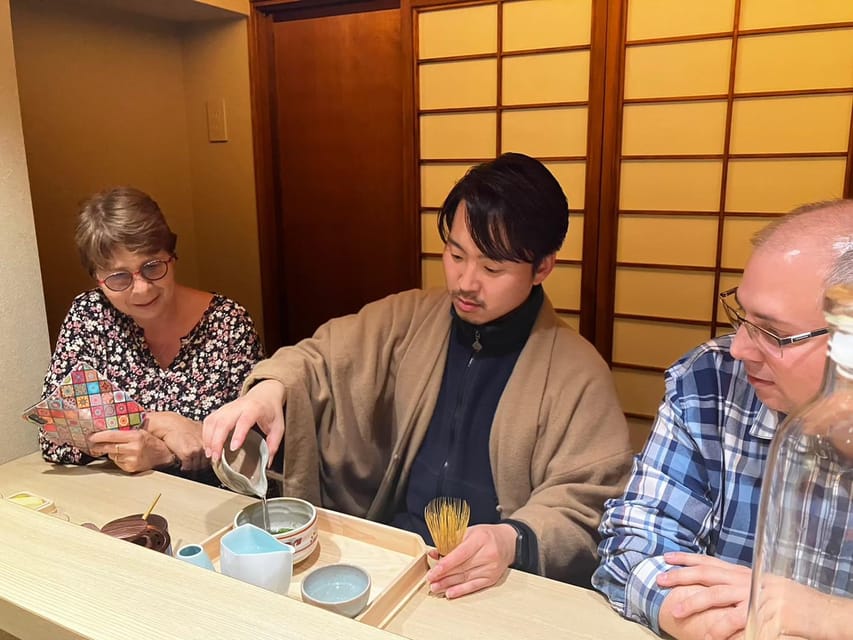
The hands-on matcha practice is the feature that gives this activity more substance than a standard tasting. Under private instruction, you learn how to use the bamboo whisk and how to create the fine, frothy texture associated with matcha.
Your host provides feedback as you practice. That is helpful because whisking is easy to underestimate. The motion is not simply a matter of stirring powder into water. The pace, angle, and movement all affect the final drink, and personal guidance makes it easier to understand what your hands should be doing.
You then taste the matcha you prepared. It may not look exactly like the tea made by the master, and that is fine. The point is to connect the finished cup with the tools and movements that produced it.
One particularly interesting detail is the connection to bamboo craftsmanship. A participant learned about the making of the bamboo tea whisks used for matcha. That kind of side conversation can make the objects in the ceremony feel less like props and more like working pieces of Japanese craft.
If you want a polished demonstration with no participation, this may be more involvement than you need. If you like learning through your hands, the matcha section is likely to be the most memorable part.
The ceremony, tools, and quiet rhythm
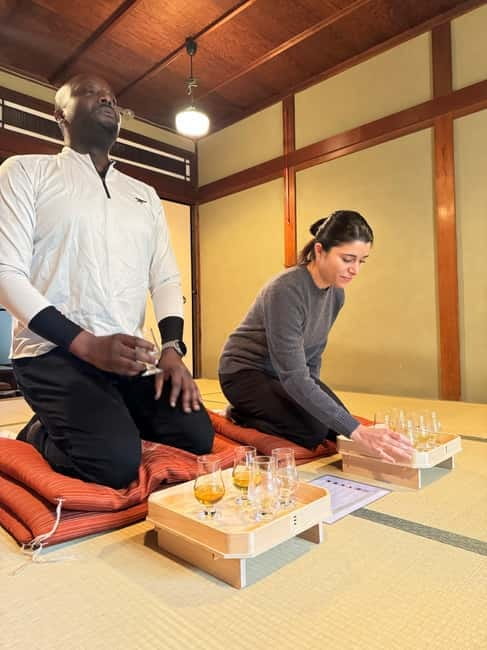
After the tasting and matcha practice, the tea ceremony brings the different pieces together. The tea master explains the tradition, etiquette, symbols, and tools, then guides you through the calm sequence of preparation and serving.
The ceremony is not meant to be rushed. Small gestures receive attention, and the quiet rhythm is part of the lesson. You may find that the value is less about memorizing every rule and more about noticing how care is shown through ordinary actions.
This is also where the room matters most. A renovated traditional house and garden view provide a more intimate setting than a modern classroom. You are not just hearing about Japanese tea culture. You are sitting in a space designed for a slower kind of social exchange.
The experience is conducted in English, so you can ask questions as they arise. The private format should also make it easier to shape the conversation around your interests, whether you want more information about tea preparation, Japanese etiquette, local crafts, or places to visit.
The pace will not suit everyone. If your Nara schedule is packed with temples, museums, and transport connections, 90 minutes of quiet sitting may feel like a luxury. That is exactly why it can be valuable, but you should leave enough space around it rather than treating it as a quick stop between major sights.
More tea ceremony experiences in Nara:
- Nara:Authentic Tea Ceremony(Max 5 ppl) -Master Matcha Making
★ 5.0 · 119 reviews - Kyoto: Tea Ceremony in a Traditional Tea House in Kiyomizu
★ 4.9 · 3,519 reviews - Kyoto: Tea Ceremony Ju-An at Jotokuji Temple
★ 4.9 · 3,207 reviews - Kyoto: 45-Minute Tea Ceremony Lesson Experience
★ 4.3 · 2,378 reviews
Wagashi and the balance of flavors
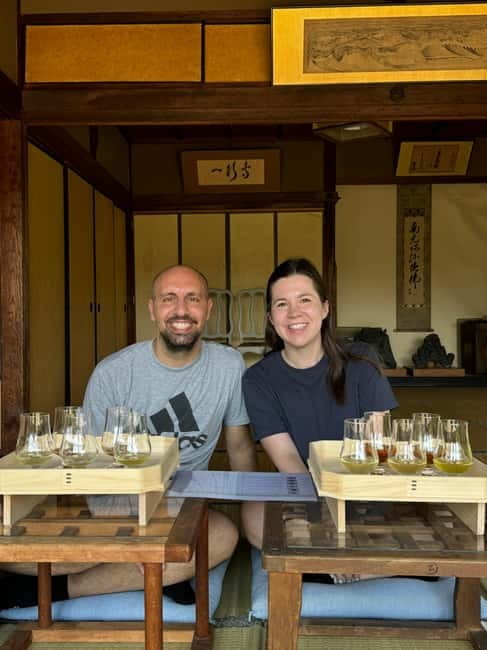
Two kinds of traditional Japanese sweets are included. These seasonal wagashi are served with the tea and provide more than a decorative finish.
Japanese sweets often balance the sharper or more bitter notes of tea. A sweet bite can make matcha seem rounder, while a delicate wagashi can reset your palate before the next pour. The seasonal element also links the food to the time of year, even though the exact sweets are not specified.
This is a small part of the experience, but it helps create a complete tea setting. You are tasting tea, learning preparation, handling traditional tools, and considering how food changes the drink.
One past participant also noted trying sake during the visit, but sake is not included in the stated package. Treat it as a possible extra conversation or tasting, not as something guaranteed. The confirmed inclusions are five teas and two kinds of Japanese sweets.
What the small private format means
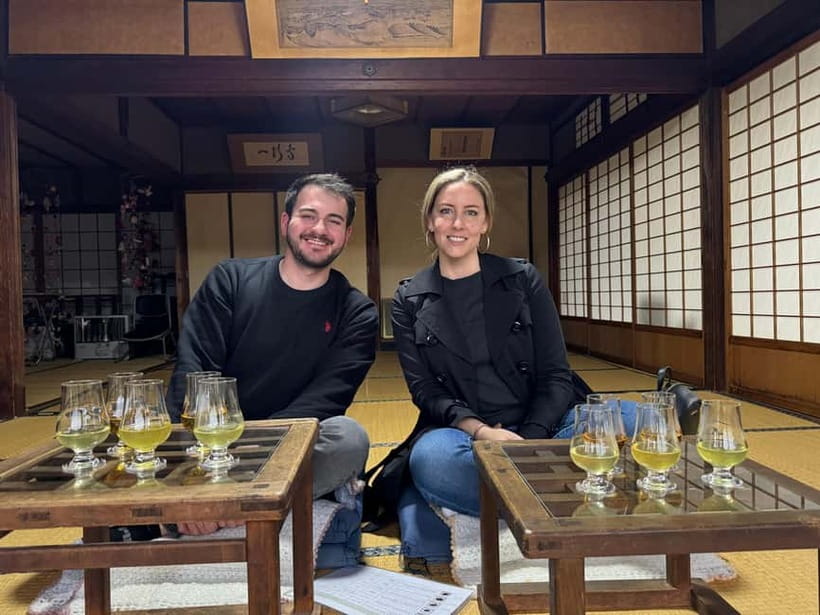
The activity is offered as a private group, and one description says Mike welcomes only four people. That limit is important. It gives the tea master room to see how you are whisking, answer questions, and adjust the explanation to your group.
A small group also protects the mood of the house. You are less likely to feel as if you are watching a staged show, and more likely to have a real exchange with the host. Families and couples can share the experience without being lost in a large crowd.
The format has a tradeoff. Private activities cost more per person than a large group demonstration, and the price is $61 per person. For 90 minutes, that is not the cheapest way to sample tea in Japan. Still, the fee covers five teas, a favorite tea prepared in a pot, matcha instruction, a ceremony, two sweets, and direct access to an English-speaking tea master in a historic private setting.
I consider that fair value if you care about personal instruction and cultural context. It is less compelling if you only want to drink a cup of matcha or take a quick photograph in traditional surroundings.
The house, garden, and practical comfort
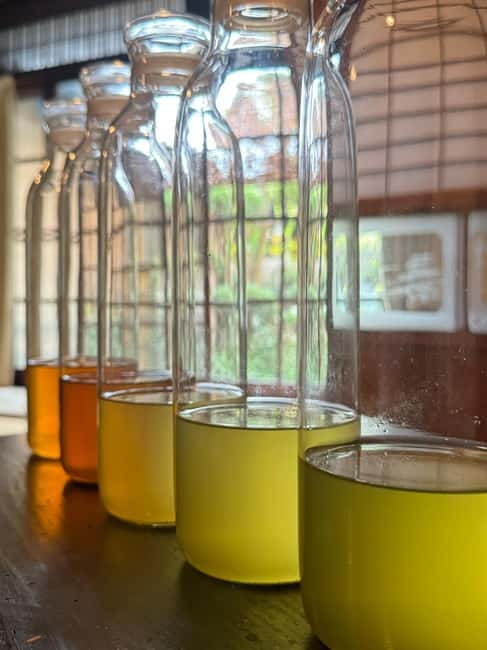
The setting is one of the strongest reasons to book. A 120-year-old wooden house gives the ceremony a sense of place that a hotel lounge cannot match. The small garden view adds to the quiet without turning the activity into a sightseeing stop.
You should plan to walk to the house, since one detailed account specifically advises being able to walk there. The available information does not provide a fixed meeting point, travel time, or directions, so check those details when you reserve.
The activity is listed as wheelchair accessible. At the same time, a detailed account says the ceremony required sitting still on the floor for around two hours, which is longer than the advertised 90 minutes. That difference may reflect the length of the whole visit or individual circumstances, but it is worth checking directly if floor seating, transfers, or time spent sitting are concerns.
The age rules are clear. Children under 12 cannot participate, and pregnant women are listed as unsuitable for the activity. Older children and teenagers may enjoy it if they can remain quiet and patient. One family account described a teenager treating the ceremony as a highlight, but the experience is not designed for young children who need constant movement.
How the timing fits a Nara day
At 90 minutes, the session fits neatly into a morning or afternoon, but its calm pace means you should not schedule it too tightly against another booking. The start times vary, so you need to check availability for the date you want.
I would place it on a day when you want a pause from temple visits and city walking. It can work particularly well after sightseeing, when you are ready to sit down and pay attention to something small and tactile.
The activity is also useful near the beginning of a Japan trip. The hosts can offer tips about places to visit, and an informal conversation with local people may help you shape the rest of your plans. It is not a guided city tour, so do not book it expecting transport or a full introduction to Nara’s sights.
The free cancellation policy allows cancellation up to 24 hours ahead for a full refund. You can also reserve now and pay later, which is practical if your Japan route is still shifting.
Who will get the most from the $61 price
I would recommend this to tea lovers, curious first-time visitors to Japan, and anyone who prefers a small cultural activity to a large group show. The combination of tasting, instruction, ceremony, sweets, and conversation gives you several ways to take part.
It is also a strong choice for people who enjoy craft. The bamboo whisk discussion, the traditional tools, and the careful pouring process add physical detail to what could otherwise be a very abstract cultural lesson.
The experience may not be right for you if you dislike bitter or unusual teas, cannot sit quietly for an extended period, or want a fast and highly visual attraction. The atmosphere is calm and dignified, not energetic. The ceremony asks you to slow down.
Coffee drinkers should not rule it out. One participant who usually prefers coffee still found the teas delicious. You do not need prior knowledge of Japanese tea, and you are not expected to perform perfectly.
Is Nara: 5 Type of Tea Tasting worth booking?
I would book this if you want more than a standard matcha sample. The strongest reasons are the small private group, the old wooden house, the five-tea comparison, and the chance to prepare matcha with direct feedback from Mike or another tea master.
The $61 price makes sense when you value personal attention and a real cultural exchange. It is harder to justify if your main goal is simply to try one cup of tea.
Before booking, confirm the walking route, floor seating, exact meeting details, and the tea selection if you have specific dietary or tea-related needs. If you can give the session time and patience, this offers a thoughtful break from Nara’s major sights and a practical introduction to one of Japan’s most careful everyday traditions.
FAQ
How long does the tea experience last?
The advertised duration is 90 minutes. One detailed account described sitting on the floor for about two hours, so confirm the expected total time if your schedule is tight.
How much does the experience cost?
The price is $61 per person.
Which teas are included?
You taste five kinds of Japanese tea selected by the tea master. The selection may include styles such as matcha and mellow roasted teas, but the exact lineup is not specified.
Can I prepare my own matcha?
Yes. You receive personal instruction, whisk your own matcha, and get feedback from the tea master.
Is the activity conducted in English?
Yes. The instructor language is English.
How many people join the experience?
It is a private group activity. One description specifies that Mike welcomes no more than four people, though you should confirm the group size for your booking.
Are sweets included?
Yes. The experience includes two kinds of Japanese sweets, described as seasonal wagashi.
Can children join the tea ceremony?
Children under 12 cannot participate. The activity is suitable for older children only if they can manage the quiet pace and sitting requirements.
Is the activity wheelchair accessible?
It is listed as wheelchair accessible. Because a detailed account describes floor sitting during the ceremony, contact the provider to confirm the seating and access arrangements for your needs.
What is the cancellation policy?
You can cancel up to 24 hours in advance for a full refund. The activity also offers a reserve-now, pay-later option.
More Food & Drink in Nara
- Tokyo: Shinjuku Food Tour (13 Dishes at 4 Local Eateries)
★ 5.0 · 6,603 reviews - Tokyo Tsukiji Fish Market Food and Culture Walking Tour
★ 5.0 · 3,184 reviews - Osaka: Shinsekai Food Tour with 13-15 Dishes at 5 Eateries
★ 4.8 · 2,204 reviews - Osaka Food Tour: 13 Dishes at 5 Local Eateries
★ 5.0 · 2,149 reviews
Just added around Nara
- Nara: Private Walking Tour with a Local★ 4.3 · 36 reviews
- Nara: Todai-ji y parque de Nara (Spanish Guide)★ 5.0 · 16 reviews
- Nara: Essential Private Tour with Deer Park and Temples★ 5.0 · 24 reviews
- Nara: Private Tour with Private Guide★ 4.8 · 66 reviews
- Nara:Authentic Tea Ceremony(Max 5 ppl) -Master Matcha Making★ 5.0 · 119 reviews
- Nara Early Bird Tour (Kyoto Departure Option Available)★ 4.9 · 142 reviews
- Nara: Bike Tour in Ancient Capital UNESCO World Heritage★ 5.0 · 43 reviews
- Nara: City Highlights Shared Group or Private Bike Tour★ 4.9 · 34 reviews
Nara Day Trips, compared.
World Heritage Kyoto & Nara Uji Authentic Matcha Experience
Read our review →
Kyoto/Osaka: Nara, Fushimi Inari Taisha, Arashiyama Bus Tour
Read our review →
Nara Half Day Trip Walking Tour (Private Option Available)
Read our review →
Osaka/Kyoto: Arashiyama, Nara & Fushimi Inari Shrine w/Lunch
Read our review →
Nara Early Morning Tour (Kyoto or Osaka Departure Available)
Read our review →

Full Day Guided Tour to Kyoto and Nara from Osaka by Van
Read our review →
Browse the lists this tour appears in