
REVIEW · NARA DAY TRIPS
Nara:Authentic Tea Ceremony(Max 5 ppl) -Master Matcha Making
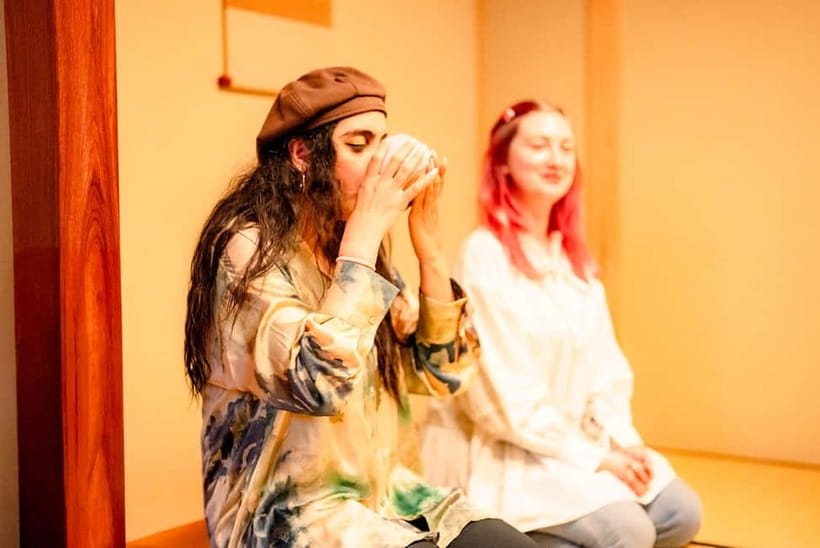
The best part of this Nara tea ceremony is the setting: you leave the busy sightseeing streets and enter a 120-year-old Japanese farmhouse for a quiet lesson in matcha. You learn the meaning behind the ritual, taste single-origin Nara teas, and then make your own bowl under the tea master’s watch.
I especially like the hands-on instruction, since you do not just sit and watch a formal performance. I also like the small scale, which gives you time to ask questions and get useful local tips about restaurants, sake shops, matcha cafés, and places to visit.
The main consideration is time. One hour is enough for a thoughtful introduction, but not a long formal tea-school lesson. The host and exact meeting arrangements can vary, and one past participant needed help finding the guide, so read the meeting details carefully.
In This Review
- Key points at a glance
- Why this Nara tea ceremony feels different
- Arriving at the old farmhouse
- Learning the meaning behind the ritual
- Tasting Nara’s single-origin matcha
- Whisking your own bowl of matcha
- Wagashi and the quiet finish
- How private is the experience?
- What the $46 price buys you
- Who should book it?
- Booking advice for a smoother visit
- Should you book this Nara tea ceremony?
- FAQ
- How long does the tea ceremony last?
- How much does the experience cost?
- Where does the ceremony take place?
- Is the experience private?
- What languages are available?
- Will I make my own matcha?
- Do I get to taste different teas?
- Are Japanese sweets included?
- Can I cancel for a refund?
Key points at a glance
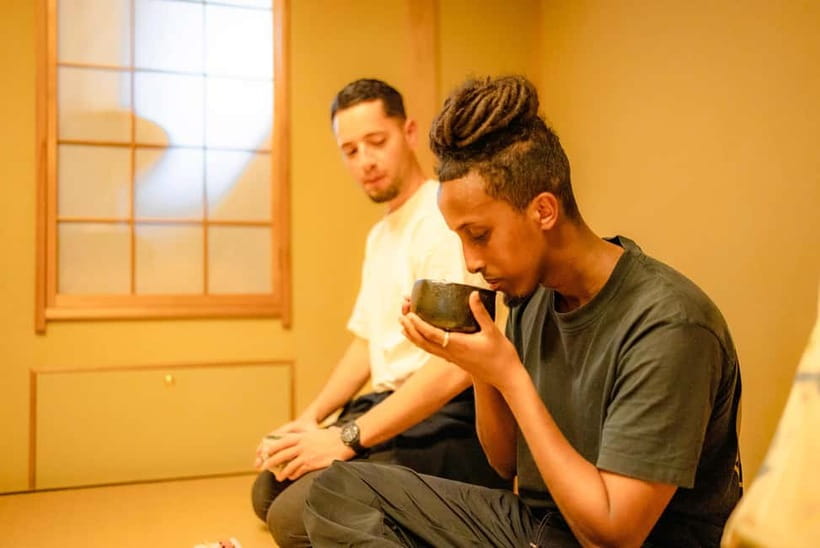
- A 120-year-old farmhouse: The traditional house supplies a calm, distinctly Japanese setting.
- You make your own matcha: The tea master demonstrates whisking, then corrects your technique.
- Nara tea tasting: Compare single-origin matcha and decide which flavor suits you.
- Small group format: The activity is limited to six people and may operate as a private session for your party.
- English and Japanese instruction: Hosts explain the ritual, tools, etiquette, and cultural meaning in English or Japanese.
- Wagashi with tea: Seasonal Japanese sweets provide the classic sweet counterpoint to matcha’s grassy bitterness.
Why this Nara tea ceremony feels different
Nara has plenty of places where you can drink matcha. This experience gives you the backstory and the practical skill to make it yourself.
That distinction matters. A café visit is easy and pleasant, but you may leave knowing little about why the tea is whisked, how the utensils are used, or what the gestures mean. Here, the tea master explains the customs and then puts the whisk in your hands. You learn by doing.
The house is a major part of the experience. It is described as a 120-year-old Japanese farmhouse, and the traditional rooms create the quiet mood the ceremony needs. The setting is not just decoration. It helps you notice the pace of the ritual, the care given to each tool, and the difference between a hurried cup and a carefully prepared one.
The tone is formal enough to teach proper etiquette, but it is not presented as a stiff performance. Hosts such as Mike, Hasumi, Tate, Mark, and Kurabi have been described as friendly, patient, and willing to answer questions. The exact host depends on the date, so do not assume you will meet one particular person.
More Nara Day Trips in Nara
- World Heritage Kyoto & Nara Uji Authentic Matcha Experience
★ 5.0 · 1,573 reviews - Nara Half Day Trip Walking Tour (Private Option Available)
★ 5.0 · 937 reviews - Nara Early Morning Tour (Kyoto or Osaka Departure Available)
★ 5.0 · 676 reviews
Arriving at the old farmhouse
The experience begins with an introduction to the house, the tea ceremony, and the objects used to prepare and serve matcha. You may walk from the station through an older part of Nara before reaching the guesthouse or farmhouse. One participant described the walk as roughly ten minutes, but treat that as a useful example rather than a fixed transport promise.
The meeting point deserves attention. One person had trouble locating the guide in a blue kimono and received help by WhatsApp before walking to the venue. That is not a reason to avoid the activity, but it is a good reminder to keep your phone available and check the instructions before setting out.
Once inside, the pace changes. The house is quiet and intimate, a welcome contrast after a morning around Nara’s major sights. You will not get a grand museum-style presentation. Instead, the tea master talks you through the basic ideas in a personal way, with room for questions.
This is a good activity early in your Nara visit. Several hosts have offered suggestions for restaurants, ramen, yakiniku, sake shops, matcha cafés, and less visited sights. A local conversation can help you plan the rest of the day, although those recommendations are an added benefit, not a formal sightseeing tour.
Learning the meaning behind the ritual
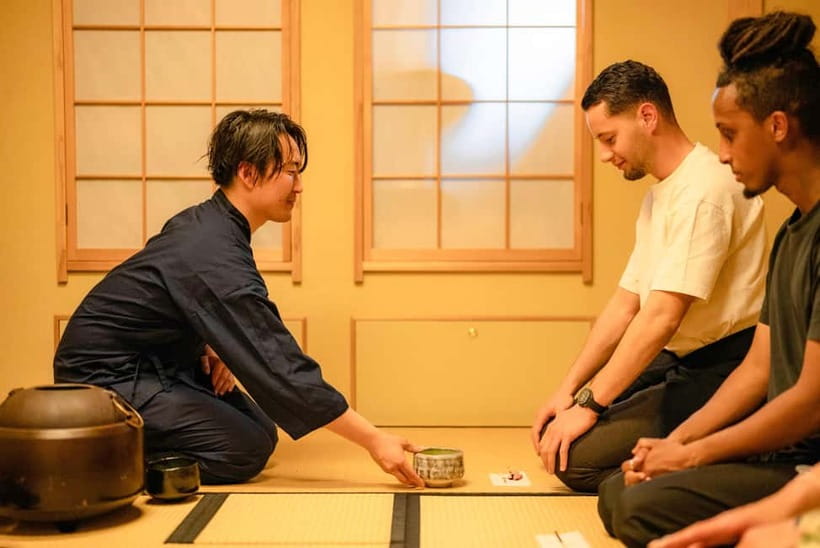
The first teaching section covers the history and purpose of the Japanese tea ceremony. You also learn about etiquette and traditional utensils.
For many first-time visitors, this is the part that turns a pretty ritual into a readable one. Without context, a bow, a turn of the bowl, or the order of serving can seem mysterious. With an explanation, you begin to see the ceremony as a sequence of thoughtful actions rather than a collection of rules.
The lesson also gives you a chance to ask practical questions. Hosts have explained not only the formalities but also the philosophical ideas connected with tea. You might hear about the value of attention, respect, and calm, though the amount of cultural detail will depend on your guide and the questions you bring.
I would not book this expecting a complete education in every tea tradition in Japan. The session lasts one hour, and the focus is an accessible introduction to matcha and tea ceremony basics. For most people, that balance is sensible. You receive enough background to understand what you are seeing without spending half a day in a lecture.
The English ability appears to vary by host, but the available instruction is in English and Japanese. Several participants specifically found the explanations clear, and one noted that the host’s English was excellent. If exact wording or advanced cultural discussion matters to you, confirm the language arrangements when booking.
Tasting Nara’s single-origin matcha
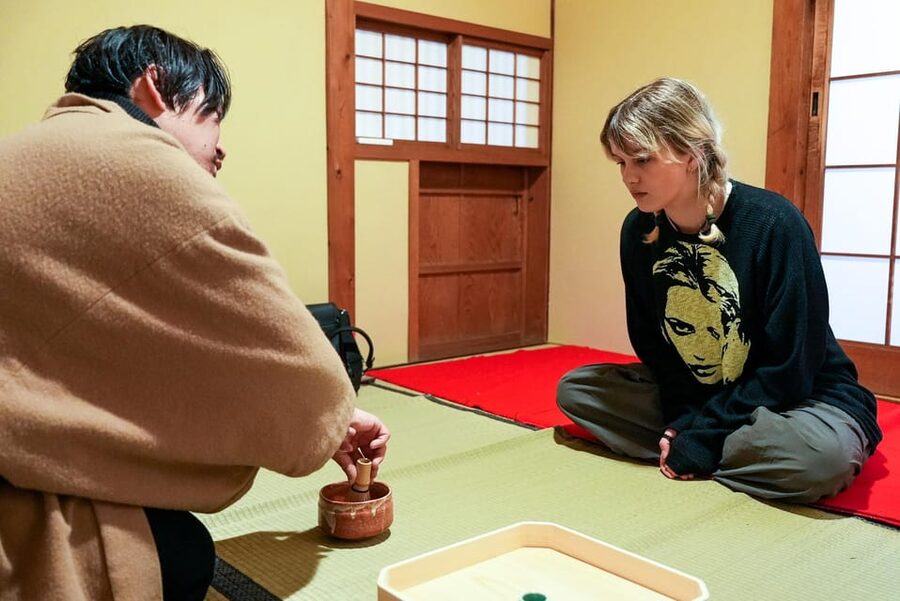
The tasting gives the experience more depth than a standard demonstration. You compare matcha from Nara, including single-origin teas, and consider how the flavor changes from one bowl to another.
Matcha is not simply one flavor. It can be grassy, creamy, bitter, sweet, or savory, and your reaction may change depending on how it is prepared. Tasting more than one tea helps you find your preference instead of assuming that all matcha tastes alike.
Some sessions have included extra tea from Uji, the famous tea-growing area near Kyoto. That is a pleasant bonus when available, but the advertised focus is Nara matcha, so you should not count on a particular extra tea.
The tea master prepares matcha for you to taste before you make your own. This comparison is useful because it gives you a reference point. You can notice the texture and aroma of a well-whisked bowl, then see what changes when you try the technique yourself.
If you normally avoid matcha because you find it bitter, this tasting may be worth your time. The wagashi helps soften the bitterness, and the preparation method affects the final cup. If you already love matcha, you will appreciate the chance to compare teas and discuss where to buy them in Nara.
More tea ceremony experiences in Nara:
- Nara:5 Type of Tea Tasting & Mindful Tea Ceremony
★ 5.0 · 28 reviews - Kyoto: Tea Ceremony in a Traditional Tea House in Kiyomizu
★ 4.9 · 3,519 reviews - Kyoto: Tea Ceremony Ju-An at Jotokuji Temple
★ 4.9 · 3,207 reviews - Kyoto: 45-Minute Tea Ceremony Lesson Experience
★ 4.3 · 2,378 reviews
Whisking your own bowl of matcha
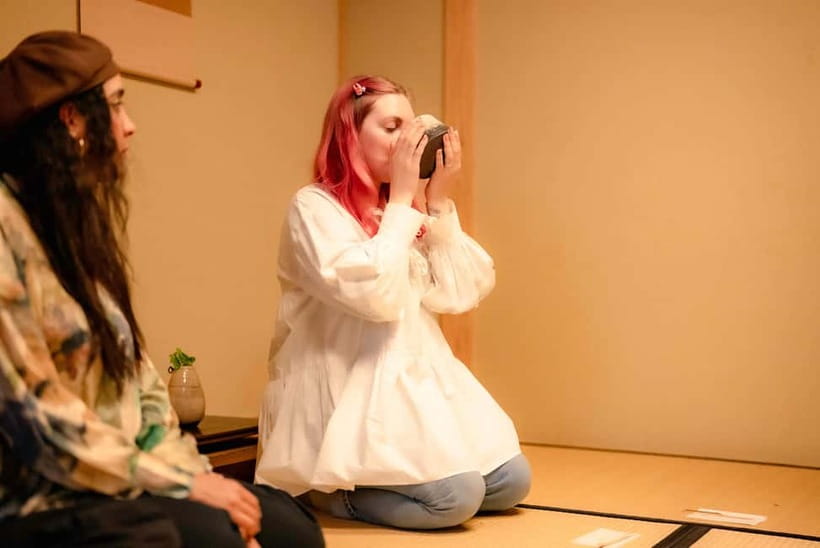
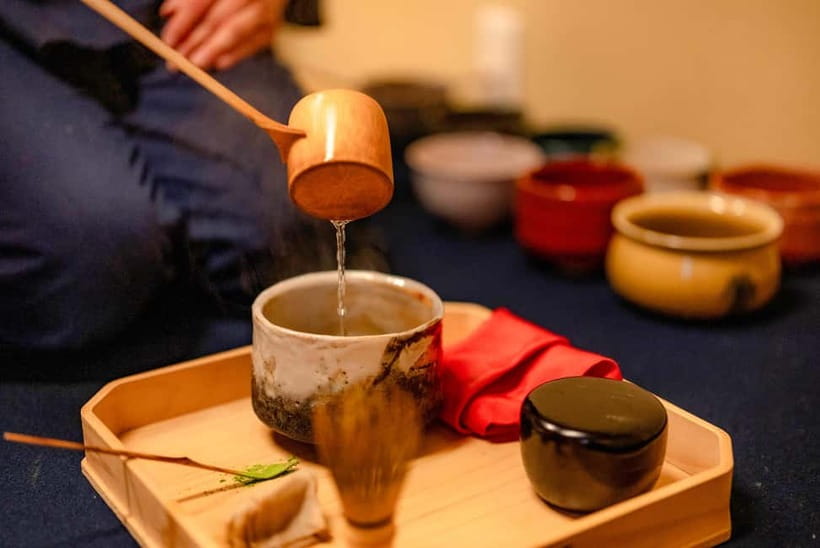
The hands-on section is the heart of the activity. The tea master shows you how to prepare matcha, then gives you the whisk and lets you try.
You learn the basic motion rather than merely copying a ceremony from a distance. The guide watches your technique and offers personalized suggestions, including ways to create a smoother, creamier texture. That feedback is practical. You can use it later at home instead of leaving with only photographs.
Do not expect your first bowl to look exactly like the master’s. That is part of the fun. The whisking takes coordination, and small changes in motion can affect the foam and texture. The setting makes it comfortable to ask for another explanation or try again.
The activity is particularly well suited to families and couples because everyone can take part. A family of four has used the session as a private activity, and other small groups found it educational without losing its relaxed tone. Children may enjoy the whisking, although the provided information does not give a minimum age, so check before booking for very young children.
You also receive a better sense of the work behind a simple bowl of café matcha. The powder, water, whisk, bowl, and movement all matter. That awareness can make later tea stops in Kyoto or Nara more enjoyable.
Wagashi and the quiet finish
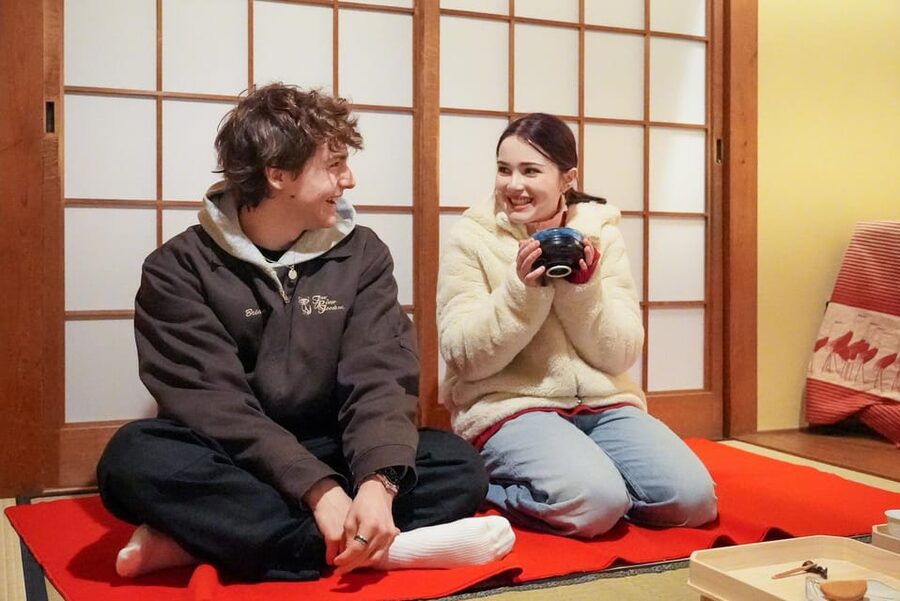
The ceremony ends with matcha and seasonal wagashi, traditional Japanese sweets designed to complement the tea.
The sweet is not an afterthought. Matcha has a strong, vegetal bitterness, and wagashi gives your palate a gentler flavor before or alongside the tea. The seasonal element also connects the food to the time of year, which is an important part of Japanese tea culture.
The exact sweet is not specified, so you should not book this expecting a particular dessert. One host has also served a homemade sweet on occasion, but that is not part of the standard promise. The reliable inclusion is authentic wagashi.
This final portion is where the experience becomes less like a class and more like a pause in the day. You sit, taste, and talk. The calm atmosphere is one of the strongest reasons to choose this activity over a quick matcha stop near Nara Park.
If you have dietary restrictions, ask ahead. The available information confirms wagashi is included but does not list ingredients or alternatives.
How private is the experience?
The description presents a private, one-on-one tea ceremony, while the booking information lists a small group of up to six participants. In practice, the format can vary by date and party size.
That flexibility can work in your favor. A solo visitor may receive a very personal lesson. A family or group of friends may have the house and instruction to themselves. If another small party joins, you should still expect a more focused session than a large tour, but do not assume total privacy unless your booking specifically confirms it.
The small size is important because tea ceremony is detail-heavy. With six people or fewer, you can see the demonstration clearly, ask questions, and take your turn without a long wait. A large group would make the same one-hour format feel rushed.
The experience is offered in English and Japanese. The guide names appearing in the supplied information include Mike, Hasumi, Tate, Mark, and Kurabi, but staffing may change. Book this for the teaching style and setting rather than for a guaranteed individual host.
What the $46 price buys you
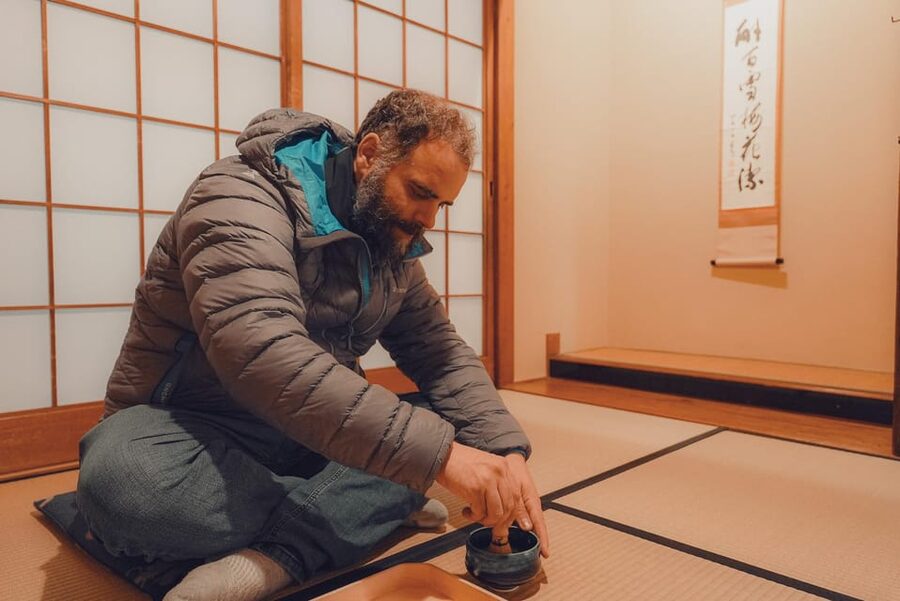
At $46 per person, this is not the cheapest way to drink matcha in Nara. You can find tea and sweets for much less at a café.
The value comes from the combination of instruction, tasting, setting, and personal practice. You receive a guided explanation of ceremony customs, access to traditional utensils, prepared tea, several tea samples, a hands-on lesson, feedback on your whisking, and wagashi. You are paying for time with a tea master, not just for the ingredients.
I consider the price fair if you want cultural context and a skill you can repeat at home. It is less compelling if you simply want a quick cup of tea or have already taken a detailed tea ceremony class elsewhere.
The one-hour length keeps the cost manageable and fits neatly into a sightseeing day. You can schedule it before visiting Nara’s temples or use it as a quiet break between major attractions. The tradeoff is that the lesson cannot cover every aspect of Japanese tea practice in great detail.
Free cancellation is available up to 24 hours before the activity for a full refund, and you can reserve now and pay later. Those terms are useful when you are arranging a Japan itinerary with changing train and sightseeing plans.
Who should book it?
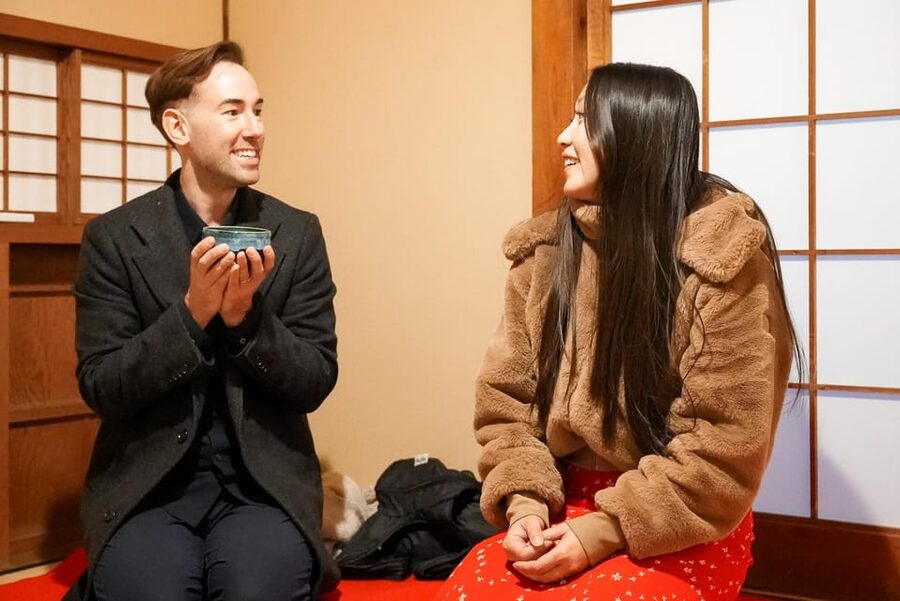
I would recommend this experience to first-time visitors who want more than a staged cultural photo opportunity. It gives you a clear introduction without demanding advanced knowledge or a full day.
It also suits:
- Matcha drinkers who want to compare Nara teas
- Families looking for a participatory cultural activity
- Couples who prefer a quiet setting to a large group tour
- Solo visitors who enjoy asking detailed questions
- Anyone staying in Nara who wants local food and sightseeing suggestions
- Visitors planning to continue to Kyoto and hoping to understand tea culture before arriving
You may want to skip it if your schedule is packed and you only have time for Nara’s temples, or if you dislike bitter tea and have no interest in learning how it is prepared. The format is calm and deliberate, not a high-energy attraction.
Wear clothing that lets you sit comfortably. The provided information does not specify a dress code, seating style, or accessibility details, so contact the provider if those points affect your decision.
Booking advice for a smoother visit
Choose a start time that leaves you unhurried. The ceremony depends on attention, and arriving stressed from a rushed sightseeing plan works against the peaceful setting.
Read the meeting instructions closely. Keep your phone on, especially if you are unfamiliar with the area. The experience may begin with a walk from the station, and one participant needed help finding the host, so allow a little extra time rather than arriving at the last minute.
If you have a strong interest in tea, prepare a few questions. Ask about the differences between Nara and Uji matcha, where to buy tea locally, or how to improve your whisking at home. Hosts have been willing to share recommendations, and a short conversation can add real value to the lesson.
Finally, remember that the tea master may vary. Mike has been praised for his friendly explanations and Nara advice, while Hasumi, Tate, Mark, and Kurabi have also led sessions. The consistent offering is the farmhouse setting, guided preparation, tasting, wagashi, and small-group format.
Should you book this Nara tea ceremony?
Book it if you want a quiet, personal introduction to Japanese tea culture and like the idea of making your own matcha. The old farmhouse, Nara tea tasting, patient instruction, and seasonal wagashi make the $46 fee reasonable for a one-hour cultural experience.
I would be especially quick to recommend it for a first visit to Japan, a family of four, or anyone who wants local suggestions along with the ceremony. Just keep your expectations realistic: this is an accessible introduction, not an advanced tea-school course, and the exact host and level of privacy may vary.
FAQ
How long does the tea ceremony last?
The experience lasts one hour.
How much does the experience cost?
The listed price is $46 per person.
Where does the ceremony take place?
It takes place in a traditional Japanese farmhouse in Nara that is about 120 years old.
Is the experience private?
The activity is described as a private, one-on-one ceremony, while the booking information also says it can include a small group of up to six participants. The format may depend on the booking.
What languages are available?
Instruction is available in English and Japanese.
Will I make my own matcha?
Yes. The tea master demonstrates the preparation, then guides you as you whisk your own matcha and gives personalized feedback.
Do I get to taste different teas?
Yes. The experience includes tasting and comparing single-origin matcha from Nara. Extra tea, such as matcha from Uji, may sometimes be offered but is not guaranteed.
Are Japanese sweets included?
Yes. Seasonal wagashi, traditional Japanese sweets, are included with the tea.
Can I cancel for a refund?
You can cancel up to 24 hours in advance for a full refund. You can also reserve now and pay later.
Just added around Nara
- Nara: Private Walking Tour with a Local★ 4.3 · 36 reviews
- Nara: Todai-ji y parque de Nara (Spanish Guide)★ 5.0 · 16 reviews
- Nara:5 Type of Tea Tasting & Mindful Tea Ceremony★ 5.0 · 28 reviews
- Nara: Essential Private Tour with Deer Park and Temples★ 5.0 · 24 reviews
- Nara: Private Tour with Private Guide★ 4.8 · 66 reviews
- Nara Early Bird Tour (Kyoto Departure Option Available)★ 4.9 · 142 reviews
- Nara: Bike Tour in Ancient Capital UNESCO World Heritage★ 5.0 · 43 reviews
- Nara: City Highlights Shared Group or Private Bike Tour★ 4.9 · 34 reviews
Nara Day Trips, compared.
World Heritage Kyoto & Nara Uji Authentic Matcha Experience
Read our review →
Kyoto/Osaka: Nara, Fushimi Inari Taisha, Arashiyama Bus Tour
Read our review →
Nara Half Day Trip Walking Tour (Private Option Available)
Read our review →
Osaka/Kyoto: Arashiyama, Nara & Fushimi Inari Shrine w/Lunch
Read our review →
Nara Early Morning Tour (Kyoto or Osaka Departure Available)
Read our review →

Full Day Guided Tour to Kyoto and Nara from Osaka by Van
Read our review →
Browse the lists this tour appears in