
REVIEW · GARDEN & PALACE TOURS
Nagano/Matsumoto: Matsumoto Castle and Narai-juku Day Trip
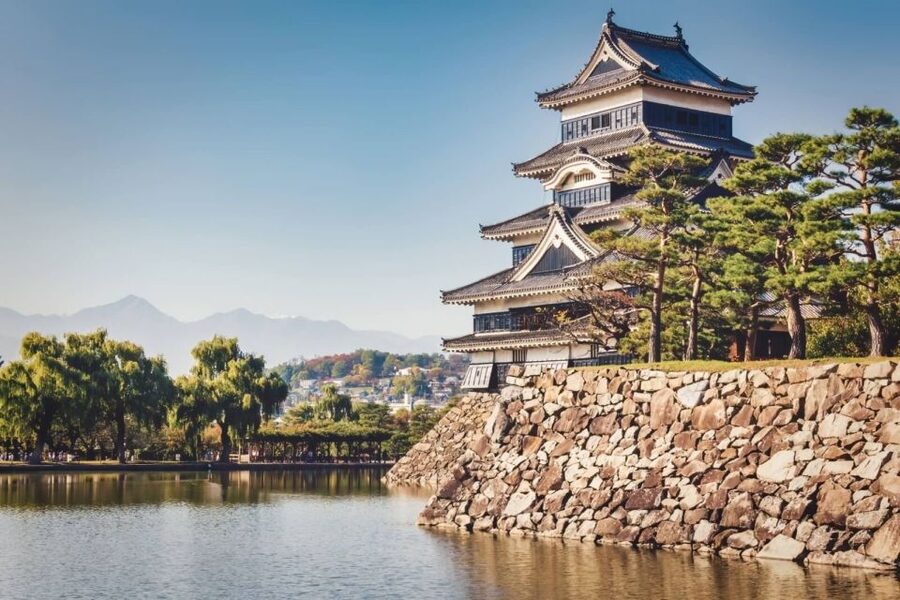
Matsumoto Castle is the star here: a dark, beautifully preserved fortress where you climb six floors on steep wooden stairs and look out across the city. I like that the day pairs this famous castle with Narai-juku, a far quieter old post town in the Kiso Valley.
I also like the easy transport from Nagano or Matsumoto and the guides’ attention to history and local life. Guides such as Shawn, Joyce, and Nadin have been praised for clear explanations and thoughtful help, including finding a good meal for a vegetarian guest. The main drawback is the pace: you spend much of the day on foot and several hours on the bus, while narrow castle stairs can be hard for anyone with limited mobility.
In This Review
- Key points before you book
- Why this day trip works so well
- Starting from Nagano or Matsumoto
- Nawate-dori, Matsumoto’s Frog Street
- Inside Matsumoto Castle’s six floors
- The road to Narai-juku
- Walking the wooden street at Narai-juku
- A full day of bus time and walking
- What the guide adds
- Who should book this Matsumoto and Narai-juku tour?
- Booking details that matter
- Should you book it?
- FAQ
- How long does the tour last?
- Where can I start the tour?
- What is included in the price?
- Is lunch included?
- Is the tour suitable for wheelchair users?
- What should I bring?
Key points before you book
- Six floors of original castle structure: Matsumoto Castle is Japan’s oldest surviving five-tiered, six-story castle tower.
- Frog Street adds local color: Nawate-dori has more than 50 shops, cafés, restaurants, frog statues, sweets, and souvenirs.
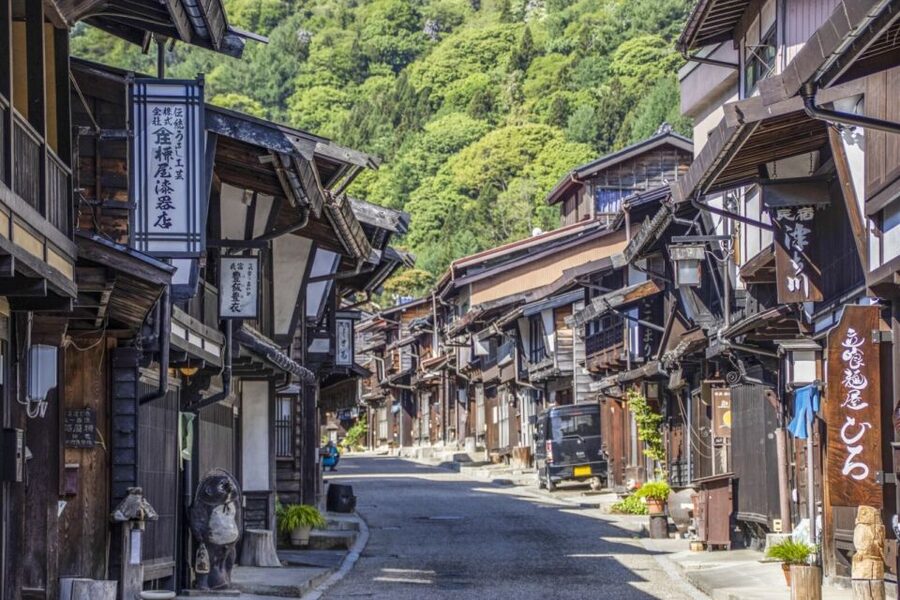
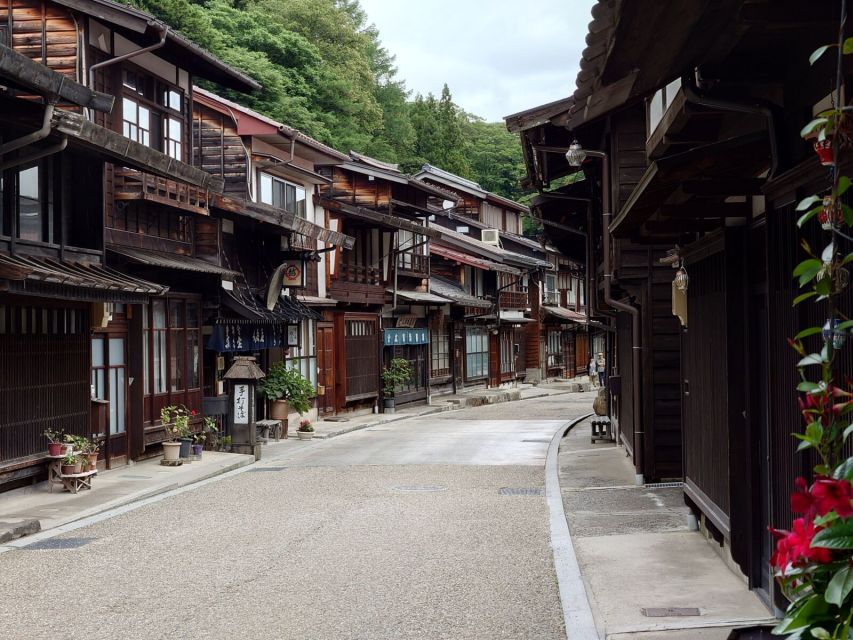
- Narai-juku feels very different: This preserved Nakasendo post town offers wooden buildings, mountain views, and a slower hour for browsing.
- Transport saves planning time: The tour links Nagano, Matsumoto, and Narai-juku by bus, with drop-off options in Nagano or Matsumoto.
- Expect a full outdoor day: Bring weather protection, comfortable shoes, and warm waterproof footwear in winter.
- The price includes the important pieces: At $180 per person, you get transport, an English-speaking guide, castle admission, and guided walks.
Why this day trip works so well
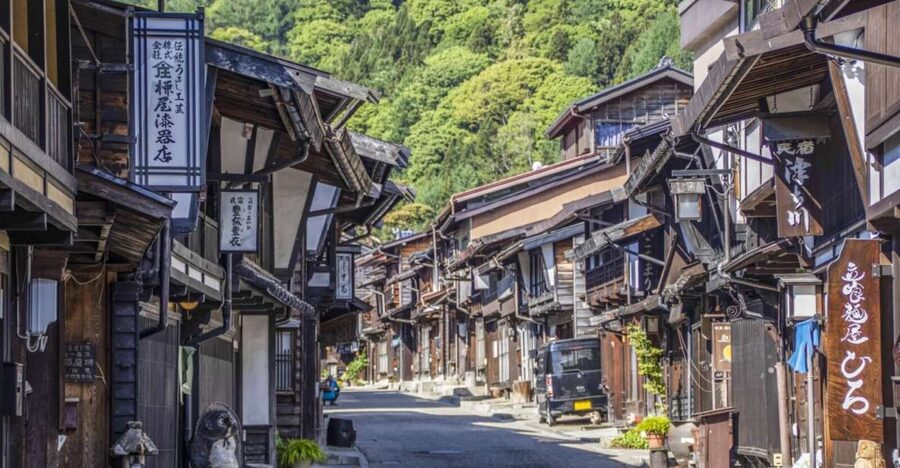
This is a smart pairing of two places that show different sides of central Japan. Matsumoto gives you a major landmark, an active city center, and a close look at samurai defenses. Narai-juku offers old wooden houses along a historic road, with mountains in the background and fewer city distractions.
If you tried to arrange both stops independently from Nagano, you would need to coordinate trains or buses, check connections, and manage luggage or day-trip timing. Here, the bus handles the long links between places. That matters because Narai-juku is not simply a quick side trip from Matsumoto.
The $180 price is not cheap, but it includes the castle ticket, transportation between the listed destinations, an English-speaking guide, and guided time at both main stops. One useful way to judge the value is to compare it with the cost and effort of arranging transport and admission yourself. A French guest calculated that the price was not far from public transport and entrance costs alone, before adding a guide and driver.
You should still know what you are buying. This is not a slow, private sightseeing day by default. It is a structured trip with long bus rides, a fixed route, and several hours of walking. The day works best if you want to see both places without handling the logistics yourself.
More Garden & Palace Tours in Nagano
- Matsumoto Castle Tour & Samurai Experience
★ 4.9 · 128 reviews - 1-Day Tour from Nagano and Matsumoto Kamikochi & Matsumoto Castle
★ 5.0 · 105 reviews - Full-Day Tour: Matsumoto Castle & Kamikochi Alpine Valley
★ 4.8 · 78 reviews
Starting from Nagano or Matsumoto
You can choose among three starting points: Kokusai 21, Nagano Station, or Matsumoto Station. The exact meeting point depends on the option you reserve, so check it carefully before setting out.
The first bus ride from the initial pickup to Matsumoto takes about 100 minutes. If you begin in Nagano, this is a significant part of the morning, but it also lets you reach Matsumoto without changing trains. Matsumoto Station is the second pickup point, so some people join the group there rather than riding from Nagano.
Once everyone is aboard, the route heads into Matsumoto’s historic center. The city grew as a castle town during Japan’s samurai period, and the first part of the visit gives you a street-level introduction before the castle tour begins.
Guides speak English, and the strongest part of the experience is the context they add while you move between locations. Shawn, Joyce, and Nadin are among the guides who have led this route. Their approach can include historical explanation, cultural stories, practical food suggestions, and small activities such as origami.
Nawate-dori, Matsumoto’s Frog Street
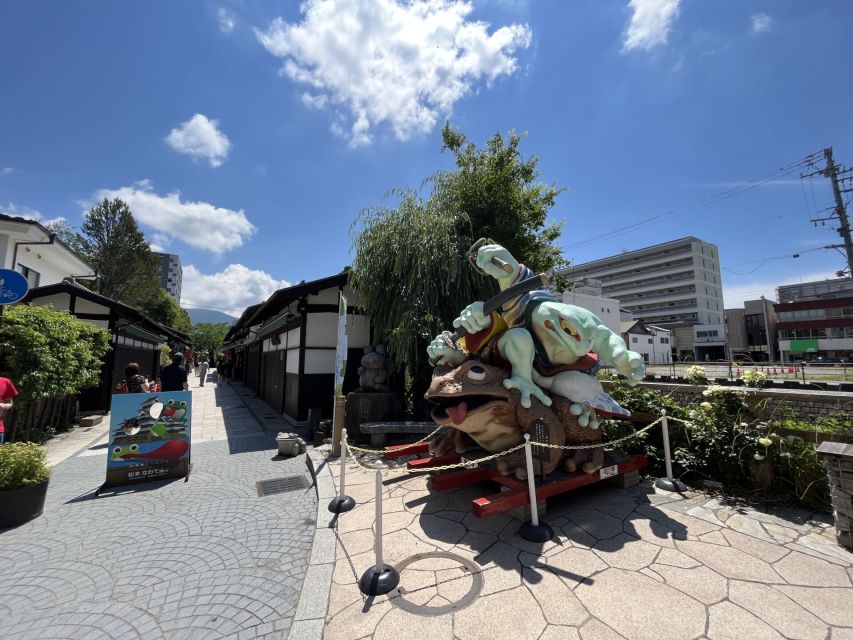
The day begins at Nawate-dori, also called Kaeru Michi, or Frog Street. This lively little shopping street runs near the river and is known for its frog theme. You will find frog sculptures, signs, souvenirs, and plenty of references to the street’s nickname.
The frog idea is more than a single statue placed for photographs. Shops sell frog-themed goods alongside everyday Japanese treats and local snacks. Look for o-senbei rice crackers, taiyaki fish-shaped pastries, dagashi candy, ice cream, and small gifts.
This is a good first stop because it gives you time to adjust to the day without immediately tackling the castle stairs. You can browse, take photographs, and pick up a snack before the main historical visit.
There are also shops, restaurants, cafés, and a temple in the surrounding area. One lunch possibility mentioned on the route is a regional fried chicken dish. Your guide may also point you toward a suitable local restaurant, which is especially useful if you have dietary needs.
The limitation is time. Nawate-dori is a short stop within a larger day, not a dedicated shopping outing. If you enjoy browsing every small shop, you may wish you had longer. Still, it is a pleasant and distinctive introduction to Matsumoto, and the frog theme keeps it from feeling like a generic commercial street.
Inside Matsumoto Castle’s six floors
Matsumoto Castle dates from the end of Japan’s Warring States Period, when rival warriors competed for territory and power. Much of the original structure remains, giving the visit a physical quality that modern reconstructions cannot match.
The castle is famous for its five exterior tiers and six interior stories. You climb all the way to the top with your guide, moving through narrow passages and steep wooden stairways. Take this seriously: the stairs are very steep and narrow in places. They are part of what makes the castle memorable, but they are not easy.
The interior is not arranged like a modern museum with wide corridors and elevators. You move through the same kind of compact spaces that helped defenders control the building. The design makes the castle feel practical rather than decorative.
Look for the intricate woodwork as you climb. The upper level gives you views over Matsumoto City, while the lower rooms contain historical guns, artifacts, and other objects connected with the warriors who used the castle.
The guide’s explanation helps turn these details into a story. You learn how the castle’s structure supported defense and gain a clearer picture of life during the period when it was built. Without that background, you might simply notice dark beams, small openings, and old weapons. With it, the building becomes easier to understand.
The guided castle visit is listed at about 2.5 hours, including time on the grounds and inside the tower. After the main explanation, you get free time to look around the castle area and visit nearby shops. That extra time is useful for photographs and a slower look at details you may have missed while following the group.
Plan your footwear well. Smooth or uncomfortable shoes will make the stairs harder, and winter conditions can add another challenge. The tour is not suitable for wheelchair users or people with mobility impairments.
Same city, a completely different kind of day:
- 1-Day Snow Monkeys, Zenko-ji Temple & Sake in Nagano
★ 5.0 · 1,020 reviews - Nagano: Snow Monkeys, Zenkoji Temple & Sake Day Trip
★ 4.9 · 833 reviews - From Tokyo: Snow Monkey 1 Day Tour with Beef Sukiyaki Lunch
★ 4.6 · 295 reviews - Tokyo: Snow Monkey & Nagano Customiseable Private Day Tour
★ 4.8 · 138 reviews
The road to Narai-juku
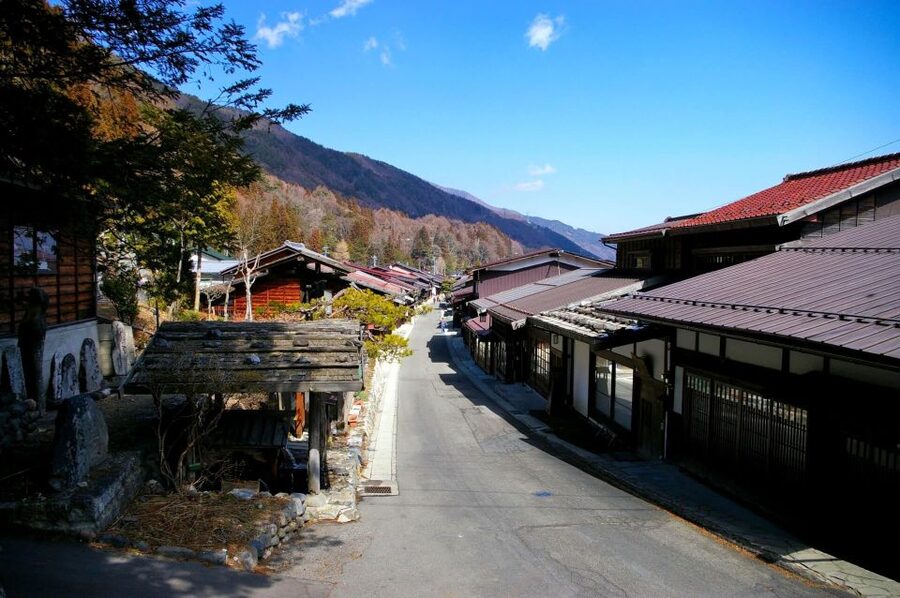
After Matsumoto, the bus continues for about an hour toward Narai-juku. This is a welcome change of mood. The castle visit is vertical, crowded with architectural details, and centered on defense. Narai-juku is horizontal and calm, with a long street of traditional buildings.
The drive offers views of fields and mountains, which may be snow-covered in colder months. Winter can be especially attractive, but it also calls for serious preparation. Snow may remain on the ground, so bring warm clothing and waterproof winter shoes rather than ordinary trainers.
The bus ride also explains why this tour is convenient. Narai-juku is part of the old Nakasendo route that once connected Tokyo and Kyoto. In the days before modern rail travel, people traveling this road needed places to rest, eat, and sleep. Narai-juku grew around that need.
You will not spend the whole day inside museums or heated buildings. The route is mainly outdoors, and weather can change quickly. Pack sunglasses, a sun hat, an umbrella, and rain gear, then dress in layers according to the season.
Walking the wooden street at Narai-juku
The guided walk begins near the train station at the entrance to Narai-juku. From there, you follow the main street through the old post town while your guide explains how the town was built and what made it important during its busiest period.
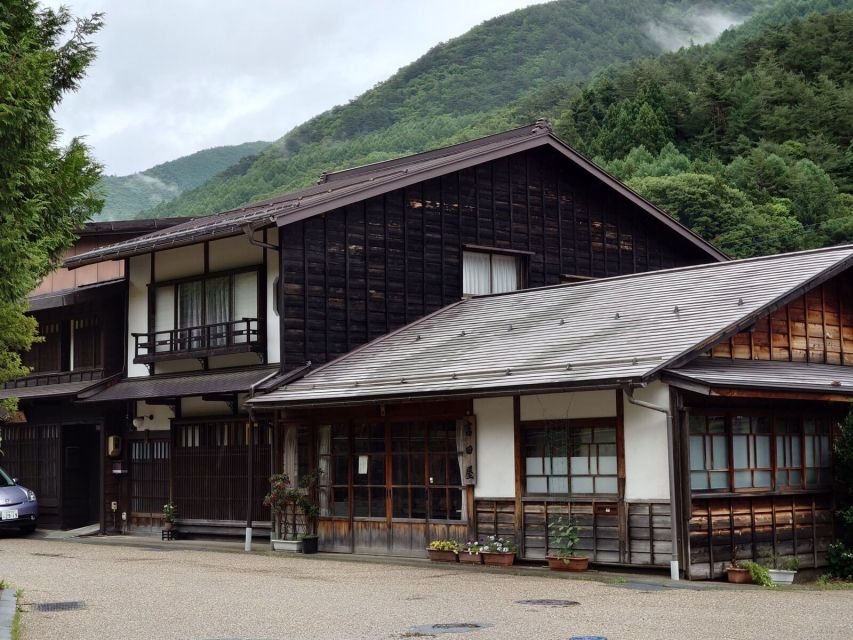
The appeal is the continuity of the street. Traditional wooden façades line the route, and the buildings give you a sense of how travelers once moved through a post town. This is not a single historic building surrounded by modern streets. The main road itself is the experience.
Narai-juku is also a useful counterpoint to Matsumoto. The castle shows the power of lords and warriors. Narai-juku shows the practical side of travel: inns, shops, food, crafts, and services for people making a long journey.
After the guided portion, you get about an hour of free time. You can browse local shops, stop at a café, or eat at a restaurant. Shops may have wood and lacquered handicrafts, along with other local goods.
Keep your expectations realistic. Narai-juku is small, and many businesses may close outside their busiest weekend periods. That can make the town feel quiet, but it also means you should not count on every shop or restaurant being open. Your guide can help you find a place to eat, though lunch is not included in the price.
One guide helped arrange a local meal of udon with meat and fish for about 10 euros per person, according to the experience shared by one couple. That is not a guaranteed menu or price for every date, but it shows the value of asking your guide for practical local advice.
A full day of bus time and walking
The transportation is one of the tour’s strongest practical features, but it also shapes the day. The listed route includes about 100 minutes to Matsumoto, another hour to Narai-juku, and about 2 hours and 15 minutes on the return journey.
That is a lot of time on the road. If you dislike long bus rides, you may find the schedule tiring. If you want to connect these two destinations without figuring out the route yourself, the same bus time becomes a major advantage.
The day also includes a reasonable amount of walking. You climb the castle’s six floors, walk through the castle grounds, stroll Nawate-dori, and cover the main street of Narai-juku. There may be pauses for food and free time, but this is not a sit-back-and-see-it-all-from-the-window excursion.
The outdoor focus makes the season important. In rain, you can still visit the planned sites, but an umbrella, waterproof layer, and shoes with good grip will make the day much more comfortable. In winter, wear proper warm clothing and waterproof footwear because snow may cover the ground.
What the guide adds
The guide is most useful at the points where the setting alone does not tell the full story. At Matsumoto Castle, you receive explanations about the samurai period, the castle’s structure, weapons, and the reasons the building is important. At Narai-juku, you learn how the old road shaped the town and why its buildings were arranged as they were.
The experience can feel quite personal when the group is small. On one April departure, two people were picked up directly at their hotel and had extra flexibility with timing and the program. You should not assume every departure will be private, but a small group can make it easier to ask questions and adjust the pace within the schedule.
Guides have also helped with food choices and added small cultural touches. Joyce taught origami during one outing, while Nadin took particular care with vegetarian dining. These details are not guaranteed, but they show the kind of practical support that can make a guided day easier.
The perfect transport score is worth noting, especially because the route covers three locations and a long return journey. Reliable transport is not a small perk here. It is what makes the day workable.
Who should book this Matsumoto and Narai-juku tour?
I would choose this trip if you are staying in Nagano or Matsumoto and want a broad introduction to the area in one day. It suits first-time visitors who want historical explanation rather than simply taking photographs and moving on.
It is also a good fit if you do not want to plan several regional connections. The bus links the two main stops, and the guide handles the transitions. You can spend your attention on the castle and post town instead of watching the clock for every train.
You should think twice if you need step-free access, dislike steep stairs, or have trouble walking for several hours. The castle tower has narrow stairs, Narai-juku is explored on foot, and the tour is not suitable for wheelchair users or people with mobility impairments.
It may also disappoint you if you want a relaxed, slow day in one place. Nawate-dori, Matsumoto Castle, and Narai-juku each deserve more time than this schedule can provide. The reward is variety, but the tradeoff is a fairly packed day.
Booking details that matter
The cost is $180 per person. It includes the English-speaking guide, transportation between the listed destinations, admission to Matsumoto Castle, the guided castle visit, and the guided walk at Narai-juku.
Lunch, snacks, and any additional travel costs are extra. Bring some spending money for food, sweets, café stops, and crafts. You can cancel up to 24 hours before departure for a full refund, and the reserve now, pay later option gives you some flexibility while your schedule is still changing.
Starting and ending points can include Nagano Station, Matsumoto Station, or Kokusai 21, depending on the option you select. Confirm both the pickup and drop-off locations before booking, especially if you have a hotel reservation or a train to catch afterward.
Should you book it?
Book this tour if you value efficient regional transport, strong historical explanation, and the chance to combine a major castle with a quieter old road town. Matsumoto Castle is the clear highlight, while Narai-juku gives the day its sense of place and contrast.
Skip it if you want a short outing, need easy walking conditions, or prefer to spend a whole day slowly exploring Matsumoto alone. For most active visitors based in Nagano or Matsumoto, the $180 cost is reasonable because it covers the hard-to-organize transport as well as the guide and castle admission.
FAQ
How long does the tour last?
It is a full-day experience. The listed transport includes about 100 minutes to Matsumoto, one hour to Narai-juku, and about 2 hours and 15 minutes for the return journey, along with guided visits and free time.
Where can I start the tour?
The available starting points are Kokusai 21, Matsumoto Station, and Nagano Station. The meeting point depends on the option you book.
What is included in the price?
The price includes an English-speaking guide, transportation between the destinations from Nagano and Matsumoto, admission to Matsumoto Castle, a guided castle visit, and a guided walk at Narai-juku.
Is lunch included?
No. Lunch is not included, so you should budget separately for a meal, snacks, and drinks. You have free time to eat at Matsumoto or Narai-juku.
Is the tour suitable for wheelchair users?
No. The tour is not suitable for wheelchair users or people with mobility impairments. Matsumoto Castle also has steep, narrow stairs, and both main stops involve walking.
What should I bring?
Bring sunglasses, a sun hat, an umbrella, rain gear, and clothing suited to the weather. In winter, wear warm clothing and waterproof winter shoes because snow is often present on the ground.
More 1-Day Tours in Nagano
- Private Nagano 1-Day Tour:Snow Monkeys,Zenko-ji,Obuse,Sake,Onsen
★ 5.0 · 71 reviews - 1 Day Tour: Snow Monkeys & Snow Fun in Shiga Kogen
★ 5.0 · 52 reviews - Nagano: 1-Day Snow Monkey & Cherry Blossom Tour in Spring
★ 4.8 · 51 reviews - Nagano: 1-Day Ski Tour Package from Nagano Station
★ 4.9 · 35 reviews
Just added around Nagano
- Nagano: 1-Day Ski Tour Package from Nagano Station★ 4.9 · 35 reviews
- Nagano Sake Tasting Walking Tour★ 5.0 · 17 reviews
- Nagano: Snow Monkeys & Togakushi Shrine Two-Spot in-One Day★ 4.9 · 35 reviews
- Nagano: Tateyama-Kurobe Guided Walking Tour★ 5.0 · 16 reviews
- Snow Monkeys & Best of Nagano: Togakushi, Zenko-ji and more★ 4.9 · 36 reviews
- From Nagano: Tateyama-Kurobe Alpine Route★ 4.8 · 45 reviews
- Food & Cultural Walking Tour around Zenkoji temple in Nagano★ 5.0 · 16 reviews
- 1 Day Tour: Snow Monkeys & Snow Fun in Shiga Kogen★ 5.0 · 52 reviews
Garden & Palace Tours, compared.

Imperial Palace and Shogun Historical Walking Tour
Read our review →
Tokyo Castle & Imperial PalaceーShogun Walking Tour
Read our review →
Nijo-jo Castle and Ninomaru Palace Guided Tour
Read our review →

Ultimate Osaka Walking Tour: Castle, Dotonbori & Hidden Gems
Read our review →Tokyo Castle & Imperial PalaceーShogun Walking Tour
Read our review →Browse the lists this tour appears in