
REVIEW · SNOW MONKEY & SKI TRIPS
From Tokyo: Snow Monkey 1 Day Tour with Beef Sukiyaki Lunch
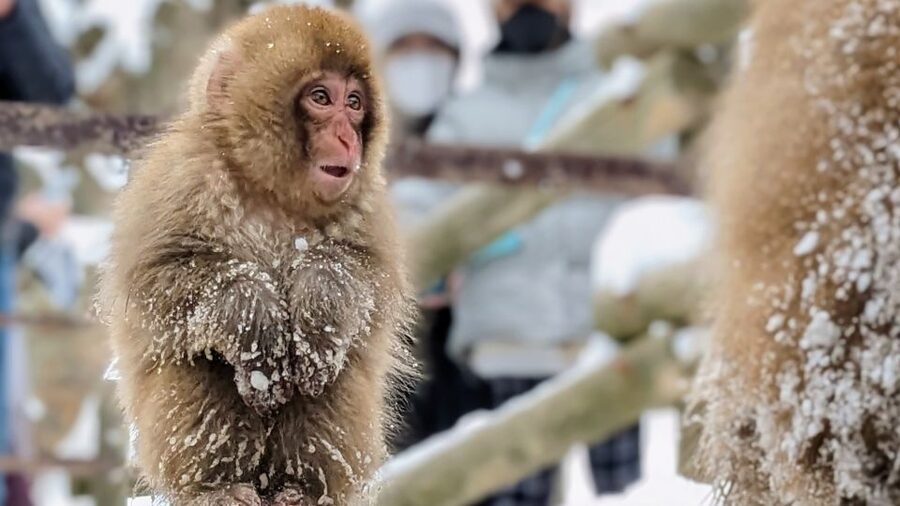
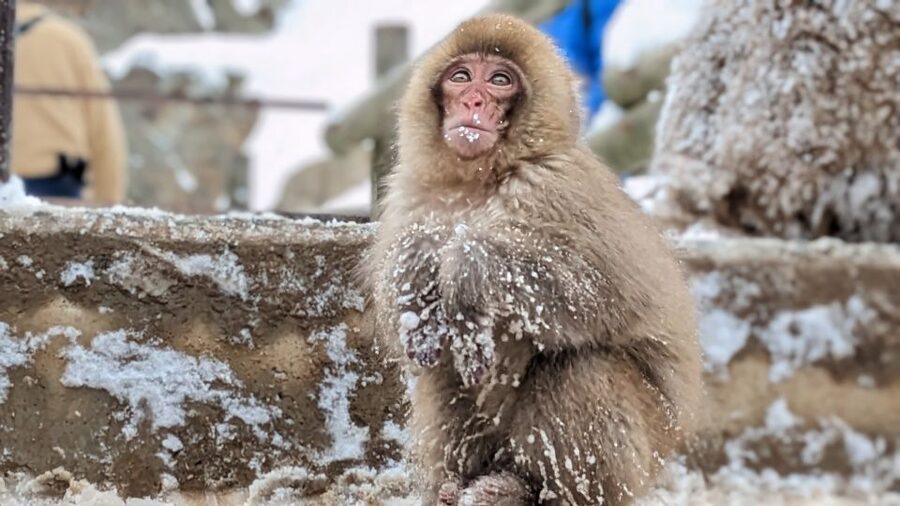
The real prize here is the walk into Jigokudani Monkey Park, where wild monkeys may sit in steaming springs while snow falls around them. I like the satisfying mix of a traditional sukiyaki lunch and a rare close look at animals that are used to people. The winter forest, snow-covered valley, and possible baby monkeys make this far more than a quick photo stop.
I also like the simple, useful setup: transport from central Tokyo, park admission, lunch, and an English-speaking guide are bundled together. The tradeoff is the long road day. You can spend up to three and a half hours each way on the coach, then walk more than 30 minutes on icy or muddy paths before reaching the monkeys.
In This Review
- Key points to know before you book
- Why the snow monkeys are worth a long day from Tokyo
- The Shinjuku meeting point needs careful planning
- The coach ride to Nagano is the main compromise
- A sukiyaki lunch breaks up the transfer
- The forest walk is part of the experience
- Two hours with the monkeys
- Seasonal Kamakura snow huts add a second winter stop
- What $151 buys you
- How to prepare for a smoother day
- Who should book this day trip
- Should you book it?
- FAQ
- How long does the tour last?
- Where does the tour begin?
- Where does the tour finish?
- Is hotel pickup included?
- What lunch is served?
- Are drinks included with lunch?
- Is seeing monkeys in the hot springs guaranteed?
- How difficult is the walk to the monkey park?
- When are the Kamakura snow huts included?
Key points to know before you book
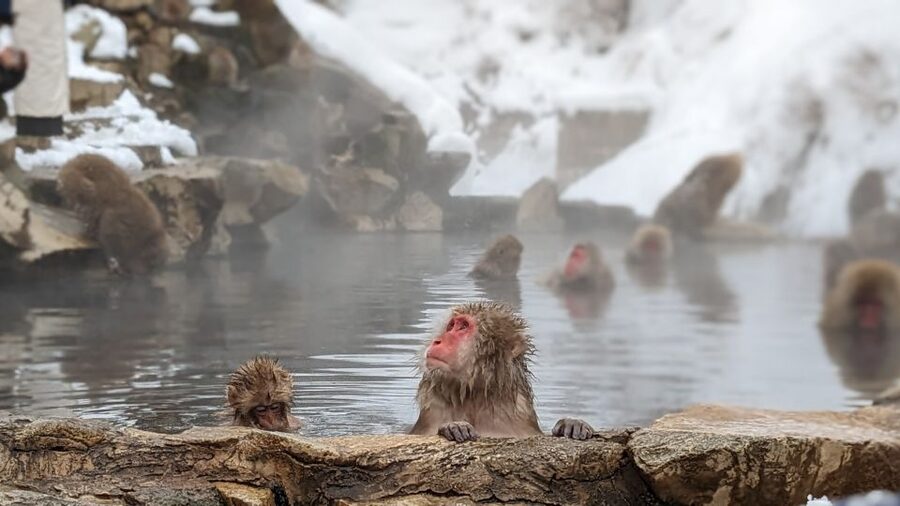
- The monkeys are wild: You can watch them close by, but hot-spring sightings are never guaranteed.
- The walk is tougher than the wording suggests: Snow, ice, mud, and an uphill forest path call for snow boots or non-slip shoes.
- The bus ride takes most of the day: Service-area stops help, but the trip can run about 12 hours or longer.
- Sukiyaki is the standard lunch: Request pork, vegetarian, or vegan food when booking. Fish and chicken are not available.
- Kamakura snow huts are seasonal: They are included only from January 23 through March 1, 2026.
- Guides can make a big difference: Guides such as Ichiro, Mai, Maki, Kubo, Ken, and Thomas received especially warm praise for humor, care, and clear organization.
Why the snow monkeys are worth a long day from Tokyo
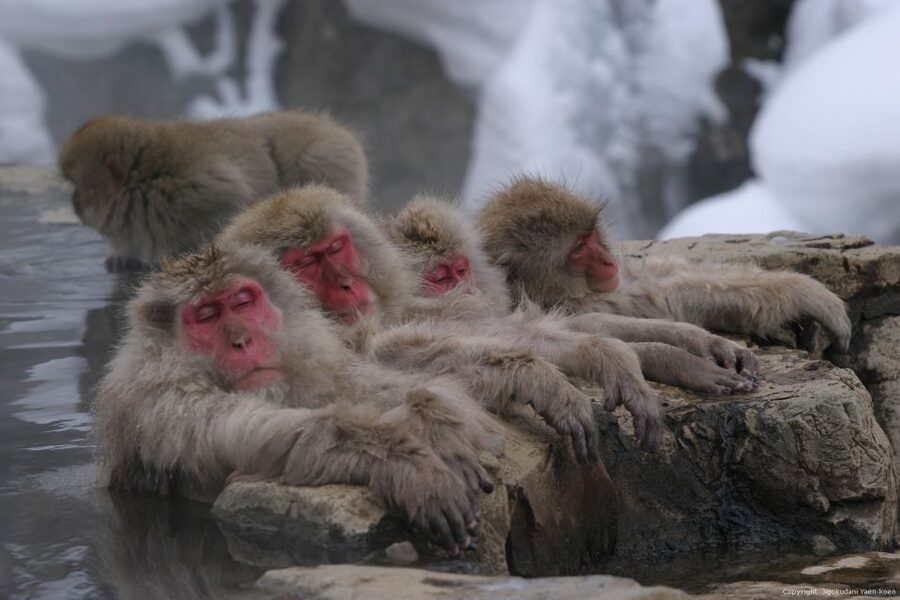
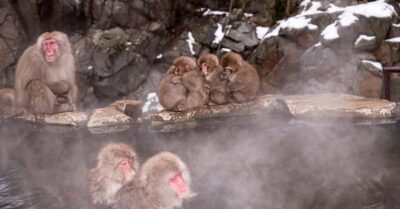
Jigokudani means Hell Valley, a fitting name for a place shaped by steam, cold mountain air, and rugged volcanic terrain. The park sits in Nagano Prefecture, far from Tokyo’s bright city streets. In winter, the setting becomes wonderfully strange: snow-covered trees frame a warm pool, and monkeys move through the scene as if the cold were no concern at all.
The monkeys do not perform for you. They come and go as wild animals, and they may spend little or no time in the water. That matters. You should book this for the chance to observe natural behavior, not for a guaranteed picture of every monkey sitting in a hot spring.
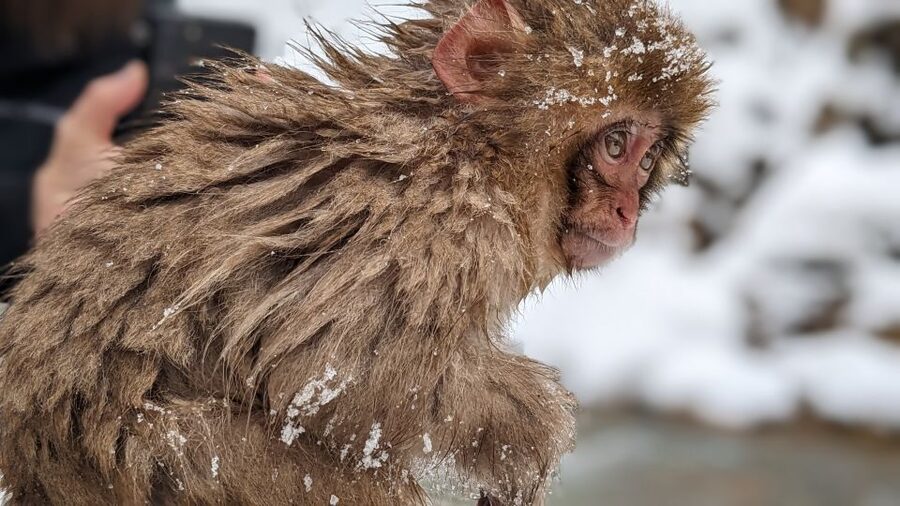
When conditions line up, the sight is memorable. You might see groups resting together, younger monkeys playing, or animals walking right past the viewing area. The monkeys are accustomed to human presence, which allows close photographs, but you must not touch, feed, or stare directly at them. Territorial behavior is possible, so give them respectful space.
The park visit lasts about two hours. That gives you time to walk in, watch the animals, take photographs, and return without needing to rush every step. Still, some people would prefer a longer stay, especially after making such a long journey. I would treat the two hours as enough for the main experience, but not as generous free time.
More Snow Monkey & Ski Trips in Nagano
- Tokyo: Snow Monkey & Nagano Customiseable Private Day Tour
★ 4.8 · 138 reviews - Nagano/Tokyo: Snow Monkey and Zenkoji Temple Private Tour
★ 4.8 · 54 reviews - Snow Monkey & Shibu Onsen Afternoon Tour (Depart: Iiyama & Nozwa)
★ 5.0 · 54 reviews
The Shinjuku meeting point needs careful planning
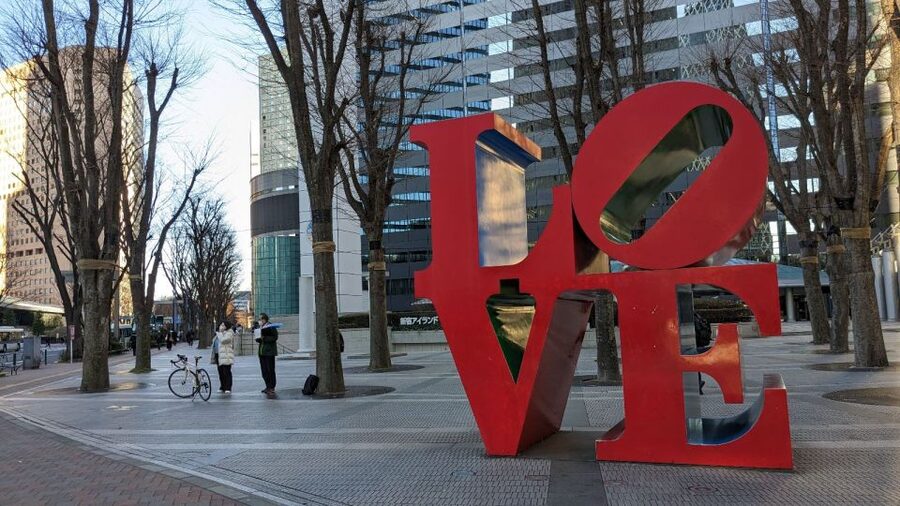
The day begins near the Nishi Shinjuku LOVE sculpture outside the Shinjuku i-Land building at 6-chome 5-1. This is a central location, but large Tokyo districts can be confusing when you are moving quickly, especially before sunrise or during a first visit.
I would arrive early and identify the sculpture and the Shinjuku i-Land building before the departure morning. One past departure became stressful because several people had trouble finding the correct road to the meeting point. The coach leaves at the scheduled time, and there is no refund for latecomers.
The tour is open to one participant or more, which is useful if you are traveling alone. You meet the guide at the designated point rather than receiving a hotel pickup. At the end, the coach returns to central Tokyo and finishes at Tokyo Mode Gakuen. There are no hotel pickups in central Tokyo and no drop-offs in Nagano Prefecture.
The tour is intended for international tourists. Guides may speak English and Japanese, and the advertised guided service is in English. Group size can change, so your vehicle may be a medium or small coach.
The coach ride to Nagano is the main compromise
The road journey can take up to three and a half hours each way, with two or three stops at service areas. That is a lot of sitting for a single attraction, though the stops break up the ride and give you a chance to use the facilities, stretch, and buy drinks or snacks.
Traffic returning to Tokyo can make the day longer. Some departures have lasted around 12 hours, and difficult winter roads can add time. One group dealt with icy roads and traffic jams, yet the driver and guide kept the day moving safely. The schedule and route can change with road conditions, so do not plan an important evening reservation too close to the expected return.
Coach comfort is adequate rather than luxurious. One person found the bus a little small, and another noted that the seats did not recline. If long rides bother you, bring a book, tablet, or other quiet entertainment. I would also carry water, since drinks are not included, and keep your warm layers accessible rather than buried in the luggage area.
The upside is convenience. Reaching Jigokudani independently from Tokyo takes planning, train connections, local transport, and a separate park visit. This coach handles the long transfer and park admission in one package. You pay for time saved in planning, not for a fast journey.
A sukiyaki lunch breaks up the transfer
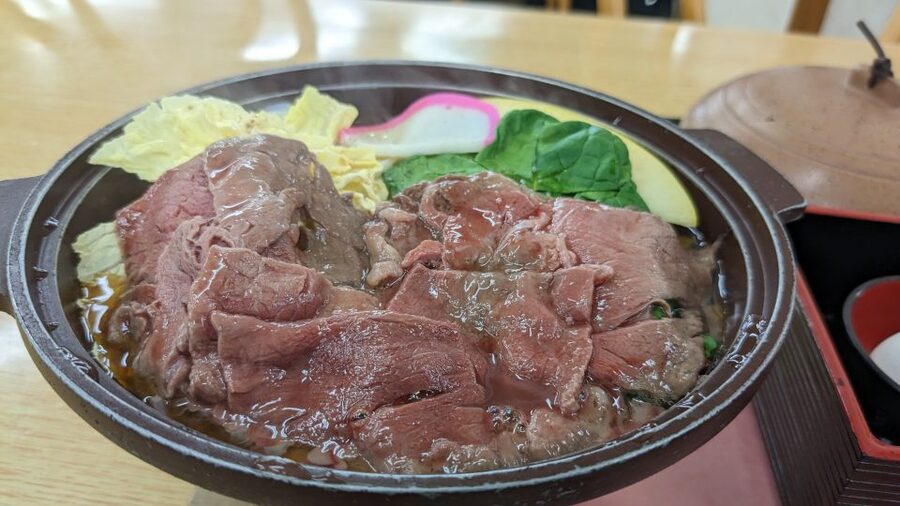
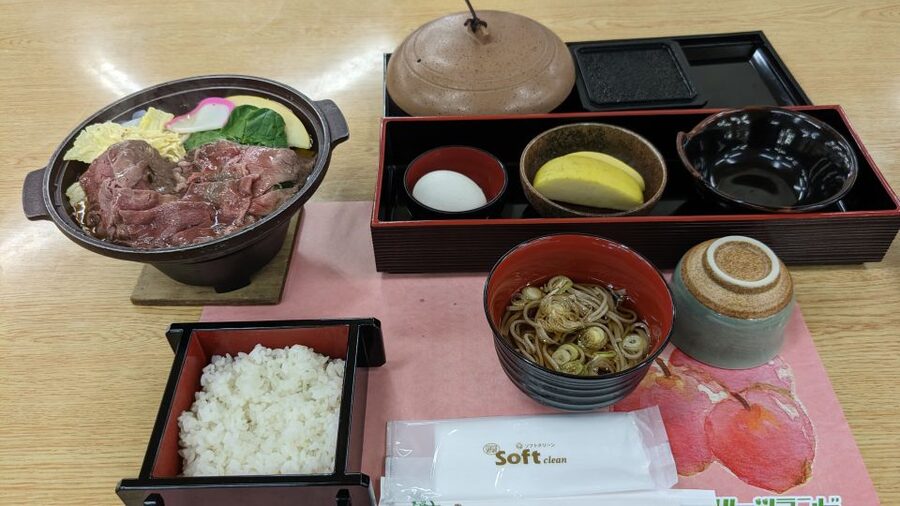
After roughly three hours on the road, the group stops at Shinshu Fruitsland for lunch. The featured meal is beef sukiyaki, a Japanese hot-pot dish in which thinly sliced beef is cooked with vegetables in a sweet and savory broth. It is a fitting meal for a cold winter day and gives the trip a clear pause before the final ride to the park.
The lunch is part of the price, which helps the $151 cost feel more reasonable. Several people found it delicious or good, while one person considered it basic. I would set your expectations at a pleasant included meal rather than a special dining event.
If beef is not suitable, send a request when you reserve. Pork is available, along with a vegetarian option containing egg and dairy or a fully plant-based vegan meal. Fish and chicken are not available. This is an important detail, since the default meal is beef sukiyaki and alternatives need to be arranged ahead of time.
Drinks are not included. Use the service stops to buy what you need, or bring a bottle for the coach.
Same city, a completely different kind of day:
- 1-Day Snow Monkeys, Zenko-ji Temple & Sake in Nagano
★ 5.0 · 1,020 reviews - Nagano: Snow Monkeys, Zenkoji Temple & Sake Day Trip
★ 4.9 · 833 reviews - Matsumoto Castle Tour & Samurai Experience
★ 4.9 · 128 reviews - 1-Day Tour from Nagano and Matsumoto Kamikochi & Matsumoto Castle
★ 5.0 · 105 reviews
The forest walk is part of the experience
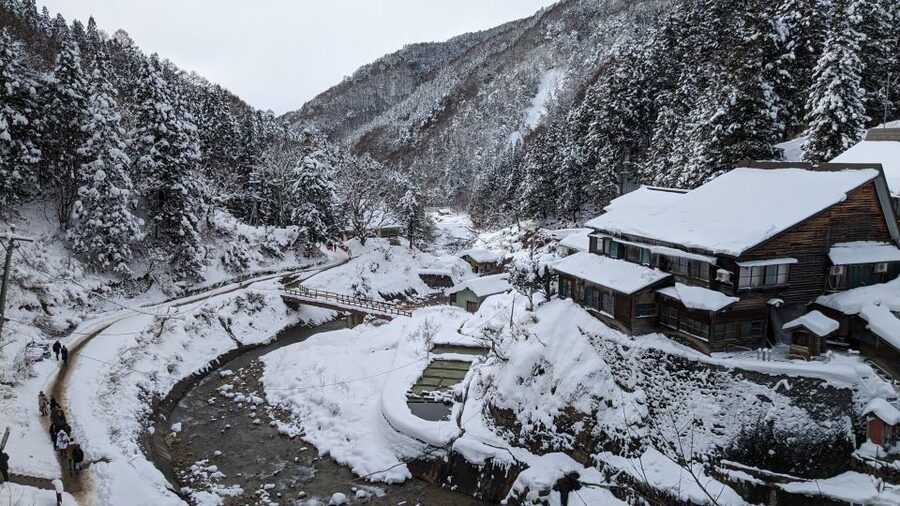
After lunch, the coach takes about 30 minutes to reach the Jigokudani area. The parking area is not beside the springs. You walk more than 30 minutes each way along a forest route, with some uphill sections and winter footing.
In good conditions, the route is manageable. In snow or freezing weather, it can become slippery, muddy, or uneven. Hardened snow can be especially awkward because it offers less grip than fresh powder. Several people found the walk well worth the effort, but one description of the route as moderate walking understated the challenge.
Bring warm clothes, waterproof trousers, and proper footwear. Snow boots with good tread are the safest choice. Optional crampons are sold on the bus, but I would not wait until the last moment to think about traction. Comfortable city trainers are a poor match for an icy forest path.
The walk is not just a hurdle before the main attraction. It gives you a quiet change of pace from the highway and leads through the snowy Jigokudani valley. You get mountain scenery, cold forest air, and the anticipation of reaching the springs. Still, this is not a suitable outing for wheelchair users, and it may be uncomfortable for anyone with limited mobility or a serious balance problem. Pregnant women are also listed as unsuitable for the activity.
One guide stayed beside a participant using a cane and helped make the hike possible. That suggests the staff may offer thoughtful assistance, but you should not count on personal support replacing suitable fitness, footwear, or medical advice.
Two hours with the monkeys
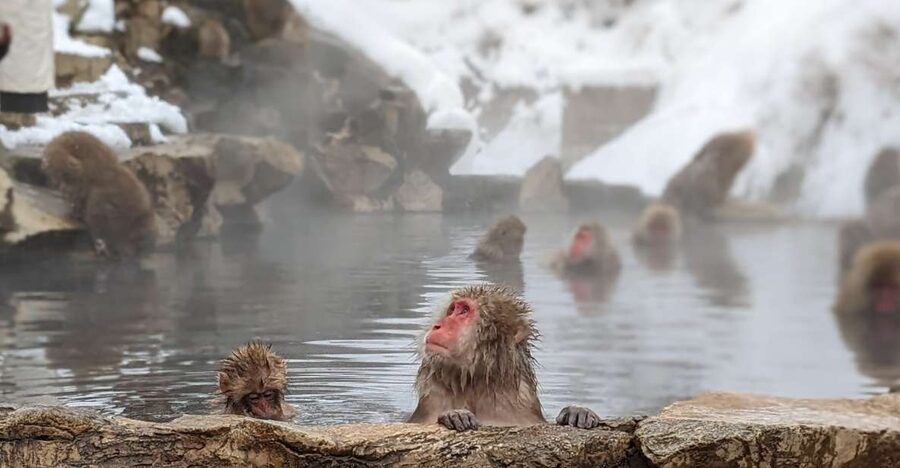
At the park, you can move around the viewing area and watch the monkeys at close range. They may bathe, groom one another, walk along the paths, or ignore the water entirely. The most famous image is a monkey relaxing in the spring during snowfall, but nature does not follow a tour schedule.
The best chance of seeing monkeys in the hot springs is generally during colder weather. From mid-March, they may not enter the water depending on the day. Even in late March, snowfall can improve your chances. A clear spring day may still give you monkeys, but not the classic bathing scene.
Your guide will explain the timing and meeting arrangements, and guides such as Mai, Maki, Ken, and Kubo were praised for keeping groups informed. Others, including Ichiro and Thomas, were remembered for adding humor and useful commentary during the long day. Guide quality can vary from departure to departure, but the strongest pattern is attentive, friendly staff who keep the logistics clear.
Follow the park rules. Do not touch or feed the monkeys, and avoid direct eye contact. Do not leave food or rubbish behind. The close distance is exciting precisely because the animals behave naturally, so your restraint protects the experience for everyone.
Seasonal Kamakura snow huts add a second winter stop
If you travel from January 23 to March 1, 2026, the tour also includes Kamakura no Sato, a village of snow huts. These domes are illuminated and create a small winter spectacle after the monkey park visit.
The huts offer a useful second focus for the day. If the monkeys do not enter the springs, you still have another seasonal sight to enjoy. The stop is not included outside the stated dates, so check your travel period carefully before assuming it is part of the experience.
The snow huts are not the main reason to book this tour. The monkey park and forest walk are the core of the day. But during the correct winter window, the lights and snow structures add variety and give the return journey a welcome break.
What $151 buys you
At $151 per person, this is not a cheap day trip. The value depends on how much you value simplicity. You receive coach transport from Tokyo, a guide, lunch, and the Jigokudani entry fee. During the January 23 to March 1 period, the Kamakura snow-hut entry fee is also included.
The alternative is arranging the long trip yourself. That can give you more control, but it also means handling the transport to Nagano, local connections, park tickets, food, and winter timing on your own. If you have only a few days in Tokyo, the organized option is easier to price and easier to manage.
The weak point is time efficiency. You may spend about seven hours on the road for roughly two hours at the park, plus lunch and the seasonal stop. That ratio will frustrate you if you dislike long transfers. It makes more sense if the snow monkeys are high on your Japan wish list and you would rather pay for a direct plan than spend a separate overnight in Nagano.
Free cancellation is available up to 24 hours before departure, and you can reserve while paying later. Those terms make planning less risky, but they do not protect you from missing the meeting point or from failing to see monkeys in the springs.
How to prepare for a smoother day
I would pack for the cold, not for Tokyo. Bring a warm coat, gloves, comfortable layers, and shoes with strong grip. Waterproof trousers are a smart addition if snow or mud is expected.
Arrive early at the LOVE sculpture. Keep your reservation details easy to find, and do not assume the coach can wait. Carry water and a snack for the road, since drinks are excluded and the return journey may be lengthy.
Keep your camera ready, but do not let photographs replace watching the animals. The monkeys may pass close by, yet they remain wild. Follow staff instructions, avoid eye contact, and never attempt a selfie that brings you into their space.
I would also leave your Tokyo evening flexible. Road conditions, traffic, and winter weather can change the return time. A relaxed final night is a better match than a prepaid show or restaurant reservation.
Who should book this day trip
You should book it if seeing the snow monkeys is a personal highlight of Japan, you are comfortable with a long coach journey, and you can manage a snowy forest walk. It is also a strong fit for solo visitors who want transport, food, and a guide handled in one booking.
Families with older children may appreciate the unusual wildlife encounter, but younger children need to cope with the cold, the long bus ride, and the slippery path. Anyone with limited mobility should think carefully, since the activity includes a substantial walk and is not suitable for wheelchair users.
You may want another plan if you need guaranteed animal behavior, dislike sitting on buses, or have only one free day in Tokyo and cannot risk a late return. The trip is also less appealing outside the coldest winter period, when hot-spring bathing becomes less likely.
Should you book it?
I would book this tour when the snow monkeys are a must-see and your schedule favors convenience over speed. The best parts are genuinely special: the snowy approach through Jigokudani, the chance to watch monkeys at close range, a warm sukiyaki lunch, and the added snow huts during the winter dates.
I would skip it if the eight-hour road commitment sounds miserable or if you expect a guaranteed hot-spring scene. Go prepared for a long day, icy footing, and wild animals that make their own decisions. With that mindset, the $151 price is fair for a rare experience that is difficult to arrange as easily from Tokyo.
FAQ
How long does the tour last?
The activity lasts one day. The coach journey can take up to three and a half hours each way, and some departures have lasted about 12 hours in total.
Where does the tour begin?
Meet the guide by the Nishi Shinjuku LOVE sculpture outside the Shinjuku i-Land building at Nishishinjuku 6-chome 5-1.
Where does the tour finish?
The tour returns to central Tokyo and finishes at Tokyo Mode Gakuen.
Is hotel pickup included?
No. The tour does not include hotel pickup or hotel drop-off. You must reach the central Tokyo meeting point yourself.
What lunch is served?
The standard meal is beef sukiyaki. You can request pork, vegetarian food containing egg and dairy, or a fully plant-based vegan meal when you make your reservation. Fish and chicken are not available.
Are drinks included with lunch?
No. Drinks are not included.
Is seeing monkeys in the hot springs guaranteed?
No. The monkeys are wild and may not enter the springs. From mid-March, weather can make hot-spring sightings less likely, though snowfall in late March may improve the chance.
How difficult is the walk to the monkey park?
It takes more than 30 minutes to walk from the parking area to Jigokudani Monkey Park, and the route can be snowy, icy, muddy, and uphill. Non-slip shoes or snow boots are recommended.
When are the Kamakura snow huts included?
The snow huts are included for departures from January 23 through March 1, 2026.
More 1-Day Tours in Nagano
- Private Nagano 1-Day Tour:Snow Monkeys,Zenko-ji,Obuse,Sake,Onsen
★ 5.0 · 71 reviews - 1 Day Tour: Snow Monkeys & Snow Fun in Shiga Kogen
★ 5.0 · 52 reviews - Nagano: 1-Day Snow Monkey & Cherry Blossom Tour in Spring
★ 4.8 · 51 reviews - Nagano: 1-Day Ski Tour Package from Nagano Station
★ 4.9 · 35 reviews
More Lunch Experiences in Nagano
- Bike Tour Exploring North Kyoto plus Lunch
★ 5.0 · 1,087 reviews - Tokyo: Mt.Fuji & Lake Kawaguchiko 1-Day Bus Tour w/Optional Lunch
★ 4.5 · 839 reviews - Osaka/Kyoto: Arashiyama, Nara & Fushimi Inari Shrine w/Lunch
★ 4.4 · 754 reviews - Kyoto Zen Meditation & Garden Tour at a Zen Temple with Lunch
★ 5.0 · 441 reviews
Just added around Nagano
- Nagano: 1-Day Ski Tour Package from Nagano Station★ 4.9 · 35 reviews
- Nagano Sake Tasting Walking Tour★ 5.0 · 17 reviews
- Nagano: Snow Monkeys & Togakushi Shrine Two-Spot in-One Day★ 4.9 · 35 reviews
- Nagano: Tateyama-Kurobe Guided Walking Tour★ 5.0 · 16 reviews
- Snow Monkeys & Best of Nagano: Togakushi, Zenko-ji and more★ 4.9 · 36 reviews
- From Nagano: Tateyama-Kurobe Alpine Route★ 4.8 · 45 reviews
- Food & Cultural Walking Tour around Zenkoji temple in Nagano★ 5.0 · 16 reviews
- 1 Day Tour: Snow Monkeys & Snow Fun in Shiga Kogen★ 5.0 · 52 reviews
Snow Monkey & Ski Trips, compared.

Nagano Snow Monkey 1 Day Tour with Beef Sukiyaki Lunch from Tokyo
Read our review →
Nagano Tokyo: Snow Monkey Private Day Tour Hotel Pick & Drop
Read our review →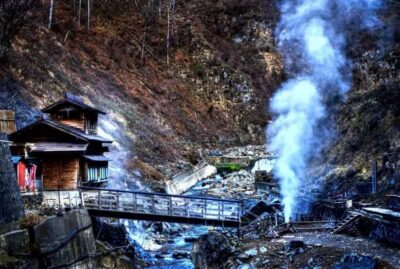
Snow Monkey & Shibu Onsen Afternoon Tour (Depart: Iiyama & Nozwa)
Read our review →
1-Day Snow Monkey & Cherry Blossom Tour in Spring
Read our review →
Browse the lists this tour appears in