
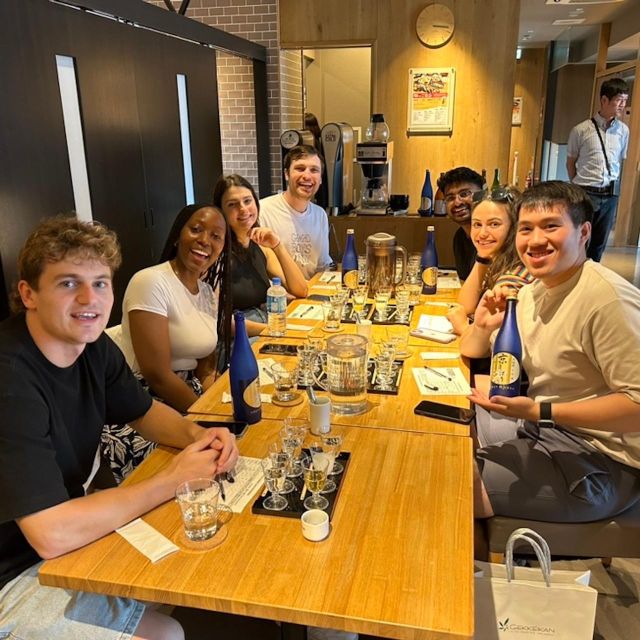
REVIEW · SAKE & BAR HOPPING TOURS
Kyoto: Insider Sake Experience with 7 Tastings and Snacks
Kyoto’s sake scene becomes much easier to understand when you taste several styles side by side instead of guessing from a Japanese label. This 90-minute class explains brewing, rice polishing, regional differences, serving temperature, and food pairing in plain English, then puts the lesson into your glass.
I like two things in particular: the tasting helps you identify your own preferences, and the food pairings show how much a sake can change with a bite of food. The small, dedicated room also gives the session a calm, personal feel. The one drawback is practical: seven pours are generous enough that you should eat beforehand and arrange a safe way home.
In This Review
- Key points at a glance
- Why this class works for sake beginners
- Arrival and the dedicated tasting room
- The opening lesson: rice, brewing, and flavor
- Seven pours, seven ways to understand sake
- The food pairing: why the same sake can taste different
- The hands-on bottle-reading lesson
- Hot or cold, and when to order sake
- Is $66 a fair price?
- Who should book this Kyoto experience?
- Planning your afternoon around the tasting
- Should you book it?
- FAQ
- How long does the Kyoto sake experience last?
- How many sake tastings are included?
- Is the experience offered in English?
- Are food pairings included?
- Can someone under 20 drink sake during the experience?
- Can I arrive by car or bicycle?
Key points at a glance
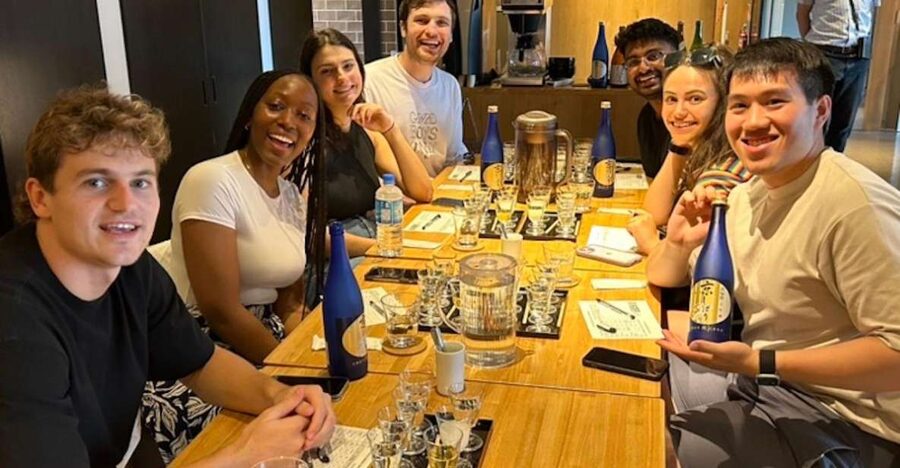
- Seven substantial tastings: Compare a broad range of sake styles, from dry and crisp to sweet and fruity.
- A lesson you can use later: Learn to read bottle labels and menu terms instead of ordering at random.
- Food changes the flavor: Try sake on its own, then with Japanese otsumami to see which combinations work.
- Friendly English-speaking instructors: Guides have included Mayo, Kotaro, Kiyomi, Greg, Shogo, Rieko, and others.
- A focused indoor setting: The tasting takes place in its own room, not as a rushed stop at a crowded bar.
- Good value at $66: The price includes the guide, tastings, snacks, tasting notes, and a sake cheat sheet.
Why this class works for sake beginners
Sake is often treated as if it were one drink. It is not. Bottles can be dry, sweet, floral, fruity, light, full-bodied, fragrant, or pleasantly sharp. Labels may include useful clues, but those clues are not always easy to interpret during a busy dinner.
This experience gives you a simple way into the subject. You taste different styles in a planned order, listen to an explanation of how each is made, and record what you like. I appreciate that approach because it turns sake from a mystery into a personal choice.
You do not need to arrive already interested in premium sake. The class is designed for people who enjoy Japanese food but feel uncertain when faced with a long sake menu. It also suits anyone who has tried sake hot in the past and assumed that was the whole story.
The English-speaking guides take different approaches, but the central lesson remains practical. Mayo has been praised for making technical points funny and easy to follow. Kotaro has helped participants understand labels and pairings without making the class feel stiff. Kiyomi, Greg, Shogo, Rieko, and other instructors have also led sessions, so the exact personality of your class can vary.
More Sake & Bar Hopping Tours in Kyoto
- Kyoto Night Foodie Tour in Gion (9+ dishes + 6 Sake tastings)
★ 5.0 · 1,762 reviews - 3-Hour Kyoto Insider Sake Brewery Tour with Tastings & Pairings
★ 5.0 · 917 reviews - Arashiyama Bamboo, Temple, Monkeys, or Secret Sake Brewery
★ 4.8 · 886 reviews
Arrival and the dedicated tasting room
You meet at the venue and speak with the staff at the counter when you arrive. There is no hotel pickup, and you need to make your own way there. Since the experience lasts only 90 minutes, I would allow extra time to find the room and arrive early rather than cutting it close.
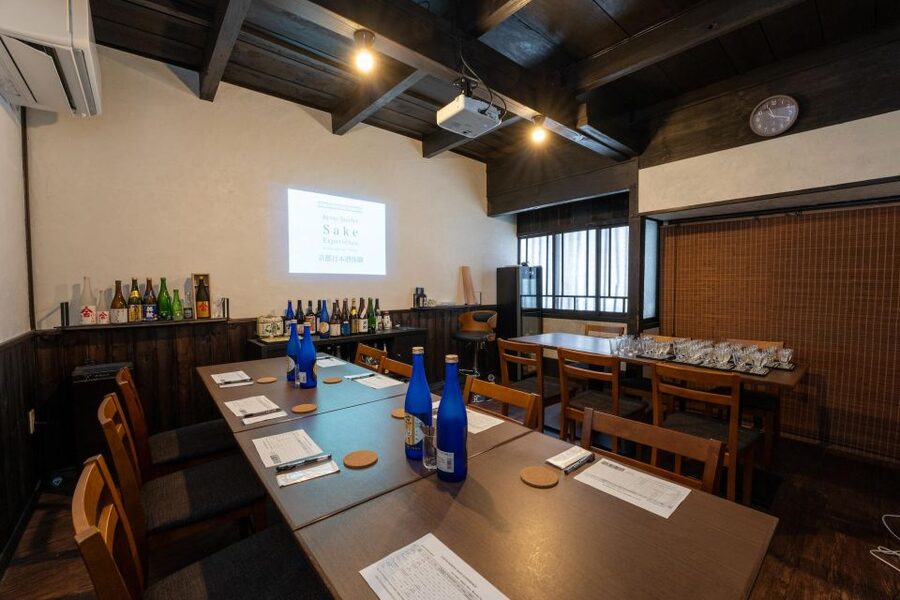
The tasting is held in a dedicated room. That matters more than it may sound. You are there to listen, compare aromas and flavors, ask questions, and handle the tasting notes. A quiet, intimate room is better suited to that than a noisy restaurant table.
The available feedback points to small groups on some dates, including one session with only four people. Group size can vary, so you should not assume every departure will be that intimate. Still, the format is built around direct teaching rather than a large lecture.
Strong fragrances are not allowed. That is sensible in a tasting room, since perfume or cologne can make it harder to notice sake’s delicate aromas. Bikes are also not allowed, and anyone arriving by car or bicycle will not be served alcohol for safety and legal reasons.
The opening lesson: rice, brewing, and flavor
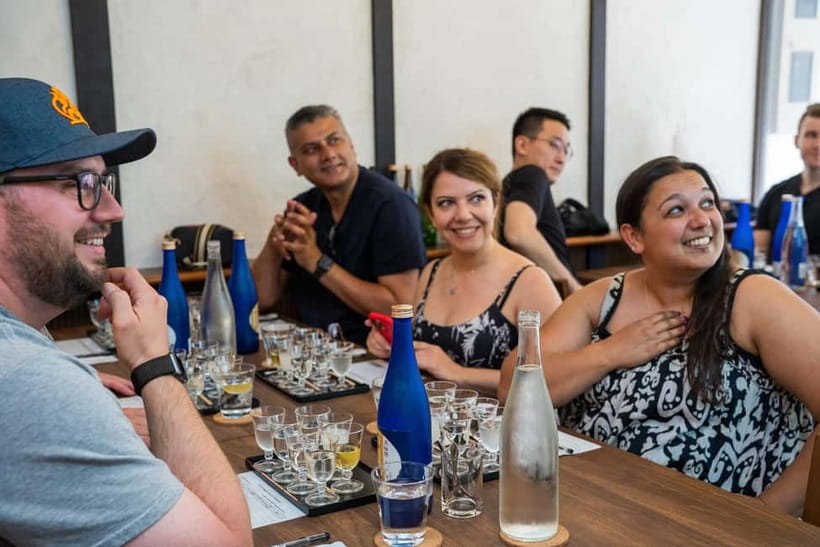
The first part gives you the framework needed for the tasting. You learn how sake is brewed, what ingredients matter, and how production choices affect flavor, quality, and style.
Rice polishing receives particular attention. The outer part of the rice grain contains elements that can contribute heavier flavors, while polishing exposes more of the starchy center. You get to connect that idea to the actual drink rather than memorizing a term for a quiz.
The class also explains how regional differences and brewing methods influence the final bottle. The point is not to make you a sake brewer in an hour and a half. It is to help you understand why two bottles that look similar can taste very different.
This opening section is one of the strongest parts of the experience because it gives purpose to each sip. Instead of hearing a guide say that one sake is more polished or more fragrant and simply taking it on faith, you have a reason to look for a difference.
The presentation is generally concise, but it is not rushed. A good instructor leaves room for questions, and the sessions led by Mayo, Kiyomi, Greg, Kotaro, Shogo, and Rieko have been praised for clear explanations and an easy sense of humor.
Seven pours, seven ways to understand sake
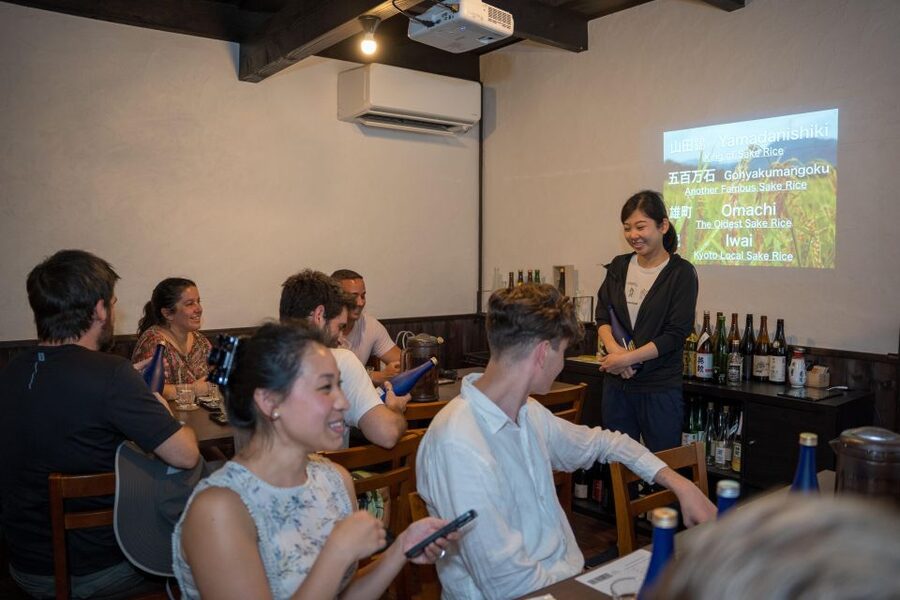
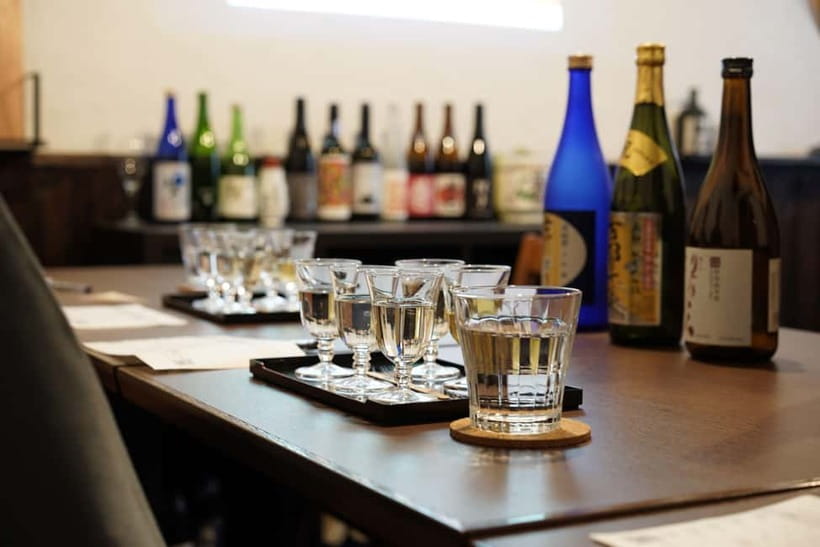
The tasting itself is the heart of the class. You sample seven sake pours, with the selections drawn from a broader set of 10 or more types chosen by a certified sake sommelier. The exact bottles may change, but the purpose is consistent: show you a useful range rather than offer seven versions of the same style.
Expect contrasts such as:
- Dry and crisp sake
- Sweeter, fruitier styles
- Different levels of fragrance and body
- Bottles shaped by different polishing levels and brewing choices
- Sake that works better alone and sake that comes alive with food
You taste and compare rather than simply drink through a flight. The guide encourages you to notice what you smell, how the sake feels in your mouth, and what remains after swallowing. You can mark your reactions on the tasting note, which helps you avoid the common problem of remembering only that one glass was good.
I like that the class does not push you toward one supposedly correct style. The goal is to discover what you prefer. Some people favor clean, dry sake. Others prefer a softer, fruitier pour. You may also find that your favorite sake changes once food enters the picture.
The portions are described as generous, so this is not a token sampling. It is still a tasting rather than lunch, and one previous participant advised having a snack before arriving. That is especially useful if you are not used to drinking several alcoholic pours in a short period.
Same city, a completely different kind of day:
- PERFECT KYOTO 1-Day Bus Tour
★ 5.0 · 13,518 reviews - Kyoto: Fushimi Inari, Kinkakuji, Bamboo Grove 1 Day Bus Tour
★ 4.8 · 4,316 reviews - Kyoto: Tea Ceremony in a Traditional Tea House in Kiyomizu
★ 4.9 · 3,519 reviews - Kyoto Geisha Walking Tour: Gion District & Hidden Gems
★ 4.7 · 3,273 reviews
The food pairing: why the same sake can taste different
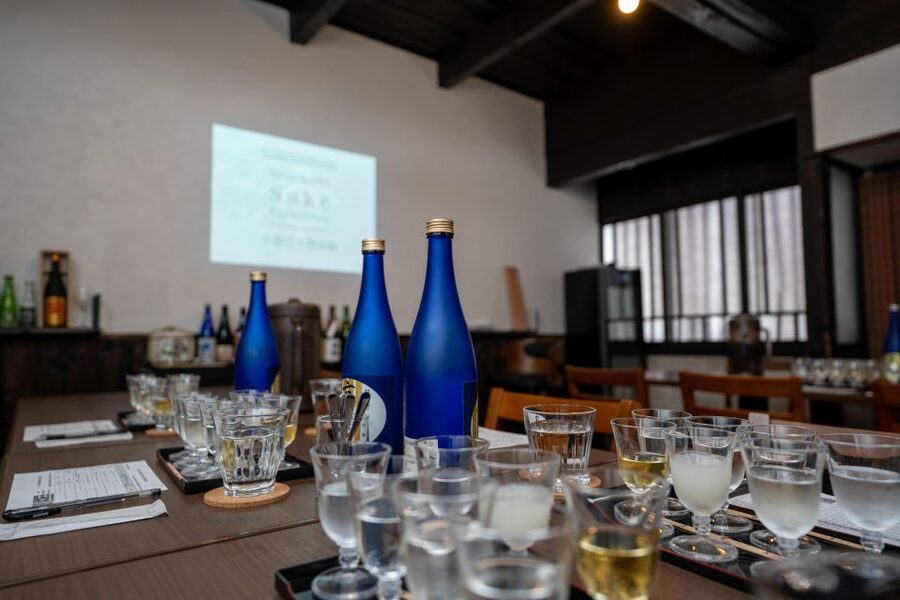
Japanese otsumami, or small traditional appetizers, accompany the tasting. You first taste the sake by itself, then try it with food. This order lets you notice the effect clearly.
The pairing is not just an extra plate of snacks. It is part of the lesson. A sake that seems too sharp or plain on its own may become more balanced with food. Another may taste sweeter, rounder, or more fragrant after a bite.
This is particularly useful if you plan to eat sushi, grilled dishes, or other Japanese food during your trip. You learn that pairing is not simply about matching a dry drink with one dish and a sweet drink with another. Texture, salt, richness, and seasoning all affect how the drink comes across.
The food is tasting-sized, not a full meal. Reports from the session describe the pairings as generous enough to demonstrate the point, but you should still eat something beforehand. Vegetarian requests have been accommodated, and vegetarian substitutions have been described as good. Tell the guide about food preferences or allergies at the venue before the tasting starts.
The hands-on bottle-reading lesson
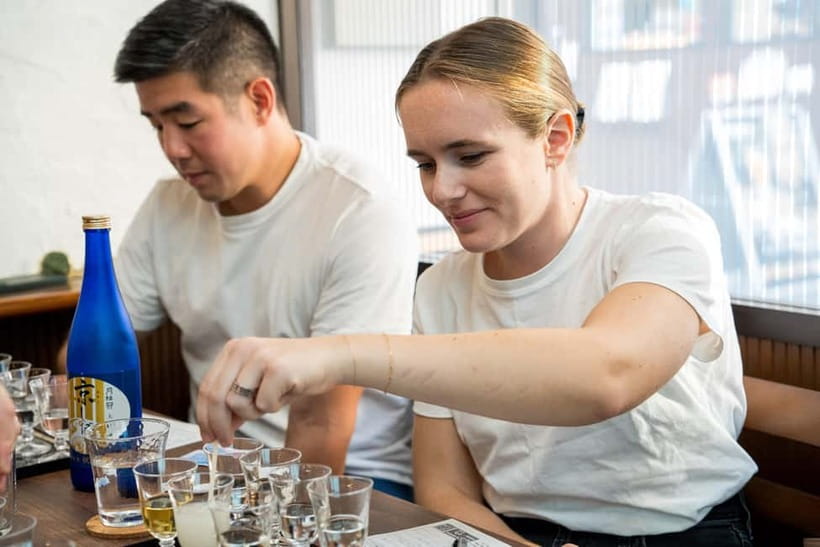
One of the most useful parts comes when you learn how to read a sake bottle and menu. This turns the class into a practical travel skill.
You may handle a bottle and identify key information rather than just watch the guide point to a label. The lesson helps you connect terms on the bottle to the flavors you have already tasted. That makes the information easier to remember when you are standing in a shop later.
The cheat sheet gives you a reference to take away. It is not a substitute for learning every Japanese term, but it can help you make a sensible choice when a menu offers several unfamiliar names.
I see real value here. A tasting is enjoyable for one afternoon, but label-reading helps you for the rest of your trip. You can use your notes to remember whether you preferred something dry, fruity, light, or more full-bodied. You can also explain your preference to a server instead of pointing at the most expensive bottle.
Some people have purchased favorite bottles after the class. That is not included in the price, but the lesson can make a later shop visit far less intimidating.
Hot or cold, and when to order sake
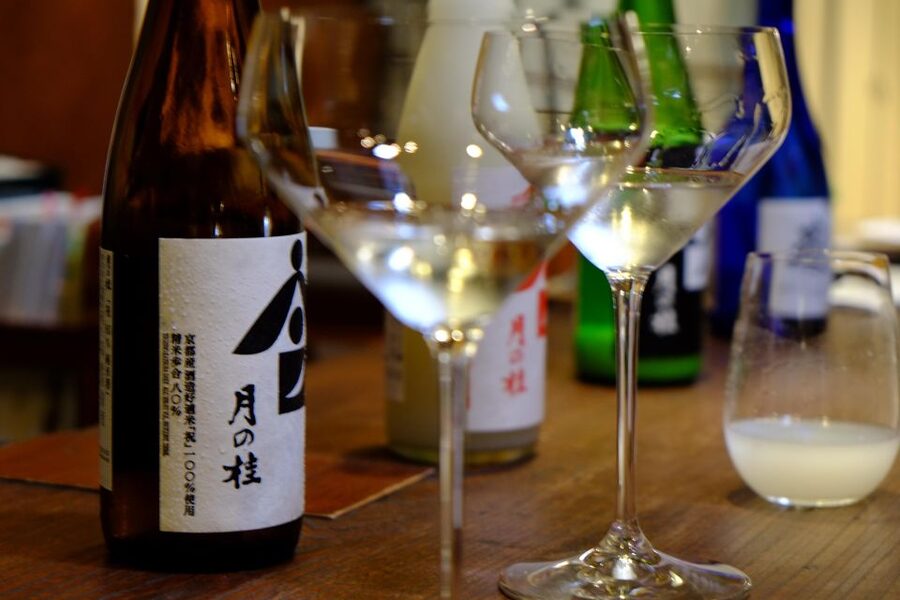
The class also covers serving temperature. You learn when sake is best enjoyed chilled and when warming it may suit the style. This is important because many first-time drinkers assume all sake should be served hot.
The guide explains how to order with more confidence in Japan, including what to consider with sushi and other foods. You are not simply told to follow a fixed rule. Instead, the tasting helps you understand your own preferences and gives you language for making a choice.
That practical focus is what separates this from a short bar flight. A bar may give you several samples, but this session explains what you are tasting and how to use the information later.
Is $66 a fair price?
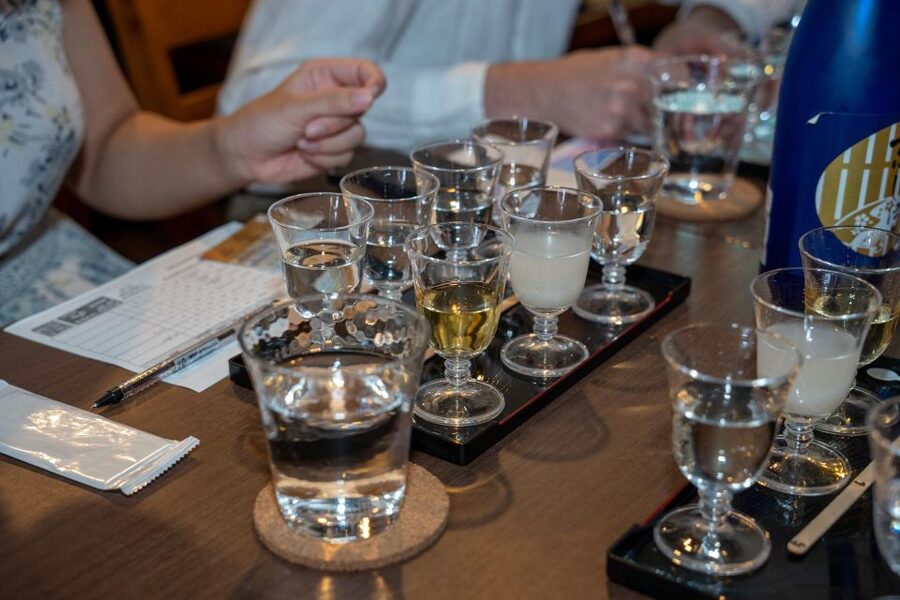
At $66 per person, the experience is not the cheapest way to drink sake in Kyoto. You could buy a few small pours at a bar for less. But that comparison misses what is included.
Your fee covers an English-speaking certified sake expert, seven tastings, a selection drawn from 10 or more types, traditional snacks, a tasting note, a cheat sheet, and use of the dedicated room. You are paying for instruction as well as alcohol.
The value is strongest if you are new to sake or expect to order it several times during your Japan trip. One bad bottle or a few random menu choices can easily cost more than the class, especially if you keep choosing by price or label design.
It is less compelling if you already know sake well and can confidently identify styles, read labels, and pair bottles with food. An advanced option may be more suitable for experienced drinkers, though no details about that course are provided here.
Who should book this Kyoto experience?
I would recommend it for:
- First-time sake drinkers
- People who enjoy Japanese food but feel lost with sake menus
- Couples, friends, and small family groups of legal drinking age
- Anyone interested in food pairing
- Visitors who want a calm indoor activity between sightseeing stops
- Sake drinkers who want to identify a preferred style before buying bottles
It is not recommended for children, pregnant women, or people under 19. Japan’s legal drinking age is 20, and anyone under 20 receives non-alcoholic drinks only. The activity information also says that children and non-drinkers without reservations cannot join, so do not plan to bring an extra family member who will simply sit in.
You also need to arrive sober enough to participate safely. If you are more than 20 minutes late, the booking is canceled. That rule matters because the tasting follows a set sequence, and joining halfway through would disrupt both the lesson and the group.
Planning your afternoon around the tasting
This is an easy activity to fit into a Kyoto itinerary because it lasts 90 minutes and has several starting times, depending on availability. Pair it with a meal before or after, but do not count the otsumami as lunch.
Eat a light meal or snack first, especially if you are sensitive to alcohol. Arrange a taxi, train, or walking route rather than cycling or driving. Alcohol will not be served if you arrive by car or bicycle, and there is no refund if you cannot take part in the alcoholic tasting.
Wear little or no fragrance. Bring your curiosity, and keep the cheat sheet with your Kyoto travel papers or phone notes. The point is to use it later at a restaurant, department-store food hall, or sake shop.
Cancellation is flexible only if you act early: cancel up to seven days in advance for a full refund. Check the available start times before booking, since the 90-minute duration and strict late-arrival rule leave little room for schedule changes.
Should you book it?
Book this experience if you want more than a quick drink. Its best feature is the connection between explanation, tasting, bottle reading, and food. You leave with a clearer sense of what you like and a practical way to order sake in Japan.
Skip it if you dislike alcohol, need a full meal, or already have strong sake expertise. For most curious beginners, though, $66 is a fair price for a focused lesson with substantial tastings and useful notes to take away. Eat first, arrive early, and you will get much more from the session.
FAQ
How long does the Kyoto sake experience last?
The experience lasts 90 minutes. Starting times vary, so you should check availability when booking.
How many sake tastings are included?
The experience includes seven tastings. The selection is made from 10 or more types of sake chosen by a certified sake sommelier.
Is the experience offered in English?
Yes. The tour has a live English-speaking guide.
Are food pairings included?
Yes. Traditional Japanese otsumami are included so you can compare the sake alone and with food. Tell the guide about food preferences or allergies at the venue.
Can someone under 20 drink sake during the experience?
No. Japan’s legal drinking age is 20, and customers under 20 receive non-alcoholic drinks only. The activity is not recommended for children, and people under 19 are listed as unsuitable.
Can I arrive by car or bicycle?
You may attend, but alcohol will not be served to anyone who arrives by car or bicycle. Non-alcoholic drinks are available, and there is no refund if you cannot take part in the sake tasting.
More Food & Drink in Kyoto
- Kyoto Nishiki Market Food and Culture Walking Tour
★ 5.0 · 412 reviews - Kyoto: Gion Food Tour 13 Dishes at 4 Eateries
★ 5.0 · 408 reviews - 1.5-Hour Kyoto Insider Sake Experience with 7 Tastings & Pairings
★ 5.0 · 297 reviews - Kyoto: Gion & Pontocho Food Tour with 13 Dishes
★ 4.9 · 235 reviews
More Drinking Tours in Kyoto
- Kyoto: Izakaya Bars Guided Walking Tour
★ 4.9 · 815 reviews - Kyoto: Insider Sake Brewery Tour with Sake and Food Pairing
★ 5.0 · 704 reviews - Kyoto Sake Brewery & Tasting Walking Tour
★ 5.0 · 623 reviews - Kyoto Bar Hopping Night Tour
★ 5.0 · 613 reviews
Just added around Kyoto
- Taste of Nishiki Market Walking Food Tour with Local guide★ 5.0 · 17 reviews
- Kyoto: Sushi Making Class with Sushi Chef★ 4.8 · 64 reviews
- Kyoto: City Secrets eBike Tour★ 4.9 · 196 reviews
- Sacred Pathways: Discover the Philosopher’s Path of Kyoto★ 4.9 · 20 reviews
- Private Tour to Monkey Park and Arashiyama Highlights★ 5.0 · 22 reviews
- Private Nara Tour from Osaka – Meet at Your Hotel★ 5.0 · 22 reviews
- Private Sake Tasting in Central Kyoto with Sake Sommelier★ 5.0 · 13 reviews
- Kyoto : Private Custom Walking Tour With A Local Guide★ 4.6 · 144 reviews
Sake & Bar Hopping Tours, compared.
Tokyo Bar Hopping Tour in Shinjuku (All-You-Can-Drink + Dinner)
Read our review →
Best of Shinjuku: Izakaya Food Tour (4 Stops, 14+ Tastings)
Read our review →
Kyoto Night Foodie Tour in Gion (9+ dishes + 6 Sake tastings)
Read our review →
Shibuya Meltdown Nightlife Tour: All-You-Can-Drink Bar Hopping
Read our review →
1-Day Snow Monkeys, Zenko-ji Temple & Sake in Nagano
Read our review →
Osaka Bar Hopping Night Walking Tour in Namba (3 bars, 6 tastes)
Read our review →
3-Hour Kyoto Insider Sake Brewery Tour with Tastings & Pairings
Read our review →
Browse the lists this tour appears in