

REVIEW · SAKE & BAR HOPPING TOURS
Kyoto: Beyond the Insider Sake Tasting Experience
The most interesting part of this Kyoto tasting is the range. You sample 10 uncommon sakes built around old techniques, unusual microorganisms, and even local wood, rather than simply working through familiar bottles. It is a useful look at how much flavor can change before a drink ever reaches your glass.
I like the private tasting room, which keeps the lesson focused, and I like that the certified sake sommelier still covers the basics. The main consideration is that this is a serious tasting without food pairing, so it may feel more like a small seminar than a casual night out.
- Ten unusual pours: Try sake rarely found outside Japan, with each sample chosen to show a different idea in brewing.
- Old and new methods: Compare ancient techniques with newer approaches that use the traits of microorganisms.
- Local wood influence: Taste sake made with regional wood, giving the drink a flavor tied to its place.
- Certified guidance: A sake sommelier explains ingredients, categories, and production in English.
- Private setting: Learn and taste in a dedicated room rather than in a busy public bar.
- Best as a follow-up: If you are new to sake, this works on its own, but it also makes a strong second course after a basic sake experience.
In This Review
- A Kyoto sake class built around unusual ideas
- What the ten pours are meant to teach you
- Why the private room matters
- The guide’s role in making rare sake understandable
- How it fits into a Kyoto visit
- Who will get the most from the $66 price
- A closer look at the unusual production methods
- What beginners should know before arriving
- Important alcohol and arrival rules
- How this compares with a basic sake experience
- Should you book the Beyond the Insider Sake Tasting?
- FAQ
- Where does the sake tasting start and end?
- How many kinds of sake are included?
- Is the experience suitable for beginners?
- Is the tasting held in a private room?
- Is food pairing included?
- Is transportation included?
- What happens if I arrive by car or bicycle?
- Can guests under 20 drink sake?
- How late can I arrive, and what is the cancellation policy?
A Kyoto sake class built around unusual ideas
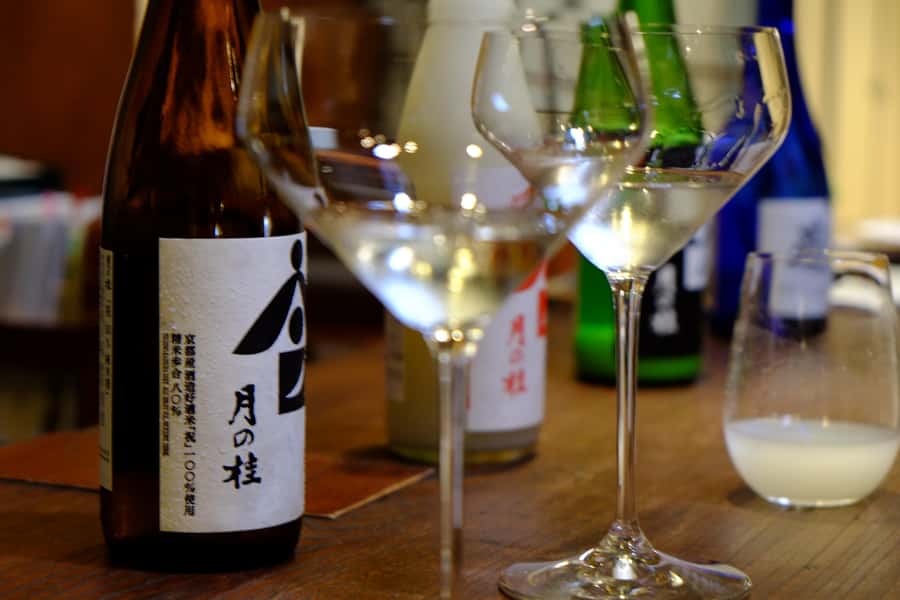
This is not simply a flight of standard junmai, ginjo, and daiginjo bottles. The focus is sake made with a different point of view, including ancient production methods that differ from modern brewing, new styles shaped by microorganisms, and bottles made using local wood.
That focus gives the tasting a clear purpose. You are not just asking which sake tastes best. You are learning why two drinks made from rice, water, yeast, and koji can taste so different.
The tasting begins with the foundations, even though the course is designed to go beyond a basic Kyoto sake experience. Your guide explains important ingredients, the broad sake categories, and the general production process. That matters if you arrive with no background. You will not need to memorize Japanese labels or already know the difference between styles.
If you already drink sake, the opening lesson may cover familiar ground. Still, it gives the tasting a common starting point and helps you understand the more unusual bottles that follow.
What the ten pours are meant to teach you
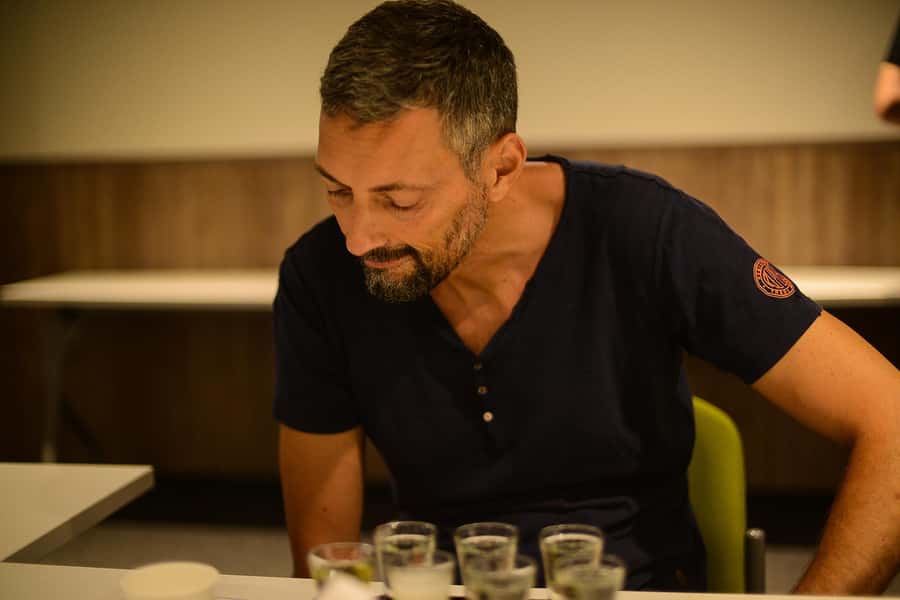
The 10 samples are selected by the sake sommelier to show the range of the drink. The goal is comparison, not volume. Each pour adds another example of how brewing choices affect aroma, texture, and flavor.
The ancient-method sakes are especially useful for showing how modern production has changed the drink. You might notice a profile that feels less like the clean, polished sake often served overseas. That difference is part of the point. These bottles connect you with methods that are not usually represented on an international restaurant list.
The microorganism-based sake offers a different lesson. Instead of focusing only on rice polishing or sweetness, you consider how living elements in the brewing process can shape the finished drink. You do not need technical training to follow the explanation, but this section may appeal most to people who enjoy learning how a product is made.
The local-wood sake gives the tasting a sense of place. Wood can affect flavor, and using regional material links the drink to the area around Kyoto. It is a small but memorable reminder that sake is not defined only by its rice or alcohol level.
Your tasting note helps you keep track of the differences. With 10 kinds in one sitting, details can blur, especially if you are new to sake. Use the note to record which styles you prefer and what production detail seemed to affect your glass.
More Sake & Bar Hopping Tours in Kyoto
- Kyoto Night Foodie Tour in Gion (9+ dishes + 6 Sake tastings)
★ 5.0 · 1,762 reviews - 3-Hour Kyoto Insider Sake Brewery Tour with Tastings & Pairings
★ 5.0 · 917 reviews - Arashiyama Bamboo, Temple, Monkeys, or Secret Sake Brewery
★ 4.8 · 886 reviews
Why the private room matters
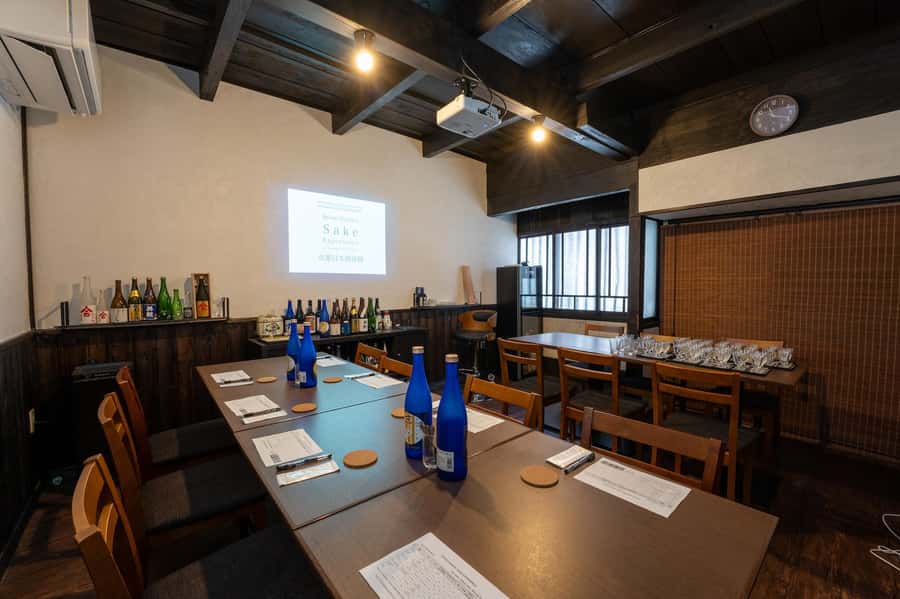
A dedicated private sake tasting room is a practical feature, not just a pleasant extra. Sake has subtle differences, and a quiet setting makes it easier to listen, smell, taste, and ask questions.
The room also suits the teaching style. This experience is built around explanation, so you are likely to get more from it if you pay attention to the sequence rather than treating it as a series of quick drinks. The private setting gives the guide space to explain each bottle and gives you a better chance to compare samples.
There is one trade-off. If you want a lively evening with snacks, a crowd, or a relaxed bar atmosphere, this may feel too structured. Food pairing is not included, and the experience is centered on sake itself.
That is not a flaw, but it affects how you should plan your day. Consider eating beforehand or arranging a meal afterward. Do not expect the tasting to replace dinner.
The guide’s role in making rare sake understandable
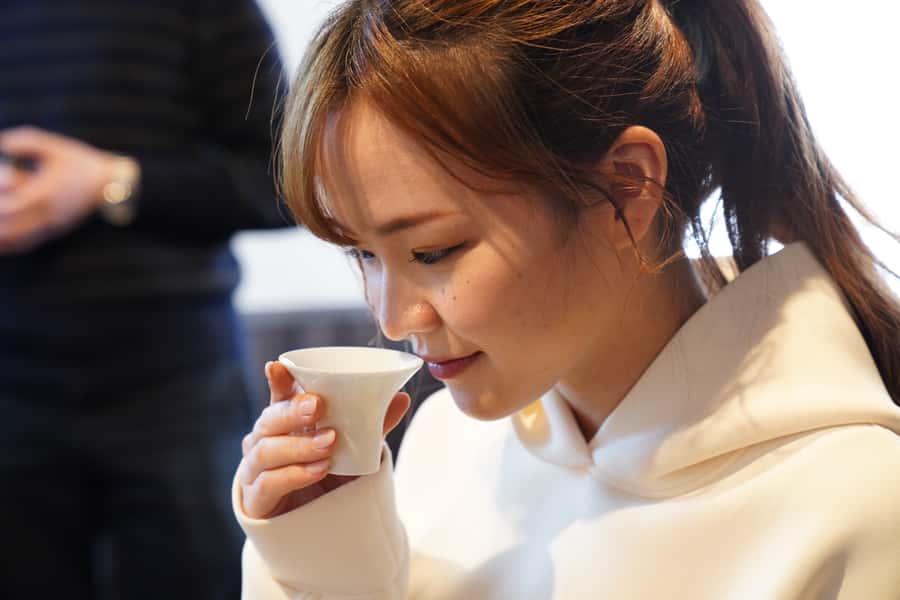
All guides for this experience are certified sake sommeliers, and the guide leads the session in English. That credential matters here because the selection is unusual. Without context, a rare bottle can seem merely strange. With a clear explanation, its production method becomes part of the tasting.
The guide covers both the basic categories and the less familiar trends that have not become common abroad. This makes the course suitable for a mixed group. A beginner can learn the vocabulary, while an experienced sake drinker can focus on the production choices and regional character.
The strongest praise attached to this experience centers on the presentation, the explanations of production, and the wide range of sake. That matches the design of the course. The value is not only in the liquid. It is in having someone explain what you are tasting and why it differs from a standard bottle.
No guide names are provided, so you should not book this expecting a particular individual. The consistent feature is the certification and English-language instruction.
How it fits into a Kyoto visit
Kyoto has many food and drink experiences, but this one works best for a visitor who wants to understand an important part of Japanese dining culture rather than simply sample a local drink.
It also makes sense as a second sake activity. If you begin with an introductory course, you can return here with a basic vocabulary and use the 10 pours to test what you have learned. The experience also works by itself, since the guide reviews the production process and categories before moving into the less familiar material.
I would not treat it as a sightseeing stop. The experience starts and ends at the Kyoto Insider Sake Experience meeting point, and transportation to or from attractions is not included. Plan your route separately and arrive early. More than 10 minutes late means the booking is canceled, and no refund is offered for that missed start.
The no-extra-participants rule is also important. People without reservations cannot join, including children and non-drinkers. If your group includes someone who plans only to watch, that person still needs a reservation, and you should confirm the applicable booking conditions before arrival.
Same city, a completely different kind of day:
- PERFECT KYOTO 1-Day Bus Tour
★ 5.0 · 13,518 reviews - Kyoto: Fushimi Inari, Kinkakuji, Bamboo Grove 1 Day Bus Tour
★ 4.8 · 4,316 reviews - Kyoto: Tea Ceremony in a Traditional Tea House in Kiyomizu
★ 4.9 · 3,519 reviews - Kyoto Geisha Walking Tour: Gion District & Hidden Gems
★ 4.7 · 3,273 reviews
Who will get the most from the $66 price
At $66 per person, this is not the cheapest way to have a drink in Kyoto. It is more useful to compare it with the cost of tasting 10 carefully chosen sakes while also receiving a guided lesson in a private room.
The price makes the most sense for three kinds of visitors:
- You are new to sake and want an explanation rather than guesswork.
- You already enjoy sake and want bottles with unusual production stories.
- You have limited time and want a focused lesson instead of searching out several shops or bars.
The value is weaker if you mainly want a social drink, a meal, or a large amount of sake. Food pairing is not included, and the point is to taste contrasts, not to fill an evening with generous pours.
I also think the price is easier to justify for couples or small groups with different levels of interest. Beginners can follow the introduction, while experienced drinkers can pay closer attention to the uncommon methods. A group made entirely of sake experts may still enjoy the selection, but the basic explanation could feel slow at first.
A closer look at the unusual production methods
The experience is strongest when it explains process rather than relying on labels. Here are the three ideas you are most likely to remember.
Ancient brewing methods: These show that sake has not always been made according to the modern approach most familiar to international drinkers. The contrast can help you understand why some traditional styles taste less polished or more distinctive.
Microorganisms: This section introduces a newer type of sake that uses the characteristics of microorganisms. It points to current experimentation in sake making and shows that innovation does not always mean adding a flavor after brewing. The method itself can shape the result.
Local wood: Sake made with local wood has a flavor linked to its region. This gives you a way to think about place in sake, much as you might think about soil, grapes, and climate in wine. The experience does not turn the drink into a geography lesson, but it does show how local materials can leave a mark.
These samples help you taste the difference between a recipe and a method. The same basic drink can offer very different results depending on how it is brewed.
What beginners should know before arriving
You do not need prior sake experience. The guide explains the basic ingredients, production, and categories, so a first-time drinker can take part without feeling lost.
Still, you will get more from the tasting if you arrive ready to compare. Pay attention to the order of the samples and use the tasting note. Think about what changes from one pour to the next rather than trying to identify every technical term.
You also do not need to decide that you like all 10. A useful tasting often includes a few styles that do not suit you. The point is to learn your preferences and understand what creates them.
For experienced drinkers, the unusual selection is the main reason to book. You may already know the common categories, but the ancient methods, microorganism-based approach, and local wood provide fresh territory.
Important alcohol and arrival rules
Japan’s legal drinking age is 20. Guests under 20 receive non-alcoholic drinks only, and the experience is listed as unsuitable for people under 19. Children under 3 are also not suitable for this activity.
Pregnant women should not take part. For safety and legal reasons, alcohol is not served to anyone who arrives by car or bicycle. Non-alcoholic drinks are available in that situation, but there is no refund if you cannot take part in the sake tasting.
That rule makes your transportation choice simple: use another way to reach the meeting point. Do not drive or cycle and assume you can switch to tasting once you arrive.
The experience is offered in English. Since the guide explains production methods and categories, language access is a key part of the booking. If you need another language, this experience may not be the right match.
Cancellation is allowed up to seven days in advance for a full refund. Keep the strict late-arrival rule in mind as well. Arriving more than 10 minutes late cancels the booking.
How this compares with a basic sake experience
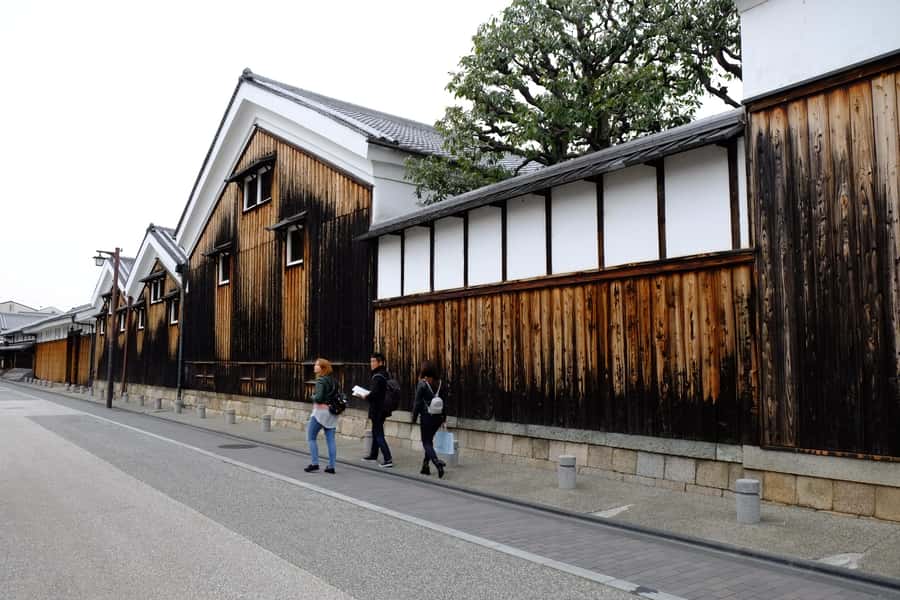
The main difference is the selection. A basic course is generally the better first step if you want a simple introduction to common sake styles and terminology. This experience moves toward bottles made with less familiar concepts.
That said, the course does not assume you completed a beginner class. The basic production lesson is included, which makes it accessible to first-time drinkers.
If you have time for both, take the introductory experience first and use this one as the follow-up. You will recognize the basic language and have more attention available for the unusual methods. If you can book only one, choose this experience if rare styles and brewing ideas matter more to you than a broad introduction to standard bottles.
Should you book the Beyond the Insider Sake Tasting?
Book it if you want a focused, educational sake tasting with 10 unusual varieties and a certified sommelier in a private room. It is especially well suited to curious beginners, experienced sake drinkers, and anyone who wants to understand how production choices shape flavor.
Skip it if you need food, sightseeing, transportation, or a loose bar atmosphere included. The $66 price is fair for the guided selection and teaching, but it is not a meal or a general night out.
For the best value, arrive early, avoid driving or cycling, eat separately, and keep your tasting note. If you have already taken a basic sake course, this is the natural next step. If you have not, the clear introduction means you can still enjoy the more unusual pours without feeling out of place.
FAQ
Where does the sake tasting start and end?
The experience starts at the Kyoto Insider Sake Experience meeting point and ends back at the same meeting point.
How many kinds of sake are included?
You taste 10 kinds of sake selected by a certified sake sommelier.
Is the experience suitable for beginners?
Yes. The guide covers the basics of sake production and sake categories, so you do not need prior sake experience.
Is the tasting held in a private room?
Yes. The experience takes place in a dedicated private sake tasting room.
Is food pairing included?
No. Food pairing is not included in the price.
Is transportation included?
No. Transportation to and from attractions, as well as hotel pickup and drop-off, is not included.
What happens if I arrive by car or bicycle?
For safety and legal reasons, alcohol will not be served to people who arrive by car or bicycle. Non-alcoholic drinks are available, but no refund is provided if you cannot take part in the sake tasting.
Can guests under 20 drink sake?
No. Japan’s legal drinking age is 20. People under 20 are served non-alcoholic drinks only.
How late can I arrive, and what is the cancellation policy?
If you arrive more than 10 minutes late, your booking will be canceled. You can cancel up to seven days in advance for a full refund.
More Food & Drink in Kyoto
- Kyoto Nishiki Market Food and Culture Walking Tour
★ 5.0 · 412 reviews - Kyoto: Gion Food Tour 13 Dishes at 4 Eateries
★ 5.0 · 408 reviews - 1.5-Hour Kyoto Insider Sake Experience with 7 Tastings & Pairings
★ 5.0 · 297 reviews - Kyoto: Insider Sake Experience with 7 Tastings and Snacks
★ 5.0 · 266 reviews
More Drinking Tours in Kyoto
- Kyoto: Izakaya Bars Guided Walking Tour
★ 4.9 · 815 reviews - Kyoto: Insider Sake Brewery Tour with Sake and Food Pairing
★ 5.0 · 704 reviews - Kyoto Sake Brewery & Tasting Walking Tour
★ 5.0 · 623 reviews - Kyoto Bar Hopping Night Tour
★ 5.0 · 613 reviews
Just added around Kyoto
- Taste of Nishiki Market Walking Food Tour with Local guide★ 5.0 · 17 reviews
- Kyoto: Sushi Making Class with Sushi Chef★ 4.8 · 64 reviews
- Kyoto: City Secrets eBike Tour★ 4.9 · 196 reviews
- Sacred Pathways: Discover the Philosopher’s Path of Kyoto★ 4.9 · 20 reviews
- Private Tour to Monkey Park and Arashiyama Highlights★ 5.0 · 22 reviews
- Private Nara Tour from Osaka – Meet at Your Hotel★ 5.0 · 22 reviews
- Private Sake Tasting in Central Kyoto with Sake Sommelier★ 5.0 · 13 reviews
- Kyoto : Private Custom Walking Tour With A Local Guide★ 4.6 · 144 reviews
Sake & Bar Hopping Tours, compared.
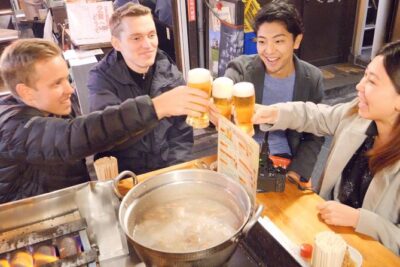
Tokyo Bar Hopping Tour in Shinjuku (All-You-Can-Drink + Dinner)
Read our review →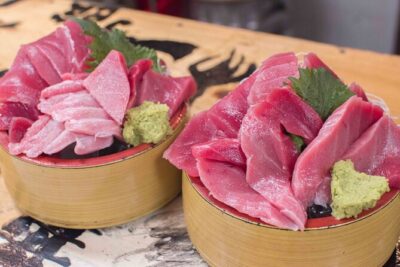
Best of Shinjuku: Izakaya Food Tour (4 Stops, 14+ Tastings)
Read our review →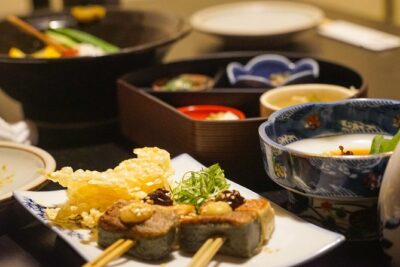
Kyoto Night Foodie Tour in Gion (9+ dishes + 6 Sake tastings)
Read our review →
Shibuya Meltdown Nightlife Tour: All-You-Can-Drink Bar Hopping
Read our review →
1-Day Snow Monkeys, Zenko-ji Temple & Sake in Nagano
Read our review →
Osaka Bar Hopping Night Walking Tour in Namba (3 bars, 6 tastes)
Read our review →
3-Hour Kyoto Insider Sake Brewery Tour with Tastings & Pairings
Read our review →
Browse the lists this tour appears in