
REVIEW · FOOD MARKET TOURS
Kuromon Market Tour: All inclusive 6~8 Dishes & 3~4 samplings
Kuromon Market is best understood one bite at a time. This two-hour walk takes you from seafood and fish cakes to okonomiyaki, sweets, Japanese tea, and unusual specialties such as sea urchin and fugu. Guides including Anna, Hikaru, and Michael know the vendors and help you order without guessing.
I like two things right away: the tour includes enough food to replace a meal, and the small group, capped at nine people, makes it easier to ask questions or request a different sample. I also like the local focus on family-run stalls instead of simply marching past the market’s most famous signs.
The main catch is simple: this is not suitable for vegetarians or vegans, and the food list can change with shop hours, holidays, and daily stock. If you eat lightly before the 2 pm start, you will have more room for the full spread.
In This Review
- Key points at a glance
- Why Kuromon Market works best with a guide
- Meeting at Nippombashi Station at 2 pm
- The first tastes: Osaka food in small portions
- Seafood, fugu, and the more unusual bites
- Okonomiyaki, sweets, and Japanese tea
- What the guides add to the experience
- Why a group of nine is a good limit
- Is $63.43 a fair price?
- The market after the tasting
- Who should book this Kuromon Market walk?
- Should you book it?
- FAQ
- How long does the Kuromon Market tour last?
- Where does the tour begin?
- What time does the tour start?
- Where does the tour finish?
- How much food is included?
- Is the tour suitable for vegetarians or vegans?
Key points at a glance
- More than ten tastes: The package covers 6 to 8 selected dishes plus 3 to 4 additional samplings.
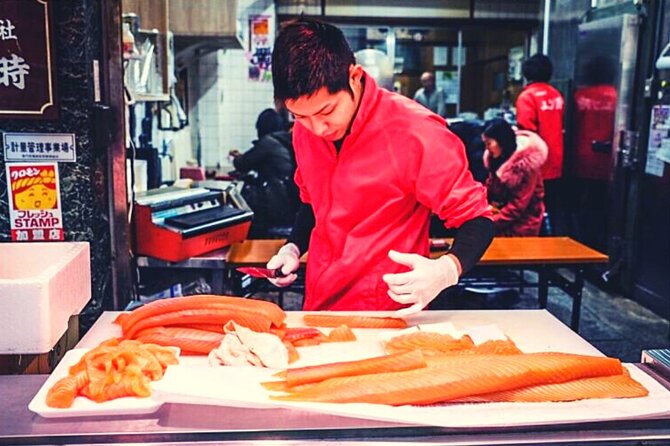
- Seafood takes center stage: Expect fresh seafood and the chance to try items such as oysters, otoro tuna, sea urchin, and carefully prepared fugu.
- A small group matters: With no more than nine people, your guide can explain foods and adjust choices to the group.
- Strong local connections: Guides have working relationships with market vendors, which helps you find family businesses and understand what you are eating.
- A useful first-day activity: Food advice, ordering help, and Osaka dining tips can shape the rest of your trip.
- Easy starting point: Meet at Nippombashi Station at 2 pm, then return to the same meeting point after about two hours.
Why Kuromon Market works best with a guide
Kuromon Ichiba can look easy at first. You walk down the market, spot something appealing, point at it, and pay. In practice, the signs, ingredients, serving rules, and unfamiliar dishes can make that plan less smooth.
A guide gives the market a second layer. You learn which foods are local specialties, how certain ingredients are prepared, and which stalls are worth your limited appetite. You also avoid spending your first half-hour trying to work out what a tray contains.
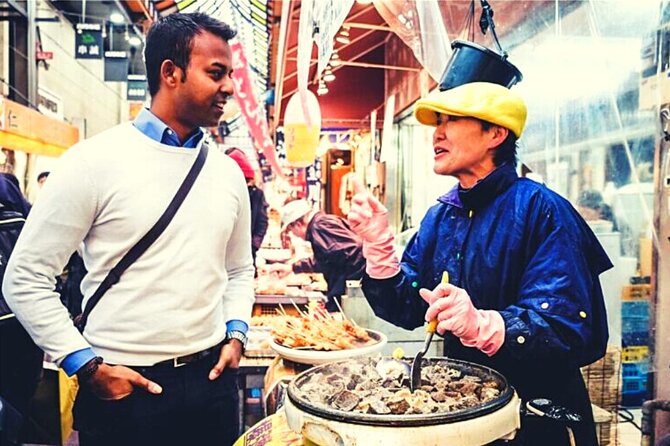
I especially like the guide’s role as a bridge between you and the vendors. Guides such as Anna and Michael are described as having close relationships with the sellers, while Hikaru is praised for explaining the difference between authentic choices and items aimed mainly at sightseers. That matters in a market where presentation alone does not tell you much about quality.
The tour is not only about eating. It also gives you a look at how food is sold, prepared, and shared in Osaka. Your guide may explain customs, ingredients, and local food culture as you move from stall to stall. The result is more useful than a simple list of snacks because you leave with some idea of what to order later on your own.
More Food Market Tours in Osaka
- Osaka: Shinsekai Food Tour with 13-15 Dishes at 5 Eateries
★ 4.8 · 2,204 reviews - Osaka Food Tour: 13 Dishes at 5 Local Eateries
★ 5.0 · 2,149 reviews - Hungry Osaka Street Food Tour:15 Tastings & 3 Drinks with a Local
★ 5.0 · 1,727 reviews
Meeting at Nippombashi Station at 2 pm
The meeting point is Nippombashi Station, at 1 Chome-5 Nipponbashi in Osaka’s Chuo Ward. Starting at 2 pm puts the experience into the afternoon, so plan your day around it rather than treating it as a quick pre-dinner stop.
You return to the meeting point at the end. The stated duration is about two hours, though the pace can depend on queues, vendor hours, and how much time the group spends asking questions.
The market is near public transportation, which makes this a practical choice after a morning of sightseeing. It can also fit a day trip from Kyoto, as one family managed during a short Osaka visit. Still, allow enough time to reach Nippombashi Station. A late arrival would be especially awkward because the tour moves through several food stops rather than waiting in one place.
The mobile ticket keeps the booking simple. Confirmation is provided at booking, and cancellation is free up to 24 hours before the start time. If the minimum number of participants is not met and the operator cancels, you are offered another date or experience, or a full refund.
The first tastes: Osaka food in small portions
The tour promises 6 to 8 selected dishes and 3 to 4 extra samplings. That works out to more than ten food items, though the exact choices are not fixed. This flexibility is useful in a market where seafood quality, shop schedules, and seasonal stock can change.
You might begin with a small seafood serving, then move through prepared foods, an Osaka specialty, something sweet, and Japanese tea. The appeal is the range. You are not spending the whole tour on one large plate. Instead, you get repeated chances to test foods that may be hard to identify or order by yourself.
Fish cakes are one example of the kind of item that can make the tour worthwhile. They are familiar enough to approach, yet different varieties can have distinct textures and flavors. Other tastings may be more adventurous. Food choices described by the guides and participants include oysters, otoro tuna, sea urchin, pufferfish, and even whale.
Some of these foods may not appeal to you, and that is part of the point. A guided tasting lets you try a small amount rather than commit to a full dish. You can ask what an ingredient is, how it is eaten, and why it matters in Osaka’s food culture.
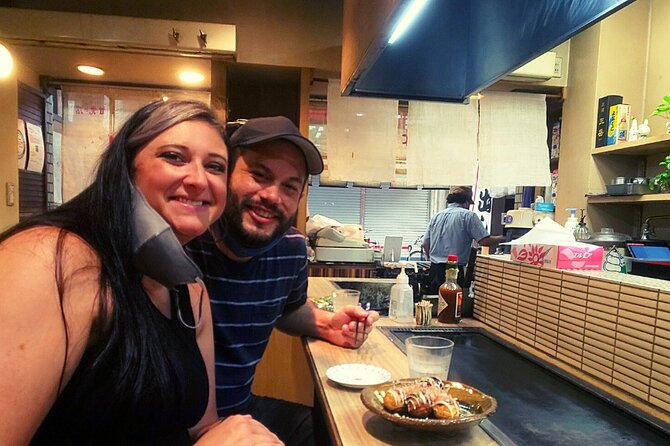
The food is substantial. Several people were completely full at the end, so I would eat very little beforehand. This is not a tour where you need to save room for a large restaurant meal immediately afterward.
Seafood, fugu, and the more unusual bites
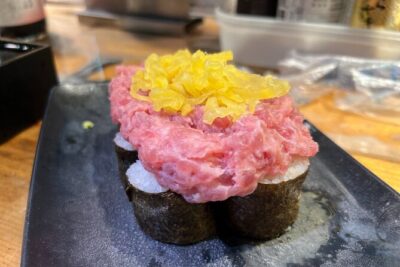
Seafood is a major reason to book this experience. The tour centers on fresh market foods, and the samples can include premium cuts and unusual specialties. Otoro tuna, the fatty belly portion, was singled out as especially buttery and memorable. That kind of tasting can be expensive in a restaurant, so small portions help you sample it without building an entire meal around one ingredient.
Fugu, or pufferfish, is another possible highlight. The tour includes carefully prepared fugu in some versions, but it is important not to treat that as guaranteed. The food list changes, and the package promises categories of tastings rather than a fixed menu.
Sea urchin and oysters can appeal to seafood lovers who want bold, fresh flavors. If you have allergies, strong dislikes, or religious food limits, tell the guide as early as possible. The supplied information does not promise a full substitution plan, so you should not assume every item can be replaced.
This is also not the right tour for someone seeking a strictly controlled menu. The strength is variety and local discovery. The tradeoff is that you have less certainty about the exact dishes than you would at a restaurant with a printed menu.
Same city, a completely different kind of day:
- Osaka Go Karting Tour with Funny Costume
★ 5.0 · 2,658 reviews - Osaka Castle: Museum and Tower Entry Ticket
★ 4.5 · 2,380 reviews - Osaka: Tea Ceremony Experience
★ 4.9 · 1,426 reviews - Osaka Kickstart: Hotspots & Hidden Gems Tour
★ 5.0 · 1,306 reviews
Okonomiyaki, sweets, and Japanese tea
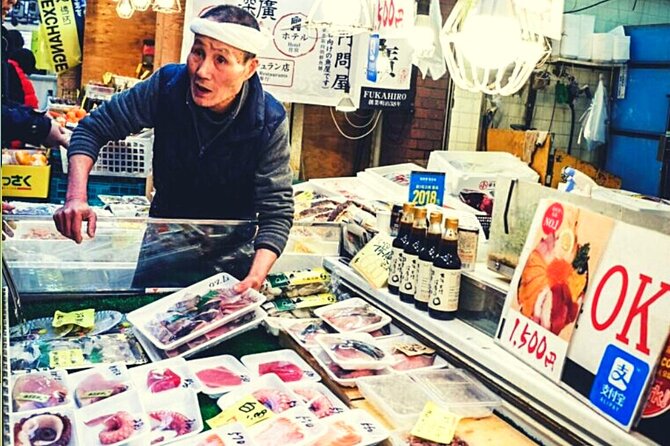
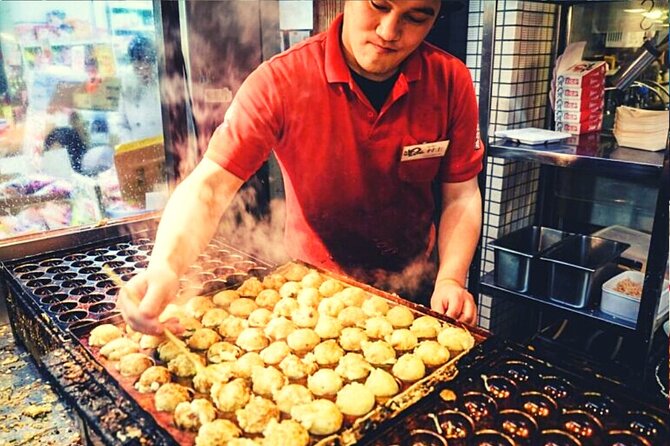
Seafood gets much of the attention, but the tour also reaches beyond raw or simply prepared fish. Okonomiyaki brings in one of Osaka’s best-known local dishes. It is a hearty, savory choice that helps balance the lighter samples and makes the tour feel like a real meal.
Dessert and Japanese tea provide a useful change of pace. Sakura-mochi has appeared among the tastings, giving you a chance to try a traditional sweet rather than stopping after savory foods. The tea portion also gives the guide room to explain how drinks fit into everyday food customs.
You should expect small servings rather than a sit-down meal at one restaurant. That format keeps you moving and lets you compare many foods. It also means you may be eating while standing or walking between stalls, so comfortable shoes and a willingness to follow the group are sensible.
The market itself supplies the atmosphere: narrow shopping lanes, food displays, cooking smells, vendor calls, and the constant visual work of choosing what to try next. The guide helps turn that sensory rush into a clear sequence instead of leaving you to make random purchases.
What the guides add to the experience
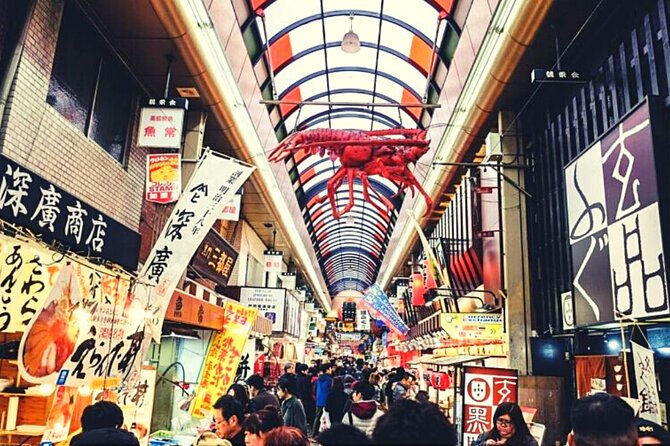
The strongest part of this tour is the person leading it. Anna is repeatedly described as energetic, funny, warm, and good at adjusting the route to the group. She has also handled families with young children and picky eaters, offering alternatives so everyone can take part.
Hikaru brings a chef’s background and a patient teaching style. That can be useful for teenagers and first-time visitors who want more than a quick explanation of each dish. He has also offered extra samples based on group interests and provided restaurant advice beyond the market.
Michael is praised for his easygoing approach and vendor relationships. He has helped explain the food’s background and offered recommendations for other places to eat. One particularly helpful feature is the practical advice about what to do next, including nearby areas such as Den-Den Town.
British Andy has also led the walk, sharing stories about the market, food traditions, and changes in Osaka’s eating culture. His approach worked well for a family with children aged 9 to 14, especially because he adjusted choices to suit different appetites.
These names are useful because guide quality can shape a food tour. The operator appears to use several guides, so your exact experience will depend on who leads the departure. The common thread is personal explanation, vendor familiarity, and help with ordering.
Why a group of nine is a good limit

A maximum of nine participants is small enough to feel personal without making the activity private by default. You can hear the guide, ask questions, and stay together as the group moves through crowded market lanes.
Some departures may be smaller, and private-feeling arrangements have occurred when only one booking was made. You should not count on that, but the limited capacity does make a private conversation more likely than on a large coach-style food walk.
The group format has one minor limitation: food preferences have to be balanced. If one person wants premium seafood and another prefers cooked dishes, the guide may need to share the route among several interests. A quick note about allergies or strong preferences before the tour is a wise move.
Families can fit well here. A two-year-old joined one outing and tried several foods, while another family found the two-hour timing manageable with children. Still, the experience involves walking, standing, and eating market foods, so very young children may need extra attention.
Is $63.43 a fair price?
At $63.43 per person, the price is not the cheapest way to snack at Kuromon Market. You could buy one or two items on your own for much less. That comparison misses the main value, though.
The fee covers a substantial amount of food, with at least six dishes and three additional samplings. It also pays for the guide’s time, translations, vendor connections, explanations, and help sorting local specialties from easy-to-miss choices. If you leave full, the price compares reasonably with a meal plus a guided cultural activity.
The best value comes if you are new to Osaka, unsure how to order, or eager to try seafood and traditional dishes without wasting money on a bad choice. It is also useful early in your trip, since guides may point you toward restaurants, nightlife, live music, kitchen shops, and other areas to visit.
The value is weaker if you already know Kuromon Market well, prefer choosing every dish yourself, or plan to eat only a small amount. Vegetarians and vegans should skip this experience altogether because the tour is not designed for them.
The market after the tasting
The walk ends back at the meeting point, but the food advice can continue to help you. One route has finished near Doguyasuji, an area associated with knives and kitchen tools, and another guide has taken a participant toward Den-Den Town. These additions may depend on the guide and the group, so treat them as possible extras rather than promised stops.
If you want to shop for cooking equipment, ask your guide what fits your schedule. If you want another meal later, ask for recommendations while the dishes are still fresh in your mind. The guides have been especially useful for explaining where to eat after the market and what to try in other parts of Osaka.
I would schedule this tour near the start of an Osaka stay. You will have time to use the advice, return to a favorite stall, or order a dish that seemed too confusing before the tour.
Who should book this Kuromon Market walk?
I would recommend it to first-time Osaka visitors, curious eaters, seafood fans, and families who want structure without a long formal meal. It also suits anyone who enjoys food tours in other cities but wants a more personal market experience.
It is a good fit for adventurous eaters because possible tastings include fugu, sea urchin, oysters, otoro tuna, and other unfamiliar items. You do not have to love every bite, but you should arrive open to trying foods outside your normal routine.
I would be more cautious if you need a fixed menu, have serious food allergies, dislike seafood, or want a quiet seated experience. The food list changes, and the tour’s pleasure comes from responding to the market on that day.
Should you book it?
Book this Kuromon Market tour if you want a generous tasting meal plus a guide who can explain what you are seeing and eating. The small group, vendor relationships, and range of dishes make it more useful than simply wandering through the market with no plan.
At $63.43, it earns its price when you use the guide’s advice and try foods you would not confidently order alone. Eat lightly before the 2 pm meeting time, mention your preferences early, and expect the exact menu to change. For vegetarians, vegans, and highly selective eaters, choose another Osaka activity.
FAQ
How long does the Kuromon Market tour last?
The tour lasts about two hours.
Where does the tour begin?
The meeting point is Nippombashi Station at 1 Chome-5 Nipponbashi, Chuo Ward, Osaka, 542-0073, Japan.
What time does the tour start?
The scheduled start time is 2 pm.
Where does the tour finish?
The activity ends back at the meeting point.
How much food is included?
You receive 6 to 8 selected dishes and 3 to 4 additional samplings, for more than ten food items in total.
Is the tour suitable for vegetarians or vegans?
No. The tour is not suitable for vegetarians or vegans.
More Shopping Tours in Osaka
- Cooking Ramen&Gyoza/KatsuCurry/Bento/Okonomiyaki+Store Tour@Osaka
★ 5.0 · 138 reviews - Osaka: Food Tour Kuromon Market & Dotonbori with Guide
★ 4.5 · 15 reviews - Osaka Food Walking Tour with Market Visit
★ 4.5 · 14 reviews - Osaka Castle and a visit to the longest shopping street in Japan
★ 5.0 · 12 reviews
More Markets in Osaka
- Kuromon Market Food Walking Tour in Osaka (6 stops, 6 tastes)
★ 5.0 · 550 reviews - Osaka: Kuromon Market Food Walking Tour (6 stops, 6 tastes)
★ 4.6 · 272 reviews - Osaka: Cooking Class & Sake Tasting with Local Market Visit
★ 4.8 · 31 reviews - Nara, Todaiji Temple & Kuroshio Market Day BUS Tour from Osaka
★ 3.5 · 18 reviews
Just added around Osaka
- Samurai dress-up and shows, plus Tea Ceremony & Calligraphy★ 5.0 · 27 reviews
- Kyoto & Nara Private customized tour with English speaking Guide★ 4.5 · 99 reviews
- Well-balanced BENTO (lunch box) Cooking Class★ 5.0 · 35 reviews
- Urban Canvas: Osaka Street Art Bike Tour★ 5.0 · 47 reviews
- OSAKA:Feel the Power! Learn Taiko Drum from Professionals★ 5.0 · 28 reviews
- Volleyball in Osaka & Kyoto with Locals!★ 5.0 · 21 reviews
- 1.5〜2 Hours Traditional Kintsugi Work Shop in Namba Osaka★ 5.0 · 75 reviews
- Umami Town Street Food Tour★ 5.0 · 120 reviews
Food Market Tours, compared.
Shinjuku Food Tour (13 Dishes at 4 Local Eateries)
Read our review →
Tokyo Tsukiji Fish Market Food and Culture Walking Tour
Read our review →
Shinsekai Food Tour with 13-15 Dishes at 5 Eateries
Read our review →
Osaka Food Tour: 13 Dishes at 5 Local Eateries
Read our review →
Shinjuku Food Tour (15 Dishes and 4 Eateries)
Read our review →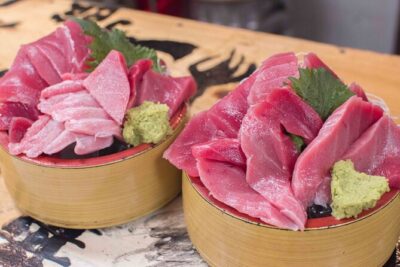
Best of Shinjuku: Izakaya Food Tour (4 Stops, 14+ Tastings)
Read our review →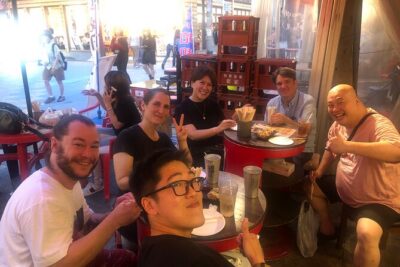
Hungry Osaka Street Food Tour:15 Tastings & 3 Drinks with a Local
Read our review →
Browse the lists this tour appears in