
REVIEW · FOOD MARKET TOURS
Ebisu Local Food Tour: Shibuya’s Most Popular Neighborhood
Ebisu is where Tokyo eases off the gas. On this private food walk, your guide leads you through small restaurants, pubs, and side streets that can be hard to find on your own. You taste several Japanese specialties, receive help with menus, and finish back at Ebisu Station after about two and a half hours.
I like the local neighborhood focus, far removed from the neon rush of central Shibuya. I also like having food and one drink included, plus the chance to ask a guide such as Noriko, Toshio, or Mack about Ebisu’s eating habits and history. The main caution is that the experience depends heavily on your assigned guide. One poor report described weak English, little planning, and too little cultural explanation.
In This Review
- Key points at a glance
- Why Ebisu makes a good food-tour base
- What the 2.5-hour route is likely to feel like
- The food and drink: good variety, limited certainty
- The guides can shape the whole afternoon
- Why the private format may suit you
- Is $478.21 per person good value?
- Practical details before you book
- Who should book the Ebisu food tour?
- Should you book it?
- FAQ
- Where does the Ebisu food tour start?
- What time does the tour begin?
- How long does the experience last?
- What food and drinks are included?
- Can children join the tour?
- Is this a private tour?
- What happens if I arrive late?
Key points at a glance
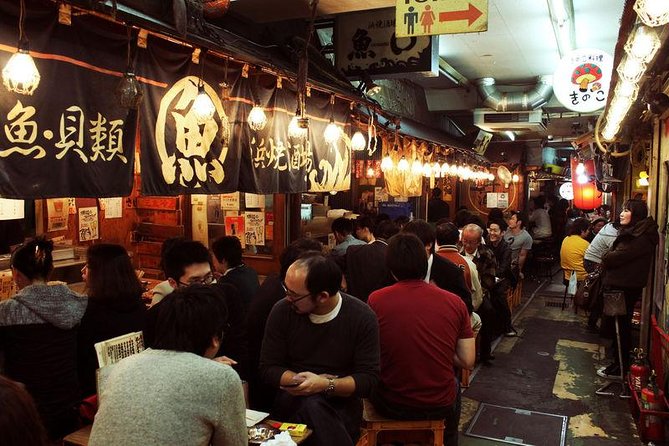
- Four food stops may be included: Noriko took one group to four places, each specializing in a different Japanese food.
- Ebisu feels relaxed: Small restaurants, pubs, and standing bars give this Shibuya neighborhood a more residential mood.
- One drink is covered: Choose beer, sake, soda, or juice, while extra drinks cost more.
- The guide matters: Noriko, Toshio, and Mack each received especially warm praise for conversation, local detail, and extra suggestions.
- It is a private experience: Only your own group participates, making menu questions and pacing easier.
- The price is high: At $478.21 per person, the value rests on personal guiding, several tastings, and access to places you may not find alone.
Why Ebisu makes a good food-tour base
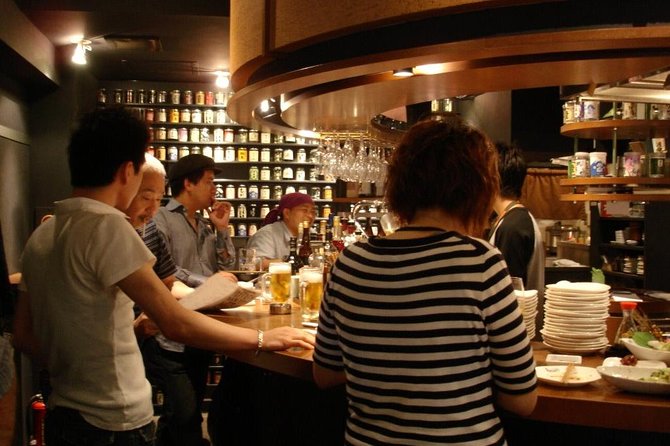
Ebisu sits in Shibuya ward, yet it feels calmer than the district around Shibuya Station. Its character comes from cozy restaurants, pubs, and tachinomiya, the Japanese standing bars where people stop for a quick drink and a bite.
That setting matters. A food tour here is not just a meal with a guide attached. It gives you a way to see how Tokyo’s smaller eating districts work. You move through local streets, enter several businesses, and compare different styles of food rather than spending the whole afternoon at one restaurant.
I like this choice for a first or second day in Tokyo. You get a gentle introduction to Japanese dining without being dropped into an enormous station district. The neighborhood is also a useful counterpoint to the loud, crowded image many people have of Shibuya.
The tour begins at 1:00 p.m. outside Ebisu Station, at 1 Chome-5 Ebisuminami. You should arrive early. The guide waits for up to 30 minutes, but after that the booking is treated as cancelled. Transportation to the station is not included, so you arrange your own route there.
More Food Market Tours in Tokyo
- Tokyo: Shinjuku Food Tour (13 Dishes at 4 Local Eateries)
★ 5.0 · 6,603 reviews - Tokyo Tsukiji Fish Market Food and Culture Walking Tour
★ 5.0 · 3,184 reviews - Tokyo: Shinjuku Food Tour (15 Dishes and 4 Eateries)
★ 4.9 · 2,033 reviews
What the 2.5-hour route is likely to feel like
The published plan lists Ebisu as the tour stop rather than naming a fixed restaurant-by-restaurant route. That gives the guide room to select suitable places, but it also means you should not expect a precise menu in advance.
You will walk through Ebisu with an English-speaking local guide, stopping at multiple restaurants or food stalls. Food at each location is included. The guide can translate menus, which is useful when a restaurant offers unfamiliar dishes or when the menu is mainly in Japanese.
One account describes a route through four different places, each focused on a different type of authentic Japanese food. That is the kind of variety I would hope for here: small portions at several stops, enough to keep the afternoon interesting without committing you to one large meal.
Still, do not assume that every departure follows exactly that four-stop pattern. The number and type of stops can depend on the guide and the day. Since the tour details are sent after booking, you can ask for clarification before you go if you have allergies, strong dislikes, or a particular food interest.
The walking itself is part of the appeal. Ebisu’s side streets and narrow eating lanes are easy to miss if you simply follow a map between major sights. With a guide, you can concentrate on the food and neighborhood rather than constantly checking your phone.
The food and drink: good variety, limited certainty
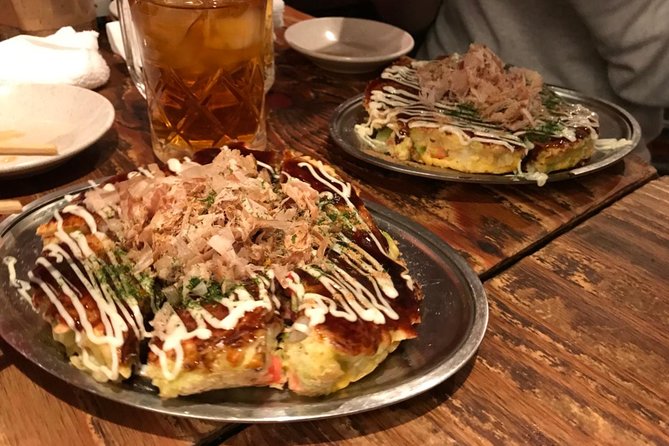
The included food is the heart of the experience, but the information does not name exact dishes. That is both a plus and a limitation.
The plus is flexibility. Your guide may be able to choose local favorites that fit the day’s restaurant availability. You are not locked into a printed tasting menu that may feel disconnected from the neighborhood.
The limitation is that you cannot judge the menu in advance. If you want sushi, wagyu, ramen, or a particular regional specialty, do not assume it is guaranteed. Ask before booking, especially if food is the main reason you are paying the premium price.
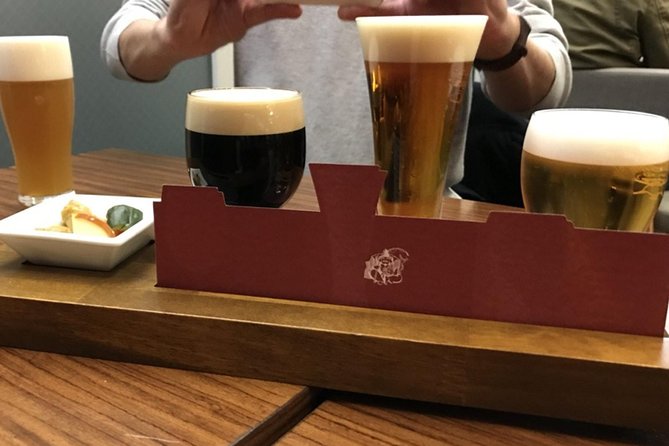
One drink is included. You can select beer, sake, soda, or juice. This makes the tour work for mixed groups, including people who do not drink alcohol. The legal drinking age in Japan is 20, so anyone under that age must choose a nonalcoholic option.
Additional drinks are available for purchase, but they are not part of the quoted price. I would treat the included drink as a pleasant sample rather than an open-ended bar crawl.
The tour is best approached as a tasting walk, not a full dinner. You receive food at each location, but the supplied details do not promise large portions. If you have a big appetite, plan another meal later.
The guides can shape the whole afternoon
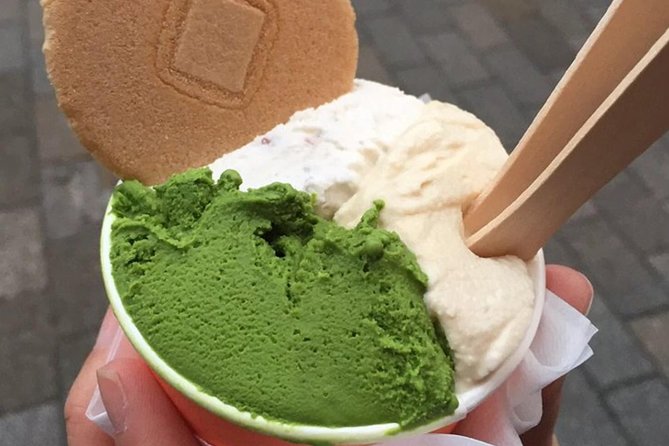
The strongest part of this experience is the human element. A private tour gives your guide room to answer your questions and adjust the conversation to your group.
Noriko received praise for being informative and accommodating. One route included four food locations and an unexpected extra stop that was not food related. That suggests a guide who can add local flavor when the opportunity appears, though no particular extra stop is guaranteed.
Toshio was described as being from the area and able to discuss the neighborhood, its food, history, and culture. That local connection is valuable in Ebisu, where the point is less about checking off a famous sight and more about understanding why people like living and eating there.
Mack also made a strong impression by taking a group to several restaurants and continuing with a whiskey tour afterward. He asked where the group was staying and suggested a digital art museum within walking distance. That kind of practical conversation can make a private guide useful beyond the formal itinerary.
You should keep expectations sensible. Guides can differ. One highly negative account described an unorganized tour, limited spoken English, and little explanation of food traditions. That complaint is important because the tour does not offer a fixed restaurant schedule that can carry the experience by itself.
When you receive your guide’s details, it is worth sending a short message about your interests. Tell the operator if you want more cultural explanation, prefer a slower pace, or need help with menu translation. The tour is private, so clear communication should help your guide shape the outing around you.
Same city, a completely different kind of day:
- Mt Fuji and Hakone 1-Day Bus Tour Return by Bullet Train
★ 5.0 · 26,383 reviews - 1-Day Tokyo Bus Tour
★ 5.0 · 14,250 reviews - Tokyo: TOKYO SKYTREE® Admission ticket
★ 4.5 · 11,192 reviews - Tokyo: teamLab Planets TOKYO Digital Art Museum Entry Ticket
★ 4.6 · 9,779 reviews
Why the private format may suit you
Only your group participates. That is a major advantage for families, couples, and small groups with different comfort levels around Japanese food.
You can ask what a dish contains before tasting it. You can spend more time on a question about tachinomiya or neighborhood life. You may also find it easier to tell the guide that you need a break, a smaller portion, or a nonalcoholic drink.
Children from age eight can join, but anyone under 14 must be accompanied by an adult. The price is the same for ages eight through 99, and every person must have a booking. That makes the cost particularly important for families.
Group discounts are available, although the supplied information does not state the discount amount. Ask for the total cost before confirming if you are booking for several people.
The private setup does not automatically mean a custom menu or a private dining room. It means your group is the only group on the activity. The actual food venues remain part of the local neighborhood.
Is $478.21 per person good value?
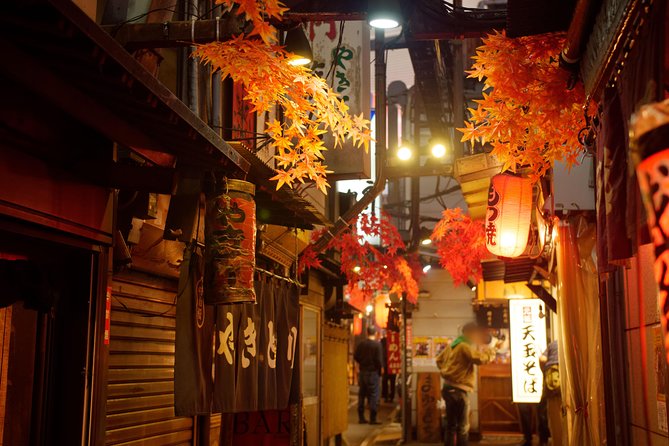
This is an expensive food walk. At $478.21 per person, you are paying far more than the cost of the food and one drink alone.
The price can make sense if you value a private English-speaking guide, menu translation, neighborhood orientation, and several small tastings in places you might not locate by yourself. It may also be useful early in your visit, when you want a guide to help you understand Japanese eating customs and point you toward other areas or museums.
The value is weaker if you mainly want a cheap meal. You could spend much less by choosing restaurants yourself, especially if you already know what you want to eat and feel comfortable using menus or translation tools.
The reported extras from Mack and Noriko also show where the price might pay off. A guide who offers useful neighborhood suggestions or adds a small local detour can make the afternoon feel personal. But those additions depend on the person leading your tour, so I would not count them as guaranteed benefits.
If you are comparing this with a larger group tour, remember that private service changes the calculation. You are buying attention and flexibility, not only food. A couple may find the price difficult to justify, while a family or group splitting a private booking may see more value if the group discount is meaningful.
Practical details before you book
The tour lasts about 2 hours and 30 minutes, although the itinerary line also lists two hours. I would plan around the longer figure and avoid booking a tight afternoon appointment immediately afterward.
The meeting point is Ebisu Station, near 1 Chome-5 Ebisuminami, Shibuya, Tokyo 150-0022. The activity ends back at the meeting point. Since transportation to and from the station is excluded, allow time to reach Ebisu by train or other public transportation.
A mobile ticket is provided, and confirmation is normally issued at booking. If you book within three days of the experience, confirmation can take up to 48 hours and remains subject to availability.
Most people can participate, and the tour is near public transportation. The information does not provide a detailed accessibility description, so contact the operator if stairs, narrow lanes, standing bars, or walking time could affect your plans.
Pay close attention to the cancellation terms. The supplied booking information says the experience is non-refundable and cannot be changed for any reason. Another section describes percentage fees at different points before departure, so I would rely on the final terms shown at checkout and ask the operator to clarify any conflict before paying.
Gratuities are optional. Extra drinks are not included.
Who should book the Ebisu food tour?
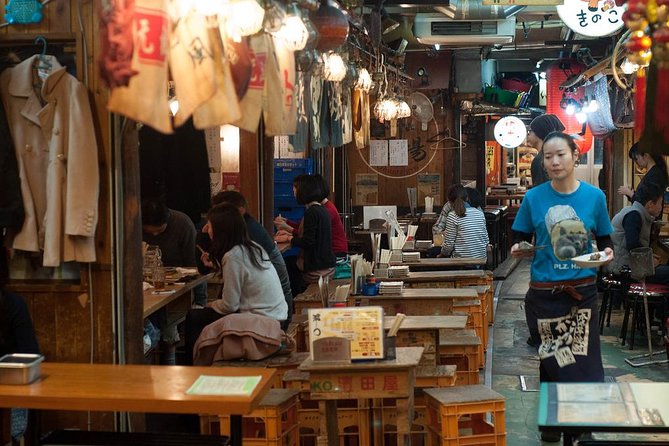
I would choose this for someone who wants a gentle, social introduction to Japanese food and prefers a guide to handle menus and navigation. It is especially suitable if you enjoy small restaurants, local bars, neighborhood stories, and tasting several things instead of ordering one familiar dish.
It also suits a private group that wants to ask questions freely. Families with older children can join, provided the age rules are followed. Non-drinkers are welcome because soda and juice are included choices.
I would be more cautious if you need a guaranteed menu, have strict dietary requirements, or are counting every yen. The exact food is not listed, and the guide’s quality appears to be the biggest variable.
For a first afternoon in Tokyo, Ebisu offers a pleasant balance. You get food, a drink, local streets, and a sense of how residents use their neighborhood. Just make sure you are paying for personal guidance and discovery, not simply for a meal.
Should you book it?
Book this Ebisu tour if you want a private, guide-led tasting walk and the high price fits your budget. The best possible version includes several small restaurants, useful menu translation, neighborhood background, and a guide such as Noriko, Toshio, or Mack who treats the afternoon as a personal introduction to Ebisu.
Skip it if your main goal is a low-cost food crawl or if you need a fixed list of dishes. Before booking, ask about the planned food stops, tell the operator about dietary needs, and confirm the cancellation terms. Those three checks will give you the clearest picture of whether this experience earns its premium.
FAQ
Where does the Ebisu food tour start?
It starts at Ebisu Station, at 1 Chome-5 Ebisuminami, Shibuya, Tokyo 150-0022, Japan.
What time does the tour begin?
The scheduled start time is 1:00 p.m.
How long does the experience last?
The tour lasts approximately 2 hours and 30 minutes. It ends back at the meeting point.
What food and drinks are included?
Food is included at each location, along with one drink. The drink can be beer, sake, soda, or juice.
Can children join the tour?
Yes. The minimum age is eight. Children under 14 must be accompanied by an adult, and every participant needs a booking.
Is this a private tour?
Yes. Only your group participates in the activity.
What happens if I arrive late?
The guide waits up to 30 minutes after the scheduled start time. If you do not arrive within that period, the tour is considered cancelled.
More Food in Tokyo
- Tokyo Night Foodie Tour in Shinjuku – Seasonal Sushi, Wagyu Beef
★ 5.0 · 1,161 reviews - Tokyo: Tsukiji Fish Market Food and Culture Walking Tour
★ 4.7 · 757 reviews - Tsukiji Fish Market: Street Food & Culture Walking Tour
★ 5.0 · 669 reviews - Tsukiji Fish Market Small-Group Food Walking Tour
★ 5.0 · 621 reviews
More Food & Drink in Tokyo
- Best of Shinjuku: Izakaya Food Tour (4 Stops, 14+ Tastings)
★ 5.0 · 1,863 reviews - Tokyo: Tsukiji Fish Market Food and Walking tour
★ 5.0 · 1,724 reviews - Eat and Drink Like a Local: Tokyo Ueno Food Tour-Taverns&Ramen
★ 5.0 · 957 reviews - Tokyo: Shibuya Food Tour (13 dishes and 4 Eateries)
★ 5.0 · 770 reviews
Just added around Tokyo
- Private Memorable Tokyo Tour with English Speaking Driver★ 5.0 · 30 reviews
- Private Tokyo Custom Full-Day Tour by Chartered Vehicle★ 5.0 · 16 reviews
- Private Sightseeing to Mt Fuji and Hakone with English Driver★ 5.0 · 51 reviews
- Tokyo Photography Masterclass – Private Photography Lesson★ 5.0 · 25 reviews
- 4 Day Tour – Mount. Fuji, Tokyo, Hakone, Kamakura and Yokohama★ 5.0 · 19 reviews
- Private Mt. Fuji Day Trip from Tokyo with English-Speaking Driver★ 5.0 · 33 reviews
- Private Unforgettable Mt Fuji Tour with English Speaking Driver★ 5.0 · 142 reviews
- Private Tokyo Food Tour – A Journey Through Time Through Food★ 5.0 · 36 reviews
Food Market Tours, compared.
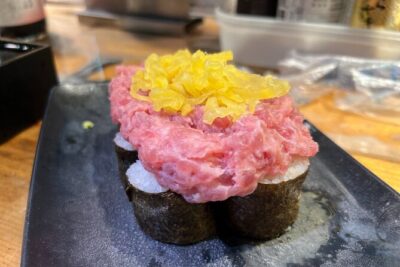
Shinjuku Food Tour (13 Dishes at 4 Local Eateries)
Read our review →
Tokyo Tsukiji Fish Market Food and Culture Walking Tour
Read our review →
Shinsekai Food Tour with 13-15 Dishes at 5 Eateries
Read our review →
Osaka Food Tour: 13 Dishes at 5 Local Eateries
Read our review →
Shinjuku Food Tour (15 Dishes and 4 Eateries)
Read our review →
Best of Shinjuku: Izakaya Food Tour (4 Stops, 14+ Tastings)
Read our review →
Hungry Osaka Street Food Tour:15 Tastings & 3 Drinks with a Local
Read our review →
Browse the lists this tour appears in