
REVIEW · SAKE & BAR HOPPING TOURS
Advanced Kyoto Insider Sake Tasting Experience
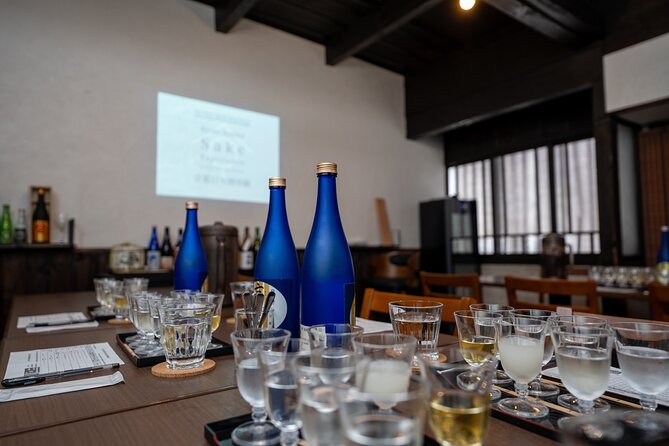
The most interesting part of this Kyoto tasting is its focus on sake that refuses to play by the usual rules. You’ll compare brews made with ancient methods, unusual fermentation, and local wood, learning how a small change in materials or brewing philosophy can alter the final drink.
I like the careful side-by-side format, and I like that you practice reading real sake bottles used in restaurants. The drawback is simple: food is not included, so have lunch or brunch first, and arrive by public transportation rather than car or bicycle if you want to drink.
In This Review
- Key points
- Why this is not a standard Kyoto sake tasting
- Inside the dedicated tasting room in Fushimi
- The first stage: sake basics with a more serious purpose
- Ten pours that show how much sake can change
- Learning to read the bottles you will see in Japan
- What the expert guidance adds
- Food, timing, and the small details that matter
- Is $74.64 a fair price?
- Who will get the most from this experience?
- Booking and cancellation advice
- Should you book the Advanced Kyoto Insider Sake Experience?
- FAQ
- Where does the sake tasting take place?
- How long does the experience last?
- How many sakes will I taste?
- Is food included?
- What is the minimum age?
- Can I arrive by car or bicycle?
- What is the cancellation policy?
Key points
- Ten contrasting sakes: The tasting is built around comparison, not ten random pours.
- Unusual brewing methods: Explore old techniques, microorganism-led fermentation, and sake influenced by local wood.
- Certified sake expert: Get clear explanations of styles, production, and flavor structure during the session.
- Bottle-reading practice: Learn how to make sense of Japanese sake labels you may see in restaurants.
- Small dedicated room: The group is limited to 12 people and the tasting takes place at 271-1 Kurumamachi in Fushimi.
- Plan your meal first: No snacks or food pairings are included, and all drinkers must be at least 20.
Why this is not a standard Kyoto sake tasting
Many introductory sake tastings stay with the basics: rice, water, yeast, polishing, and a few familiar categories. This experience covers those foundations, but it quickly moves toward the more surprising question: how far can brewers push the drink while still working within the sake tradition?
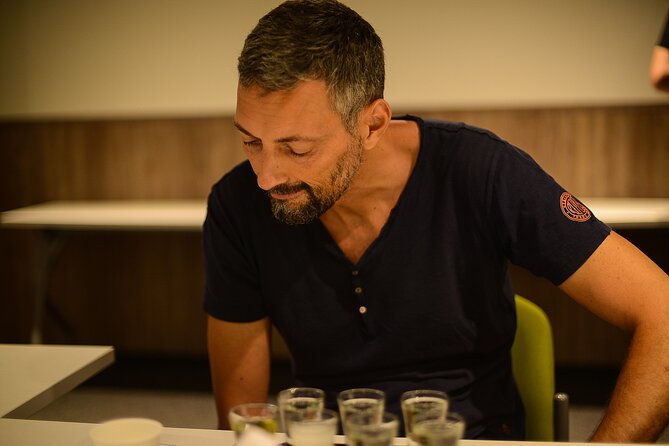
You’ll taste 10 selected sakes chosen for their different brewing approaches and flavor profiles. The point is not simply to collect ten samples. It is to compare them and notice how the character changes when the ingredients, fermentation process, or brewer’s philosophy changes.
That makes the session useful for two kinds of people. If you are new to sake, the expert’s explanations give you a clear starting point. If you already order nihonshu at Japanese restaurants, the unusual bottles and structured comparisons can help you sharpen your preferences.
I particularly like that the experience treats sake as a broad family of drinks rather than one fixed style. You may find familiar dry or fragrant notes alongside flavors shaped by older techniques and less conventional production choices. The tasting is designed to show that sake can be delicate, earthy, aromatic, savory, or strikingly unlike what you expected.
More Sake & Bar Hopping Tours in Kyoto
- Kyoto Night Foodie Tour in Gion (9+ dishes + 6 Sake tastings)
★ 5.0 · 1,762 reviews - 3-Hour Kyoto Insider Sake Brewery Tour with Tastings & Pairings
★ 5.0 · 917 reviews - Arashiyama Bamboo, Temple, Monkeys, or Secret Sake Brewery
★ 4.8 · 886 reviews
Inside the dedicated tasting room in Fushimi
The meeting point is Kyoto Insider Sake Experience at 271-1 Kurumamachi, in Fushimi Ward. The activity begins and ends at this location, and it is near public transportation.
Fushimi is a practical setting for a sake lesson because the district is closely tied to Kyoto’s brewing culture. The experience itself, however, is held in a dedicated tasting room rather than presented as a long walking tour. That keeps the two-hour session focused on the drink, the brewing choices, and the discussion.
A small room also matters here. The maximum group size is 12 people, which should make it easier to follow the expert’s explanations and look closely at the bottles and tasting materials. This is not the kind of activity where you are likely to spend most of the time waiting for a pour or trying to hear across a large crowd.
The room-based format has one tradeoff. You should not book this expecting a tour of multiple breweries, a visit to a production floor, or a food-focused evening. The value comes from instruction and comparison at one location.
The first stage: sake basics with a more serious purpose
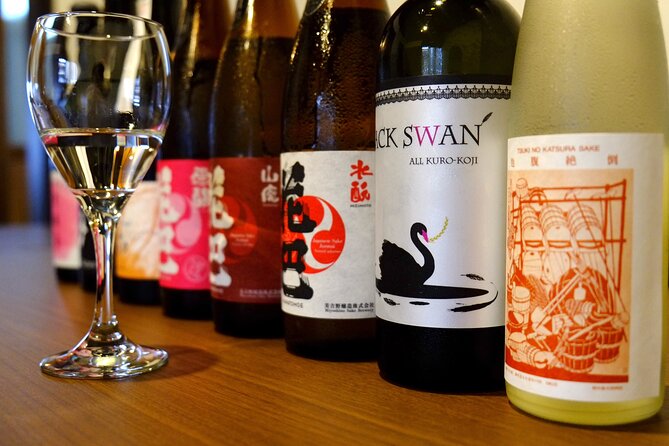
The session begins with the fundamentals of sake production and categories. You can expect an explanation of what goes into the drink and how brewing decisions influence its final taste.
The basics are not filler. They give you the tools needed to understand the later pours. When the guide talks about brewing methods, fermentation, ingredients, or flavor structure, you will have enough context to see why one sake tastes so different from another.
This approach worked well for mixed groups. Two people can arrive already familiar with sake while another person is trying it for the first time, and the material is designed to serve both. Beginners get a useful introduction without being left behind, while experienced drinkers get a route into more technical and unusual subjects.
The teaching is supported by presentations, explanations, and tasting notes. You are not expected to remember every term on the spot. The reference materials give you something to consult later, especially when you encounter unfamiliar bottles in a restaurant.
Ten pours that show how much sake can change
The heart of the experience is the tasting of 10 carefully selected sakes. The number is generous for a two-hour session, but the larger point is the contrast among the pours.
Instead of treating each glass as an isolated sample, you are guided to compare them. You may consider aroma, sweetness, acidity, texture, finish, and the overall shape of the flavor. The expert connects those impressions to the way each sake was made.
Three themes make this tasting more unusual:
- Ancient brewing methods: Older techniques can produce a character that feels different from the clean, polished styles many first-time drinkers encounter.
- Microorganism-focused fermentation: The session explores how microorganisms can shape flavor and aroma, showing that fermentation is not a background step but a major creative force.
- Local wood: Sake made with local wood can take on a distinct regional character, giving you another way to think about materials and place.
These are not merely production facts. You get to taste the results. That is the strongest reason to choose this experience over a basic flight at a bar. A label or lecture can tell you that two methods differ, but tasting the drinks side by side makes the distinction easier to grasp.
The selection also appears aimed at rare and exceptional bottles rather than only safe, widely familiar choices. That can be exciting if you already enjoy sake and want to find new directions. It can be less comfortable if you prefer a simple introduction with only mild, easy-drinking examples.
Same city, a completely different kind of day:
- PERFECT KYOTO 1-Day Bus Tour
★ 5.0 · 13,518 reviews - Kyoto: Fushimi Inari, Kinkakuji, Bamboo Grove 1 Day Bus Tour
★ 4.8 · 4,316 reviews - Kyoto: Tea Ceremony in a Traditional Tea House in Kiyomizu
★ 4.9 · 3,519 reviews - Kyoto Geisha Walking Tour: Gion District & Hidden Gems
★ 4.7 · 3,273 reviews
Learning to read the bottles you will see in Japan
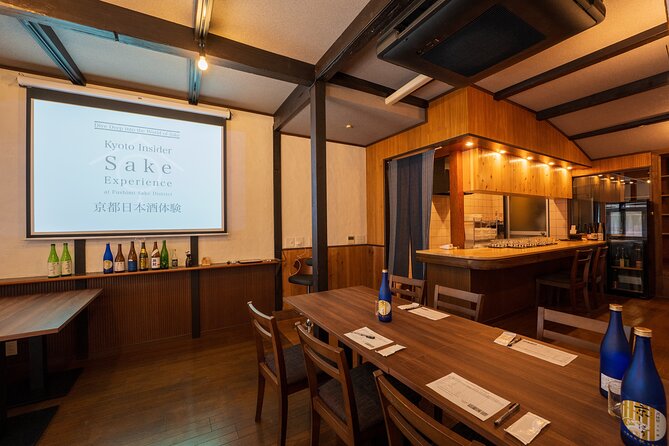
One of the most practical parts is hands-on practice with real sake bottles and labels used in restaurants. Japanese sake labels can be difficult to interpret, especially when you are looking at unfamiliar characters, classifications, or production terms.
You will not just hear the guide describe a bottle. You will work with the information on the bottle and connect it to what is in your glass. That turns the lesson into a useful shopping and ordering skill.
I like this feature because it extends beyond the tasting room. Once you know which details to look for, you can make a more informed choice at a Kyoto restaurant or sake shop. You may still need help with Japanese writing, but you will have a better sense of what questions to ask and which characteristics interest you.
The label lesson also supports the main purpose of the tour: refining how you choose sake. The goal is not to tell you which bottle is best. It is to help you notice what you like and understand why.
What the expert guidance adds
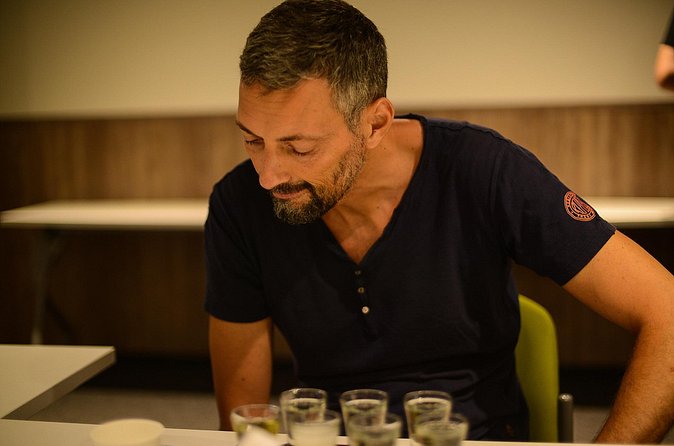
A certified sake expert leads the session, explaining styles, brewing methods, flavor structure, and the history and development of sake production. The value of the guide is not just the amount of information provided. It is the connection between technical choices and what your palate detects.
Sake terminology can become confusing quickly. A skilled guide can give you a plain explanation, let you taste, and then return to the term with a real example in the glass. That sequence is more useful than memorizing a list of categories.
The instruction is also friendly enough for newcomers, while still offering advanced details for people who already drink sake. The experience has a clear educational focus, but it is not presented as a formal examination. You can ask questions, compare impressions, and use the tasting notes to keep track of what you prefer.
If you are hoping to learn from a named guide, the available information does not identify the instructor. You can expect a certified sake expert, but you should not book on the assumption that a particular person will lead your session.
Food, timing, and the small details that matter
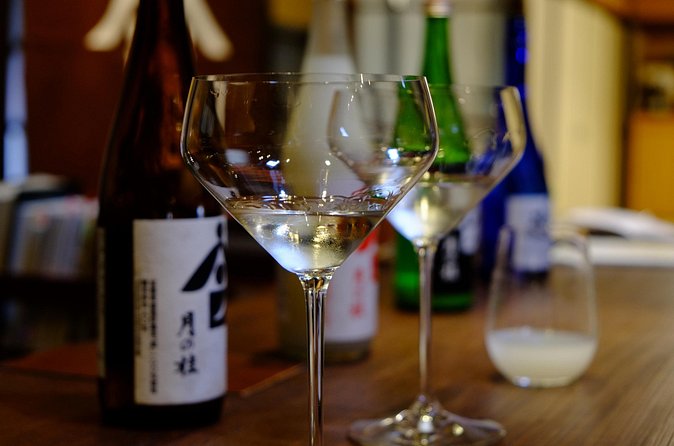
The tasting lasts about two hours. Have lunch or brunch beforehand because snacks and food pairings are not included. That is more than a minor note: 10 sake samples on an empty stomach can make it harder to concentrate on the differences, and the alcohol may affect you more quickly.
The experience is for people aged 20 and older, which matches Japan’s legal drinking age. Anyone under 20 receives only non-alcoholic drinks. Children and non-drinkers still need reservations, and people without reservations cannot join the activity.
Do not arrive by car or bicycle if you intend to take part in the alcoholic tasting. For safety and legal reasons, alcohol will not be served to people who arrive by either of those methods. Non-alcoholic drinks are available, but there is no refund if you cannot participate in the sake tasting after arriving that way.
Public transportation is the sensible choice. The starting point is near transit, and the activity returns to the same meeting point, so you do not need to arrange a separate pickup or find your way to another neighborhood afterward.
The mobile ticket is convenient for a Kyoto day, when you may be carrying several reservations on your phone. Confirmation is provided when you book. Since the group is capped at 12 and the experience averages being booked 11 days ahead, reserve before your preferred date if your schedule is fixed.
Is $74.64 a fair price?
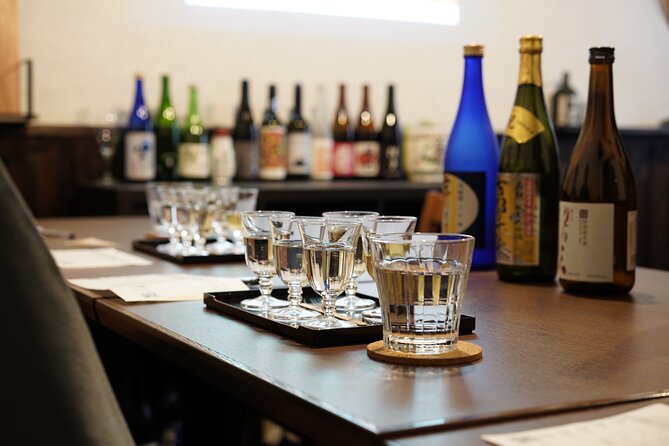
At $74.64 per person, this is not a casual bar flight. You are paying for 10 sake samples, a two-hour guided lesson, a certified expert, tasting notes, reference materials, and access to a dedicated tasting room.
The value depends on how you drink. If you simply want one pleasant cup of sake, this is more instruction than you need. If you want to understand the drink, compare rare styles, and feel more confident ordering later, the price is easier to justify.
The 10-sake format also gives you more than a quick introduction. The session is built around contrasts, so each pour has a job. One may show the effect of an older method, another the role of microorganisms, and another the character that local wood can bring. You are paying for the framework that helps those differences make sense.
Food is the missing extra. Since no snacks or pairing are included, add the cost of lunch or brunch to your plans. I would treat that as a practical necessity rather than an optional add-on.
Who will get the most from this experience?
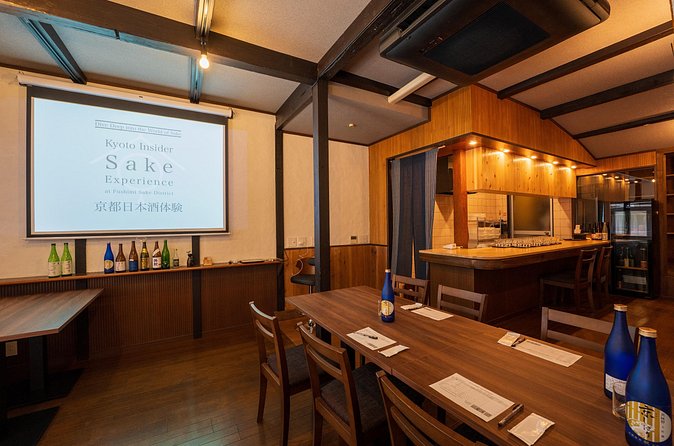
This is a good fit for you if you already enjoy sake and want to move past basic categories. It is also a strong choice if you like learning how traditional products are made, especially when the lesson includes unusual techniques and direct comparison.
It suits a mixed group, too. Someone new to sake can follow the explanations, while an experienced drinker can focus on rare brewing approaches and label details. The small group and two-hour length make it easier to keep the session focused.
You may want a different activity if your main interest is visiting breweries, seeing Kyoto sights, or pairing sake with a full meal. This is an indoor tasting lesson at one location, not a broad Fushimi sightseeing program.
I would also be cautious if you dislike unfamiliar flavors. The unusual methods are the attraction, but they also mean the tasting may include styles outside your usual comfort zone. That is useful for learning, though not every pour will be a personal favorite.
Booking and cancellation advice
Free cancellation is available up to 24 hours before the start time for a full refund. Changes or cancellations made less than 24 hours before the start time are not accepted and are not refunded.
The activity requires good weather and a minimum number of participants. If the operator cancels for either reason, you are offered another date or experience, or a full refund. Keep this in mind when arranging a tightly timed Kyoto itinerary.
Should you book the Advanced Kyoto Insider Sake Experience?
Book it if you want more than a few familiar sakes and would like to understand what makes each bottle different. The strongest reasons are the 10-pour comparison, the rare production styles, and the practical bottle-reading lesson you can use during the rest of your time in Japan.
I would especially recommend it to curious beginners who enjoy structured learning and to sake drinkers ready to refine their palate. Eat first, use public transportation, and leave enough room in your schedule for a focused two-hour session.
Skip it if you want a brewery visit, food pairing, or a relaxed drink with little explanation. For everyone else, $74.64 buys a focused look at sake’s creative side, with enough practical instruction to make your next restaurant order more confident.
FAQ
Where does the sake tasting take place?
It takes place at Kyoto Insider Sake Experience, 271-1 Kurumamachi, Fushimi Ward, Kyoto, 612-8365, Japan. The activity ends at the same meeting point.
How long does the experience last?
The tasting lasts approximately two hours.
How many sakes will I taste?
You will taste 10 carefully selected sakes chosen for comparison of brewing methods and flavor profiles.
Is food included?
No. Snacks and food pairings are not included, so you should have lunch or brunch before the experience.
What is the minimum age?
Participants must be at least 20 years old to receive alcoholic drinks. People under 20 are served non-alcoholic drinks only.
Can I arrive by car or bicycle?
You can arrive by those methods, but alcohol will not be served to people who arrive by car or bicycle. Non-alcoholic drinks are available, and there is no refund if you cannot take part in the sake tasting.
What is the cancellation policy?
You can cancel at least 24 hours before the start time for a full refund. Cancellations or changes made less than 24 hours before the start time are not accepted and are not refunded.
More Food & Drink in Kyoto
- Kyoto Nishiki Market Food and Culture Walking Tour
★ 5.0 · 412 reviews - Kyoto: Gion Food Tour 13 Dishes at 4 Eateries
★ 5.0 · 408 reviews - 1.5-Hour Kyoto Insider Sake Experience with 7 Tastings & Pairings
★ 5.0 · 297 reviews - Kyoto: Insider Sake Experience with 7 Tastings and Snacks
★ 5.0 · 266 reviews
More Drinking Tours in Kyoto
- Kyoto: Izakaya Bars Guided Walking Tour
★ 4.9 · 815 reviews - Kyoto: Insider Sake Brewery Tour with Sake and Food Pairing
★ 5.0 · 704 reviews - Kyoto Sake Brewery & Tasting Walking Tour
★ 5.0 · 623 reviews - Kyoto Bar Hopping Night Tour
★ 5.0 · 613 reviews
Just added around Kyoto
- Private Guided Traditional Buddhist Cooking in Japan★ 5.0 · 16 reviews
- Kyoto: Gion Geisha District & Sake-in-Hand Walking Tour★ 5.0 · 37 reviews
- Your Private Vacation Photography Session In Kyoto★ 5.0 · 110 reviews
- Kyoto: Zen Meditation at a Private Temple with a Monk★ 5.0 · 25 reviews
- Traditional Japanese Washi Papermaking- Kyoto morning★ 5.0 · 77 reviews
- Kyoto Wagashi(Japanese sweets) Cooking Class near Fushimiinari★ 5.0 · 60 reviews
- Private Pewter Sake Cup Experience with a Kyoto Artisan★ 5.0 · 31 reviews
- Kyoto Private 6 hour Tour: English Speaking Driver Only, No Guide★ 5.0 · 88 reviews
Sake & Bar Hopping Tours, compared.
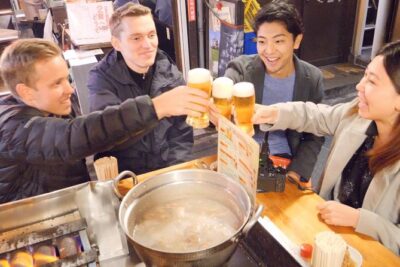
Tokyo Bar Hopping Tour in Shinjuku (All-You-Can-Drink + Dinner)
Read our review →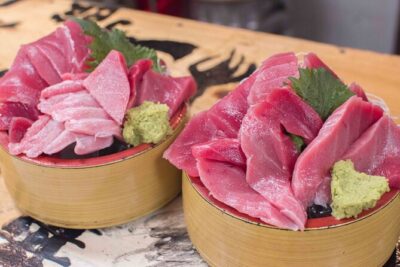
Best of Shinjuku: Izakaya Food Tour (4 Stops, 14+ Tastings)
Read our review →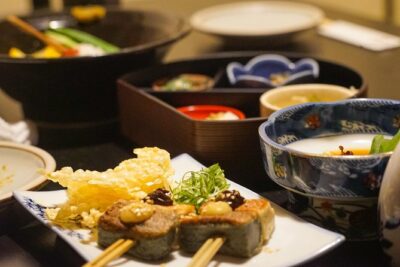
Kyoto Night Foodie Tour in Gion (9+ dishes + 6 Sake tastings)
Read our review →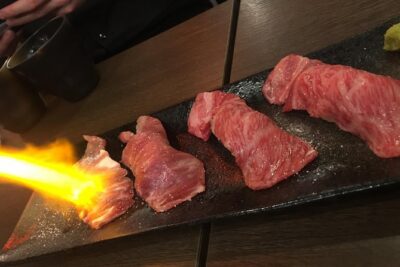
Shibuya Meltdown Nightlife Tour: All-You-Can-Drink Bar Hopping
Read our review →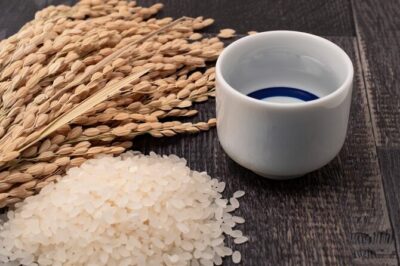
1-Day Snow Monkeys, Zenko-ji Temple & Sake in Nagano
Read our review →
Osaka Bar Hopping Night Walking Tour in Namba (3 bars, 6 tastes)
Read our review →
3-Hour Kyoto Insider Sake Brewery Tour with Tastings & Pairings
Read our review →
Browse the lists this tour appears in