
REVIEW · FOOD MARKET TOURS
Tokyo: West-Side Cycling and Food Tour with Guide
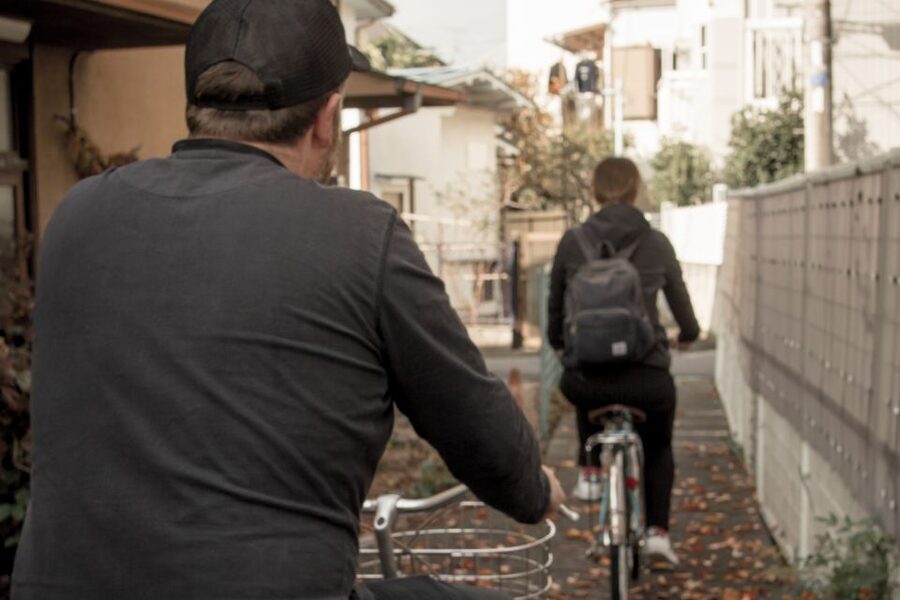
Tokyo looks very different from the seat of a mamachari, the sturdy neighborhood bicycle used by parents and everyday residents. This 3.5-hour outing takes you through Nakano, Koenji, and Asagaya, where narrow lanes, small shops, riverside paths, food counters, and ordinary apartment streets replace the usual sightseeing circuit.
I like the chance to see Tokyo at a human pace, and I like that the food is part of the ride rather than a separate restaurant stop. Guide Andy also adds real value, explaining local customs, bicycle parking, vending machine drinks, and the small habits that make daily life here tick. The catch is simple: you need to be comfortable riding 12 to 15 kilometers on narrow, crowded streets, uneven surfaces, and possibly wet roads.
In This Review
- Key points at a glance
- Why this bike ride shows you a different Tokyo
- Meeting Andy outside Koenji Station
- Getting used to the mamachari
- Nakano, Koenji, and Asagaya by bicycle
- Riverside paths and the rules of urban cycling
- Street food, a simple lunch, and local counter culture
- What the $110 price covers
- Who should book this Tokyo ride
- Practical tips for a smoother ride
- FAQ
- Where does the Tokyo cycling tour begin?
- How long is the tour?
- How far will I ride?
- What food and drinks are included?
- Can I join if I am vegan or have a food allergy?
- What happens if it rains?
- Should you book this tour?
Key points at a glance
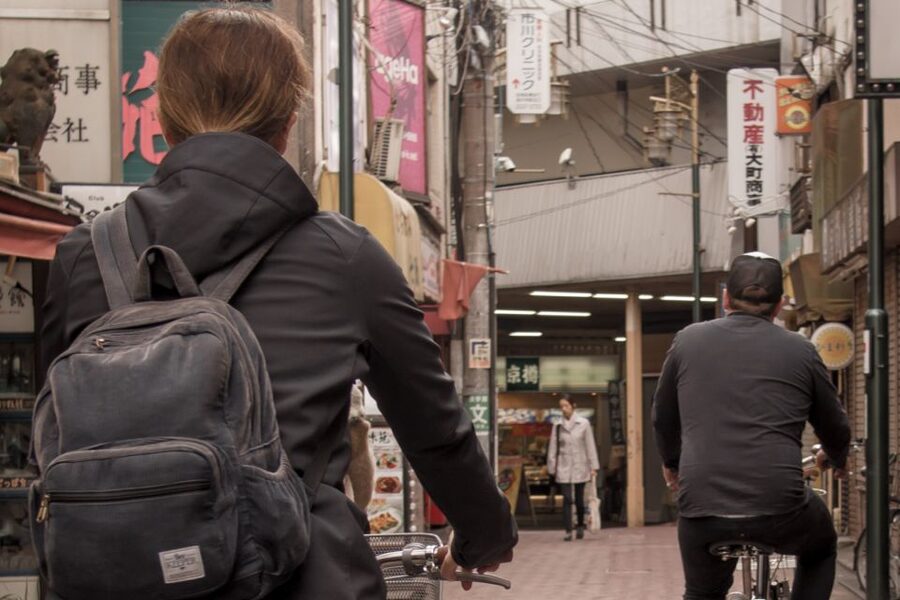
- Ride a real mamachari bike: Expect a practical city bicycle with a front basket, kept in good working order despite its sometimes creaky character.
- See three inner-west neighborhoods: Nakano, Koenji, and Asagaya offer a useful look at Tokyo beyond the main tourist zones.
- Eat as you go: The price includes two street food items, a simple Japanese lunch, and one bottled drink.
- Learn Tokyo’s bike etiquette: Andy explains bicycle parking systems and the rules of getting around on two wheels.
- Cover a useful distance: You will ride roughly 7.5 to 9.5 miles, or 12 to 15 kilometers, at a leisurely pace.
- Join a small or private outing: Small groups make it easier to ask questions and follow the guide through tight streets.
Why this bike ride shows you a different Tokyo
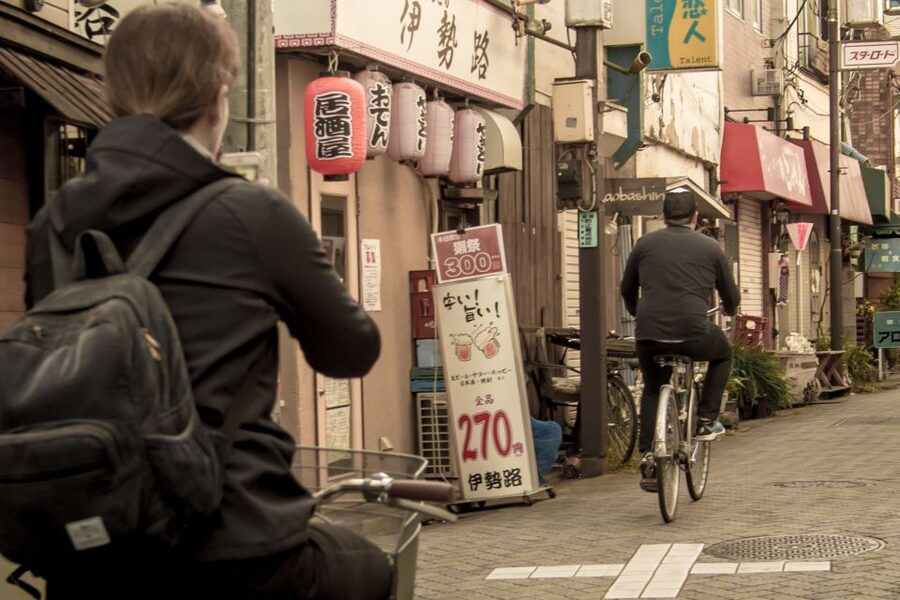
The main appeal is not a famous monument. It is the ordinary city between the famous sights.
From Koenji Station, you set off into the inner west side of Tokyo, an area that many first-time visitors pass by on the train. The route uses twisting backstreets, riverside bike paths, and local activity hubs. You get a changing view of the city: one moment you are threading through a narrow residential lane, and the next you are beside a river or stopping at a small food counter.
That change of pace matters. On foot, you might see one neighborhood in detail. By bicycle, you can connect several districts in one morning or afternoon without spending much of the tour underground on trains. You also notice things that are easy to miss from a taxi window, such as how residents store bicycles, how narrow streets work, and where people stop for a quick meal.
This is not a high-speed cycling tour. The pace is described as leisurely, but the distance is still substantial. You should expect around three and a half hours of regular riding, short walks, food stops, and explanations. The tour asks you to participate, not simply sit back and watch.
More Food Market Tours in Tokyo
- Tokyo: Shinjuku Food Tour (13 Dishes at 4 Local Eateries)
★ 5.0 · 6,603 reviews - Tokyo Tsukiji Fish Market Food and Culture Walking Tour
★ 5.0 · 3,184 reviews - Tokyo: Shinjuku Food Tour (15 Dishes and 4 Eateries)
★ 4.9 · 2,033 reviews
Meeting Andy outside Koenji Station
The meeting point is directly outside the ticket gates at Koenji Station on the JR train network. Koenji is about six minutes from Shinjuku Station and roughly 18 minutes from Shibuya Station, so reaching the start is fairly easy from central Tokyo.
The guide waits five minutes before departure and wears a baseball cap. That small detail helps at a busy station, but you still need to arrive early. This tour leaves on time. If you are late, the group may already be riding away, and the tour does not appear to offer a delayed start for stragglers.
Andy is the named guide associated with this experience. He is an Australian transplant with a strong connection to the area, and his approach combines local cultural explanations with an easy sense of humor. That is useful for a tour like this because the best questions often come up while you are riding: why bicycles are parked in certain ways, how vending machines fit into daily routines, or what you are seeing at a neighborhood food stop.
The English-language format also makes the tour a good choice if you want context rather than simply a route through town. Andy’s explanations cover local habits, society, food, and customs, with plenty of room for questions.
Getting used to the mamachari
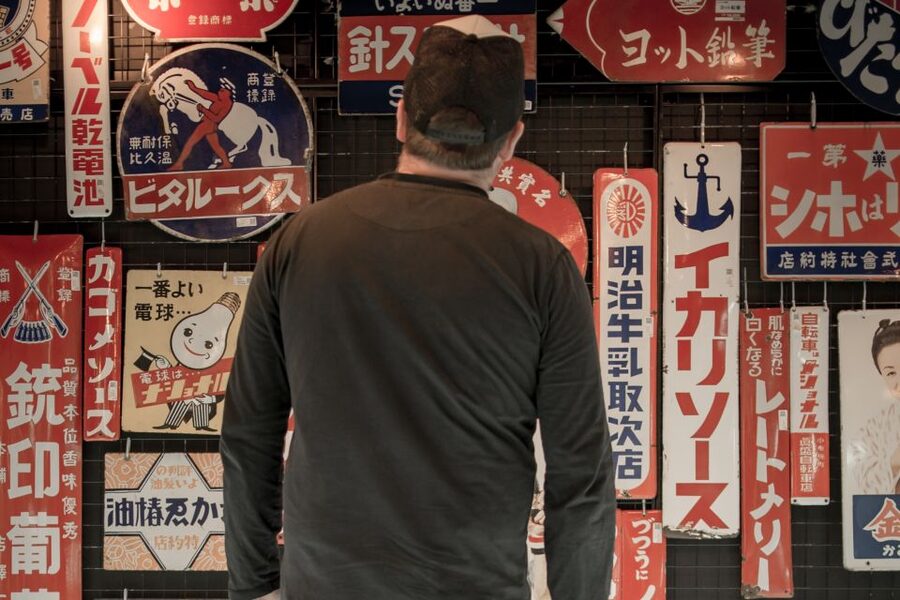
The bikes are salvaged mamachari bicycles, but they are described as carefully maintained and easy to ride. One useful feature is the front basket, which gives you somewhere to carry small personal items without wearing a heavy daypack.
Do not expect a sleek road bike or a sporty rental. A mamachari is a practical city bicycle. Its purpose is everyday transport, not speed. That suits this route, since you will be turning through small lanes, stopping for food, and riding at a relaxed pace.
You should be a confident city rider before booking. The route includes narrow and crowded streets, uneven surfaces, and regular changes in direction. One earlier outing was described as including sharp turns, so you should not treat this as a wide, flat bike path ride from start to finish.
The minimum comfortable height is 140 centimeters, or about 4 feet 7 inches. Children under 10 are not suitable for this activity, and the tour is not intended for people under that height. You also need to bring a passport or identity card, hand sanitizer or tissues, and a garbage bag.
Nakano, Koenji, and Asagaya by bicycle
The route links three neighborhoods with distinct local character, though the exact order and stops may vary.
Nakano is one of the first places where you can feel the contrast between major Tokyo attractions and everyday west-side life. Rather than focusing on one headline sight, the ride lets you observe the shape of the neighborhood: side streets, local businesses, apartment areas, and the steady movement of people going about their day.
Koenji is both the start point and one of the main areas explored. Its backstreets and activity hubs give the ride energy without the scale of central Tokyo. You may find yourself switching between quiet lanes and busier local pockets, which is part of the fun. The bicycle lets Andy take you through routes that would be awkward for a larger vehicle.
Asagaya adds another layer to the outing. Moving between the districts shows you how Tokyo changes from one neighborhood to the next, even when the train ride between them would be short. You are not just checking off three names. You are seeing the connections between them.
The route may also include local architectural details. This is not an architecture tour, so do not book it expecting a formal survey of buildings. Still, Andy’s explanations can give you a sharper eye for ordinary structures and neighborhood design.
Same city, a completely different kind of day:
- Mt Fuji and Hakone 1-Day Bus Tour Return by Bullet Train
★ 5.0 · 26,383 reviews - 1-Day Tokyo Bus Tour
★ 5.0 · 14,250 reviews - Tokyo: TOKYO SKYTREE® Admission ticket
★ 4.5 · 11,192 reviews - Tokyo: teamLab Planets TOKYO Digital Art Museum Entry Ticket
★ 4.6 · 9,779 reviews
Riverside paths and the rules of urban cycling
The riverside sections offer a change from the tight backstreets. They give you more room to ride and a chance to settle into the bicycle before the route turns narrow again.
One of the most useful parts of the experience is the practical look at Tokyo’s cycling culture. Bicycle parking in Japan is organized in ways that can surprise first-time visitors. Andy explains how those systems work and helps you see cycling as part of the city’s daily transport rather than a special activity reserved for visitors.
You will need to stay alert. Tokyo’s streets can be crowded, and the tour includes uneven surfaces and narrow passages. The presence of a guide helps, but you remain responsible for handling your bicycle safely. The liability insurance and bicycle parking fees are included in the price, which removes two minor costs and gives the tour a more organized feel.
Rain does not automatically cancel the ride. The activity generally proceeds in wet weather, so you should be ready to get wet. That is an important booking detail. A damp day may add atmosphere, but it can also make narrow streets and uneven surfaces less comfortable. Check the forecast and dress for movement rather than style.
Street food, a simple lunch, and local counter culture
Food is built into the route, with two popular street food items, one bottled drink, and a simple Japanese lunch included.
The two snacks break up the cycling and give you small tastes of everyday food rather than one large formal meal. The lunch is designed as a local stop, and the route may put you at a compact noodle bar or another modest neighborhood counter. One particularly appealing detail is the chance to share counter space with hungry salarymen, giving you a look at the quick, practical rhythm of a Japanese weekday meal.
That format is more valuable than a long restaurant sitting when the purpose is to understand local life. You get to eat, ask questions, and continue moving. It also keeps the meal tied to the neighborhood instead of making food feel like a separate tourist attraction.
There is a firm limitation. The tour does not cater to personal tastes, dietary requirements, or allergies. Vegans and people with food allergies should not book this experience. If you have a mild preference rather than a medical restriction, you still need to understand that the menu is set by the activity rather than chosen to suit each person.
The bottled drink is included, and Andy can help explain the vending machine drink culture that is so common in Japan. Bring your own water if you prefer a larger supply, since only one bottled drink is included.
What the $110 price covers
At $110 per person, this is not the cheapest way to get around Tokyo. The value depends on how much you want from the outing beyond transportation.
You are paying for 210 minutes with an English-speaking guide, a maintained bicycle, bicycle parking fees, cycling liability insurance, two food stops, lunch, and a bottled drink. You are also paying for the route design. Finding the right mix of backstreets, riverside paths, neighborhood food, and practical cultural explanation on your own would take time and some trial and error.
The price makes more sense if you value local context and small-group attention. A large bus tour might show you more famous sights, but it would not offer the same access to narrow residential streets. A normal bicycle rental might cost less, but you would need to plan the route, manage the cycling, find food stops, and understand where parking is allowed.
The private or small-group option can improve the value for couples, families with suitable older children, or friends who want to ask many questions. The larger the group, the less personal the experience may feel, though the available booking format should be checked when you select your date.
Free cancellation up to 24 hours in advance and the reserve-now, pay-later option also make the booking less rigid. Those policies are helpful when Tokyo plans are still changing.
Who should book this Tokyo ride
I would recommend this tour to you if you have already seen the major central districts and want a closer look at neighborhood Tokyo. It also works well early in a Japan trip, since Andy can help explain habits and customs that make later days easier.
You should be comfortable with:
- Riding 12 to 15 kilometers at a relaxed pace
- Steering on narrow and sometimes crowded streets
- Handling uneven surfaces and sharp turns
- Spending several hours outdoors
- Eating a set selection of Japanese food
- Riding in possible rain
The outing suits adults, active couples, and families with children aged 10 or older who meet the height requirement. It is less suitable if you want a relaxed walking tour, a polished road bike, or a tightly scheduled list of major sights.
It is also not the right choice for a strict vegan diet or serious food allergies. The food is part of the package, not an optional extra.
Practical tips for a smoother ride
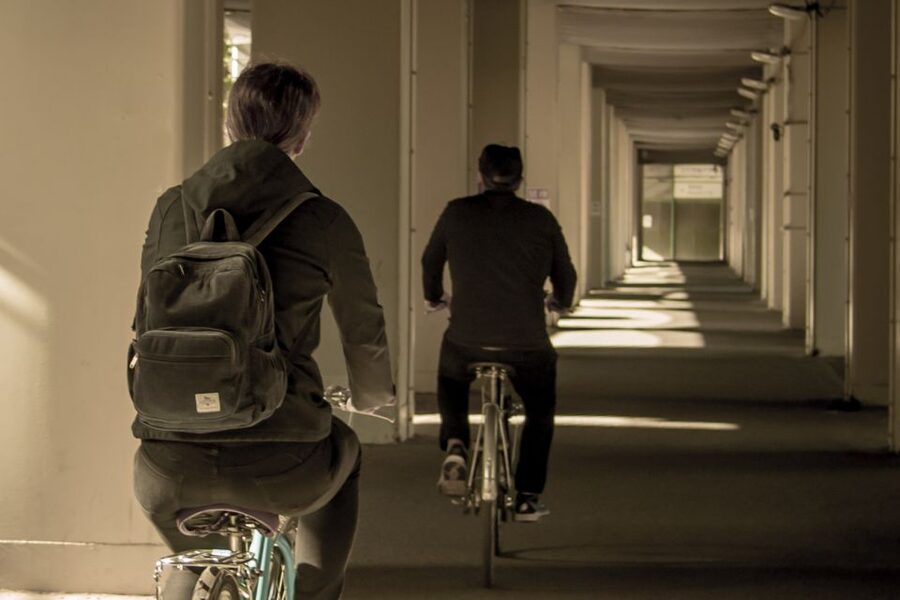
Arrive at Koenji Station early, find the ticket gates, and look for Andy’s baseball cap. Five minutes before the start is the stated meeting time, but I would aim to be in the area sooner so a delayed train or a wrong exit does not cost you the tour.
Wear comfortable clothes and shoes that work for both cycling and short walks. Since rain usually does not stop the experience, bring weather protection or clothing that can handle getting wet. Keep your belongings compact so they fit comfortably with the bike and front basket.
Carry your passport or another identity card, tissues or hand sanitizer, and a garbage bag. The garbage bag is a practical item for holding wrappers or damp items while you ride.
Do not arrive hungry with the expectation of a full restaurant meal at the first stop. The tour includes street food and a simple lunch, spread across the route. You should also avoid booking it immediately after a long day of walking if you know that 12 to 15 kilometers on a bicycle will be tiring.
FAQ
Where does the Tokyo cycling tour begin?
It begins directly outside the ticket gates at Koenji Station on the JR Train Network. The guide waits five minutes before the start and wears a baseball cap.
How long is the tour?
The activity lasts 210 minutes, or three and a half hours.
How far will I ride?
You should expect to cycle roughly 7.5 to 9.5 miles, or 12 to 15 kilometers, at a leisurely pace.
What food and drinks are included?
The price includes a simple local lunch, two popular street food items, and one bottled drink.
Can I join if I am vegan or have a food allergy?
No. The tour does not cater to vegan diets, food allergies, personal tastes, or other dietary requirements.
What happens if it rains?
The tour generally proceeds in rainy weather, so you should expect the possibility of getting wet. The activity is outdoors and can be affected by weather conditions.
Should you book this tour?
Book it if you want to understand Tokyo through its ordinary streets, local food, and bicycle habits rather than through famous landmarks alone. Andy’s cultural explanations, the mamachari bikes, and the links between Nakano, Koenji, and Asagaya give the outing a clear sense of place.
Skip it if you are not a confident cyclist, need a fully flexible menu, or prefer a short ride on broad, easy paths. For the right rider, $110 buys much more than a bicycle rental. It gives you a guided route into west-side Tokyo that would be difficult to piece together on your own.
More Food & Drink in Tokyo
- Best of Shinjuku: Izakaya Food Tour (4 Stops, 14+ Tastings)
★ 5.0 · 1,863 reviews - Tokyo: Tsukiji Fish Market Food and Walking tour
★ 5.0 · 1,724 reviews - Eat and Drink Like a Local: Tokyo Ueno Food Tour-Taverns&Ramen
★ 5.0 · 957 reviews - Tokyo: Shibuya Food Tour (13 dishes and 4 Eateries)
★ 5.0 · 770 reviews
More Cycling Tours in Tokyo
- Tokyo Guided Small-Group Biking Tour
★ 5.0 · 1,250 reviews - Tokyo Great Cycling Tour
★ 5.0 · 811 reviews - Tokyo Top Highlights 3h Guided E-bike Tour
★ 5.0 · 714 reviews - 3h Tokyo E-Bike Tour: Hidden Gems, and Local Life with guide
★ 5.0 · 670 reviews
Just added around Tokyo
- Private Memorable Tokyo Tour with English Speaking Driver★ 5.0 · 30 reviews
- Tokyo Photography Masterclass – Private Photography Lesson★ 5.0 · 25 reviews
- Private Tokyo Custom Full-Day Tour by Chartered Vehicle★ 5.0 · 16 reviews
- Private Sightseeing to Mt Fuji and Hakone with English Driver★ 5.0 · 51 reviews
- Private Mt. Fuji Day Trip from Tokyo with English-Speaking Driver★ 5.0 · 33 reviews
- 4 Day Tour – Mount. Fuji, Tokyo, Hakone, Kamakura and Yokohama★ 5.0 · 19 reviews
- Private Unforgettable Mt Fuji Tour with English Speaking Driver★ 5.0 · 142 reviews
- Private Tokyo Food Tour – A Journey Through Time Through Food★ 5.0 · 36 reviews
Food Market Tours, compared.
Shinjuku Food Tour (13 Dishes at 4 Local Eateries)
Read our review →
Tokyo Tsukiji Fish Market Food and Culture Walking Tour
Read our review →
Shinsekai Food Tour with 13-15 Dishes at 5 Eateries
Read our review →
Osaka Food Tour: 13 Dishes at 5 Local Eateries
Read our review →
Shinjuku Food Tour (15 Dishes and 4 Eateries)
Read our review →
Best of Shinjuku: Izakaya Food Tour (4 Stops, 14+ Tastings)
Read our review →
Hungry Osaka Street Food Tour:15 Tastings & 3 Drinks with a Local
Read our review →
Browse the lists this tour appears in