
REVIEW · SUMO EXPERIENCES
Tokyo: Sumo Tournament with Guide & Assigned Reserved Seat
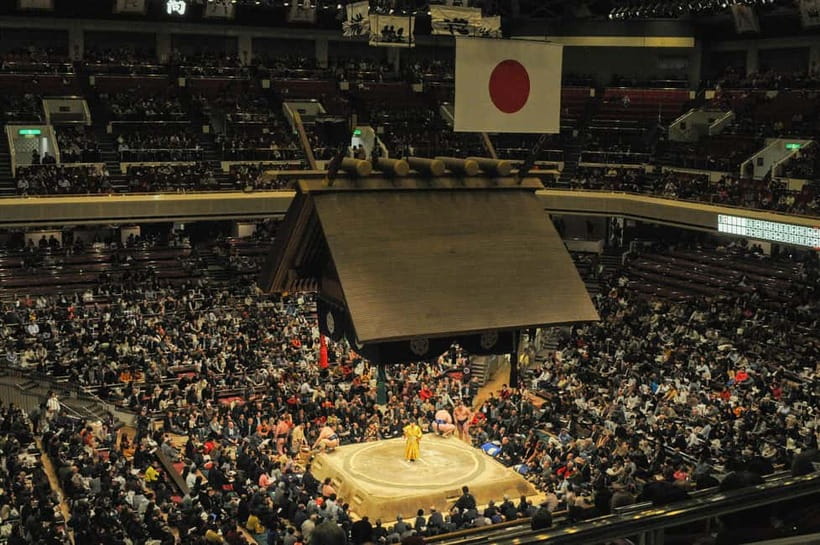
A live sumo tournament is one of Tokyo’s most striking cultural experiences. The matches are short, but the ceremony around them gives the afternoon its force: wrestlers enter, salt is thrown, bodies tense, and the arena suddenly erupts. An English-speaking sumo guide helps you understand what you are seeing instead of leaving you to guess at the rules.
I like two things here. First, you get a guaranteed reserved seat at Ryogoku Kokugikan, where official tournaments are held. Second, guides such as Jorge, Lily, Cesar, Erik, and Miki have been praised for explaining rankings, customs, and match strategy in clear English. The main catch is the price, which is high for a B or C class ticket, especially when compared with the much lower face value of some seats.
In This Review
- Key points at a glance
- Why a sumo afternoon feels different from a normal sporting event
- Meeting near Ryogoku and getting oriented
- Inside Ryogoku Kokugikan for four hours of sumo
- What your guide adds to the match
- The assigned B and C seats, and what you give up
- Is $209 a fair price for this Tokyo sumo tour?
- Who will get the most from the afternoon?
- Small details that make the day easier
- Should you book Tokyo’s guided sumo tournament?
- FAQ
- Where does the sumo experience take place?
- How long does the activity last?
- What type of seat is included?
- Is a guide included?
- Are food and drinks included?
- Is the experience suitable for people with mobility impairments?
Key points at a glance
- A real tournament at Ryogoku Kokugikan: You watch official sumo in Tokyo’s best-known sumo venue.
- A guide gives the bouts meaning: Learn how wrestlers rank, how promotion works, and why the rituals matter.
- Assigned second-floor seating: Your ticket is in B or C class, with the exact seat assigned rather than selected.
- A four-hour arena visit: The tournament portion takes most of the afternoon, after about 30 minutes of guided orientation.
- Useful for first-time spectators: You do not need prior sumo knowledge, though a little preparation will help.
- A costly but practical option: It can be worth the premium when official tickets are sold out, but price-sensitive visitors should think carefully.
Why a sumo afternoon feels different from a normal sporting event
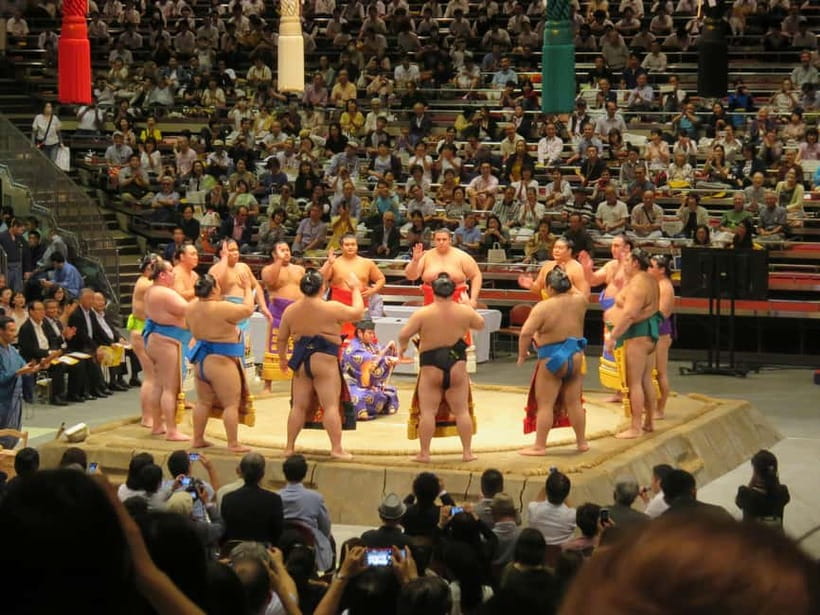
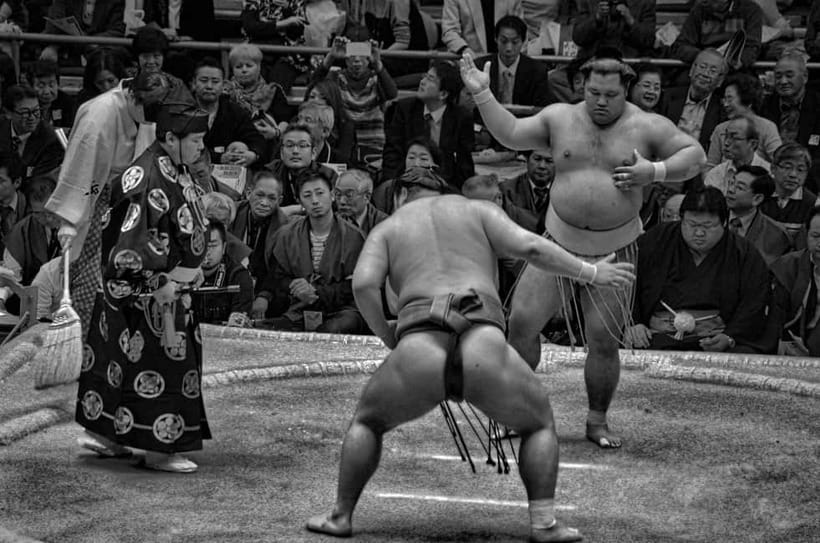
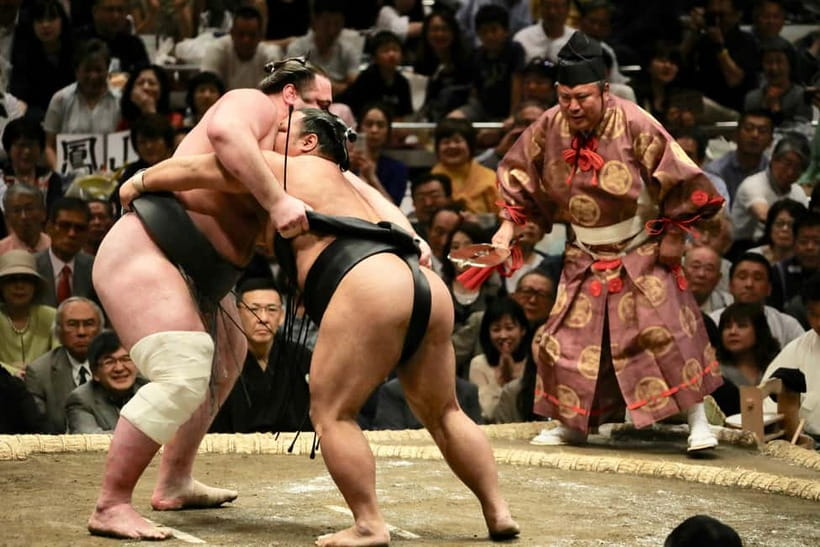
Sumo is not simply two large athletes pushing one another out of a ring. The bout itself may last only seconds, yet the lead-up can feel almost theatrical. The wrestlers face one another, stamp, crouch, and repeat parts of the ritual before finally making contact.
That rhythm is easier to appreciate when someone explains it as it happens. Without help, you might notice the salt, the bowing, and the referee’s robes without understanding their place. With a guide, those details become part of a larger system of discipline, rank, and ceremony.
I especially like this format for people who want culture without sitting through a formal lecture. The guide talks before the tournament and continues answering questions around the matches. Several guides have received especially strong praise for their energy and clarity, including Jorge, Lily, Cesar, and Erik.
The experience does not turn sumo into a tourist show. You are attending an official tournament, surrounded by Japanese spectators and the serious mood of a real competition. The guided element simply gives you the tools to follow it.
More Sumo Experiences in Tokyo
- Tokyo: Sumo Show and Dining Experience
★ 4.8 · 2,742 reviews - the SUMO show
★ 5.0 · 1,960 reviews - Tokyo Shinjuku Sumo Show & Experience with Photo
★ 5.0 · 1,750 reviews
Meeting near Ryogoku and getting oriented
There are two possible starting options, with the meeting point listed as the Matsuura-Bungo Mansion Site. The exact meeting location can vary according to the option you book, so check your confirmation carefully before setting out.
The meeting area is in Ryogoku, Tokyo’s sumo district. Some departures also include a short look at nearby cultural sights, such as Ekoin Temple, a cemetery, or a garden near the arena. These extras are not the core of the experience, but they can help you understand why Ryogoku matters to sumo culture.
The first guided portion lasts about 30 minutes. This is where you get the basic vocabulary and structure: how the ring works, what counts as a winning move, how wrestlers are ranked, and how promotion and demotion operate.
I would pay close attention here. The early explanation is not filler. It is what allows you to tell the difference between a simple shove, a belt throw, a foot sweep, and a wrestler stepping outside the ring. It also gives you a way to follow the ranking system, which can seem opaque if you have never watched sumo before.
One practical issue is noise. If the guide gives the introduction on a busy street, it may be harder to hear every word. A large group can create the same problem. Stay near the guide, and ask for clarification before entering the arena if you miss an important point.
Inside Ryogoku Kokugikan for four hours of sumo
The main arena visit lasts about four hours. That is a substantial block of time, but the tournament atmosphere changes as the day builds. The lower-ranked bouts create a steady flow of action, while the anticipation grows as higher-ranked wrestlers appear.
Your reserved ticket is in B or C class on the second floor. The exact seat is assigned, so you cannot choose a specific row or position when booking. This is convenient if your main goal is simply to secure entry, but it gives you less control than buying a seat from a detailed seating map.
Several people have found the view from these seats good enough to follow the fights clearly. You will be farther from the ring than spectators in the most expensive sections, but a second-floor position can offer a useful overall view of the dohyo and the arena. You can watch the wrestlers’ footwork, the referee, and the response from the crowd without being right at floor level.
Groups may not always sit together. Assigned seating can sometimes separate members of the same booking, and the guide may need to move around to speak with different parts of the group. If sitting side by side is important to you, ask about this before booking rather than assuming that several seats will be adjacent.
The guide’s role continues during the tournament, though the amount of explanation you receive can depend on the group size and the noise level. Guides such as Cesar and Jorge have been singled out for answering questions about wrestlers and tournament customs. Lily has also been praised for her friendly manner and strong command of the subject.
Do not expect a private guide sitting beside you for every bout. This is a shared experience, and one guide may be handling more than 10 people. That arrangement keeps the tour possible during a sold-out tournament, but it also explains why some explanations may be brief or uneven.
What your guide adds to the match
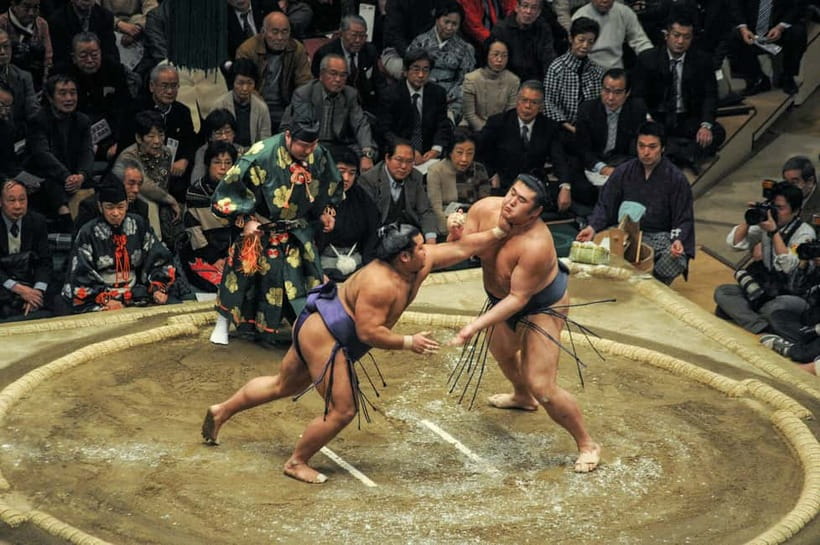
The best reason to book this experience is not simply the ticket. It is the help you get in reading the event.
A good guide can explain:
- Why the wrestlers perform repeated movements before the bout
- How a wrestler wins by forcing an opponent out or making another body part touch the ground
- How the ranking system affects a wrestler’s career
- Why some wrestlers attract more attention than others
- What you are seeing in the referee’s gestures and the pre-match rituals
- How tournament results affect promotion and demotion
The strongest guides bring enthusiasm as well as information. Jorge has been praised for being funny and clear. Cesar is often described as approachable and able to explain names, traditions, and the action in the ring. Lily is a good fit if you value a warm, attentive guide who takes time with questions.
There is a limit, though. Some visitors have wanted more detail about the fighting techniques and the origins of individual rituals. Others have cared less about the buildings and nearby sights and wanted more time focused on the bouts. If technique is your main interest, say so early. A direct question can steer the conversation toward grips, throws, footwork, and tactics.
I recommend doing a little reading before you go. Learn the basic idea of the dohyo, the winning conditions, and the broad ranking structure. You do not need to become a sumo expert. Even a small amount of preparation will make the guide’s comments easier to follow and help you notice more during the matches.
Same city, a completely different kind of day:
- Mt Fuji and Hakone 1-Day Bus Tour Return by Bullet Train
★ 5.0 · 26,383 reviews - 1-Day Tokyo Bus Tour
★ 5.0 · 14,250 reviews - Tokyo: TOKYO SKYTREE® Admission ticket
★ 4.5 · 11,192 reviews - Tokyo: teamLab Planets TOKYO Digital Art Museum Entry Ticket
★ 4.6 · 9,779 reviews
The assigned B and C seats, and what you give up
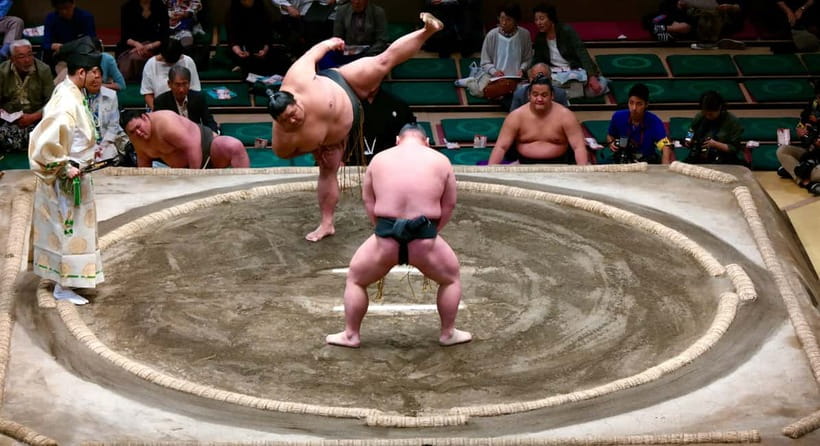
The seat arrangement is both a strength and a weakness.
The strength is certainty. During busy tournament periods, getting into Ryogoku Kokugikan can be difficult through official sales channels. This package gives you an assigned place, so you are not left hoping for a last-minute ticket.
The weakness is control. You cannot select an exact seat, and the description does not promise a particular row or view. You receive a B or C class second-floor seat, with the assignment made for you. If you want a specific location, a floor-level seat, or guaranteed seats together, this may not be the right product.
The assigned system also matters for families and couples. Seats may be split, even though the guide will do what possible to keep the group informed. For a solo visitor, this is less of a concern. For a group, it is worth treating adjacent seating as something to confirm rather than something to expect.
The experience is also not designed for people with mobility impairments. The venue and assigned seating may involve walking and stairs, and the activity is listed as unsuitable for visitors with mobility limitations. Food and drinks are not included, so plan around the four-hour arena visit according to the venue rules and the instructions you receive.
Is $209 a fair price for this Tokyo sumo tour?
At $209 per person, this is expensive. You are paying a large premium over the ticket’s apparent face value, with some buyers estimating B or C seats at roughly ¥5,000 to ¥6,000. That gap is the central value question.
The premium buys more than admission. It can buy access when the official site is sold out, an English-speaking guide, help at the meeting point, explanations before the event, and support during the tournament. For a visitor who considers sumo a top priority, that convenience may be worth paying for.
Still, you should be clear about what you are buying. This is not a private tour with a custom itinerary. The guide may be working with a large group, your seat is assigned, and the ticket itself may represent only a small part of the total cost.
I would book it in three situations. First, you have tried to obtain official tickets and cannot find them. Second, you have little knowledge of sumo and want the ceremony explained in English. Third, this is a special Tokyo trip and you would regret missing the tournament more than you would regret the expense.
I would hesitate if you are comfortable watching sumo on your own, care strongly about exact seating, or dislike paying a large markup for convenience. If you can secure an official ticket directly, you may prefer to attend independently and spend the difference on food, transport, or another Tokyo experience.
Booking early is sensible. Once dates fill, the remaining options can become even more expensive. The booking process itself is described as simple, with clear tournament dates, instant confirmation, and assigned-seat details. A few people have wanted a seat map or a reminder closer to the date, so read the confirmation carefully and save the meeting instructions.
Who will get the most from the afternoon?
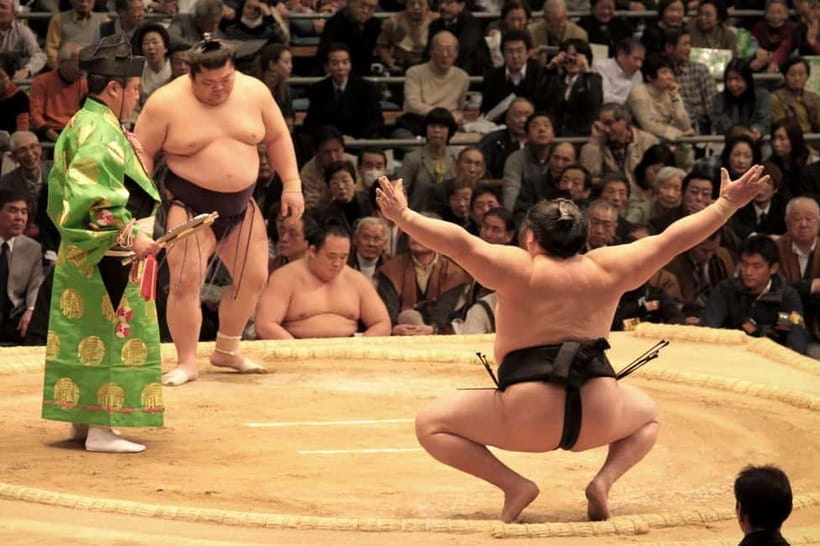
This experience suits a first-time sumo spectator who wants context. You can arrive knowing very little and still follow the basic action by the time the tournament gets serious.
It is also a good match for visitors who value organized cultural experiences. The meeting point, guided introduction, reserved seat, and four-hour arena visit give the afternoon a clear shape. You do not have to work out the venue, ticket system, or rules alone.
Families with older children may enjoy it, provided everyone can manage the walking and seating requirements. The action is easy to see, but the ceremonies require patience. Younger children who need constant movement may find the long arena visit difficult.
Serious sumo fans may prefer direct ticket purchase and more control over their seats. The guide can still add useful context, but the tour is aimed more at making sumo understandable than at giving an expert a rare insider experience.
The same applies to photographers. The arena offers memorable images, especially with the wrestlers, referee, crowd, and traditional setting, but this is not sold as a photography tour. Your seat assignment determines your view.
Small details that make the day easier
Wear comfortable shoes. The experience lasts four to five hours and includes the meeting, the guided orientation, walking to the venue, and the tournament itself.
Arrive with your confirmation and meeting instructions easy to find. The start point may vary by booking option, and missing the group at the wrong location would be a needless way to spoil an expensive afternoon.
Stay close during the first explanation. A noisy street or a large group can make it hard to hear, and this is when you learn the terms that will help you follow the bouts.
Bring your questions. The guides are there to explain the rules, rankings, rituals, and cultural meaning, but the tour works best when you tell them what interests you. Ask about techniques if the opening talk focuses more on history or nearby sights.
Finally, leave room in your schedule. The stated duration is four to five hours, and the tournament portion alone lasts about four hours. This is not a quick stop you can squeeze between tightly timed attractions.
Should you book Tokyo’s guided sumo tournament?
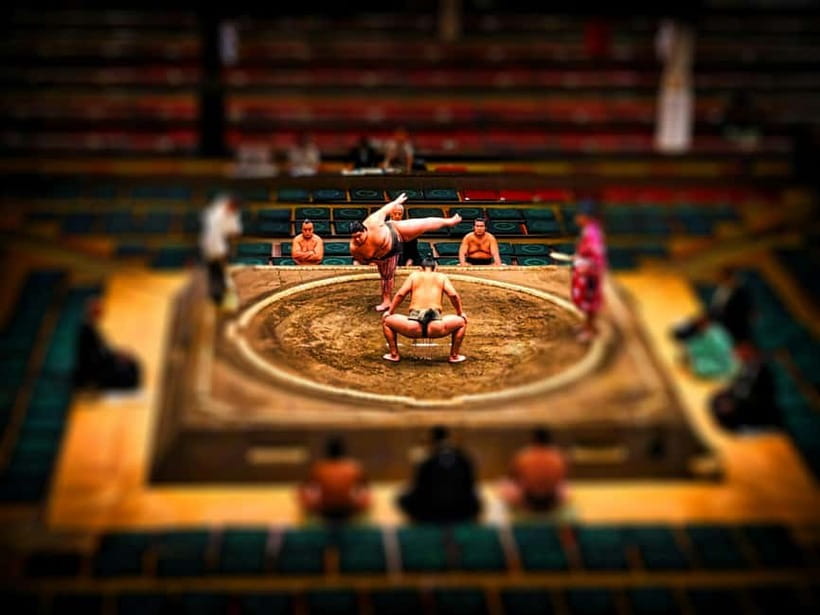
I would recommend this experience to a first-time visitor who sees an official sumo tournament as a must-do and cannot secure a reasonably priced ticket directly. The guide makes a real difference, especially if you want to understand the rankings and rituals rather than simply watch two wrestlers collide.
I would not call it a bargain. The $209 price is high, and the assigned B or C class seat may not be beside your companions or in your preferred location. But access to a sold-out tournament has real value, and a strong guide such as Jorge, Lily, Cesar, Erik, or Miki can turn a puzzling afternoon into a memorable one.
Book early if you decide to go. Choose it for guaranteed entry and clear English explanations, not for luxury seating or a private tour. If those are the features you want, keep searching for direct tickets or a different seating option.
FAQ
Where does the sumo experience take place?
The tournament takes place at Ryogoku Kokugikan in Tokyo, on Honshu, Japan.
How long does the activity last?
The experience lasts approximately four to five hours. The itinerary includes about 30 minutes of guided touring and roughly four hours at Ryogoku Kokugikan.
What type of seat is included?
You receive an assigned reserved seat in B or C class on the second floor. You do not choose the exact seat.
Is a guide included?
Yes. An English-speaking expert guide explains sumo traditions, rules, rituals, ranking, and cultural significance.
Are food and drinks included?
No. Food and drinks are not included in the activity.
Is the experience suitable for people with mobility impairments?
No. The activity is listed as unsuitable for people with mobility impairments.
Just added around Tokyo
- Private Memorable Tokyo Tour with English Speaking Driver★ 5.0 · 30 reviews
- Private Tokyo Custom Full-Day Tour by Chartered Vehicle★ 5.0 · 16 reviews
- Private Sightseeing to Mt Fuji and Hakone with English Driver★ 5.0 · 51 reviews
- Tokyo Photography Masterclass – Private Photography Lesson★ 5.0 · 25 reviews
- 4 Day Tour – Mount. Fuji, Tokyo, Hakone, Kamakura and Yokohama★ 5.0 · 19 reviews
- Private Mt. Fuji Day Trip from Tokyo with English-Speaking Driver★ 5.0 · 33 reviews
- Private Unforgettable Mt Fuji Tour with English Speaking Driver★ 5.0 · 142 reviews
- Private Tokyo Food Tour – A Journey Through Time Through Food★ 5.0 · 36 reviews
Sumo Experiences, compared.
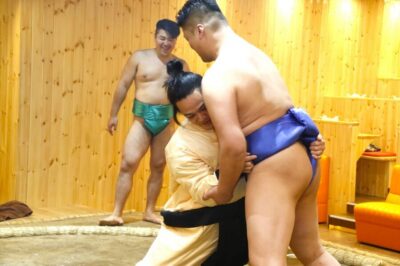
Sumo Show Experience with Chicken Hot Pot and a Photo
Read our review →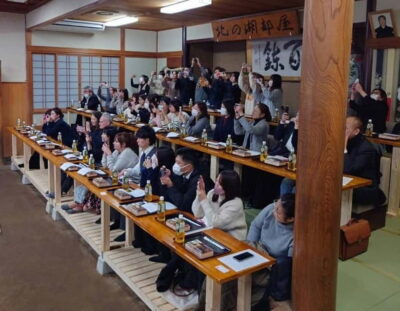
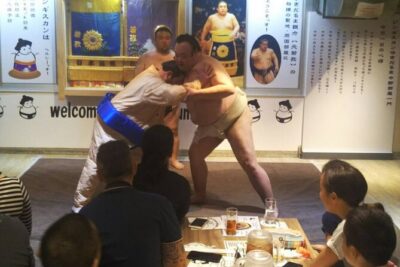
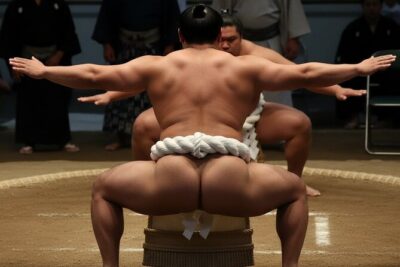
Tokyo Shinjuku Sumo Show & Experience with Photo
Read our review →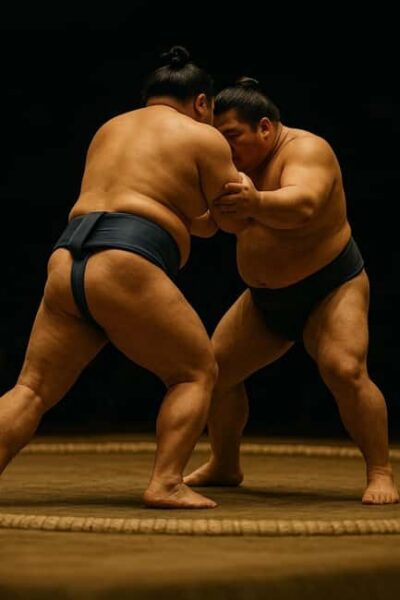
Sumo Show & Experience w/ Optional Kimono & Hot Pot
Read our review →
Authentic Sumo Experience in Tokyo: Enter the Sanctuary
Read our review →Browse the lists this tour appears in