
REVIEW · WORKSHOPS
Tokyo: Rice Ball Making Class
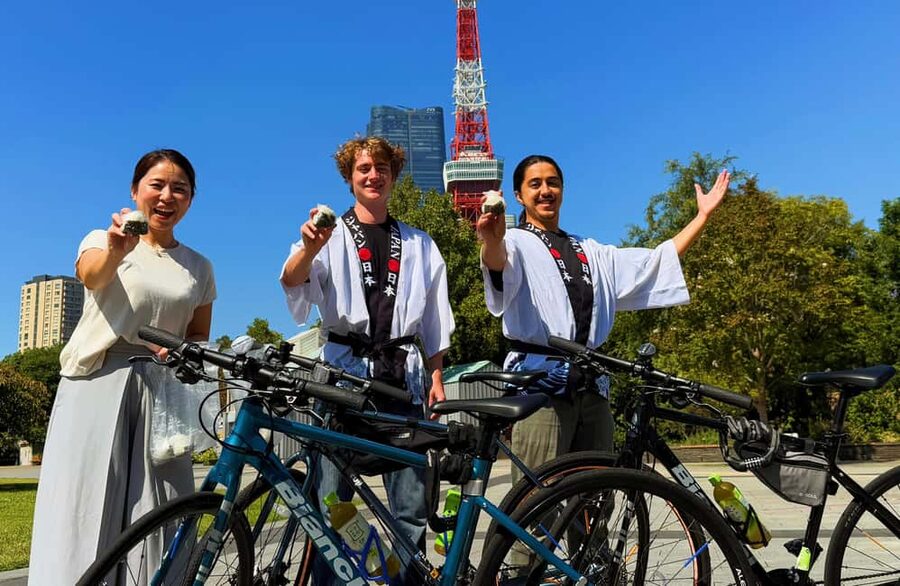
Tokyo’s best food experiences often begin with something wonderfully simple. Here, you learn to make onigiri, Japan’s compact rice snack, then eat your own warm creations in Hamarikyu Gardens before riding through central Tokyo. It is part cooking lesson, part picnic, and part neighborhood tour.
I like the hands-on format, especially the chance to season and shape the rice yourself with fillings such as salmon, pickled plum, and tuna-mayo. I also like the small group, capped at six, and the mix of quiet garden paths, local streets, riverside routes, and Tokyo Bay views.
The main drawback is the cycling. You need to be comfortable on a bike, and the experience is not suitable for children under 12, people with mobility or back problems, wheelchair users, visually impaired people, people with high blood pressure, people with low fitness, or anyone over 70. The ride may also feel less appealing in poor weather, though weather details are not specified.
In This Review
- Key points at a glance
- Why onigiri makes a good Tokyo food class
- Shaping warm rice into your own lunch
- Cycling from the class to Hamarikyu Gardens
- A picnic among Hamarikyu Gardens
- Backstreets, riverside paths, and Tokyo Bay
- What the $51 price includes
- The small group and English guidance
- Who should book this Tokyo experience?
- Practical details before you reserve
- Should you book the onigiri and bicycle tour?
- FAQ
- How long does the Tokyo rice ball experience last?
- What is included in the price?
- Is the activity offered in English?
- Do I need to bring anything?
- Are children allowed to join?
- Can I cancel the booking?
Key points at a glance
- Make three classic onigiri fillings: Work with freshly steamed rice and try savory salmon, pickled plum, or tuna-mayo.
- Eat your own lunch at Hamarikyu Gardens: Your handmade rice balls become a simple picnic beside historic ponds and teahouses.
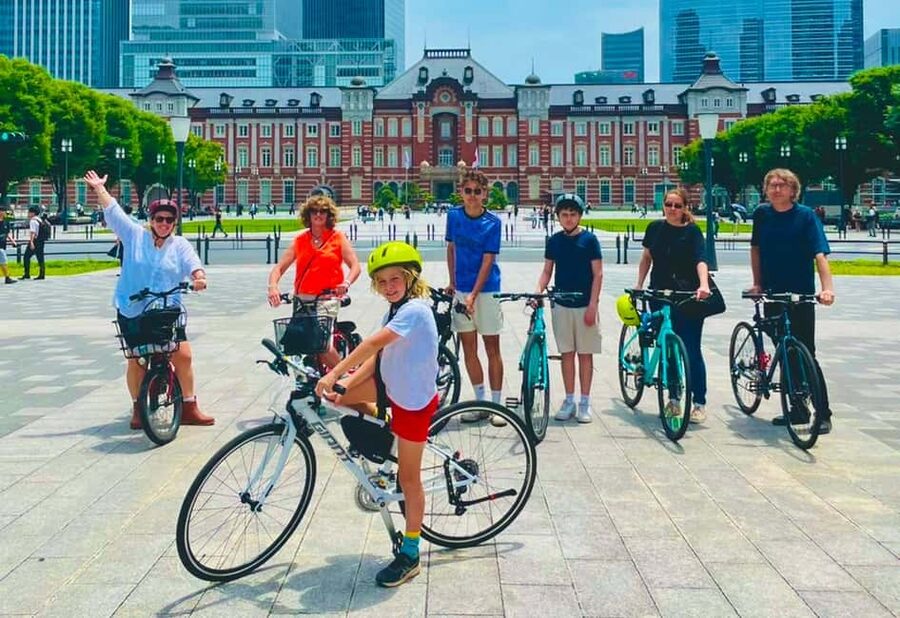
- Cycle with no more than six people: The small group gives you a better chance to hear the English-speaking guide and keep the ride manageable.
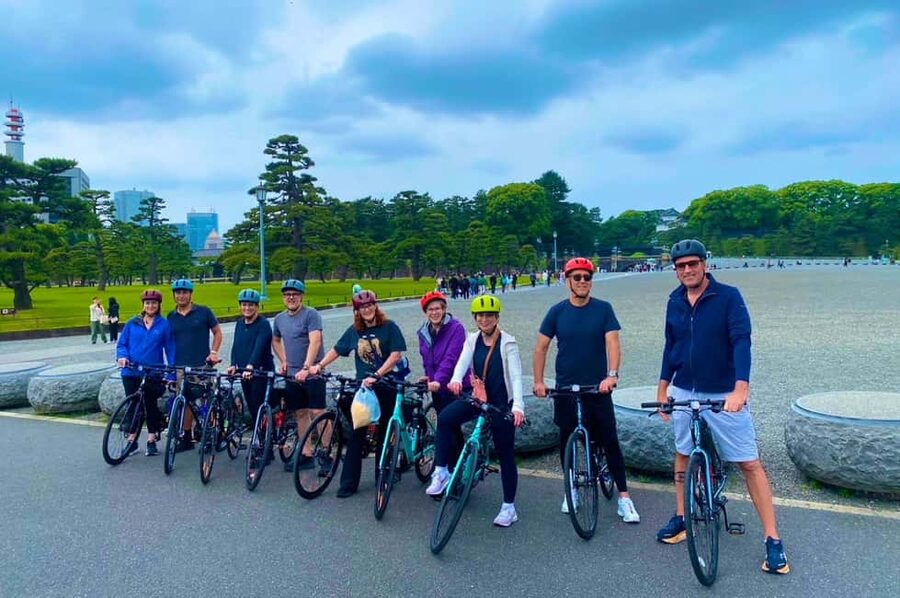
- See Tokyo from several angles: The route combines backstreets, riverside paths, Tokyo Bay, Tokyo Tower, Zozoji Temple, and the Imperial Palace.
- Expect a flexible one to three hours: The exact length depends on the available starting time and the pace of the activity.
- Bring water and wear comfortable clothes: Drinks and extra snacks are not included, and cycling is a central part of the day.
Why onigiri makes a good Tokyo food class
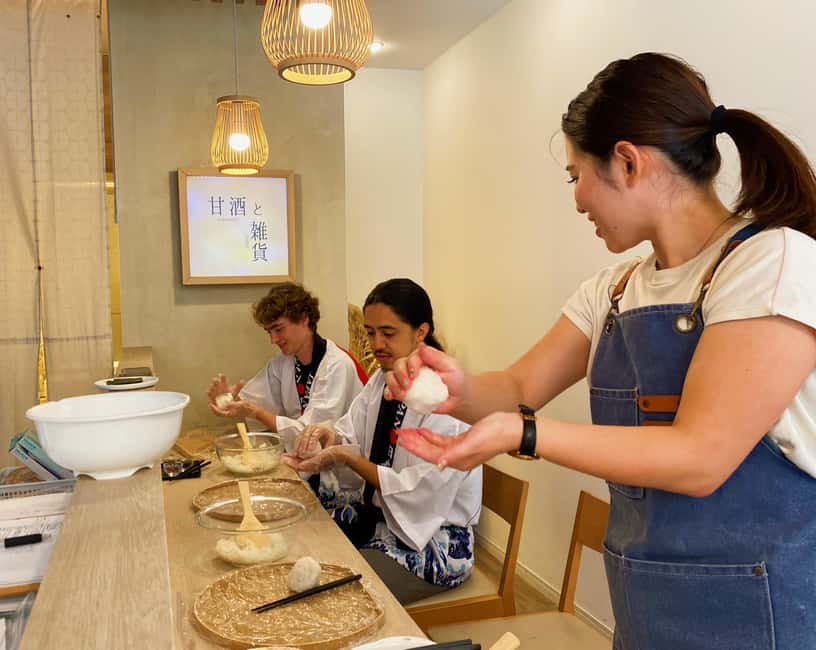
Onigiri is everyday Japanese food, not a formal restaurant dish. That is exactly why I like this class. You are learning how a familiar snack is prepared at home and in ordinary Japanese life, rather than simply watching a chef assemble an expensive plate.
The basic idea is easy to understand. You season warm rice, add a filling, and shape it by hand. The skill lies in getting the rice to hold together without squeezing it into a heavy lump. A local instructor guides you through the process, so you can focus on the texture, seasoning, and shape instead of guessing.
The fillings give the lesson some variety. Salmon offers a savory, familiar flavor. Pickled plum brings a sharp, salty bite. Tuna-mayo is softer and creamy. Trying more than one filling helps you understand how the rice acts as a mild base for stronger flavors.
This is also a good choice if you want an activity that does not require advanced cooking ability. The class is not described as a long culinary course, and the total activity lasts from one to three hours. You should expect a practical introduction rather than a full day of Japanese cooking.
The English-speaking guide matters here. Clear instructions are useful when you are handling hot rice and learning a shaping technique that may feel unfamiliar. Guide Sho has been named as one of the friendly people leading this experience, and the activity is designed for a small group of up to six participants.
A few more Tokyo trips to weigh up
- Sushi Making Tokyo Roll and Authentic Japanese Sushi Class
★ 5.0 · 3,971 reviews - Tokyo: Roll and Authentic Sushi Making Class in Asakusa
★ 4.9 · 1,957 reviews - Tokyo Shinjuku Chopsticks Making Class
★ 5.0 · 1,763 reviews
Shaping warm rice into your own lunch
The appeal of the class comes from the fact that your food is not just a sample. The ingredients are included, and you make the rice balls that you later carry to the garden. That gives the outing a clear rhythm: learn, prepare, ride, and eat.
You may find the shaping harder than it first appears. Rice sticks to your hands, and the right amount of pressure takes a little practice. That is part of the fun, though the result may not look as neat as the onigiri sold in a convenience store. Do not worry about making a perfect triangle. The point is to learn the method and enjoy what you make.
The class also gives your guide room to explain the food in a useful cultural setting. Onigiri is portable, practical, and closely tied to daily Japanese eating habits. It works well for a picnic because it needs no plate or cutlery and can be wrapped and carried on the bicycle ride.
You should tell yourself to leave room for the experience rather than treating it like a race. The class, cycling, and garden visit all form one outing. Rushing through the cooking would take away the part that makes this more personal than simply buying a rice ball from a shop.
Cycling from the class to Hamarikyu Gardens
After the cooking session, you pack your handmade onigiri and begin the bicycle portion. The meeting point is the onigiri class itself, so you do not need to find a separate pickup location for the ride. You receive a bike and follow a local guide through a planned route.
The ride to Hamarikyu Gardens is meant to show a different side of central Tokyo. Instead of moving only along major roads and crowded sightseeing corridors, you pass through backstreets and riverside paths. This gives you a chance to see quieter neighborhoods and the ordinary city between the famous sights.
Cycling changes your sense of distance. A taxi can whisk you from one attraction to another, but a bicycle lets you notice small changes along the way. The route described here moves from local streets toward the bay, so the setting gradually opens up as you ride.
You should still take the cycling requirement seriously. Comfortable clothes are recommended, and water is essential. Extra drinks and snacks at the shop cost extra, so bring your own water and do not assume refreshments are included.
The activity is not suitable for people who cannot ride a bike, and it excludes several groups for whom cycling may be unsafe or difficult. If you have a back problem, limited mobility, low fitness, high blood pressure, or a visual impairment, this is not the right Tokyo outing. The same applies to wheelchair users and children under 12.
A picnic among Hamarikyu Gardens
Hamarikyu Gardens provides the peaceful middle section of the experience. The garden sits where Tokyo meets the bay, with saltwater ponds, paths, seasonal flowers, and traditional teahouses. The city skyline remains close, creating the kind of contrast Tokyo does particularly well.
This is where the homemade onigiri becomes more than the end product of a class. You unwrap your still-warm food and eat it in a historic garden, with traditional Japanese buildings and modern towers in the same view. The setting gives you time to slow down after the lesson and bicycle ride.
The garden entrance is included in the $51 price, which is important when judging value. You are not paying only for a cooking demonstration. The cost covers the class, ingredients, bike, local guide, and admission to Hamarikyu Gardens.
The garden visit is not described as a guided historical tour, so do not book this expecting a long lecture on every pond or building. Its value is more straightforward: you get an attractive place to eat your own food and a break from Tokyo’s hard surfaces and traffic.
Seasonal flowers may add interest, but the exact display depends on when you visit. The experience is therefore partly shaped by the time of year, though the ponds, paths, teahouses, and skyline views remain central features.
Same city, a completely different kind of day:
- Mt Fuji and Hakone 1-Day Bus Tour Return by Bullet Train
★ 5.0 · 26,383 reviews - 1-Day Tokyo Bus Tour
★ 5.0 · 14,250 reviews - Tokyo: TOKYO SKYTREE® Admission ticket
★ 4.5 · 11,192 reviews - Tokyo: teamLab Planets TOKYO Digital Art Museum Entry Ticket
★ 4.6 · 9,779 reviews
Backstreets, riverside paths, and Tokyo Bay
The bicycle ride continues after the picnic. Your guide leads you along a route chosen to show several different parts of Tokyo rather than keeping you in one sightseeing district.
The backstreets offer a look at local neighborhoods where daily life continues away from the major tourist routes. Details are not specified about individual shops or stops, so you should expect a moving tour rather than a series of scheduled visits. The reward is the overall change in atmosphere.
Riverside paths bring a more open view. You may see Tokyo’s buildings from a different angle as the route reaches broader waterfront lanes. Tokyo Bay adds space and light to a city that can otherwise feel dense and tightly packed.
The route also includes views toward some of Tokyo’s best-known landmarks. Tokyo Tower rises in the distance, while Zozoji Temple and the Imperial Palace provide very different reminders of the city’s past and present. The descriptions do not promise interior visits to these sights, so think of them as views and route highlights, not admissions or guided tours.
I like this combination because it avoids making the day only about one famous place. You get a food lesson, a formal garden, neighborhood streets, water views, and distant landmarks. For a short activity, that is a lot of variety.
The tradeoff is that cycling tours depend on your comfort and energy. A confident cyclist may find the route relaxed and enjoyable. Someone with limited fitness may spend too much time concentrating on the ride to appreciate the scenery. The advertised duration ranges from one to three hours, so check the available start time and length before booking.
What the $51 price includes
At $51 per person, the experience offers fair value if you want several small activities joined together. The included items are:
- Onigiri class with an instructor
- Ingredients for the rice balls
- Bicycle
- Local bicycle guide
- Entrance to Hamarikyu Gardens
If you paid separately for a cooking class, bicycle rental, garden admission, and a guided ride, the package could be convenient even before you count the time saved arranging each part. The strongest value comes from the connection between the activities. You make the food, carry it by bike, and eat it at the garden.
The price is less compelling if you only want a quick food lesson. You are paying for the cycling and garden visit as well, and those parts are not optional extras. Likewise, it may not suit you if you already have a bicycle and prefer to explore Tokyo at your own pace.
Extra snacks and drinks at the shop are not included. Bring water, and budget for anything else you want to buy. Since the activity lasts only one to three hours, the included onigiri may be enough for a light meal, but it is sensible not to count on it as a large lunch.
Free cancellation is available up to 24 hours before the activity for a full refund, and you can reserve now and pay later. Those terms are useful if your Tokyo schedule is still changing.
The small group and English guidance
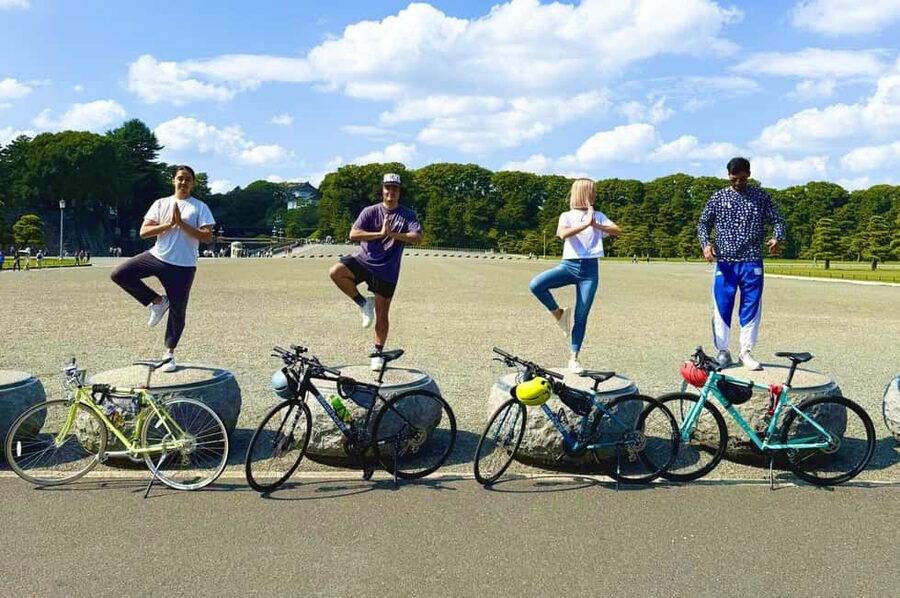
The group is limited to six people. That is a useful size for a hands-on class because you should have more space to watch the instructor and ask questions than you would in a large food workshop.
A small group also helps on the bicycle. Keeping six or fewer people together is simpler than managing a large line of riders through city streets. You should still expect to follow the guide rather than choose your own route.
The activity is offered in English with a live guide. English ability is especially valuable during the rice-shaping lesson, where timing and technique are easier to understand when instructions are given clearly. Several comments about the experience single out friendly, clear English guidance, and that is one of the strongest reasons to choose this over making onigiri from a recipe on your own.
The named guide Sho is associated with especially warm feedback, but guide availability can vary. Book this for the format and included elements rather than assuming one particular person will lead every departure.
Who should book this Tokyo experience?
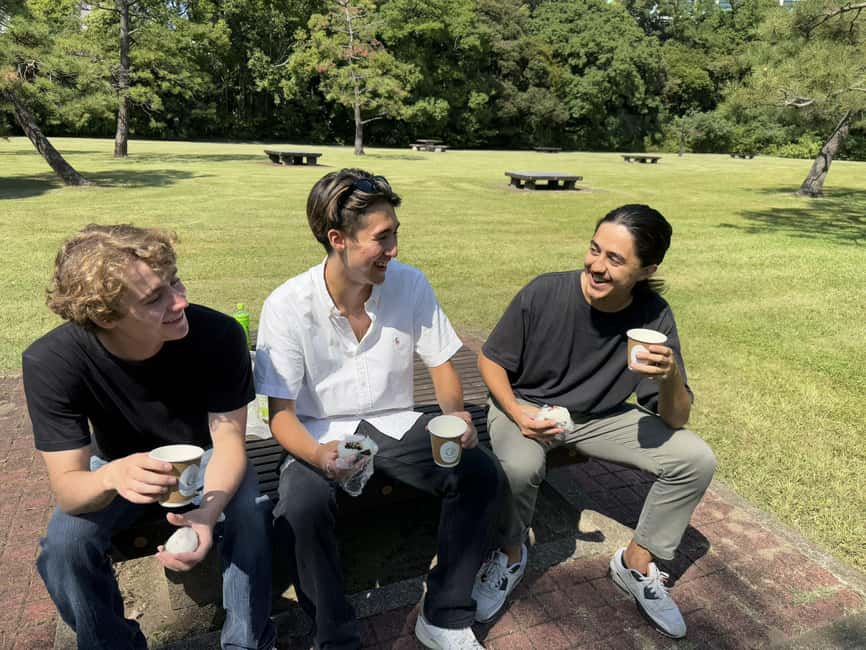
I would recommend this activity to you if you want a short, social introduction to Tokyo that feels local without requiring a full day. It suits first-time visitors who want to combine food and sightseeing, as well as repeat visitors who have already seen the major central districts.
It is also a good fit for couples, friends, and solo visitors who enjoy learning by doing. The class gives solo participants a natural way to meet a few other people, while the bicycle ride keeps the outing active and varied.
Families with teenagers may consider it only if everyone meets the age and cycling requirements. Children under 12 cannot take part. The activity is also a poor match for anyone who wants a fully accessible or low-effort tour.
You should skip it if you cannot ride confidently, dislike cycling in an urban setting, or prefer to spend your sightseeing time inside museums and monuments. You should also think twice if a quiet garden picnic sounds less appealing than a busy food market or a longer restaurant meal.
Practical details before you reserve
Meet your guide at the onigiri-making class. The activity includes a bike, but comfortable clothes are still important because you will ride after preparing the food.
Bring water. Extra snacks and drinks bought at the shop are not included, and the supplied information does not specify that water is provided.
The schedule is listed as one to three hours, with starting times depending on availability. Check the exact departure time and duration before you pay, especially if you have a museum booking, train connection, or dinner reservation afterward.
The activity provider is Tokyo Rental Bicycle. The group is small, the guide speaks English, and the garden entrance is included. Cancellation is free up to 24 hours ahead, with a full refund, and reserve-now-pay-later booking is available.
Should you book the onigiri and bicycle tour?
Book it if you want a hands-on food lesson followed by gentle sightseeing, and if you are happy to spend part of your Tokyo day on a bicycle. The strongest features are the homemade meal, the peaceful Hamarikyu Gardens picnic, the small group, and the mix of quiet streets and waterfront views.
Skip it if cycling is a concern or if you need an accessible activity. You will also get less value if you only want to sample onigiri and have no interest in the garden and neighborhood ride.
For the right person, $51 is a reasonable price for a compact experience that connects food, local streets, a historic garden, and major Tokyo views. It gives you something to do with your hands, something to eat, and a city route you might not choose on your own.
FAQ
How long does the Tokyo rice ball experience last?
The activity lasts between one and three hours. Starting times and the exact duration depend on availability, so check the schedule when booking.
What is included in the price?
The $51 price includes the onigiri-making class, ingredients, a local bicycle guide, a bicycle, and entrance to Hamarikyu Gardens.
Is the activity offered in English?
Yes. The experience has a live English-speaking guide.
Do I need to bring anything?
Bring water. Comfortable clothes are recommended because cycling is part of the activity.
Are children allowed to join?
Children under 12 are not suitable for this activity.
Can I cancel the booking?
Yes. You can cancel up to 24 hours in advance for a full refund. Reserve-now-pay-later booking is also available.
Just added around Tokyo
- Private Memorable Tokyo Tour with English Speaking Driver★ 5.0 · 30 reviews
- Private Tokyo Custom Full-Day Tour by Chartered Vehicle★ 5.0 · 16 reviews
- Private Sightseeing to Mt Fuji and Hakone with English Driver★ 5.0 · 51 reviews
- Tokyo Photography Masterclass – Private Photography Lesson★ 5.0 · 25 reviews
- 4 Day Tour – Mount. Fuji, Tokyo, Hakone, Kamakura and Yokohama★ 5.0 · 19 reviews
- Private Mt. Fuji Day Trip from Tokyo with English-Speaking Driver★ 5.0 · 33 reviews
- Private Unforgettable Mt Fuji Tour with English Speaking Driver★ 5.0 · 142 reviews
- Private Tokyo Food Tour – A Journey Through Time Through Food★ 5.0 · 36 reviews
Workshops, compared.
Sushi Making Tokyo Roll and Authentic Japanese Sushi Class
Read our review →
Roll and Authentic Sushi Making Class in Asakusa
Read our review →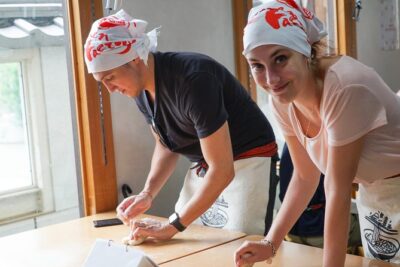
Ramen Cooking Class at Ramen Factory in Kyoto
Read our review →
Sushi Making Class in a Happi Coat near a Famous Spot
Read our review →
Sushi Making Osaka Roll and Authentic Japanese Sushi Class
Read our review →
Tokyo Sushi Making Class in Tsukiji with Professional Chef
Read our review →Browse the lists this tour appears in