
REVIEW · WALKING TOURS
Tokyo: Kichijoji Walking Tour with Local Guide
The clever part of this Tokyo outing is that the Ghibli Museum ticket comes wrapped in a small, local neighborhood tour. You do not simply arrive at the museum, look around, and leave. You first get a feel for Kichijoji, one of Tokyo’s favorite residential districts, then walk through Inokashira Park to the museum.
I like the tiny group, limited to five people, and the relaxed pace through shopping streets, food lanes, and park paths. I also like that guides such as Mina, Daiske, Yuma, and Shinjo have been praised for being friendly and easy to talk with. The main drawback is price: at $88, this costs more than a museum ticket alone, and lunch is not included.
In This Review
- Key points
- Why Kichijoji makes a smart Tokyo side trip
- Kichijoji Sunroad and the first look at local shopping
- Harmonica Yokocho, narrow lanes with plenty to notice
- Inokashira Park gives the outing breathing room
- Entering the Ghibli Museum with two hours to explore
- What the guides add to the experience
- Is $88 a fair price?
- Who should book this four-hour outing?
- Practical details before you reserve
- Should you book it?
- FAQ
- Where does the Kichijoji walking tour begin?
- How long does the experience last?
- What languages are available?
- How many people are in the group?
- Is Ghibli Museum admission included?
- How much free time do I get at the museum?
- Is lunch included?
- Does the tour operate in bad weather?
- Can I take photographs inside the Ghibli Museum?
- What should I bring?
Key points
- The Ghibli ticket is the practical draw: Useful if you could not secure museum admission on your own.
- Kichijoji feels local: Sunroad and Harmonica Yokocho offer shopping, snacks, narrow lanes, and everyday Tokyo life.
- Inokashira Park breaks up the city: Expect a pleasant 30-minute guided walk through greenery and around the lake area.
- Two hours at the museum is self-guided: You explore independently after the walking portion ends.
- The group is genuinely small: With no more than five participants, it is easier to ask questions and keep the outing personal.
- Plan for walking and food costs: Wear comfortable shoes, and budget separately for lunch.
Why Kichijoji makes a smart Tokyo side trip
Kichijoji sits west of central Tokyo, but it feels far removed from the packed crossings and tall towers most first-time visitors picture. The area combines ordinary shopping streets, small restaurants, local food stalls, and a large park. That mix makes it a useful introduction to daily Tokyo life without requiring a full-day excursion from the city.
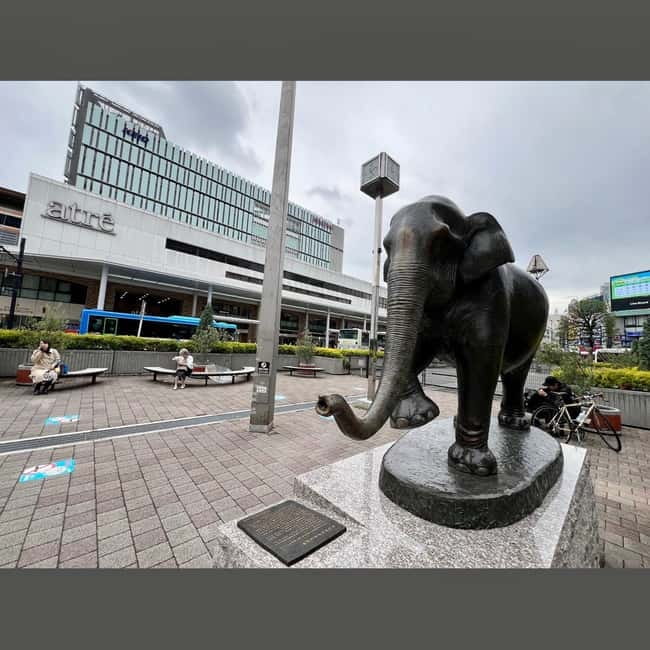
The meeting point is the Hanako Elephant Statue outside the north exit of Kichijoji Station. Look for a guide wearing a lanyard. The statue honors Hanako, a much-loved elephant associated with the area, and it is easier to spot than a vague meeting point inside the station.
Your guide will contact you through WhatsApp the day before. That matters in Tokyo, where a station can have several exits and a few minutes of confusion can quickly turn into a missed start. The guides speak English or Japanese, and some have used translation apps when needed. Communication may not always be polished English, but the small group gives you room to ask questions and clarify things.
More Walking Tours in Tokyo
- Tokyo Tsukiji Fish Market Food and Culture Walking Tour
★ 5.0 · 3,184 reviews - Tokyo: Imperial Palace and Shogun Historical Walking Tour
★ 5.0 · 2,251 reviews - Tokyo: Shinjuku Local Bar and Izakaya Guided Walking Tour
★ 4.9 · 1,794 reviews
Kichijoji Sunroad and the first look at local shopping
The tour begins with a short walk to Kichijoji Sunroad, followed by about 15 minutes of guided explanation. Sunroad is a covered shopping street, so it is useful in light rain and gives you an immediate sense of how Japanese neighborhood shopping works.
You might find clothing shops, convenience stores, food counters, and small businesses serving local residents rather than sightseeing crowds. The guide’s role here is less about checking off monuments and more about explaining what you are seeing, where people shop, and how the district fits into Tokyo life.
This is also a good point to ask about food. Several guides, including Mina, Miko, and Daiske, have been praised for pointing out restaurants and local specialties. Food can be part of the outing, but you should read the inclusions carefully: a snack is provided, while lunch is not included. Some past participants paid for or were taken to a local meal, but you should not assume lunch is covered in the $88 price.
Harmonica Yokocho, narrow lanes with plenty to notice
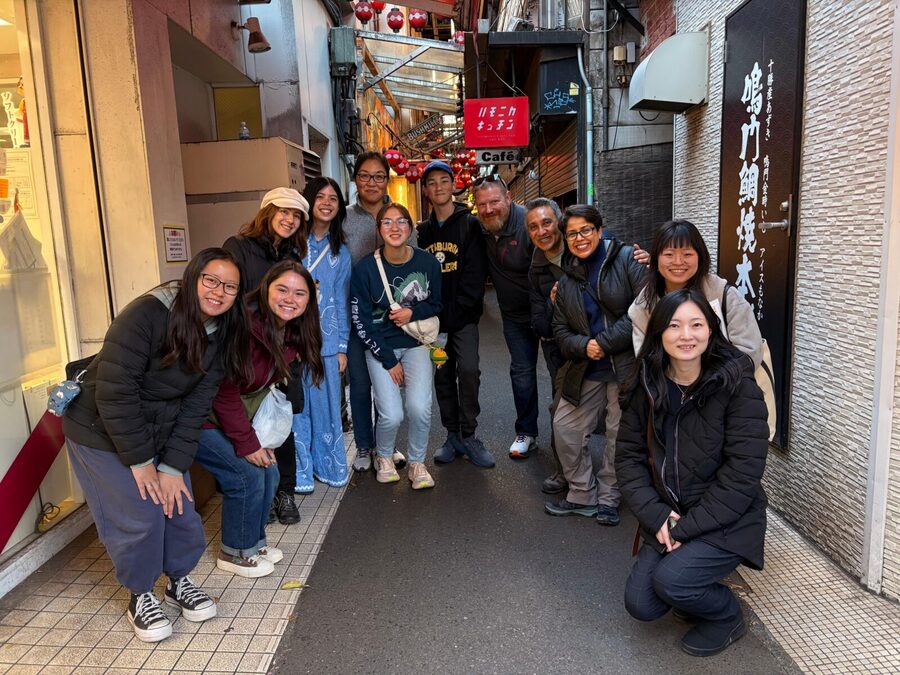
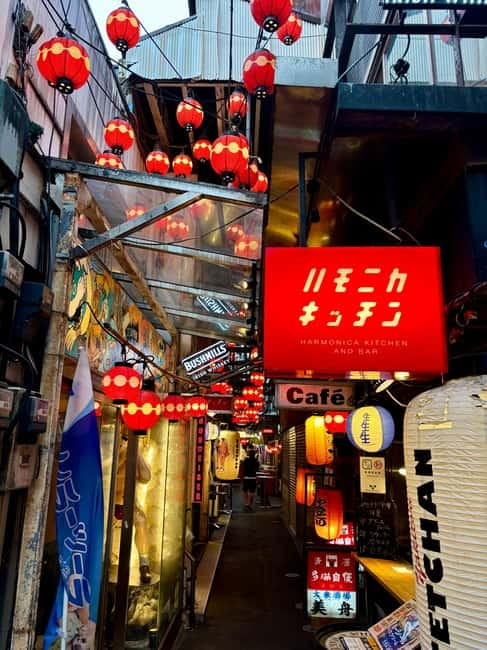
After Sunroad, the group spends about 15 minutes at Harmonica Yokocho. This compact network of narrow lanes is one of Kichijoji’s most memorable areas. Its name refers to the close, parallel arrangement of the lanes, which can resemble the slots of a harmonica.
The space is packed with small food and drink spots, and the narrow paths create a very different mood from the broad shopping arcade. You can expect strong food smells, tight corners, and plenty of small details that are easy to miss if you walk through alone.
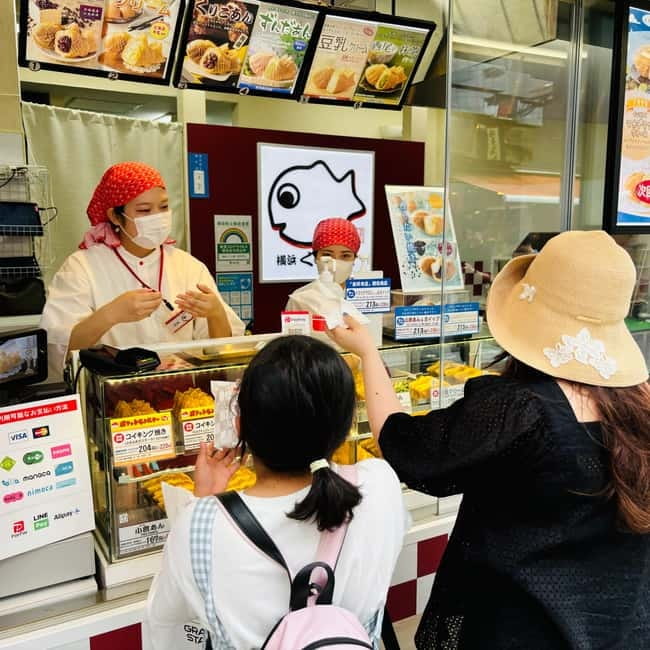
I would treat this stop as an introduction rather than a full food tour. The tour description includes a snack, and many past participants also had lunch or tried Japanese sweets, fish pastries, sushi, or other local foods. Yet the exact food experience can vary by guide and day, and lunch remains an extra expense. If you have allergies, dietary restrictions, or a vegetarian diet, tell the guide in advance. One guide helped a group find vegetarian-friendly choices, while another contacted a participant about dietary needs before the tour.
Inokashira Park gives the outing breathing room
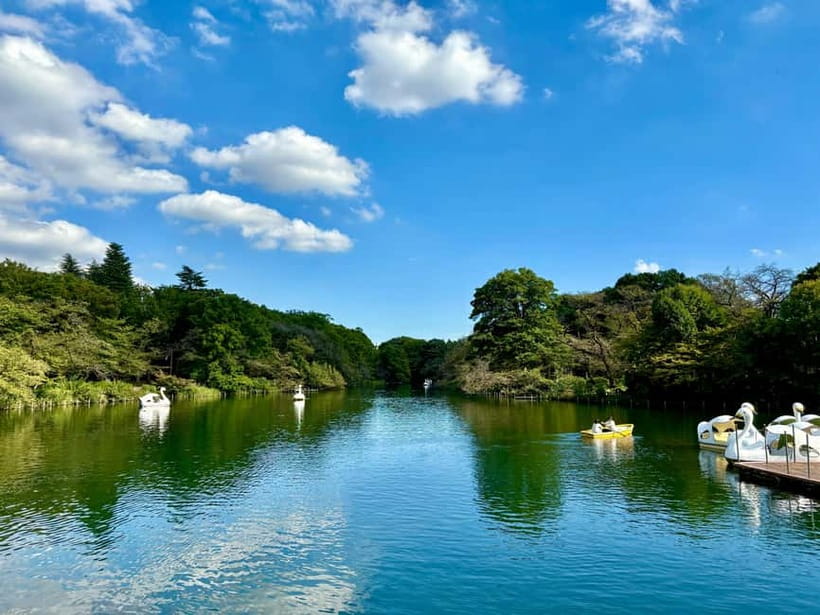
The walk through Inokashira Park lasts about 30 minutes. This is the point where the experience shifts from shopping streets to open space, trees, paths, and the lake area. The park is popular with local residents throughout the year, and it gives you a calmer view of Tokyo than you get in the central districts.
You may see swan-shaped boats on the lake, a detail that several participants found memorable. Guides have also added local context about the park, nearby shrines, and the surrounding neighborhood. One group visited a pretty shrine along the way, though this should be treated as a possible guide-led stop rather than a fixed part of the advertised route.
The park walk is pleasant, but it is still walking. From the park toward the museum, you may find the route longer than expected, especially in hot, humid, or wet weather. One participant noted that senior parents found the walk difficult, although the guide helped them find another way back to the station afterward. The tour runs rain or shine, so comfortable shoes and weather-ready clothing are sensible.
The route also makes practical sense. Lunch or a snack comes before the walk for many groups, and the park provides a quieter stretch before the museum. I like this rhythm: busy lanes, food, trees, then Ghibli.
Same city, a completely different kind of day:
- Mt Fuji and Hakone 1-Day Bus Tour Return by Bullet Train
★ 5.0 · 26,383 reviews - 1-Day Tokyo Bus Tour
★ 5.0 · 14,250 reviews - Tokyo: TOKYO SKYTREE® Admission ticket
★ 4.5 · 11,192 reviews - Tokyo: teamLab Planets TOKYO Digital Art Museum Entry Ticket
★ 4.6 · 9,779 reviews
Entering the Ghibli Museum with two hours to explore
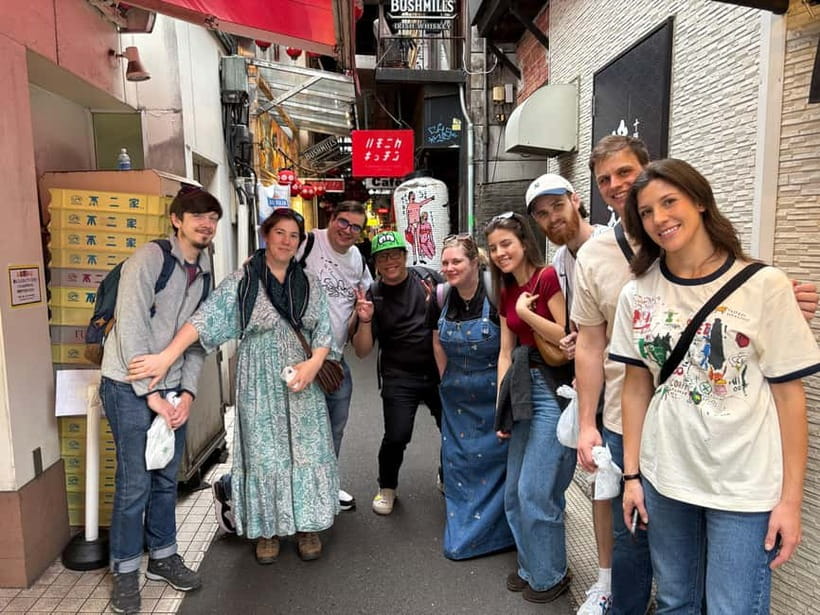
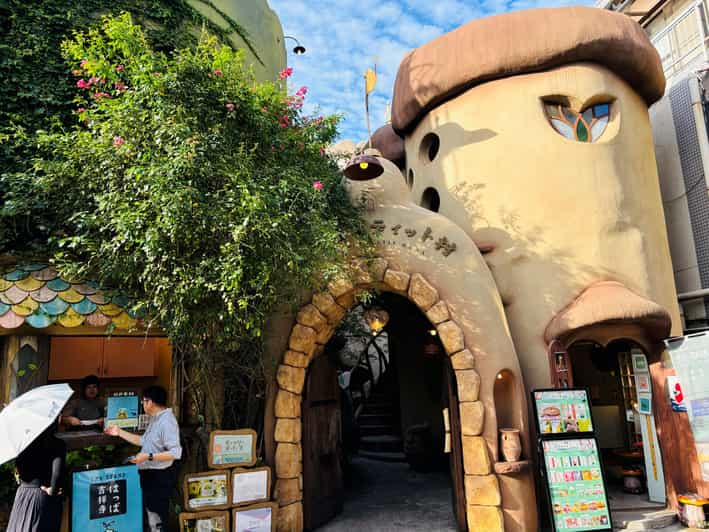
The main payoff comes at the Ghibli Museum, where you receive admission and then have about two hours of free time. The guide does not continue as a personal museum escort. Instead, you explore the exhibits at your own pace, which suits families and anime fans who want time to linger over favorite details.
Two hours is generally enough to see the museum without rushing, according to the supplied experience details. The museum itself is not huge, so you should set your expectations accordingly. It is designed for fans who enjoy the world of Studio Ghibli, animation, visual storytelling, and the small touches associated with the films.
Photography may be limited inside. Plan to enjoy the interior without relying on your camera, and save your photo opportunities for permitted areas outside. One useful tip from a past participant was to begin at the lower levels if you want to finish near the upper gift shop, though stairs may still be part of the route out. The cafe can be a good final stop, with an exit back toward the park.
The museum ticket is also the tour’s most important practical benefit. Direct admission can be difficult to arrange, and several people chose this outing after failing to secure tickets independently. You pay a premium, but the package may make sense if visiting the museum is a major part of your Japan trip and you have no other reliable ticket option.
What the guides add to the experience
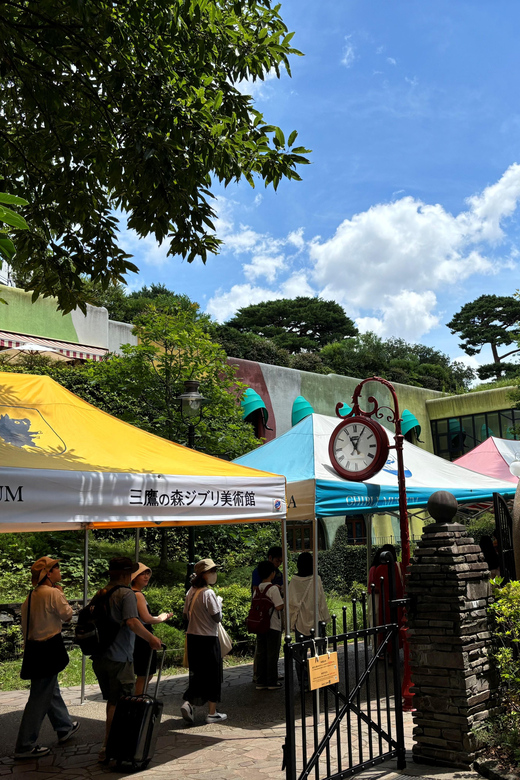
The best part of the walking portion is the guide’s personality. The strongest guide feedback has centered on warmth, patience, local recommendations, and an informal style. Mina was described as friendly and chatty. Daiske helped with meeting details, dietary questions, and group care. Yuma was praised for explaining Kichijoji’s history, while Miko was singled out for food suggestions and easy conversation.
That personal approach is important because this is not a grand sightseeing route. Kichijoji’s appeal comes from small observations: what is sold in a shopping lane, how a food street is arranged, where locals spend time, and what makes the park important to the district. A stiff script would weaken the experience. A guide who can answer questions makes it much better.
English ability may vary. Guides speak English or Japanese, and translation apps can fill the gaps. If you need detailed historical explanations in polished English, this may not be the right choice. If you are happy with a friendly exchange, simple explanations, and the chance to ask about food or local customs, the format works well.
The group limit of five is a real advantage. You are not lost at the back of a large crowd, and it is easier for the guide to adjust the pace. Families can ask practical questions, couples can keep the walk relaxed, and solo participants have a better chance to connect with the group.
Is $88 a fair price?
At $88 per person, this is not a bargain walking tour. The value depends on how you price the Ghibli Museum admission and how hard it has been for you to obtain a ticket.
If you already have a museum ticket, the extra cost buys a four-hour guided walk through Kichijoji, local orientation, a snack, and the convenience of being led from the station through the park to the museum. You can explore Kichijoji independently for less, and the food streets and park are open to everyone.
If you do not have a Ghibli ticket, the calculation changes. The tour gives you a small-group introduction to Kichijoji and a museum entry in one booking. Several people considered the premium worthwhile because direct tickets were unavailable to them. The price is particularly easier to justify for dedicated Ghibli fans who see the museum as a once-in-a-trip experience.
Keep extra money available for lunch. The official inclusions cover the walking tour, guide, museum admission, and snack, but not lunch. Food experiences have been part of some outings, including sushi, a fish restaurant, local sweets, and taiyaki, but the meal cost and exact menu should be confirmed before ordering. One person wished the food had been explained more clearly ahead of time, so ask early if you want to know what you will eat and pay.
Who should book this four-hour outing?
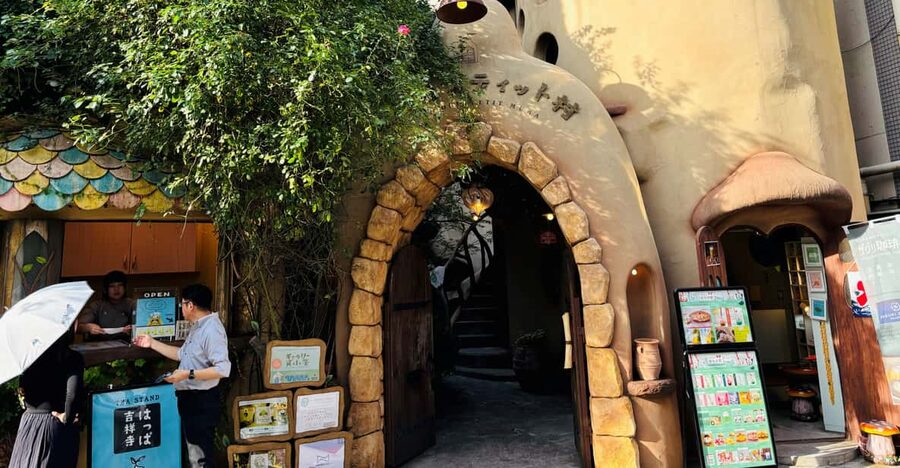
I would recommend it to families, couples, anime fans, and anyone who wants a slower Tokyo day. It is especially useful for first-time visitors who would not think to visit Kichijoji on their own but want more than another central shopping district.
The museum makes it appealing to Ghibli fans, while the neighborhood walk keeps the outing worthwhile for companions who are less devoted to animation. The park, food lanes, and guide conversation provide variety before the museum.
I would hesitate if you dislike walking, need a fully accessible route, or already have Ghibli admission. The tour operates in all weather, and the path from the station through the park can feel tiring for older participants or anyone unused to Tokyo’s long days on foot.
Book only if you are comfortable with some flexibility around the food portion. The fixed elements are the Kichijoji walk, Inokashira Park, and two hours at the museum. The guide, language balance, and meal details may differ.
Practical details before you reserve
The experience lasts four hours, with approximate stops of 15 minutes at Sunroad, 15 minutes at Harmonica Yokocho, 30 minutes in Inokashira Park, and two hours at the museum. The listed walks between points take about 10 minutes each, though real timing can vary with the group.
Wear comfortable shoes. Do not smoke during the experience. Bring a charged phone because WhatsApp is used for the day-before confirmation, and a translation app may help if your guide’s English is limited.
Cancellation is free up to 24 hours before the start for a full refund. You can also reserve and pay later, which helps if your Tokyo schedule is still shifting. Starting times depend on availability, so check the date carefully before booking.
Should you book it?
Book this tour if the Ghibli Museum is high on your list and you could not obtain a ticket directly. The museum admission makes the price easier to accept, while Kichijoji and Inokashira Park give you a pleasant half-day you might otherwise miss.
Skip it if you already have museum tickets or prefer to explore freely. You can walk Sunroad, Harmonica Yokocho, and Inokashira Park without a guide, and lunch is an additional cost. For everyone else, the small group, friendly guides, local food pointers, and reliable museum access make this a thoughtful way to see a quieter side of Tokyo.
FAQ
Where does the Kichijoji walking tour begin?
Meet at the Hanako Elephant Statue outside the north exit of Kichijoji Station. Look for a guide wearing a lanyard.
How long does the experience last?
The tour lasts four hours.
What languages are available?
The live guide speaks English or Japanese.
How many people are in the group?
The group is limited to five participants.
Is Ghibli Museum admission included?
Yes. Admission to the Ghibli Museum is included in the activity price.
How much free time do I get at the museum?
You have about two hours to explore the museum at your own pace.
Is lunch included?
No. Lunch is not included, although a snack is provided. Food arrangements may vary, so ask the guide about the meal and cost.
Does the tour operate in bad weather?
Yes. The tour operates rain or shine.
Can I take photographs inside the Ghibli Museum?
Photography may be limited inside the museum.
What should I bring?
Bring comfortable shoes. The experience includes several walks through shopping streets, Inokashira Park, and the route to the museum.
Just added around Tokyo
- Private Memorable Tokyo Tour with English Speaking Driver★ 5.0 · 30 reviews
- Private Tokyo Custom Full-Day Tour by Chartered Vehicle★ 5.0 · 16 reviews
- Private Sightseeing to Mt Fuji and Hakone with English Driver★ 5.0 · 51 reviews
- Tokyo Photography Masterclass – Private Photography Lesson★ 5.0 · 25 reviews
- Private Mt. Fuji Day Trip from Tokyo with English-Speaking Driver★ 5.0 · 33 reviews
- 4 Day Tour – Mount. Fuji, Tokyo, Hakone, Kamakura and Yokohama★ 5.0 · 19 reviews
- Private Tokyo Custom Half-Day Tour by Chartered Vehicle★ 4.5 · 13 reviews
- Private Unforgettable Mt Fuji Tour with English Speaking Driver★ 5.0 · 142 reviews
Walking Tours, compared.

Kyoto Geisha Walking Tour: Gion District & Hidden Gems
Read our review →
Tokyo Tsukiji Fish Market Food and Culture Walking Tour
Read our review →
Gion Magical Night Walking Tour with Geisha Trivia
Read our review →
Imperial Palace and Shogun Historical Walking Tour
Read our review →
Gion Geisha District Walking Tour – Stories of Geisha
Read our review →
Asakusa Walking Tour with Sensoji Temple Visit
Read our review →
Kyoto Gion Geisha District Walking Tour – The Stories of Geisha
Read our review →Browse the lists this tour appears in