
REVIEW · SUMO EXPERIENCES
Tokyo – Grand Sumo Tournament
The most exciting part is simple: you get to watch Japan’s top sumo wrestlers compete inside Ryogoku Kokugikan, Tokyo’s main sumo arena. The crowd supplies the soundtrack, with fans cheering and reacting much like they would at a major league game. You are not just watching a sport. You are seeing ritual, discipline, and national tradition played out in public.
I like the guaranteed admission, since tournament tickets can be difficult to arrange from overseas. I also like the chance to upgrade your seat, which matters here because the experience depends greatly on how clearly you can follow the wrestlers’ movements and ceremonies.
The big consideration is the price: $565 per person for about two hours, with no transportation and no guide. At that rate, you should confirm exactly what seat you are buying and understand that this is a ticket-only event, not a hands-on sumo lesson or a guided tour of a training stable.
In This Review
- Key points before you book
- Why a grand sumo tournament feels different from a normal sporting event
- Arriving at Ryogoku Kokugikan
- Watching the tournament inside the arena
- The cultural meaning behind the spectacle
- What the guide question really means
- Tokyo dates, Osaka dates, and a detail to check
- Is $565 a fair price?
- Who will enjoy this most
- Practical tips for getting more from the two hours
- Should you book the Ryogoku tournament?
- FAQ
- Where does the Tokyo sumo experience take place?
- What dates are available in Tokyo in 2026?
- Are any of the listed dates in Osaka?
- How long does the experience last?
- Is transportation included?
- Is there a tour guide?
- What type of ticket do I receive?
- Can I cancel or change my booking?
Key points before you book
- Ryogoku Kokugikan is the heart of Tokyo sumo, giving you the right setting for a major tournament.
- You receive a paper ticket, not a mobile ticket or guided admission.
- There is no tour guide, so you will need to make your own way around and follow the action independently.
- Seat upgrades are available for an added fee, useful if you want a clearer view.
- Tokyo dates are January 11 to 25 and May 10 to 24, 2026, while the March dates are in Osaka.
- The listed price is high, so this makes the most sense for a serious sumo fan or someone placing a very high value on a live tournament.
Why a grand sumo tournament feels different from a normal sporting event
Sumo can look almost comically brief at first. Two huge men step into a ring, perform a set sequence of movements, and sometimes finish the bout in seconds. That quick clash is only one piece of the show.
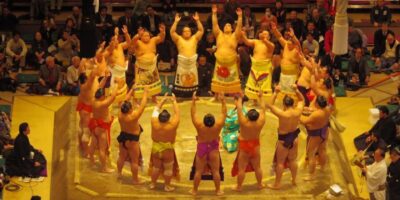
Before the match, the wrestlers follow formal gestures and rituals. Their movements carry religious and cultural meaning, with connections to Shinto tradition and the long training life of the sumo world. You may find the ceremony as interesting as the actual push, throw, or charge.
The arena also changes the mood. Fans react loudly when a favorite wrestler enters, and a close bout can bring a sudden wave of noise. You will see a sport with rules, rankings, ceremony, personalities, and loyal supporters. Even if you know little about sumo, the basic goal is easy to grasp: force your opponent out of the ring or make part of his body, other than the soles of his feet, touch the ground.
I would not treat this as a quiet cultural lecture. It is a live event, and the energy comes from being in the room with the crowd. You will learn by watching, listening, and noticing how much attention is given to preparation.
More Sumo Experiences in Tokyo
- Tokyo: Sumo Show and Dining Experience
★ 4.8 · 2,742 reviews - the SUMO show
★ 5.0 · 1,960 reviews - Tokyo Shinjuku Sumo Show & Experience with Photo
★ 5.0 · 1,750 reviews
Arriving at Ryogoku Kokugikan
The stated meeting point is Ryogoku Edo NOREN, at 1 Chome 3-20 Yokoami in Sumida City. The activity begins at 10:00 a.m. and takes place at Ryogoku Kokugikan.
You must arrange your own transportation. That is an important detail at this price, since the ticket does not come with a transfer, escort, or station pickup. Give yourself enough time to reach Ryogoku Edo NOREN and sort out the handoff of your paper ticket.
The meeting point is practical because Ryogoku is Tokyo’s sumo district. Even without a formal sightseeing walk, you are arriving in a part of the city closely linked with the sport. The area also has food and cultural attractions, so you can plan something nearby before or after the tournament.
I would save the confirmation message and bring identification if requested by the provider. The information supplied says confirmation arrives at booking, but it does not explain the exact ticket collection process. That is one detail I would clarify before departure, especially since the ticket is physical.
Watching the tournament inside the arena
Once you enter, the main event is your seat and your view. The supplied details do not specify the exact section for the standard $565 price, so do not assume that every ticket provides a close ringside position.
This matters more in sumo than it might at a large stadium. The bouts can be short, and small details are easy to miss from a distant seat. A better position lets you see footwork, balance, the initial charge, and the referee’s movements with greater clarity.
Seat upgrades are available for an additional fee. I would consider an upgrade only after asking what it changes. A better view can make a real difference, but the already high base price means you should compare the extra cost with your own interest in the sport.
The event is listed as approximately two hours. That gives you enough time for a concentrated introduction to live sumo, but it is not an all-day tournament program. The timing may suit you if you want to combine sumo with another Tokyo activity. It may feel short if you expect a full day inside the arena or extensive cultural instruction.
The atmosphere is part of the value. Sumo fans do not sit in silence. You will hear cheers, reactions, and the collective tension that builds before a bout. The setting gives the sport a human scale that television cannot fully copy.
The cultural meaning behind the spectacle
Sumo has a strong ceremonial side. The movements before each contest are not random warmups. They reflect rules, respect, purification, and the formal structure of the sport.
That is why a live tournament can be valuable even if you are not already a sumo expert. You can see how a physical contest becomes a cultural performance without losing its competitive edge. The wrestlers are athletes, but the event also carries religious and historical associations.
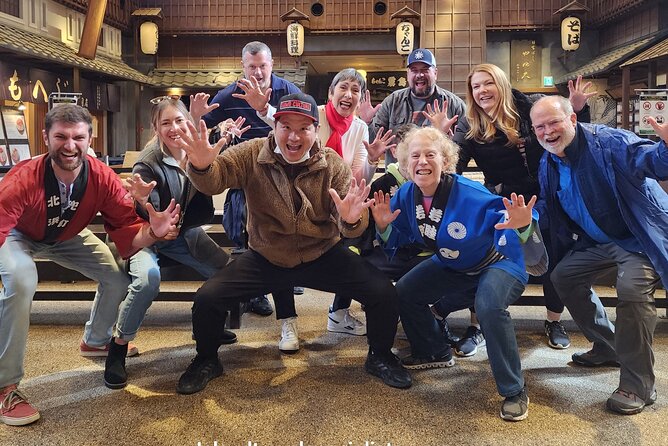
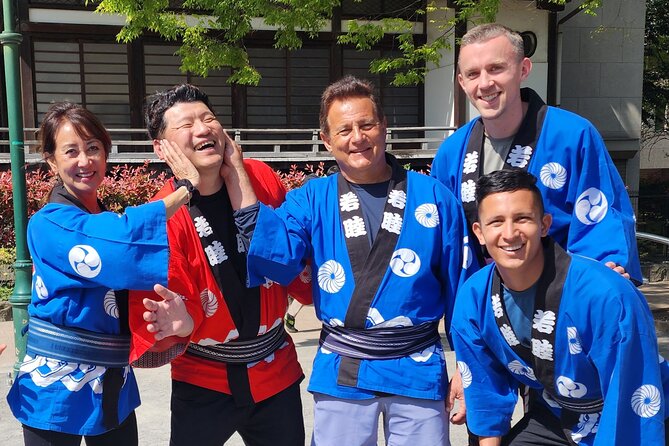
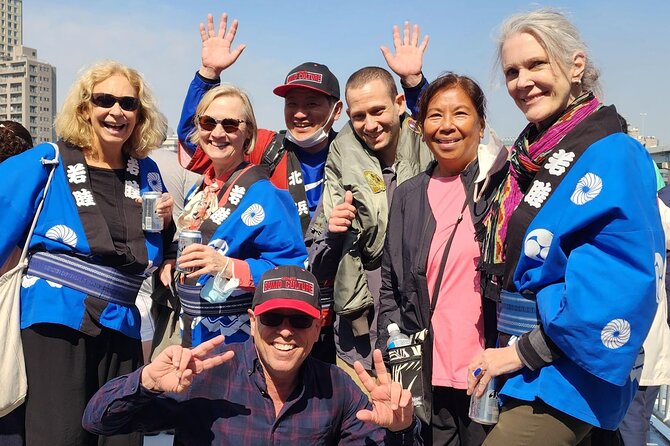
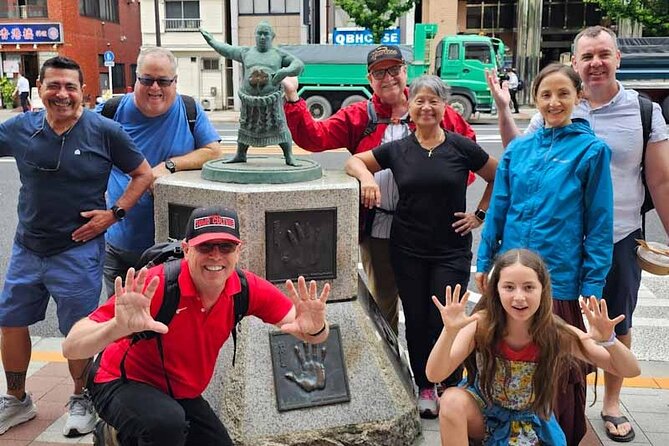
Some past versions of sumo experiences connected the sport with Buddhist temples, Shinto shrines, gardens, and local food. They also included explanations of basic moves, training, and customs. Those elements help explain why the strongest praise for related outings centered on guides named Ken and Shin, along with trainers who gave demonstrations and even practiced with participants.
Do not assume those features are included here. The current information describes a ticket-only tournament with no guide. If you specifically want a temple visit, a training demonstration, a museum walkthrough, or a chance to practice sumo, ask before booking. Those are separate features from simply attending a grand tournament.
Same city, a completely different kind of day:
- Mt Fuji and Hakone 1-Day Bus Tour Return by Bullet Train
★ 5.0 · 26,383 reviews - 1-Day Tokyo Bus Tour
★ 5.0 · 14,250 reviews - Tokyo: TOKYO SKYTREE® Admission ticket
★ 4.5 · 11,192 reviews - Tokyo: teamLab Planets TOKYO Digital Art Museum Entry Ticket
★ 4.6 · 9,779 reviews
What the guide question really means
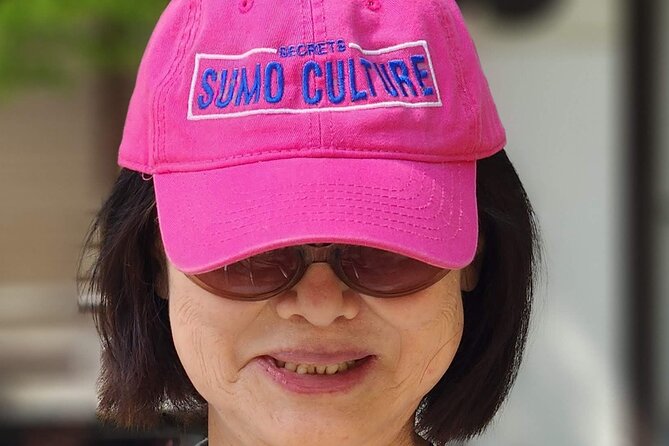
This experience has no tour guide. You are paying for access to the event, not for an instructor who explains each ritual or leads you through the neighborhood.
That is good news if you prefer freedom. You can focus on the matches, decide how much time to spend inside, and avoid being tied to a long walking route. It also removes the need to follow a group through a busy district.
It is less suitable if you want help understanding Japanese terms, rankings, or the order of the event. A guide can point out why one movement matters or explain the role of the referee. Without one, you will need to learn from the program, the venue, or your own preparation.
The supplied feedback includes very enthusiastic accounts of guided sumo activities. Ken is praised for explaining culture and answering questions, while Shin and other trainers are described as warm, practical hosts. Those comments are useful evidence that the provider has offered engaging guided formats, but they should not be used as a promise for this ticket-only product.
Tokyo dates, Osaka dates, and a detail to check
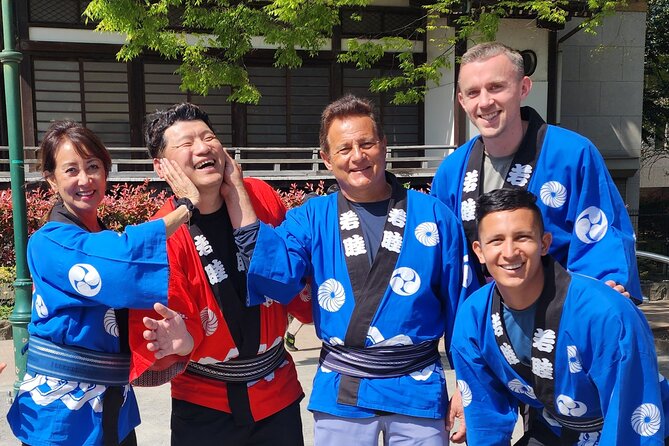
The Tokyo tournament dates supplied for 2026 are:
- January 11 to 25, 2026
- May 10 to 24, 2026
The March dates, March 8 to 22, 2026, are in Osaka. The experience description says you may watch in Tokyo or Osaka depending on the date, but the meeting point provided here is in Tokyo.
That creates a practical point to verify. If you book the March tournament, confirm the actual venue, meeting instructions, and ticket delivery location. Do not rely on the Tokyo address for an Osaka date.
The date ranges cover the tournament periods, but your confirmation should make clear which day your admission is valid for. The information supplied does not state a single guaranteed match day beyond the date windows.
I would also confirm the starting time for your selected date. The supplied start time is 10:00 a.m., but tournament schedules can have their own daily structure. A paper ticket may contain the most precise information.
Is $565 a fair price?
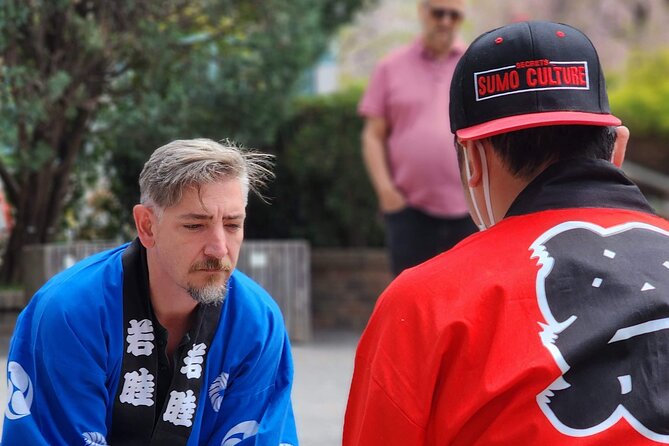
At $565 per person, this is an expensive way to see sumo. Admission is included, but transportation, food, and guiding are not. You are paying for access to a popular event and the convenience of having a ticket arranged in advance.
That convenience can matter. A sold-out tournament is not much use to someone who has flown across the world to see it. Prebooking also avoids the stress of dealing with Japanese ticket systems or trying to arrange admission after arriving.
Still, the price deserves careful thought. If the seat is far from the ring, you may pay a premium for an event you could experience more cheaply through another ticket channel. If the seat upgrade adds substantially to the price, the total may become difficult to justify unless sumo is one of your main reasons for visiting Japan.
I would book this only after checking three things: the exact tournament date, the seat category, and the paper ticket handoff. If those details are clear and sumo is a top priority, the cost may be worthwhile. If you are simply curious about Japanese culture, a cheaper cultural activity or a guided sumo introduction may offer better value.
Who will enjoy this most
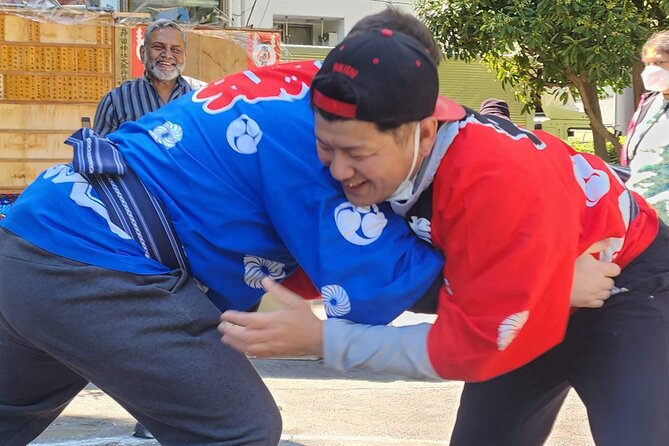
This event is a strong match for you if you want to see authentic professional sumo in its proper arena. It also suits visitors who value a guaranteed place at a popular event and do not need a guide to explain every detail.
Families can enjoy the spectacle because the action is easy to follow, though younger children may not stay focused through the ceremonial parts. The atmosphere, short bouts, and dramatic reactions help keep the event lively.
It is less ideal for you if your main goal is hands-on participation. The details do not include wrestling practice, a meeting with a sumo athlete, or access to a training stable. Those appeared in some other guided sumo formats, but they are not part of this ticket-only description.
It is also a poor fit if you dislike arranging your own transportation or feel uncomfortable navigating an event without assistance. The provider’s maximum group size is 20, but that does not mean you receive a guided group experience. The product remains ticket only.
Practical tips for getting more from the two hours
Read a little about sumo before you go. Knowing the basic objective and a few common winning techniques will make the bouts easier to follow.
Arrive with time to spare at the stated meeting point. You need to collect or receive a paper ticket, reach the arena, and find your seat without turning the opening moments into a scramble.
Ask about your seat before you finalize the booking. The offer of upgrades suggests that seating categories differ. Since the bouts may be over quickly, sightlines matter.
Plan your meal separately. Food is not included, and the supplied details do not name a restaurant or provide a lunch stop. Ryogoku is a sensible area for adding a meal, but you should make your own arrangements.
If your date changes or your schedule is uncertain, think carefully before buying. The cancellation policy says the booking is non-refundable and cannot be amended for any reason. That makes travel insurance or a firm itinerary more important, though the policy itself does not promise reimbursement through insurance.
Should you book the Ryogoku tournament?
Book it if live sumo is a major goal of your Tokyo visit, you want admission arranged in advance, and you are comfortable paying a premium for a paper ticket without a guide or transport.
I would hesitate if you expect the $565 price to include instruction, a stable visit, a temple tour, athlete interaction, or practice. It does not. Those are different experiences, and confusing them could leave you disappointed.
The best decision comes down to the seat and your priorities. A clear seat inside Ryogoku Kokugikan, on a date that fits your plans, can deliver a memorable look at one of Japan’s most distinctive traditions. But at this price, confirm every practical detail first. Sumo itself is worth seeing. This particular ticket is worth buying only if the access and seating justify the premium for you.
FAQ
Where does the Tokyo sumo experience take place?
The event takes place at Ryogoku Kokugikan in Tokyo. The stated meeting point is Ryogoku Edo NOREN, 1 Chome 3-20 Yokoami, Sumida City.
What dates are available in Tokyo in 2026?
The Tokyo dates are January 11 to 25, 2026, and May 10 to 24, 2026.
Are any of the listed dates in Osaka?
Yes. The March 8 to 22, 2026 dates are listed for Osaka rather than Tokyo.
How long does the experience last?
The activity lasts approximately two hours.
Is transportation included?
No. Transportation is not included, so you must make your own way to the meeting point and arena.
Is there a tour guide?
No. This is described as a ticket-only event with no tour guide.
What type of ticket do I receive?
The experience includes a paper ticket. The exact ticket collection or handoff details should be confirmed before you go.
Can I cancel or change my booking?
No. The experience is non-refundable and cannot be changed for any reason.
Just added around Tokyo
- Private Memorable Tokyo Tour with English Speaking Driver★ 5.0 · 30 reviews
- Tokyo Photography Masterclass – Private Photography Lesson★ 5.0 · 25 reviews
- Private Tokyo Custom Full-Day Tour by Chartered Vehicle★ 5.0 · 16 reviews
- Private Sightseeing to Mt Fuji and Hakone with English Driver★ 5.0 · 51 reviews
- Private Mt. Fuji Day Trip from Tokyo with English-Speaking Driver★ 5.0 · 33 reviews
- 4 Day Tour – Mount. Fuji, Tokyo, Hakone, Kamakura and Yokohama★ 5.0 · 19 reviews
- Private Unforgettable Mt Fuji Tour with English Speaking Driver★ 5.0 · 142 reviews
- Private Tokyo Food Tour – A Journey Through Time Through Food★ 5.0 · 36 reviews
Sumo Experiences, compared.
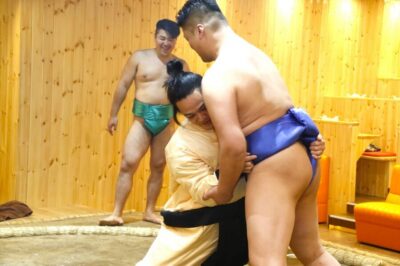
Sumo Show Experience with Chicken Hot Pot and a Photo
Read our review →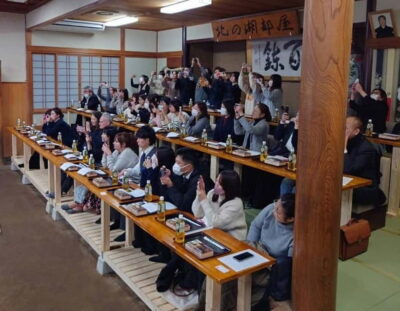
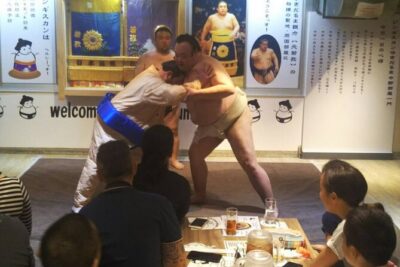
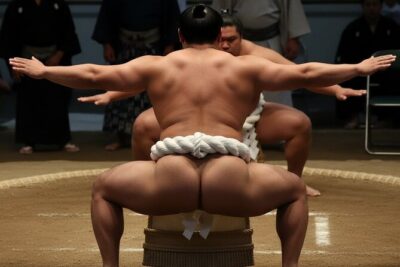
Tokyo Shinjuku Sumo Show & Experience with Photo
Read our review →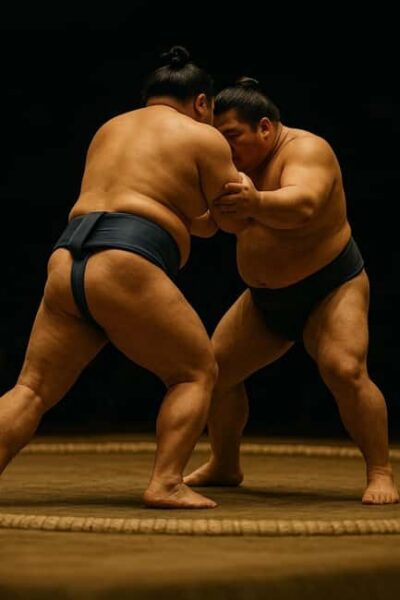
Sumo Show & Experience w/ Optional Kimono & Hot Pot
Read our review →
Authentic Sumo Experience in Tokyo: Enter the Sanctuary
Read our review →Browse the lists this tour appears in