
REVIEW · COOKING CLASSES
Takoyaki cooking experience in Kabukicho, Shinjuku
Takoyaki looks simple until you try to turn it. You pour batter into a round griddle, add chopped octopus, and work each piece into a neat golden ball while the outside crisps and the center stays soft. This one-hour class lets you cook and eat the Japanese street-food favorite yourself, just off Kabukicho Central Road.
I like the small group of no more than six, which gives the instructor room to help with the tricky turning stage. I also like the friendly, relaxed teaching style reported from instructors such as Chihiro, Shuma, Sakiko, Koi, and Kai. The main consideration is heat: freshly cooked takoyaki is very hot, and the class is not suitable for children under four or anyone with gluten intolerance.
In This Review
- Key points to know before booking
- Why making takoyaki beats simply ordering it
- A one-hour class from batter to plate
- The hardest part is turning the balls
- Friendly teaching in English or Japanese
- Kabukicho location, five minutes from Shinjuku Station
- Is $25 good value for one hour?
- Who will enjoy this most?
- Practical tips for a smoother session
- Should you book this takoyaki class?
- FAQ
- Where is the takoyaki cooking experience held?
- How far is the meeting point from Shinjuku Station?
- How do I find the venue from Kabukicho Central Road?
- How long does the activity last?
- What is included in the price?
- Are drinks included?
- Is the activity offered in English?
- Can children take part?
- Can I cancel for a refund?
Key points to know before booking
- You cook every takoyaki ball yourself: Learn the basic method, from pouring batter to turning the pieces into round shapes.
- The meal is part of the $25 price: You make and eat the takoyaki during the one-hour session.
- The group is limited to six people: This is a more personal format than a large food demonstration.
- Kabukicho is right outside: The meeting point is about five minutes from Shinjuku Station and close to TOHO Cinemas and the Godzilla head.
- English help is available: Instructors work in English or Japanese, with a translation machine used when needed.
- Children need to be at least four: Families can join, but the hot griddle calls for close attention.
Why making takoyaki beats simply ordering it
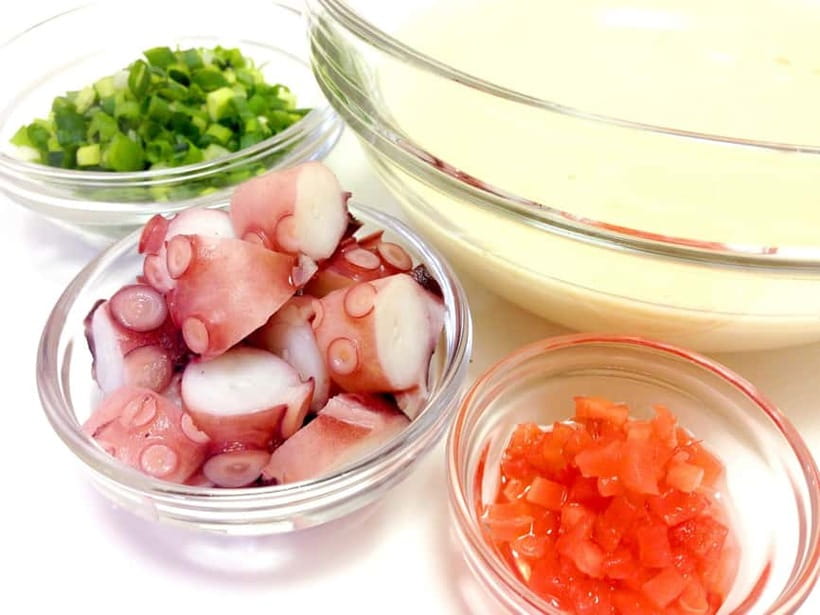
Takoyaki is one of Japan’s most approachable foods. The batter is made with water and eggs, then poured into the round holes of a special griddle. Chopped octopus goes into each portion, and the cooking turns the loose batter into a crisp, round snack.
The fun comes from the hands-on work. You are not just watching someone prepare food behind a counter. You are learning how to judge when the batter has set enough to turn, then using utensils to shape each piece. The first few may look uneven. That is part of the point.
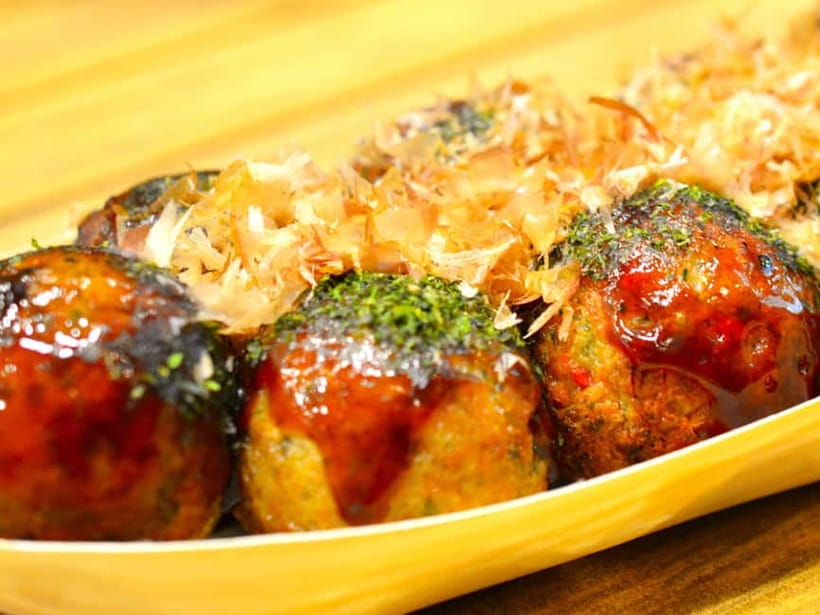
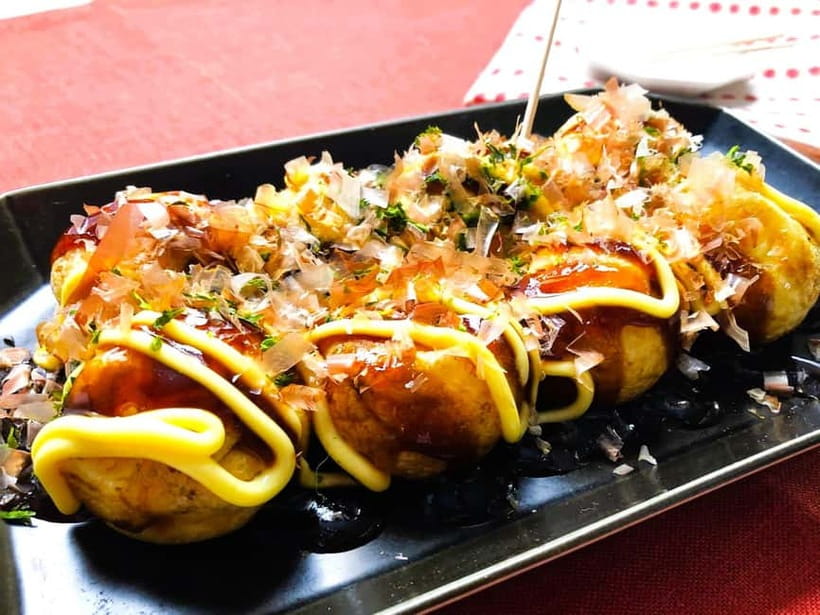
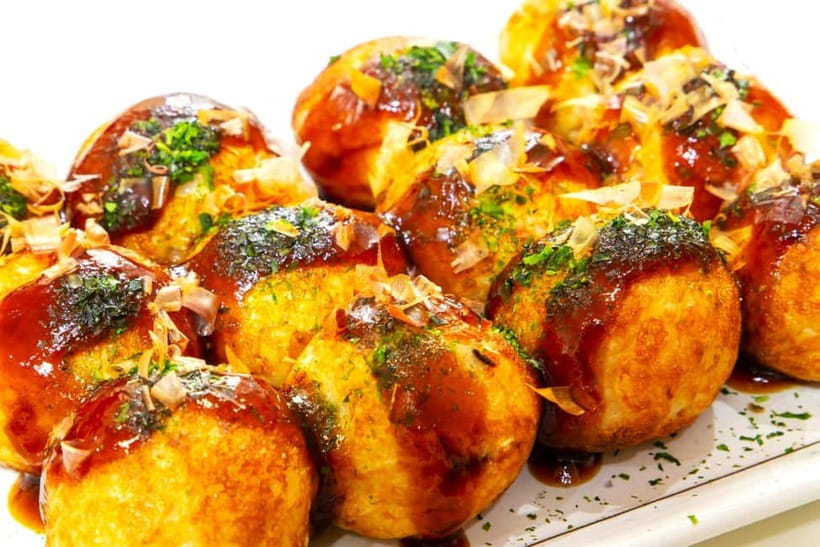
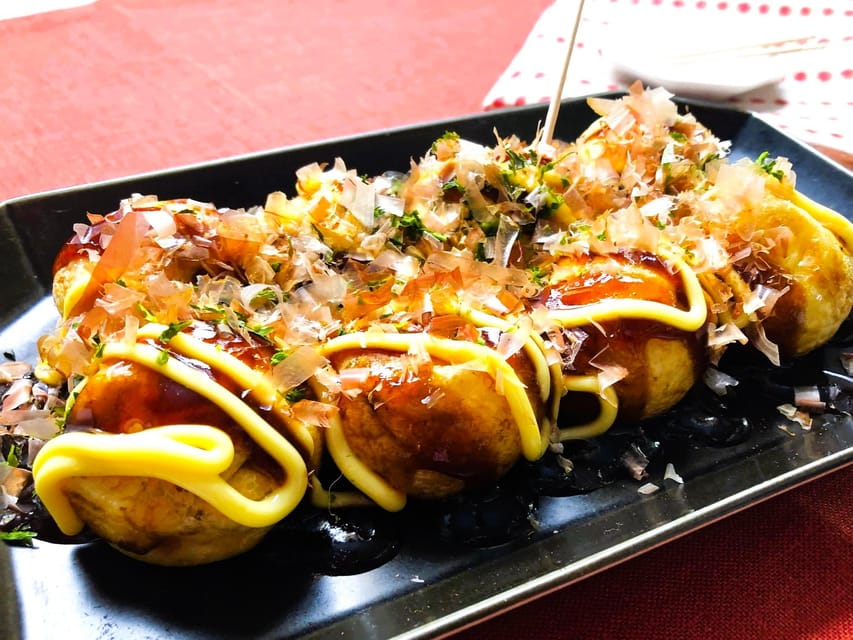
The finished takoyaki is served hot with familiar toppings such as sauce, mayonnaise, dried bonito flakes, and aonori, or green laver. The contrast is the appeal: crisp outside, fluffy inside, savory octopus in the middle, and rich toppings over the top.
You should take care with the first bite. Takoyaki holds heat inside, and the food is served soon after cooking. It is easy to eat too quickly, especially when you are hungry and the smell is working against your common sense.
This is also a useful introduction to Japanese soul food. Takoyaki is casual, social food. It fits naturally with beer, conversation, and an evening in Osaka-style street-food culture, even though you are making it in Tokyo.
A few more Tokyo trips to weigh up
- Ramen & Gyoza Cooking Class in Tokyo with Local Supermarket Visit
★ 5.0 · 823 reviews - Tokyo: Easy Ramen Cooking Experience in Kabukicho, Shinjuku
★ 4.6 · 321 reviews - Ramen and Sushi Cooking Class with Sake Pairing Set in Tokyo
★ 5.0 · 291 reviews
A one-hour class from batter to plate
The activity lasts about one hour and ends when you finish eating. The supplied details do not give a minute-by-minute timetable, so you should expect the session to move at a steady pace rather than follow a long sightseeing route.
At the start, you will need to tell the staff that you have arrived for the takoyaki experience. The instructor then guides you through the cooking process. The key lesson is learning how to handle the batter and turn the pieces before they cook too firmly.
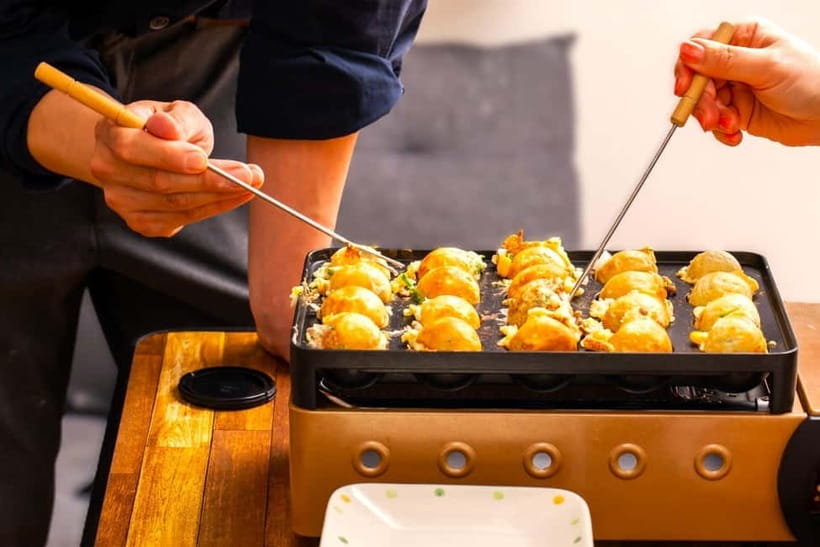
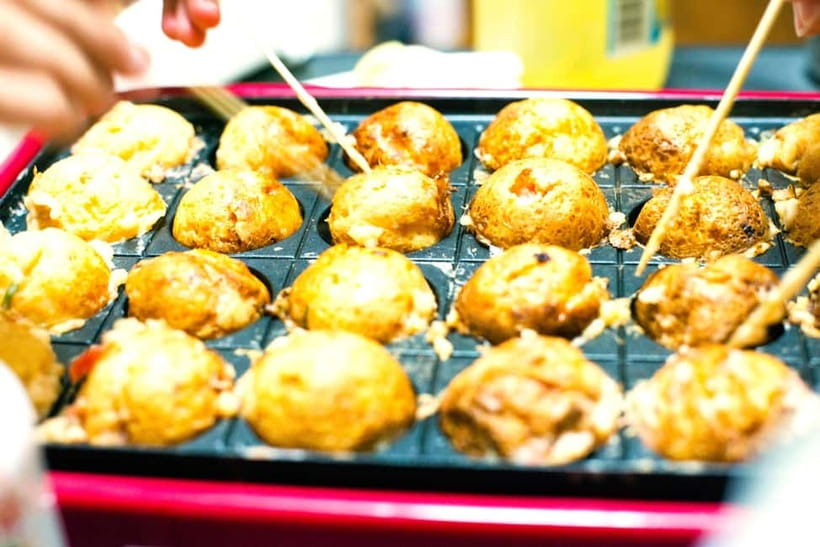
You place the chopped octopus into the batter and cook the portions in the round griddle. The shape develops as you turn them, gradually forming the familiar balls. This is where a small class helps. An instructor can show you how to correct a piece that is sticking, spreading, or turning too early.
The cooking is active, but it is not presented as a formal culinary course. You are there to make a meal, have a conversation, and enjoy a distinctly Japanese food ritual. Recent sessions have included instructors named Chihiro, Shuma, Sakiko, Koi, and Kai. Instructor assignments can change, but the format remains personal and guided.
After cooking, you put the takoyaki on a plate and add the usual toppings. The meal is included in the price. Bottled drinks, extra food, and additional drinks are not included, so plan to pay separately if you want more than the included meal.
The hardest part is turning the balls
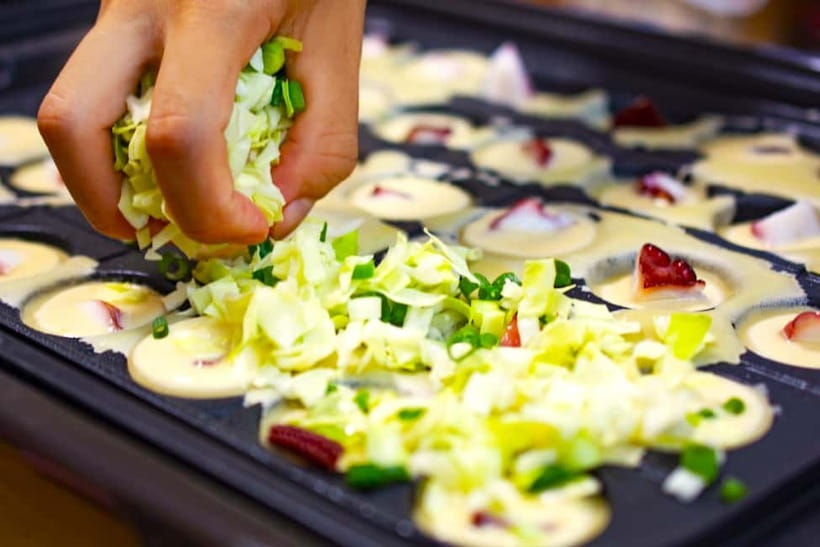
If you have never used a takoyaki griddle, the turning stage is the part to watch. The batter starts as a liquid mixture in each round opening. As the edges cook, you begin to turn and shape the portions until they form balls.
That sounds easy. It is not always easy on the first attempt, which is why the instructor’s help matters more than a long lecture. You get immediate guidance at the griddle and can copy the motion as you go.
I would treat imperfect shapes as a success, not a problem. The class is about learning how takoyaki is made, not producing identical pieces for a restaurant display. You are likely to remember the food better because you had to work for it.
The hot surface is the main safety concern. Families can bring children, and one family with two children described the staff as careful about keeping them safe. Still, children under four cannot take part, and adults should expect to supervise younger children around the griddle.
Friendly teaching in English or Japanese
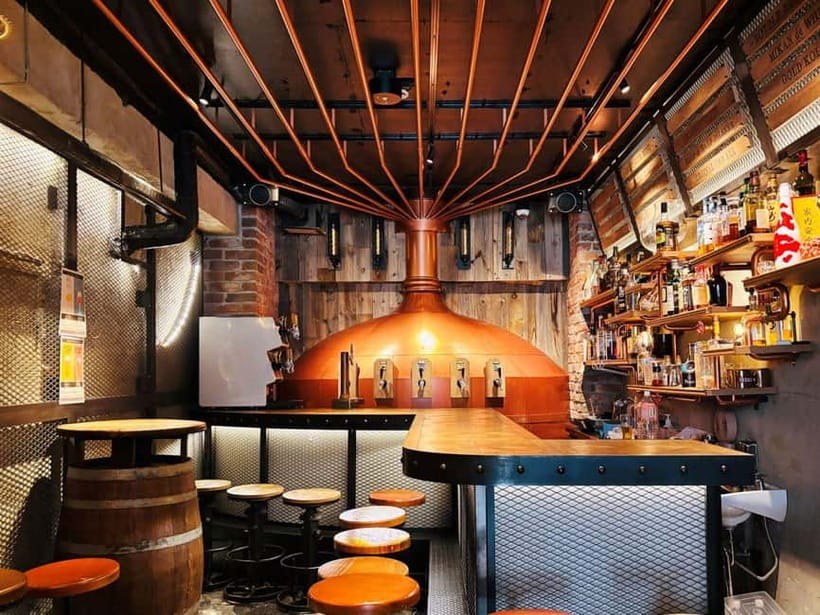
The activity offers instruction in English and Japanese. If the staff member helping you is not fluent in English, a translation machine is used. That means you should be able to follow the basic cooking steps, though the amount of conversation in English may vary by instructor.
Several recent sessions have had a relaxed, social feel. One instructor, Sakiko, was described as making the class feel like cooking with a friend while having a drink. Another session with Koi and Kai combined cooking with conversation about Japanese culture and practice using a little Japanese.
That social side is a real part of the value. You can ask about the food, practice simple Japanese, or simply focus on the griddle. The class does not require advanced cooking skills or Japanese language ability.
The small group also makes it easier to get personal help. With a maximum of six participants, you are less likely to be left watching from the back of a room. If you want a private class, that is not promised here, but the group limit keeps the format intimate.
Same city, a completely different kind of day:
- Mt Fuji and Hakone 1-Day Bus Tour Return by Bullet Train
★ 5.0 · 26,383 reviews - 1-Day Tokyo Bus Tour
★ 5.0 · 14,250 reviews - Tokyo: TOKYO SKYTREE® Admission ticket
★ 4.5 · 11,192 reviews - Tokyo: teamLab Planets TOKYO Digital Art Museum Entry Ticket
★ 4.6 · 9,779 reviews
Kabukicho location, five minutes from Shinjuku Station
The meeting point is at 1-14-5 Kabukicho, Shinjuku-ku, Tokyo. From Shinjuku Station on the JR Yamanote Line, allow about five minutes on foot.
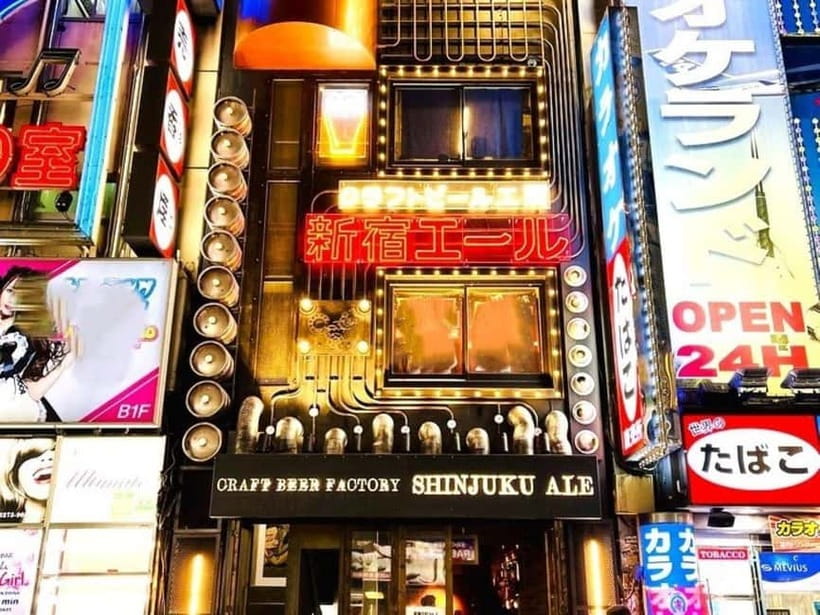
The clearest route is along Kabukicho Central Road toward TOHO Cinemas. Before you reach the end of the road, look for Shinjuku Ale next to Karaoke 747 on the right. The plus code is MPV2+VR Shinjuku City, Tokyo, which can help if your map app has trouble locating the entrance.
This is a useful location for a food class because you can fit it into a larger Shinjuku outing. The venue is close to TOHO Cinemas and the famous Godzilla head, making an easy photo stop before or after the meal.
I would allow extra time to find the exact doorway. Kabukicho has many signs, restaurants, and entertainment venues packed close together. Do not simply aim for the general district and expect to spot the meeting place at once. Use the street directions and plus code, then tell the staff you have arrived for the booked activity.
The location is convenient, but it is not a quiet historic neighborhood setting. You are in central Shinjuku, surrounded by nightlife and commercial streets. That suits visitors who want to combine cooking with city energy, but it may not appeal if you are seeking a calm, traditional restaurant atmosphere.
Is $25 good value for one hour?
At $25 per person, this is a fair price for a guided activity that includes both instruction and a meal. You are paying for more than a plate of takoyaki. The value comes from using the griddle, learning the method, getting help from an instructor, and eating what you make.
A casual order of takoyaki elsewhere may cost less, especially if you only want to sample the food. But it will not give you the small-group teaching or the satisfaction of turning the pieces yourself.
The value is strongest for first-time visitors who want a short cultural activity between sightseeing stops. It also works well for families with children old enough to follow safety instructions, couples, and solo visitors who enjoy food and conversation.
The price does not include bottled drinks or extra meals and drinks. If you want beer with your takoyaki, budget for it separately. The basic included meal is the clearest way to keep the cost at the advertised amount.
The one-hour length is another advantage. You get a complete activity without giving up half a day. On a packed Tokyo schedule, that makes the class easy to place before a movie, shopping, dinner, or a Kabukicho evening walk.
Who will enjoy this most?
You should consider booking if you like learning by doing. The class is especially suitable if you have tried takoyaki in Japan and want to understand how the round shape is made, or if you have never tasted it and want more than a quick takeaway snack.
Families are welcome if all children are at least four years old. The staff can help keep the cooking area safe, but the griddle is hot, and adults remain responsible for keeping children attentive.
This also suits solo visitors. A group of up to six gives you a chance to talk with the instructor and other participants without the class feeling crowded. The friendly teaching style reported from multiple sessions may make the activity comfortable even if you arrive alone.
You may want to skip it if you have gluten intolerance. The activity is specifically listed as unsuitable for people with gluten intolerance. You should also avoid booking if you want a long market tour, a detailed food history lecture, or a full meal with several courses. This is a focused cooking-and-eating session.
Practical tips for a smoother session
Arrive with enough time to follow the street directions. The meeting point is close to Shinjuku Station, but Kabukicho can be confusing if you are rushing.
Tell the staff immediately that you have a reservation for the experience. This helps them direct you to the correct place and begin the session without delay.
Wear clothing you do not mind wearing around cooking smells. The supplied details do not promise aprons or other protective clothing, so it is sensible to dress practically.
Do not take your first bite straight from the griddle. Give the takoyaki a moment to cool, then open one carefully to check the center. The outside can look manageable while the inside remains very hot.
If you want a drink beyond the included meal, bring money for additional purchases. Bottled drinks, extra food, and extra drinks are separate from the activity price.
The cancellation policy is flexible: you can cancel up to 24 hours before the scheduled time for a full refund. You can also reserve now and pay later, which helps if your Tokyo schedule is still changing.
Should you book this takoyaki class?
I would book it if you want a short, hands-on food activity in central Tokyo. The combination of a one-hour format, a maximum of six participants, an included meal, and a convenient Kabukicho location gives it solid practical value.
The strongest reason to choose it is the teaching style. Instructors such as Chihiro, Shuma, Sakiko, Koi, and Kai have provided the kind of personal help and conversation that makes a simple dish memorable. You get to cook, make mistakes, ask questions, and eat the result while it is still piping hot.
Choose something else if you cannot eat gluten, need a completely quiet setting, or want a larger meal. For everyone else, especially families with children over four, food-minded couples, and solo visitors, this is an easy way to spend an hour making one of Japan’s most recognizable snacks.
FAQ
Where is the takoyaki cooking experience held?
It is held at 1-14-5 Kabukicho, Shinjuku-ku, Tokyo. The meeting place is next to Shinjuku Ale and Karaoke 747 on Kabukicho Central Road.
How far is the meeting point from Shinjuku Station?
The meeting point is about a five-minute walk from Shinjuku Station on the JR Yamanote Line.
How do I find the venue from Kabukicho Central Road?
Walk toward TOHO Cinemas along Kabukicho Central Road. Before reaching the end of the road, look for Shinjuku Ale next to Karaoke 747 on the right.
How long does the activity last?
The takoyaki cooking and eating session takes about one hour. It ends when you finish eating.
What is included in the price?
The price includes the takoyaki cooking experience and the meal you prepare.
Are drinks included?
Bottled drinks and additional meals or drinks are not included.
Is the activity offered in English?
Instruction is available in English and Japanese. If the staff member is not fluent in English, a translation machine is used.
Can children take part?
Children can take part if they are at least four years old. Children under four are not suitable for this activity.
Can I cancel for a refund?
You can cancel up to 24 hours in advance for a full refund. The activity also offers a reserve-now-and-pay-later option.
Just added around Tokyo
- Tokyo: Customizable Private Guided Walking Tour★ 4.5 · 129 reviews
- Private Harajuku Omotesando Architecture Tour★ 4.9 · 18 reviews
- Tokyo: Guided Helicopter Ride★ 4.9 · 24 reviews
- Tokyo: Guided Walking Tour of Tsukiji Market with Lunch★ 4.4 · 24 reviews
- Tokyo: Private Personalized Local Food Tour★ 4.5 · 101 reviews
- Tokyo GINZA: KONPARU Japanese Cabaret Show with Drink★ 4.8 · 38 reviews
- Tokyo: Guided Walking Tour of Tsukiji Market with Breakfast★ 4.4 · 134 reviews
- Tokyo: Gotokuji Cat Temple, Shinjuku Cat Cafe & 3D Cat Tour★ 4.9 · 38 reviews
Cooking Classes, compared.
Ramen Cooking Class at Ramen Factory in Kyoto
Read our review →
Ramen & Gyoza Cooking Class in Tokyo with Local Supermarket Visit
Read our review →
Ramen Cooking Class at a Ramen Factory with Souvenir
Read our review →
Japanese Washoku Bento Small Group Cooking Class
Read our review →

Easy Ramen Cooking Experience in Kabukicho, Shinjuku
Read our review →
Ramen and Sushi Cooking Class with Sake Pairing Set in Tokyo
Read our review →Browse the lists this tour appears in