
REVIEW · WORKSHOPS
Shinjuku Tokyo: Authentic Japanese Home-Style Culinary Class
Japanese food is easiest to understand when you make it yourself. In this 150-minute home-cooking class near Shinjuku, you prepare several familiar dishes, then sit down to eat what you made. The menus cover cheerful street foods such as takoyaki and okonomiyaki, as well as sushi, miso soup, teriyaki, and a balanced gozen meal.
I like the choice of menus, and I like that the recipes are practical enough to repeat at home. The English-speaking instructors, including Kana, Lulu, Kayo, Miyuki, and Chieko, also explain ingredients and customs rather than simply handing you a recipe. One point to watch: the exact studio address arrives after booking, and menu choice may be limited if another group joins your class.
In This Review
- Key points to know before booking
- What this Shinjuku cooking class is really about
- Four main menus, plus a custom option
- Okonomiyaki and yakisoba
- Gyoza and takoyaki
- Rolled sushi and teriyaki
- Traditional gozen set
- A requested menu
- How the 150 minutes are spent
- The teaching is the main reason to book
- Is $88 good value?
- Dietary needs and menu planning
- Getting to the studio near Shinjuku
- Who will enjoy this most?
- Booking details that matter
- Should you book this Japanese cooking class?
- FAQ
- Where is the cooking class located?
- How long does the cooking class last?
- Which menus can I choose?
- Can I choose my menu after booking?
- Is the class taught in English?
- Can vegetarians and vegans join?
- What is included in the price?
- Can I cancel for a full refund?
Key points to know before booking
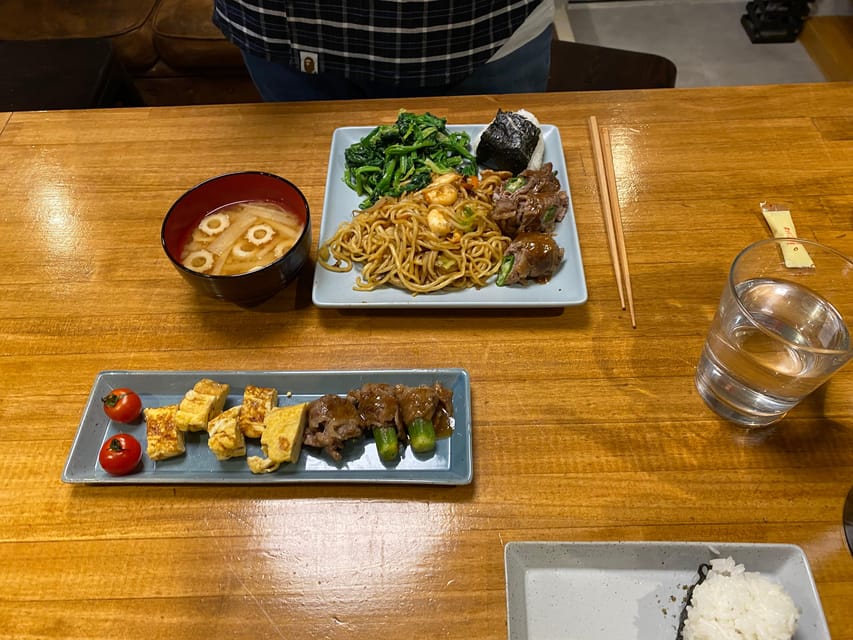
- Five menu paths: Choose okonomiyaki and yakisoba, gyoza and takoyaki, rolled sushi and teriyaki, a traditional gozen set, or discuss a requested menu.
- A meal-sized class: You cook for about two hours and 30 minutes, then eat together. Several people said the quantity was more than enough.
- Near central Tokyo: The studio is in or around Shinjuku, making this easy to fit into a day of sightseeing.
- Real participation: You prepare and cook dishes rather than only watching a demonstration, although the balance can vary by instructor and group.
- Dietary planning is possible: Vegetarian, vegan, and allergy needs can be discussed in advance.
- Strong teaching record: The class holds a 4.9 rating from 125 reviews, with repeated praise for friendly instructors, clear explanations, and recipes guests could use at home.
What this Shinjuku cooking class is really about
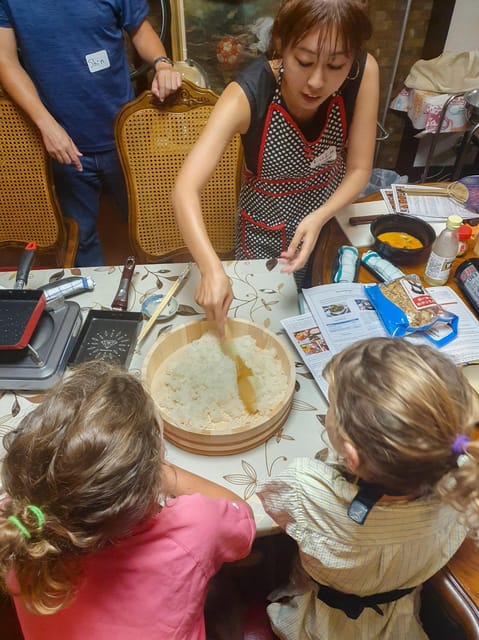
This is not a formal chef-school lesson. It is a friendly introduction to Japanese food as it is cooked at home, with a few especially fun dishes added for good measure. You learn the basic handling, seasoning, shaping, and cooking methods behind a full Japanese meal.
The location near Shinjuku matters. You do not need to spend half a day crossing Tokyo to reach a rural cooking school. The class fits neatly between sightseeing in Shinjuku and an evening meal, though you should leave time to find the studio once the exact address is sent.
The ingredients are prepared ahead of time. That keeps the class moving and lets you focus on the cooking rather than spending the first part chopping every carrot. It also means this is a guided, organized session rather than an open-ended market-to-kitchen workshop.
You receive cooking tools, ingredients, drinking water, and all fees and taxes. Private transportation is not included, so you make your own way to the studio.
A few more Tokyo trips to weigh up
- Sushi Making Tokyo Roll and Authentic Japanese Sushi Class
★ 5.0 · 3,971 reviews - Tokyo: Roll and Authentic Sushi Making Class in Asakusa
★ 4.9 · 1,957 reviews - Tokyo Shinjuku Chopsticks Making Class
★ 5.0 · 1,763 reviews
Four main menus, plus a custom option
At booking, you can select from four standard menus. A fifth option lets you request a menu and discuss it with the instructor. There is an important qualification: if another group attends the same class, you may not be able to choose your preferred menu. If the class is only for you or your group, menu choice is more flexible.
Okonomiyaki and yakisoba
This is the lively, filling choice. Okonomiyaki combines batter, chopped cabbage, and other ingredients cooked on a teppan grill, then finished with sauces and toppings. Yakisoba brings stir-fried noodles, vegetables, and often pork or seafood, coated in a sweet and savory sauce.
Choose this menu if you want the kind of food that feels social and hands-on. It also gives you two useful home recipes rather than one centerpiece dish. The tradeoff is that this is a hearty meal, so it may be more food than you want if you have a large dinner reservation later.
Gyoza and takoyaki
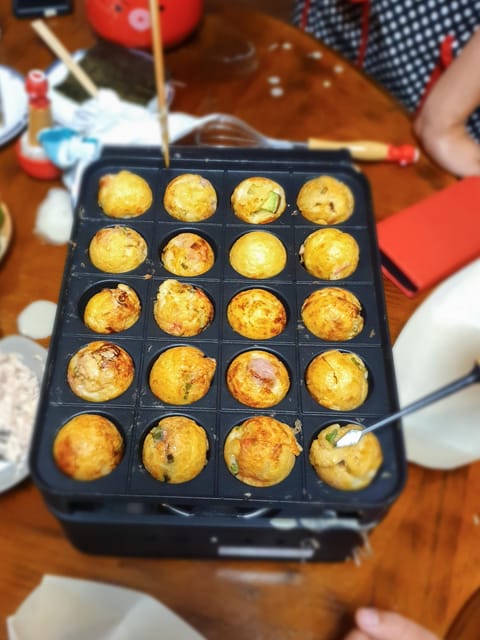
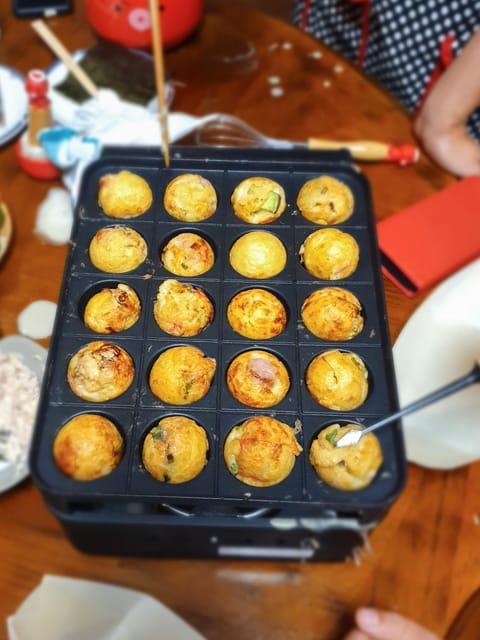
This menu has the most playful cooking tasks. You make Japanese pan-fried gyoza, aiming for crisp bottoms and tender wrappers, then prepare takoyaki, the round dumplings associated with Osaka and summer festivals.
Takoyaki is especially appealing if you have only eaten it from a festival stall and never wondered how those neat little balls are formed. The class gives you a chance to take part in a food that is not always easy to recreate without guidance.
This menu can suit families well. Children from ages seven to twelve took part successfully in one family group, and the instructors made the tasks accessible. You should still mention dietary needs early, since standard gyoza and takoyaki recipes can contain several animal-based ingredients.
Same city, a completely different kind of day:
- Mt Fuji and Hakone 1-Day Bus Tour Return by Bullet Train
★ 5.0 · 26,383 reviews - 1-Day Tokyo Bus Tour
★ 5.0 · 14,250 reviews - Tokyo: TOKYO SKYTREE® Admission ticket
★ 4.5 · 11,192 reviews - Tokyo: teamLab Planets TOKYO Digital Art Museum Entry Ticket
★ 4.6 · 9,779 reviews
Rolled sushi and teriyaki
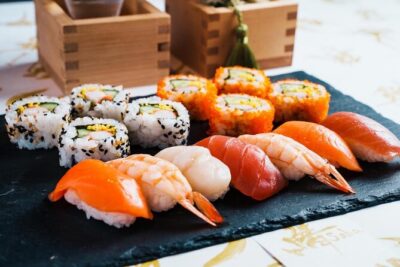
Here you roll and cut your own sushi, then pair it with yellowtail fish or chicken teriyaki, side dishes, and miso soup. The appeal is clear: you leave with techniques for assembling sushi and preparing a familiar Japanese soup, not just a single restaurant-style dish.
This is a good pick if you want a balanced lesson with both careful preparation and a cooked main dish. One participant specifically found the sushi and miso soup simple enough to make back home, which is useful if you want food memories that survive beyond your holiday.
Traditional gozen set
The gozen menu is the most rounded option. It includes a meat plate, a fish plate, a side dish, miso soup, and an onigiri rice ball.
This menu teaches the structure of a Japanese home meal rather than focusing on one famous dish. You get a sense of how different textures and flavors share one tray. It is also a smart choice for anyone who wants variety.
The menu can be adapted in some cases. One group chose the gozen set and requested chicken teriyaki, which the instructor accommodated. Do not treat that as an automatic promise, but do ask when you book.
A requested menu
The custom option is useful for repeat visitors, families with strong preferences, or people with food restrictions. The instructor can discuss your request and decide what is workable.
Keep your request specific and send it before the class. The same advance conversation applies to allergies, vegetarian diets, and vegan diets.
How the 150 minutes are spent
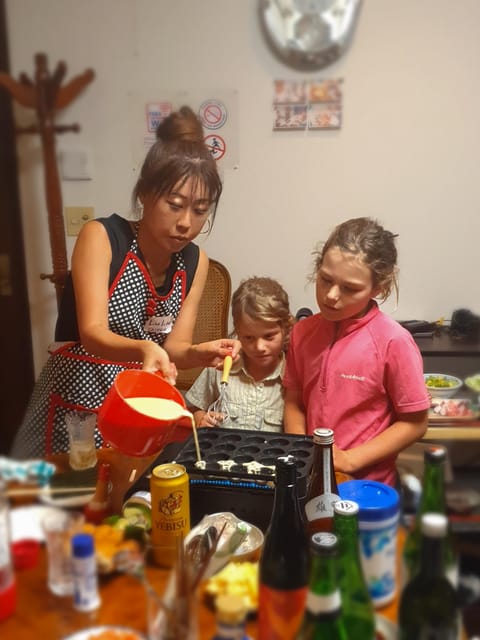
The full activity takes about two hours and 30 minutes. The exact rhythm depends on your menu, but the class is built around preparing the dishes, cooking them, and eating together at the end.
The instructors prepare the ingredients beforehand, then guide you through the recipes. You can expect explanations of Japanese ingredients, how they are used, and the techniques linked to each dish. Instructors such as Mika, Chieko, Kayo, Miyuki, Kana, and Lulu have been praised for clear English, patience, humor, and cultural explanations.
The class is interactive, but the amount of hands-on cooking can vary. Most of the information points to active participation. One useful caution comes from a cook who preferred to do more of the work and found that some steps involved watching the instructor while she explained. If you are an experienced home cook and want to handle every stage, say so at the start.
At the end, you eat the food prepared by the group. The portions sound substantial. Some people found they had made enough food to feel full for much of the day, so avoid scheduling an ambitious restaurant lunch immediately afterward.
Photos may also be taken during the session. One instructor sent photos and recipes afterward, but you should regard that as a welcome personal touch rather than a guaranteed inclusion for every class.
The teaching is the main reason to book
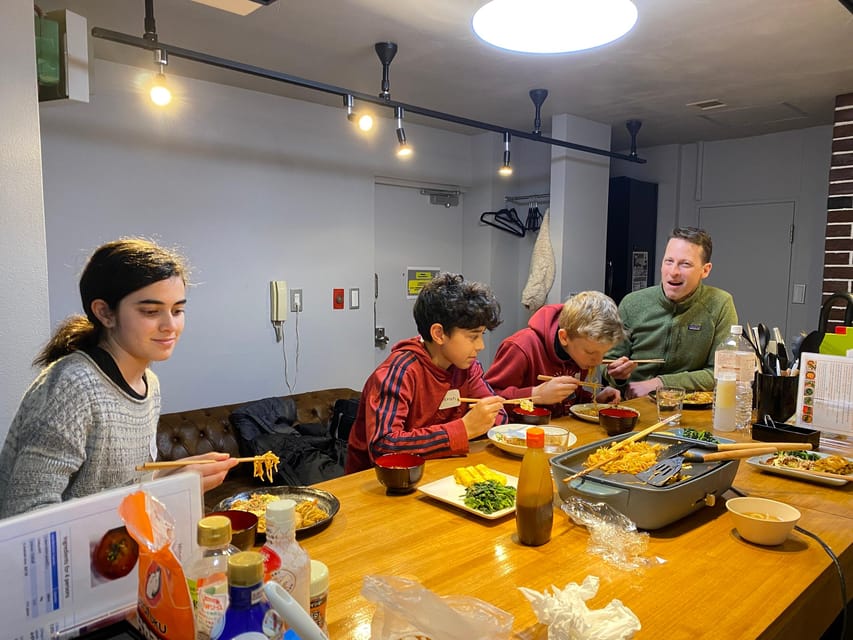
The strongest feature here is the instructor attention. Several instructors are named in the feedback, and the pattern is consistent: warm hosting, good English, clear instructions, and willingness to answer questions.
A private class can be especially valuable. One couple and several families ended up with first-class attention because they were the only group booked. That gives you more room to ask about ingredients, cooking shortcuts, restaurant customs, or how to adapt a dish at home.
A shared class may still be enjoyable, but you have less control over the menu and perhaps less time with the instructor. If a private lesson matters to you, check the booking details and ask what group arrangement is expected. Do not assume that a class marketed as personal is always exclusive.
The instructors also add cultural context. You may learn why a dish is associated with a festival, how a set meal is arranged, or how a particular ingredient fits into Japanese cooking. This turns the class into more than a list of recipes.
Is $88 good value?
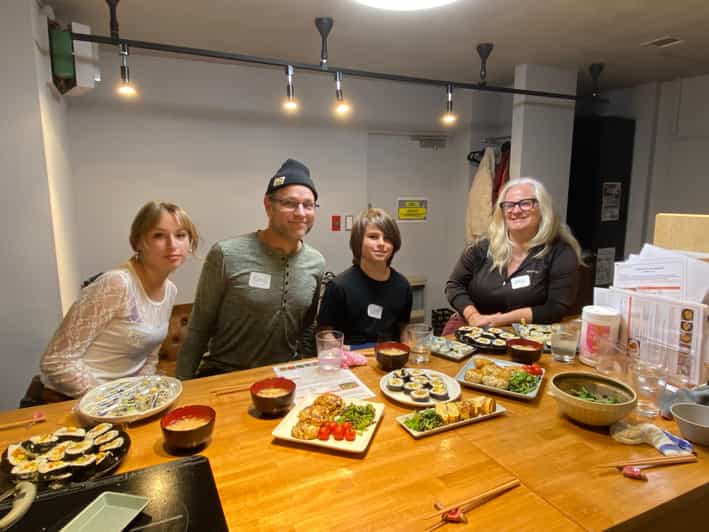
At $88 per person, this is not the cheapest meal you can buy in Tokyo. You can eat noodles, curry, or conveyor-belt sushi for much less. The value comes from the combination of a full meal, instruction, ingredients, equipment, and take-home skills.
You are also paying for convenience. The ingredients are prepared, the tools are ready, and the class takes place near Shinjuku. There is no need to shop for unfamiliar items or guess how a takoyaki pan, sushi mat, or Japanese seasoning should be used.
The value improves if you plan to cook after returning home. Several people specifically appreciated receiving recipes or learning dishes they could repeat. One participant even bought a pan after class to recreate the food.
For a family, the cost adds up quickly. Yet a family of four with children can get an activity that occupies most of an afternoon, provides lunch, and gives everyone a role. For a serious food lover, the price is easier to justify than for someone who simply wants to eat Japanese food once.
Dietary needs and menu planning
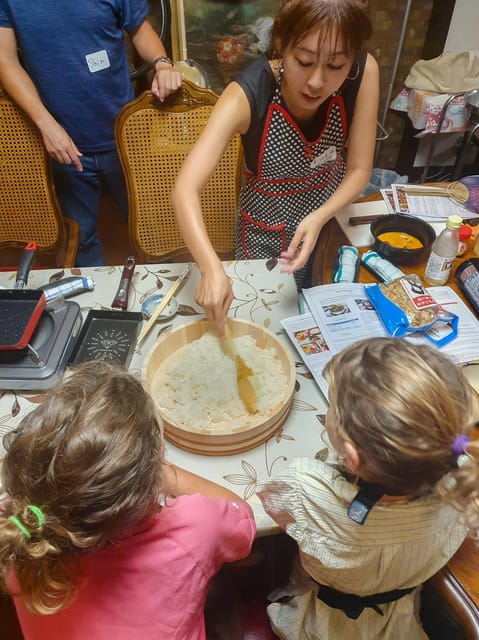
The class is designed to discuss dietary preferences, including vegetarian and vegan requests. Food allergies should be shared in advance so the instructor can review ingredients and possible substitutions.
This advance notice is important because Japanese dishes can contain fish stock, seafood, meat, egg, soy, wheat, or sauces that are not always obvious. The class has accommodated vegetarians and adjusted menus for allergies, but you should not wait until you arrive.
A custom menu may be possible, but it depends on the request and the group setup. Ask clearly before payment if your diet is strict or medically necessary.
Getting to the studio near Shinjuku
The studio is in or around Shinjuku, in central Tokyo. The exact address is provided after booking, so you should wait for the organizer’s message and read it carefully before setting out.
This is the one practical area that deserves extra attention. One person had trouble because the address led to part of a building without an obvious entrance and had to call the organizer. The group arrived about 15 minutes late. Another group experienced a location change, but the organizer handled it and paid for the taxi to the new site.
Use the photos and directions if they are supplied, and allow a little extra time. Shinjuku is easy to reach but not always easy to navigate once you are among large buildings, side streets, and multiple station exits.
Private transportation is not included. You are responsible for reaching the kitchen studio yourself.
Who will enjoy this most?
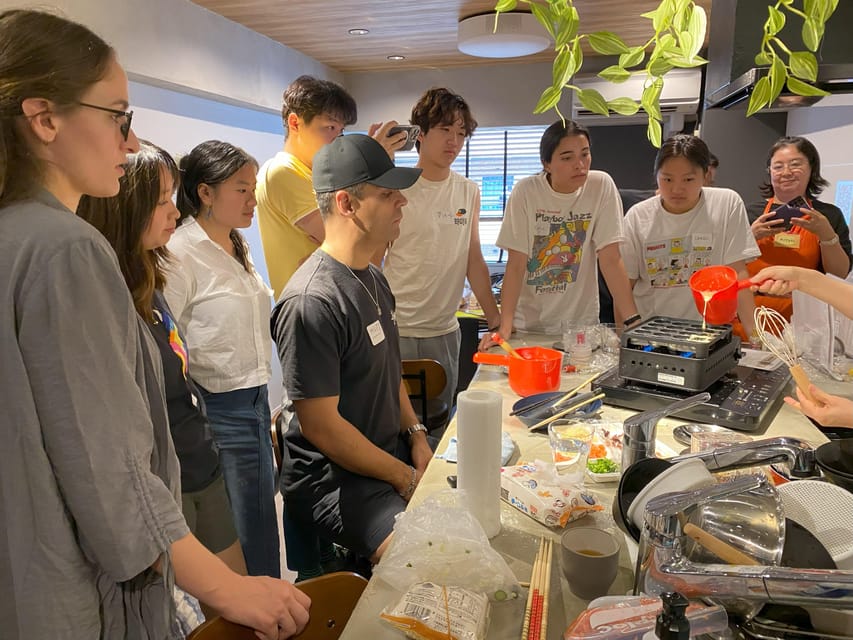
I would recommend this class to you if you want to do more than photograph Japanese food. It is a strong fit for:
- First-time visitors who want a gentle introduction to home-style dishes
- Families with children who enjoy practical activities
- Couples looking for a shared meal with a hands-on element
- Home cooks who want recipes they can repeat
- Visitors with vegetarian, vegan, or allergy concerns who can plan ahead
- Food lovers who want cultural background along with cooking instruction
It is less suited to you if you want a professional culinary qualification, an advanced knife-skills workshop, or a market tour. It is also not ideal if you dislike eating a large meal after cooking or prefer to choose every ingredient and technique yourself.
Booking details that matter
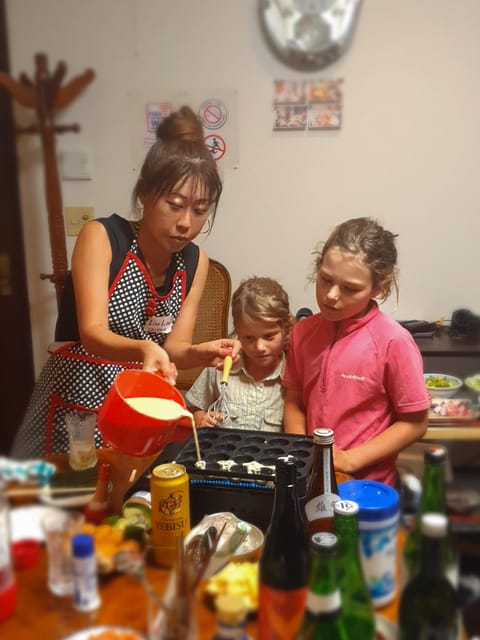
The class is conducted in English. The price is $88 per person, and the duration is 150 minutes. Cooking tools, ingredients, drinking water, and all fees and taxes are included.
You can reserve now and pay later, which helps if your Tokyo schedule is still changing. Cancellation is free up to 24 hours in advance for a full refund.
Since menu choice can depend on whether another group joins, select your first choice at booking but keep a second option in mind. Send allergies and dietary requests early, and save the studio address and arrival instructions where you can find them easily.
Should you book this Japanese cooking class?
Book it if you want a friendly, useful food lesson near Shinjuku, especially if you like the idea of recreating sushi, miso soup, gyoza, teriyaki, or okonomiyaki at home. The instructors receive repeated praise for warmth, patience, English communication, and personal attention, and the meal itself is substantial.
I would choose the gozen set for the broadest look at Japanese home cooking, the gyoza and takoyaki menu for family fun, and the sushi and teriyaki menu for the most practical set of recipes. Just confirm dietary needs, watch for the final location message, and do not count on a completely private class or guaranteed menu choice unless the organizer confirms it.
FAQ
Where is the cooking class located?
The kitchen studio is in or around Shinjuku, Tokyo. The exact address is provided after booking, so wait for the organizer’s message before traveling to the class.
How long does the cooking class last?
The class lasts 150 minutes, or about two hours and 30 minutes. This includes cooking the dishes and eating the meal you prepare.
Which menus can I choose?
The standard options are okonomiyaki and yakisoba, gyoza and takoyaki, rolled sushi with teriyaki, and a traditional gozen set. You can also request another menu and discuss it with the instructor.
Can I choose my menu after booking?
You may be able to choose your menu, especially if you or your group are the only attendees. If another group joins the same class, your preferred menu may not be available.
Is the class taught in English?
Yes. The instructor language is English.
Can vegetarians and vegans join?
The class is designed to accommodate dietary preferences, including vegetarian and vegan diets. Contact the organizer in advance to discuss the available menu.
What is included in the price?
The price includes ingredients, cooking tools, drinking water, and all fees and taxes. Private transportation is not included.
Can I cancel for a full refund?
Yes. You can cancel up to 24 hours in advance for a full refund.
Just added around Tokyo
- Tokyo: Customizable Private Guided Walking Tour★ 4.5 · 129 reviews
- Private Harajuku Omotesando Architecture Tour★ 4.9 · 18 reviews
- Tokyo: Guided Helicopter Ride★ 4.9 · 24 reviews
- Tokyo: Guided Walking Tour of Tsukiji Market with Lunch★ 4.4 · 24 reviews
- Tokyo: Private Personalized Local Food Tour★ 4.5 · 101 reviews
- Tokyo GINZA: KONPARU Japanese Cabaret Show with Drink★ 4.8 · 38 reviews
- Tokyo: Guided Walking Tour of Tsukiji Market with Breakfast★ 4.4 · 134 reviews
- Tokyo: Gotokuji Cat Temple, Shinjuku Cat Cafe & 3D Cat Tour★ 4.9 · 38 reviews
Workshops, compared.
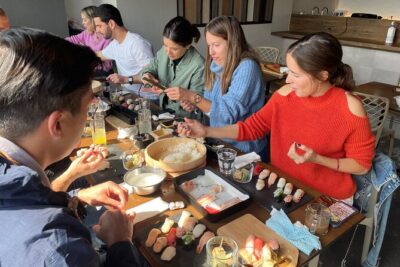
Sushi Making Tokyo Roll and Authentic Japanese Sushi Class
Read our review →
Roll and Authentic Sushi Making Class in Asakusa
Read our review →
Ramen Cooking Class at Ramen Factory in Kyoto
Read our review →
Sushi Making Class in a Happi Coat near a Famous Spot
Read our review →
Sushi Making Osaka Roll and Authentic Japanese Sushi Class
Read our review →
Tokyo Sushi Making Class in Tsukiji with Professional Chef
Read our review →Browse the lists this tour appears in