
REVIEW · TEMPLE & SHRINE TOURS
Kyoto: Ninnaji Temple Entry Ticket
Ninnaji Temple saves one of Kyoto’s best seasonal surprises for later in spring: its Omuro sakura bloom after many of the city’s famous cherry trees have faded. Add a five-story pagoda, quiet palace gardens, and an optional two-hour pilgrimage walk, and you get a temple visit with more range than a quick photo stop.
I like the way the ticket lets you set your own pace, and I like the clear seasonal rhythm here. Spring brings late blossoms, autumn brings red and yellow leaves, and winter can turn the Japanese garden and Goten Palace into a calm scene of snow. The main drawback is that the most famous cherry trees require an extra seasonal admission fee, and some museum or festival areas may also cost more.
In This Review
- Key points
- Why Ninnaji Temple feels different from a quick Kyoto stop
- The Goten Palace gardens and first impressions
- Omuro sakura and the extra spring fee
- The two-hour Omuro Pilgrimage course
- Reihokan Museum and Ninnaji’s cultural objects
- A temple calendar that changes the visit
- Timing, hours, and the one-day ticket
- Is the $5 price good value?
- Accessibility and who should choose this visit
- Booking flexibility and small practical details
- Should you book Ninnaji Temple?
- FAQ
- How long is the Omuro Pilgrimage course?
- What are Ninnaji Temple’s opening hours?
- When do the ticket booths close?
- Does the ticket include the Omuro sakura area?
- Is Reihokan Museum included?
- Is Ninnaji Temple wheelchair accessible?
Key points
- Late-blooming Omuro sakura: A useful Kyoto choice if you arrive after the city’s main cherry blossom rush.
- Goten Palace gardens: The standard ticket covers the palace area and its gardens, except during special admissions.
- Omuro Pilgrimage course: Follow a roughly two-hour route inspired by the longer Shikoku Pilgrimage.
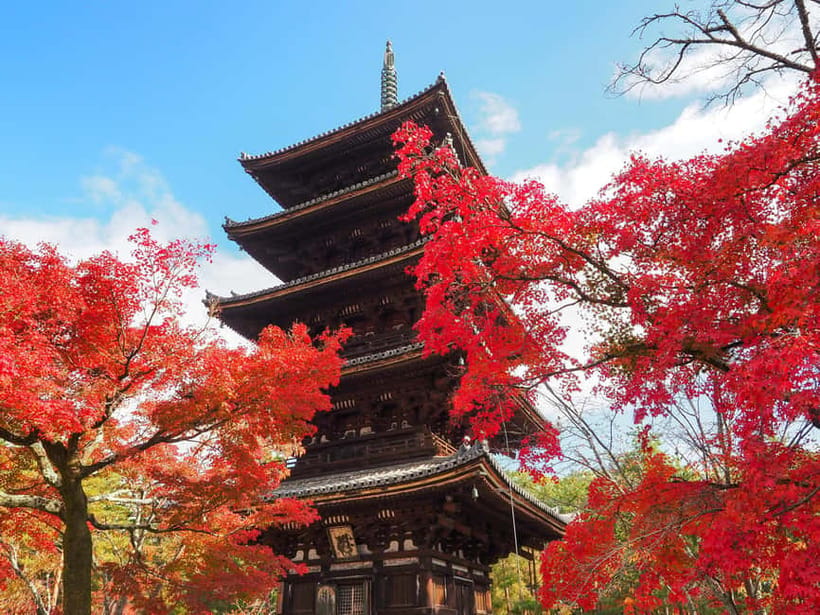
- Five-story pagoda: One of Ninnaji’s defining sights and a strong reason to allow time beyond the entrance gate.
- Reihokan Museum: Add this option to see cultural objects connected with Ninnaji Temple.
- Seasonal atmosphere: Priests and Buddhist ceremonies mark summer, colorful foliage arrives in fall, and snow changes the garden in winter.
Why Ninnaji Temple feels different from a quick Kyoto stop
Ninnaji Temple was founded in 888 AD and serves as the head temple of the Omuro school of the Shingon sect of Buddhism. That age matters, but you do not need to study Buddhist history to enjoy the visit. The appeal is practical and immediate: broad temple grounds, elegant buildings, a famous pagoda, gardens, and a changing calendar of sights.
I would plan at least several hours here, even though the ticket remains valid for one day. A hurried visit will show you the main buildings, but extra time lets you sit with the gardens, walk farther along the pilgrimage course, and decide if the museum or a seasonal area deserves its own look.
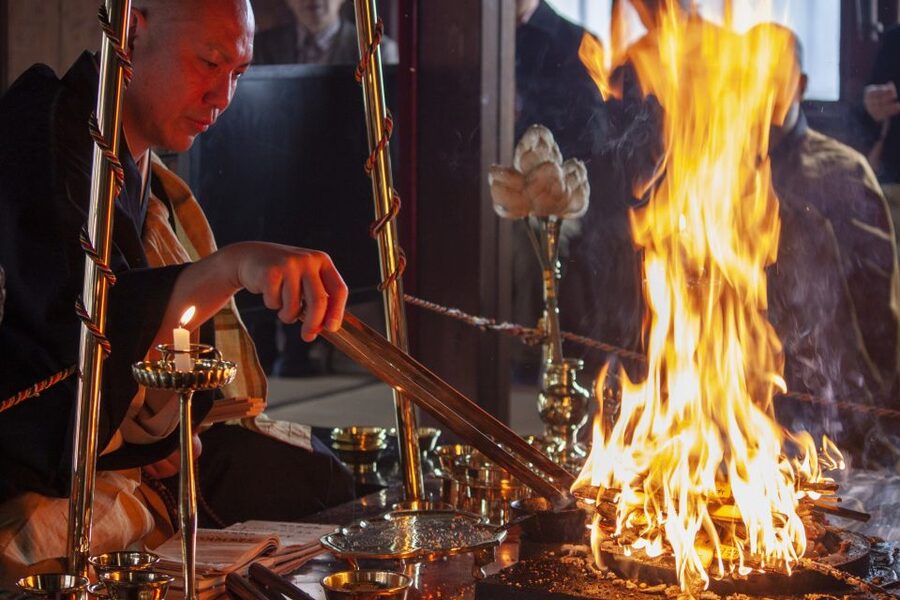
The temple is especially useful for building a Kyoto day around the seasons. It is not only a spring destination. Summer brings Buddhist ceremonies and many priests on the grounds. Fall changes the colors around the historic buildings. Winter can be the quietest time, especially after snowfall, when the Japanese garden and Goten Palace take on a spare, almost ink-wash look.
More temple & shrine tours in Japan:
- Kyoto: Fushimi Inari, Kinkakuji, Bamboo Grove 1 Day Bus Tour
★ 4.8 · 4,316 reviews - Kyoto: Tea Ceremony in a Traditional Tea House in Kiyomizu
★ 4.9 · 3,519 reviews - Kyoto: Tea Ceremony Ju-An at Jotokuji Temple
★ 4.9 · 3,207 reviews
The Goten Palace gardens and first impressions
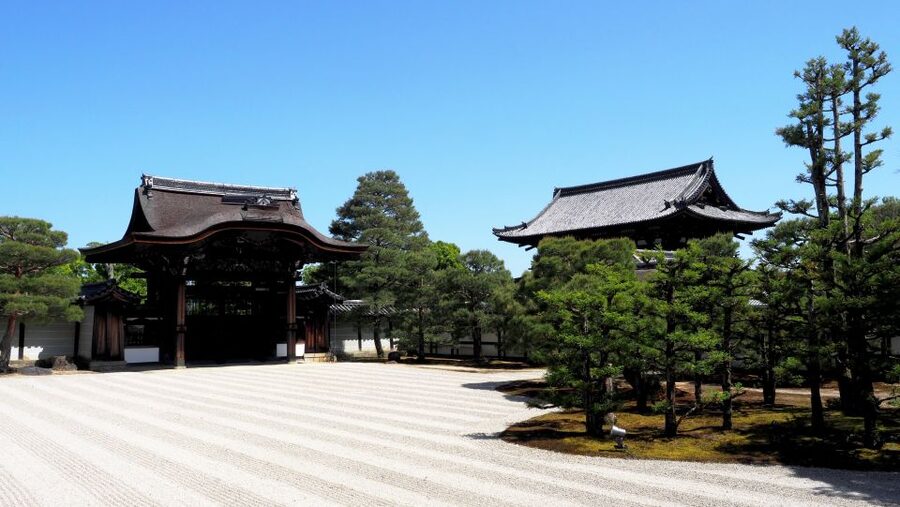
The standard admission covers the Goten Palace and gardens, unless a special entrance ticket is in effect. This is the core of the visit for many people, and it gives you a calmer counterpoint to Kyoto’s more crowded sights.
The palace area is valuable because it brings architecture and garden design together. Instead of viewing one isolated hall, you can look across carefully arranged spaces and see how buildings frame the garden. The scenery is not fixed. Blossoms, summer greenery, autumn leaves, and winter snow each alter the mood without changing the basic layout.
Give yourself time to look rather than simply pass through. Temple gardens often reward a slower eye, and Ninnaji’s palace setting is best treated as a place for quiet observation. You might find the most memorable moment is not a famous object, but the relationship between a wooden building, a patch of garden, and the season outside.
Snow deserves special attention. If the weather cooperates, the Goten Palace area can be striking in winter. The snow softens the garden and temple roofs, and the quieter season may suit you if you prefer atmosphere to a long list of sights.
The practical catch is that special entrances can change the price. The basic ticket does not automatically cover every seasonal event or restricted area, so check what is open and included when you arrive.
Omuro sakura and the extra spring fee
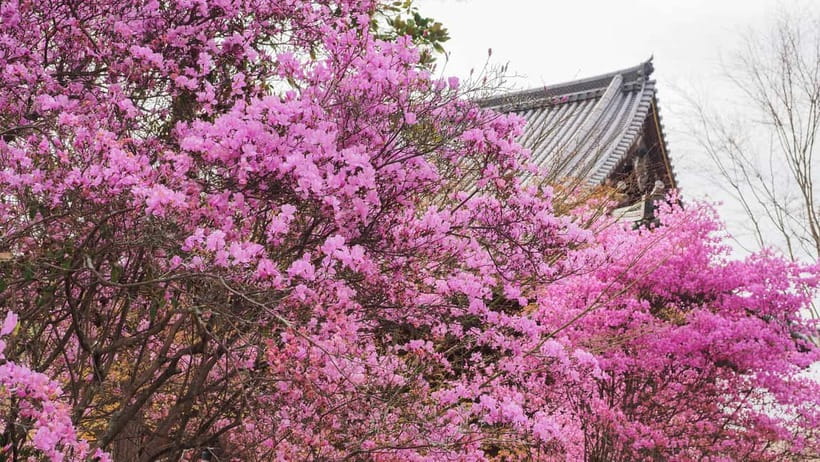
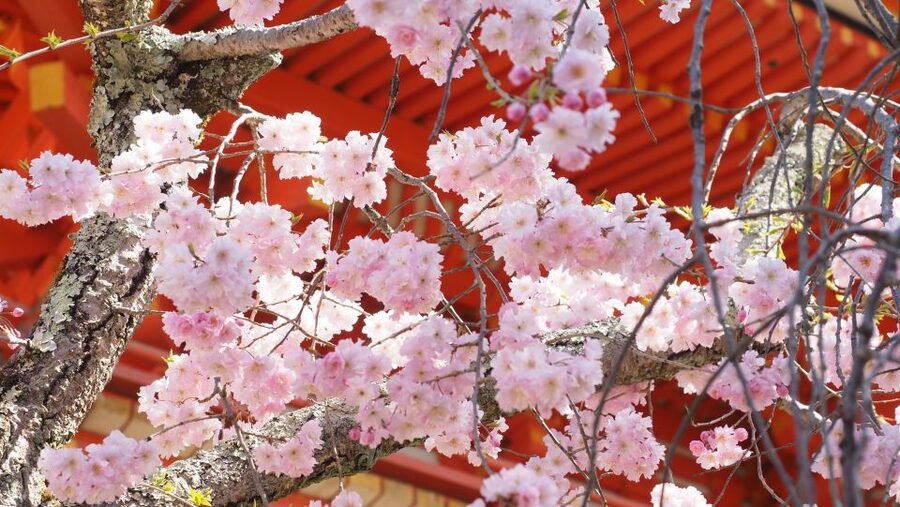
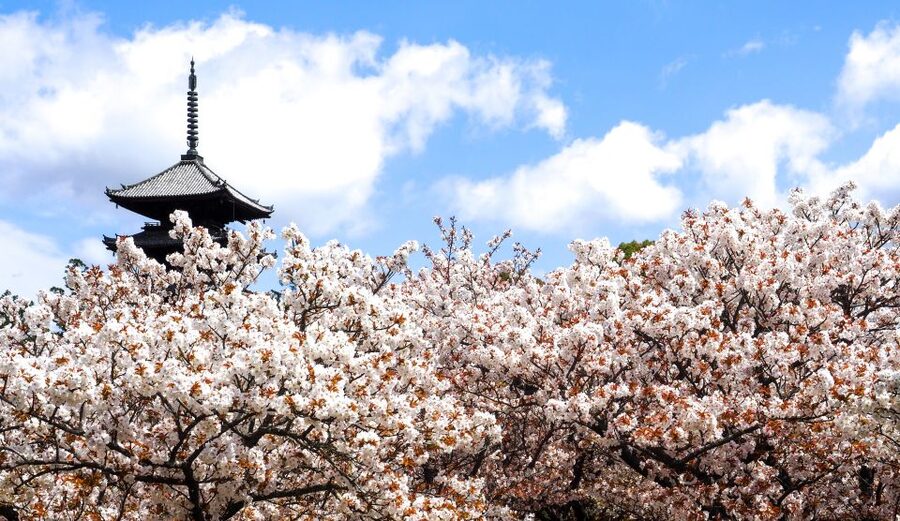
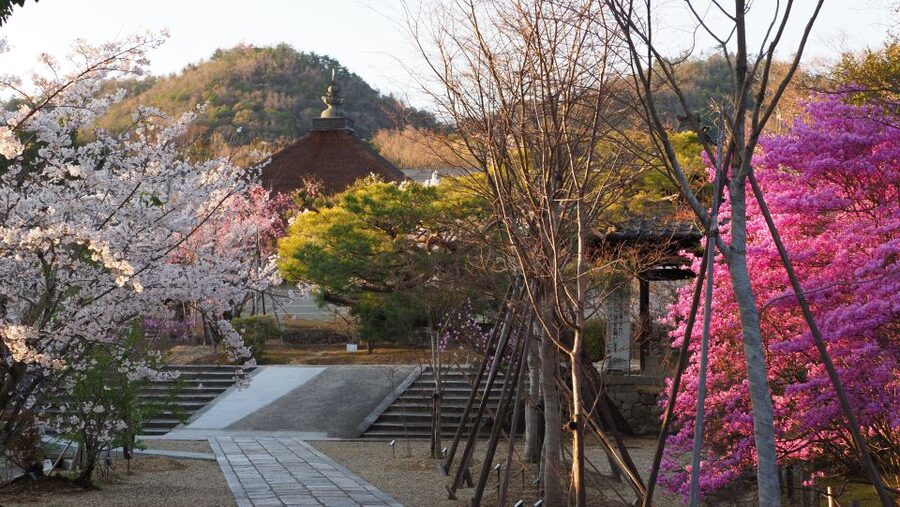
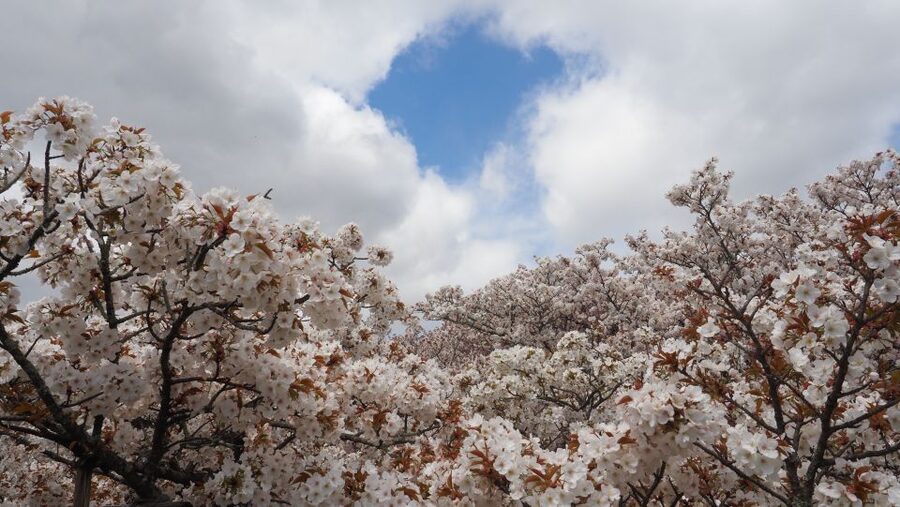
Ninnaji is best known for its late-blooming Omuro sakura, a low-growing variety that flowers after many of Kyoto’s better-known cherry trees. This timing can be a real advantage. If your visit falls after the first cherry blossom wave, Ninnaji may still offer a chance to see spring color.
The blossom area lies beyond the Chumon inner gate. During the flowering season, you need to pay an additional admission fee to enter that section. The exact period is not fixed because it depends on when the trees reach full bloom.
That variable timing is important. A calendar date alone cannot guarantee the extra blossom area will be open or at peak condition. Ask at the ticket counter about the current status, especially if the sakura are the main reason for your visit.
The seasonal fee is used to preserve the Omuro sakura, which makes the extra charge easier to understand as a conservation cost rather than a surprise add-on. Still, you should include it in your budget. The advertised low price covers the main temple admission, not necessarily the cherry tree section.
The five-story pagoda adds a strong visual anchor to the blossom season. Its height gives the grounds a sense of scale, while the low trees create a different view of spring than you get beneath taller cherry canopies. Bring patience. The appeal is in seeing the pagoda, trees, and temple setting together, not in racing through for one photograph.
The two-hour Omuro Pilgrimage course
The Omuro Pilgrimage course is a shorter version of the Shikoku Pilgrimage. It takes about two hours and gives you a reason to explore beyond the main palace and pagoda areas.
This is not just another walking loop to fill time. The course connects Ninnaji with the idea of a much longer Buddhist pilgrimage, while keeping the commitment manageable during a Kyoto visit. You get the shape of a pilgrimage experience without setting aside weeks for Shikoku.
The route is surrounded by natural sounds and seasonal changes. In spring, you may encounter the softer colors of the season. Summer brings a different feel, with temple activity and ceremonies. Autumn puts more color around the historic buildings, while winter can make the route feel particularly quiet.
I would choose this course if you enjoy walking with a purpose. It suits you better than a standard temple visit if you want a longer, more reflective outing. It may be less appealing if you have limited mobility, limited time, or mainly want to see the pagoda and palace gardens.
The course takes roughly two hours, but that does not mean the entire temple visit must last only two hours. You can treat the pilgrimage as one part of a full day and return your attention to the main temple areas afterward, depending on the access arrangements in effect.
Because the supplied information does not specify every stop or exact route detail, check the current course directions at the temple. The reliable point is the duration and purpose: this is a shorter Shikoku-style pilgrimage route, shaped around nature and the seasons.
A few more Japan trips to weigh up
- Tokyo: TOKYO SKYTREE® Admission ticket
★ 4.5 · 11,192 reviews - Tokyo: teamLab Planets TOKYO Digital Art Museum Entry Ticket
★ 4.6 · 9,779 reviews - Tokyo: Hop-On Hop-Off Sightseeing Bus Ticket
★ 3.9 · 4,207 reviews - Tokyo Tower: Admission Ticket
★ 4.6 · 3,661 reviews
Reihokan Museum and Ninnaji’s cultural objects
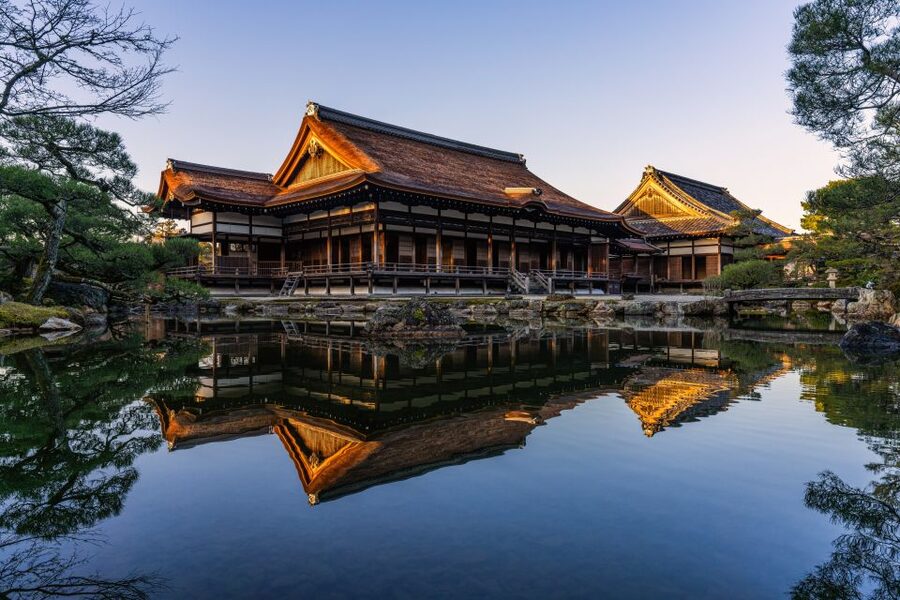
Reihokan Museum offers a more focused look at Ninnaji’s cultural holdings. Entry is included only if you select that option, so confirm your ticket before assuming the museum is part of the basic visit.
The museum matters because temples are not only outdoor places. Ninnaji houses important cultural items, including national treasures and other objects connected with the temple. A museum visit can help you understand the religious and artistic role of the buildings you have just seen.
I would add Reihokan if you like art, religious objects, or careful indoor viewing. It also gives you a useful break from weather. On a hot summer afternoon or cold winter day, the museum can add depth without requiring more outdoor walking.
If your main goal is cherry blossom scenery, the museum may be a lower priority. You will need to balance your time between the gardens, pagoda, pilgrimage course, and indoor collection. The optional structure is helpful for choice, but it means you need to pay attention to what your particular ticket covers.
One detail worth noting is that the available information does not name individual exhibits. Go for the collection as a whole and for its connection to Ninnaji, rather than expecting a guaranteed single masterpiece or a fixed display.
A temple calendar that changes the visit
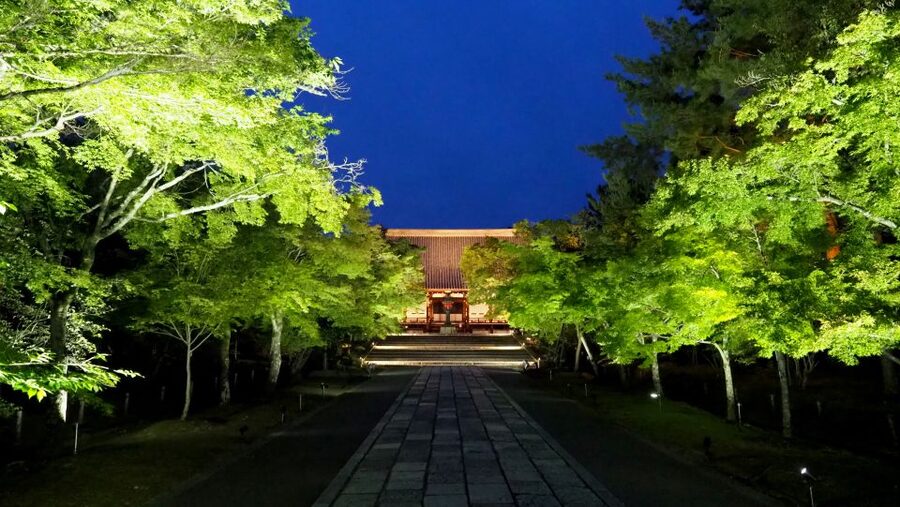
Ninnaji rewards a return visit because the experience shifts sharply by season.
Spring is the headline period. The late Omuro sakura can extend your cherry blossom chances after earlier blooms elsewhere in Kyoto have passed. The extra admission area is beyond the Chumon inner gate, and its opening dates depend on bloom conditions.
Summer brings many priests to the temple for Buddhist ceremonies. The grounds may feel more active than in winter, with religious life more visible. This season can be warm, so the shorter temple visit may be more comfortable than the full pilgrimage course for some people.
Autumn wraps the historic buildings in red and yellow leaves. The contrast between colorful trees and older wooden architecture gives you plenty to look at even after the cherry blossom season is long gone.
Winter is the quietest seasonal draw. Snow in the Japanese garden and around Goten Palace can create a refined, subdued scene. Snow is never guaranteed, of course, but if it arrives, Ninnaji’s open spaces and traditional buildings give it room to show.
This seasonal range is the strongest reason to consider Ninnaji even if you are not visiting during cherry blossom time. The temple is not dependent on one short event.
Timing, hours, and the one-day ticket
The ticket is valid for one day. That sounds generous, but the temple’s opening hours still shape your plan. From March through November, opening hours are 9 AM to 5 PM. From December through February, they are 9 AM to 4:30 PM.
Ticket booths close 30 minutes before the temple closes. Do not arrive at the final moment and expect a relaxed entry. In winter, the shorter day also leaves less room for the pilgrimage course, museum, and gardens in one visit.
I would arrive earlier if you want a quiet start or hope to cover several areas. A later arrival can still work for the main sights, but you will have less flexibility if you decide to add the two-hour course or an optional museum visit.
The one-day format is most useful when you combine Ninnaji with a slower Kyoto schedule rather than stacking it between many distant attractions. You can spend your time according to interest: palace and gardens first, pagoda and seasonal trees next, then the museum or pilgrimage route.
Opening times and special admission periods may change, so check the current information before setting a tightly timed day around the temple.
Is the $5 price good value?
At about $5 per person, the basic ticket is inexpensive by major sightseeing standards. You are paying for access to a historic temple complex, the Goten Palace and gardens, and the chance to explore a site with major cultural importance.
The value improves if you use the ticket as a full visit rather than a brief photo stop. Walk the grounds, spend time in the garden, look for the pagoda, and consider the Omuro Pilgrimage course. If you enter only one area and leave quickly, the low price still keeps the loss small, but you will miss much of what makes Ninnaji distinctive.
Budget separately for special access. The Omuro sakura section can require an additional fee during blossom season. Reihokan Museum, the Flower Festival, and other special areas may also be available only with an optional ticket.
This pricing structure is fair, but it requires attention. The basic admission is a good deal. The final cost depends on how many special areas you choose and whether your visit falls during a seasonal event.
People with a physical disability certificate can enter free of charge, but this applies only to the person holding the certificate. Ask at the ticket counter.
Accessibility and who should choose this visit
Ninnaji is wheelchair accessible, which makes the temple a practical option for more visitors. The exact ease of each section can vary, especially along a two-hour pilgrimage course, so ask staff about the current route if accessibility is important to your plans.
I would recommend this experience for:
- You want a temple visit with gardens, architecture, seasonal scenery, and a museum option.
- You are visiting Kyoto after the main cherry blossom period and want a later spring possibility.
- You enjoy walking and like the idea of a shorter pilgrimage route.
- You prefer to set your own pace instead of joining a fixed guided itinerary.
- You want a lower-cost cultural stop with optional extras.
I would think twice if you have only a few minutes, dislike walking, or want a fully guided explanation at every stage. The ticket gives you entry, not a built-in guide. One special guide inside Kannon-do is described as informative, but a guide is not presented as part of the standard admission.
The experience has a strong overall score of 4.2 out of 5 from 650 ratings, which fits the product: it is a well-regarded, flexible temple visit, but the optional areas and seasonal fees mean you should read the inclusions carefully.
Booking flexibility and small practical details
You can cancel up to 24 hours in advance for a full refund, and the reserve-now, pay-later option keeps your plans open. That is useful in Kyoto, where weather can decide whether a garden, pilgrimage walk, or snow visit is worth your time.
You do not need to lock yourself into one narrow moment because the ticket is valid for one day, but you still need to respect the daily closing times. Remember the 30-minute ticket booth cutoff.
The most important booking question is not simply Can I enter Ninnaji? It is Which parts do I want to enter? Check if your selection includes Reihokan Museum, the Flower Festival, or other special areas. During cherry blossom season, ask about the separate Omuro sakura fee and current bloom dates.
Should you book Ninnaji Temple?
Book it if you want a calm, flexible Kyoto temple visit with more substance than a single famous view. The late-blooming Omuro sakura, five-story pagoda, Goten Palace gardens, and optional pilgrimage course give you several good reasons to stay.
The $5 base price is strong value, especially if you allow several hours. Just plan for possible extra fees, check seasonal access, and avoid treating the temple as a ten-minute stop. If you are visiting in late spring, autumn, or after snowfall, Ninnaji may be even more rewarding than its cherry blossom reputation suggests.
FAQ
How long is the Omuro Pilgrimage course?
The Omuro Pilgrimage course takes about two hours. It is a shorter version of the Shikoku Pilgrimage and is surrounded by natural sounds and seasonal scenery.
What are Ninnaji Temple’s opening hours?
From March through November, Ninnaji is open from 9 AM to 5 PM. From December through February, it is open from 9 AM to 4:30 PM.
When do the ticket booths close?
The ticket booths close 30 minutes before the temple closes.
Does the ticket include the Omuro sakura area?
During cherry blossom season, an additional admission fee is required to enter the area beyond the Chumon inner gate and view the Omuro sakura. The dates for this fee can vary according to the bloom period.
Is Reihokan Museum included?
Reihokan Museum entry is included only if you select the appropriate option. The same applies to the Flower Festival and other special entrance areas.
Is Ninnaji Temple wheelchair accessible?
Yes, the activity is wheelchair accessible. People with a physical disability certificate can enter free of charge, but the exemption applies only to the person with the certificate. Ask at the ticket counter.
Just added around Japan
- Tokyo: Customizable Private Guided Walking Tour★ 4.5 · 129 reviews
- Private Harajuku Omotesando Architecture Tour★ 4.9 · 18 reviews
- Tokyo: Guided Helicopter Ride★ 4.9 · 24 reviews
- Tokyo: Guided Walking Tour of Tsukiji Market with Lunch★ 4.4 · 24 reviews
- Tokyo: Private Personalized Local Food Tour★ 4.5 · 101 reviews
- Tokyo GINZA: KONPARU Japanese Cabaret Show with Drink★ 4.8 · 38 reviews
- Tokyo: Guided Walking Tour of Tsukiji Market with Breakfast★ 4.4 · 134 reviews
- Tokyo: Gotokuji Cat Temple, Shinjuku Cat Cafe & 3D Cat Tour★ 4.9 · 38 reviews
Temple & Shrine Tours, compared.
Tea Ceremony in a Traditional Tea House in Kiyomizu
Read our review →
Meiji Shrine, Asakusa, Skytree Bus Tour and Cruise
Read our review →
Asakusa Walking Tour with Sensoji Temple Visit
Read our review →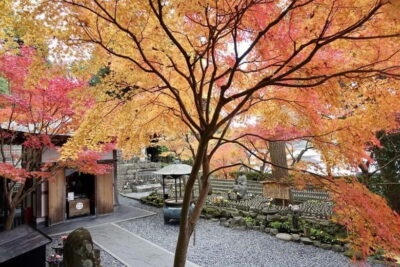
Kamakura & Enoshima Day Trip including Temple Tickets
Read our review →
Kyoto/Osaka: Nara, Fushimi Inari Taisha, Arashiyama Bus Tour
Read our review →
Nikko Toshogu Shrine and Kegon Waterfall Tour
Read our review →
Tokyo Panoramic 1 Day: Meiji Shrine, Asakusa, Odaiba and SKYTREE®
Read our review →Browse the lists this tour appears in