REVIEW · TICKETS
Tokyo: Hop-On Hop-Off Sightseeing Bus Ticket
Tokyo is easiest to understand from above, and this open-top bus gives you a useful first look at a city that can feel overwhelming on arrival. The three routes connect Skytree, Asakusa, Tokyo Tower, Tsukiji, Ginza, Shinjuku, Shibuya, and Harajuku without asking you to decode the rail map on your first morning.
I like the broad city view and the chance to ride the routes from end to end before choosing where to spend more time. I also like the personal-device audio guide, which covers 10 languages and includes Thai, Vietnamese, and Indonesian in addition to the more usual choices.
The main catch is timing. This is not a bus arriving every few minutes, and a missed connection can mean a wait of 30 minutes to an hour and a half. Traffic can add delays, so you need to treat the timetable as part of your sightseeing plan.
In This Review
- Key points to know before boarding
- A useful first look at Tokyo from the Mitsubishi Building
- Route 1: Skytree, Ryogoku, Asakusa, and Akihabara
- Route 2: Tokyo Tower, Tsukiji, Ginza, and the waterfront
- Route 3: Shinjuku, Shibuya, Harajuku, and Meiji Jingu
- The audio guide is better on your own device
- Why the open deck is both the best feature and the biggest limitation
- One day or two days for $30?
- How to make the timetable work for you
- Who will get the most from this bus?
- Practical details that can save you trouble
- Should you book the Sky Hop Bus?
- FAQ
- How long is the Tokyo hop-on hop-off ticket valid?
- What routes are included?
- Which major sights can I see?
- Where is the main meeting point?
- Can I board at another stop?
- Is my seat reserved?
- What languages are available for the audio guide?
- What do I need for the personal audio guide?
- Is the bus air-conditioned?
- What happens if it rains?
Key points to know before boarding
- Three routes cover different sides of central Tokyo: Choose among Skytree and Asakusa, Tokyo Tower and Ginza, or Shinjuku and Shibuya.
- The view comes with weather exposure: The bus is open-air, has no air-conditioning, and can feel hot, cold, rainy, or windy.
- Your QR code works at any listed stop: You can begin at the Mitsubishi Building or board directly elsewhere in Tokyo.
- The audio guide uses your own phone: Bring earphones, and remember that mobile data charges are your responsibility.
- A two-day ticket reduces the pressure: One day can work for a complete circuit, but two days gives you more room to get off.
- Seats are upstairs only: The lower level is used for storage, and standing is not allowed while the bus is moving.
A useful first look at Tokyo from the Mitsubishi Building
The main meeting point is in front of the Mitsubishi Building, a practical starting place near Tokyo Station. You can also go directly to a stop with the QR code sent with your voucher, which saves you a return trip to the center.
The ticket lasts one or two days, depending on the option you choose. You get unlimited use of all three routes during that period, but the ticket does not reserve a particular seat. If the bus is full, you wait for the next one.
That last point matters more here than it does in some other city sightseeing systems. Buses can be 30 to 45 minutes apart, and certain connections may take longer. At Tokyo Tower, for example, missing a bus by 10 minutes can leave you waiting more than an hour.
I would begin by taking a photograph of the timetable at every stop where I get off. Mark the stop in your phone map, then check the next departure before walking away. This simple habit can save a long, hot wait.
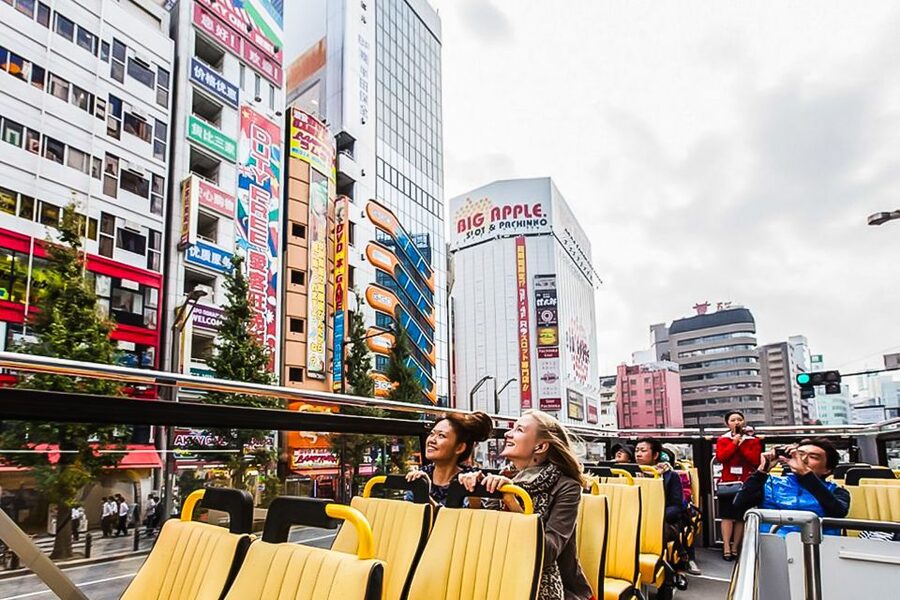
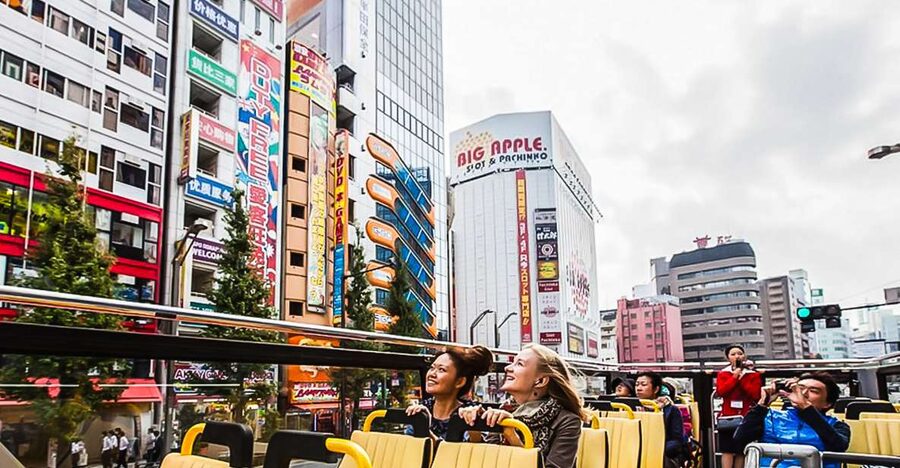
The bus runs on the second floor, with no air-conditioning. That open deck is the reason to buy this ticket, but it also shapes the experience. You get uninterrupted views, fresh air, and better photographs, yet summer heat can be fierce and bridges can be surprisingly windy.
A few more Tokyo trips to weigh up
- Tokyo: TOKYO SKYTREE® Admission ticket
★ 4.5 · 11,192 reviews - Tokyo: teamLab Planets TOKYO Digital Art Museum Entry Ticket
★ 4.6 · 9,779 reviews - Tokyo Tower: Admission Ticket
★ 4.6 · 3,661 reviews
Route 1: Skytree, Ryogoku, Asakusa, and Akihabara
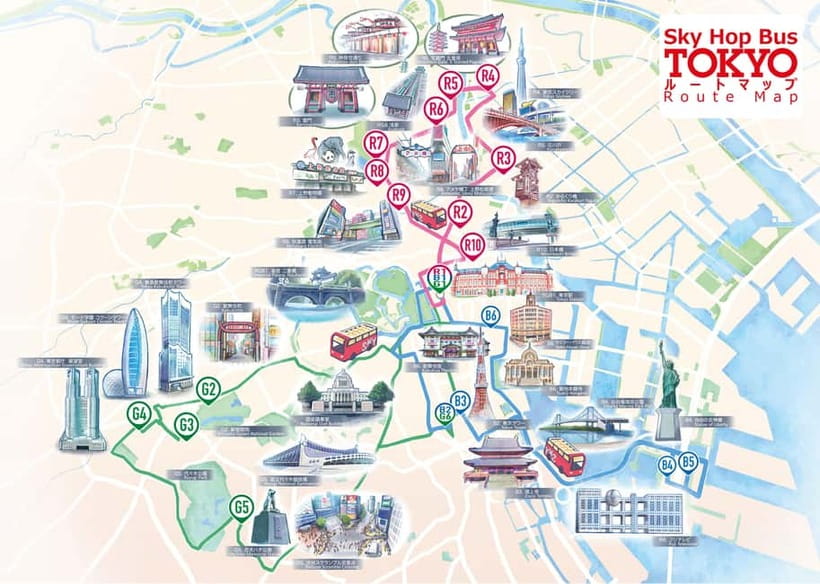
The TOKYO SKYTREE course begins at the Marunouchi Mitsubishi Building and runs through Kodemmacho Station, the Ryogoku Edo-Tokyo Museum area, Tokyo Skytree, Asakusa, Ueno, Akihabara, and Shin-Nihombashi before returning to Marunouchi.
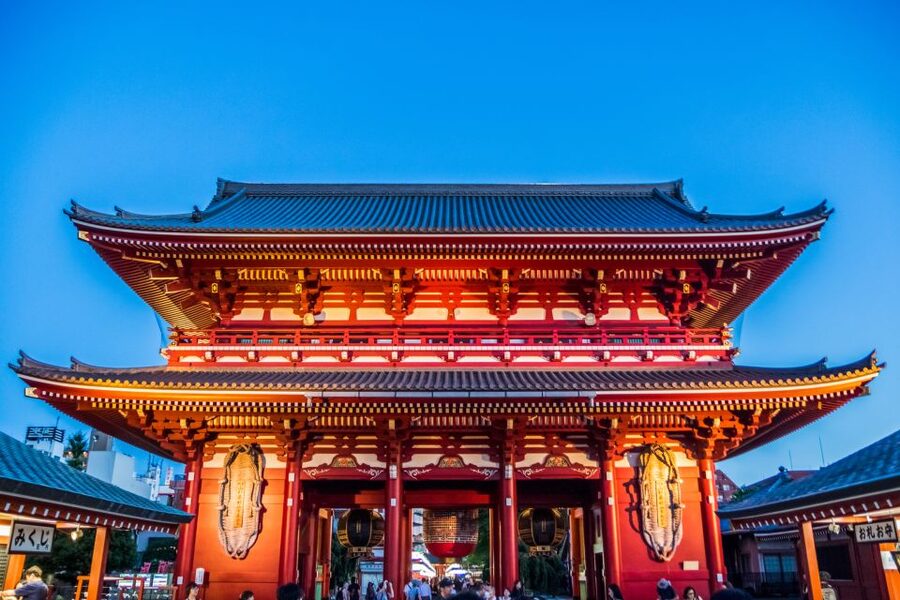
This is the route for old Tokyo, modern Tokyo, and the city’s great vertical marker in one loop. Tokyo Skytree gives you the obvious photo opportunity, while Asakusa offers a very different feel with its temple district and traditional streets.
The Ryogoku stop is useful if sumo culture or the Edo-Tokyo Museum interests you. Ueno adds museums, parks, and a busy shopping area, while Akihabara shifts the mood toward electronics, games, and anime culture.
You can ride the full circuit to get a sense of how these districts fit together, then use your second day for selected stops. A full loop is also the safer choice if the next bus is far away or the weather is unpleasant.
The weakness of this route is that several major areas deserve more time than a bus stop allows. Skytree, Asakusa, Ueno, and Akihabara can each fill several hours, so do not expect to experience them properly by hopping off at every stop in a single afternoon.
Route 2: Tokyo Tower, Tsukiji, Ginza, and the waterfront

The TOKYO TOWER, Tsukiji GINZA course leaves Marunouchi for Tokyo Tower, Tokyo Prince Hotel and Zojo-ji Temple, Tokyo Teleport Station, and Tsukiji Ginza before returning to the Mitsubishi Building.
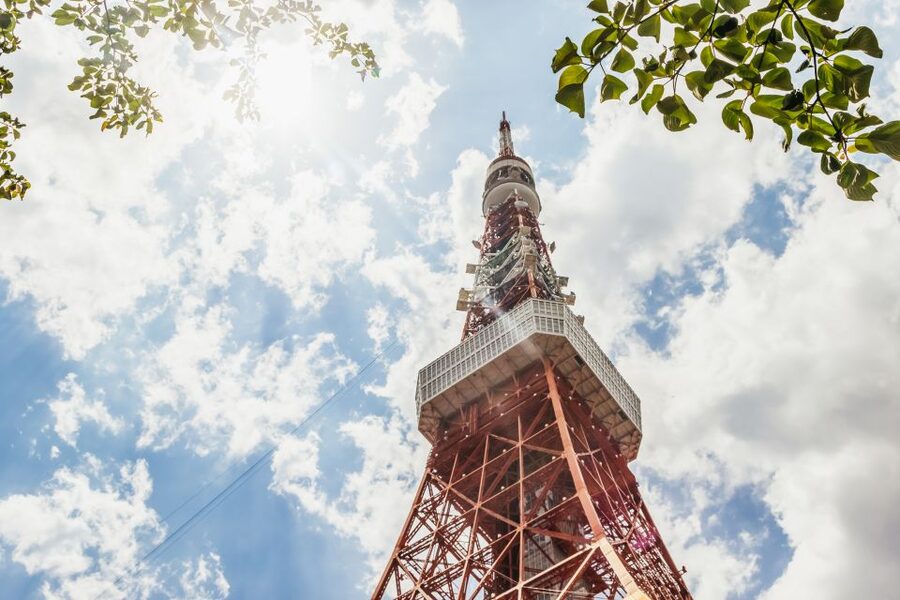
Tokyo Tower is one of the best visual anchors in the city. From the upper deck, you can watch it appear and disappear among office buildings, then decide if you want to get off for the tower itself and nearby Zojo-ji Temple.
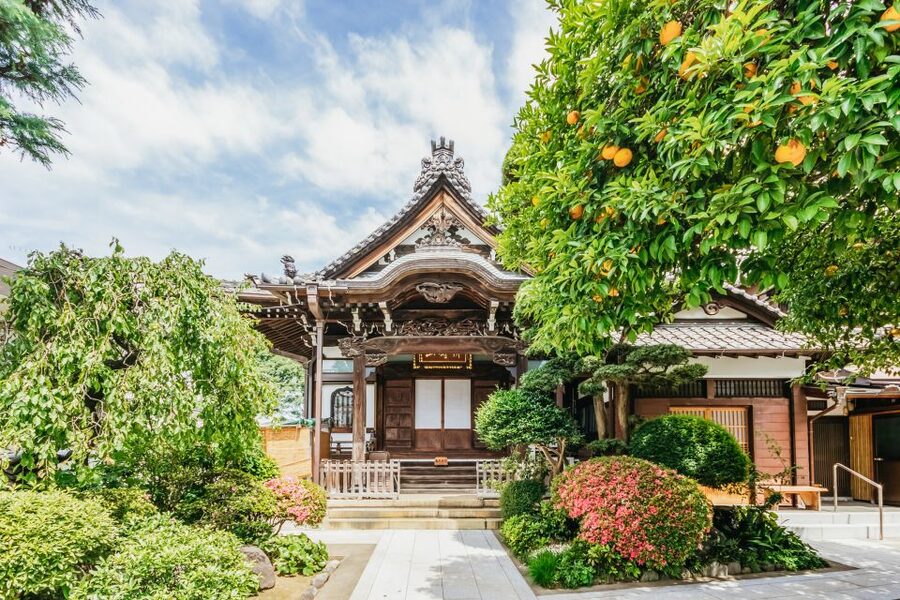
That pairing is especially good for first-time visitors. Tokyo Tower represents modern Tokyo, while the temple grounds offer a quieter setting close by. You are not simply checking off landmarks, you are seeing two very different sides of the same district.
The route continues to Tokyo Teleport Station and the waterfront, then reaches Tsukiji and Ginza. Tsukiji is useful for food stops and market atmosphere, while Ginza is the place for grand department stores, polished avenues, and high-end shopping.
This course is less useful as a fast transport link than the Metro. If you want to move straight from Tokyo Tower to Tsukiji, rail will usually be more practical. The bus earns its fare by giving you a view and commentary while you move, not by competing with Tokyo’s excellent trains.
Route 3: Shinjuku, Shibuya, Harajuku, and Meiji Jingu
The SHINJUKU SHIBUYA course connects Marunouchi with Shinjuku-gyoemmae Station, Shinjuku Station South Exit and Hotel Century Southern Tower, the Shinjuku Mitsui Building in Nishi-Shinjuku, Shibuya City Hall, Harajuku, and Meiji Jingu Shrine.
This is the route for Tokyo’s modern energy. Shinjuku mixes huge transport hubs, department stores, office towers, and famous nightlife streets. The Nishi-Shinjuku section gives you a different angle, with tall buildings and wide urban views.
Shibuya is the natural stop for the famous crossing and the surrounding shopping streets. The bus does not replace exploring on foot, but it helps you understand how far Shibuya, Harajuku, and Shinjuku really are from one another.
Harajuku and Meiji Jingu make a good contrast. Harajuku is associated with fashion and youth culture, while Meiji Jingu offers a wooded shrine setting near the city’s busiest districts. You can see both from the bus, then return to the one that interests you most.
I would not try to cram every stop into a short ride. This route covers a lot of ground, and Tokyo traffic can slow it down. Use it as a sightseeing circuit first, then return by train if you want to spend serious time in Shibuya or Shinjuku.
Same city, a completely different kind of day:
- Mt Fuji and Hakone 1-Day Bus Tour Return by Bullet Train
★ 5.0 · 26,383 reviews - 1-Day Tokyo Bus Tour
★ 5.0 · 14,250 reviews - Mt Fuji & Hakone Cruise, Drum Show Bullet Train 1 Day from Tokyo
★ 4.0 · 7,413 reviews - Tokyo: Shinjuku Food Tour (13 Dishes at 4 Local Eateries)
★ 5.0 · 6,603 reviews
The audio guide is better on your own device
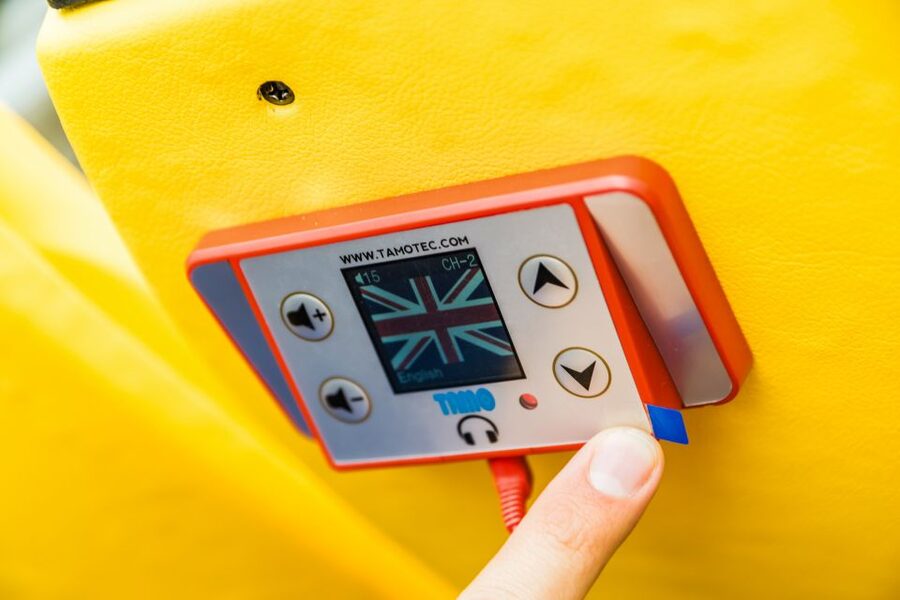
The new audio system lets you listen through your own smartphone or tablet. It supports Japanese, English, Korean, Chinese, French, German, Spanish, Thai, Vietnamese, and Indonesian.
Bring your own earphones. You may also need mobile data, and any data charges are yours to pay. This is worth preparing before you board, especially if you are relying on commentary rather than simply enjoying the view.
A vehicle-mounted system may be available, but it is not guaranteed on every bus. The personal-device system is the dependable option. Some audio segments can cut off or fail to keep perfect pace, so I would treat the commentary as helpful background rather than a live guide.
The content covers buildings, districts, Japanese culture, and history. It is useful when you want context without joining a walking group, and it lets you listen in a language that suits you. The driver speaks English and Japanese, but the audio choices are much wider.
Why the open deck is both the best feature and the biggest limitation
From the upper level, Tokyo looks less like a maze. You can see the relationship between major districts, catch glimpses of towers and temples, and take photographs without a train window between you and the city.
The open deck is particularly enjoyable in mild weather. At dusk, the lights coming on across Tokyo can make the ride memorable, especially on the route that uses the expressway and crosses bridges. Hold on to your hat in windy spots.
Rain does not automatically end the ride. Ponchos or raincoats are distributed when needed, and umbrellas are not allowed on board. In severe conditions such as typhoons or thunderstorms, service may stop.
Summer needs more care. There is no air-conditioning, and the upper deck can be punishing during a heatwave. The staff may provide cooling towels in extreme heat, but you should still bring water, sunscreen, and a hat. The bus does not promise refreshments, so plan your own supply.
There is no standing while the bus is moving. The lower floor is for storage, not passenger seating, so wait for an upstairs seat and keep the safety rules in mind.
One day or two days for $30?
At about $30 per person, this is not the cheapest way to move around Tokyo. The Metro and JR lines are better value if your only goal is getting from one district to another.
The bus becomes better value when you want three things at once: a broad introduction to Tokyo, sightseeing commentary, and the pleasure of riding above street level. A full ride on each route lets you cover a large portion of central Tokyo without paying separate fares for every short journey.
One day suits you if you mainly want an overview. Start early, ride one or two full circuits, and choose one or two stops for a proper visit. A single day can also work if you are comfortable using the train for the places you decide to explore later.
I prefer two days for a first visit. Use the first day to ride the routes and note the districts you want to revisit. On the second day, get off at Tokyo Tower, Skytree, Asakusa, or another chosen stop without worrying that one long visit will consume your entire ticket.
The second day is especially useful for families, older visitors, or anyone who wants a gentler pace. It also helps in bad weather, when you may want to postpone the open-deck ride rather than force it into a rainy afternoon.
How to make the timetable work for you
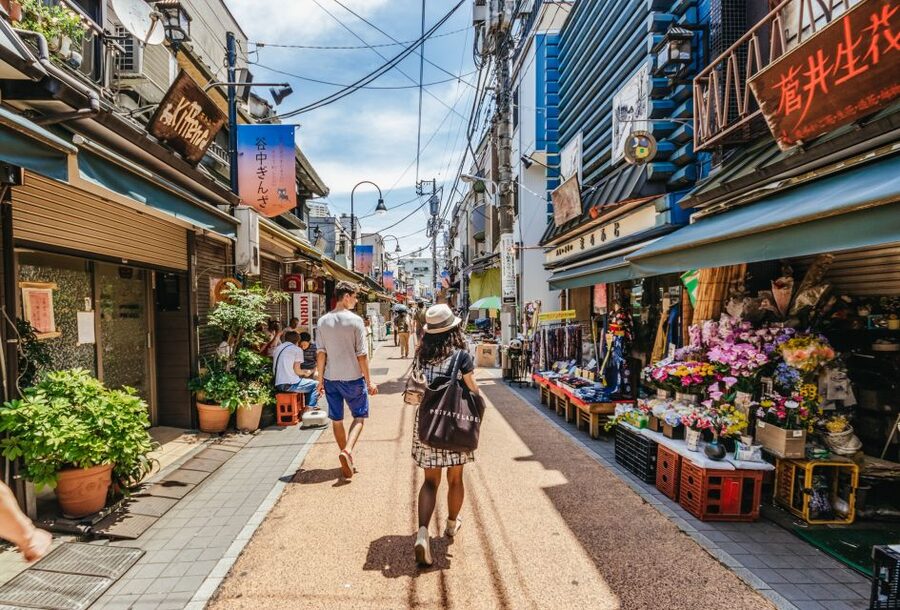
This is a hop-on hop-off service, but not a turn-up-and-board-anytime service. The buses run to a timetable, and traffic congestion can cause delays.
Before getting off, check the return times. Take a picture of the stop schedule and mark the location in your maps app. If you are visiting a major sight, allow plenty of time to return to the stop.
Do not build a tight chain of appointments around the bus. The route is designed for flexible sightseeing, not precise transport. If you miss the next departure, use the wait for a snack or a short walk, or switch to the Metro if you need to reach a destination on schedule.
You can board with the QR code at any bus stop listed for the service. That flexibility is useful when you are already near Asakusa, Tokyo Tower, or Shibuya. The free shuttle service is included, but hotel transfers are not.
Who will get the most from this bus?
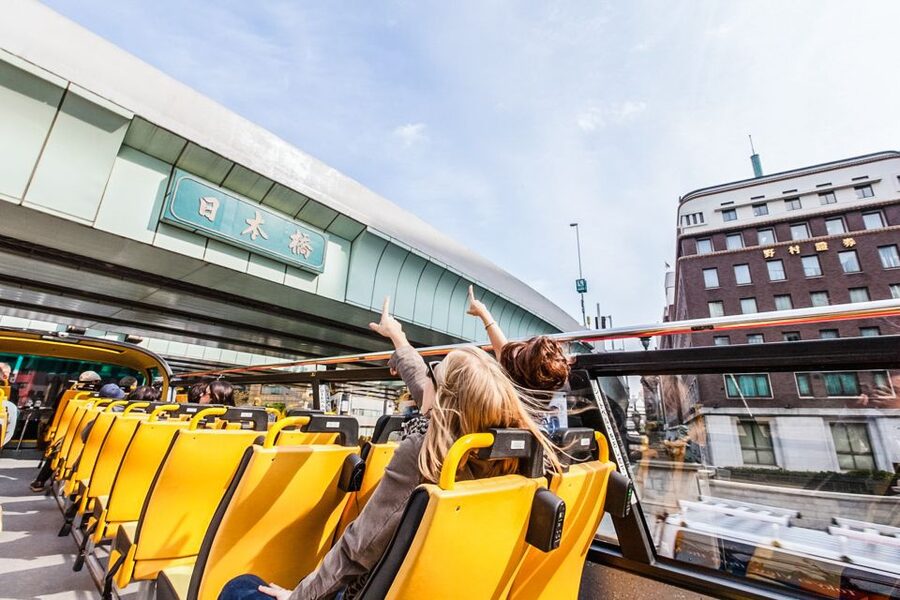
I would recommend it for your first day in Tokyo, particularly if the city feels too large to organize. The ride gives you a mental map, and the audio helps explain what you are seeing.
It also works well for a short stay. If you have only one or two days in Tokyo, you can cover a wide range of districts and then choose the places worth a closer look.
The bus suits you less if you are on a strict budget, need fast point-to-point transport, or dislike exposed seats in hot or rainy weather. Tokyo’s trains are faster, frequent, and usually cheaper.
It is also not ideal for a tightly packed sightseeing list. Long gaps between buses mean you need patience, and a full route can take around two hours according to the operating information supplied for the service.
The strongest use is as an orientation tool. Ride a complete route, listen to the commentary, note what catches your eye, then return on foot or by rail. That approach gives you the view without asking the bus to do every job.
Practical details that can save you trouble
Cancellation is free up to 24 hours before the activity for a full refund, and a reserve-now, pay-later option is available. Check the operating times for your date because starting times and service frequency matter more than the headline one or two-day duration.
The driver speaks English and Japanese. The audio guide adds wider language support, but bring your own device and earphones because the installed system may not be available.
Raincoats are supplied if necessary. Umbrellas cannot be used on the bus, so a poncho is the practical answer in wet weather.
The service may not operate during typhoons or thunderstorms. Traffic can also shift arrival times, so leave a buffer if you have a timed booking elsewhere.
Should you book the Sky Hop Bus?
Book it if you want a relaxed overview of Tokyo, good upper-deck views, and a simple way to compare districts before deciding where to explore. The best value comes from using all three routes and choosing the two-day ticket if your schedule allows.
Skip it if your main need is cheap, fast transport. The Metro will take you farther for less money, and you will not wait for the next sightseeing bus.
For most first-time visitors, I would choose the two-day option, ride a full circuit early, and save the second day for selected stops. Bring earphones, check every timetable, and dress for the weather. Used that way, this is a practical introduction to Tokyo rather than just a long bus ride.
FAQ
How long is the Tokyo hop-on hop-off ticket valid?
You can choose a ticket for one or two days.
What routes are included?
The ticket includes the TOKYO SKYTREE course, the TOKYO TOWER, Tsukiji GINZA course, and the SHINJUKU SHIBUYA course.
Which major sights can I see?
The routes include Tokyo Skytree, Asakusa, Ueno, Akihabara, Tokyo Tower, Zojo-ji Temple, Tokyo Teleport Station, Tsukiji, Ginza, Shinjuku, Shibuya, Harajuku, and Meiji Jingu Shrine.
Where is the main meeting point?
The main meeting point is in front of the Mitsubishi Building.
Can I board at another stop?
Yes. You can board directly from any listed bus stop in Tokyo using the QR code sent with your voucher.
Is my seat reserved?
No. The ticket does not reserve a seat. If there are no free seats, you must wait for the next bus.
What languages are available for the audio guide?
The personal-device audio guide supports Japanese, English, Korean, Chinese, French, German, Spanish, Thai, Vietnamese, and Indonesian.
What do I need for the personal audio guide?
Bring your own smartphone or tablet and earphones. Mobile data charges may apply and are your responsibility.
Is the bus air-conditioned?
No. The bus is open-air and has no air-conditioning. Passenger seats are on the second floor only.
What happens if it rains?
Raincoats are distributed when needed, but umbrellas are not allowed on board. Service may not operate during severe weather such as typhoons or thunderstorms.
Just added around Tokyo
- Tokyo: Customizable Private Guided Walking Tour★ 4.5 · 129 reviews
- Private Harajuku Omotesando Architecture Tour★ 4.9 · 18 reviews
- Tokyo: Guided Helicopter Ride★ 4.9 · 24 reviews
- Tokyo: Guided Walking Tour of Tsukiji Market with Lunch★ 4.4 · 24 reviews
- Tokyo: Private Personalized Local Food Tour★ 4.5 · 101 reviews
- Tokyo GINZA: KONPARU Japanese Cabaret Show with Drink★ 4.8 · 38 reviews
- Tokyo: Guided Walking Tour of Tsukiji Market with Breakfast★ 4.4 · 134 reviews
- Tokyo: Gotokuji Cat Temple, Shinjuku Cat Cafe & 3D Cat Tour★ 4.9 · 38 reviews
Tickets, compared.

teamLab Planets TOKYO Digital Art Museum Entry Ticket
Read our review →
Japanese Dance Cabaret Theater Asakusa-Kaguwa Ticket
Read our review →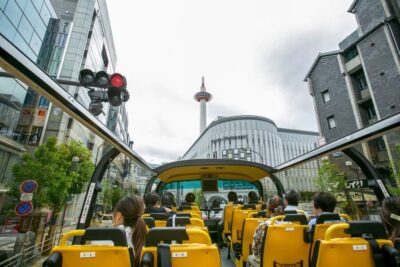
Kamakura & Enoshima Day Trip including Temple Tickets
Read our review →