
REVIEW · WORKSHOPS
Japanese Pottery Class in Tokyo
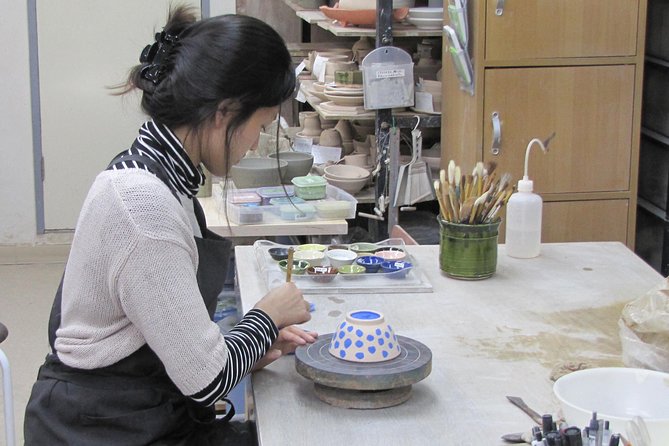
The best part of this Tokyo experience is that you get your hands on the clay right away. At Uzumako ceramic art school, an instructor demonstrates the basics, then you shape roughly two or three pieces during the one-hour class. You are not just watching a craft demonstration.
I like the calm studio setting and the patient teaching, especially for first-time potters. I also like the chance to make a personal souvenir near Tokyo Tower, rather than buying another factory-made trinket. The main catch is simple: the $26.73 price covers the class only. Firing and shipping cost extra, and your finished pieces take about a month to prepare.
In This Review
- Key points before you book
- Getting to the studio in Shiba
- What happens during the one-hour class
- Choosing a shape you can actually finish
- Selecting colors and preparing the pieces
- What the $26.73 price really buys
- The one-month wait and shipping details
- A small-group class with room for help
- A calm break near Tokyo Tower
- Who should take this class
- Booking, cancellation, and practical notes
- Should you book the Uzumako pottery class?
- FAQ
- How long does the Japanese pottery class last?
- How many pottery pieces can I make?
- Is firing included in the booking price?
- Can I take my finished pottery home immediately?
- Is EMS shipping included?
- Can I choose the colors of my pottery?
- Where does the class meet?
- Can I cancel for a refund?
Key points before you book
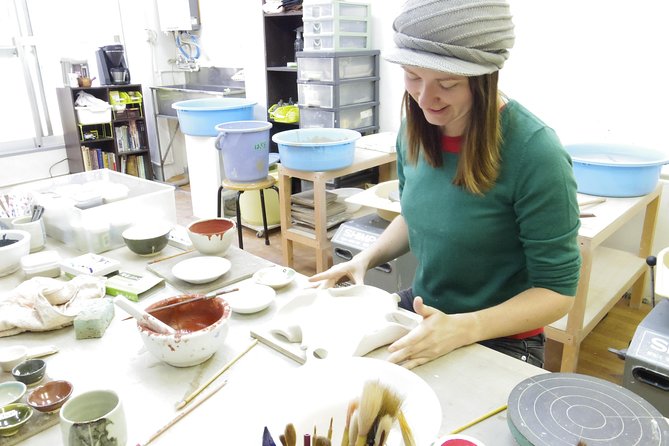
- Make two or three clay pieces in about one hour: The class gives you a real hands-on introduction, not a short demonstration.
- Choose your own forms and colors: You may shape plates, cups, bowls, or other simple pieces, then select which works you want fired.
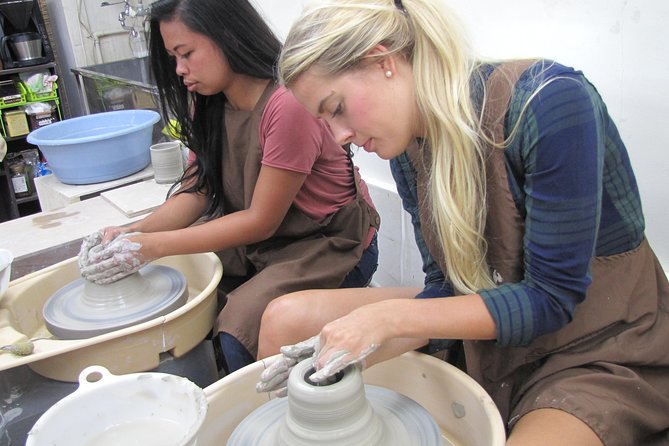
- Patient English-speaking instruction: Ruth, Vicki, Stephen, Hoshi, and other teachers have helped beginners learn the basic wheel technique.
- Convenient Shiba location: The studio is near public transportation and close to Tokyo Tower.
- Budget price, extra finishing costs: The basic fee does not include kiln firing for each selected piece or optional EMS delivery.
- Plan ahead for the souvenir: Finished pottery takes about one month to prepare, and Brazil has special shipping restrictions.
Getting to the studio in Shiba
The class meets at Shimizu House, 3-29-11 Shiba, Minato City, Tokyo 105-0014. The studio is near a Metro station and close to Tokyo Tower, which makes this an easy activity to pair with sightseeing in the area.
I like this location for a practical reason. A pottery class gives you a quiet change of pace, yet you do not have to spend half a day crossing Tokyo to reach it. You can fit the lesson into a morning or afternoon of exploring Minato City.
The meeting point is also the end point, so there is no second drop-off location to find. Confirmation arrives when you book, and a mobile ticket is provided. Give yourself enough time to locate the building, particularly if you are arriving for a set class time. The address includes Japanese characters, so keeping the full meeting-point information on your phone is sensible.
A few more Tokyo trips to weigh up
- Sushi Making Tokyo Roll and Authentic Japanese Sushi Class
★ 5.0 · 3,971 reviews - Tokyo: Roll and Authentic Sushi Making Class in Asakusa
★ 4.9 · 1,957 reviews - Tokyo Shinjuku Chopsticks Making Class
★ 5.0 · 1,763 reviews
What happens during the one-hour class
The first class follows a clear pattern. You begin by filling out an application form. The instructor then makes a sample, showing how the clay is handled and how a basic form develops on the wheel.
After that, you work on your own pieces. The stated target is about two or three works in one hour, though some class reports describe making more small pieces. Your result depends on your speed, confidence, and how much help you need. Pottery is not a race, and beginners should not feel obliged to produce a shelf full of perfect cups.
The teachers let you try the process yourself after the demonstration. If the clay begins to lean, collapse, or lose its shape, they step in with advice or help repair it. That balance matters. A class that does everything for you can feel like a show, while one that gives no help can be frustrating. Here, the instruction is designed to get you working with your own hands while keeping the session approachable.
The instructors named in class feedback include Ruth, Vicki, Stephen, and Hoshi. Ruth is an American instructor, and English instruction is available. Hoshi is described as a very patient pottery master, while Vicki receives praise for explaining the basics of making a plate. Stephen is noted for explaining how to throw and what happens to the pottery afterward.
The studio has also been described as peaceful, with mellow instrumental music and a relaxed mood. Those details make a difference in a one-hour activity. Tokyo can be noisy and packed, so sitting at a wheel with clay in your hands can feel like a useful reset.
Choosing a shape you can actually finish
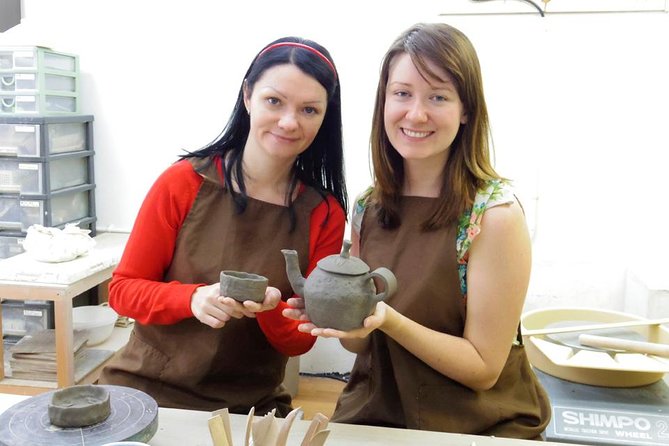
You are given freedom in what you make. A plate, cup, and rice bowl are all mentioned in the class experiences, and the instructors encourage you to try different shapes. That freedom is more interesting than a workshop where everyone produces the exact same item.
Still, clay has a mind of its own. A first attempt may end up shorter, wider, or more uneven than you planned. I would treat that as part of the experience rather than a flaw. The point is to learn how pressure, speed, and balance affect the clay.
Your instructor can help correct problems, but the finished shape is still yours. That makes the souvenir more meaningful, even if it has a slight wobble. If you have taken pottery before, you can use the hour to experiment with form instead of simply copying the demonstration.
The class is suitable for beginners, and most people can participate. It is also described as suitable for families with children. The short duration helps if you are unsure about committing to a longer workshop. At the same time, experienced potters should know that this is an introductory class, not a full studio course.
Selecting colors and preparing the pieces
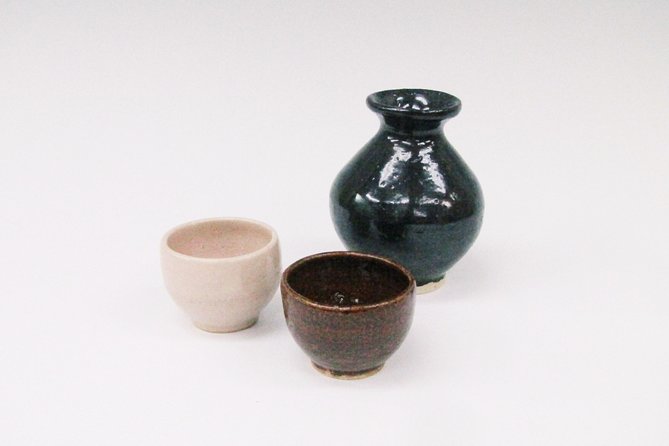
At the end of the making session, you choose which works you want to keep for firing. You also choose the colors. This is an important point when you compare the price with the final cost: the class lets you create the objects, but the actual finished pottery requires another payment.
The studio handles the next stage. Your pieces need about one month to prepare after the class. That waiting period means you will not leave Tokyo with a finished bowl or cup in your luggage.
You then clean your work area and complete payment. Cleaning may sound minor, but it is part of the pottery process and gives you a clear finish to the class. The session is not simply clay, photo, and exit. You make choices about what to keep, select the color, and sort out the final arrangements.
Ask about all extra charges before you confirm your selections. The firing fee applies to each selected work, so keeping every piece will cost more than choosing one favorite. Optional EMS shipping adds another charge. The basic booking price is attractive, but your true total depends on the number of pieces you fire and how you receive them.
Same city, a completely different kind of day:
- Mt Fuji and Hakone 1-Day Bus Tour Return by Bullet Train
★ 5.0 · 26,383 reviews - 1-Day Tokyo Bus Tour
★ 5.0 · 14,250 reviews - Tokyo: TOKYO SKYTREE® Admission ticket
★ 4.5 · 11,192 reviews - Tokyo: teamLab Planets TOKYO Digital Art Museum Entry Ticket
★ 4.6 · 9,779 reviews
What the $26.73 price really buys
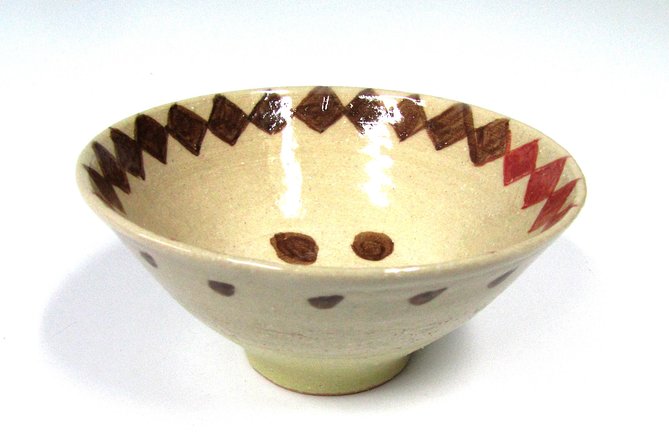
At $26.73 per person, the basic fee is good value for a hands-on craft class in central Tokyo. You receive instruction, use the studio, and make your own pottery rather than simply observing a craft. For many people, that is enough to justify the cost even before adding the finishing fees.
The price becomes less simple if your goal is to bring several finished pieces home. You pay a firing fee for each selected work, then possibly EMS shipping. The final price can rise, so think of $26.73 as the entry price, not the complete cost of a finished souvenir.
I would compare this with the value of your time. The class lasts about one hour, which makes it easy to fit into a busy Tokyo schedule. You also get a personal object tied to your trip, and the instructors help you make it rather than handing you a ready-made item.
The most cost-conscious choice is to select one or two favorite pieces for firing. If you make several small works and love them all, you can ask about the total firing and delivery cost before deciding. The class information is clear that firing is not included, but it does not provide a fixed fee for each piece, so confirm the current amount directly at the studio.
The one-month wait and shipping details
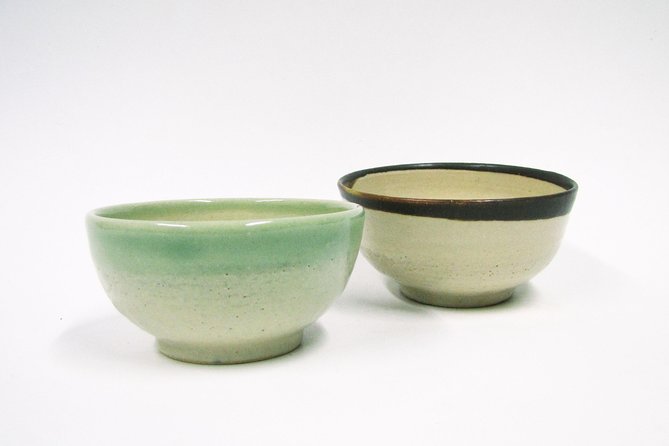
The month-long preparation time is the biggest practical issue. You need to provide a reliable delivery address if you want the studio to send the pottery. EMS shipping is optional, and it is not part of the class fee.
The current notice gives special warning about Brazil. Strict customs rules have made delivery of class-made pottery difficult, so people located in Brazil should contact the provider before booking to discuss other ways to receive the work.
For other destinations, shipping arrangements should also be confirmed before you select several pieces. The available information does not give one universal delivery price or promise delivery to every country. If you are moving between hotels, returning home soon, or packing light, sort this out before class.
If you cannot arrange shipping, the class still works as a creative activity, but you should not assume the pieces can be carried away that day. Your pottery needs firing and preparation first.
A small-group class with room for help
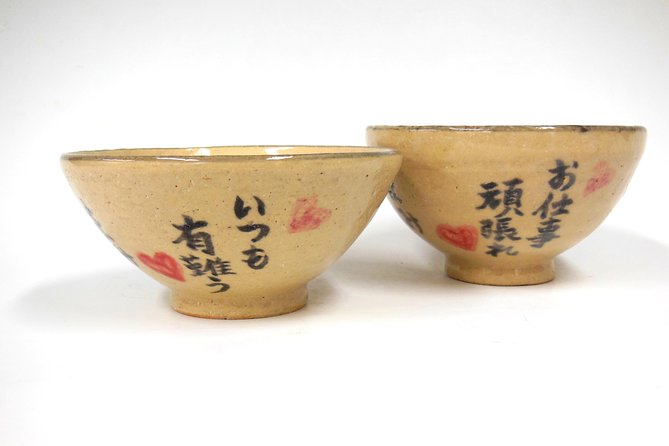
The experience is presented as a small-group class with a maximum of 15 people. An additional activity note gives a maximum of 25, so the published group-size information is not perfectly consistent. I would expect a personal format, but I would not book this expecting a guaranteed private lesson unless the studio confirms it.
The class can sometimes feel very personal. One account describes a one-to-one session, while other descriptions refer to small groups with enough help from the instructors. That suggests the pace may vary by date and attendance.
The staff are repeatedly described as friendly, patient, and welcoming. English is spoken well by the instructors and organizers, and Japanese instruction is also available. That is useful when a pottery lesson depends on small adjustments in hand position and pressure.
You will still need to pay attention. A one-hour class moves quickly, particularly when you want to make more than one object. Listen during the demonstration, then ask for help early if your piece begins to go wrong. The teachers are there to guide you, but the clay will not wait while you think.
A calm break near Tokyo Tower
This is a good activity for a day when you want something quieter than another major sight. The studio has been described as peaceful and relaxing, and the class can feel almost therapeutic for an hour. You hear the soft movement of the wheel, work with wet clay, and focus on one small task.
I would pair it with Tokyo Tower or nearby Minato City sightseeing. The location makes the class useful on a rainy day as well, when outdoor plans are less appealing. One account describes the gentle mood of rain outside and quiet music in the studio, which gives you a good picture of the setting.
The experience also has a local craft angle. Pottery is closely tied to Japanese art, and a sensei introduces you to its basic methods rather than giving you a broad lecture. You learn through doing. The lesson will not turn you into a trained potter in an hour, but it gives you a direct feel for the discipline and patience the craft demands.
One instructor even recommended a local pottery supply store to a participant. That is a small but useful touch if the class sparks an interest in continuing at home.
Who should take this class
I would recommend it most strongly to first-time potters, couples, families, and anyone who wants a souvenir with a personal story. The class is short, affordable at its starting price, and friendly to people who have never touched a wheel.
It also suits experienced potters who want a low-pressure session in Tokyo. You have freedom in what you make, and the instructor can offer tips when needed. Do not expect advanced technical training or a long period of independent studio work. The time limit keeps the class light and accessible.
Families should note that the activity is described as suitable for children, but the supplied information does not give a minimum age. Ask the provider if age is important for your group.
This may not suit you if you need a finished souvenir before leaving Japan, want a guaranteed private lesson, or dislike extra costs after the initial booking. The pottery must be fired, and delivery is optional and separately paid.
Booking, cancellation, and practical notes
Free cancellation is available if you cancel at least 24 hours before the start time. Cancellations made less than 24 hours ahead are not refunded, and changes inside that window are not accepted. The cut-off follows Tokyo local time.
The meeting point is near public transportation, and service animals are allowed. Most people can participate. Bring your mobile ticket and keep the studio address handy, particularly since the meeting point is given in both English and Japanese.
Because the class lasts only about an hour, arrive ready to begin. Wear something you can work in comfortably, though no special skill is required. The most important preparation is mental: do not judge your first bowl too harshly.
Should you book the Uzumako pottery class?
Book it if you want a hands-on Japanese craft activity, a calm hour near Tokyo Tower, and the chance to create a souvenir yourself. The strongest reasons are the patient instruction, English support, flexible shapes, and manageable starting price.
Before booking, make peace with the extra charges. Firing is separate for each piece, shipping costs more, and the finished pottery takes about a month. Contact the provider first if you are in Brazil, and ask about current delivery options for your destination.
For a first pottery-wheel experience, this is an easy choice. For a finished gift you need tomorrow, it is the wrong activity. Pick one or two pieces carefully, confirm the final fees, and you will get much more from this class than another quick stop in a souvenir shop.
FAQ
How long does the Japanese pottery class last?
The class lasts approximately one hour.
How many pottery pieces can I make?
The first-class instructions say you make about two or three works within one hour. Some class experiences describe making more small pieces, but your number will depend on your pace and the instructor’s guidance.
Is firing included in the booking price?
No. The basic fee covers the pottery trial class only. Firing is charged separately for each selected work.
Can I take my finished pottery home immediately?
No. The works take about one month to prepare after the class. Optional EMS shipping is available for an additional fee.
Is EMS shipping included?
No. EMS shipping is optional and is not included in the basic class fee.
Can I choose the colors of my pottery?
Yes. After choosing which pieces you want fired, you select the colors.
Where does the class meet?
The meeting point is Shimizu House, 3-29-11 Shiba, Minato City, Tokyo 105-0014, Japan. The activity ends at the same meeting point.
Can I cancel for a refund?
Yes, if you cancel at least 24 hours before the experience start time. Cancellations made less than 24 hours in advance are not refunded.
Just added around Tokyo
- Private Memorable Tokyo Tour with English Speaking Driver★ 5.0 · 30 reviews
- Private Tokyo Custom Full-Day Tour by Chartered Vehicle★ 5.0 · 16 reviews
- Private Sightseeing to Mt Fuji and Hakone with English Driver★ 5.0 · 51 reviews
- Tokyo Photography Masterclass – Private Photography Lesson★ 5.0 · 25 reviews
- Private Mt. Fuji Day Trip from Tokyo with English-Speaking Driver★ 5.0 · 33 reviews
- 4 Day Tour – Mount. Fuji, Tokyo, Hakone, Kamakura and Yokohama★ 5.0 · 19 reviews
- Private Unforgettable Mt Fuji Tour with English Speaking Driver★ 5.0 · 142 reviews
- Private Tokyo Food Tour – A Journey Through Time Through Food★ 5.0 · 36 reviews
Workshops, compared.

Sushi Making Tokyo Roll and Authentic Japanese Sushi Class
Read our review →

Roll and Authentic Sushi Making Class in Asakusa
Read our review →
Ramen Cooking Class at Ramen Factory in Kyoto
Read our review →
Sushi Making Class in a Happi Coat near a Famous Spot
Read our review →

Sushi Making Osaka Roll and Authentic Japanese Sushi Class
Read our review →
Tokyo Sushi Making Class in Tsukiji with Professional Chef
Read our review →Browse the lists this tour appears in