
REVIEW · WALKING TOURS
Historical Walking Tour of Niigata Port Town
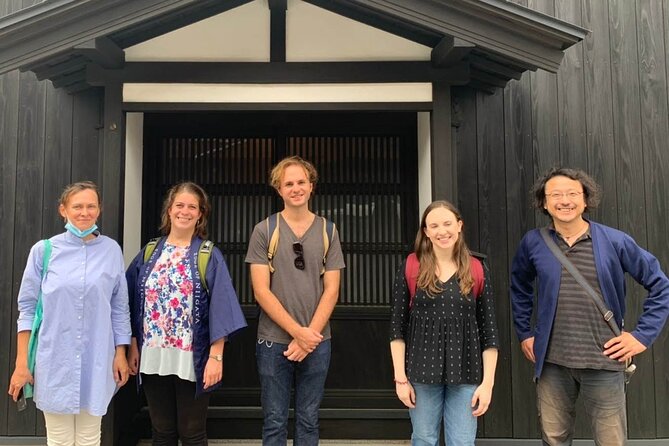
Niigata’s port-town story comes alive inside its old merchant houses, not behind glass in a museum. This private walk takes you from the Old Saito Residence to the former Ozawa family home and Minato Inari Shrine, showing how Japanese and Western influences met here in the 1800s.
I like the personal pace, with a maximum of 10 people, and I like the way the tour connects grand gardens with everyday merchant life. Guides such as Isabella and Jenya have been praised for clear storytelling, local background, and adjusting the pace. The main catch is transport: if you arrive by cruise ship, the starting point may be nearly an hour away and costly by taxi.
I also appreciate the simple ending. At the final historic building, you may stay for green tea and sweets or walk toward Furumachi, where buses run regularly. That gives you a useful next step instead of leaving you stranded at the end of the walk.
In This Review
- Key points to know before booking
- Why Niigata’s port-town past is worth your morning
- Starting at the old port side of Chuo Ward
- The Old Saito Residence: merchant wealth softened by a garden
- The former Ozawa Family Estate: an old house that kept changing
- Minato Inari Shrine: a short stop with an unusual story
- Guides Isabella and Jenya shape the experience
- What the $52.55 price really buys you
- Who should book this Niigata walk
- Weather, cancellation, and timing details
- My call: a thoughtful way to meet old Niigata
- FAQ
- How long is the Historical Walking Tour of Niigata Port Town?
- What places are included?
- Is admission included?
- Is this a private tour?
- Where does the tour start?
- Where does the tour end?
- Is bottled water included?
- What happens if bad weather cancels the tour?
Key points to know before booking
- Three key historic stops: Visit the Old Saito Residence, former Ozawa Family Estate, and Minato Inari Shrine.
- A genuinely private format: The group is capped at 10 people, allowing room for questions and pace changes.
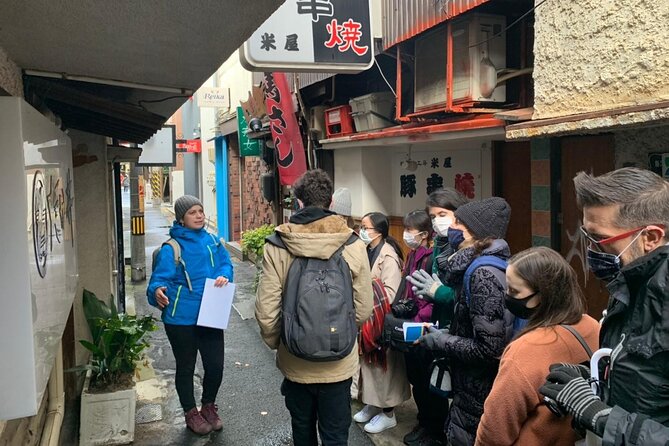
- Strong guide-led storytelling: Isabella and Jenya are noted for explaining Niigata’s port past, merchant families, geisha culture, and modern life.
- A calm contrast to the city: The Saito garden feels removed from nearby shopping streets, despite being only about a 10-minute walk away.
- Useful finish near Furumachi: After the final building, you can stay for tea and sweets or continue to a bus-friendly area.
- Cruise passengers need to plan carefully: The port and meeting point may be far apart, with limited transport choices.
Why Niigata’s port-town past is worth your morning
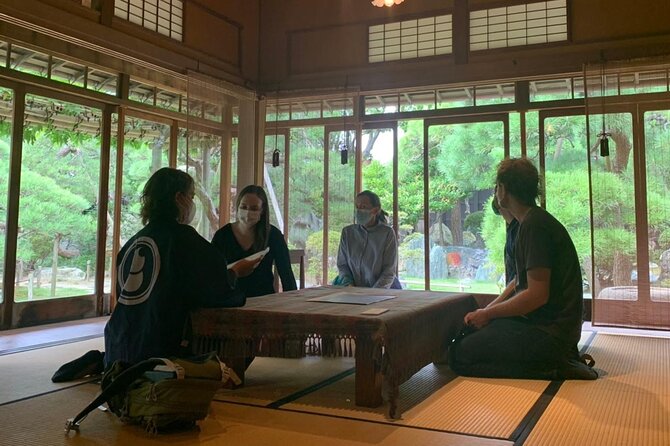
Niigata is easy to overlook when planning a Japan trip. Tokyo, Kyoto, and Kanazawa tend to take the spotlight. Yet Niigata developed a character of its own as a port where ships arrived from many parts of the world and sailors filled the streets.
That trade brought contact between Japanese customs and Western influences. The result was not a neatly separated old quarter and foreign quarter. It was a town where merchant wealth, shipping, entertainment, religion, and domestic life met in a fairly compact area.
This tour gives you a human scale for that story. Instead of only hearing dates and names, you move through homes built for families who earned money from commerce. You see how rooms connect to gardens, how older structures were adapted, and how a local shrine carries its own unusual story.
I think the private format matters here. Port-town history can feel scattered if you visit these places on your own. A guide can explain why a residence matters, point out a design detail you might miss, and connect one family’s story with Niigata’s wider role in Japan.
The experience lasts about three and a half hours. That is long enough for several substantial stops without turning the morning into a forced march. Still, you should expect a walking tour, not a bus excursion. Comfortable shoes and sensible planning will make the outing easier.
More walking tours in Japan:
- Kyoto Geisha Walking Tour: Gion District & Hidden Gems
★ 4.7 · 3,273 reviews - Tokyo Tsukiji Fish Market Food and Culture Walking Tour
★ 5.0 · 3,184 reviews - Kyoto: Gion Magical Night Walking Tour with Geisha Trivia
★ 4.9 · 2,393 reviews
Starting at the old port side of Chuo Ward
The meeting point is at 2-chōme-10 Yanagishimachō in Chuo Ward, Niigata. The tour ends at 576 Nishiōhatachō, also in Chuo Ward, so this is a point-to-point walk rather than a loop back to the start.
That detail affects your plans. You will not finish at the exact place where you began, but the ending is useful. You may remain in the historic building for green tea and sweets, or take a short walk toward Furumachi, an area with regular bus service.
The operator says it can help with your next destination. That is especially useful if Niigata is only one stop on a larger trip and you do not yet know the local bus system well.
The starting area is near public transportation, but the cruise-ship warning deserves real attention. Some ships use a port location that is not close to the meeting point. The journey can take just under an hour, and transport options may be limited. If you are arriving by ship, check the dock carefully before paying for the tour and allow plenty of time.
The Old Saito Residence: merchant wealth softened by a garden
The first major stop is the Old Saito Residence, a building more than 100 years old with a carefully designed garden. Admission is included, and the visit lasts about 40 minutes.
This is likely the visual centerpiece of the morning. The home is close to Niigata’s shopping district, only about a 10-minute walk away, yet the garden creates a much quieter mood. That change is part of the appeal. You get a clear sense of how a wealthy household could build a private world within a working city.
Look beyond the garden as a pretty backdrop. The layout and relationship between house and garden tell you something about Japanese domestic design. The tour description does not promise a long list of specific garden features, so your guide’s explanation will be important. Ask how the space was used, which rooms were formal, and what the garden meant to the household.
The Saito name is tied to Niigata’s merchant class, and the building helps put that class into view. You are not simply looking at an old house. You are seeing the physical result of trade and status, expressed through timber, rooms, views, and garden space.
The stop has also produced some memorable chance encounters. A wedding party was once taking photographs there, giving one group an unexpected look at a Japanese bride and groom. Another outing included a close encounter with a local geisha. Neither event is guaranteed, so do not book this tour expecting a performance or a staged meeting. Think of such moments as possible extras in a place still used as part of the city’s living culture.
The former Ozawa Family Estate: an old house that kept changing
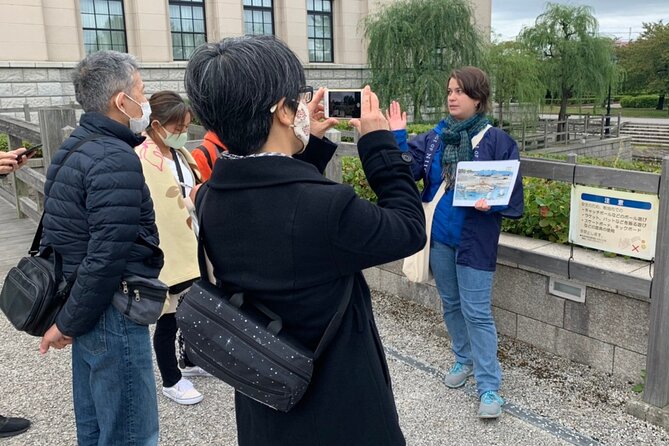
The second stop is the former Ozawa Family Estate, built in the 1860s and occupied until 2005. Admission is included, and the visit lasts about 30 minutes.
The long period of use gives this house a different interest from the Saito residence. You are not seeing a building frozen in one historical moment. Many original features remain, but later changes were made to keep the home useful as times changed.
That combination makes the estate especially good for anyone who wants to understand how old Japanese houses survived into the modern era. Preservation is not always about leaving every beam and room untouched. Sometimes it means adapting a building while keeping its older structure and character visible.
The house also gives the guide a chance to explain merchant life in practical terms. You may hear about the Ozawa family, the merchant class, and the way business families organized their homes. The supplied details do not specify every room or architectural feature, so the exact focus can depend on your guide and the questions you ask.
I would use this stop to compare the two residences. At Saito, pay attention to the relationship between the home and its garden. At Ozawa, notice the evidence of continued use and modernization. Together, they offer a more useful picture than either house could provide alone.
The 30-minute visit is fairly brisk. If you like historical buildings, you may wish for more time. The benefit is that the tour keeps moving and leaves room for the shrine and the walking commentary between sites.
A few more Japan trips to weigh up
- World Heritage Shirakawa-go and Experience Tours from Kanazawa
★ 5.0 · 4,049 reviews - Tokyo: Imperial Palace and Shogun Historical Walking Tour
★ 5.0 · 2,251 reviews - World Heritage Kyoto & Nara Uji Authentic Matcha Experience
★ 5.0 · 1,573 reviews - Kyoto Gion: 2-Hour Geisha Culture & History Walking Tour
★ 5.0 · 1,186 reviews
Minato Inari Shrine: a short stop with an unusual story
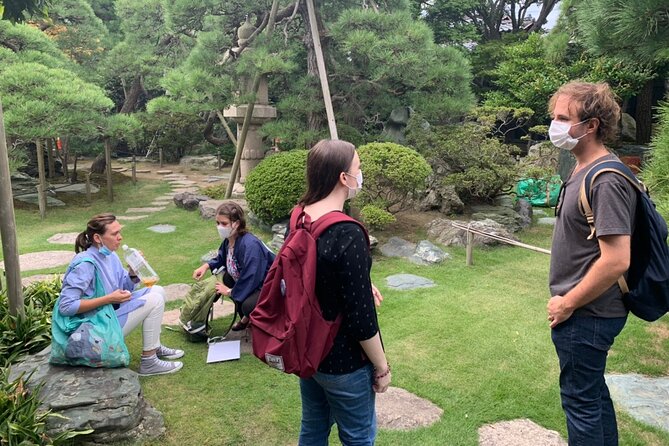
The final named sight is Minato Inari Shrine, a traditional Shinto shrine. There is no admission charge, and the scheduled visit is about 10 minutes.
Ten minutes is not long, so do not expect a full shrine tour. The value comes from the guide’s explanation of the shrine’s surprising features and exciting past. This is one of those places where a short stop can work well if the story gives the setting meaning.
The shrine also balances the two residences. The homes show private wealth and family life. Minato Inari adds a public religious place tied to the port community. It helps widen the tour beyond architecture and gardens.
You should listen closely here and ask questions. The data provided does not spell out the shrine’s unusual features, so I would not pretend to know exactly what your guide will emphasize. The important point is that this is not presented as a routine photo stop. It has a story worth hearing.
The 10-minute length may suit you if you prefer a varied walk. If you want long, quiet time at religious sites, it may feel short.
Guides Isabella and Jenya shape the experience
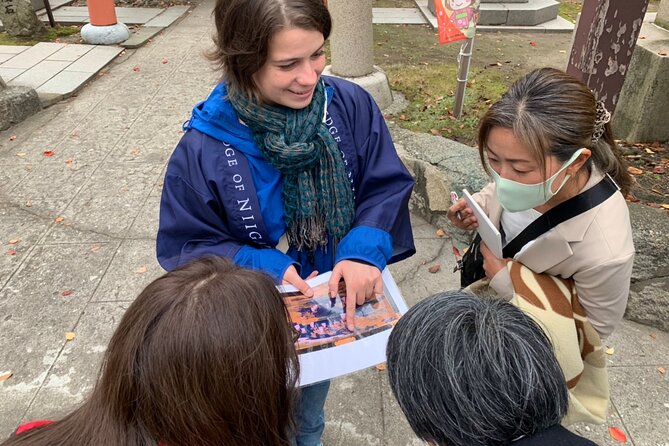
The quality of this tour depends heavily on the person leading it. The guides named in the supplied material include Isabella and Jenya, with some references spelling Isabella’s name as Isobelle. Their strongest qualities are clear explanation, local background, and the ability to adjust the pace.
Isabella is associated with detailed accounts of Niigata as a port town, along with explanations of Japanese culture, geisha traditions, and the city’s past and present. Jenya is described as offering local history from the first greeting to the farewell and helping connect Niigata with the wider country.
You may not receive the same guide on every date, so treat those names as useful examples rather than a guarantee. The private structure still gives you a better chance to ask about subjects that interest you, from merchant families to modern Japanese life.
That flexibility matters because the tour is not only for history specialists. One person may want architecture. Another may care more about how people live in Japan today. The guide can adjust the conversation, and one outing was specifically praised for changing pace to suit the group.
A cold-weather warning also appears in the experience record. One outing took place in freezing conditions, and the weather was the only real complaint. Niigata can be chilly, so check the forecast and dress for time outdoors between buildings.
What the $52.55 price really buys you
At $52.55 per person, this is not the cheapest way to spend a morning in Niigata. You could walk through public streets and visit the shrine without paying an admission fee. The value comes from the private guide, included entry to both historic residences, and the connections between places.
All fees and taxes are included. Bottled water is not included, and masks are not included. Those are small costs, but you should carry your own water, especially since the tour lasts around three and a half hours.
The price makes the most sense for you if Niigata is unfamiliar, your time is limited, or you want context rather than a string of unconnected sights. It is also a fairer deal when shared among a small private group, since the maximum is 10 people.
The value is weaker if you mainly want to wander alone, take photographs, or spend a long time at each building. The scheduled stops are measured, and the guide’s narration is a central part of what you are paying for.
A mobile ticket keeps the booking simple, but confirmation is sent within 48 hours and remains subject to availability. That is worth remembering if you are building a tight cruise or rail schedule.
Who should book this Niigata walk
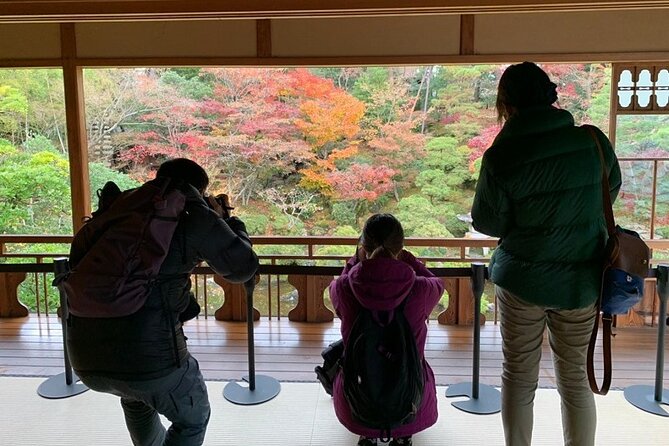
I would recommend the tour to first-time visitors who want a clear introduction to Niigata’s older port district. It suits couples, families, and small groups who prefer conversation over a large organized tour.
It is also a good choice for anyone interested in:
- Merchant families and traditional homes
- Japanese gardens and residential design
- The meeting of local Japanese life with overseas trade
- Geisha culture and port-town entertainment
- A guide who can explain details in plain language
- A manageable half-day activity with a useful ending near Furumachi
You may want something else if your main interest is modern Niigata, food, shopping, or nightlife. The tour can include stories about life today, depending on your guide, but the main focus is historic buildings, the shrine, and the old port town.
Mobility also deserves thought. The tour is on foot and includes movement between sites. The operator says most people can participate, but the supplied information does not give a precise walking distance or accessibility details. If you have specific mobility needs, ask before booking.
Weather, cancellation, and timing details
The experience requires good weather. If poor weather causes cancellation, you are offered another date or a full refund.
You can cancel for a full refund up to 24 hours before the local start time. Cancellations or changes made less than 24 hours before the start are not refunded or accepted. That rule matters most if you are booking around a ship arrival, since port schedules and transport can be unpredictable.
Build extra time around the tour if you are returning to a cruise ship. The meeting point and ship port may be far apart, and one recorded experience was missed because transport took too long and options were limited. This is the clearest practical risk in the whole outing.
My call: a thoughtful way to meet old Niigata
Book this tour if you want Niigata to make sense, not merely look attractive. The Saito garden, Ozawa residence, and Minato Inari Shrine form a well-chosen set of stops, and a private guide can connect them into a story about trade, family life, religion, and cultural contact.
The strongest reason to go is the guiding. Isabella and Jenya are associated with warm, detailed explanations, and the small group allows the walk to respond to your interests. The main reasons to hesitate are the cruise-port transfer, possible cold weather, and the relatively brisk time at each site.
For a land-based stay in Niigata, I think the $52.55 price is reasonable if you value context and included admissions. For a cruise visit, confirm the dock and transport before booking. Get that detail right, and this is a rewarding three-and-a-half-hour introduction to the city’s old port character.
FAQ
How long is the Historical Walking Tour of Niigata Port Town?
The tour lasts approximately 3 hours and 30 minutes.
What places are included?
The tour includes the Old Saito Residence, the former Ozawa Family Estate, and Minato Inari Shrine.
Is admission included?
Admission tickets are included for the Old Saito Residence and the former Ozawa Family Estate. Minato Inari Shrine has free admission.
Is this a private tour?
Yes. The experience is private, with a maximum of 10 travelers.
Where does the tour start?
It starts at 2-chōme-10 Yanagishimachō, Chuo Ward, Niigata, 951-8013, Japan.
Where does the tour end?
It ends at 576 Nishiōhatachō, Chuo Ward, Niigata, 951-8104, Japan. Afterward, you may stay for green tea and sweets or walk toward Furumachi, where buses run regularly.
Is bottled water included?
No. Bottled water is not included, so you should bring your own.
What happens if bad weather cancels the tour?
You will be offered a different date or a full refund. For a full refund after a personal cancellation, you must cancel at least 24 hours before the local start time.
Just added around Japan
- Private Memorable Tokyo Tour with English Speaking Driver★ 5.0 · 30 reviews
- Private Tokyo Custom Full-Day Tour by Chartered Vehicle★ 5.0 · 16 reviews
- Private Sightseeing to Mt Fuji and Hakone with English Driver★ 5.0 · 51 reviews
- Tokyo Photography Masterclass – Private Photography Lesson★ 5.0 · 25 reviews
- Private Mt. Fuji Day Trip from Tokyo with English-Speaking Driver★ 5.0 · 33 reviews
- 4 Day Tour – Mount. Fuji, Tokyo, Hakone, Kamakura and Yokohama★ 5.0 · 19 reviews
- Private Unforgettable Mt Fuji Tour with English Speaking Driver★ 5.0 · 142 reviews
- Private Tokyo Food Tour – A Journey Through Time Through Food★ 5.0 · 36 reviews
Walking Tours, compared.

Kyoto Geisha Walking Tour: Gion District & Hidden Gems
Read our review →
Tokyo Tsukiji Fish Market Food and Culture Walking Tour
Read our review →
Gion Magical Night Walking Tour with Geisha Trivia
Read our review →
Imperial Palace and Shogun Historical Walking Tour
Read our review →
Gion Geisha District Walking Tour – Stories of Geisha
Read our review →

Asakusa Walking Tour with Sensoji Temple Visit
Read our review →
Kyoto Gion Geisha District Walking Tour – The Stories of Geisha
Read our review →Browse the lists this tour appears in