REVIEW · SHOW
Traditional Japanese Music ZAKURO SHOW in Tokyo
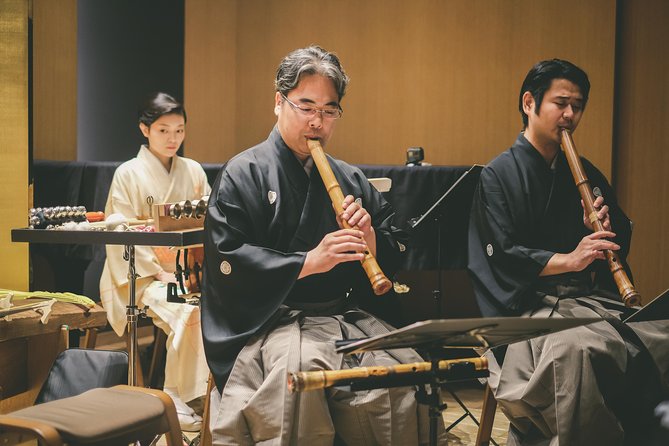
Traditional Japanese Music ZAKURO SHOW gives you more than a concert. You sit close to musicians in colorful kimono as they play koto, shamisen, shakuhachi, and taiko, then explain what you have heard. The English interpretation keeps the performance open to visitors who know little about Japanese music.
I especially like the short, focused one-hour format, which fits neatly between sightseeing stops in Tokyo. I also like the way the program moves from ancient pieces to modern traditional music, with even a Western song included to show how these instruments can sound outside their usual setting.
The main drawback is also the simple format: if you want a long evening concert, this show may feel too brief. The price is about $39.64 per person, so it offers good value for a cultural introduction, but less value if you want a full-length formal recital.
In This Review
- Key points before you book
- What the Zakuro show is really offering
- Entering a cozy Omotesando performance
- The first notes: koto and shamisen
- Shakuhachi, taiko, and the force of contrast
- Why the English interpretation matters
- A program that avoids the museum-piece problem
- How much cultural context will you get?
- Is $39.64 a fair price?
- Who should book this experience?
- Practical planning for your Tokyo day
- My call: book it for context, not just music
- FAQ
- Where does the Traditional Japanese Music ZAKURO SHOW take place?
- How long does the performance last?
- What instruments are featured?
- Is the show suitable for people who do not speak Japanese?
- What kind of music is included?
- Is transportation convenient?
- Is a mobile ticket available?
- Can I cancel for a full refund?
Key points before you book
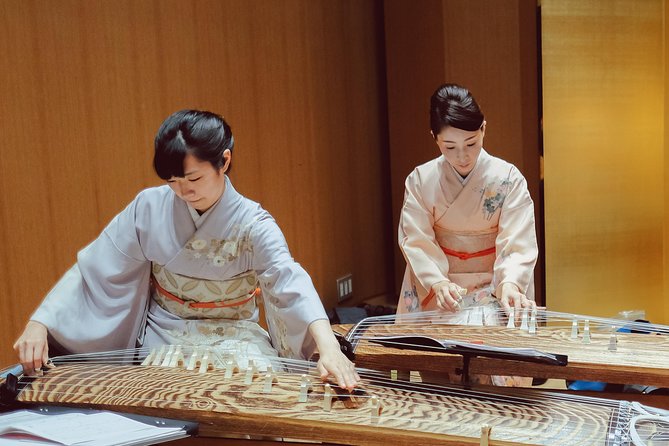
- Hear four major Japanese instruments: The program features koto, shamisen, shakuhachi, and taiko, giving you several very different sounds in one sitting.
- English help is built into the show: Musicians explain their instruments and musical traditions, with interpretation for an international audience.
- The performance lasts about one hour: It is easy to add before dinner, after shopping, or between other Tokyo plans.
- The setting is in Omotesando: You get a concert in a cozy area of Tokyo rather than a large hall detached from the city around it.
- The program mixes old and new: Along with traditional selections, you may hear a modern piece and a Western cover such as a Nirvana song.
- Cancellation is flexible until 24 hours ahead: You can receive a full refund if you cancel at least one day before the local start time.
What the Zakuro show is really offering
The most useful way to think about this experience is as a live musical introduction to Japan. You are not simply placed in a room while musicians perform a string of pieces without context. The host and performers explain the instruments, discuss their craft, and connect the music to Japanese culture and history.
That matters because traditional Japanese instruments can sound unfamiliar at first. The thin, ringing tone of the koto, the plucked voice of the shamisen, the breathy shakuhachi, and the physical force of the taiko create very different impressions. Without explanation, you might enjoy the sound but miss why each instrument matters.
Zakuro makes the instruments part of the subject. The musicians are placed right in front of you, and the program gives you a chance to notice how each one is played. The English interpretation means you do not need previous knowledge of Japanese music to follow along.
The performers are described as top-level musicians, but the show is not presented as a stiff academic lecture. Its aim is to make Japanese culture easy to understand and enjoyable for an international audience. That balance is important. You get genuine musical skill, but you also get a friendly introduction rather than a test in cultural history.
A few more Tokyo trips to weigh up
- Mt Fuji & Hakone Cruise, Drum Show Bullet Train 1 Day from Tokyo
★ 4.0 · 7,413 reviews - Tokyo: Sumo Show and Dining Experience
★ 4.8 · 2,742 reviews - the SUMO show
★ 5.0 · 1,960 reviews
Entering a cozy Omotesando performance
The concert takes place in Omotesando, one of Tokyo’s best-known areas for shopping, design, and city walks. The setting is described as beautiful and cozy, which gives the event a more intimate feel than a large theater production.
The location also helps with planning. You can combine the show with time in Omotesando and nearby parts of central Tokyo. Since the performance lasts about an hour, you do not have to give up most of an afternoon or evening to fit it into your schedule.
A mobile ticket keeps the entry process simple. Confirmation is provided when you book, and the venue is near public transportation. Exact seating and venue details are not supplied, so check your booking information carefully for the meeting point and start time.
I would arrive with enough time to find the venue without rushing. Omotesando is easy to reach by train, but Tokyo stations and underground passages can take longer to navigate than the map suggests. This is not a reason to avoid the show. It is simply a reason not to cut your arrival too close.
The first notes: koto and shamisen
The koto is one of the instruments you are likely to remember most clearly. Its strings produce a delicate, ringing sound, and its appearance immediately signals that this is not a standard Western concert.
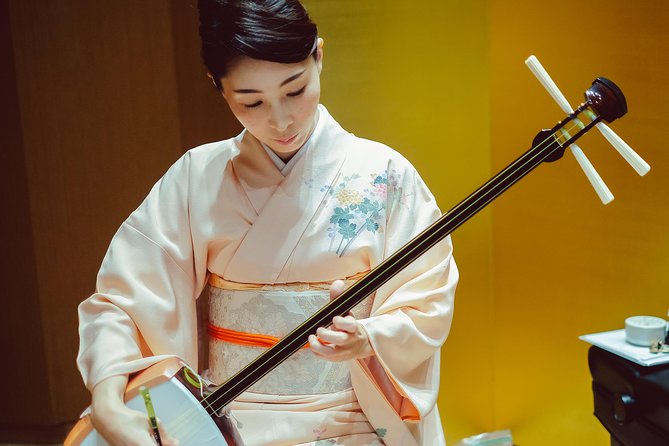
The shamisen offers a sharper contrast. It is a three-stringed instrument with a more direct, percussive tone. Hearing the koto and shamisen in the same program helps you understand that Japanese string music is not one single sound. The instruments have different shapes, techniques, and musical personalities.
The value here is not just hearing a famous instrument. The musicians explain how their instruments work and share details about their history and use. Those short discussions give your ears something to listen for in the next piece.
This format also works well for families and first-time visitors. You do not need to recognize formal musical terms. You can simply compare the sounds and watch the performers’ hands as they play.
Shakuhachi, taiko, and the force of contrast
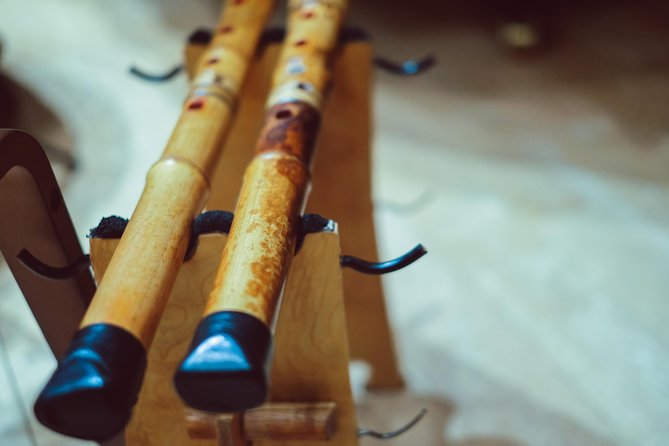
The shakuhachi flute changes the mood again. Its bamboo construction and breath-controlled sound give it a softer, airier quality than the strings. The contrast becomes clearer when the taiko drums enter the program.
Taiko brings physical energy and strong rhythm. It is the sound most likely to make you aware that traditional Japanese music includes far more than quiet, refined melodies. The show’s variety is one of its strongest features because you move between stillness, intricate plucking, breathy flute, and powerful percussion.
The musicians explain the technical and cultural side of each instrument between numbers. This is where the performance earns its price. A concert lasting only an hour can feel slight if it offers no background. Here, the explanations turn each selection into part of a larger lesson.
The timing is also sensible. You hear enough variety to form a clear picture of wagakki, the Japanese term for traditional Japanese instruments, without being asked to sit through a long specialist program.
Same city, a completely different kind of day:
- Mt Fuji and Hakone 1-Day Bus Tour Return by Bullet Train
★ 5.0 · 26,383 reviews - 1-Day Tokyo Bus Tour
★ 5.0 · 14,250 reviews - Tokyo: TOKYO SKYTREE® Admission ticket
★ 4.5 · 11,192 reviews - Tokyo: teamLab Planets TOKYO Digital Art Museum Entry Ticket
★ 4.6 · 9,779 reviews
Why the English interpretation matters
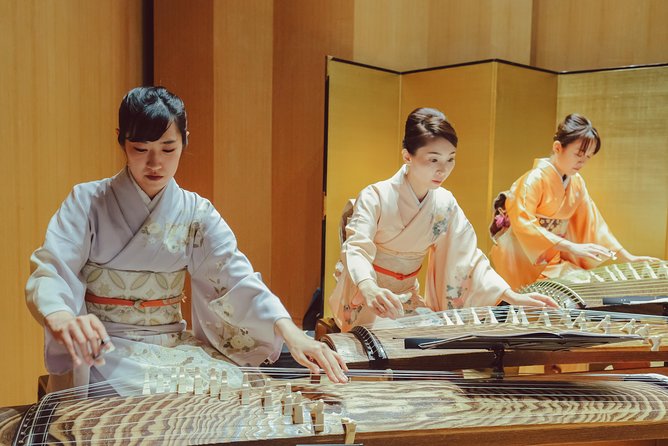
The English interpretation is central to the experience, not a minor convenience. It makes the comments between songs useful to you, especially if you have never encountered the instruments before.
Clear interpretation can be difficult in a live performance, where music terms and cultural references come quickly. The available feedback gives the interpreter particularly strong credit for explaining the musical, technical, and cultural points well. That matches the show’s purpose: the musicians perform, but the audience is also invited to understand what makes the instruments distinctive.
The host or interpreter helps connect the pieces. You learn not only the name of an instrument, but also something about its place in Japanese music and how its sound is produced. The musicians also talk about the secrets of their craft and interact with the audience.
The amount of audience interaction is not specified, so I would not book this expecting a hands-on workshop. Think of it as a guided concert with conversation and explanation woven into the program.
A program that avoids the museum-piece problem
Some traditional music performances can feel sealed off from modern life. Zakuro avoids that by including ancient and modern Japanese traditional music, then adding a Western cover to show what these instruments can do with a familiar melody.
One available account specifically mentions a version of a Nirvana song. That choice may sound unexpected, and that is exactly why it works as a comparison. You can hear the same instruments outside the setting you normally associate with them.
The Western cover does not replace the traditional material. It acts as a musical demonstration. If the koto, shamisen, flute, and drums are used on a familiar tune, you can focus on their sound rather than trying to understand an unfamiliar melody.
I like this choice because it gives the hour a little humor and surprise. It also keeps the program from feeling like a formal lesson. Some people may prefer a concert made entirely of traditional repertoire, but for a first encounter, the contrast makes the instruments easier to remember.
How much cultural context will you get?
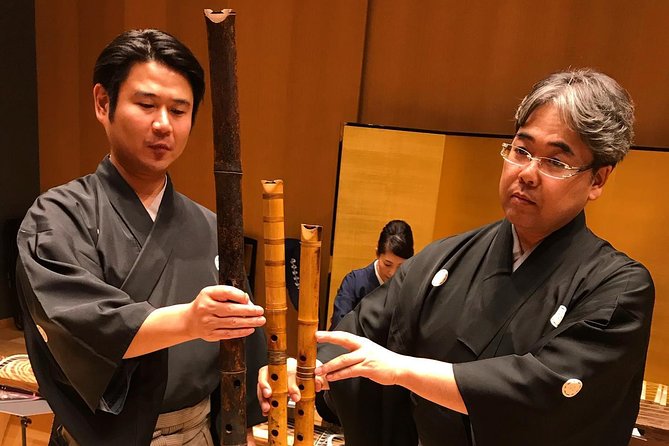
You should expect a well-paced introduction, not a full course in Japanese music. The program explains the instruments, gives historical information, and discusses how music is part of Japanese culture. It does not promise an exhaustive account of every musical tradition in Japan.
That limited scope is a strength for a short Tokyo visit. You leave with a working sense of the main instruments and their sounds. If you later visit a shrine performance, theater, museum, or cultural event, you will have a better ear for what you are hearing.
The show also suits people who enjoy music but do not usually attend classical concerts. The explanations make the performance approachable, while the musicians’ skill gives it substance. You can pay close attention to technique, or simply enjoy the changing sounds and costumes.
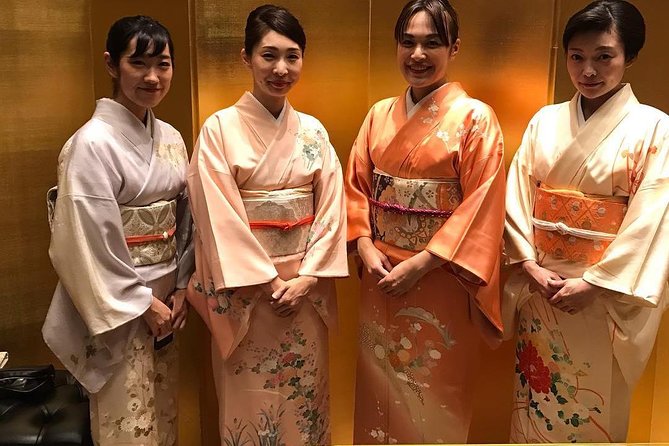
The performers’ colorful kimono add to the visual side of the event. Since the musicians and their instruments are right in front of you, you can watch how presentation, clothing, and sound work together. I would still treat the music as the main attraction, rather than expecting a large-scale stage spectacle.
Is $39.64 a fair price?
At about $39.64 per person, the Zakuro show sits in a reasonable range for a one-hour cultural activity in central Tokyo. The price includes a live performance by skilled musicians, English interpretation, and explanations about several instruments.
Value depends on what you want. If you are looking for a cheap concert with a long running time, one hour may make the price feel high. If you want an easy cultural activity that requires little preparation and fits into a busy itinerary, the price is easier to justify.
I see the strongest value in the combination of performance and interpretation. You are paying for more than music in the background. The musicians explain what they do, and the program is arranged to show the range of Japanese traditional instruments.
The 4.9 rating from 67 reviews and 97 percent recommendation indicate very strong satisfaction, though those numbers should not replace your own priorities. The most consistent praise focuses on talented musicians, clear explanations, varied music, and the chance to gain a special look at Japanese culture.
If the show offers a CD for sale after the performance, as one account notes, that may appeal to you if you want a musical reminder of the experience. The supplied details do not confirm that a CD is always available, so consider it a possible extra rather than part of the ticket.
Who should book this experience?
I would point this show toward several kinds of visitors:
- You want a cultural activity that is easy to understand in English.
- You enjoy live music but do not know much about Japanese instruments.
- You have only an hour to spare in central Tokyo.
- You are traveling with family members who may not manage a long formal performance.
- You want context and explanation instead of a concert with no introduction.
- You like unusual musical pairings, including traditional instruments playing modern or Western material.
It is also a good choice near the start of a Japan trip. The show gives you names and sounds you may encounter elsewhere, from taiko performances to traditional theater. Booking an experience like this early can help you notice more during the rest of your visit.
You may want to skip it if you already have several traditional music performances planned, or if you want a two-hour concert with a large orchestra and no spoken commentary. The one-hour structure is friendly and practical, but it limits the amount of repertoire and cultural detail.
Practical planning for your Tokyo day
The mobile ticket and nearby public transportation make the show simple to add to a city itinerary. You can plan it around sightseeing in Omotesando, but allow time to get through the station area and locate the venue.
Most people can participate, and the experience does not list demanding physical activity. The key practical issue is timing. Since the performance is short, arriving late could mean missing an important part of the program, especially the early instrument introductions.
The activity is confirmed at booking. Free cancellation is available until 24 hours before the local start time. If you cancel less than 24 hours ahead, or make changes inside that window, you should not expect a refund.
The venue is described as cozy, but no details are provided about accessibility, seating layout, photography, or age limits. If any of those points affect your plans, ask the provider before booking rather than guessing.
My call: book it for context, not just music
I would book Traditional Japanese Music ZAKURO SHOW if you want a compact, friendly introduction to Japanese culture through sound. The strongest part is the mix of skilled playing and clear explanation, with koto, shamisen, shakuhachi, and taiko presented as distinct instruments rather than one blur of traditional music.
The one-hour length is ideal for a packed Tokyo schedule, and the Omotesando setting makes it easy to pair with other plans. The price is fair when you value interpretation and cultural context, though a serious concertgoer may wish the performance lasted longer.
Choose it for an approachable first look at Japanese music, a varied program, and a chance to hear traditional instruments play something unexpected. Skip it only if you want a lengthy recital or already know these instruments well.
FAQ
Where does the Traditional Japanese Music ZAKURO SHOW take place?
The show takes place in Omotesando, Tokyo, in a beautiful and cozy setting.
How long does the performance last?
The performance lasts approximately one hour.
What instruments are featured?
The program features traditional Japanese instruments including the koto, shamisen, shakuhachi flute, and taiko drums.
Is the show suitable for people who do not speak Japanese?
Yes. The musicians provide explanations and dialogue with English translation, making the performance suitable for an international audience.
What kind of music is included?
The program includes ancient and modern Japanese traditional music. It also includes a Western cover to demonstrate the sound of Japanese instruments in a different style.
Is transportation convenient?
The venue is near public transportation in Tokyo.
Is a mobile ticket available?
Yes. The experience includes a mobile ticket.
Can I cancel for a full refund?
Yes. You can cancel for a full refund if you do so at least 24 hours before the experience start time. Cancellations or changes made less than 24 hours before the start time are not accepted for a refund.
Just added around Tokyo
- Private Memorable Tokyo Tour with English Speaking Driver★ 5.0 · 30 reviews
- Private Tokyo Custom Full-Day Tour by Chartered Vehicle★ 5.0 · 16 reviews
- Private Sightseeing to Mt Fuji and Hakone with English Driver★ 5.0 · 51 reviews
- Tokyo Photography Masterclass – Private Photography Lesson★ 5.0 · 25 reviews
- 4 Day Tour – Mount. Fuji, Tokyo, Hakone, Kamakura and Yokohama★ 5.0 · 19 reviews
- Private Mt. Fuji Day Trip from Tokyo with English-Speaking Driver★ 5.0 · 33 reviews
- Private Unforgettable Mt Fuji Tour with English Speaking Driver★ 5.0 · 142 reviews
- Private Tokyo Food Tour – A Journey Through Time Through Food★ 5.0 · 36 reviews
Show, compared.

Mt Fuji & Hakone Cruise, Drum Show Bullet Train 1 Day from Tokyo
Read our review →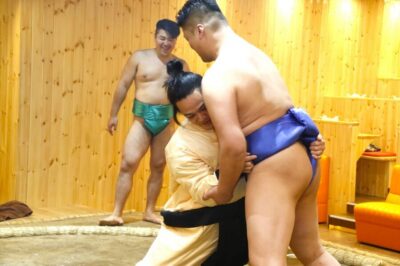
Sumo Show Experience with Chicken Hot Pot and a Photo
Read our review →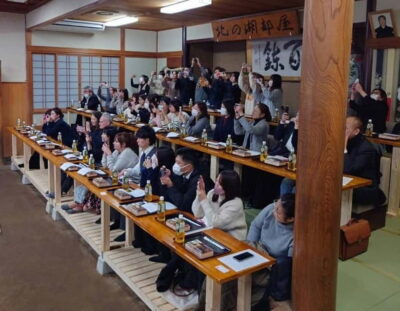
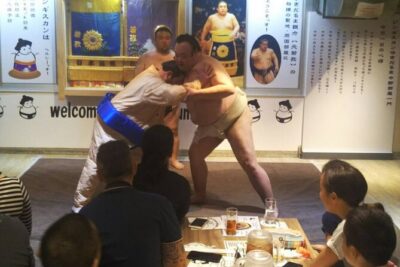
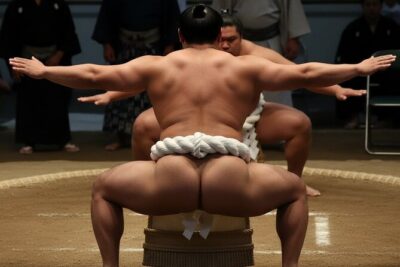
Tokyo Shinjuku Sumo Show & Experience with Photo
Read our review →

Mt Fuji & Hakone Cruise, Drum Show Bus 1 Day from Tokyo
Read our review →