REVIEW · SHOW
Traditional Japanese Music show & Experience Tour in Osaka
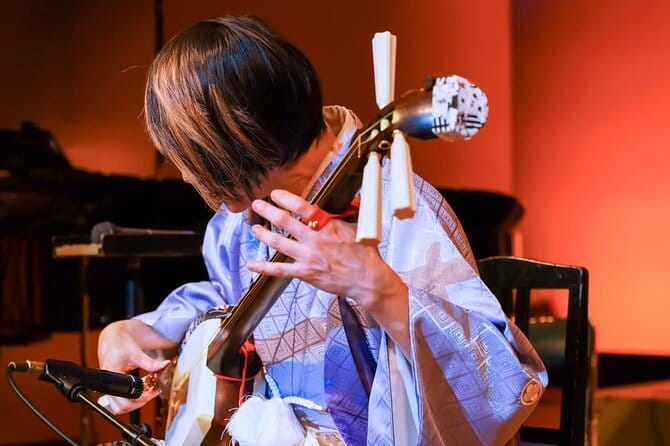
The unusual part of this Osaka experience comes after the concert: you do not just sit and listen. You get to hold and play traditional Japanese instruments, including the shamisen, koto, and wadaiko, with professional musicians nearby to answer questions.
I like the small group limit of seven, which should make the hands-on portion feel personal rather than rushed. I also like the simple one-hour format: it gives you a real taste of Japanese music without taking over half your day. The main consideration is the schedule, with only a Wednesday 11:00 session and a Friday 18:30 session listed.
In This Review
- Key points at a glance
- What this Osaka music experience really offers
- The 25-minute concert: a compact introduction to hogaku
- The 25-minute playing session: from listening to doing
- The final 10 minutes: photos with the instruments
- Why the small group makes a difference
- Price and time: is $46.12 fair value?
- Wednesday morning or Friday evening?
- Finding Alpha Shinsaibashi in Minamisenba
- Who should book this activity?
- Booking details and cancellation timing
- Should you book the traditional Japanese music experience?
- FAQ
- How long does the traditional Japanese music experience last?
- Which traditional Japanese instruments might I hear or play?
- Can I ask the musicians questions?
- Can I take photos during the activity?
- Where does the activity meet?
- Where does the activity end?
- What days and times is the experience offered?
- What is the cancellation policy?
Key points at a glance
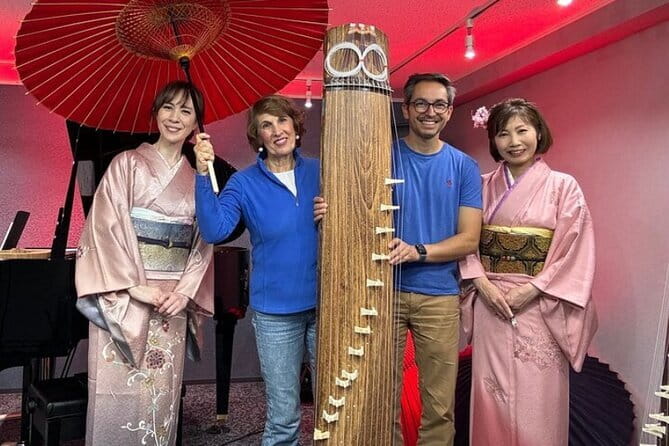
- Live hogaku in a small room: Hear professional musicians perform traditional Japanese music for about 25 minutes.
- Hands-on instrument time: Try instruments such as the shamisen, koto, and wadaiko instead of only watching.
- Questions are welcome: Use the session to ask the musicians about the instruments and their music.
- A seven-person maximum: The small group size is useful for playing, photos, and individual attention.
- Two very different time slots: Choose Wednesday at 11:00 or Friday at 18:30.
- Short, central Osaka outing: The activity begins and ends at Alpha Shinsaibashi in Minamisenba.
What this Osaka music experience really offers
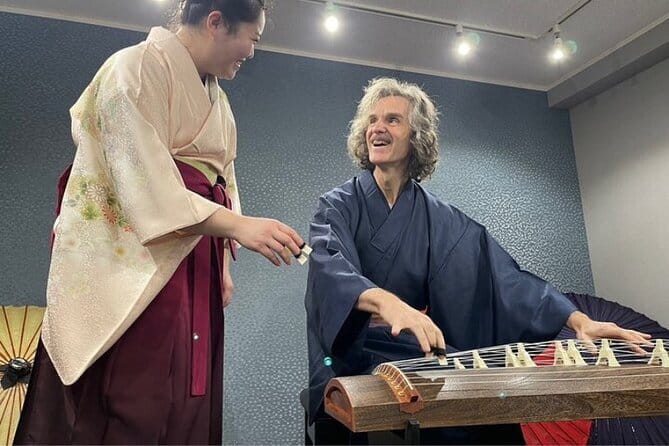
Many cultural activities give you a quick demonstration, a few explanations, and a souvenir photo. This one adds a useful second step: you get to make contact with the instruments yourself.
That matters because traditional Japanese instruments can look familiar from a distance but feel very different in your hands. The shamisen is a Japanese lute, the koto is a Japanese harp, and the wadaiko is a traditional Japanese drum. Hearing them live lets you notice their different tones, while playing them gives you a better sense of how each instrument works.
The performance uses a selection of instruments, not just one. The exact concert content changes by day, so you should expect some variation in the program. That is a plus if you want a natural music session rather than a fixed museum-style demonstration, though it also means you should not book expecting an identical show every time.
Professional musicians lead the activity and remain available for questions. No guide names are provided, but the musicians themselves are part of the teaching experience. You can ask as many questions as you like, making this especially useful if you want more than a staged performance.
A few more Osaka trips to weigh up
- Osaka: Sumo Show & Experience w/ Optional Kimono & Hot Pot
★ 4.5 · 609 reviews - Osaka: Sumo Stage Show with Bento or Snack + Fight & Photo
★ 4.3 · 364 reviews - Osaka: English Stand Up Comedy Show at Osaka Comedy Club
★ 4.7 · 203 reviews
The 25-minute concert: a compact introduction to hogaku
The first part lasts about 25 minutes and is a live concert of traditional Japanese music, known here as hogaku.
This is the part to settle in and listen closely. The instruments have distinct personalities, and a live performance gives you something a recording cannot: the physical presence of the sound. You can watch how the musicians handle the strings, wood, and drum surfaces before you try them yourself.
The shamisen offers a useful starting point. It is a three-stringed Japanese lute, and its shape makes it easy to recognize. The koto has a very different form and sound, with a long body and strings stretched across it. The wadaiko brings percussion into the mix, giving the session a clear contrast between plucked strings and drum sound.
The concert is long enough to feel like a proper performance, but short enough to suit a busy Osaka itinerary. If you have only one free hour between sightseeing stops, this timing works well. If you are hoping for a full evening concert, though, this is not that. It is an introduction followed by participation.
The changing program is worth keeping in mind. The Friday evening session may fit neatly before or after dinner, while the Wednesday morning session works better for an early cultural activity. The schedule is limited, so check the available date carefully before building your day around it.
The 25-minute playing session: from listening to doing
After the concert, you spend about 25 minutes trying traditional Japanese instruments.
This is the strongest part of the experience for many people because it turns passive listening into a personal activity. You are not simply told what a shamisen, koto, or wadaiko is. You have the chance to handle one and try producing sound yourself.
The supplied instruments for the activity are included in the price. You do not need to arrange your own equipment, and the session is designed around trying the instruments provided by the organizers.
The musicians can answer questions throughout this section. Ask about how the instrument is played, what makes its sound different, or how it fits into Japanese music. The information supplied does not promise a formal lesson or a particular song that you will learn, so think of this as guided experimentation rather than a full music class.
That distinction helps set the right expectation. You will get a brief introduction to several instruments, not a complete course in shamisen, koto, or wadaiko technique. For most people, that is exactly the right level for a short Osaka activity. You get a memorable taste without needing prior musical experience.
The group limit of seven is important here. A larger room full of people could make instrument time feel like a queue. With no more than seven participants, you should have a better chance to handle an instrument, ask questions, and follow the musicians’ guidance.
The minimum group size is two people. If that minimum is not reached, the activity may be canceled, with the choice of another date or experience, or a full refund. That is worth remembering if you are booking alone or on a tight schedule.
The final 10 minutes: photos with the instruments
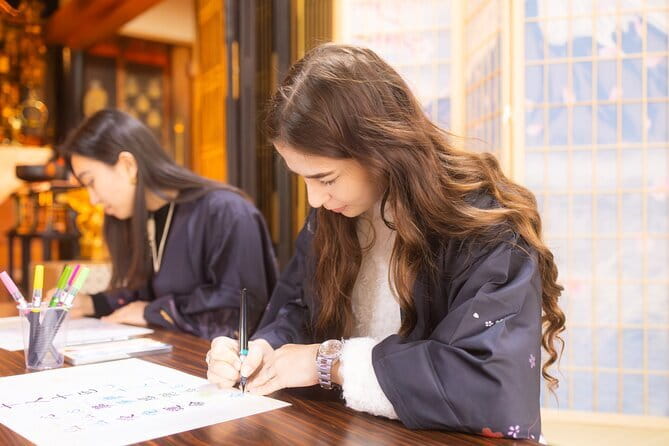
The last 10 minutes are set aside for photographs with the instruments and performers.
This is not just a quick group picture at the door. You can take photos while holding traditional instruments, which gives you a more personal souvenir of the session. It also helps you remember the contrast between the concert and the hands-on portion.
Ten minutes is enough for a short photo session, but not a long portrait shoot. If you are traveling with several people, keep the process moving so everyone gets a turn. The small group size should help, but the time is still limited.
The photographs are also useful if you want to share a cultural experience without carrying home a physical souvenir. Just remember that the activity information confirms photo opportunities, not specific photography equipment or professional portraits.
Same city, a completely different kind of day:
- Osaka Go Karting Tour with Funny Costume
★ 5.0 · 2,658 reviews - Osaka Castle: Museum and Tower Entry Ticket
★ 4.5 · 2,380 reviews - Osaka: Shinsekai Food Tour with 13-15 Dishes at 5 Eateries
★ 4.8 · 2,204 reviews - Osaka Food Tour: 13 Dishes at 5 Local Eateries
★ 5.0 · 2,149 reviews
Why the small group makes a difference
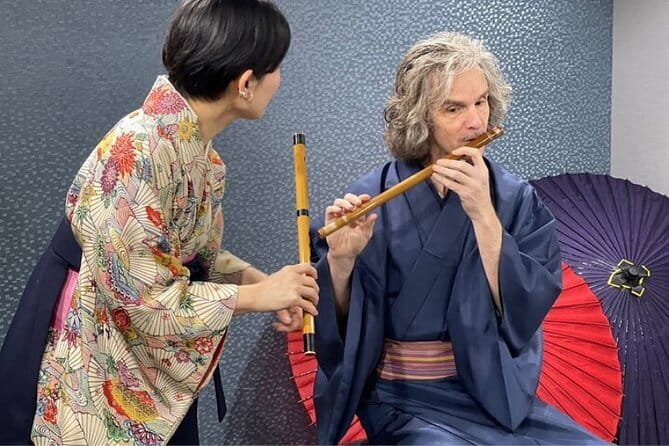
The maximum group size is seven people. That number may look like a minor booking detail, but it shapes the experience.
A small group gives the musicians more room to respond to questions and demonstrate the instruments. It also reduces the chance that you will spend most of the hands-on segment watching someone else play. For a music experience built around participation, that is a meaningful advantage.
The small size can also make the concert feel more focused. You are not entering a large theater with a distant stage. Instead, the format is designed around close observation and direct contact with the instruments.
There is one tradeoff. A small group does not guarantee that every moment will be customized to your interests. The concert content varies by day, and the supplied details do not promise a private session. You should see this as an intimate shared activity, not a one-to-one music lesson.
Price and time: is $46.12 fair value?
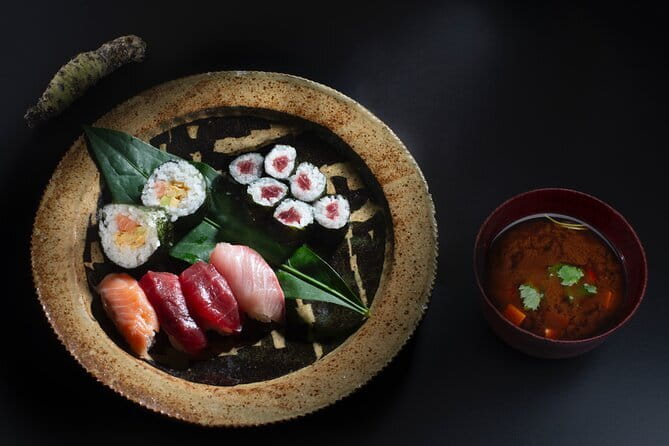
The price is $46.12 per person for about 60 minutes.
That is not the cheapest cultural activity in Osaka, but the value is easier to understand when you separate the hour into its three parts. You receive a live concert, guided instrument practice, and a photo opportunity with the musicians and instruments. The traditional instruments used for the activity are included, so there is no separate equipment charge listed.
I think the price makes the most sense for you if you want participation rather than a performance alone. A 25-minute concert by itself would offer less value. The additional 25 minutes of playing is what gives the experience its point.
The format also saves time. You do not need to travel to several locations or commit to a full evening program. The activity starts and ends at the same meeting point, which keeps the logistics simple.
Value depends on your interests. If you already have a full concert planned, this may feel repetitive. If you want a short introduction to Japanese music and a chance to try the instruments, the combined format is more useful than simply attending a show.
Wednesday morning or Friday evening?
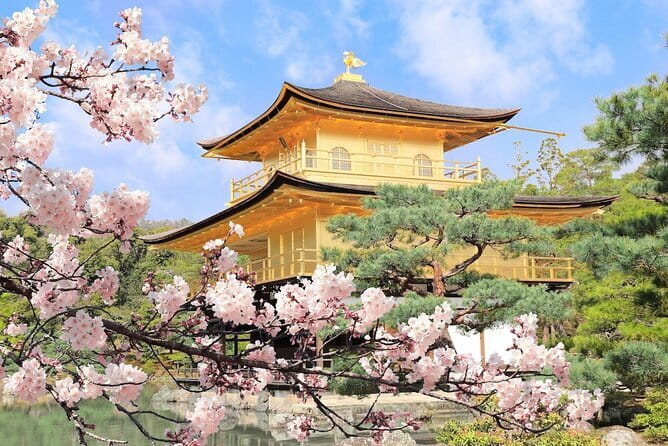
There are two listed sessions:
- Wednesday at 11:00
- Friday at 18:30
The Wednesday session suits you if you want to begin your day with a cultural activity. Afterward, you still have most of the day for Osaka sightseeing, shopping, or food stops.
The Friday evening time may fit better into a city break built around daytime sightseeing. You could schedule the music session as a calm cultural stop before continuing your evening plans. The activity lasts about an hour, so it does not require a major change to your schedule.
The limited timetable is the clearest practical drawback. If you are in Osaka for only a day or two, neither session may fit. Because the activity is commonly booked about 31 days ahead, checking dates early is sensible, especially if you want the Friday evening option.
The concert content varies by day. If you have flexibility and this is a major interest, you might consider choosing the date that best fits your schedule and accepting that the exact musical program can differ.
Finding Alpha Shinsaibashi in Minamisenba
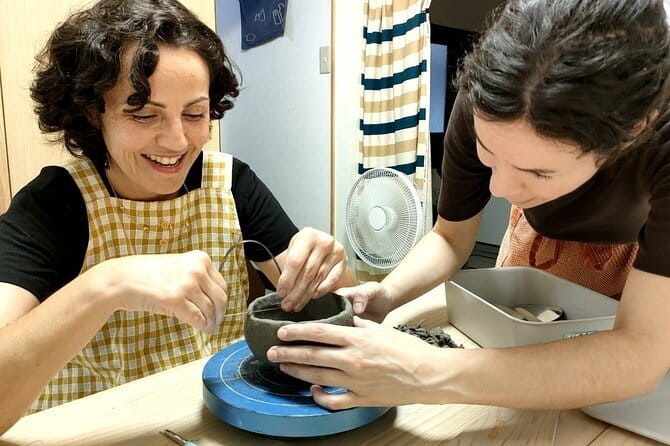
The meeting point is Alpha Shinsaibashi, at 3-chōme-5-27 Minamisenba, Chuo Ward, Osaka, postal code 542-0081.
The activity ends back at the same location. That is convenient because you do not need to arrange a separate pickup or figure out where to go afterward. Private transportation is not included, so you are responsible for getting to the meeting point and returning to your next Osaka stop.
The location is near public transportation, which helps if you are moving around the city by train or subway. The exact station directions are not provided in the supplied details, so use the confirmed booking information and a map before setting out.
A mobile ticket is provided. Keep your booking confirmation available on your phone when you arrive. Confirmation is issued at the time of booking, which makes it easy to keep the details with your other Osaka plans.
Who should book this activity?
I would recommend it first to people who want a cultural experience that is active but not physically demanding. You do not need to commit to a long class, and most people can participate.
It is a good match for:
- First-time visitors who want an introduction to Japanese music
- Music lovers who want to hear traditional instruments up close
- Families or friends who enjoy trying something together
- Solo visitors who like asking questions in a small group
- Visitors with only one free hour
- People looking for a memorable photo with traditional instruments
It may not suit you if you want a long, formal concert or advanced musical instruction. The session is built for discovery, not mastery. The one-hour length keeps it approachable, but it also limits how much technique and cultural background can be covered.
The experience can work for a broad range of participants because prior musical knowledge is not required in the supplied information. Service animals are allowed, and most people can take part. If you have a specific request or concern, the provider invites you to contact them before booking.
Booking details and cancellation timing
Free cancellation is available if you cancel at least 24 hours before the local start time. That gives you some flexibility, but the rule is strict inside the final 24 hours.
A cancellation made less than 24 hours before the activity receives no refund, and changes during that period are not accepted. If the minimum of two participants is not met and the provider cancels the session, you will be offered another date or experience, or a full refund.
Because the activity has only two weekly time slots and is often booked in advance, I would reserve early if the schedule fits your trip. At the same time, keep the 24-hour deadline in mind before making last-minute changes.
Should you book the traditional Japanese music experience?
Book it if you want a short, hands-on introduction to Japanese culture. The live concert gives you the sound and atmosphere, while the instrument session lets you try the shamisen, koto, wadaiko, and other instruments for yourself. The small group and open question period add real value.
Skip it if you are looking for a full-length concert, a private lesson, or a wide choice of times. The schedule is narrow, the exact concert content changes by day, and the entire activity lasts only an hour.
For the right visitor, the format is well judged. You hear beautiful instruments up close, make some music yourself, and leave with photographs and a clearer sense of how traditional Japanese music feels in practice. At $46.12, that is a reasonable price for a focused Osaka experience that asks you to take part, not just watch.
FAQ
How long does the traditional Japanese music experience last?
The total duration is approximately 60 minutes. It includes a 25-minute concert, 25 minutes of playing traditional instruments, and 10 minutes for photographs.
Which traditional Japanese instruments might I hear or play?
The experience can include the shamisen, koto, and wadaiko, along with other traditional Japanese instruments. The concert content varies depending on the day.
Can I ask the musicians questions?
Yes. You can ask the professional musicians as many questions as you like during the experience.
Can I take photos during the activity?
Yes. The final 10 minutes are set aside for photos with the instruments and performers.
Where does the activity meet?
The meeting point is Alpha Shinsaibashi, 3-chōme-5-27 Minamisenba, Chuo Ward, Osaka, 542-0081, Japan.
Where does the activity end?
The activity ends back at the meeting point.
What days and times is the experience offered?
The listed sessions are Wednesday at 11:00 and Friday at 18:30.
What is the cancellation policy?
You can cancel for a full refund up to 24 hours before the local start time. Cancellations or changes made less than 24 hours before the start receive no refund.
Just added around Osaka
- Samurai dress-up and shows, plus Tea Ceremony & Calligraphy★ 5.0 · 27 reviews
- Kyoto & Nara Private customized tour with English speaking Guide★ 4.5 · 99 reviews
- Well-balanced BENTO (lunch box) Cooking Class★ 5.0 · 35 reviews
- Urban Canvas: Osaka Street Art Bike Tour★ 5.0 · 47 reviews
- OSAKA:Feel the Power! Learn Taiko Drum from Professionals★ 5.0 · 28 reviews
- Volleyball in Osaka & Kyoto with Locals!★ 5.0 · 21 reviews
- Umami Town Street Food Tour★ 5.0 · 120 reviews
- Three Types of Ramen Cooking Class in Osaka★ 5.0 · 119 reviews
Show, compared.

Mt Fuji & Hakone Cruise, Drum Show Bullet Train 1 Day from Tokyo
Read our review →
Sumo Show Experience with Chicken Hot Pot and a Photo
Read our review →
Tokyo Shinjuku Sumo Show & Experience with Photo
Read our review →

Mt Fuji & Hakone Cruise, Drum Show Bus 1 Day from Tokyo
Read our review →