
REVIEW · DINNER EXPERIENCES
Tokyo: Traditional Japanese Performing Arts Show and Dinner
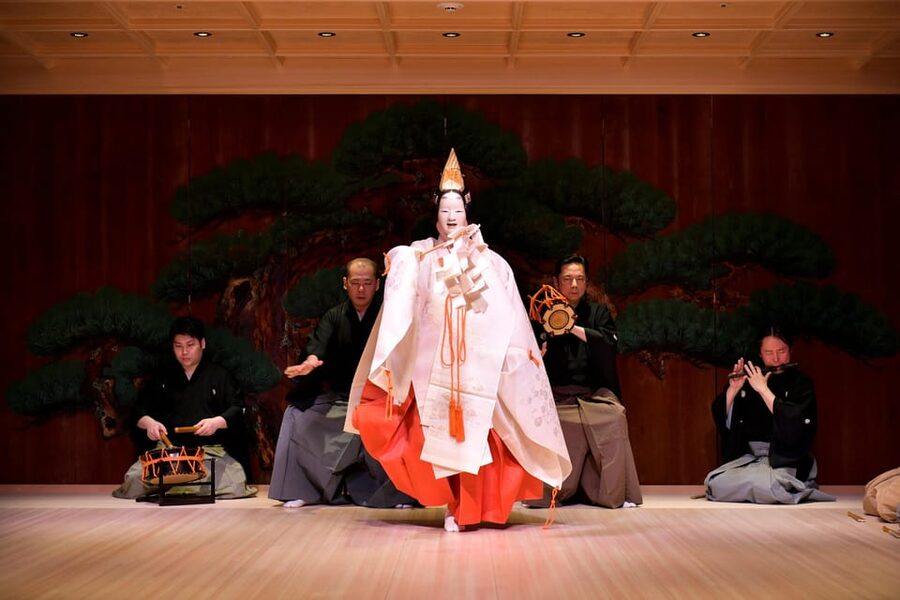
Tokyo’s SUIGIAN pairs a formal Japanese dinner with live traditional arts in a small theater-style restaurant beneath Fukutoku Shrine. The evening moves at a calm pace: course after course arrives while three performances of about 10 minutes each bring music, dance, or Shinto theater to the Noh-style stage.
I like the setting, where old Japanese art and 350-year-old Nagasaki tableware share space with a sleek modern dining room. I also like the English explanations, which help you understand the food, costumes, stage, and customs instead of simply watching from the dark. The main thing to consider is the price and pacing: this is a $140 experience for one group of up to one person, and the performances are brief compared with the dinner.
In This Review
- Key details before you book
- Finding SUIGIAN beneath Fukutoku Shrine
- A restaurant designed like a small theater
- How the dinner unfolds
- Kagura or nihon-buyo: know which show you are seeing
- The value of four seating choices
- Who will enjoy this evening most
- Is $140 good value?
- Timing, access, and practical planning
- Should you book SUIGIAN?
- FAQ
- Where is the SUIGIAN dinner show located?
- How do I reach SUIGIAN by train?
- How long does the experience last?
- What type of Japanese performance will I see?
- How many performances are included?
- What does the dinner usually include?
- Can dietary restrictions be accommodated?
- Are children allowed?
- Is the venue wheelchair accessible?
Key details before you book
- Three short stage performances: Expect about 10 minutes per performance, with the program changing by date.
- Two possible art forms: Selected dates feature kagura, ancient Shinto music and dance. Other February and March dates feature nihon-buyo, traditional Japanese dance.
- A full seasonal course: Dinner usually includes several small seasonal dishes, soup, Japanese beef, rice, dessert, matcha, and dry sweets.
- A dramatic location: SUIGIAN is below Fukutoku Shrine and Fukutoku Garden in Nihonbashi, close to Mitsukoshi-mae Station.
- Four seat categories: Your seat is assigned according to the option you choose, so check the seating description carefully before paying.
- Best for adults and special occasions: Children under 10 are not permitted, and the slow meal suits an anniversary, birthday, or quiet cultural evening.
Finding SUIGIAN beneath Fukutoku Shrine
SUIGIAN is at Fukutoku Garden B1F, 2-5-10 Nihonbashi Muromachi, Chuo-ku. The easiest route is Mitsukoshi-mae Station on the Tokyo Metro Ginza or Hanzomon Line. Take Exit A6, walk toward Coredo Muromachi 2, and allow about one minute from the exit.
The restaurant sits below the historic Fukutoku Shrine, at the bottom of stairs under the trees. That makes the arrival part of the evening. You leave the busy streets of central Tokyo and enter a quieter, theatrical space under the park.
The directions deserve attention. The entrance can be easy to miss if you look only for a theater sign, so use the full name, Theater Style Restaurant and Lounge SUIGIAN. The entrance is at the corner of the park rather than simply on the main street. From JR Shin-Nihombashi Station, allow about six minutes. From Tokyo Station’s Nihombashi Exit, allow about 10 minutes.
A taxi from Tokyo Station takes about six minutes and costs approximately ¥600. By car, the stated route is about six minutes from the Kyobashi exit of the Inner Circular Route, though central Tokyo traffic can change that timing.
A few more Tokyo trips to weigh up
- Tokyo Bar Hopping Tour in Shinjuku (All-You-Can-Drink + Dinner)
★ 5.0 · 3,587 reviews - Tokyo: Sumo Show and Dining Experience
★ 4.8 · 2,742 reviews - Sumida River: Japanese Traditional Yakatabune Dinner Cruise
★ 4.6 · 779 reviews
A restaurant designed like a small theater
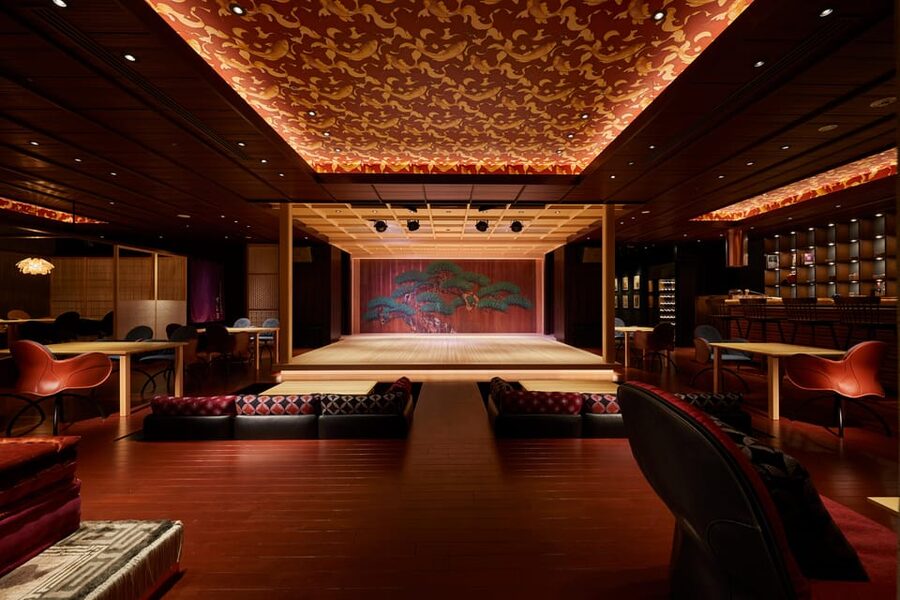
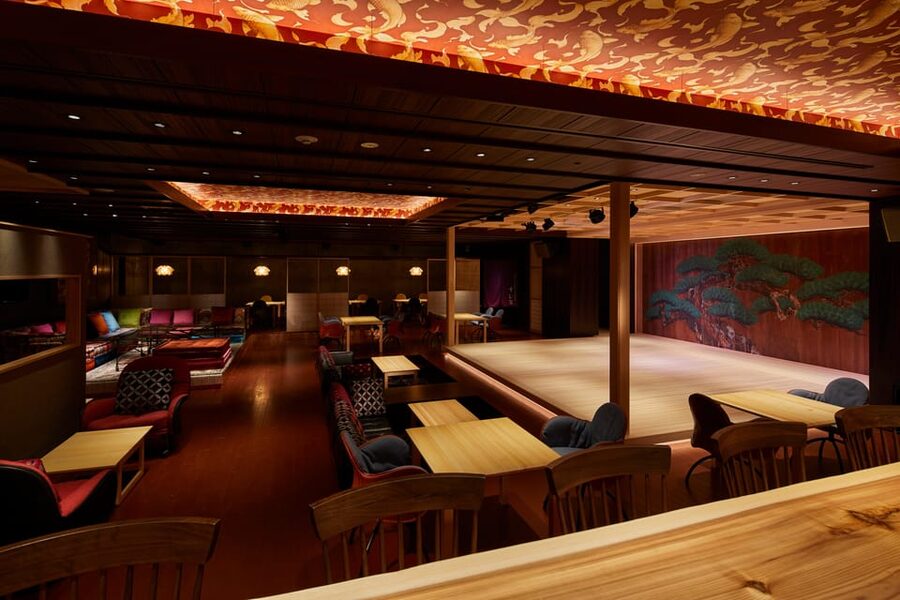
The dining room is part restaurant, part stage, and part display of Japanese art. The performance area uses a Noh-style stage with a backdrop showing an old pine tree. That simple image gives the room a strong sense of place without turning it into a theme-park set.
The decor also helps explain the meal. Trays and dishes inherited from another Japanese restaurant in Nagasaki are more than 350 years old. You are not simply eating from attractive plates. The tableware itself connects the dinner to older Japanese craft and dining traditions.
The room has a polished, comfortable feel. One review described it as modern and sleek despite the traditional artwork, which is a useful way to picture it. I would expect formal surroundings rather than a casual izakaya atmosphere. Dress neatly, arrive ready to sit for a long meal, and treat the evening as a performance in more ways than one.
You can choose from four seating options. The exact arrangements are not listed here, so check the available choices when booking. A seat near the stage can make a real difference. At close range, you can follow hand movements, costumes, instruments, and facial expressions more easily than from the back of a large theater.
How the dinner unfolds
The meal is an authentic Japanese omakase course, meaning the chef chooses the menu. It is built around fresh ingredients, seasonal themes, and bonito broth. The precise dishes change, but the usual progression includes an appetizer, a first seasonal platter, soup, a later seasonal platter, a grilled Japanese beef dish, rice, and dessert.
This is not a quick dinner served all at once. The food arrives slowly and deliberately, with the performances placed between courses. That pacing is a strength if you want a restful evening after a full day in Tokyo. It is a poor fit if you are hungry, rushed, or hoping to finish in an hour.
The small portions are part of the point. Japanese course dining asks you to notice presentation, texture, temperature, and seasonality. A dish may be carefully arranged on heritage tableware, followed by soup, then a grilled course with a different flavor and texture. By the end, the meal should feel substantial, even though it is built from many separate servings.
The menu may include a good deal of seafood. One diner counted four seafood servings, fish soup, and a dessert with a fish-based flavor. That will be fine for an adventurous eater, but it is an important warning for anyone who prefers meat, vegetables, or familiar Western dishes.
No drink beyond water is included with the meal. You can account for additional drinks when judging the total cost. The supplied information does not specify a drinks package or a fixed beverage menu.
The meal ends with matcha green tea and dry sweets. It is a fitting finish to a course that pays attention to both food and objects. The tea also gives the evening a gentle closing moment rather than an abrupt end after dessert.
Kagura or nihon-buyo: know which show you are seeing
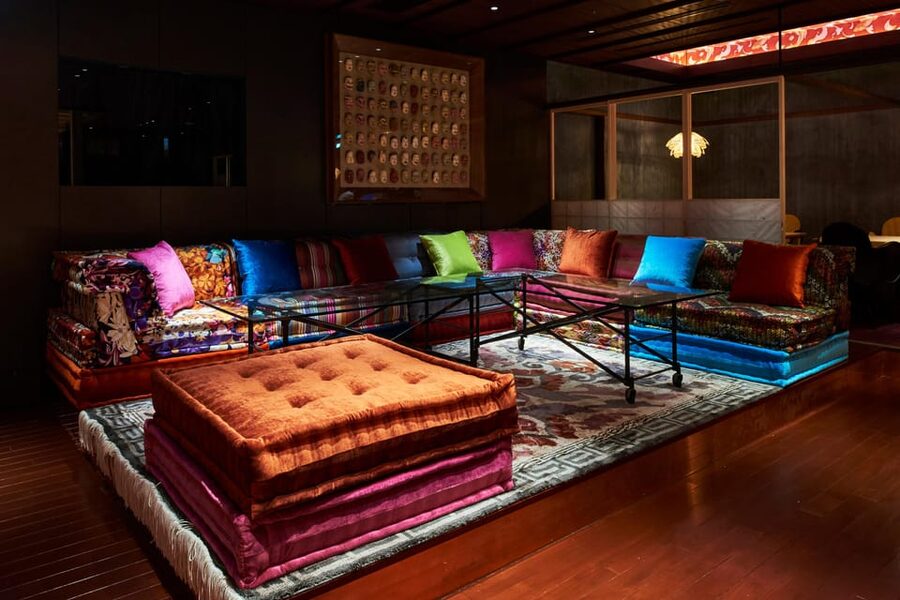
The performance changes by day, so check the date before you book. The listed February and March schedule includes two programs.
On February 5, 10, 17, and 25, and March 10, 17, and 24, the regular performance is kagura, ancient Shinto music and dance. On the other listed February and March dates, the program is nihon-buyo, traditional Japanese dance.
You receive three performances of about 10 minutes each. That means roughly 30 minutes of live stage time spread through the dinner. The short sets make the program easy to follow, even if you have little background in Japanese performing arts, but they also mean the show is not a full-length theater production.
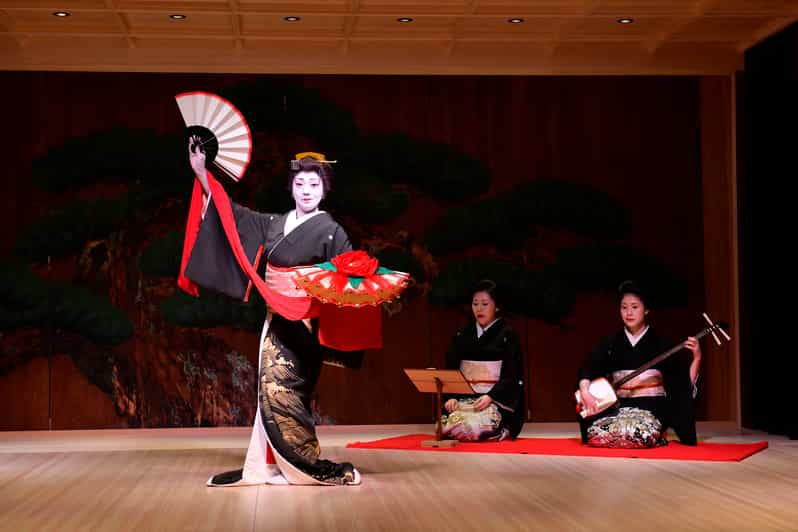
Nihon-buyo often communicates through controlled movement, costume, posture, and gesture rather than fast action. A performance can tell a story through a fan, a turn, a pause, or a shift in stance. One useful detail from the experience is that a story can sometimes be followed even without understanding the music.
Kagura connects the performance to Shinto tradition. The atmosphere is likely to feel more ceremonial, with music and dance presented on the pine-backed stage. If your main interest is shrine culture and ancient religious arts, choose one of the listed kagura dates.
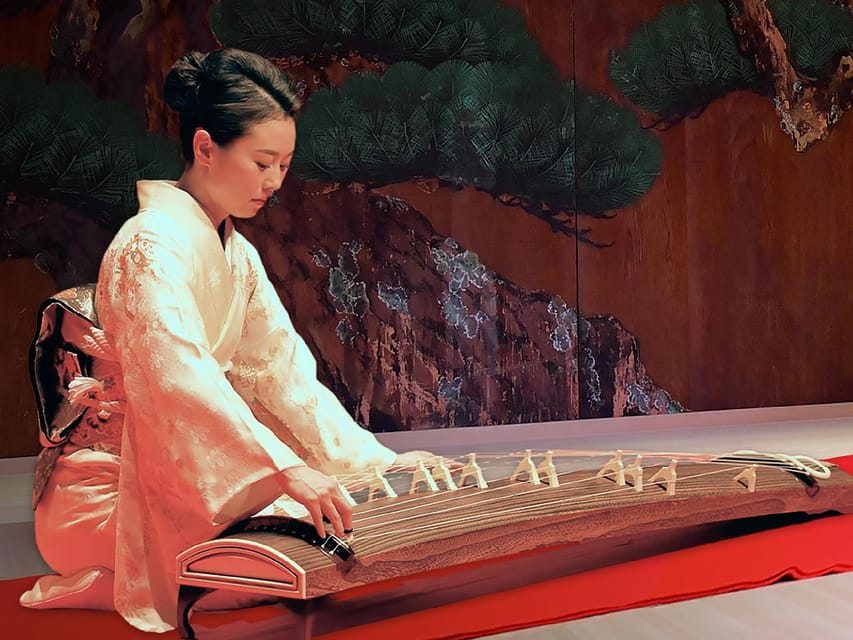
The evening may include a dancer, shamisen, and vocalist, depending on the program. Some dates have featured performers described as geisha. Since the content varies, do not assume every date will offer the same combination of instruments, dance, or performers.
English-language explanations have been available for the food and performances. That matters here because the art forms can be subtle. A short introduction can turn an elegant but unfamiliar movement into something you can place in a cultural context.
Same city, a completely different kind of day:
- Mt Fuji and Hakone 1-Day Bus Tour Return by Bullet Train
★ 5.0 · 26,383 reviews - 1-Day Tokyo Bus Tour
★ 5.0 · 14,250 reviews - Tokyo: TOKYO SKYTREE® Admission ticket
★ 4.5 · 11,192 reviews - Tokyo: teamLab Planets TOKYO Digital Art Museum Entry Ticket
★ 4.6 · 9,779 reviews
The value of four seating choices
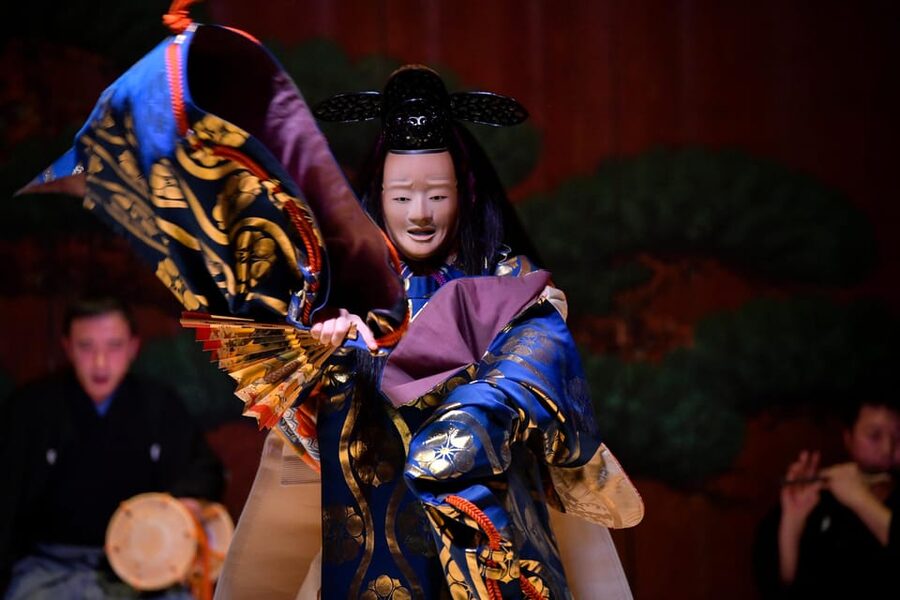
The four seat options let you decide how much you want the performance to dominate the evening. The available categories are not described in detail, so you should compare them closely before selecting one.
If seeing the performers clearly is your priority, choose the closest option you can afford. A diner who sat near the stage found it easy to see everything, and that is especially useful for traditional dance, where small movements carry meaning.
If conversation and dinner matter more, a less direct view may still work well. The room is designed so that food and stage action share the same space. You are not buying a standard theater ticket followed by a separate meal. The two parts are woven through the same two to three hour sitting.
The intimate setting also makes the commemorative photo more appealing. A photo with the performers may be available at the end, giving you something personal to take away. It is a simple touch, but it fits the small-scale nature of the restaurant better than a hurried group photograph in a large venue.
Who will enjoy this evening most
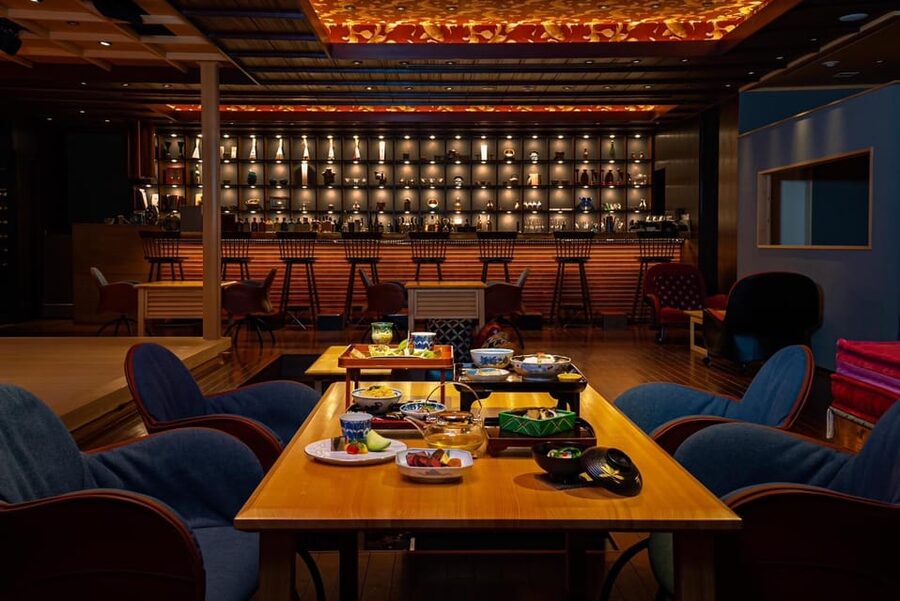
I would recommend SUIGIAN to you if you want Japanese culture explained through several senses at once. You see the stage, hear traditional music, taste a seasonal course, and examine old tableware and Japanese decoration while staff explain what you are receiving.
It suits couples celebrating a birthday or anniversary, especially if you want a polished evening close to central Tokyo. It also works for adults who have spent the day sightseeing and want a slow, seated experience rather than another crowded attraction.
The meal is a good fit for adventurous eaters. If you enjoy seafood, carefully presented small courses, Japanese broth, matcha, and changing seasonal flavors, you are likely to find plenty to appreciate.
I would be cautious if you need a predictable menu. The omakase format gives the chef control, and special requests must be sent before arrival. State allergies, vegetarian needs, gluten-free requirements, and other restrictions when booking, and check with everyone in your group first. One party received careful help with a gluten-free request, but another reported that not every dietary restriction was met.
Children under 10 are not allowed. The long, quiet format also favors adults who can enjoy a deliberate meal. This is not a drop-in dinner show for families wanting constant action.
Is $140 good value?
The listed price is $140 per group of up to one person, so confirm exactly how the booking platform applies that wording before you reserve. At first glance, it is a substantial dinner bill. Tokyo offers many cheaper meals, and the live performances account for only about 30 minutes of the two to three hour experience.
The value improves if you would otherwise pay separately for a formal Japanese dinner and a traditional arts performance. You are also paying for the setting, service, heritage tableware, explanations, and the convenience of seeing both parts in one central location.
The value drops if you mainly want a long concert or a large theatrical production. The show is concise, and the dinner is the main event. You should think of this as a special Japanese course meal with traditional performance woven through it, not as a full evening of stage entertainment with food on the side.
For a birthday, anniversary, or final-night splurge, I can see the appeal. The attentive service, carefully presented food, beautiful room, and close stage view give the evening a ceremonial feel. For a casual meal, the cost may be harder to justify.
Timing, access, and practical planning
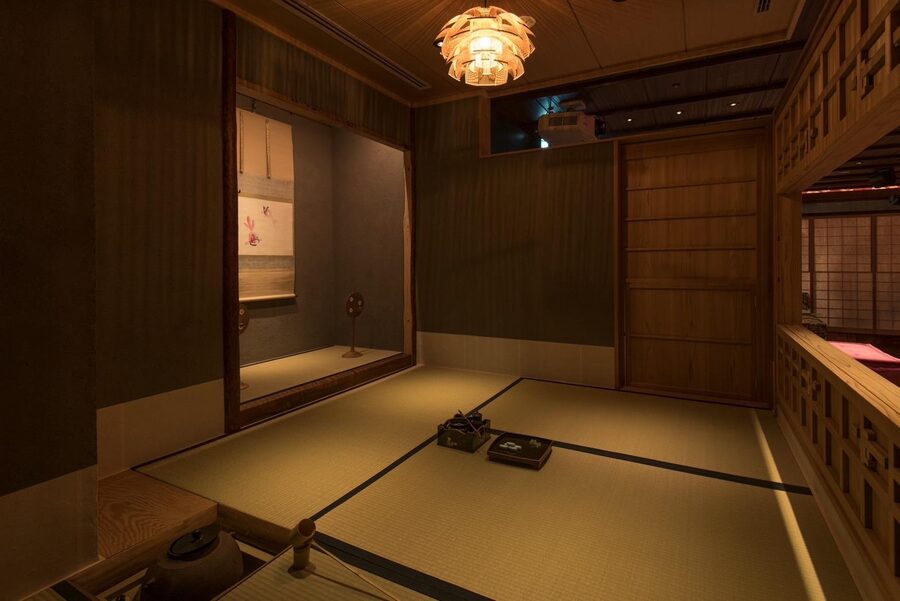
Plan on two to three hours. The evening is intentionally slow, so do not schedule a tight reservation, train connection, or theater ticket immediately afterward.
The venue is wheelchair accessible. Still, because the entrance involves stairs leading beneath the shrine area, confirm the best accessible route directly with SUIGIAN before arrival if you use a wheelchair or have mobility concerns.
Free cancellation is available up to 24 hours in advance for a full refund, and reserve-now-pay-later booking may be offered. Check the current availability and starting times when selecting your date, since the performance program and price can vary.
The restaurant phone number is +81-3-6262-0826. Keep the address and restaurant name handy, especially because the location below the park is less obvious than a street-facing theater.
Should you book SUIGIAN?
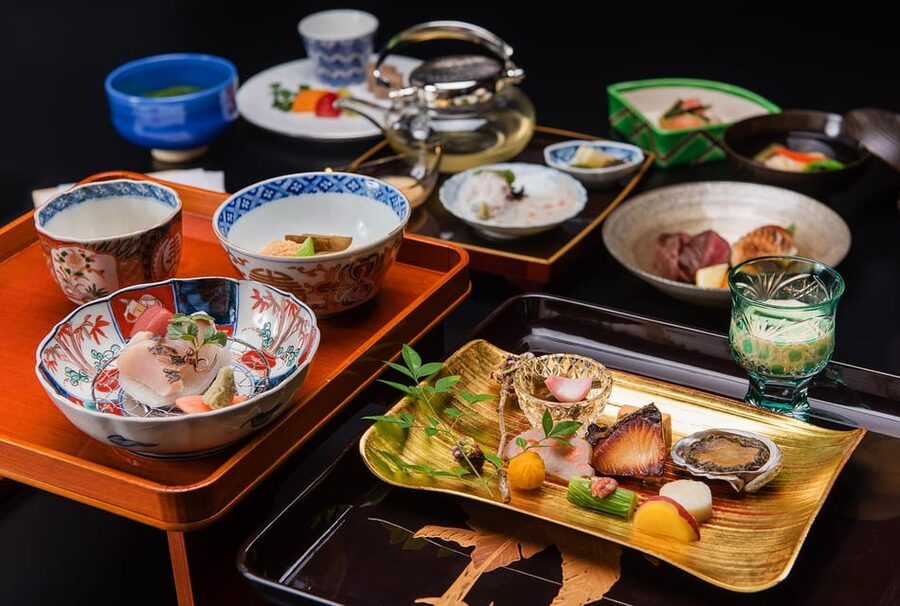
Book this experience if you want a refined Japanese dinner first and a short traditional arts show second. The strongest features are the thoughtful service, seasonal food, historic tableware, intimate stage, and English explanations.
Choose your date based on the art form you prefer, and select the closest seat if watching the performers matters most. Send every dietary requirement in advance, budget extra for drinks, and allow the full two to three hours.
Skip it if you want a cheap meal, a child-friendly attraction, or a long performance. But if you have one special evening in central Tokyo and want food, design, music, and dance in one carefully paced setting, SUIGIAN offers a memorable use of that time.
FAQ
Where is the SUIGIAN dinner show located?
SUIGIAN is in Fukutoku Garden B1F at 2-5-10 Nihonbashi Muromachi, Chuo-ku, Tokyo. It is beneath the historic Fukutoku Shrine.
How do I reach SUIGIAN by train?
Take the Tokyo Metro Ginza or Hanzomon Line to Mitsukoshi-mae Station. Exit A6 is about a one-minute walk from the venue. Shin-Nihombashi Station is about six minutes away on foot, and Tokyo Station is about 10 minutes away from the Nihombashi Exit.
How long does the experience last?
The estimated duration is two to three hours. The meal is served at a slow, deliberate pace, with performances between courses.
What type of Japanese performance will I see?
The program depends on the date. Some listed February and March dates feature kagura, ancient Shinto music and dance. Other listed dates feature nihon-buyo, traditional Japanese dance.
How many performances are included?
The program includes three performances, each lasting about 10 minutes.
What does the dinner usually include?
The seasonal course usually includes an appetizer, seasonal platters, soup, a grilled Japanese beef dish, rice, dessert, matcha green tea, and dry sweets. The exact menu is selected by the chef and changes with the season.
Can dietary restrictions be accommodated?
You must tell the restaurant about allergies, vegetarianism, gluten-free needs, or other restrictions in advance. Requests made only after arrival may not be possible to fulfill.
Are children allowed?
Children under 10 years are not suitable for this experience and are not permitted.
Is the venue wheelchair accessible?
Yes, the activity is listed as wheelchair accessible. Because the venue is below Fukutoku Shrine, contact SUIGIAN ahead of time to confirm the most suitable route for your needs.
More Show in Tokyo
- Mt Fuji & Hakone Cruise, Drum Show Bullet Train 1 Day from Tokyo
★ 4.0 · 7,413 reviews - the SUMO show
★ 5.0 · 1,960 reviews - Tokyo Shinjuku Sumo Show & Experience with Photo
★ 5.0 · 1,750 reviews - Mt Fuji & Hakone Cruise, Drum Show Bus 1 Day from Tokyo
★ 4.0 · 1,287 reviews
Just added around Tokyo
- Private Memorable Tokyo Tour with English Speaking Driver★ 5.0 · 30 reviews
- Private Tokyo Custom Full-Day Tour by Chartered Vehicle★ 5.0 · 16 reviews
- Private Sightseeing to Mt Fuji and Hakone with English Driver★ 5.0 · 51 reviews
- Tokyo Photography Masterclass – Private Photography Lesson★ 5.0 · 25 reviews
- 4 Day Tour – Mount. Fuji, Tokyo, Hakone, Kamakura and Yokohama★ 5.0 · 19 reviews
- Private Mt. Fuji Day Trip from Tokyo with English-Speaking Driver★ 5.0 · 33 reviews
- Private Unforgettable Mt Fuji Tour with English Speaking Driver★ 5.0 · 142 reviews
- Private Tokyo Food Tour – A Journey Through Time Through Food★ 5.0 · 36 reviews
Dinner Experiences, compared.
Tokyo Bar Hopping Tour in Shinjuku (All-You-Can-Drink + Dinner)
Read our review →

Deep Backstreet Osaka Tours (Option to add Dinner)
Read our review →
Deep Backstreets Walking Tour with Dinner Option
Read our review →
Sumida River: Japanese Traditional Yakatabune Dinner Cruise
Read our review →
Kyoto Gion Cultural Walk & Geisha Show with Dining Options
Read our review →Kyoto Gion Cultural Walk & Geisha Show with Dining Options
Read our review →
Tokyo Bay Yakatabune Dinner/Day Cruise with Japan Show and Drinks
Read our review →Browse the lists this tour appears in