
REVIEW · HISTORICAL TOURS
Tokyo to Kawagoe: Private Historical Day Trip
Kawagoe gives you a change of pace from Tokyo without a long journey. In less than an hour, you can trade modern towers and packed train platforms for charcoal-tiled storehouses, old temple grounds, a bell tower, and streets lined with sweet potato treats. The town is often called Little Edo because its surviving buildings recall the grand feudal capital that became modern Tokyo.
I like the private, flexible format, especially if you want to focus on temples, food, shopping, or Japanese history rather than follow a fixed group route. I also like the chance to see Kawagoe with a local host, with past guides such as Lauren and Leon praised for being kind, thoughtful, and willing to adjust the day. The main drawback is that $264 per person is a serious price for six hours, and transport, meals, and admission fees are extra.
In This Review
- Key points to know before you book
- From Shinjuku to Kawagoe’s old castle town
- Why Kawagoe feels different from Tokyo
- Kita-in Temple and the Edo Castle connection
- Hikawa Shrine for a quieter pause
- Toki no Kane Tower, Kawagoe’s familiar landmark
- Kurazukuri Street and the pleasure of browsing
- Penny Candy Lane and sweet potato treats
- Museums and the Kawagoe Festival story
- What the private guide adds
- Is six hours enough for Kawagoe?
- What the $264 price really buys you
- Who should book this Kawagoe day trip?
- FAQ
- Where does the tour begin?
- How long does the experience last?
- Is transportation from Tokyo included?
- Are food and drinks included?
- Are attraction admission tickets included?
- What languages are available?
- Can the route be personalized?
- Is the experience wheelchair accessible?
- Should you book the Tokyo to Kawagoe private day trip?
Key points to know before you book
- Kawagoe is less than an hour from Tokyo, making it a practical half-day escape from the capital.
- The six-hour plan is private and personalized, so your host can shape the day around your interests.
- Kita-in Temple includes a room from Edo Castle, an unusual link to old Tokyo.
- Kurazukuri Street and Toki no Kane Tower provide Kawagoe’s best-known old-town sights.
- Penny Candy Lane offers sweet potato snacks and traditional treats, with shopping built into the walk.
- Transportation, food, drinks, and attraction tickets are not included, so budget beyond the tour price.
From Shinjuku to Kawagoe’s old castle town
Your day begins near the main door of the tourist center close to the South East Exit of JR Shinjuku Station. The host meets you there before you set out for Kawagoe, which lies north of Tokyo in Saitama Prefecture.
The meeting point is useful if you are staying in central Tokyo, but Shinjuku can be confusing. Give yourself time to find the station exit and tourist center. The tour price does not include transportation, so you will also need to pay the train or other travel costs separately.
That extra cost matters when you judge the value. At $264 per person, this is not a cheap transport-and-sightseeing package. You are paying mainly for private guiding and the ability to adjust the day, not for an all-inclusive excursion.
The six-hour length is well suited to Kawagoe. It gives you time for several major sights, a meal or snack stop, and shopping without turning the visit into a rushed checklist. Still, the town is best enjoyed at a strolling pace, so you should not expect every museum, temple, shop, and street to receive a long visit.
A few more Tokyo trips to weigh up
- Tokyo: Imperial Palace and Shogun Historical Walking Tour
★ 5.0 · 2,251 reviews - Tokyo: Imperial Palace Japanese History Walking Tour
★ 4.9 · 987 reviews - Tokyo: Shinjuku Historical Walking Tour & Secret Backstreets
★ 5.0 · 530 reviews
Why Kawagoe feels different from Tokyo
Kawagoe grew as a castle town and trading center. Its old buildings recall the Edo period, the era from the early 1600s to the mid-1800s when Japan was ruled by the Tokugawa shoguns.
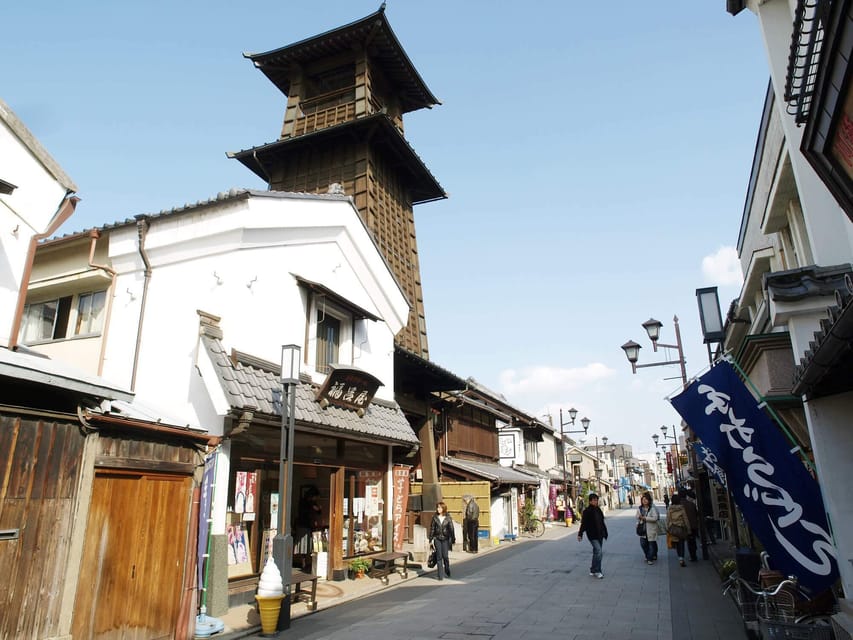
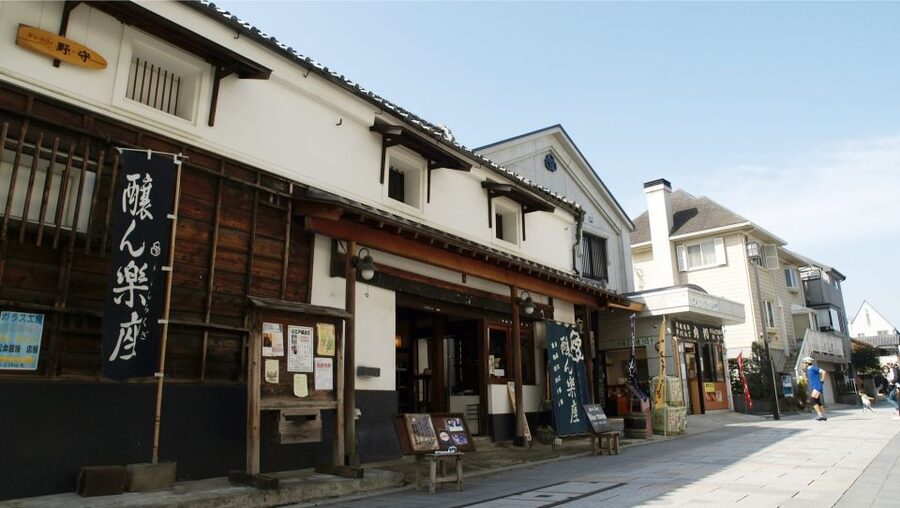
The most recognizable old structures are the kurazukuri, thick-walled storehouses built to protect goods from fire. Their dark, tiled exteriors give the central streets a distinct look. Modern businesses now occupy many of these buildings, so you can browse shops while still seeing the older form of the town.
This mix is part of Kawagoe’s appeal. It is not a preserved film set with every modern detail removed. Cars, signs, shops, and everyday town life remain part of the scene. Your host can help explain how the surviving buildings fit into Kawagoe’s past, which adds more value than simply walking past attractive facades.
The town’s old character is spread along modern streets rather than contained inside one formal museum. That makes a local guide helpful, especially if you want context about what you are seeing and how the pieces fit together.
Kita-in Temple and the Edo Castle connection
Kita-in Temple is one of the day’s most meaningful stops. The temple is connected to a room that once formed part of Tokyo’s Edo Castle, giving you a direct link between Kawagoe and the old capital.
That detail makes the temple more than a standard shrine-and-photo stop. Edo Castle was at the center of Japan’s political order, and seeing an actual surviving room associated with it helps connect Kawagoe’s local story to the wider history of Tokyo.
Your host can give the visit shape by explaining what to notice. Without that context, a temple room or old wooden structure can be easy to admire briefly and then forget. With explanation, you can better understand why this particular piece matters.
Admission tickets are not included, so check the cost as you plan your spending. The supplied information does not specify the ticket price or the amount of time spent inside, and the private format means the exact balance between temple grounds and other stops can change.
Hikawa Shrine for a quieter pause
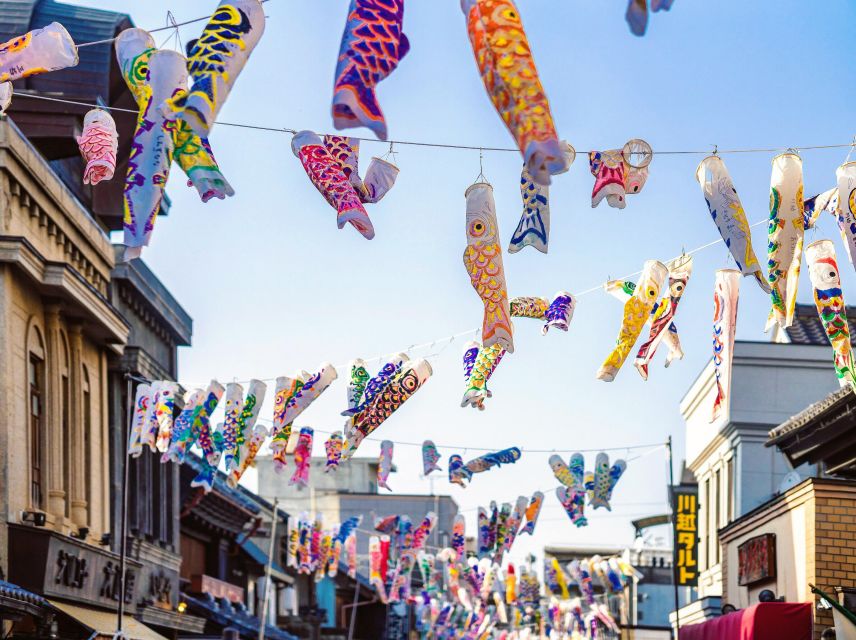
Hikawa Shrine offers a change from the old commercial streets. Shrines are active places of Japanese religious life, not just monuments, and the visit gives you a chance to see a more reflective side of Kawagoe.
The shrine was singled out as a highlight in one account of the day. That is useful guidance if you are deciding where to place your attention. The old streets may be the most obvious part of Kawagoe, but a few quiet minutes at a shrine can give the outing more variety.
You should not expect a long ceremony or a private religious experience. This is a sightseeing visit, and your host will help you move through the area within the six-hour schedule. Still, the contrast between shrine grounds and shopping streets is one reason the private plan can work well.
If you care most about temples and shrines, say so when you are matched with your host. The activity is designed to respond to your interests, and the route is not locked to one rigid sequence.
Same city, a completely different kind of day:
- Mt Fuji and Hakone 1-Day Bus Tour Return by Bullet Train
★ 5.0 · 26,383 reviews - 1-Day Tokyo Bus Tour
★ 5.0 · 14,250 reviews - Tokyo: TOKYO SKYTREE® Admission ticket
★ 4.5 · 11,192 reviews - Tokyo: teamLab Planets TOKYO Digital Art Museum Entry Ticket
★ 4.6 · 9,779 reviews
Toki no Kane Tower, Kawagoe’s familiar landmark
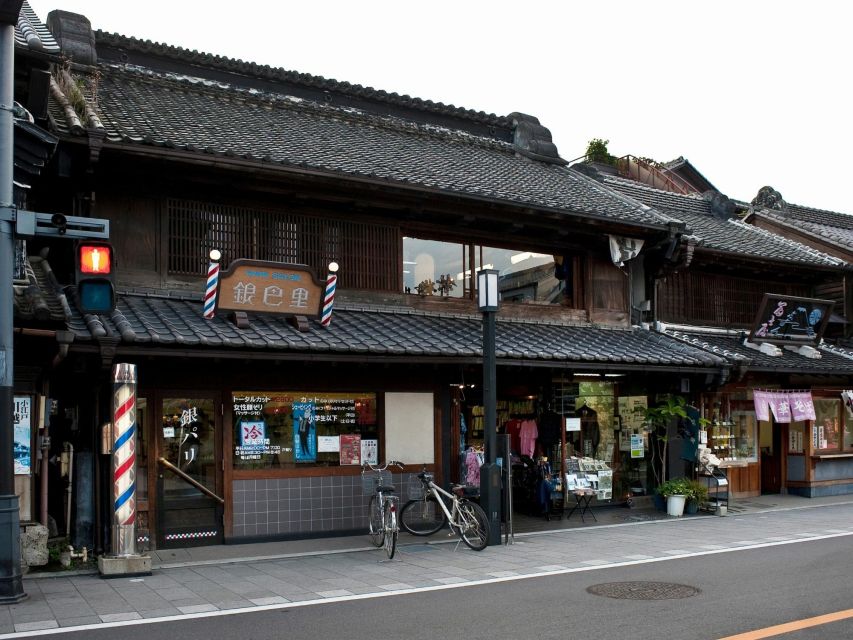
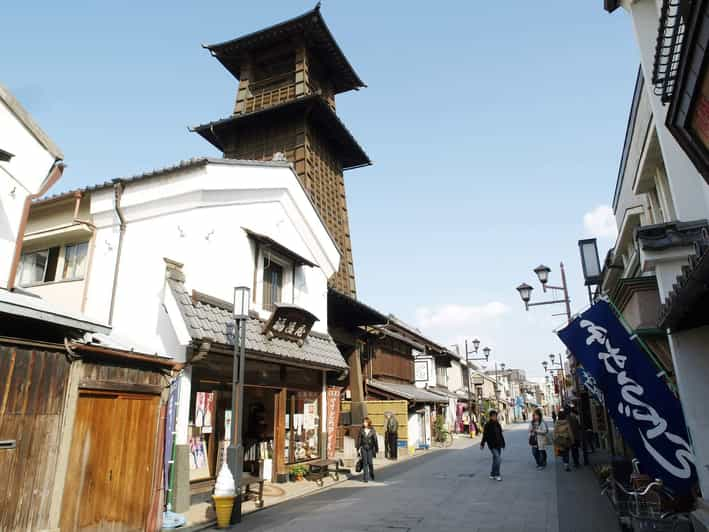
Toki no Kane, or the Bell of Time, is one of Kawagoe’s best-known sights. The tower recalls the town’s old timekeeping system and has become a visual symbol of its Edo-era character.
The tower itself is not a massive attraction that takes hours to explore. Its value comes from the setting and from the way it helps you orient yourself in the old town. Your host can guide you through the surrounding streets and point out the older structures, stone walls, and details that might otherwise pass unnoticed.
This is a good example of why expectations matter. If you want major interiors, large exhibitions, or a dramatic single monument, Kawagoe may feel modest. If you like a town made up of small pieces, the bell tower works as part of a wider walk.
Bring comfortable shoes. The experience is a walking tour, and the schedule includes several districts and sights rather than one concentrated building.
Kurazukuri Street and the pleasure of browsing
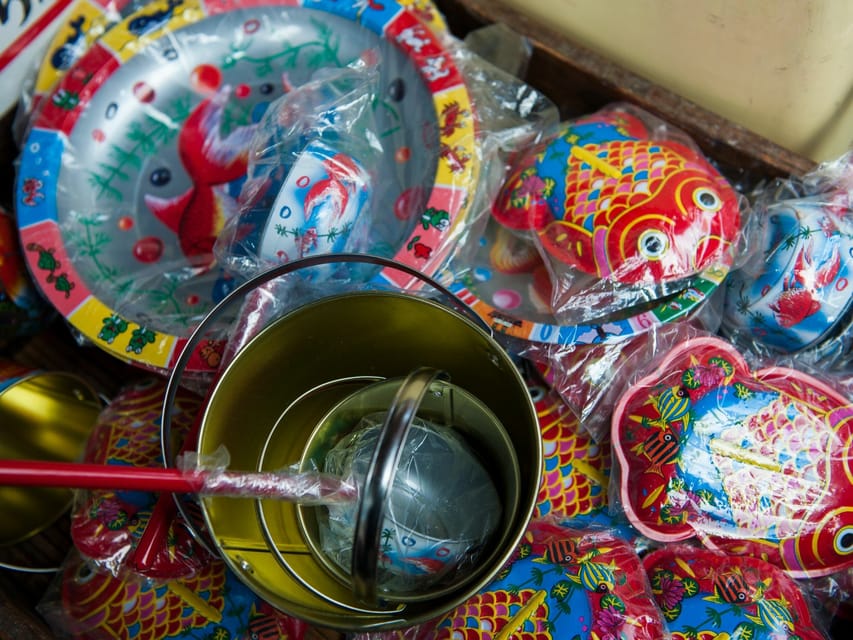
Kurazukuri Street is where Kawagoe’s old commercial identity is easiest to see. Traditional storehouses with dark tile roofs now house shops selling snacks, crafts, souvenirs, and other local goods.
I like this part of the day because shopping here can feel connected to the town rather than added as a compulsory stop. You can look for small crafts and gifts while seeing how thick-walled merchant buildings have been reused.
The private setup is useful for shopping because you can tell your host what interests you. Some people want edible gifts, others want handmade goods, and some would rather spend the time taking photographs and learning about the buildings. The guide can help keep the pace suited to you.
One caution: do not expect unlimited browsing time if you also want to visit Kita-in Temple, Hikawa Shrine, the bell tower, and the museums. One account of the experience found that the day involved walking around and only brief stops inside shops. If shopping is your main goal, say that clearly before the route begins.
Penny Candy Lane and sweet potato treats
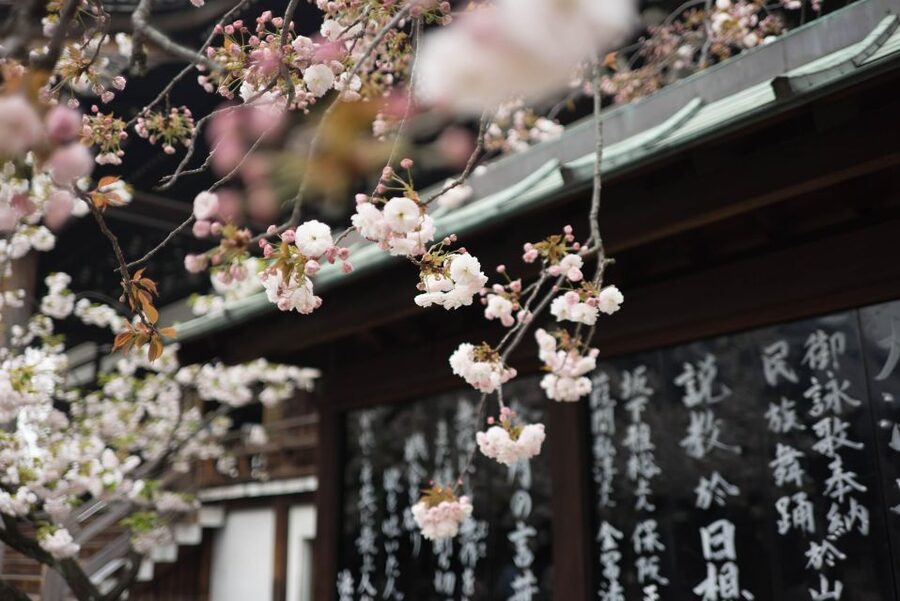
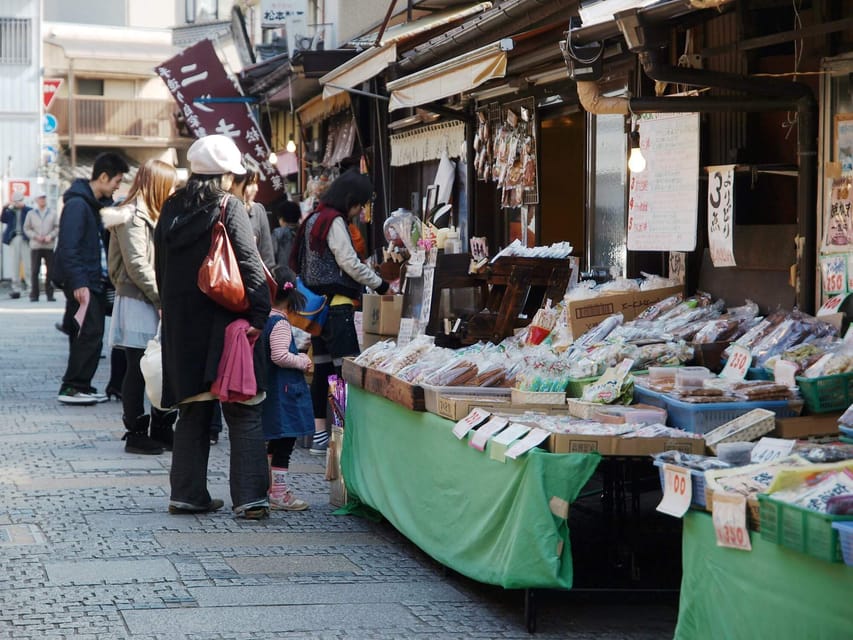
Penny Candy Lane, known for its old-fashioned sweets, adds a playful stop to the historical walk. The rustic street is associated with inexpensive candy and local snacks, making it a good place to try something different from the usual Tokyo food circuit.
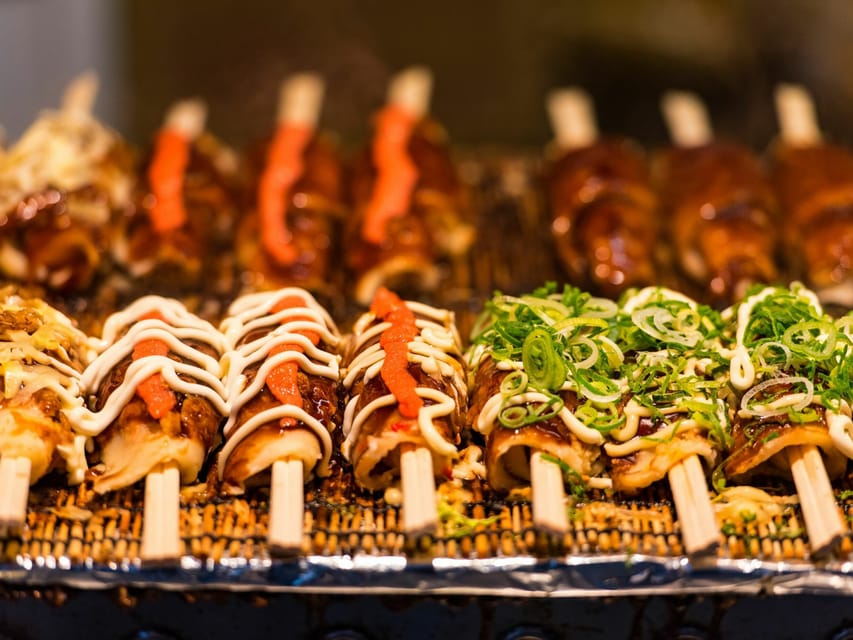
Kawagoe is especially known for sweet potato products. You might find sweet potato flavored sweets and other unusual variations as you browse. Your host can show you how to approach local delicacies, including boiled eel, and help you decide how adventurous you want to be.
Food and drinks are not included in the $264 price. That is a drawback for anyone hoping for a fully packaged food tour, but it also means you choose what you want to buy and eat. Budget extra if tasting local items is one of your priorities.
The food stops are best understood as part of the street experience, not as a formal series of restaurant reservations. The supplied details do not promise a particular restaurant, menu, or number of tastings. Tell your host if food is central to your day so the plan can reflect that.
Museums and the Kawagoe Festival story
Kawagoe’s museums help explain parts of the town that you cannot see during an ordinary walk. The Festival Museum is particularly useful if your visit does not coincide with the annual Kawagoe Festival.
The festival is known for large floats and summer celebrations in the streets. The museum gives you a way to understand that tradition outside the festival dates, when the event itself is not taking place.
This is a good stop for families and for anyone who wants more than old buildings. The large floats and festival displays can make the town’s past feel active rather than distant. Admission is extra, and the exact museum time depends on how your private route is arranged.
A six-hour visit cannot cover every museum in depth. You will get more from the day if you choose a few themes instead of trying to collect every possible sight.
What the private guide adds
The strongest part of this experience is the human element. You are matched with an English or Japanese speaking host based on your interests and requests, then spend six hours with that person rather than joining a large group.
That arrangement can be especially helpful if you are visiting Japan for the first time and want someone to explain customs, food, buildings, and local history as you go. It also suits families and mixed-age groups, since the pace can be adjusted instead of being set by strangers.
Past guides named Lauren and Leon received especially warm praise for kindness, flexibility, and personal attention. One family found Leon’s stories and customized approach worked well for teenagers. Another account described Lauren as genuine, accommodating, and thoughtful. Those details suggest the guide relationship can make a major difference.
Still, a private guide is not automatically the right choice for everyone. If you prefer to wander alone, use a map, and spend as long as you like in shops, you may find the $264 price hard to justify. The tour is most useful when you want conversation, local explanation, and help shaping the day.
Is six hours enough for Kawagoe?
Six hours is enough for a solid introduction. You can cover the major old-town sights, include at least one temple or shrine, browse shops, and sample local food.
It is not enough for a slow, exhaustive study of every museum and historic building. The walking itself takes time, and Kawagoe’s appeal comes from moving between districts rather than rushing from one ticketed attraction to the next.
The tour can run in all weather, so plan for rain, heat, or cold depending on the season. Since much of the experience takes place outdoors, comfortable shoes and suitable clothing will make a real difference.
Wheelchair access is listed as available, but the town includes streets, temple areas, and historic buildings with differing layouts. If you use a wheelchair, discuss your needs when arranging the personalized plan so the route can be adjusted as far as possible.
What the $264 price really buys you
The price is easiest to defend for couples, families, or small private groups who value personal attention. You are getting a six-hour private walking experience, a host who can shape the route, and help with local food, sights, and navigation.
The price is harder to defend if you mainly want transport to Kawagoe and a few famous photo stops. You still pay for trains or other transportation, food and drinks, and attraction tickets. Those additions can make the day noticeably more expensive.
I would compare the cost with your priorities. A first-time visitor who wants context, has limited time, or is traveling with children may get strong value from the flexibility. Someone comfortable planning an independent Kawagoe visit can see many of the same streets and landmarks for much less.
Free cancellation up to 24 hours before the start and the option to reserve now and pay later give you some booking flexibility. The tour runs with English or Japanese guidance and is offered for private groups.
Who should book this Kawagoe day trip?
Book it if you want to see an older side of the Tokyo area without planning every train, street, shrine, and food stop yourself. It is a particularly good fit for families, couples, first-time visitors, and anyone who wants a guide to adjust the day around personal interests.
It also works well for visitors who enjoy small details: roof tiles, old shop buildings, temple rooms, festival floats, local sweets, and the connection between Kawagoe and Edo Castle.
Think twice if you have only a few days in Tokyo and prefer major city sights, or if you dislike walking and browsing. One account found the day less exciting than other options around Tokyo because it centered on walking and short shop visits. That is a fair warning. Kawagoe rewards curiosity and patience more than a hunger for spectacular attractions.
FAQ
Where does the tour begin?
You meet your host by the main door of the tourist center near the South East Exit of JR Shinjuku Station.
How long does the experience last?
The experience lasts six hours.
Is transportation from Tokyo included?
No. Transportation costs are not included in the activity price.
Are food and drinks included?
No. You pay separately for food and drinks purchased during the day.
Are attraction admission tickets included?
No. Tickets to attractions are not included.
What languages are available?
The tour offers live guidance in English and Japanese.
Can the route be personalized?
Yes. The activity includes a private and personalized plan, and the tour can be adjusted to match your preferences.
Is the experience wheelchair accessible?
Yes, wheelchair accessibility is listed for this activity. You should discuss your specific needs when arranging the personalized route.
Should you book the Tokyo to Kawagoe private day trip?
This is a good choice when you want personal guidance and a flexible route, not simply a ride to a nearby town. Kawagoe gives you old merchant buildings, temples, shrines, sweets, crafts, and a direct link to Tokyo’s Edo past in one manageable outing.
Book it if the guide’s help will make the difference for you. Skip it if you want the lowest-cost option or prefer to explore independently. At $264 per person before transport, food, and admission, the value depends on how much you want the local host to shape and explain your day.
Just added around Tokyo
- Private Memorable Tokyo Tour with English Speaking Driver★ 5.0 · 30 reviews
- Private Tokyo Custom Full-Day Tour by Chartered Vehicle★ 5.0 · 16 reviews
- Private Sightseeing to Mt Fuji and Hakone with English Driver★ 5.0 · 51 reviews
- Tokyo Photography Masterclass – Private Photography Lesson★ 5.0 · 25 reviews
- Private Mt. Fuji Day Trip from Tokyo with English-Speaking Driver★ 5.0 · 33 reviews
- 4 Day Tour – Mount. Fuji, Tokyo, Hakone, Kamakura and Yokohama★ 5.0 · 19 reviews
- Private Unforgettable Mt Fuji Tour with English Speaking Driver★ 5.0 · 142 reviews
- Private Tokyo Food Tour – A Journey Through Time Through Food★ 5.0 · 36 reviews
Historical Tours, compared.
World Heritage Shirakawa-go and Experience Tours from Kanazawa
Read our review →
Imperial Palace and Shogun Historical Walking Tour
Read our review →
World Heritage Kyoto & Nara Uji Authentic Matcha Experience
Read our review →
Kyoto Gion: 2-Hour Geisha Culture & History Walking Tour
Read our review →
World Heritage Shirakawa-go Morning Guided Tour
Read our review →
Hiroshima Historical Walking Tour – Why A-Bomb was Dropped
Read our review →
Hiroshima Peace (Heiwa) Walking Tour at World Heritage Sites
Read our review →Browse the lists this tour appears in