
REVIEW · TEMPLE & SHRINE TOURS
Tokyo: Meiji Shrine Walking Tour — Shinto & Imperial System
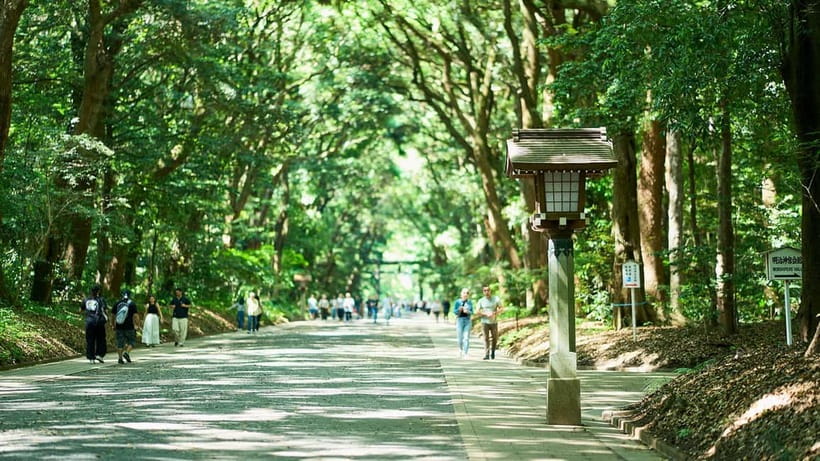
The striking thing about this tour is how quickly Tokyo disappears. From Harajuku Station, you enter a forest of roughly 100,000 trees, and the traffic noise gives way to birdsong and broad, shaded paths. Then comes the huge wooden torii, made from a 1,500-year-old Taiwanese cypress.
I like two things especially: the small group, limited to 10 people, keeps explanations personal, and the guide shows you how to behave at a shrine rather than leaving you to guess. Guides including Keiko, Yuuka, Ayaka, Yuki, and Nonoka have been praised for clear English, patience, history lessons, and help with fortunes, amulets, photos, and prayers.
The main consideration is time. The walk can last from 90 to 135 minutes, but Meiji Shrine is a large site, and a guided introduction will not cover every corner. The tour is also English only, with no Japanese-language support.
In This Review
- Key points to know before booking
- From Harajuku Station into a forest without city noise
- Sake barrels, wine barrels, and the shrine’s modern connections
- Passing beneath the great torii respectfully
- Emperor Meiji, Empress Shoken, and Japan’s great change
- The main shrine: watching and taking part
- Ending at Forest Terrace and Café Mori no Terrace
- Why the small group matters
- Is $23 a good value?
- Who should take this Meiji Shrine tour?
- Final decision: book it for context, not just scenery
- FAQ
- How much does the Meiji Shrine walking tour cost?
- How long does the tour last?
- Is the tour conducted in English?
- How many people are in the group?
- Where does the tour start?
- Where does the tour finish?
- What does the tour explain at Meiji Shrine?
- Can I buy charms or fortunes during the visit?
- Can I cancel the booking?
Key points to know before booking
- The city falls quiet inside the forest: Meiji Shrine gives you a calm break from Harajuku’s crowded streets.
- The 12-meter torii is a major highlight: Its timber comes from a 1,500-year-old Taiwanese cypress.
- You learn shrine etiquette in real time: Your guide explains where to walk, how to make an offering, and how to approach Shinto customs respectfully.
- The history reaches beyond the shrine: Expect discussion of Emperor Meiji, Empress Shoken, the imperial system, and Japan’s move from samurai rule to a modern state.
- Small groups make questions easy: With no more than 10 participants, guides can adjust explanations and help with photos or shrine activities.
- The tour ends with a gentle pause: Café Mori no Terrace offers Japanese tea, light snacks, and a gift shop with shrine-themed keepsakes.
From Harajuku Station into a forest without city noise
The meeting point is at or near Harajuku Station, depending on the option you book. That is a useful starting point because the station puts you beside one of Tokyo’s liveliest areas, while Meiji Shrine begins almost at once in the opposite mood.
The opening walk takes you toward Meiji Jingu Ichino Torii, the first major gate. Your guide sets the scene here, explaining why the shrine was built and how it fits into Japan’s modern history. This early context matters. Without it, Meiji Shrine can look like a beautiful wooded approach leading to a large Shinto building. With it, the site becomes a place tied to national memory, imperial change, religion, and Tokyo life.
I like the contrast. Harajuku is famous for shops, youth culture, and crowds. Meiji Shrine offers a broad path beneath trees. The change is not gradual. You can feel the city recede as you walk.
The path is part of the experience, not just a way to reach the shrine. You may hear birds and wind rather than traffic, though the site is still in central Tokyo. Wear comfortable shoes. The route is a walking tour, and the ground may feel less easy than a normal city pavement in places.
More Temple & Shrine Tours in Tokyo
- Tokyo: Meiji Shrine, Asakusa, Skytree Bus Tour and Cruise
★ 4.7 · 1,986 reviews - Tokyo: Asakusa Walking Tour with Sensoji Temple Visit
★ 4.8 · 1,583 reviews - Nikko: Kegon Falls, Lake Chuzenji & Toshogu Temple
★ 4.6 · 1,577 reviews
Sake barrels, wine barrels, and the shrine’s modern connections
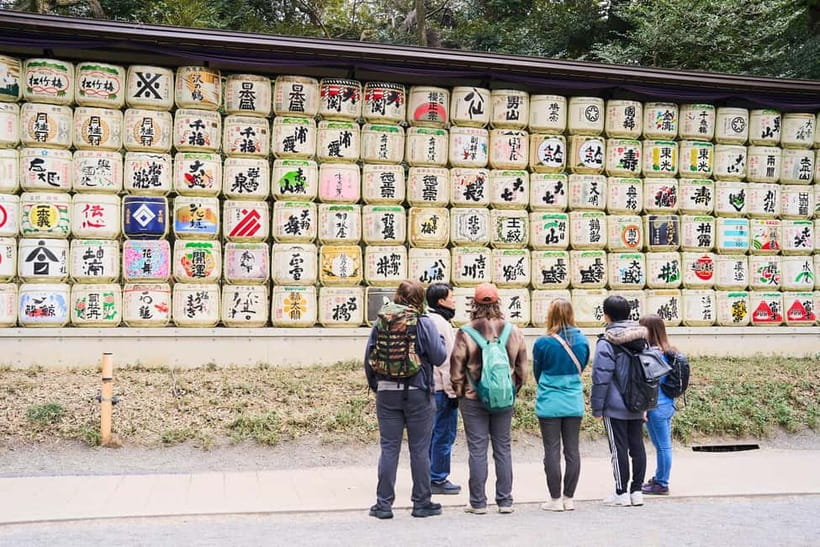
One of the early stops is the display of consecrated wine barrels. You will also see rows of consecrated sake barrels. These are among the most photographed details along the approach, and they give your guide a chance to explain how offerings connect the shrine with businesses, communities, and religious practice.
The wine barrels are a reminder that Meiji Shrine is not cut off from Japan’s modern identity. Wine has a place in the country’s international story, while sake points to older traditions. The pair makes a useful visual lesson: Meiji-era Japan looked both backward and outward.
The sake barrels are tightly stacked and decorated, so they make an easy photo stop. More important, they help explain that a Shinto shrine is not simply an old building preserved for sightseeing. It is a living place where people continue to make offerings, pray, mark important occasions, and take part in ceremonies.
The tour gives you about five to ten minutes at these stops. That is enough for an explanation and photographs, but not enough for a long, unhurried study. If you enjoy taking many pictures, use the guide’s explanations as your main focus and save extra camera time for the free period at the main shrine.
Passing beneath the great torii respectfully
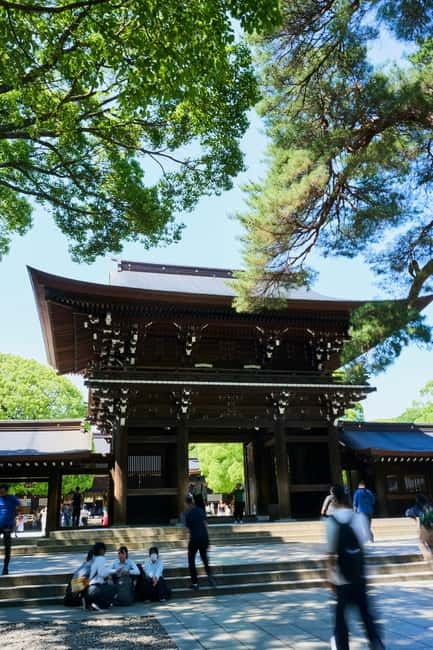
The Big Torii is the visual centerpiece of the approach. At 12 meters high, it is imposing without being ornate. The timber itself does much of the work. The gate was crafted from a 1,500-year-old Taiwanese cypress, a detail that gives the structure an unusual sense of age before you even reach the shrine buildings.
Your guide explains the customary way to pass through. The center of the path, called seichu, is regarded as the route reserved for deities, so you walk along one side rather than straight down the middle. This is a small detail, but it is exactly the sort of thing that makes a guided visit useful. You are not just looking at the gate. You understand how to move through the sacred space.
The same principle applies when leaving. Follow the guide’s example and avoid treating the torii like an ordinary entrance. A quick lesson in etiquette helps you feel more at ease for the rest of your Japan trip, since the customs apply beyond this one shrine.
The gate is also a good place to appreciate scale. The forest path, the clean lines of the timber, and the people moving quietly beneath it create a strong first impression. It is one of the few stops where you may want to pause before listening, simply to take in the structure.
Emperor Meiji, Empress Shoken, and Japan’s great change
The tour is not only about Shinto practice. It also uses Meiji Shrine to explain Japan’s transition from the samurai era to the modern period.
The shrine honors Emperor Meiji and Empress Shoken. Your guide discusses their place in Japan’s 2,600-year-old imperial system and the changes associated with the Meiji period. This is a useful bridge between the religious setting and the country you see today: a constitutional state, major industrial power, and modern society shaped by a period of rapid change.
The history can become complicated, especially if you are new to Japan. A good guide breaks it into manageable pieces. Yuki, Yuuki, Keiko, Ayaka, Yuuka, and Nonoka have all been singled out for making the subject clear and engaging, while helping visitors connect the shrine’s story to wider Japanese culture.
Some guides bring extra visual material. Yuuka, for example, has shown historical photographs of the area before construction began. That sort of comparison helps you understand that the forest around the shrine was created as part of the project, rather than assuming it has always looked exactly as it does now.
You will also hear about the difference between Shinto shrines and Buddhist temples, and between Japanese poetic forms such as haiku and waka. These details are not random side notes. They help you read the symbols, buildings, offerings, and written items you encounter later.
More Walking Tours in Tokyo
- Tokyo Tsukiji Fish Market Food and Culture Walking Tour
★ 5.0 · 3,184 reviews - Tokyo: Imperial Palace and Shogun Historical Walking Tour
★ 5.0 · 2,251 reviews - Tokyo: Shinjuku Local Bar and Izakaya Guided Walking Tour
★ 4.9 · 1,794 reviews - Tokyo: Tsukiji Fish Market Food and Walking tour
★ 5.0 · 1,724 reviews
The main shrine: watching and taking part
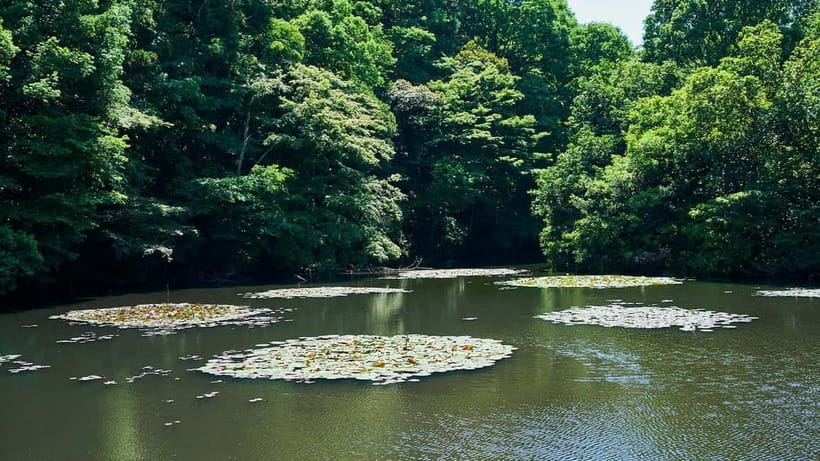
The main Meiji Shrine visit lasts about 45 minutes, the longest stop on the route. Here you have time to listen, look around, take photographs, shop for religious items, and try the shrine customs with guidance.
Shinto is rooted in respect for nature and harmony with the divine. The forest makes that idea easy to grasp. The shrine buildings provide the formal setting, but the trees, open approach, and quiet are just as important to the feeling of the place.
Your guide explains how to pay your respects and what not to do. You may be shown how to approach the offering area and how to take part in the prayer process. One guide has even supplied coins when visitors did not have suitable change, while others have helped people write wishes, follow New Year customs, or make their way through shrine activities.
That assistance is valuable if this is your first shrine visit. You can copy what others are doing, but copying without understanding can feel awkward. A guide gives you the reason behind each step and helps you avoid treating a religious site like a photo backdrop.
Keep your expectations realistic. The tour does not promise a private ceremony or special access. You are visiting a public shrine during normal activity, and the atmosphere can change with the day. One guide helped a group watch a wedding, but that is an incidental possibility, not a scheduled feature.
The free time also lets you choose your own pace. You might focus on the architecture, watch people come to pray, or browse the shrine shop. If you want an omamori, a protective charm, this is the place to buy one. You can also find Omigokoro, a distinctive type of omikuji featuring poems written by Emperor Meiji and Empress Shoken. English translations make these poems approachable for international visitors.
The guide can explain the meaning and customs, but the purchase is your own expense unless otherwise stated. Treat the items as religious objects first and souvenirs second.
Ending at Forest Terrace and Café Mori no Terrace
After the shrine, the group heads to Forest Terrace Meiji Jingu and Café Mori no Terrace. The planned break is about 15 minutes, so think of it as a short rest rather than a full meal.
You can enjoy Japanese tea and light snacks while looking out at the surrounding scenery. This is a welcome finish after walking the long approach, especially if you have arrived early or plan to continue around Harajuku afterward.
The gift shop sells unusual mementos. Eco-blocks made from fragrant Japanese camphor offer a small connection to the shrine’s wooded setting. Miniature barrels of sacred sake make a more specific keepsake than a standard Tokyo souvenir.
Café purchases and gifts are not listed as included in the $23 tour price, so budget separately if you want tea, food, or shopping time. The short stop is convenient, but it may feel rushed if you want to sit for long or browse every item.
Why the small group matters
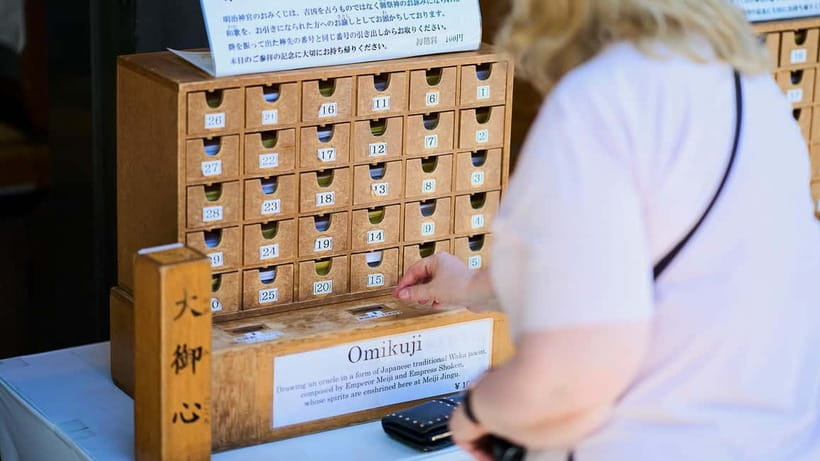
A maximum of 10 people is a good fit for this site. The forest paths are broad, but the shrine approach has many details that are easy to miss when you are following a large flag or standing at the back of a crowd.
The guides have been praised for patience, humor, clear English, and personal attention. Ayaka has helped with photographs and shrine customs. Yuuka has used historical photos and adjusted explanations to the group. Yuki has tailored a tour to one person’s interests when the group was especially small. Keiko has been noted for answering difficult questions and making the visit feel welcoming.
These details show what you are paying for. The value is not skip-the-line access or luxury transport. It is the human explanation that turns a walk through a famous site into a lesson in how the place works.
The small group also helps if you have questions about etiquette. You can ask how Shinto differs from Buddhism, what a fortune means, why the sake barrels are displayed, or how the imperial system fits into the shrine’s story. In a group of 10 or fewer, you are more likely to be heard.
Is $23 a good value?
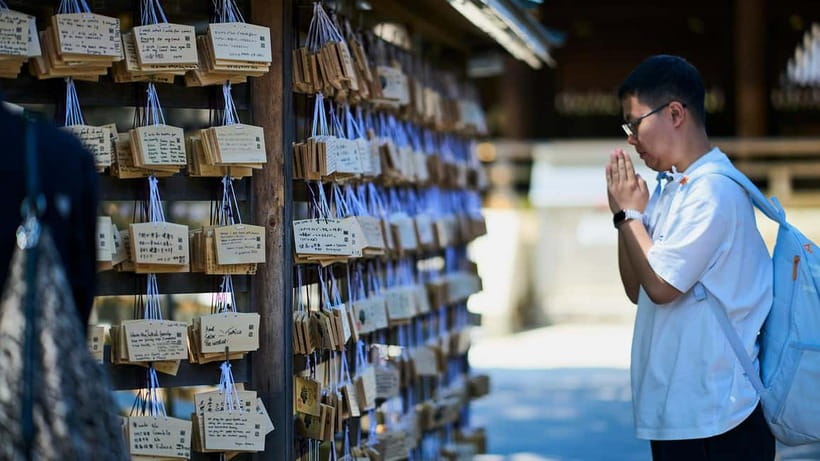
At $23 per person, this is a modestly priced guided experience for Tokyo. Meiji Shrine itself is the kind of place you can visit without paying for a guide, so the question is whether the explanations and practical help justify the extra cost.
For a first visit to Japan, I think the answer is yes. The tour covers the forest approach, torii etiquette, consecrated barrels, imperial poetry, shrine customs, the Meiji period, and the main worship area. It also leaves time for your own photographs and shopping.
The value is strongest if you are unsure how to behave at a shrine or want historical context. It is also useful early in a Japan itinerary. Several guides have helped people understand customs they could then use at other shrines during the trip.
The value is weaker if you want a completely quiet visit, a long photography session, or a detailed architectural study. You will be listening and moving according to the group’s pace. Since the tour can run from 90 to 135 minutes, check the available start time before booking and leave room in your day.
Free cancellation up to 24 hours before the start and the option to reserve now and pay later add flexibility. The meeting point and return point are both connected with Harajuku Station, though the exact meeting arrangement can vary by booking option.
Who should take this Meiji Shrine tour?
I would choose this for first-time visitors who want cultural guidance without committing to a full-day tour. It is also a good pick for families, couples, solo visitors, and anyone who wants to ask questions rather than simply follow a map.
History fans will get the most from the discussion of Emperor Meiji, Empress Shoken, the imperial system, and the shift from samurai rule to modern Japan. People interested in religion will appreciate the practical explanation of Shinto, offerings, prayers, charms, and shrine behavior.
It suits visitors who prefer a gentle walking pace with several stops. The forest is calming, but you still spend most of the experience on foot, so comfortable shoes are sensible.
I would think twice if you need a tour in Japanese, since support is English only. I would also skip it if your main goal is shopping in Harajuku or taking an entirely independent stroll. The tour has a clear educational purpose, and that is where your money goes.
Final decision: book it for context, not just scenery
Meiji Shrine is beautiful on its own, but beauty is the easy part. The better reason to book this tour is that a guide explains what you are seeing and shows you how to take part respectfully.
For $23, the combination of a quiet forest walk, the giant cypress torii, imperial history, Shinto customs, and a short café break is strong value. The consistently high 4.9 rating across 266 reviews also matches the practical strengths of the experience: guides such as Keiko, Yuuka, Ayaka, Yuki, and Nonoka are praised for clear English, warmth, patience, and personal help.
Book it if you are beginning your Japan trip or feel unsure about shrine etiquette. Visit independently if you already know the customs and prefer to wander slowly. For most first-time visitors, this is an efficient and friendly way to understand one of Tokyo’s most important sacred sites.
FAQ
How much does the Meiji Shrine walking tour cost?
The tour costs $23 per person.
How long does the tour last?
The tour lasts between 90 and 135 minutes, depending on the selected start time and option.
Is the tour conducted in English?
Yes. The live guide speaks English, and Japanese-language support is not available.
How many people are in the group?
The group is limited to 10 participants.
Where does the tour start?
There are two listed starting-location options at Harajuku Station, written as 原宿駅 and Harajuku Station. The exact meeting point may vary by booking option.
Where does the tour finish?
The listed drop-off options are Harajuku Station and 原宿駅.
What does the tour explain at Meiji Shrine?
The tour covers Shinto customs, shrine etiquette, the imperial system, Emperor Meiji and Empress Shoken, the Meiji period, consecrated sake and wine barrels, and Japan’s move from the samurai era to modern times.
Can I buy charms or fortunes during the visit?
Yes. At the shrine, you can purchase omamori protective charms and Omigokoro, a type of omikuji featuring poems by Emperor Meiji and Empress Shoken with English translations.
Can I cancel the booking?
You can cancel up to 24 hours in advance for a full refund. The activity also offers reserve-now, pay-later booking.
Just added around Tokyo
- Tokyo: Customizable Private Guided Walking Tour★ 4.5 · 129 reviews
- Private Harajuku Omotesando Architecture Tour★ 4.9 · 18 reviews
- Tokyo: Guided Helicopter Ride★ 4.9 · 24 reviews
- Tokyo: Guided Walking Tour of Tsukiji Market with Lunch★ 4.4 · 24 reviews
- Tokyo: Private Personalized Local Food Tour★ 4.5 · 101 reviews
- Tokyo GINZA: KONPARU Japanese Cabaret Show with Drink★ 4.8 · 38 reviews
- Tokyo: Guided Walking Tour of Tsukiji Market with Breakfast★ 4.4 · 134 reviews
- Tokyo: Gotokuji Cat Temple, Shinjuku Cat Cafe & 3D Cat Tour★ 4.9 · 38 reviews
Temple & Shrine Tours, compared.
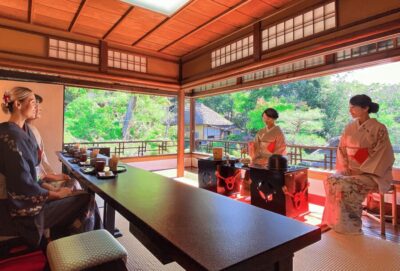
Tea Ceremony in a Traditional Tea House in Kiyomizu
Read our review →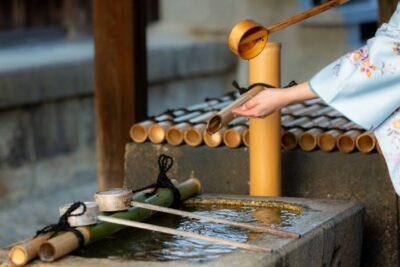

Meiji Shrine, Asakusa, Skytree Bus Tour and Cruise
Read our review →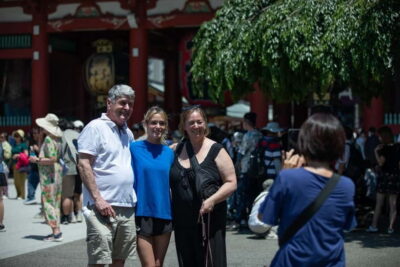
Asakusa Walking Tour with Sensoji Temple Visit
Read our review →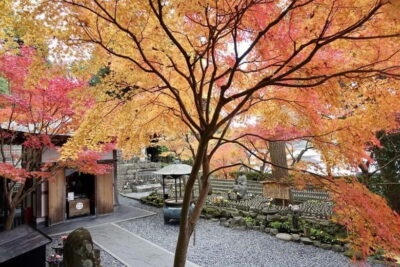
Kamakura & Enoshima Day Trip including Temple Tickets
Read our review →
Kyoto/Osaka: Nara, Fushimi Inari Taisha, Arashiyama Bus Tour
Read our review →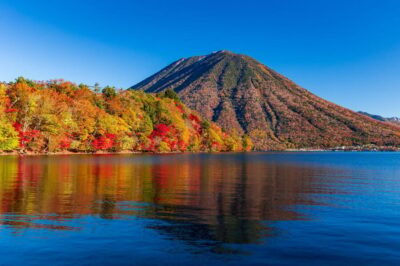
Nikko Toshogu Shrine and Kegon Waterfall Tour
Read our review →
Tokyo Panoramic 1 Day: Meiji Shrine, Asakusa, Odaiba and SKYTREE®
Read our review →Browse the lists this tour appears in