
REVIEW · TEMPLE & SHRINE TOURS
Tokyo: Meiji Shrine and Shinto Culture Walking Tour
Meiji Jingu is one of Tokyo’s easiest places to underestimate. You enter from busy Harajuku, pass beneath a huge wooden torii, and soon find yourself on a quiet forest path. The shrine’s scale is impressive, but the Shinto customs are what give the visit meaning. A guide explains why people bow, how they cleanse themselves, and what they are doing at the main shrine.
I like two things in particular: the small group size, capped at 15, and the price of $18. That is a modest cost for two hours of explanation in a place where a solo visitor can easily walk past important details. Guides such as Yumi, Sara, Haydn, Matt, and Benjamin are praised for clear explanations and a friendly approach.
The main consideration is pace. This is a walking tour, not a quick photo stop, and Meiji Jingu’s forested grounds require time on foot. The tour also ends where it begins, so you should plan your next activity around Harajuku rather than expect transportation to another part of Tokyo.
In This Review
- Key points to know before booking
- Why Meiji Jingu works best with a guide
- Meeting at Harajuku and entering the forest
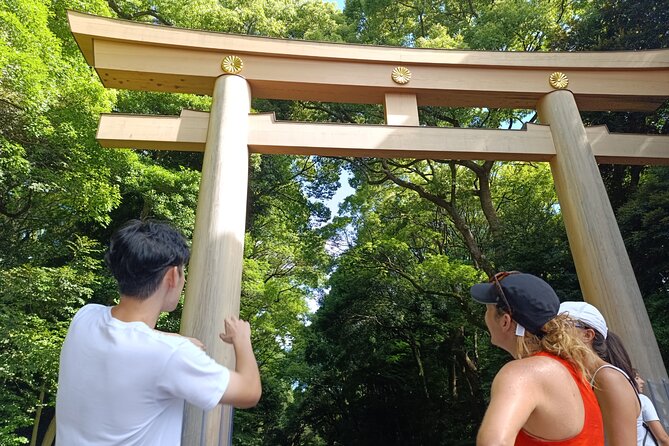
- The 12-meter wooden torii
- Walking through the 70-hectare forest
- Learning Shinto rituals you might miss alone
- Reaching Meiji Jingu’s main shrine area
- The guides and the feel of the group
- Is $18 a fair price?
- Timing, walking, and practical planning
- Who will get the most from this walk?
- Should you book the Meiji Shrine walking tour?
- FAQ
- How long does the Meiji Shrine walking tour last?
- How much does the tour cost?
- Where does the tour begin?
- Where does the tour end?
- How large is the tour group?
- Is admission to Meiji Jingu included?
- Can I cancel for a full refund?
Key points to know before booking
- The giant torii sets the tone: The main wooden gate is about 12 meters tall and 17.1 meters wide, one of the largest wooden myojin-style torii in Japan.
- The focus is Shinto culture: You learn the meaning behind bowing, ritual cleansing, shrine behavior, and other customs many independent visitors miss.
- The forest is part of the experience: Meiji Jingu sits within a 70-hectare artificial forest in central Tokyo.
- The group stays fairly small: A maximum of 15 people allows room for questions and direct conversation with the guide.
- The meeting point is simple to find: The walk starts at Starbucks Coffee With Harajuku in the WITH HARAJUKU building.
- The tour is good value at $18: Admission to Meiji Jingu is included, and the fee mainly buys context and guidance rather than reserved access.
Why Meiji Jingu works best with a guide
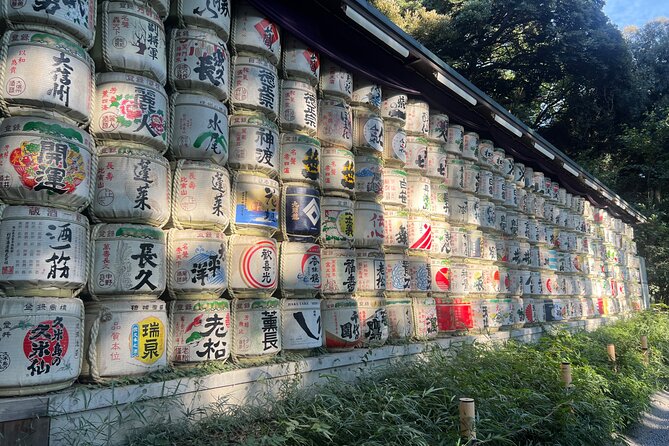
You can visit Meiji Jingu on your own without paying an admission fee, but the shrine is not simply a large gate and a handsome building. Its design, rituals, and setting carry meaning that is easy to miss if you only take photographs and move on.
A guide gives you a framework for the visit. You learn that Meiji Jingu is a Shinto shrine dedicated to the deified spirits of Emperor Meiji and Empress Shoken. The shrine opened in 1920 and honors the emperor and empress associated with Japan’s rapid modernization.
That historical setting matters. Meiji Jingu is not an ancient shrine from Japan’s distant past. It was created in the modern era, yet it uses traditional Shinto forms and sits within a vast planted forest. The combination helps you see how Japan connects older religious customs with the modern nation.
I also like that the tour deals with behavior, not just dates. You are shown how to approach a torii, how to perform the cleansing ritual, and how to act at the main shrine. These instructions are practical, respectful, and useful at other Shinto shrines during your time in Japan.
More Temple & Shrine Tours in Tokyo
- Tokyo: Meiji Shrine, Asakusa, Skytree Bus Tour and Cruise
★ 4.7 · 1,986 reviews - Tokyo: Asakusa Walking Tour with Sensoji Temple Visit
★ 4.8 · 1,583 reviews - Nikko: Kegon Falls, Lake Chuzenji & Toshogu Temple
★ 4.6 · 1,577 reviews
Meeting at Harajuku and entering the forest
The tour starts at Starbucks Coffee With Harajuku, at the WITH HARAJUKU building in Jingumae. This is a useful meeting point because it is near public transportation and easy to connect with the Harajuku area before or after the walk.
The location also highlights one of Meiji Jingu’s great surprises. You begin in one of Tokyo’s busiest shopping and youth-culture districts, then move toward a shrine surrounded by trees. The contrast is immediate. You do not need to travel far from the city center to find a place that feels removed from the traffic and storefronts.
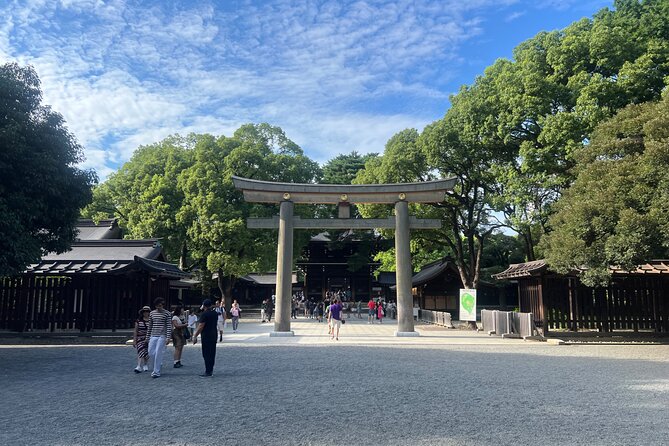
Your guide leads the group toward the shrine entrance and explains what to expect before you pass through the torii. This is a good moment to slow down. In Shinto practice, the torii marks the move from ordinary space into a sacred area. The act of entering is not just a backdrop for a selfie.
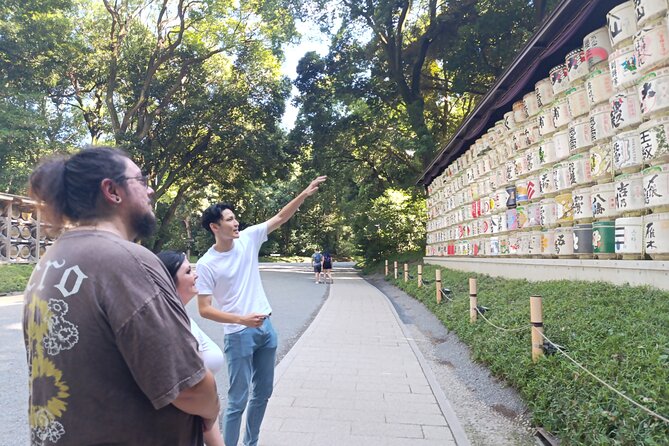
The path through the forest is part of the visit, not dead time between stops. The walk gives your guide room to explain the shrine’s purpose and the role of the forest. It also gives you a chance to adjust to a quieter pace after Harajuku’s crowded streets.
The 12-meter wooden torii
One of the tour’s most memorable sights is the enormous wooden torii at the shrine entrance. It rises about 12 meters high and stretches 17.1 meters across. It is described as the largest wooden torii of its myojin style in Japan.
Those figures are worth hearing in person because the gate’s size is difficult to judge in a photograph. Standing beneath it, you get a clear sense of the transition from the city to the shrine grounds. The gate is not merely decorative. It signals the sacred character of the place and prepares you for the rituals that follow.
A guide can also help you avoid a common mistake: treating the torii as an ordinary entrance. You will learn the basic etiquette connected with passing through it, including the respectful behavior expected at the boundary. These are small actions, but they help you visit the shrine with greater awareness.
This stop is especially useful for first-time visitors to Japan. Once you understand the meaning of a torii here, you can recognize similar boundaries at other Shinto shrines. The lesson travels well beyond Meiji Jingu.
Walking through the 70-hectare forest
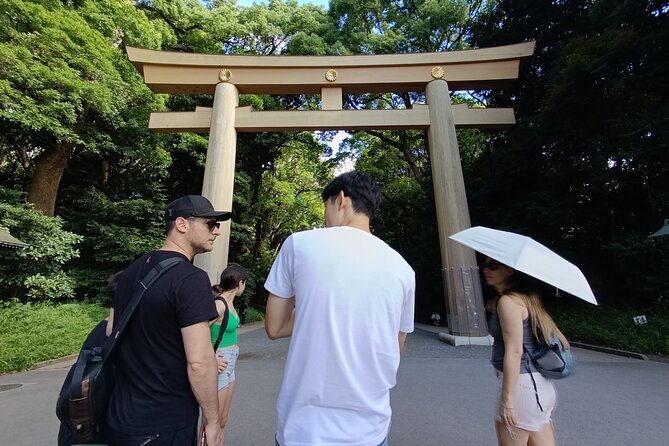
Meiji Jingu occupies a large artificial forest of about 70 hectares. That fact changes how you experience the shrine. You are not simply walking from a city sidewalk to a single building. You are moving through a broad green setting designed to create separation from central Tokyo.
The forested approach is one of the strongest parts of the tour because it gives the guide time to explain the shrine before you reach the main worship area. You can ask questions as you walk, rather than trying to speak quietly in front of the shrine itself.
The setting also makes this a good choice for anyone who wants a break from Tokyo’s dense streets. You still have the convenience of Harajuku nearby, but the shrine grounds offer a slower and calmer hour. The path may feel longer than expected, so wear shoes suited to walking and allow the full two hours.
The artificial nature of the forest adds an interesting point of context. This is not simply a patch of untouched woodland left in the middle of the city. The grounds were created as part of the shrine project, which makes the setting an important part of Meiji Jingu’s story.
More Walking Tours in Tokyo
- Tokyo Tsukiji Fish Market Food and Culture Walking Tour
★ 5.0 · 3,184 reviews - Tokyo: Imperial Palace and Shogun Historical Walking Tour
★ 5.0 · 2,251 reviews - Tokyo: Shinjuku Local Bar and Izakaya Guided Walking Tour
★ 4.9 · 1,794 reviews - Tokyo: Tsukiji Fish Market Food and Walking tour
★ 5.0 · 1,724 reviews
Learning Shinto rituals you might miss alone
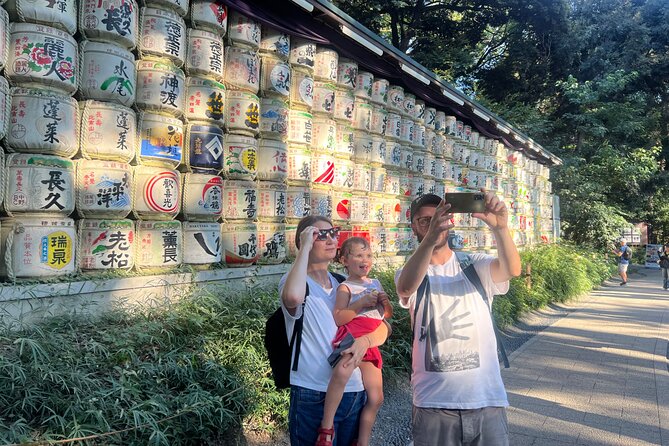
The tour’s central value is its explanation of Shinto practice. Your guide shows you how to approach the shrine properly and explains the customs that happen along the way.
Ritual cleansing is one example. Before worship, visitors use water to clean their hands and mouth at a purification fountain. The steps are easy to copy, but without guidance you may not know the order or the reason behind the actions. A guide helps you take part respectfully instead of guessing.
You also learn about bowing at the gates and the proper conduct around the shrine buildings. These customs are not difficult, but they can feel awkward if you have never seen them explained. The guide makes them feel approachable rather than formal or intimidating.
The main value is not memorizing a set of rules. It is understanding that a shrine visit is an act of respect, not just sightseeing. Once that point is clear, the rituals make more sense and your later visits to other shrines become easier.
The group format helps here. With no more than 15 people, you can ask why a custom is performed, what a symbol means, or how shrine etiquette differs from everyday behavior. The experience is more useful than listening to a long speech from far away.
Reaching Meiji Jingu’s main shrine area
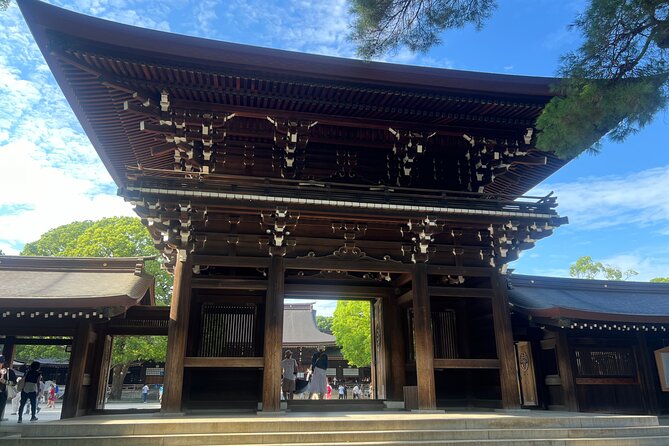
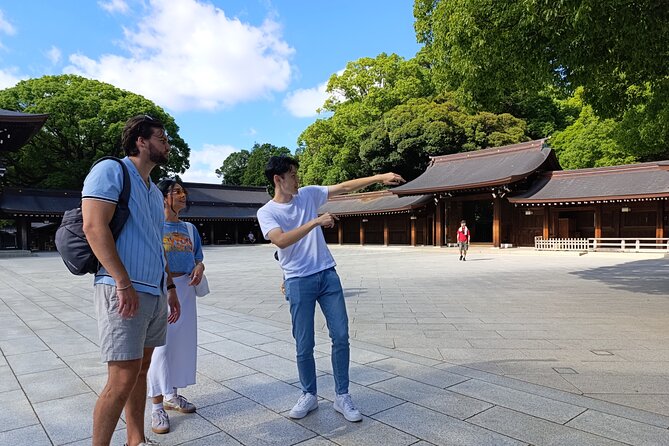
The main stop is Meiji Jingu itself, with about an hour listed for the shrine visit. Your guide brings together the history, religious customs, and physical setting as you reach the central area.
Meiji Jingu honors Emperor Meiji and Empress Shoken, who are remembered as important figures in Japan’s modern transformation. The shrine’s connection to them gives the visit a different character from a shrine dedicated to a much older deity or local tradition.
You will see a major Shinto site functioning as a place of worship, not only as a monument. That distinction is worth keeping in mind. People may be visiting for personal religious reasons, so your guide’s advice about respectful conduct is useful.
The tour does not promise special access, skip-the-line entry, or a private ceremony. Its strength is interpretation. Admission is included, but the real purchase is the explanation of what you are seeing and doing.
The one-hour stop should suit most people who want an introduction rather than a detailed architectural study. If you prefer to linger quietly, take many photographs, or explore every path, the group schedule may feel limiting. You can always return independently if the shrine catches your interest.
The guides and the feel of the group
The quality of a walking tour depends heavily on the person leading it. Here, named guides including Yumi, Sara, Haydn, Matt, and Benjamin have received strong praise for friendly, clear, and thoughtful guiding.
Yumi is described as accommodating and helpful with practical Tokyo advice. That can add value beyond Meiji Jingu, especially if you want suggestions for getting around the city. Sara is noted for being interactive and for explaining the important parts of Shinto customs in a way that worked well for a family group.
Haydn’s tour is described as a worthwhile two-hour walk with detailed explanations of Shinto culture. Matt is praised for making the history of the Meiji Restoration and Emperor Meiji memorable, even in rainy weather. Benjamin is noted for a calm manner and clear explanations of customs such as bowing and ritual cleansing.
You should not assume you will receive a specific guide, since assignments can change. Still, these details give you a useful sense of the guiding style: educational, personal, and open to questions rather than stiff or purely scripted.
The maximum group size of 15 is a practical middle ground. It is not a private tour, but it is small enough for the guide to keep the group together and respond to questions. Families, couples, and solo visitors can all fit comfortably into this format.
Is $18 a fair price?
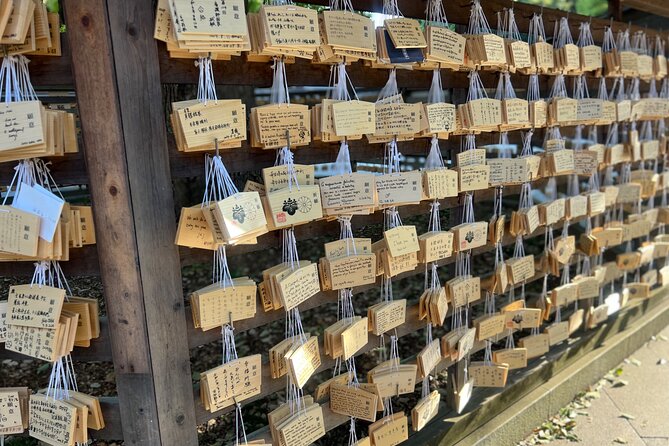
At $18 per person, this tour is priced well for a two-hour guided visit in Tokyo. Meiji Jingu itself is a public shrine, so you are not paying for an expensive entrance ticket. You are paying for the guide’s time, cultural explanation, and help with etiquette.
That distinction matters. If you are happy to read a guidebook and observe quietly, a free self-guided visit may be enough. If you want to understand what you are seeing, $18 is a sensible way to add structure to the stop.
The admission ticket is included, and there are no surprise activity fees listed. Tips are not included, so you should budget separately if you choose to tip the guide.
I see the best value for first-time visitors to Japan, families, and anyone who feels unsure about Shinto customs. The tour can also help you make better use of a short Tokyo visit because it covers the shrine in about two hours and returns you to the original meeting point.
Timing, walking, and practical planning
The stated duration is approximately two hours. That includes the guided walk through the shrine grounds and the visit to Meiji Jingu. Plan for steady walking on paths through the forest, and wear comfortable shoes.
The tour starts and ends at the Starbucks Coffee With Harajuku meeting point. Since it returns to the start, you can easily continue exploring Harajuku afterward, although the tour itself does not include transport to another district.
The activity is near public transportation, and most people can participate. The available information does not list a special accessibility route or detailed terrain conditions, so anyone with specific mobility needs should check before booking.
Weather can affect comfort. A guide has led the walk successfully in rain, but wet conditions may make the forest paths less pleasant. Carrying suitable rain protection is wise if the forecast is poor.
You receive confirmation when booking, and free cancellation is available up to 24 hours before the start time. Cancellations made less than 24 hours in advance are not refunded, and changes inside that period are not accepted.
Who will get the most from this walk?
I would choose this tour if you are visiting a Shinto shrine for the first time and want more than a quick look at the buildings. The explanations of bowing, cleansing, and shrine conduct give you practical tools for the rest of your trip.
It is also a good fit for families. The interactive style described by Sara can help children stay involved, while the forest path gives the visit a change of pace from shopping and city streets.
Couples and solo visitors may appreciate the small group because it offers company without the feel of a large coach tour. The guide can answer questions, and you do not need to manage the route yourself.
I would be less likely to book it if you have already studied Shinto in detail or have visited Meiji Jingu several times. In that case, an independent visit may give you more freedom to linger, photograph, or explore at your own speed.
Should you book the Meiji Shrine walking tour?
Book it if you want cultural context, clear guidance on shrine etiquette, and a short introduction to Meiji Jingu for $18. The giant torii, 70-hectare forest, and modern history of Emperor Meiji provide plenty to see, but the rituals are what make the guided version worthwhile.
Skip it if your priority is a completely free-form visit or if you already know Shinto customs well. For most first-time visitors, though, the small group and practical explanations make this a good-value addition to a Harajuku day.
FAQ
How long does the Meiji Shrine walking tour last?
The tour lasts approximately two hours. About one hour is allocated to Meiji Jingu, with the rest covering the approach and explanations about Shinto culture and the shrine grounds.
How much does the tour cost?
The listed price is $18 per person.
Where does the tour begin?
The meeting point is Starbucks Coffee With Harajuku at the WITH HARAJUKU building, in Jingumae, Shibuya, Tokyo.
Where does the tour end?
The activity ends back at the original meeting point.
How large is the tour group?
The tour has a maximum of 15 participants.
Is admission to Meiji Jingu included?
Yes. Admission to the shrine is included in the tour price.
Can I cancel for a full refund?
Yes, if you cancel at least 24 hours before the experience start time. Cancellations made less than 24 hours before the start time are not refunded, and changes during that period are not accepted.
Just added around Tokyo
- Tokyo: Customizable Private Guided Walking Tour★ 4.5 · 129 reviews
- Private Harajuku Omotesando Architecture Tour★ 4.9 · 18 reviews
- Tokyo: Guided Helicopter Ride★ 4.9 · 24 reviews
- Tokyo: Guided Walking Tour of Tsukiji Market with Lunch★ 4.4 · 24 reviews
- Tokyo: Private Personalized Local Food Tour★ 4.5 · 101 reviews
- Tokyo GINZA: KONPARU Japanese Cabaret Show with Drink★ 4.8 · 38 reviews
- Tokyo: Guided Walking Tour of Tsukiji Market with Breakfast★ 4.4 · 134 reviews
- Tokyo: Gotokuji Cat Temple, Shinjuku Cat Cafe & 3D Cat Tour★ 4.9 · 38 reviews
Temple & Shrine Tours, compared.
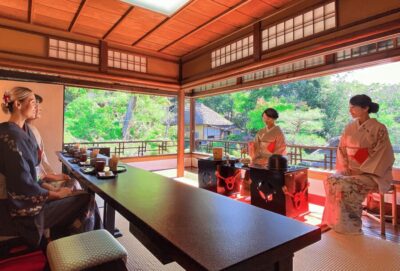
Tea Ceremony in a Traditional Tea House in Kiyomizu
Read our review →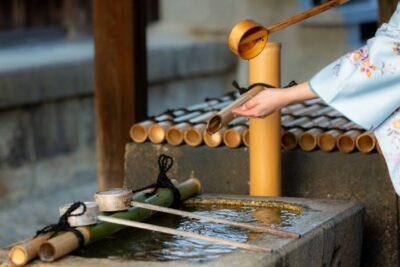
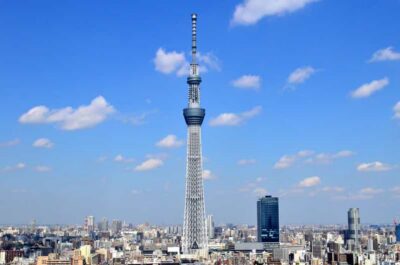
Meiji Shrine, Asakusa, Skytree Bus Tour and Cruise
Read our review →
Asakusa Walking Tour with Sensoji Temple Visit
Read our review →
Kamakura & Enoshima Day Trip including Temple Tickets
Read our review →
Kyoto/Osaka: Nara, Fushimi Inari Taisha, Arashiyama Bus Tour
Read our review →
Nikko Toshogu Shrine and Kegon Waterfall Tour
Read our review →
Tokyo Panoramic 1 Day: Meiji Shrine, Asakusa, Odaiba and SKYTREE®
Read our review →Browse the lists this tour appears in