REVIEW · SHOW
Tokyo: KABUKI Show at Kabukiza Theatre Admission Ticket
Kabuki at Kabukiza Theatre is not a quick cultural sample. It is a full afternoon or evening of stylized acting, dance, music, elaborate costumes, painted faces, and stories drawn from Japan’s theatrical tradition. The Ginza theater is the only one in the world devoted entirely to Kabuki, so you are seeing the art form in its proper home rather than in a shortened tourist demonstration.
I like the caption service, which makes old stories and formal dialogue much easier to follow, and I like the changing monthly program. The live music, ornate sets, and remarkable stage movement give the performance a sense of occasion. The main caution is time: four hours can feel long, especially in traditional theater seats, and you cannot choose your exact seat through this booking.
In This Review
- Key points before you book
- Why Kabukiza is the right place to see Kabuki
- What the four-hour program is really like
- How the captions change the experience
- The acting, dance, music, and visual detail
- Understanding the monthly program
- Arriving at Kabukiza in Ginza
- Exploring before the curtain rises
- Seats, comfort, and the view
- Is the $106 price fair?
- Who will enjoy this most?
- Practical booking advice for a smoother visit
- Should you book Kabukiza Theatre?
- FAQ
- How long is the Kabukiza performance?
- Where is Kabukiza Theatre?
- Are English captions available?
- Can I enter with the GYG voucher?
- Where do I collect the ticket?
- Can I choose my seat?
- Can I bring food and drinks?
- Can young children attend?
Key points before you book
- Four hours of full Kabuki programming: Expect several separate pieces, usually with intermissions rather than one continuous story.
- English or simplified Chinese captions included: You can follow the action without knowing Japanese.
- A new program each month: Check the official Kabuki website before booking because the plays, dances, and running times change.
- Historic Kabukiza in Ginza: The theater itself is part of the cultural experience, with traditional design and a polished stage setting.
- Food is allowed during intermissions: Snacks and alcohol are available inside, or you can bring something to make the long performance more comfortable.
- Physical ticket pickup is required: Exchange your mobile or PDF voucher at the Basement Level 2 box office before entering.
Why Kabukiza is the right place to see Kabuki
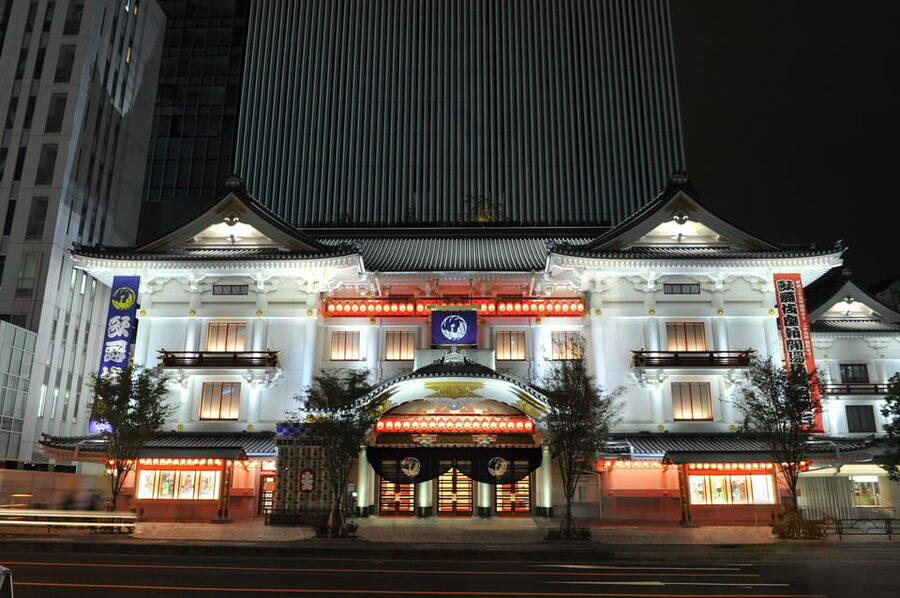
Kabuki can look strange at first. Actors may hold a pose for several seconds, speak in a deliberately heightened style, or move with a precision that feels far removed from everyday drama. Give it time. The power of Kabuki comes from its formal language, where a turn of the head, a frozen expression, or a measured step can carry as much meaning as a page of dialogue.
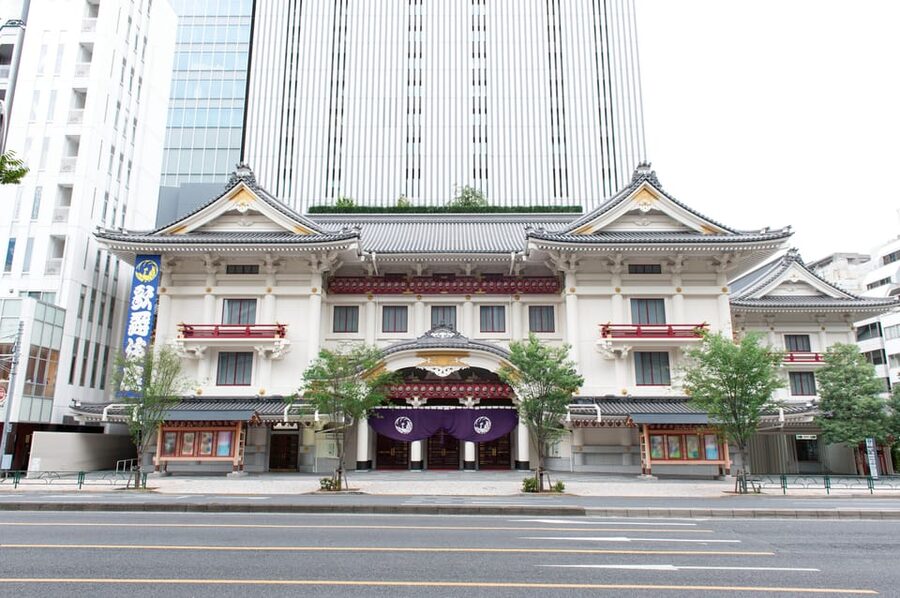
Kabukiza gives you the complete setting. You are in Ginza, inside a purpose-built theater where Kabuki is not an occasional side attraction. The architecture, curtain, stage sets, costumes, and live music all help you understand why this art form has survived for centuries.
I especially like that the program changes every month. That means the experience is not a fixed show repeated for tourists. One month may feature a historical play, a domestic drama, and a dance. Another may focus on a longer classic work or a modern Kabuki production.
The form is recognized by UNESCO as an important traditional art. That does not mean you need specialist knowledge to enjoy it. You only need patience and a willingness to accept a different theatrical rhythm.
A few more Tokyo trips to weigh up
- Mt Fuji & Hakone Cruise, Drum Show Bullet Train 1 Day from Tokyo
★ 4.0 · 7,413 reviews - Tokyo: Sumo Show and Dining Experience
★ 4.8 · 2,742 reviews - the SUMO show
★ 5.0 · 1,960 reviews
What the four-hour program is really like
The advertised duration is about four hours, but the exact length depends on the program. A matinee may run from around 11:00 a.m. to 3:00 p.m., while an evening performance may begin around 4:30 p.m. and finish after 8:00 p.m. Some schedules run slightly longer.
You are not usually watching one story from beginning to end. The program can contain separate plays, dance pieces, and shorter scenes. This variety helps keep the experience fresh. A dramatic historical scene may be followed by a graceful dance, then a domestic story with a different mood and cast of characters.
Intermissions are an important part of the rhythm. Depending on the monthly schedule, you may have several breaks, sometimes around 30 minutes. Use them to stretch, visit the restroom, look around the theater, or buy food and drinks.
You may bring something to eat or drink, and snacks and alcohol are sold inside the theater. This is useful because four hours is a serious sitting period. I would plan your food before the curtain rises rather than assume you can leave freely during a scene.
How the captions change the experience
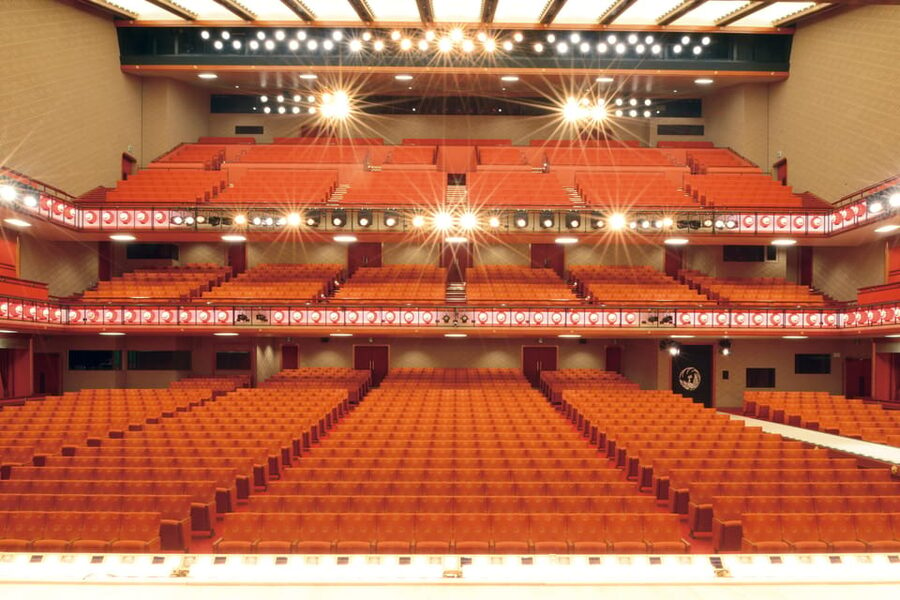
Your ticket includes English or simplified Chinese caption service. This is one of the most important features for anyone who does not speak Japanese. Kabuki stories can involve old language, family relationships, historical events, disguise, revenge, and social rules that are not obvious from the movement alone.
The captions help explain dialogue and action, but they require some attention. The text appears on a device or screen, and you need to look between the captions and the stage. One practical issue is that the screen changes may not always happen at a predictable rhythm, so you may spend part of the performance shifting your focus.
Choose a seat and viewing position that makes both the stage and caption screen comfortable. If you concentrate only on the text, you can miss the actor’s face or a precise gesture. If you watch only the stage, you may lose the story. The service is invaluable, but it is not quite the same as having subtitles placed directly beneath a film.
The service is available in English or simplified Chinese. The booking information notes that it cannot be exchanged for a Japanese earphone guide, and no refund is given if you choose not to use the caption service.
The acting, dance, music, and visual detail
Kabuki is a blend of theater, opera-like singing, dance, and highly controlled physical acting. It also has moments of acrobatics and stage spectacle. The performance style may feel exaggerated, but that is the point. Faces, costumes, gestures, and vocal patterns are designed to communicate clearly across the theater.
The costumes are often one of the first things you notice. They are sumptuous without being background decoration. Fabric, color, hairstyle, and makeup help identify a character’s rank, personality, or role in the story.
The stage design is equally important. Curtains and screens can be exquisite, while sets create a visual frame for the action. Live music gives the performance its pulse, with instruments such as shamisen featured in some productions. The sound is part of the storytelling, not just accompaniment.
Dance pieces can be especially beautiful, though they may appeal less to people who prefer plot-driven drama. If you like classical theater, opera, ballet, or traditional dance, you will probably have an easier time settling into Kabuki’s pace. If you dislike formal performance in general, the four-hour schedule may test your patience.
Same city, a completely different kind of day:
- Mt Fuji and Hakone 1-Day Bus Tour Return by Bullet Train
★ 5.0 · 26,383 reviews - 1-Day Tokyo Bus Tour
★ 5.0 · 14,250 reviews - Tokyo: TOKYO SKYTREE® Admission ticket
★ 4.5 · 11,192 reviews - Tokyo: teamLab Planets TOKYO Digital Art Museum Entry Ticket
★ 4.6 · 9,779 reviews
Understanding the monthly program
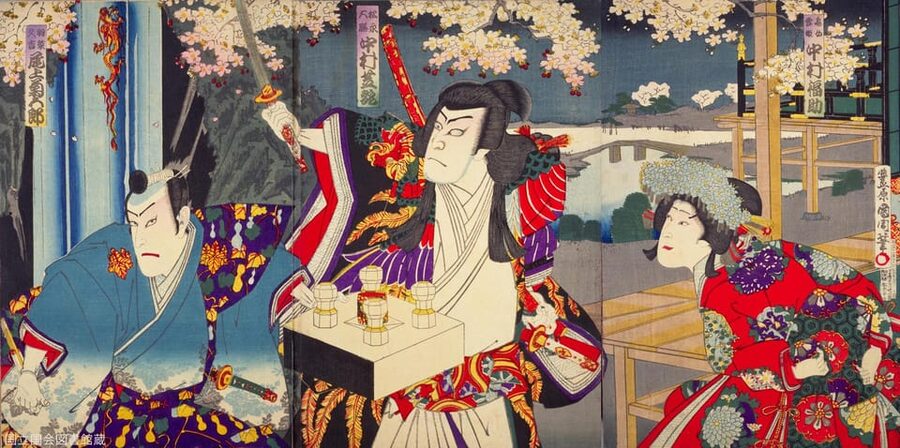
The exact contents matter. Before booking, check the official Kabuki website for the program and running time. The schedule changes each month, and the difference between a dance-heavy program and a play-heavy program can shape your whole afternoon.
A February matinee, for example, may include a modern Kabuki piece, a comic or dance-centered work, a domestic play, and a snowbound dance. The evening may shift toward a historical battle story, a fox dance, and a modern love triangle.
A March schedule may present a longer historical work in the matinee, while the evening includes a spring dance and a domestic drama involving thieves. These examples show why you should not assume every visit will feel the same.
Titles are often presented with both Japanese and English names, but an English title does not mean the dialogue is modern or simple. The captions help, yet the experience remains theatrical rather than cinematic. You may understand the broad conflict before you catch every detail.
Arriving at Kabukiza in Ginza
Kabukiza Theatre is at Ginza 4-12-15, Chuo-ku, Tokyo. The venue is easy to identify in the Ginza area, but allow plenty of time because you must collect a physical ticket before entering.
Take your PDF or mobile GYG voucher to the box office on Basement Level 2. The voucher itself is not an admission ticket. You must exchange it for the actual ticket at the venue.
The box office is listed as open from 10:00 a.m. to 6:00 p.m. If you arrive after 6:00 p.m., proceed directly to the theater entrance as instructed. Even with that evening arrangement, do not cut it close. The ticket pickup rule is simple, but it is an easy detail to overlook when you are moving around Tokyo.
The doors open 30 minutes before the performance. That gives you enough time to collect the ticket, locate your seat, read the caption instructions, and settle down before the music begins.
Exploring before the curtain rises
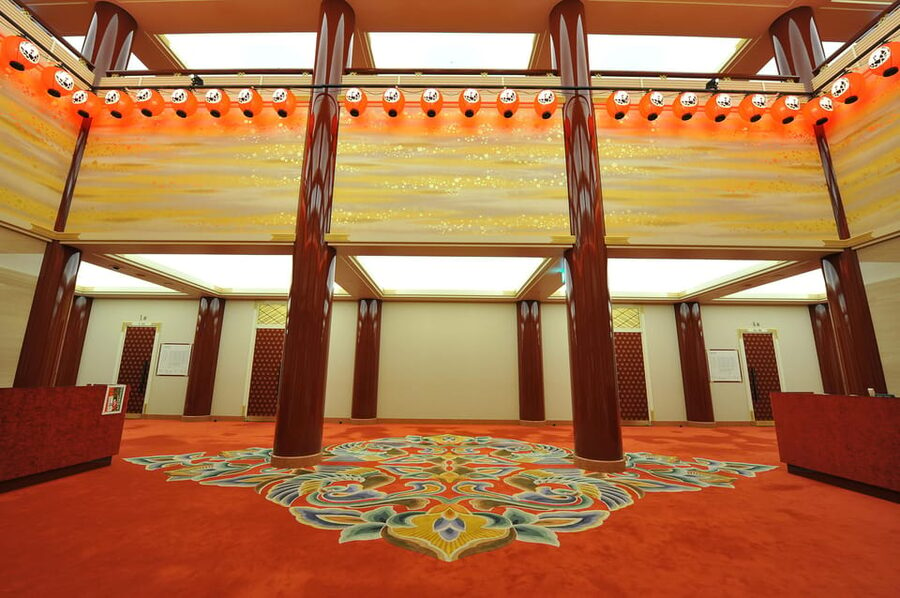
A permanent interactive exhibition introduces Kabuki’s history and techniques. This is worth allowing time for, especially if the art form is new to you. A few minutes with the exhibition can make the gestures, costumes, and stage conventions easier to read once the performance starts.
The shopping center on Basement Level 2 sells Kabuki-related gifts and souvenirs. It is a useful stop before the show, particularly if you want something connected to the performance rather than a generic Tokyo souvenir.
Watch the opening hours and your departure time. The shopping area may not be open when the performance ends, especially after a late evening show. If shopping matters to you, go before taking your seat or during an earlier break.
Seats, comfort, and the view
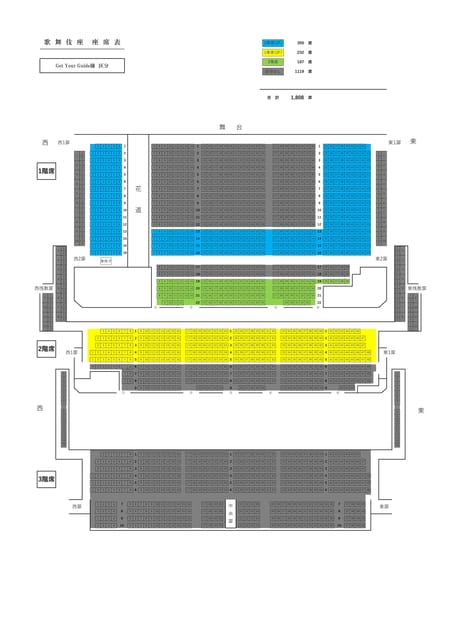
Exact seats cannot be selected through this reservation. That is the main limitation for people who care strongly about location.
A closer seat can help you read facial expressions, which are central to Kabuki acting. From farther back, you may take in the full stage picture more easily, but small movements and expressions can be harder to catch. Your caption screen may also affect how comfortable the view feels.
The traditional theater seats are not luxurious by modern cinema standards. Some people find them tight or uncomfortable over several hours. A small cushion can help, particularly if you know long performances are hard on your back or hips.
Dress is not specified as formal, and people attend in different styles. You may see audience members dressed up, but you do not need special clothing to attend.
Is the $106 price fair?
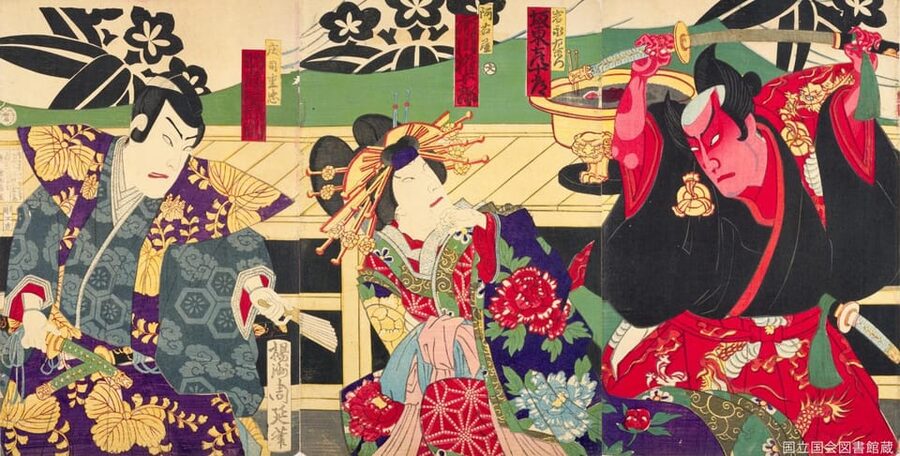
At $106 per person, this is an expensive theater outing, especially if you are traveling as a family or group. Children under four are not permitted, and the cost can make this a better choice for a special cultural evening than a casual activity.
The value depends on what you want. You are paying for a professional Kabuki performance in the world’s only theater dedicated solely to the form, plus the English or simplified Chinese caption service. You also receive several hours of live performance rather than a short introductory show.
For someone who wants a genuine traditional theater experience, the price can make sense. You see the production in a historic Kabukiza setting, with full costumes, live music, multiple pieces, and intermissions. If you only want a brief glimpse of Japanese culture, a four-hour ticket at this price may feel excessive.
The ticketing process is straightforward once you understand the physical pickup requirement. Free cancellation is available up to two days in advance for a full refund, which gives you some flexibility if your Tokyo plans shift.
Who will enjoy this most?
I would choose Kabukiza if you enjoy theater, classical performance, dance, traditional music, or cultural experiences that ask you to slow down. It is also a strong choice if you want something different from temples, shopping, and observation decks.
You do not need to be an expert. The captions make the program approachable, and each piece has its own mood. Still, you should be comfortable with formality, stylized movement, and long periods of sitting.
This may not suit young children, people who dislike classical performance, or anyone with a tightly packed evening schedule. The program can finish after 9:00 p.m., depending on the month. If you book an evening show, avoid arranging an important reservation immediately afterward.
Practical booking advice for a smoother visit
Reservations for the following month begin on the 14th of each month. Popular dates may require planning, so check the program early if your Tokyo schedule is fixed.
Before paying, confirm three things:
- The exact monthly program and running time
- Whether the matinee or evening schedule fits your day
- Enough time for Basement Level 2 ticket collection
Bring your voucher on your phone or as a PDF. Exchange it at the box office, then keep the physical ticket safe. Arrive at least 30 minutes before the curtain, with extra time if you want to see the exhibition or shop.
During the performance, follow the captions without forgetting the stage. Eat during intermission, not during a quiet dramatic moment. And if you are sensitive to hard seats, bring a small cushion.
Should you book Kabukiza Theatre?
Book this if you want the real Kabuki setting, a full-length program, and a chance to see Japanese theater at a serious professional venue. The monthly changes, live music, elaborate costumes, and caption service make it far more than a quick photo opportunity.
Think twice if the $106 price feels high, you dislike long classical performances, or you need a precise seat location. For the right audience, Kabukiza can be one of the most memorable nights in Tokyo. For everyone else, the length and formal style deserve an honest look before you commit.
FAQ
How long is the Kabukiza performance?
The experience lasts about four hours. Exact running times vary by monthly program. Matinee performances may run from around 11:00 a.m. to 3:00 p.m., while evening shows may begin around 4:30 p.m. and finish after 8:00 p.m.
Where is Kabukiza Theatre?
Kabukiza Theatre is in Tokyo’s Ginza area at Ginza 4-12-15, Chuo-ku, Tokyo, Japan.
Are English captions available?
Yes. The ticket includes an English or simplified Chinese caption service. The service helps you follow the dialogue and story without speaking Japanese.
Can I enter with the GYG voucher?
No. You must exchange the PDF or mobile GYG voucher for a physical ticket at the venue box office before entering the theater.
Where do I collect the ticket?
The box office is on Basement Level 2 of Kabukiza Theatre. It is listed as open from 10:00 a.m. to 6:00 p.m. If you arrive after 6:00 p.m., proceed directly to the theater entrance as instructed.
Can I choose my seat?
No. Exact seats cannot be specified through this reservation.
Can I bring food and drinks?
Yes. You may bring something to eat or drink, and snacks and alcohol are also available for purchase inside the theater. Intermissions provide time to eat and stretch.
Can young children attend?
Children under four years old are not permitted for this experience.
Just added around Tokyo
- Private Harajuku Omotesando Architecture Tour★ 4.9 · 18 reviews
- Tokyo: Customizable Private Guided Walking Tour★ 4.5 · 129 reviews
- Tokyo: Guided Helicopter Ride★ 4.9 · 24 reviews
- Tokyo: Guided Walking Tour of Tsukiji Market with Lunch★ 4.4 · 24 reviews
- Tokyo: Private Personalized Local Food Tour★ 4.5 · 101 reviews
- Tokyo GINZA: KONPARU Japanese Cabaret Show with Drink★ 4.8 · 38 reviews
- Tokyo: Guided Walking Tour of Tsukiji Market with Breakfast★ 4.4 · 134 reviews
- Tokyo: Gotokuji Cat Temple, Shinjuku Cat Cafe & 3D Cat Tour★ 4.9 · 38 reviews
Show, compared.
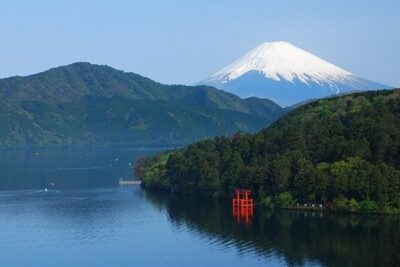
Mt Fuji & Hakone Cruise, Drum Show Bullet Train 1 Day from Tokyo
Read our review →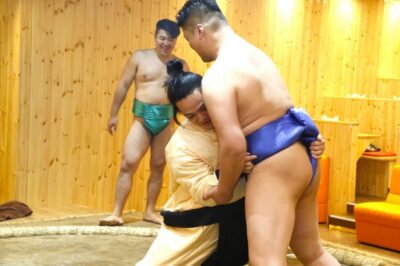
Sumo Show Experience with Chicken Hot Pot and a Photo
Read our review →
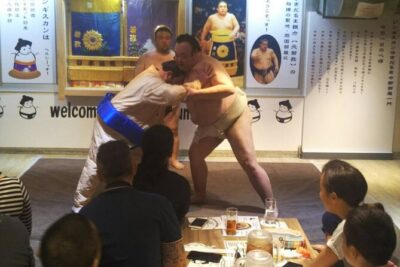
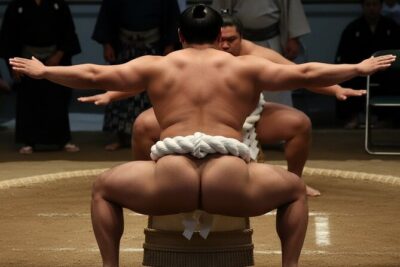
Tokyo Shinjuku Sumo Show & Experience with Photo
Read our review →
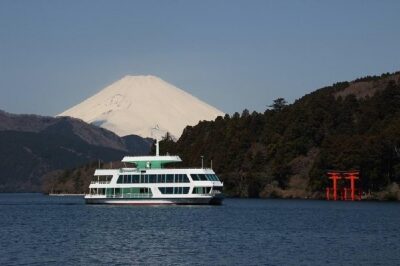
Mt Fuji & Hakone Cruise, Drum Show Bus 1 Day from Tokyo
Read our review →