REVIEW · SHOW
Tokyo: Authentic Japanese Dance Show ticket by professionals
Japanese dance is best seen close enough to catch a dancer’s expression, the turn of a sleeve, and the careful placement of each foot. This Shinjuku performance brings award-winning professionals within easy viewing distance, pairing traditional movement with the beauty of kimono and musical storytelling.
I like two things here: the central location, which fits neatly into a Tokyo evening, and the cultural context offered between performances. The photo time after the show is also useful, since photography is not allowed during the dances. The main consideration is that the listed performance language is Japanese, so visitors who want every explanation in English should confirm what interpretation is available.
- Award-winning dancers: Performers have received prizes at Japanese dance competitions.
- Four centuries of tradition: The art form reaches back more than 400 years.
- Close seating: You can study facial expressions, hand movements, kimono, and decoration.
- Shinjuku setting: The central location is easy to pair with other Tokyo plans.
- No photos during the show: A dedicated photo period follows the performance.
- Small cultural details: Explanations, friendly staff, and welcome gifts can add useful context.
In This Review
- Why Japanese dance looks different from a stage show
- Entering the Shinjuku performance
- What happens during the dance program
- Kimono, hair, and the beauty of restraint
- The photo time after the final dance
- How much value do you get for $54?
- Who will get the most from this experience?
- A useful way to prepare before you go
- How this compares with other Tokyo cultural shows
- Booking flexibility and practical limits
- Should you book this Japanese dance show?
- FAQ
- Where does the Japanese dance show take place?
- What is included in the ticket?
- Are food and drinks included?
- Is hotel pickup available?
- Can I take photographs during the performance?
- When can I take photographs?
- What language is used during the experience?
- Can I cancel and receive a refund?
- Is childcare available?
Why Japanese dance looks different from a stage show
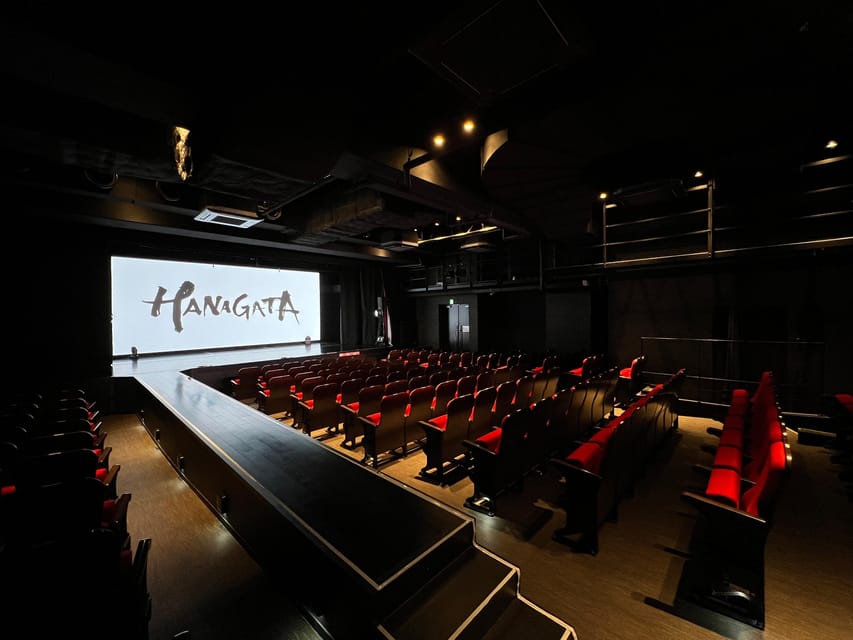
Japanese dance does not depend on large gestures or fast movement to hold your attention. A slight turn of the head, the lift of a fan, or the slow sweep of a kimono sleeve can carry the meaning. From a distant theater seat, some of those details disappear. Here, the close viewing distance is a major part of the experience.
The art has been passed down for more than 400 years. That makes this more than a colorful costume presentation. The movements, music, clothing, and stories reflect older ideas about beauty, restraint, emotion, and social life in Japan.
You may not understand every gesture at first. That is normal. Japanese dance has its own visual language, and the show’s explanations help you begin reading it. I like this approach because it gives you something to notice rather than asking you to admire the performance from a distance without context.
The dancers have won awards at Japanese dance competitions, so the performance is presented by specialists rather than by entertainers offering a quick cultural sampler. That does not mean you need prior knowledge. It simply means the small movements are backed by serious training.
Entering the Shinjuku performance
The location in Shinjuku is one of the practical strengths of this ticket. Shinjuku is one of Tokyo’s main entertainment and transport districts, so you can place the show into a day of sightseeing without arranging a separate trip far from the center.
The exact performance schedule and duration are not provided here, so check those details before booking. That matters in Shinjuku, where Tokyo train stations and shopping areas can take longer to cross than you expect. Give yourself time to find the venue, especially if you are arriving after dark or carrying luggage.
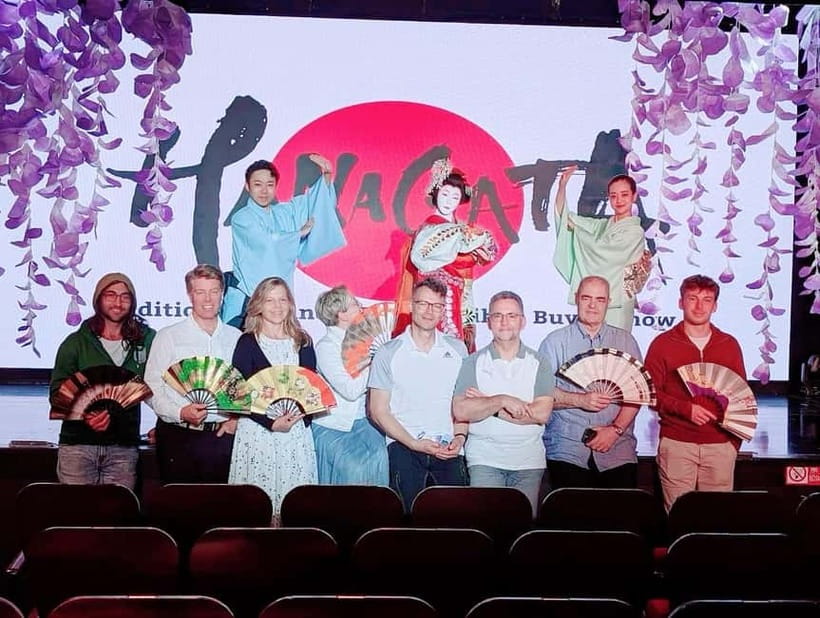
The setting is designed for close contact with the performers. One useful detail is that there is reportedly no bad seat in the house. That is a meaningful advantage for dance, where the angle and distance affect what you can see in a dancer’s hands and face.
This is not the sort of show where you need to arrive expecting a huge production with elaborate scenery. Its appeal is the people on stage, their technique, the costumes, and the quiet drama of controlled movement.
A few more Tokyo trips to weigh up
- Mt Fuji & Hakone Cruise, Drum Show Bullet Train 1 Day from Tokyo
★ 4.0 · 7,413 reviews - Tokyo: Sumo Show and Dining Experience
★ 4.8 · 2,742 reviews - the SUMO show
★ 5.0 · 1,960 reviews
What happens during the dance program
The show presents traditional Japanese dance in a performance format intended for international audiences as well as people familiar with the art. You watch several dances or sections, with information provided between performances. The explanations are important because they can point out the purpose of a movement, the nature of a costume, or the story behind a piece.
The official language is Japanese. Still, English explanations have been provided during the program, and staff members and dancers have been able to communicate well in English. Do not assume that every spoken detail will be translated, but the experience is not limited to people who speak Japanese.
The program’s pace is likely to feel measured rather than rushed. Japanese dance often builds meaning through precision and repetition. A performer may hold a pose longer than you expect, then shift position by only a small amount. Watch the details instead of waiting for constant action.
I suggest focusing on three things:
- The dancer’s face and eyes, which can change the feeling of a scene without a large physical gesture.
- The hands, sleeves, fans, and other objects used to shape the movement.
- The relationship between the dancer, the music, and the kimono.
The close distance lets you see effort as well as elegance. You may notice a dancer’s concentration, the control needed to keep a sleeve in place, or the exact timing of a turn. Those details help explain why the art takes years to master.
Kimono, hair, and the beauty of restraint
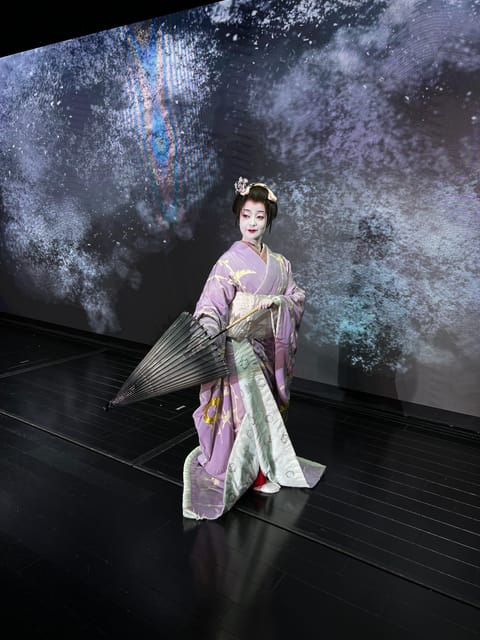
For many people, the kimono will be the first visual hook. The clothing is not simply a costume chosen for color. Its sleeves, layers, patterns, and decorations affect how the dancer moves and how the audience reads the character.
A kimono can make a small movement look larger. A turn sends fabric outward. A lowered arm creates a line through the sleeve. Decorations draw your eye toward the hands or face. From nearby seating, you can see those choices instead of viewing the clothing as one bright shape under stage lights.
The performance also offers a useful reminder that Japanese beauty is not always about display. Much of the art depends on suggestion. A restrained gesture can carry sadness, dignity, flirtation, age, or humor. The meaning may not be obvious immediately, but the explanations between pieces help you notice more.
Several elements have been praised repeatedly: the beauty of the clothing, the dancers’ effort, and the elegance of the interpretation. Those are the strongest reasons to choose this show over a generic cultural performance.
The photo time after the final dance
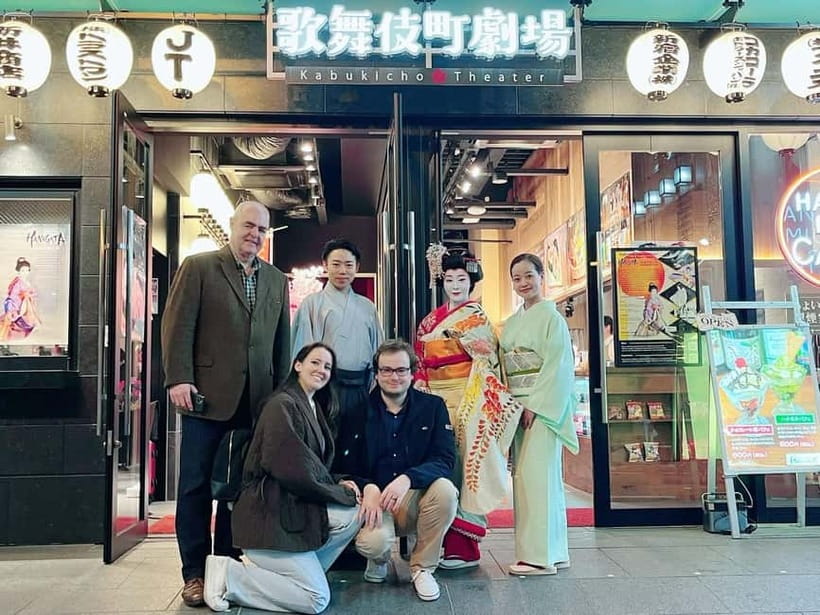
Photography is prohibited during the performances. This rule may disappoint anyone hoping to document the costumes, but it protects the show from glowing phone screens and shutter sounds. You get a better chance to watch the dancers without thinking about camera settings.
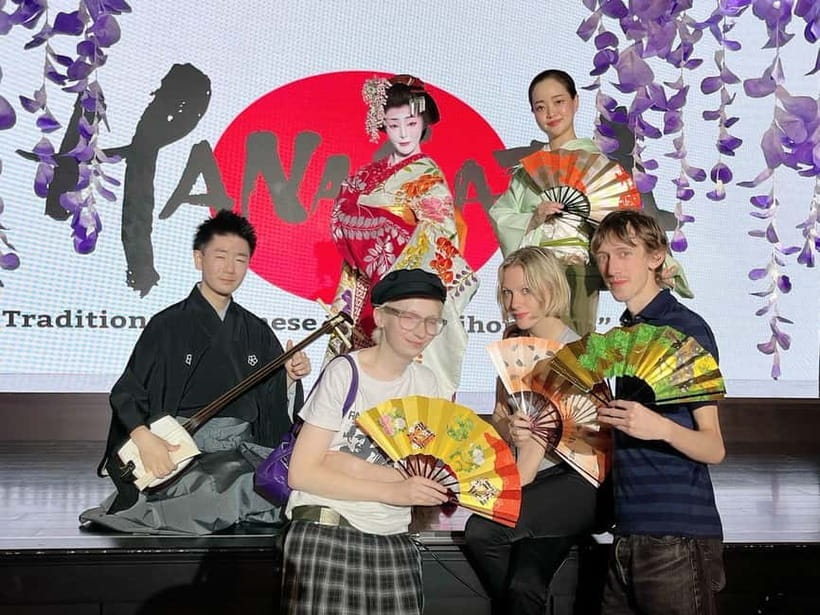
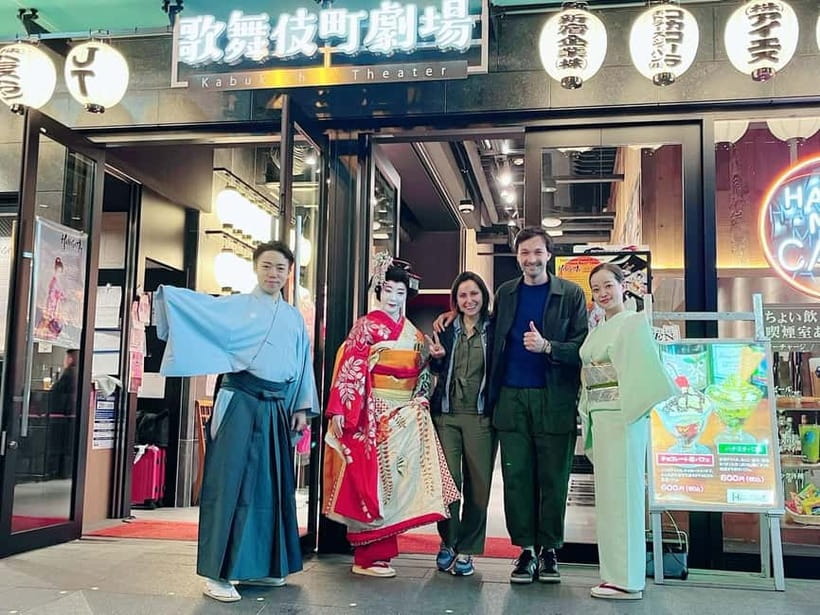
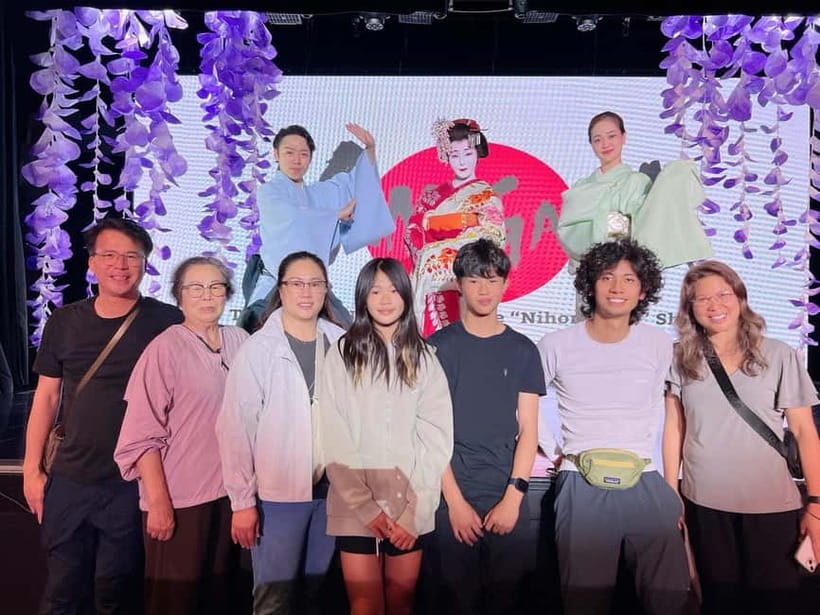
At the end, there is time for photographs. That arrangement gives you the best of both options: full attention during the dances, then a chance to record the costumes and meet the performers afterward.
Treat the photo period as part of the cultural exchange, not just a souvenir stop. The dancers and staff have been welcoming and willing to talk after the show. One visitor even practiced Japanese conversation with them, and the interaction was received warmly. A simple greeting or thank-you in Japanese can make this moment more personal, though you do not need language skills to participate.
Welcome gifts have also been provided. The exact gift may vary, so I would not book this experience for the free item. Think of it as a thoughtful extra rather than part of the ticket’s main value.
Same city, a completely different kind of day:
- Mt Fuji and Hakone 1-Day Bus Tour Return by Bullet Train
★ 5.0 · 26,383 reviews - 1-Day Tokyo Bus Tour
★ 5.0 · 14,250 reviews - Tokyo: TOKYO SKYTREE® Admission ticket
★ 4.5 · 11,192 reviews - Tokyo: teamLab Planets TOKYO Digital Art Museum Entry Ticket
★ 4.6 · 9,779 reviews
How much value do you get for $54?
At $54 per person, this is not the cheapest cultural activity in Tokyo. You can see many public performances, festivals, and demonstrations for less, sometimes free. The question is what you want from the evening.
The price makes more sense if you value:
- Professional dancers with competition awards.
- Close viewing rather than a large, distant theater.
- Explanations that help you understand an unfamiliar art.
- A central Shinjuku location.
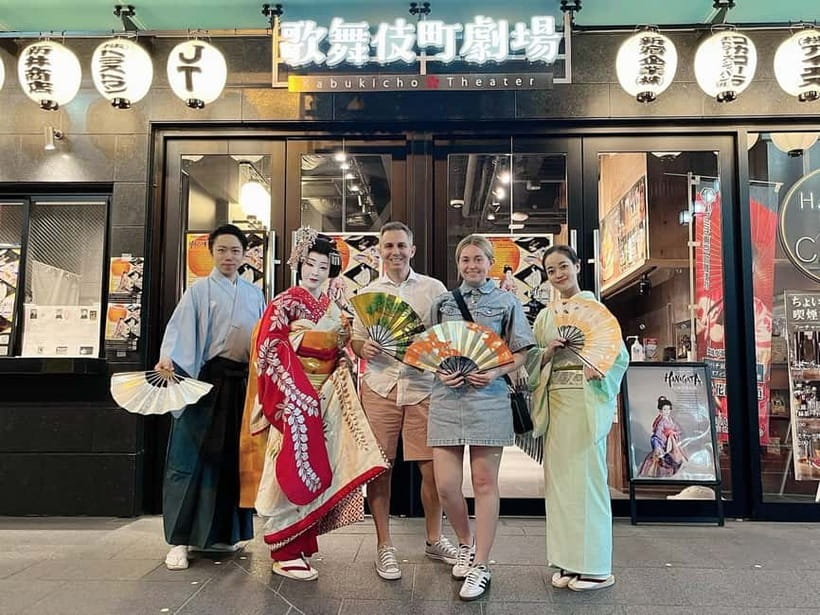
- A chance to take photos and speak with performers after the show.
If you only want to see people in kimono for a few minutes, this ticket may feel expensive. You could find a shorter or less formal cultural encounter elsewhere. But if you want to understand how traditional dance works and see trained performers up close, the price is reasonable for a specialist presentation.
Food and drinks are not included, so plan to eat before or after. That is not a serious drawback in Shinjuku, where dining choices are plentiful, but you should not expect a dinner show.
Hotel pickup is not included either. You make your own way to the venue, which is common for a central Tokyo performance and keeps the ticket focused on the show itself.
Who will get the most from this experience?
I would recommend it most strongly to visitors who enjoy art, theater, costume, or cultural history. You do not need to know Japanese dance in advance. In fact, the explanations and close seating make this a good introduction.
It also suits repeat visitors to Tokyo who have already seen the major sights and want something more focused. A dance performance offers a different view of Japan than temples, shopping streets, and observation decks.
Families may want to ask about the available childcare program. Childcare and experiences for children can be arranged through the provided kids program, but those services require a separate reservation. Do not assume they are included with this dance ticket.
The show may be less suitable if you need constant English narration or prefer fast-moving entertainment. The listed language is Japanese, and the art rewards patience. If slow, precise performance feels difficult for you, the program could seem quiet or formal.
A useful way to prepare before you go
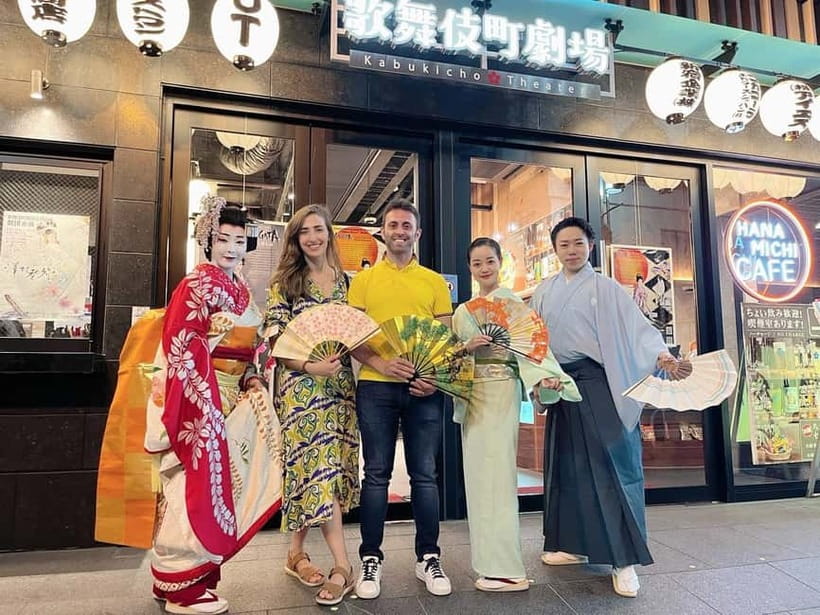
You do not need to study Japanese dance before arriving, but a little preparation will improve the evening. Read a short explanation of traditional Japanese dance and learn a few words such as kimono, fan, and kabuki. Even basic background gives you more to watch for.
Wear something comfortable. The event is centered on sitting and watching, but Tokyo sightseeing often involves a great deal of walking before you reach Shinjuku. Since the venue is in a busy central district, avoid cutting your arrival too close to showtime.
Keep your phone away during the performance. Photography is not permitted, and the close viewing distance means you will miss details if you spend the show checking your screen. Save your pictures for the designated period afterward.
If you have questions, ask the staff between sections or after the show. The atmosphere has been friendly, and the dancers have been willing to speak with visitors. You may learn more in a short conversation than from trying to photograph every detail.
How this compares with other Tokyo cultural shows
Tokyo offers many traditional arts, including tea ceremony, taiko drumming, theater, and demonstrations of crafts. Japanese dance is quieter and more controlled than a drum performance. Its pleasure comes from timing, posture, expression, and fabric rather than volume or spectacle.
That makes it a particularly good choice if you want to slow down during a busy Tokyo trip. Shinjuku can be noisy and crowded outside, while the performance asks you to pay attention to small changes on stage.
It also provides more cultural explanation than a simple stage presentation. The show connects technique with Japan’s past and gives you a way to understand why the movements look as they do. For some people, that educational layer will be the difference between a pleasant show and a worthwhile one.
The experience does not replace seeing a full traditional theater production in a major Japanese venue. It is a more accessible introduction, with the advantage of close seating and direct contact with the performers afterward.
Booking flexibility and practical limits
The ticket includes admission only. Food, drinks, and hotel pickup are separate, so budget for those on your own.
You can reserve now and pay later, which is useful if your Tokyo schedule is still changing. Cancellation is allowed up to 24 hours in advance for a full refund. Check the final booking terms for your selected date, since performance details can vary.
The provider connected with the experience is YUKI YOSHIDA. No specific guide name or performance length is supplied, so confirm the meeting and timing information before you leave your hotel.
The listed rating is 4.7 from 17 ratings, with the strongest praise directed at the dancers, costumes, cultural information, friendly welcome, and close view. Those are also the features I would use to judge the ticket. They are more important here than extras such as gifts or photographs.
Should you book this Japanese dance show?
Book it if you want a serious, close-up look at a traditional Japanese art and you are happy to give the performance your full attention. The award-winning dancers, detailed kimono, helpful cultural explanations, and post-show photo time make this a strong choice for art lovers and first-time visitors seeking something beyond the standard Tokyo checklist.
Think twice if you want a fully English-language presentation, a meal, or a high-energy show. The program is in Japanese, the ticket covers entrance only, and the style depends on quiet precision.
For most visitors who want a focused cultural evening in central Tokyo, I would consider $54 fair value. You will not simply see a costume display. You will watch a demanding art form from close range, learn why its movements matter, and leave with a better sense of how beauty can be expressed through restraint.
FAQ
Where does the Japanese dance show take place?
The show takes place in Shinjuku, in central Tokyo on Honshu, Japan.
What is included in the ticket?
The ticket includes entrance to the Japanese dance performance.
Are food and drinks included?
No. Food and beverages are not included in the ticket price.
Is hotel pickup available?
No. Hotel pickup is not included.
Can I take photographs during the performance?
No. Photography is prohibited during the performances.
When can I take photographs?
A photography period is provided at the end of the performance.
What language is used during the experience?
The listed language is Japanese. Information has also been provided in English between performances.
Can I cancel and receive a refund?
Yes. You can cancel up to 24 hours in advance for a full refund.
Is childcare available?
Childcare and activities for children can be arranged through the separate kids program. You must make a reservation for that service.
Just added around Tokyo
- Tokyo: Customizable Private Guided Walking Tour★ 4.5 · 129 reviews
- Private Harajuku Omotesando Architecture Tour★ 4.9 · 18 reviews
- Tokyo: Guided Walking Tour of Tsukiji Market with Lunch★ 4.4 · 24 reviews
- Tokyo: Private Personalized Local Food Tour★ 4.5 · 101 reviews
- Tokyo: Guided Helicopter Ride★ 4.9 · 24 reviews
- Tokyo GINZA: KONPARU Japanese Cabaret Show with Drink★ 4.8 · 38 reviews
- Tokyo: Guided Walking Tour of Tsukiji Market with Breakfast★ 4.4 · 134 reviews
- Tokyo: Gotokuji Cat Temple, Shinjuku Cat Cafe & 3D Cat Tour★ 4.9 · 38 reviews
Show, compared.
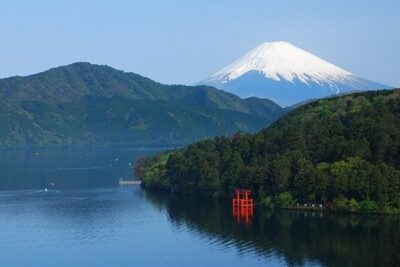
Mt Fuji & Hakone Cruise, Drum Show Bullet Train 1 Day from Tokyo
Read our review →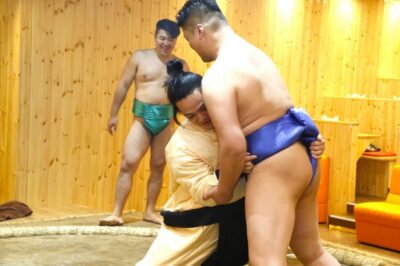
Sumo Show Experience with Chicken Hot Pot and a Photo
Read our review →
Tokyo Shinjuku Sumo Show & Experience with Photo
Read our review →

Mt Fuji & Hakone Cruise, Drum Show Bus 1 Day from Tokyo
Read our review →