
REVIEW · HISTORICAL TOURS
Osaka: Kyoto & Uji Historical Sites and Scenic Delights Tour
The Golden Pavilion is the attention-grabber here: a gold-covered temple reflected in a pond, followed by Kyoto views from Kiyomizu-dera and a stroll through old Ninenzaka. I like that one day links Kyoto’s best-known sights with Uji’s tea culture and Byodo-in, the temple pictured on the 10-yen coin. I also like the low $54 price, English-speaking guide, and the choice to finish in either Kyoto or Osaka.
The tradeoff is a busy schedule and plenty of walking. Kiyomizu-dera and its surrounding lanes can be packed, while Ninenzaka may feel more like a crowded shopping street than a quiet old road. Temple admission, food, and drinks are extra, so your final cost will be higher than the headline price.
In This Review
- Key points at a glance
- Why this route works from Osaka
- Kinkaku-ji: Kyoto’s polished first impression
- Kiyomizu-dera and the view from its wooden stage
- Ninenzaka: old Kyoto with a modern crowd
- Yasaka Koshindo and its colorful prayer balls
- Uji: tea, river views, and a slower rhythm
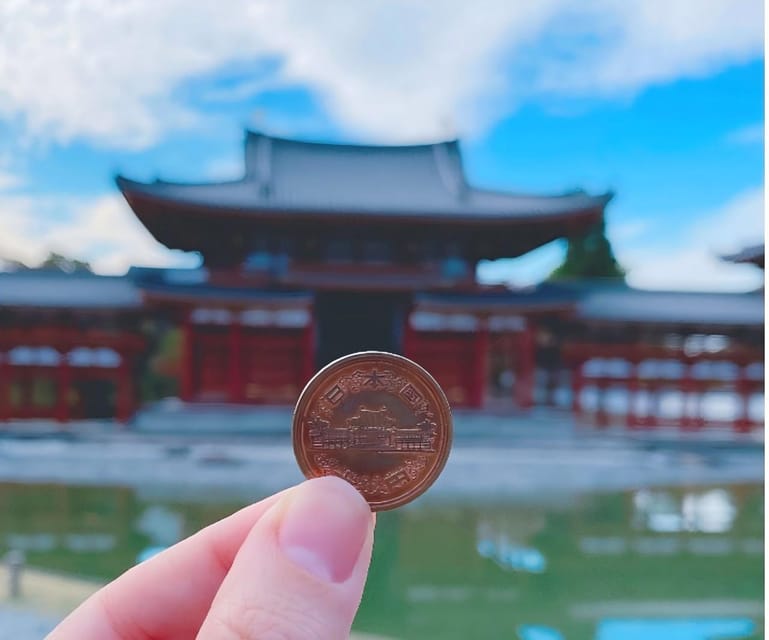
- Byodo-in and the 10-yen coin connection
- How much value do you get for $54?
- The guide can shape the day
- Walking, comfort, and who should book
- Should you book this Kyoto and Uji day trip?
- FAQ
- What time does the tour leave Osaka and Kyoto?
- Can I finish the tour in Kyoto instead of Osaka?
- Are temple admission fees included?
- Is the tour conducted in English?
- How long does the tour last?
- Is the tour suitable for people with mobility limitations?
Key points at a glance
- Three major temple visits in one day: See Kinkaku-ji, Kiyomizu-dera, and Byodo-in without arranging several separate train and bus trips.
- Uji adds a different side of Kyoto: Walk by the Uji River, visit Uji Shrine, and browse the area associated with matcha.
- A practical Osaka day trip: Depart Osaka at 8:00 AM, return to one of several Osaka drop-off areas, or finish in Kyoto.
- Guide Amy receives special praise: Her history explanations, recommendations, and ability to help different interests were singled out positively.
- Ninenzaka and Yasaka Koshindo are close cultural stops: You get traditional lanes, snacks, colorful prayer balls, and a popular photo setting.
- Budget carefully: Kinkaku-ji, Kiyomizu-dera, and Byodo-in admission fees are not included.
Why this route works from Osaka
Kyoto is easy to reach from Osaka by train, but seeing the city’s most famous temples in one day takes planning. You need to match train lines with local buses, allow for walking, and keep an eye on opening hours. This tour handles the long transfers by air-conditioned coach and gives you a guide to help put each stop in context.
The day begins at 8:00 AM from Osaka or 9:00 AM from Kyoto, depending on the option you book. You need to reach the assigned meeting point 15 minutes early. The meeting place cannot be changed on the day, so check the exact pickup details before setting out.
The coach ride takes about two hours as part of the day’s transport. That is a sizeable chunk of a 10-hour outing, but it also saves you from piecing together the journey yourself. Traffic can affect the schedule, especially around Kyoto’s major sights, and the order or length of stops may change with traffic and weather.
You can finish in Kyoto or continue back toward Osaka. That choice is useful if you are staying in Kyoto for the night, or if you want a straightforward return to Osaka after a long day.
A few more Osaka trips to weigh up
- Osaka: Castle History Walking Tour / Castle Tower Admission
★ 4.9 · 230 reviews - Osaka: Osaka Castle & Historical Museum Guided Tour
★ 4.8 · 28 reviews - (Ticket Included) Explore Osaka Castle & Museum of History
★ 4.8 · 21 reviews
Kinkaku-ji: Kyoto’s polished first impression
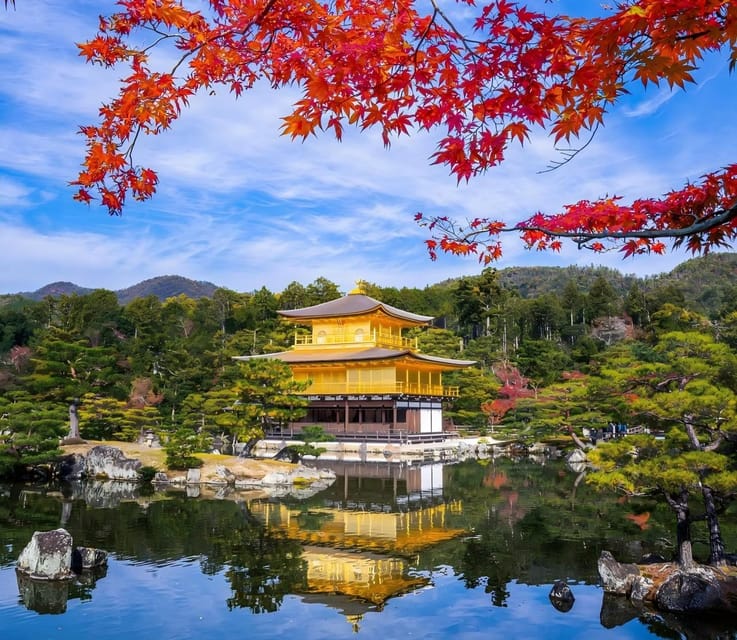
Kinkaku-ji, also called the Golden Pavilion, is usually the day’s first sightseeing stop. Its Shariden Hall is covered in gold leaf and set beside a reflective pond, creating one of Japan’s most familiar temple scenes.
You get about 40 minutes here for a photo stop and self-guided visit. That is enough to walk the main route, take photos, and see the pavilion from several angles. It is not enough for a slow visit to every garden feature, so keep your expectations in check.
The gold is not the whole story. Kinkaku-ji has been rebuilt over time, and the present structure is admired for its strong visual design and setting. The temple has been a UNESCO World Heritage Site since 1994, which helps explain its place on nearly every first-time Kyoto route.
This stop is best for photography and a quick introduction to Kyoto’s temple culture. It is less suited to anyone hoping for a quiet, private moment. The famous view draws large crowds, and you generally follow a set walking path rather than wander freely.
Kiyomizu-dera and the view from its wooden stage
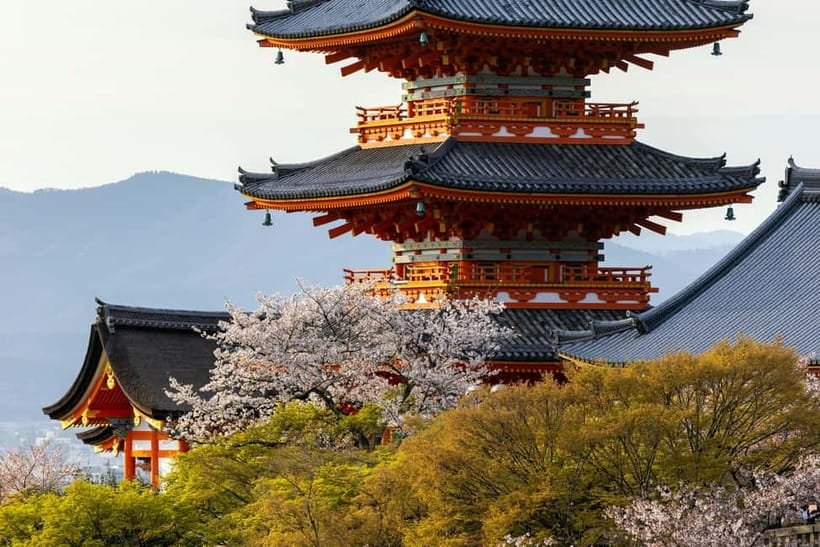
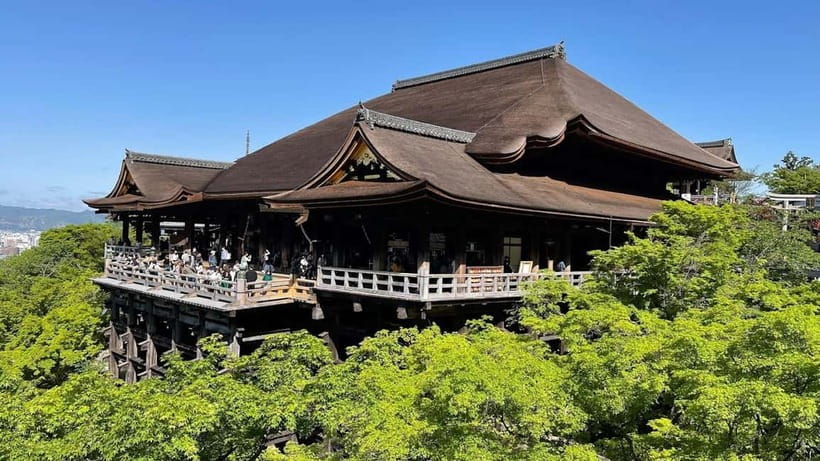
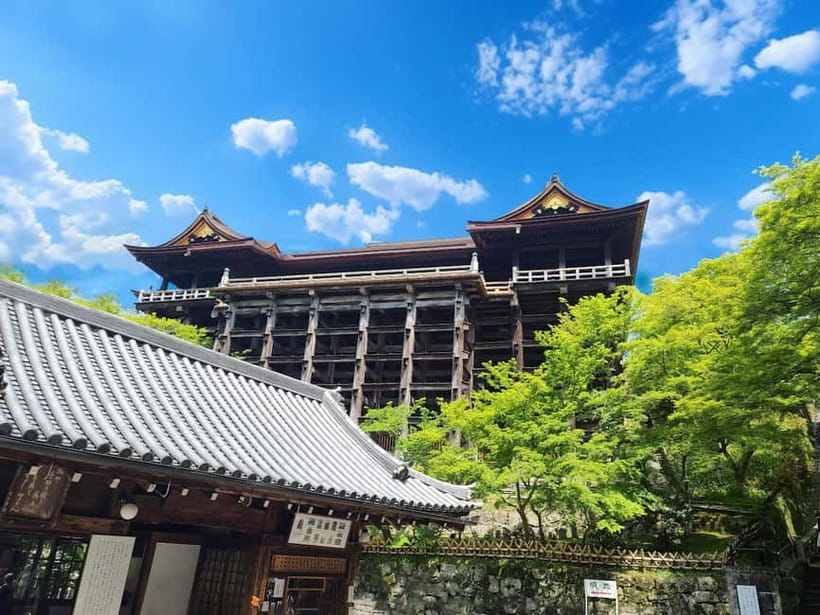
The longest stop is Kiyomizu-dera, with about two hours and 40 minutes listed for sightseeing. That generous block gives you time to visit the temple, cross the famous Kiyomizu Stage, explore nearby lanes, and stop for food or tea.
Kiyomizu-dera is one of Kyoto’s oldest temples and a UNESCO site. Its wooden stage projects from the hillside, offering wide views toward Kyoto. The stage is the main draw, but the approach is just as important. You reach it through a busy uphill area filled with shops, snack stands, and traditional architecture.
I like this part of the day because you have more freedom than at Kinkaku-ji. You can focus on the temple, spend time taking photos, or slow down for a snack. The guide provides history and recommendations, but the visit is self-guided, so you control your pace.
The practical catch is the walking. The route includes slopes and uneven surfaces, and the area becomes especially crowded during peak seasons. Comfortable shoes are not a minor suggestion here. They will make the temple approach, Ninenzaka, and Uji much easier.
Admission to Kiyomizu-dera is not included. Bring extra money for the ticket, drinks, and any food you buy along the way.
Ninenzaka: old Kyoto with a modern crowd
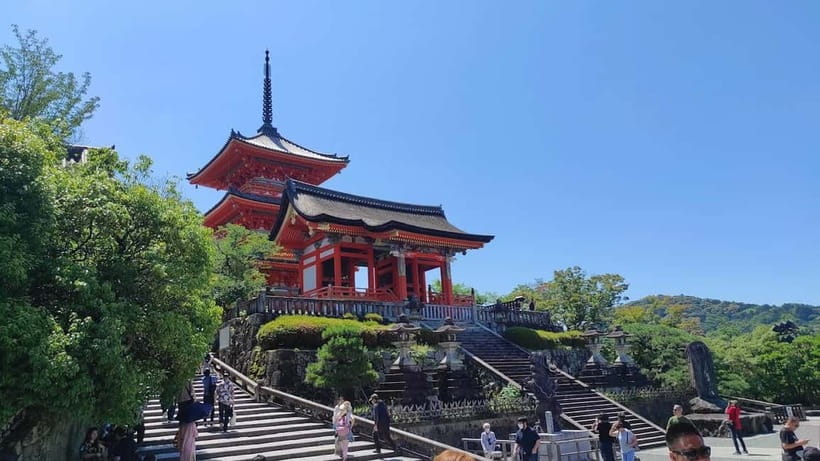
Ninenzaka is the traditional approach to Kiyomizu-dera, lined with wooden-fronted shops, souvenirs, sweets, matcha ice cream, and coffee. It gives you a taste of Kyoto’s old streets without requiring a separate trip across town.
The lane is photogenic, but it is also one of the most crowded places on the route. One stop can feel more commercial than cultural, with high-priced souvenirs and limited room to walk. If you want a calm historic street, this may test your patience. If you like browsing, sampling snacks, and taking photos, it can be enjoyable.
A useful food stop mentioned for this route is MASUDA Tea Shop, known for matcha and coffee. The tour does not include meals or drinks, so you decide how much time and money to spend. I would treat Ninenzaka as a chance to pick one local snack rather than try to make a full meal here.
You may also pass through nearby streets around Yasaka Koshindo. Keep your group’s meeting instructions in mind, since it is easy to lose track of time when shops and food stalls compete for your attention.
Same city, a completely different kind of day:
- Osaka Go Karting Tour with Funny Costume
★ 5.0 · 2,658 reviews - Osaka Castle: Museum and Tower Entry Ticket
★ 4.5 · 2,380 reviews - Osaka: Shinsekai Food Tour with 13-15 Dishes at 5 Eateries
★ 4.8 · 2,204 reviews - Osaka Food Tour: 13 Dishes at 5 Local Eateries
★ 5.0 · 2,149 reviews
Yasaka Koshindo and its colorful prayer balls
Yasaka Koshindo is a small but visually striking religious site near the Kiyomizu-dera area. Colorful balls called kukurizaru are hung around the temple, giving the site a distinctive look and making it popular for photographs.
The stop offers a change of scale. After the large temple grounds and crowded shopping lane, this is a compact place with a more intimate religious atmosphere. It has also appeared as a background in Detective Conan, which adds a bit of pop-culture interest for fans.
You should approach it respectfully. It is an active religious site, not simply a photo set. The tour allows a self-guided visit and photo stop, so your time there may be brief, but it is a memorable addition to the Kyoto section.
Uji: tea, river views, and a slower rhythm
After Kyoto’s major sights, the tour heads to Uji for about 100 minutes of walking and sightseeing. Uji is associated with matcha production, and tea shops line the area around the approach to Byodo-in.
Uji changes the mood of the day. Instead of moving between Kyoto’s biggest landmarks, you walk by the Uji River, see Uji Bridge, visit Uji Shrine, and browse streets filled with tea products and local treats. The river adds open space after the dense temple districts.
Uji Shrine is one of the oldest shrines in the area. The visit is self-guided, so you can take a closer look at the setting and religious details without being tied to a long formal explanation.
The 100-minute block is useful but not generous. It covers several points of interest, including the river, shrine, Byodo-in area, and shopping street. If you want a long tea tasting, a full meal, and a slow temple visit, you may need to choose carefully.
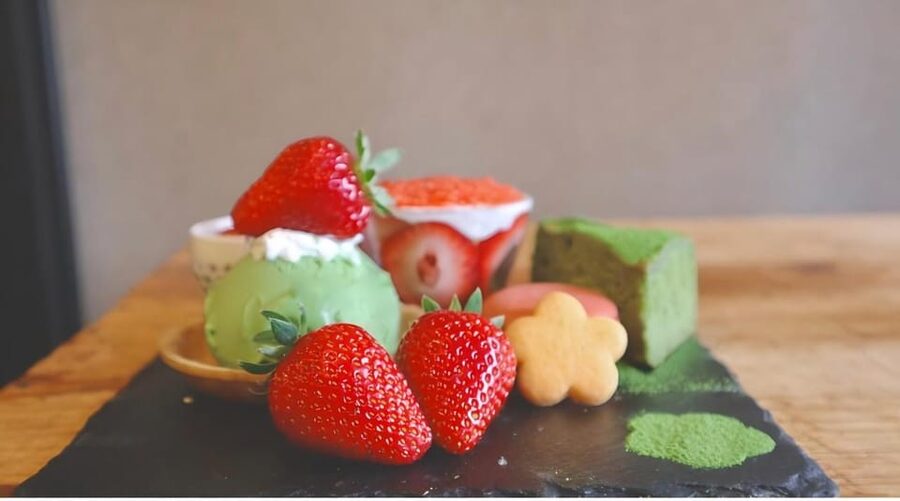
This is the place to try matcha-flavored food or buy tea if that interests you. Food and drinks are not included, and the tour does not promise a formal tea ceremony. Think of Uji as a walk through a tea-centered town rather than a dedicated tea lesson.
Byodo-in and the 10-yen coin connection
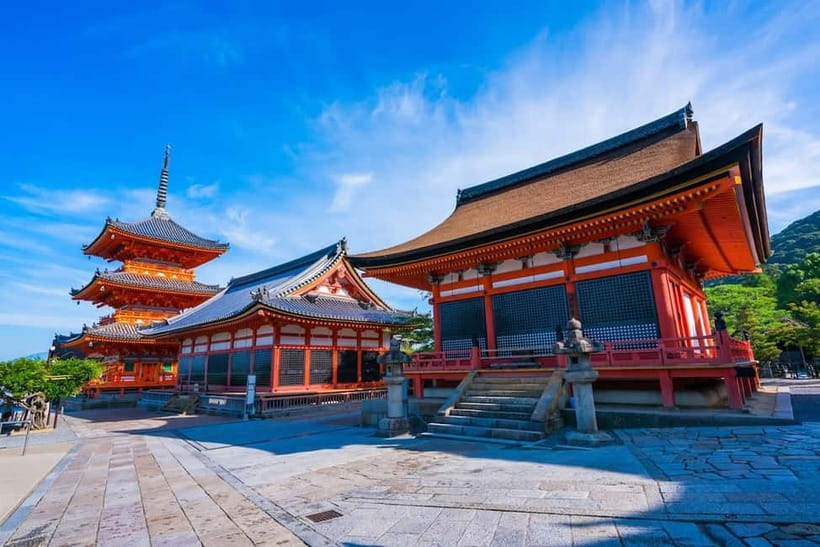
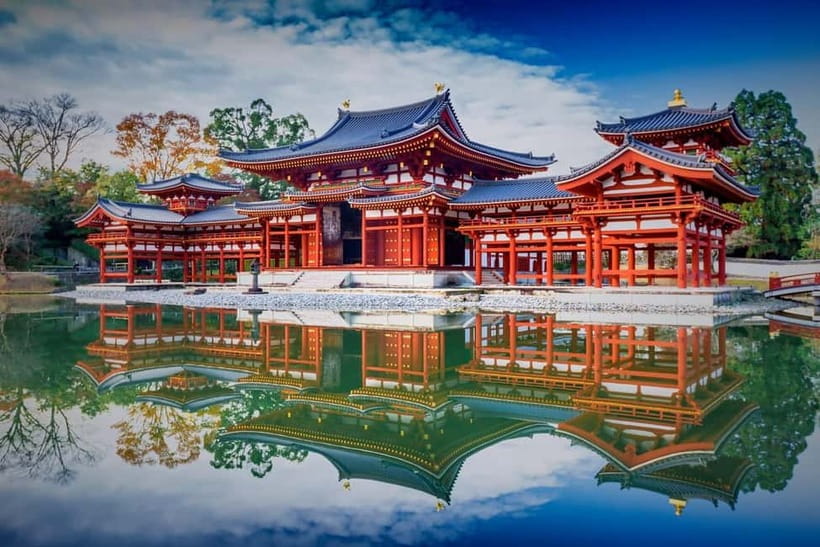
Byodo-in is Uji’s headline sight. Its Phoenix Hall appears on the Japanese 10-yen coin, and an image of the hall also appears on the 10,000-yen note. Seeing the building in person gives those familiar pieces of currency a real-world connection.
The temple is a UNESCO World Heritage site, and its location beside the water makes it especially pleasing to photograph. The Phoenix Hall is the visual focus, but the surrounding grounds help you understand why the site has such lasting importance.
The visit is self-guided, and admission is not included. Check your available time before paying for any optional access connected with the temple, since the overall Uji stop is limited and you still need to return to the coach.
Byodo-in Omotesando, the street leading toward the temple, is another chance to sample Uji specialties. You can browse tea shops and local sweets, but prices vary and personal purchases are your responsibility.
How much value do you get for $54?
At $54 per person, this is priced as an efficient sightseeing day rather than a luxury tour. The fee covers an English-speaking guide, an air-conditioned vehicle, round-trip transfers from the meeting point, parking, tolls, fuel, taxes, and environmental fees.
That package can be good value if you are staying in Osaka and want to see Kyoto and Uji without booking separate transport. A private train-and-bus day may cost less in direct fares, but it requires more planning and gives you less help with the sequence of stops.
Remember the extra costs. Admission to Kinkaku-ji, Kiyomizu-dera, and Byodo-in is excluded, as are meals, drinks, and personal purchases. The tour is still inexpensive, but you should not treat $54 as your complete day budget.
The strongest value comes from the route itself. Kinkaku-ji, Kiyomizu-dera, and Byodo-in are far apart enough to make a self-guided day more complicated. The coach saves time and removes some of the navigation work.
The guide can shape the day
The tour includes a live English-speaking guide, and Amy is specifically associated with strong history explanations, practical recommendations, and help for people with different interests. Her multilingual ability was also praised, which can be useful in a group with mixed language needs.
Because much of the sightseeing is self-guided, the guide’s role matters most during transitions and orientation. You are not locked into a long lecture at every temple. Instead, you get information and suggestions, then explore on your own.
The available information does not specify the regular group size, so do not assume a small group. A private group option is available if you want a more personal format. Ask about that option before booking if group size is important to you.
Walking, comfort, and who should book
You should expect a moderate amount of walking over uneven ground, slopes, temple paths, and crowded streets. Wear shoes you can use comfortably for a full day and clothing suited to changing weather.
The experience is not suitable for wheelchair users or people with mobility impairments, and it may be difficult for people with back problems. Pregnant people and those aged 70 or above are asked to sign a travel waiver on arrival.
Strollers and large luggage need to be declared when booking. Smoking is not allowed during the activity.
This tour suits you best if you want the major sights, prefer transport handled for you, and are happy with a fast-moving day. It is less suitable if you want long, quiet visits at each temple or a slow food-focused trip through Kyoto.
The schedule can change with weather and traffic. That matters because Kyoto’s roads can be slow, and the day already covers a lot of ground. Keep evening plans flexible, especially if you are returning to Osaka.
Should you book this Kyoto and Uji day trip?
Book it if you have one open day, are based in Osaka or Kyoto, and want a practical first look at famous temples without arranging several connections. The combination of Kinkaku-ji, Kiyomizu-dera, Ninenzaka, Uji, and Byodo-in gives you both classic Kyoto sights and a taste of Uji’s tea culture.
The $54 price is appealing, especially with transport costs and basic tour expenses included. Just budget separately for temple admissions and food, and expect crowds at the most famous stops.
Skip it if you dislike packed schedules, commercial shopping lanes, or long coach transfers. For everyone else, it is a sensible, affordable way to cover a large amount of ground in one day, especially with a guide such as Amy to provide context and direction.
FAQ
What time does the tour leave Osaka and Kyoto?
The Osaka departure is at 8:00 AM, and the Kyoto departure is at 9:00 AM, depending on the option selected. Arrive at the assigned meeting point 15 minutes before departure.
Can I finish the tour in Kyoto instead of Osaka?
Yes. You can choose to disembark in either Kyoto or Osaka at the end of the day, regardless of where you boarded.
Are temple admission fees included?
No. Admission to Kinkaku-ji, Kiyomizu-dera, and Byodo-in is not included. Meals, drinks, and personal expenses are also separate.
Is the tour conducted in English?
Yes. The tour includes a live English-speaking guide. A private group option is available.
How long does the tour last?
The full experience lasts 10 hours. The schedule can change because of traffic and weather.
Is the tour suitable for people with mobility limitations?
No. The activity is not suitable for wheelchair users or people with mobility impairments. It is also not recommended for people with back problems. Pregnant people and those aged 70 or above are asked to sign a travel waiver upon arrival.
Just added around Osaka
- (Ticket Included) Explore Osaka Castle & Museum of History★ 4.8 · 21 reviews
- Hidden Osaka – Yukaku Red Light Tour & Culinary Adventure★ 4.8 · 96 reviews
- Osaka: Walking Tour and Top Highlights★ 4.8 · 104 reviews
- Osaka: Private Ceramic Painting Workshop★ 5.0 · 13 reviews
- Pickleball in Osaka, Kobe & Kyoto with Locals!★ 4.7 · 80 reviews
- Eat Like a Local in Osaka – Private Custom Street Food Tour★ 4.3 · 33 reviews
- Osaka:SUMO BEATS SHOWCASE: Taiko Drum and Wagyu burger!★ 4.2 · 37 reviews
- Kimono photoshoot-Includes 100 photo data★ 5.0 · 21 reviews
Historical Tours, compared.
World Heritage Shirakawa-go and Experience Tours from Kanazawa
Read our review →
Imperial Palace and Shogun Historical Walking Tour
Read our review →
World Heritage Kyoto & Nara Uji Authentic Matcha Experience
Read our review →
Kyoto Gion: 2-Hour Geisha Culture & History Walking Tour
Read our review →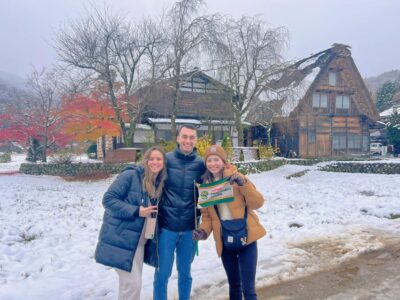
World Heritage Shirakawa-go Morning Guided Tour
Read our review →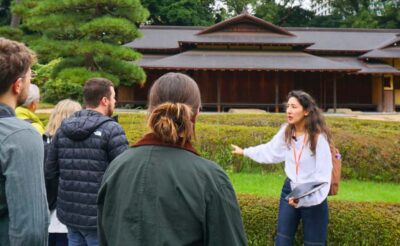
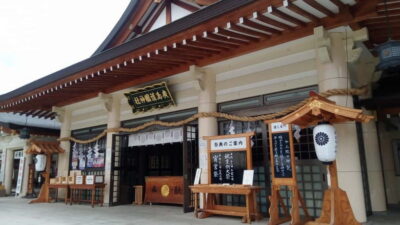
Hiroshima Historical Walking Tour – Why A-Bomb was Dropped
Read our review →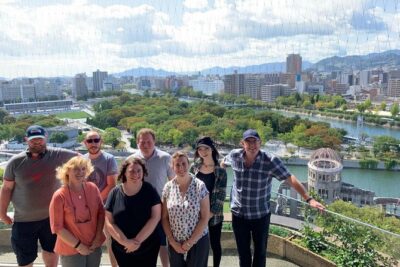
Hiroshima Peace (Heiwa) Walking Tour at World Heritage Sites
Read our review →Browse the lists this tour appears in