
REVIEW · ARASHIYAMA BAMBOO TOURS
Osaka/Kyoto: Arashiyama, Nara Park, Fushimi Shrine Tour
The day’s big draw is its unusual three-part mix: Arashiyama’s bamboo trails, Nara’s freely roaming deer, and the red torii gates of Fushimi Inari. For $51, you cover three major sights without arranging several train trips yourself. I like the efficient route between Osaka and Kyoto, and I like having enough time for a proper walk at each stop rather than only a quick photo break.
The catch is the clock. This is a long shared-coach day, and the route loops from Osaka to Kyoto, Nara, Kyoto, then Osaka. Commentary is basic, and the bus can spend a large part of the day on the road. You need to reach the meeting point early and stay alert for schedule changes.
In This Review
- Key points at a glance
- What this Osaka and Kyoto day trip really covers
- Arashiyama begins with bamboo and Togetsukyo Bridge
- Nara Park puts the deer within easy reach
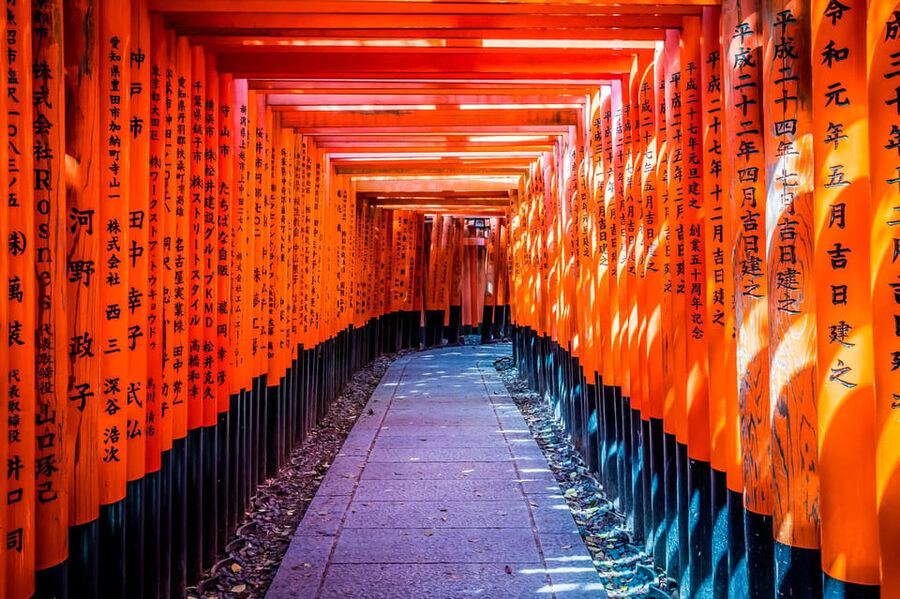
- Fushimi Inari supplies the day’s strongest visual moment
- The coach saves planning time, but costs you hours
- Basic guidance means you need to prepare
- Meals, comfort, and accessibility
- Who will get the most from this day
- Should you book this Osaka and Kyoto tour?
- FAQ
- Where does the tour start?
- How long does the tour last?
- How much time do you get at each attraction?
- Is a guide included?
- Are meals included?
- Is transportation included in the price?
- Can I cancel for a full refund?
- Is the tour wheelchair accessible?
Key points at a glance
- Three famous sights in one day: Visit Arashiyama, Nara Park, and Fushimi Inari Taisha without planning separate transport.
- Morning in Arashiyama: Spend about two hours around Togetsukyo Bridge and the bamboo forest before the day gets further along.
- Close deer encounters: Nara Park has more than 1,000 deer, regarded as divine messengers and protected as a national natural monument.
- A flexible but lightly guided format: You receive basic information, then explore each site on your own.
- Good transport value: The price includes the coach, tolls, parking, and fuel, but not food or drinks.
- Strict meeting-point timing: A missed departure can be difficult to recover from, so confirm the exact time and location before setting out.
What this Osaka and Kyoto day trip really covers
This is best understood as a transport-and-sightseeing day, not a detailed history tour. You travel by shared coach, receive an outline of each stop, and then have free time to walk at your own pace.
The schedule begins around 8:00 in Osaka and 9:20 in Kyoto, with Arashiyama reached at about 10:00. The coach then continues to Nara, followed by Fushimi Inari. Return times are planned for around 17:00 in Kyoto and 18:00 in Osaka.
That arrangement suits you if you want to see several major places in one day and do not want to compare train routes. It is less appealing if you prefer slow meals, quiet temple visits, or detailed explanations at every stop.
The tour is mainly conducted in Chinese. English, Japanese, and Korean support may be available if arranged at booking, but language service is not guaranteed. In a smaller group, the driver may also act as guide, so expect practical directions and short onboard comments rather than a full narrated tour.
More Nara Day Trips in Osaka
- Ancient Capital Tour: Kyoto and Nara Highlights from Kyoto/Osaka
★ 4.5 · 332 reviews - Kyoto and Nara Day Trip from Osaka
★ 4.0 · 175 reviews - From Osaka or Kyoto: Kyoto and Nara 1-Day Bus Tour
★ 3.5 · 141 reviews
Arashiyama begins with bamboo and Togetsukyo Bridge
Arashiyama gets the early slot, which is a sensible choice. The area is known for its bamboo forest paths, and an earlier arrival generally gives you a better chance to walk before the heaviest crowds build.
You have about two hours here. That is enough for a purposeful visit, but not enough to see every corner of Arashiyama. The key sights are the bamboo trail and Togetsukyo Bridge, the classic crossing over the river with seasonal views around it.
I like the fact that the tour does not treat Arashiyama as a single quick photo stop. Two hours gives you time to walk through the bamboo, reach the bridge, and take in the setting without sprinting back to the coach. Still, you need to watch the time. The stop is self-guided, and no detailed walking route is provided in the tour information.
The bamboo forest is more about atmosphere than distance. You walk beneath tall green stalks, with the path and filtered light creating a marked change from the city. The bridge offers a wider view and helps you reset before the next leg of the day.
Wear shoes that are comfortable for walking. You will be moving on foot at every stop, and the tour does not include a meal break. Since food is not allowed in the vehicle, plan your snacks carefully and follow the guide’s instructions about when and where to eat.
Nara Park puts the deer within easy reach
The Nara stop lasts about 80 minutes, or roughly an hour and a half depending on the schedule. That is enough to meet the deer and walk through part of the park, but it is not a full Nara sightseeing visit.
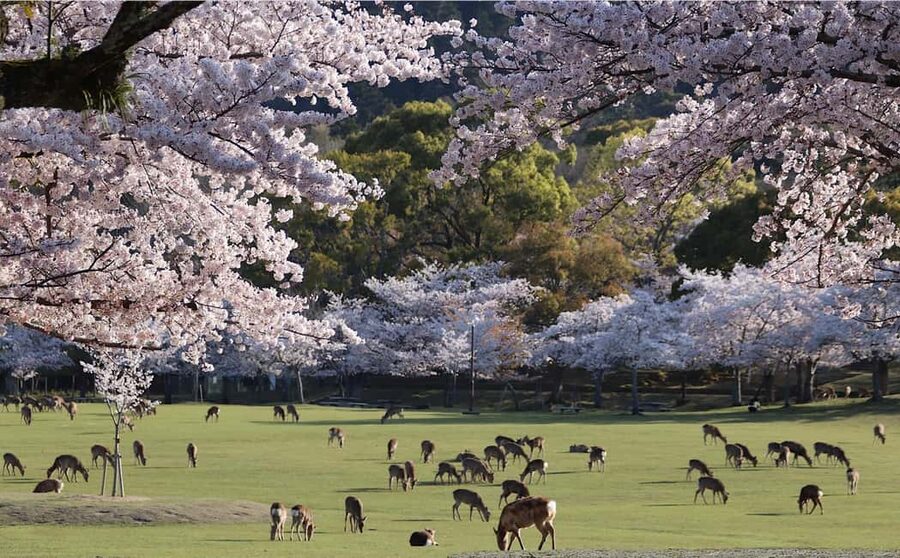
More than 1,000 deer roam freely around Nara Park. They are regarded as messengers of the gods and have a history connected with the area reaching back more than 1,300 years. The deer are also protected as a national natural monument, which gives this encounter more weight than a standard animal attraction.
You can expect the deer to be the center of attention. The park is a broad green space beside Kasuga Taisha Shrine, so you get a mix of open paths, trees, and traditional religious surroundings. The short stop works well if your priority is seeing the deer and taking photographs.
The limit is time. You will not have room for a relaxed visit to every shrine and path in the park. If Nara is the main reason you came to Japan, I would choose a longer dedicated visit. If it is one part of a first-look day, the 80 minutes gives you a useful introduction.
Keep your belongings close and follow local instructions around the animals. The tour information does not promise a special deer-feeding session, so treat this as a park visit with free-roaming deer, not a scheduled animal activity.
Fushimi Inari supplies the day’s strongest visual moment
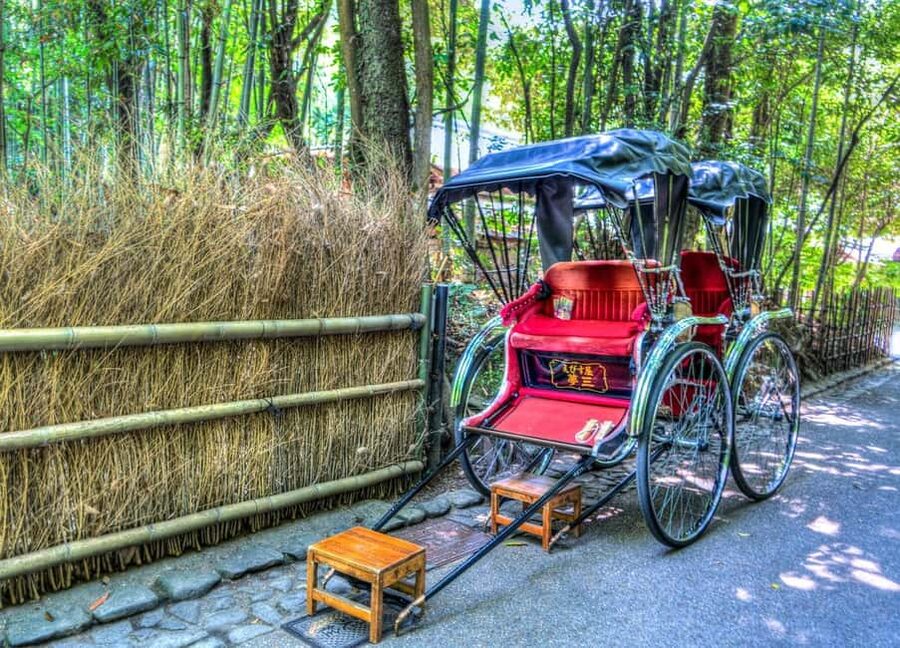
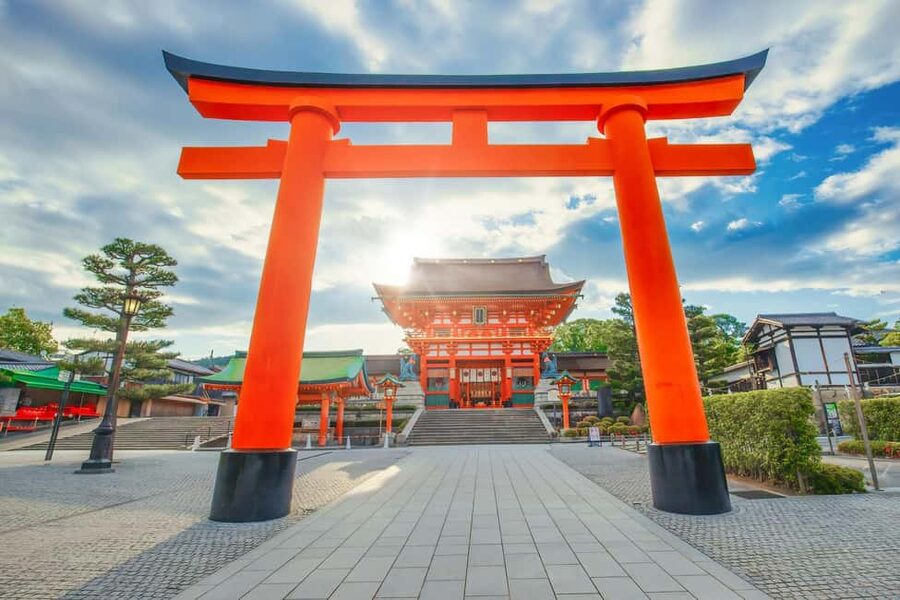
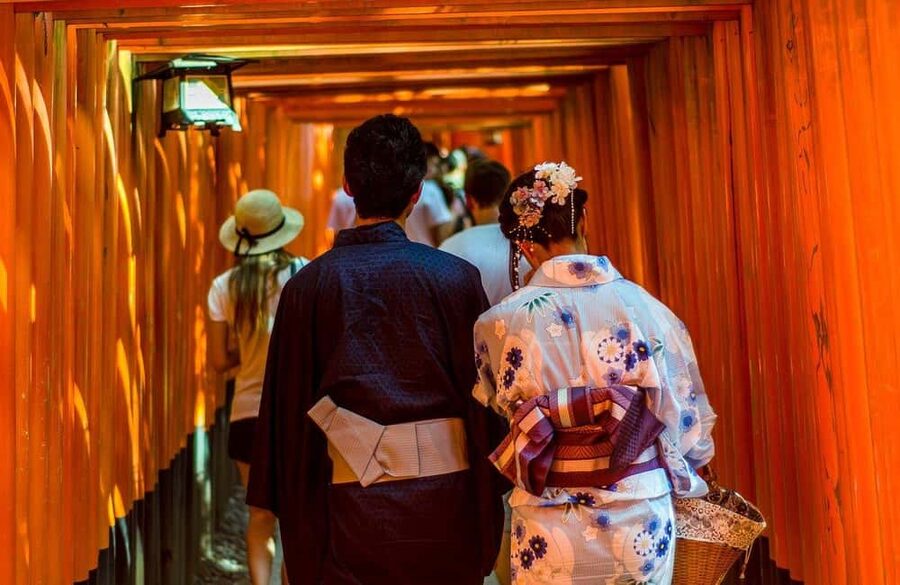
Fushimi Inari Taisha is the final major stop, with about 80 to 90 minutes available. The shrine is known for its long rows of red-orange torii gates climbing through the wooded slopes of Mount Inari.
The famous gate route is often described as 10,000 torii, and the effect is striking even if you walk only a short section. Fushimi Inari is the head shrine for roughly 30,000 Inari shrines across Japan. Its origins are traditionally dated to 711, and the entire mountain is treated as sacred.
This is the stop where you should use your time carefully. You can walk beneath the gates, take photographs, and get a sense of how the shrine continues beyond the first crowded stretch. With only around 90 minutes, you are unlikely to complete the whole mountain route, so do not set out with that goal.
I would make Fushimi Inari your photography priority if you are choosing between long walks at the three stops. The repeating gates create a strong sense of movement, while the wooded setting gives the shrine a quieter feel farther along the path.
The tradeoff is that the shrine can be busy, especially near the entrance. Move beyond the first gate corridors when time allows, but keep an eye on your watch. The coach will not wait indefinitely for a late return.
More Temple & Shrine Tours in Osaka
- Osaka: Minoh, Katsuoji Temple, & Minoh Falls Full-day Tour
★ 4.9 · 172 reviews - Sagano Romantic Train & Arashiyama, Kiyomizudera, Fushimi Inari Taisha Day Tour
★ 4.5 · 171 reviews - Full Day Kyoto Tour : Bamboo Forest, Golden Temple, Fushimi Inari
★ 5.0 · 84 reviews - Osaka Temple Cool Foot Bath & Matcha Experience〈45min〉
★ 4.9 · 82 reviews
The coach saves planning time, but costs you hours
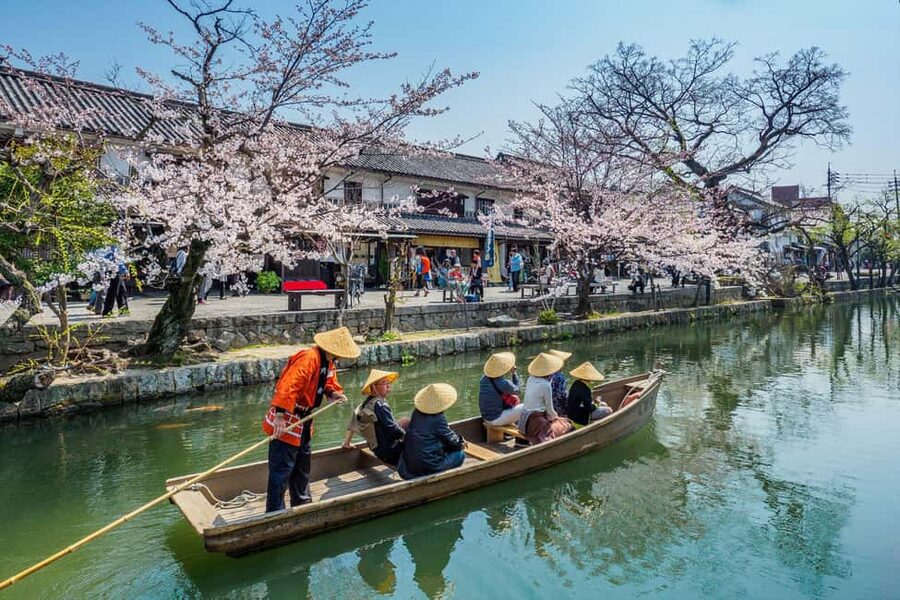
The main practical benefit is simple: one vehicle links three places that can otherwise require several separate train and bus journeys. Tolls, parking, fuel, and transport are included, so the $51 price covers the parts of the day that can become confusing or expensive when arranged independently.
There is a real cost, though. The route begins in Osaka or Kyoto, reaches Arashiyama, goes on to Nara, returns toward Kyoto for Fushimi Inari, and then finishes in Kyoto or Osaka. That means you spend a substantial amount of the day sitting in traffic or traveling between stops.
One useful comparison is public transport. Independent travel may be faster or cheaper, particularly for confident visitors who already understand the Kyoto and Nara rail networks. You can also choose your own order and stay longer at the sight you like best.
The coach earns its price if you value simple connections and included parking more than maximum freedom. It is especially useful for a first visit, for anyone uncomfortable navigating Japanese transport, or for a group that wants to stay together.
Traffic and weather can change the timing. The coach may reach the next stop early if a site closes or has limited visiting hours, and the day may finish earlier than planned. Heavy traffic can also reduce your time on foot. Think of the schedule as a target, not a guarantee.
Basic guidance means you need to prepare
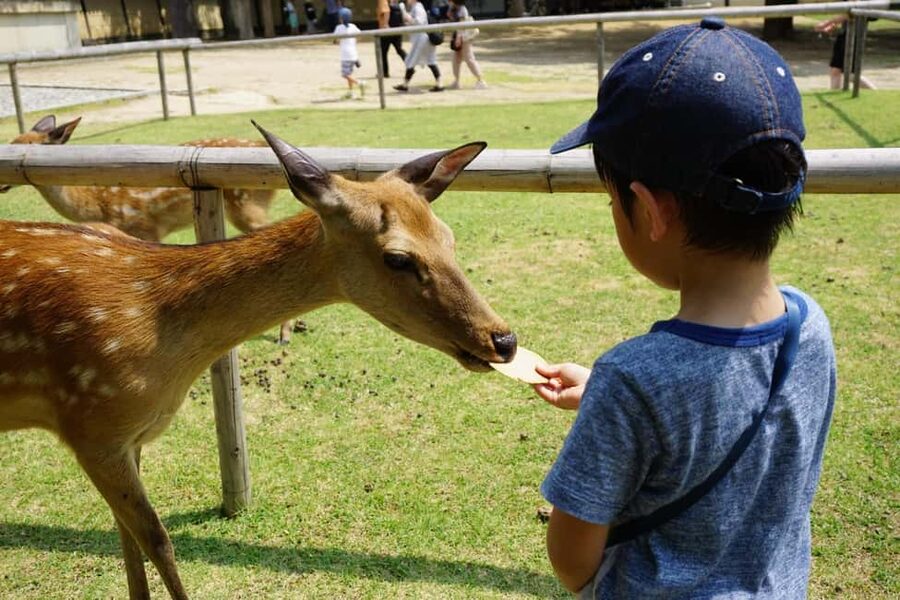
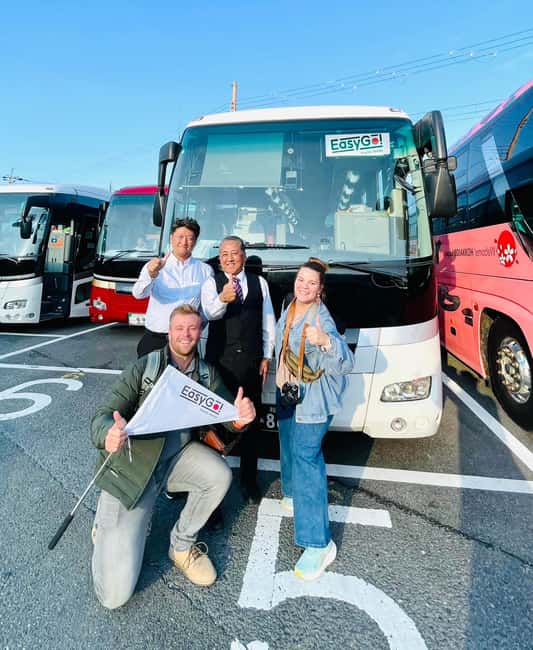
You should arrive at the correct meeting point and check in with staff wearing an EASY GO vest or holding an EASY GO flag. The available starting points are Kyoto Station’s Hachijo-guchi sightseeing bus area and a Dotonbori meeting point in Osaka, depending on the option you book.
Do not rely on a guide calling you in advance. The tour information says the guide will not contact participants beforehand, and a missed departure can create a serious problem. One failed pickup resulted in a family arriving shortly after the coach had left and being told to make their own way to the next stop. That is a strong reason to confirm the meeting point, allow extra time, and avoid treating the departure time casually.
Staff quality can vary. Levi received especially warm praise for giving useful directions and helping throughout the day. CC was also described as helpful with information about where to go, while HuaHua was praised for keeping the outing well organized. Those details point to the best version of this tour: an efficient day with a friendly escort who gets you oriented quickly.
At the same time, the experience does not promise a professional guide at each temple, shrine, or park. If you want the meaning behind every symbol and building explained, bring your own notes or arrange a dedicated guided visit.
Meals, comfort, and accessibility
Food and drinks are not included. You should plan to buy food during the stops, but remember that food is not allowed inside the vehicle. The schedule is tight enough that a long sit-down meal may be difficult, so a quick meal or snack during free time makes more sense.
The activity is listed as wheelchair accessible. Because the tour includes several outdoor sites and self-guided walking time, you should still consider how much movement you want at each stop. The provided information does not describe specific accessible routes within Arashiyama, Nara Park, or Fushimi Inari.
Shared transport may include people from several countries. That can make the group more varied, but it also means the guide must manage different languages and different walking speeds. The tour’s main language is Chinese, with English, Japanese, or Korean assistance dependent on the arrangements made for your departure.
The free cancellation window is up to 24 hours before departure, and you can reserve now and pay later. Those policies are useful if your Japan plans are still shifting, but they do not change the need to arrive on time.
Who will get the most from this day
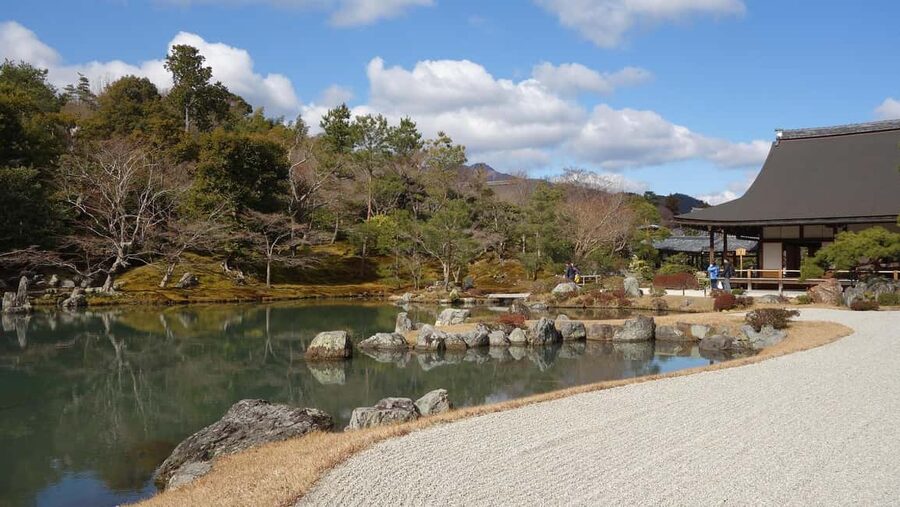
I would suggest this tour to you if:
- You want to see three headline sights in one day.
- You are staying in Osaka but want an easy route into Kyoto and Nara.
- You prefer included transport over working out several train connections.
- You are happy exploring on your own after a short briefing.
- You have limited time in the Kansai region and want a broad first look.
I would think twice if you want a slow, highly detailed cultural visit. The day gives you only about two hours in Arashiyama, 80 minutes in Nara, and up to 90 minutes at Fushimi Inari. The coach route can feel long, and the commentary may be too light for anyone seeking serious historical explanation.
The strongest parts are the choice of stops, the practical transport, and the chance to see the deer and torii gates in one well-packed day. The weakest parts are the fixed pace, possible traffic delays, and the consequences of missing the bus.
Should you book this Osaka and Kyoto tour?
Book it if your priority is coverage. For $51, the coach links Arashiyama, Nara Park, and Fushimi Inari while covering tolls, parking, fuel, and transport. That is fair value for a first visit when you want the main sights without a transport puzzle.
Skip it if you already know the Kansai rail system or want more time at any one place. Public transport may give you more control, and a self-planned day can avoid the long loop through Osaka and Kyoto.
My practical advice is to treat this as a well-priced orientation day, not a deep cultural tour. Confirm the meeting point, arrive early, request your preferred language when booking, wear comfortable shoes, and keep your schedule open for traffic. If you do that, the tour can give you three memorable snapshots of the Kansai region in a single day.
FAQ
Where does the tour start?
The available meeting points are Kyoto Station’s Hachijo-guchi sightseeing bus area and a Dotonbori location in Osaka. The exact meeting point depends on the option booked.
How long does the tour last?
The tour duration is 10 hours. The planned return is around 17:00 in Kyoto and 18:00 in Osaka.
How much time do you get at each attraction?
The planned schedule gives about two hours in Arashiyama, 80 minutes in Nara Park, and about 80 to 90 minutes at Fushimi Inari Taisha.
Is a guide included?
A Chinese, English, Japanese, or Korean-speaking host or greeter is included, depending on arrangements. The tour is mainly conducted in Chinese, and English or Korean service is not guaranteed.
Are meals included?
No. Meals and drinks are not included, and food is not allowed inside the vehicle.
Is transportation included in the price?
Yes. Coach transport, toll fees, parking fees, and fuel fees are included.
Can I cancel for a full refund?
You can cancel up to 24 hours in advance for a full refund.
Is the tour wheelchair accessible?
Yes, the activity is listed as wheelchair accessible. The provided information does not specify accessible routes within each individual attraction.
More Arashiyama Bamboo Tours in Osaka
- Kyoto: Immersive Arashiyama & Fushimi Inari by Private Car
★ 5.0 · 35 reviews - From Osaka: Kyoto, Nara, Fushimi Inari & Arashiyama Day Tour
★ 4.4 · 19 reviews - Kyoto: Fushimi Inari, Kinkakuji, Bamboo Grove 1 Day Bus Tour
★ 4.8 · 4,316 reviews - Osaka/Kyoto:Kinkakuji,Arashiyama,FushimiInariShrine,NaraPark
★ 4.1 · 1,596 reviews
Just added around Osaka
- (Ticket Included) Explore Osaka Castle & Museum of History★ 4.8 · 21 reviews
- Hidden Osaka – Yukaku Red Light Tour & Culinary Adventure★ 4.8 · 96 reviews
- Osaka: Walking Tour and Top Highlights★ 4.8 · 104 reviews
- Osaka: Private Ceramic Painting Workshop★ 5.0 · 13 reviews
- Pickleball in Osaka, Kobe & Kyoto with Locals!★ 4.7 · 80 reviews
- Eat Like a Local in Osaka – Private Custom Street Food Tour★ 4.3 · 33 reviews
- Osaka:SUMO BEATS SHOWCASE: Taiko Drum and Wagyu burger!★ 4.2 · 37 reviews
- Kimono photoshoot-Includes 100 photo data★ 5.0 · 21 reviews
Arashiyama Bamboo Tours, compared.
Osaka/Kyoto:Kinkakuji,Arashiyama,FushimiInariShrine,NaraPark
Read our review →
Kyoto/Osaka: Nara, Fushimi Inari Taisha, Arashiyama Bus Tour
Read our review →
Kyoto Arashiyama Walking Tour: Bamboo, Monkeys, Gardens & Secrets
Read our review →
Arashiyama Bamboo, Temple, Monkeys, or Secret Sake Brewery
Read our review →
Arashiyama Bamboo Forest, Monkeys, Matcha & Temple Tour
Read our review →
Osaka/Kyoto: Arashiyama, Nara & Fushimi Inari Shrine w/Lunch
Read our review →
Nijo, Kinkaku-ji, Arashiyama, Kiyomizu & Fushimi Inari
Read our review →
Arashiyama Bamboo Forest & Hidden Gems Bike Tour (Early Bird)
Read our review →Browse the lists this tour appears in