
REVIEW · ARASHIYAMA BAMBOO TOURS
From Osaka: Kyoto, Nara, Fushimi Inari & Arashiyama Day Tour
Nara’s free-roaming deer, Fushimi Inari’s red torii gates, and Arashiyama’s bamboo grove give you three of Japan’s most recognizable sights in one long day. I like the strong mix of nature, religion, and old neighborhoods, and I like that round-trip transport from Osaka removes the need to puzzle out several train connections.
The guide can add real value, especially if you get Yang or Jack, both praised for clear explanations, patience, and helping with photos. The tradeoff is the pace: three major areas in one day means limited time, plenty of walking, and a late return that can shift with traffic.
In This Review
- Key points to know before booking
- Three famous sights without changing hotels
- Starting in Osaka at Nipponbashi
- Nara Park and the bowing deer
- Fushimi Inari and the first red gates
- Arashiyama gives you the most freedom
- The Sagano Romantic Train and its extra cost
- Footbath and Kimono Forest at Arashiyama Station
- What the long return to Osaka means
- Who will get the most from this day
- Should you book this Osaka day tour?
- FAQ
- Where does the tour meet in Osaka?
- What time should I arrive?
- Which languages are available?
- Is the Sagano Romantic Train included?
- Are meals included?
- How much walking is involved?
- Can wheelchair users join?
- Can I cancel for a full refund?
Key points to know before booking
- Feed deer in Nara Park: Buy deer crackers locally and offer them carefully to the friendly animals.
- Walk the first stretch of Fushimi Inari: The famous gates are rewarding, but the full mountain route is not practical within this schedule.
- Use Arashiyama’s free time wisely: You have about two and a half hours for the bamboo grove, station area, temples, shops, and optional extras.
- The Sagano Romantic Train costs extra: The short panoramic ride is optional and should not be treated as part of the $56 base price.
- Expect a long day on the road: The listed drive times add up to several hours, with a possible two-hour return journey.
- Arrive early at Nipponbashi: Find the guide with the yellow flag at Exit 2 by 7:50 a.m. for an 8 a.m. departure.
Three famous sights without changing hotels
At $56 per person, this is a transport-heavy day tour, but it covers a lot of ground. You leave from 1-chōme-3-6 Nipponbashi in Osaka, ride an air-conditioned bus, and return to the same area. Expressway tolls, fuel, parking, and a professional driver are included.
That matters because Nara, Fushimi Inari, and Arashiyama sit in different directions around the Osaka and Kyoto area. You could visit them independently, but you would need to manage train routes, station walks, local transport, and timing on your own. Here, you pay for convenience and a guide who keeps the day moving.
The price does not include meals, personal purchases, deer crackers, or the optional Sagano Romantic Train. At this rate, I would bring cash and treat the tour as a sightseeing sampler rather than a relaxed Kyoto day. It gives you a useful first look at several headline sights, but it cannot offer long, quiet visits at each one.
The overall rating is 4.4 from 19 reviews, and the strongest comments focus on the guides and the value. Yang is described as friendly, patient, informative, and willing to take photos. Jack is also noted for clear explanations and professional organization. Guide quality can vary on a shared multilingual tour, but these names give you a useful sense of what a good day can feel like.
More Nara Day Trips in Osaka
- Ancient Capital Tour: Kyoto and Nara Highlights from Kyoto/Osaka
★ 4.5 · 332 reviews - Kyoto and Nara Day Trip from Osaka
★ 4.0 · 175 reviews - From Osaka or Kyoto: Kyoto and Nara 1-Day Bus Tour
★ 3.5 · 141 reviews
Starting in Osaka at Nipponbashi
The meeting point is at Nipponbashi Exit 2, in the Namba and Shinsaibashi area. You should arrive at least 15 minutes early, even though the stated meeting time is 7:50 a.m. and departure is 8 a.m.
This is not a place to cut things close. Several tour groups may gather nearby, so look for the guide holding a yellow flag. The evening before, you receive information about the guide, driver, and meeting arrangements. Check your regular inbox and your spam folder.
The first bus ride to Nara takes about one hour. Bring water, sunscreen, and comfortable shoes. Food is not allowed inside the vehicle, so eat before departure or plan to buy something during a stop.
If fewer than 13 people join, the driver may also act as the guide and provide simple explanations. On a larger shared tour, you may be with people using English, Japanese, and Chinese. That keeps the price down, but it can mean announcements are repeated in several languages.
Nara Park and the bowing deer
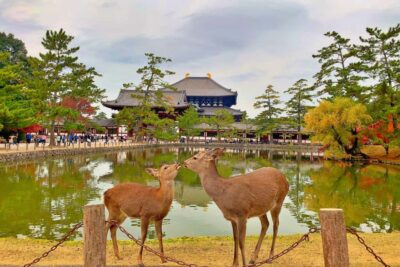
Nara Park is the day’s most playful stop. More than a thousand deer roam freely among the trees and paths, and you can approach them at close range. They are considered sacred animals, but they are also very alert to anyone carrying food.
Deer crackers are sold in the park. The deer may bow when asking for one, which makes for a memorable photo. Feed in small amounts, keep your hands open after the crackers are gone, and pay attention to the animals around you. Their friendliness is real, but they are still animals competing for snacks.
The stop lasts about one hour. That gives you time for a walk, photos, and feeding, but not a full visit to every part of the park. You may find yourself wishing for more time if the deer are active or if you want to explore beyond the main paths.
The park changes with the seasons. Spring and summer bring green surroundings, autumn adds colorful leaves, and winter can bring snow-dusted trees. The deer remain the main attraction, but the setting gives the stop a calm start before the more crowded shrine visits.
One practical point: the schedule can be affected by traffic and seasonal crowds. A recent January tour had to spend longer in Nara because of a busy period after New Year, which reduced flexibility later. That is a good reminder to enjoy the stop you are in rather than counting every minute until the next one.
Fushimi Inari and the first red gates
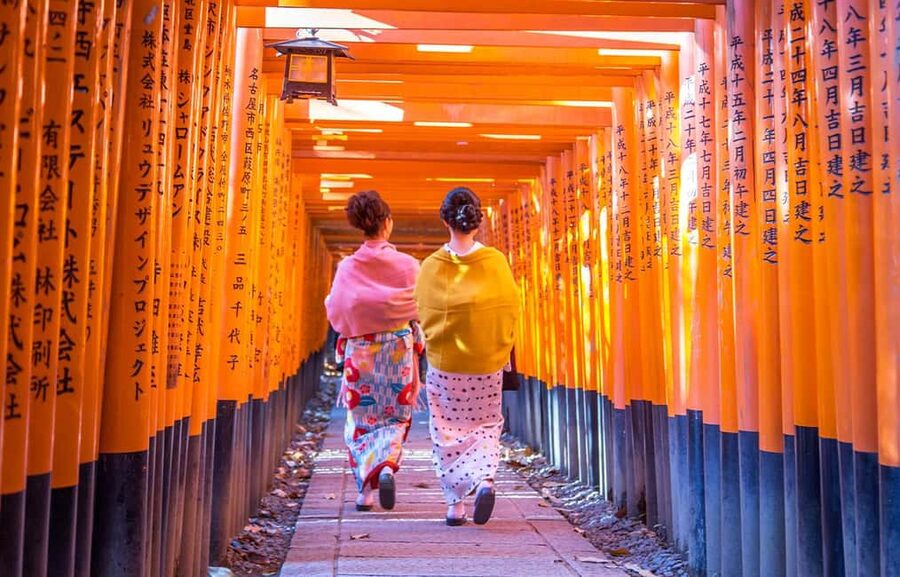
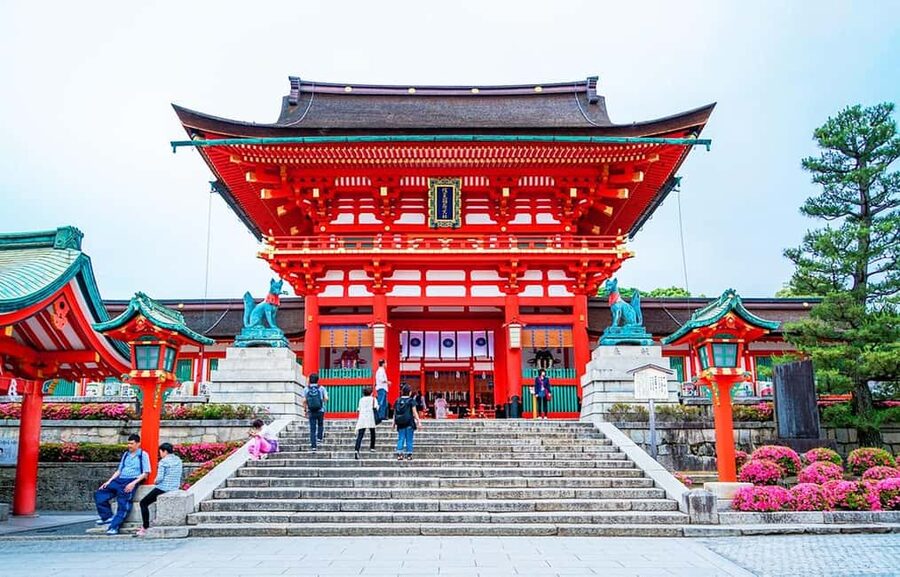
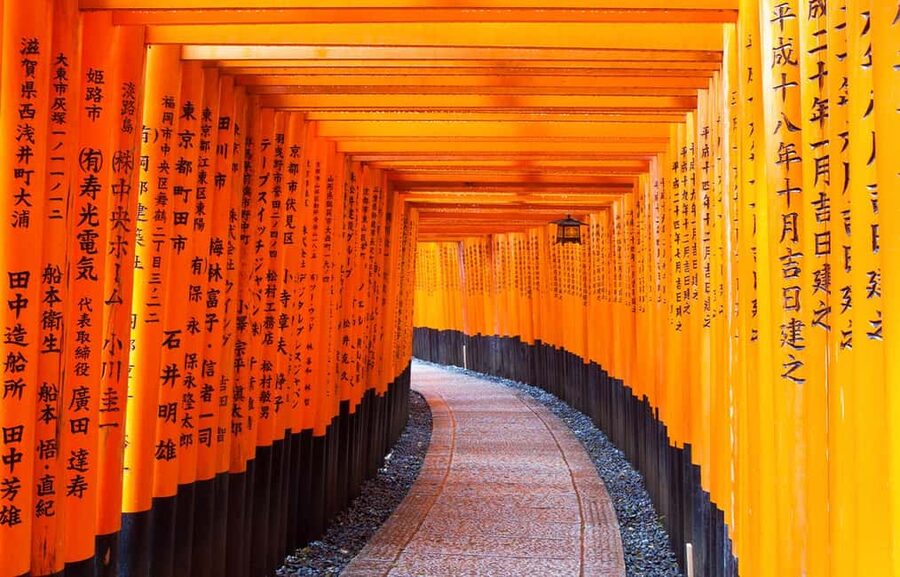
After about an hour on the bus, you reach Fushimi Inari Taisha for roughly 80 minutes. This is the spiritual centerpiece of the day and one of Kyoto’s most photographed places.
The shrine is famous for its long line of orange-red torii gates that climb Mount Inari. Walking beneath them feels different from simply seeing a single shrine gate in a photo. The repeated color, shadows, and rising path create a strong visual rhythm.
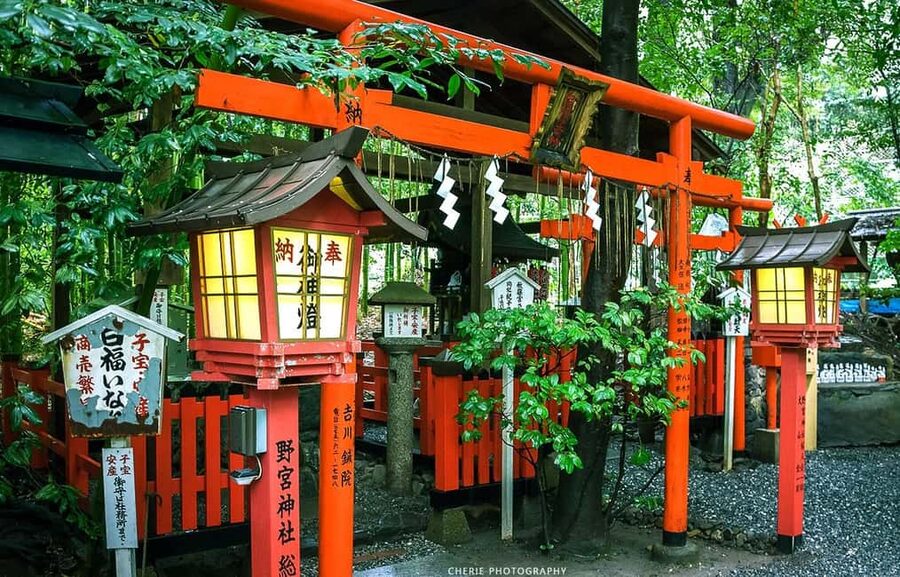
You can make a wish at the main shrine and look at fox imagery throughout the grounds. Foxes are linked with Inari, the shrine’s deity, and you can draw a fox-shaped ema, a wooden prayer plaque, as a personal souvenir or offering.
Eighty minutes is enough to visit the main shrine and walk into the torii tunnel. It is not enough for a leisurely climb all the way up Mount Inari. If you want fewer people, you can keep walking uphill beyond the first packed section, but you must watch the time and return to the agreed meeting point.
Wear shoes with a firm sole. The route includes steps and slopes, and the day already contains a fair amount of walking. Sunscreen and water matter here because shade varies along the route.
The guide-led portion can help you understand what you are seeing, especially if your guide explains the shrine’s fox symbols, prayer customs, and meeting location. Yang’s ability to share facts while chatting with the group was one of the reasons his guiding style received such strong marks.
More Temple & Shrine Tours in Osaka
- Osaka: Minoh, Katsuoji Temple, & Minoh Falls Full-day Tour
★ 4.9 · 172 reviews - Sagano Romantic Train & Arashiyama, Kiyomizudera, Fushimi Inari Taisha Day Tour
★ 4.5 · 171 reviews - Full Day Kyoto Tour : Bamboo Forest, Golden Temple, Fushimi Inari
★ 5.0 · 84 reviews - Osaka Temple Cool Foot Bath & Matcha Experience〈45min〉
★ 4.9 · 82 reviews
Arashiyama gives you the most freedom
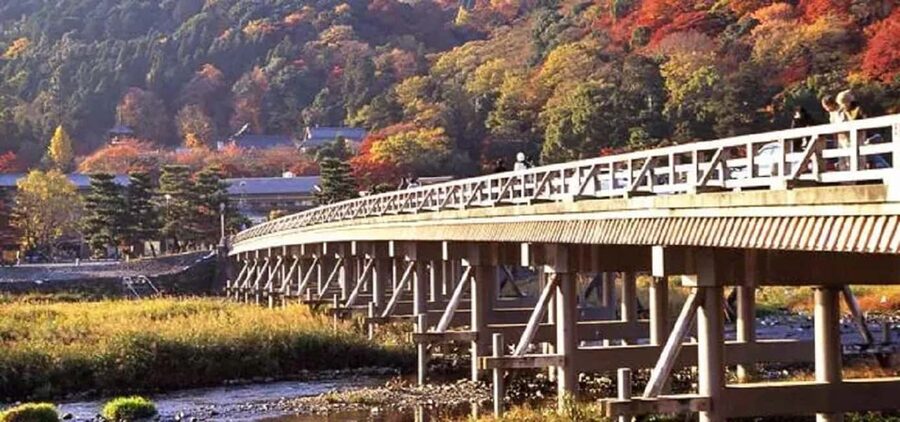
The ride from Fushimi Inari to Arashiyama takes about 40 minutes. You then have around two and a half hours in one of Kyoto’s most scenic areas, where temples, river views, shops, art, and wooded paths sit close together.
This is the part of the day where you need to choose. You cannot see everything in Arashiyama in one short visit, so decide what matters most before leaving the bus.
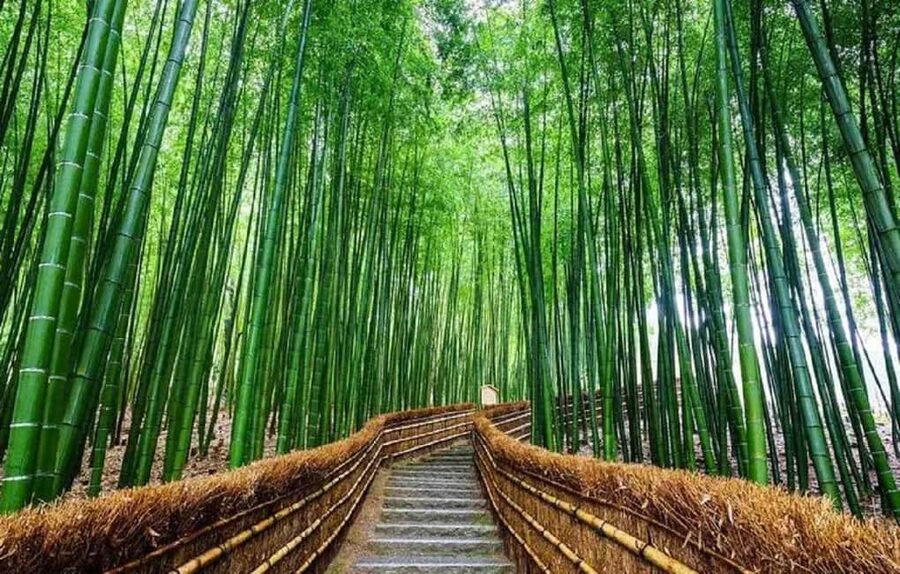
The Bamboo Grove is the obvious priority. Tall bamboo rises on both sides of the path, and the sound of the stalks moving in the wind is part of the appeal. It is a short walk rather than a wilderness hike, and the path can be crowded, but it remains worth seeing in person.
The area also offers seasonal appeal. Cherry blossoms bring spring color, summer keeps the bamboo and surrounding trees green, autumn adds maple leaves, and winter can give the neighborhood a quieter, colder mood. The tour does not guarantee any particular seasonal display, so think of the grove as the fixed attraction and the surrounding scenery as a bonus.
You might also use your free time for a temple visit, a walk near the river, local food, or small shops. The supplied schedule includes a photo stop at Arashiyama Bamboo Grove, time at the footbath, and a visit to the Kimono Forest, but the area’s exact order may change.
The Sagano Romantic Train and its extra cost
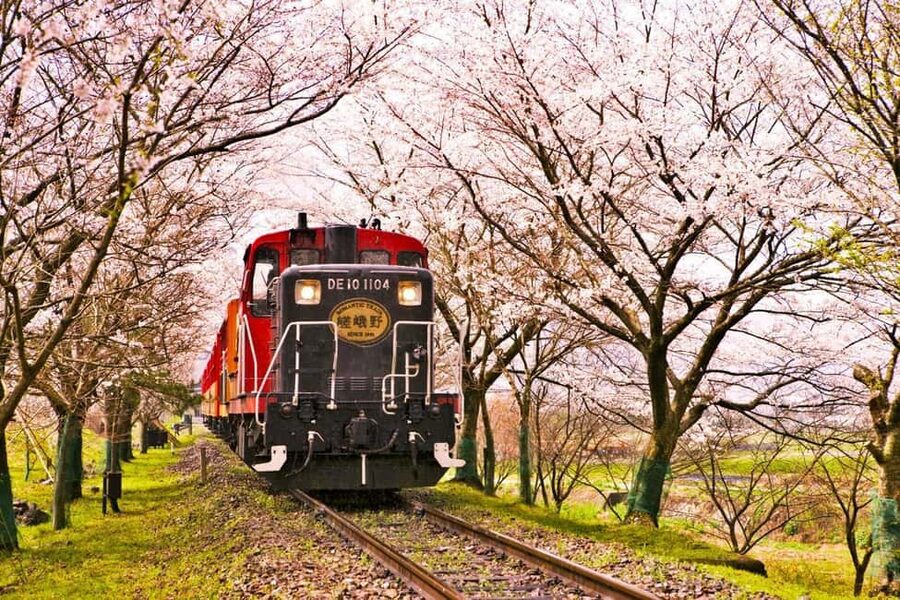
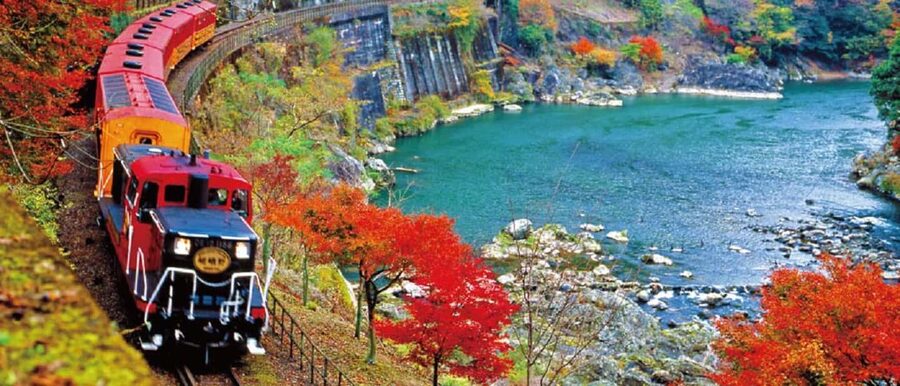
The itinerary includes Torokko Saga Station and a panoramic train ride of about 25 minutes. The Sagano Romantic Train is optional and at your own expense, so confirm availability and cost before counting on it.
The route is known for views of the Hozugawa River Gorge, Kameoka’s countryside, and the Arashiyama area. Spring blossoms and autumn leaves are especially attractive from the train, though seasonal conditions are never guaranteed.
The train can be a fine choice if you want a seated scenic break after walking. The drawback is time and coordination. A paid optional ride uses part of your already limited Arashiyama visit, and availability may be affected by busy seasons. If the bamboo grove and station area matter more to you, keep the free time instead.
Do not assume the train is included in the $56. Meals and personal expenses are also separate, so carry cash for small purchases and for places that may not accept cards.
Footbath and Kimono Forest at Arashiyama Station
The Arashiyama Station Footbath is a pleasant idea for a day built around walking. It is an onsen-style foot spa where you can rest your feet, though any charge or operating detail should be confirmed locally. It is not a full bathing experience, but a short soak can feel welcome after Nara, Fushimi Inari, and the bamboo path.
The Kimono Forest is made up of about 600 pillars covered in kimono textiles around the station. The installation gives you a quick art stop close to transport, and it looks different in daylight and after the lights come on.
These two stops are useful because they do not demand a long hike. If you are tired, the station area gives you a chance to slow down without giving up the character of Arashiyama. If you are focused on temples or the river, they may feel less important than the grove itself.
What the long return to Osaka means
The listed return bus ride takes about two hours. That is a long stretch after a full day of walking, and weekend traffic, public holidays, and peak travel periods can make it longer.
I would not book a dinner reservation, evening show, airport transfer, or other fixed activity immediately after the tour. The return time can change if roads are crowded or if the guide adjusts the order and length of stops.
The shared bus is still a major benefit. You can rest between destinations instead of changing trains with tired feet, and the air conditioning is useful during warmer months. The bus also carries the group’s timing burden, which is both the tour’s main convenience and its main limitation.
Expect the guide to adjust the plan when conditions require it. You may get more time at one stop and less at another, or one stop may be shortened. That flexibility helps the group reach the main sights, but it means you should not expect a minute-by-minute private itinerary.
Who will get the most from this day
I would recommend this tour to a first-time visitor based in Osaka who wants to see several major sights without planning a complicated route. It also suits families and small groups who value a guide, bus transport, and a simple meeting point.
The deer make Nara appealing for children, while Fushimi Inari and Arashiyama offer strong photo opportunities for adults. A guide who takes group photos, as Yang does, can be especially useful if you are traveling without a tripod or want everyone in the picture.
This is less suitable for anyone who needs a wheelchair, has animal allergies, or dislikes crowded headline sights. It also may disappoint you if your main goal is a slow Kyoto day with long temple visits and unplanned wandering.
Bring:
- Comfortable walking shoes and practical clothes
- Water and sunscreen
- A camera or phone
- Cash for food, deer crackers, footbath costs, and the optional train
- Your guide and meeting-point details from the evening email
There is free cancellation up to 24 hours before departure, and you can reserve now and pay later. Those terms help if your Osaka plans are still changing, but they do not protect late arrivals or no-shows, so give the morning meeting point your full attention.
Should you book this Osaka day tour?
Book it if you want maximum sightseeing with minimum route planning. For $56, the included transport, driver, tolls, parking, and guide make the price attractive, especially when you compare it with arranging three distant stops independently.
Go in with realistic expectations. This is a highlights tour, not a slow cultural visit. You will walk a lot, share the day with a multilingual group, and accept that traffic may change the schedule.
My best advice is to choose your Arashiyama priorities before departure, carry cash, and stay near the meeting points. If you can accept the brisk pace, this is a practical way to connect Osaka with Nara and Kyoto’s most famous sights in one demanding but rewarding day.
FAQ
Where does the tour meet in Osaka?
The meeting point is Nipponbashi Exit 2 in the Namba and Shinsaibashi area, at 1-chōme-3-6 Nipponbashi, Chuo Ward, Osaka, 542-0073.
What time should I arrive?
The stated meeting time is 7:50 a.m., with departure at 8 a.m. Arrive at least 15 minutes early and look for the guide holding a yellow flag.
Which languages are available?
The tour offers English, Japanese, and Chinese. It is a shared tour, so people using more than one language may be in the same group.
Is the Sagano Romantic Train included?
No. The Sagano Romantic Train is optional and costs extra. The ride takes about 25 minutes when available.
Are meals included?
No. Meals and personal expenses are not included. Bring cash because some locations may not accept credit cards.
How much walking is involved?
A fair amount of walking is involved at Nara Park, Fushimi Inari, and Arashiyama. Comfortable shoes and practical clothing are recommended.
Can wheelchair users join?
The tour is not suitable for wheelchair users.
Can I cancel for a full refund?
You can cancel up to 24 hours in advance for a full refund. Late arrivals and no-shows are not refunded.
More Arashiyama Bamboo Tours in Osaka
- Kyoto: Immersive Arashiyama & Fushimi Inari by Private Car
★ 5.0 · 35 reviews - Osaka/Kyoto: Arashiyama, Nara Park, Fushimi Shrine Tour
★ 4.1 · 13 reviews - Kyoto: Fushimi Inari, Kinkakuji, Bamboo Grove 1 Day Bus Tour
★ 4.8 · 4,316 reviews - Osaka/Kyoto:Kinkakuji,Arashiyama,FushimiInariShrine,NaraPark
★ 4.1 · 1,596 reviews
Just added around Osaka
- (Ticket Included) Explore Osaka Castle & Museum of History★ 4.8 · 21 reviews
- Hidden Osaka – Yukaku Red Light Tour & Culinary Adventure★ 4.8 · 96 reviews
- Osaka: Walking Tour and Top Highlights★ 4.8 · 104 reviews
- Osaka: Private Ceramic Painting Workshop★ 5.0 · 13 reviews
- Pickleball in Osaka, Kobe & Kyoto with Locals!★ 4.7 · 80 reviews
- Eat Like a Local in Osaka – Private Custom Street Food Tour★ 4.3 · 33 reviews
- Osaka:SUMO BEATS SHOWCASE: Taiko Drum and Wagyu burger!★ 4.2 · 37 reviews
- Kimono photoshoot-Includes 100 photo data★ 5.0 · 21 reviews
Arashiyama Bamboo Tours, compared.
Osaka/Kyoto:Kinkakuji,Arashiyama,FushimiInariShrine,NaraPark
Read our review →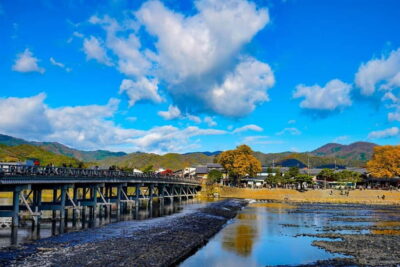
Kyoto/Osaka: Nara, Fushimi Inari Taisha, Arashiyama Bus Tour
Read our review →
Kyoto Arashiyama Walking Tour: Bamboo, Monkeys, Gardens & Secrets
Read our review →
Arashiyama Bamboo, Temple, Monkeys, or Secret Sake Brewery
Read our review →
Arashiyama Bamboo Forest, Monkeys, Matcha & Temple Tour
Read our review →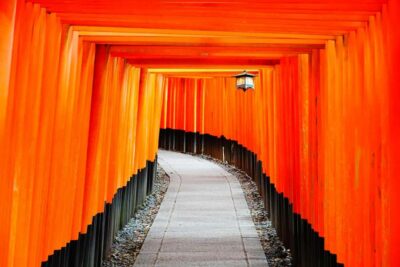
Osaka/Kyoto: Arashiyama, Nara & Fushimi Inari Shrine w/Lunch
Read our review →
Nijo, Kinkaku-ji, Arashiyama, Kiyomizu & Fushimi Inari
Read our review →
Arashiyama Bamboo Forest & Hidden Gems Bike Tour (Early Bird)
Read our review →Browse the lists this tour appears in