
REVIEW · MIYAJIMA ISLAND TOURS
Miyajima Highlights: Itsukushima Shrine & Island Nature
Miyajima is easy to reduce to one famous photograph: a red torii gate seeming to float offshore. This private tour gives you more than that image. You visit Itsukushima Shrine, Daisho-in, Senjokaku Pavilion, and quieter parts of the island with a Hiroshima guide who can explain why Miyajima has been sacred for centuries.
I like two things here. First, the guides bring local memory to the tour, with guides such as Masa, Aya, Yuka, and Masayo sharing family connections and personal ties to Hiroshima. Second, the private format lets you set the pace and focus on history, photography, nature, or thoughtful conversation. The main consideration is the travel time: the train and ferry take about an hour each way, and transportation, food, and Miyajima’s visitor tax cost extra.
In This Review
- Key points to know before you book
- Why a private Miyajima visit can be worth the cost
- Starting in central Hiroshima and reaching the island
- First steps on Miyajima
- Seeing the Itsukushima Floating Torii Gate
- Entering Itsukushima Shrine
- Spending an hour at Daisho-in
- Senjokaku Pavilion and the view of island life
- A walk through Omotesandō Shopping Street
- The guides are the heart of the experience
- Timing, walking, and practical limits
- Who should book this Miyajima tour
- Should you book it?
- FAQ
- How long does the Miyajima tour last?
- How do I get to Miyajima during the tour?
- Is transportation included in the $138 price?
- Can I be picked up from my hotel?
- Will I definitely see the floating torii gate surrounded by water?
- Can I add a Mount Misen hike or a workshop?
- Is the tour wheelchair accessible?
Key points to know before you book
- The floating torii depends on the tide: You may see the gate surrounded by water or standing on exposed mud and sand.
- Local guides shape the experience: Masa, Aya, Yuka, Masayo, and other Hiroshima guides bring personal stories as well as historical context.
- The tour takes about five hours: Around two hours are spent getting to and from the island by public transport.
- Daisho-in gets a full hour: This is one of the most substantial stops, with time for a guided visit and photographs.
- The itinerary reaches beyond the postcard view: You visit quieter areas, natural scenery, everyday island spaces, and the main shopping street.
- It is private and flexible: You can ask to focus on shrine traditions, photography, nature, or a slower pace.
Why a private Miyajima visit can be worth the cost

At $138 per person, this is not the cheapest way to reach Miyajima. You still pay separately for public transportation or a taxi, the island visitor tax, and anything you eat or drink. Optional extras, such as a direct boat from the Peace Memorial area or a momiji manju baking workshop, also cost more.
The price makes more sense if you value interpretation rather than simple sightseeing. Miyajima’s main sights are easy to locate, but their meaning is less obvious. A guide can explain the island’s spiritual traditions, the symbolism of Itsukushima Shrine, and the connection between the island and Hiroshima life.
You also get a private group rather than a large walking party. That matters if you are traveling with family, have different walking speeds, or want to ask many questions. Masa handled a large family group well, while other visitors praised guides for adjusting to heat, offering practical help, and giving advice for the rest of a Japan trip.
I would not choose this tour only to save money or cover every major Hiroshima sight in one afternoon. I would choose it if you want a more personal visit to Miyajima and prefer having someone explain what you are seeing.
More Temple & Shrine Tours in Hiroshima
- Hiroshima and Miyajima Day Trip with Itsukushima Shrine & Ferry
★ 5.0 · 378 reviews - Miyajima: Cultural Experience in Zen Temple
★ 5.0 · 258 reviews - Day Trip to Hiroshima & Miyajima with Itsukushima Shrine
★ 4.6 · 124 reviews
Starting in central Hiroshima and reaching the island
Pickup is available on foot from many central Hiroshima hotels and locations. The listed options include Hotel Granvia Hiroshima, Sheraton Grand Hiroshima Hotel, Hilton Hiroshima, RIHGA Royal Hotel Hiroshima, Hotel Intergate Hiroshima, THE KNOT HIROSHIMA, Crowne Plaza ANA Hiroshima, Sotetsu Fresa Inn Hiroshima Station, and several others.
You can also arrange pickup from central Hiroshima City if your hotel or Airbnb is not on the list. Contact the provider in advance rather than waiting until the day of the tour.
The usual route uses public transportation. The train takes about 45 minutes, followed by a ferry of about 15 minutes. The same journey applies on the return, so roughly two hours of a five-hour tour are spent in transit.
That travel time is worth keeping in mind. Miyajima and the Hiroshima Peace Memorial area are both important, but combining them in one half-day leaves little room for either. The tour is designed to focus on Miyajima. If you want the Peace Memorial Museum as well, plan it separately, or ask in advance about an itinerary adjustment.
The train and ferry also make the journey part of the outing rather than a private vehicle transfer. You get a practical sense of how Hiroshima and Miyajima connect, though you should allow extra time if you prefer a slower pace or need frequent breaks.
First steps on Miyajima
Once you reach the island, the tour begins with a guided walk of about 20 minutes. This opening section helps you get oriented before the main shrine visit.
Miyajima is more than a collection of monuments. It has natural areas, shops, religious sites, and a resident community. The guide’s local perspective is most useful here, since you can look beyond the central route and ask about customs, island life, and the meaning of places that might otherwise seem like decorative scenery.
The pace is intended to be relaxed. That does not mean the tour is free of walking. You should be comfortable spending several hours on foot, with time outdoors and some movement between the ferry terminal, shrine grounds, temple areas, pavilion, and shopping street.
Because the tour is private, you can say if you want more time for photos or fewer stops. You can also tell the guide in advance if nature and quiet corners matter more to you than shopping.
Seeing the Itsukushima Floating Torii Gate
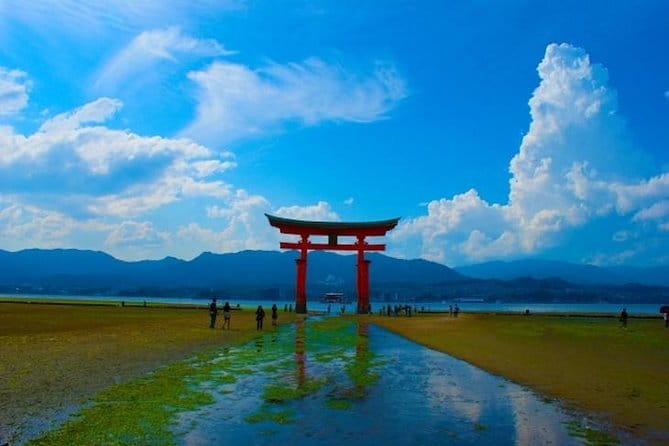
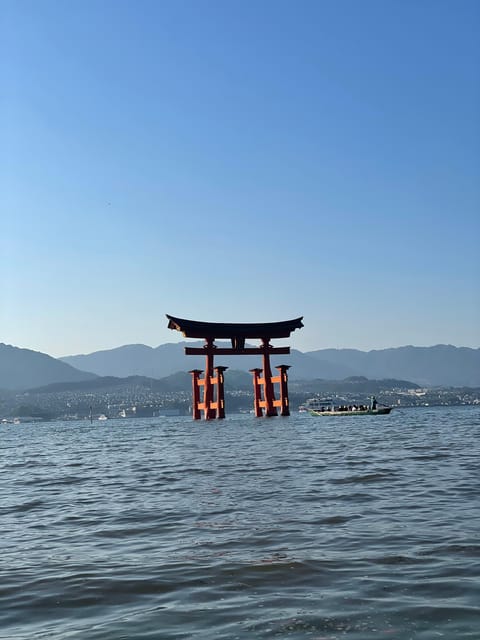
The floating torii gate gets a short photo stop of about 10 minutes. It is the image most associated with Miyajima, but the tide controls how it looks.
At high or rising tide, the gate can appear to float in the water. At low tide, the shoreline may be exposed, and you may be able to see the gate from a very different angle. The provider makes an effort to show it, but the exact setting cannot be guaranteed because tide conditions change.
This is an important point if the floating effect is your main reason for booking. Check the tide forecast for your date and keep your expectations flexible. The gate remains worth seeing at low tide, but it will not match the classic water-surrounded photograph.
Your guide can add value by explaining the gate as part of the shrine approach rather than treating it as an isolated photo prop. That context helps you understand why the view matters within Miyajima’s religious tradition.
Same city, a completely different kind of day:
- Peaceful Hiroshima & Miyajima UNESCO 1 Day Bus Tour
★ 5.0 · 5,309 reviews - Hiroshima: Hiroshima and Miyajima UNESCO Sites 1-Day Tour
★ 4.9 · 2,330 reviews - Hiroshima / Miyajima Full-day Private Tour with Government Licensed Guide
★ 5.0 · 1,298 reviews - Hiroshima Historical Walking Tour – Why A-Bomb was Dropped
★ 4.8 · 893 reviews
Entering Itsukushima Shrine
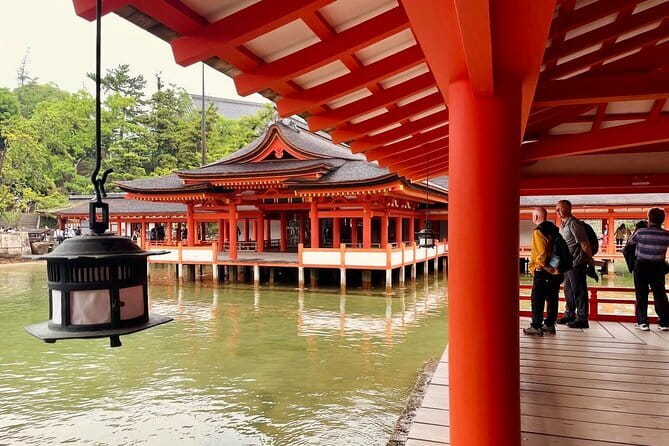
The shrine visit lasts about 30 minutes. Itsukushima Shrine is a UNESCO World Heritage Site and the spiritual center of the island experience.
This is where a guide earns their keep. The buildings, water, gates, and ritual spaces carry symbolism that is easy to miss if you only walk through with a camera. You can ask why Miyajima has been regarded as sacred, how the shrine relates to the island, and how local traditions continue today.
The visit is fairly short, so do not expect an exhaustive examination of every part of the shrine complex. Instead, think of it as a focused introduction, with the guide pointing out the most meaningful features and explaining their place in Miyajima’s traditions.
The shrine is also one of the busier parts of the island. A private guide cannot remove crowds, but can help you use your time well and explain what deserves your attention. If photography is your priority, tell the guide early so the stops can be handled at a pace that suits you.
Spending an hour at Daisho-in
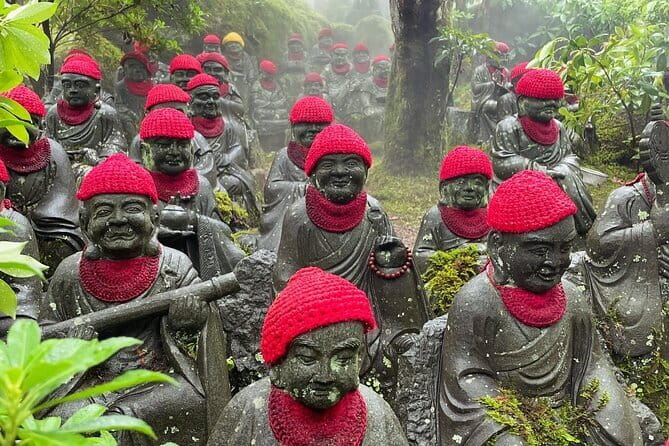
Daisho-in receives the longest stop, about one hour, including a visit, guided explanation, and time for photographs. That gives this temple a larger role than a quick add-on.
The temple offers a different experience from Itsukushima Shrine. The shrine is closely linked to Miyajima’s iconic waterfront image, while Daisho-in gives you more time to consider the island’s Buddhist side and its religious traditions.
This is also a good place for questions. Guides such as Yuka and Masa have been praised for explaining the traditions and culture of the places they visit, and for showing areas that are easy to miss without help. Their role is not only to identify buildings, but to connect what you see with local beliefs and daily life.
The one-hour stop may feel long if you want a fast checklist of sights. I see it as a strength for anyone who prefers substance over speed. You can slow down, take photographs, listen to stories, and give the temple the attention it deserves.
Senjokaku Pavilion and the view of island life
Senjokaku Pavilion is a short stop of about 10 minutes, mainly for photographs and guided commentary. The visit adds another historical and visual layer to the route without taking too much time from the shrine and temple.
The schedule suggests a quick look rather than a long stay. That is helpful on a five-hour tour, since the island has several major places to cover. If you become particularly interested in the pavilion, ask whether the private format allows a little more time.
This stop also breaks up the religious sites with a broader view of Miyajima. You can consider how the island’s buildings relate to its natural setting, rather than moving from one indoor explanation to another.
A walk through Omotesandō Shopping Street
The tour allows about 40 minutes on Miyajima Omotesandō Shopping Street. This is the most everyday and food-oriented part of the route.
You can browse, look for local treats, and take a break after the shrine and temple visits. Food and drinks are not included, so this is the natural point to buy something at your own expense.
The shopping street can feel more commercial than the quieter corners of the island. That is not necessarily a problem. It gives you a chance to see how Miyajima serves the people who come for its shrines, temples, nature, and famous views.
If shopping is not your priority, tell your guide. The tour is private, so you may be able to use the time for a slower walk or a few additional photographs. If you want to try a workshop, such as baking momiji manju by hand, arrange it before the tour. It is an optional activity, not part of the standard route.
The guides are the heart of the experience
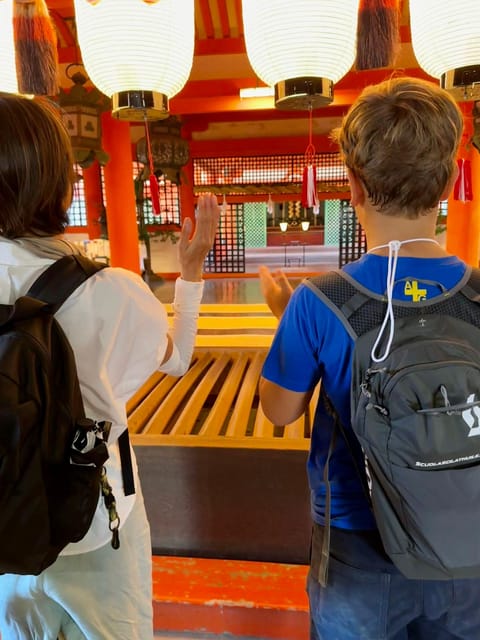
The strongest reason to book this tour is the human side. Guides are Japanese locals connected to Hiroshima, and several have shared personal stories about the city, family history, and the memory of the atomic bombing.
Masayo, also called Masa, has been especially valued for her warmth, preparation, and ability to explain Hiroshima’s past in a personal but respectful way. On a hot day, she brought extra parasols and neck coolers. That kind of practical care matters more than it may sound, especially in summer.
Aya has been praised for kindness, passion, and clear explanations. Yuka has shown quieter places and explained local traditions. These details point to a consistent strength: the guide is not simply leading you from one pin on a map to the next.
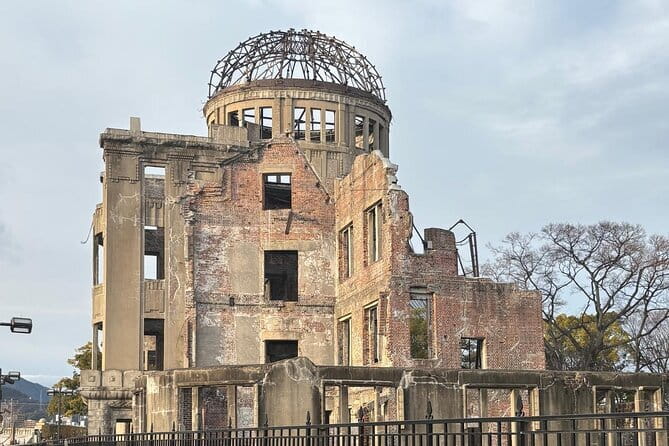
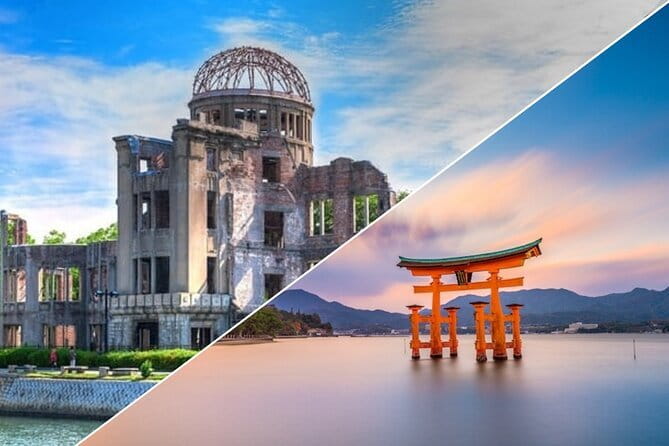
The Hiroshima connection also needs careful handling. Miyajima is not the Peace Memorial area, and this tour asks you to give the island your attention. Still, guides can help you understand how Miyajima fits into the wider story of Hiroshima without turning the visit into a rushed attempt to cover everything.
Timing, walking, and practical limits
The advertised duration is five hours. The schedule includes a 45-minute train ride, a 15-minute ferry ride, about 20 minutes exploring Miyajima, a 10-minute torii stop, 30 minutes at Itsukushima Shrine, one hour at Daisho-in, 10 minutes at Senjokaku Pavilion, 40 minutes on Omotesandō Street, and the return journey.
That adds up to a full half-day with little room for major detours. The flexible format lets you adjust the emphasis, but it does not create unlimited time. If you add Mt. Misen hiking, a workshop, or another major stop, tell the provider in advance.
The tour is listed as wheelchair accessible, though the route still involves public transportation and walking between sites. Contact the provider beforehand to discuss your needs and pickup point.
English and Japanese guiding are available. Pickup is on foot, and public transportation is the normal option, with a taxi possible if you prefer and arrange it.
Free cancellation is available up to 24 hours before the tour, and you can reserve now and pay later. Those terms help if your Hiroshima plans are still shifting.
Who should book this Miyajima tour
I would recommend it to first-time visitors who want help understanding the island rather than simply photographing it. It is also a strong choice for families, couples, and small private groups who want to set their own pace.
You will get the most from it if you enjoy questions, cultural context, and personal stories. The guides’ connection to Hiroshima adds meaning, especially for anyone planning to visit the Peace Memorial area separately.
It may not suit you if you want a Mount Misen hike, a long free-shopping period, or a tour that spends equal time in Hiroshima and Miyajima. It is also not the best value if you are happy navigating the train, ferry, shrine, and shopping street alone and do not need interpretation.
Should you book it?
Book this tour if you want a thoughtful local guide and a private day built around Miyajima’s sacred sites, natural setting, and living community. The $138 price is easier to justify for families or small groups who will use the flexible format and appreciate the guide’s personal attention.
Before booking, check the tide, budget for transportation and food, and keep the Peace Memorial Museum for another part of your schedule. If you do that, this tour gives you a well-paced introduction to Miyajima with more meaning than a quick photo stop and a ferry ride.
FAQ
How long does the Miyajima tour last?
The tour lasts five hours, including the train and ferry journeys between central Hiroshima and Miyajima.
How do I get to Miyajima during the tour?
The tour uses a train for about 45 minutes and a ferry for about 15 minutes each way. A taxi can be used if you prefer and arrange it.
Is transportation included in the $138 price?
No. Transportation fees are separate. The Miyajima visitor tax, food, and drinks are also not included.
Can I be picked up from my hotel?
Yes. Walking pickup is available from several listed hotels and central Hiroshima locations. If your hotel or Airbnb is not listed, contact the provider in advance if you are staying in central Hiroshima City.
Will I definitely see the floating torii gate surrounded by water?
The guide will do their best to show you the torii gate, but tide conditions may mean it is low tide when you visit.
Can I add a Mount Misen hike or a workshop?
You can ask about optional activities such as hiking Mount Misen or baking momiji manju by hand. Tell the provider in advance because these are not part of the standard tour.
Is the tour wheelchair accessible?
Yes, the activity is listed as wheelchair accessible. Since the tour uses public transportation and includes walking, discuss your needs with the provider ahead of time.
More Miyajima Island Tours in Hiroshima
- From Hiroshima: Hiroshima & Miyajima 1 Day Tour with Lunch
★ 4.7 · 395 reviews - Full Day Hiroshima and Miyajima Bus Tour from Hiroshima
★ 4.5 · 371 reviews - Hiroshima: Miyajima Peace Memorial Icons of Peace and Beauty
★ 4.9 · 361 reviews - Miyajima Half-day Trip Historical Walking Tour
★ 5.0 · 284 reviews
Just added around Hiroshima
- The Journey of Hiroshima from Tragedy to Peace★ 4.8 · 44 reviews
- Miyajima: Private Rickshaw Tour to Itsukushima Shrine★ 4.9 · 45 reviews
- Hiroshima: Miyajima Half-day Historical Walking Tour★ 4.7 · 100 reviews
- Hiroshima:Guided Virtual Tour/PEACE PARK TOUR VR★ 5.0 · 29 reviews
- Hiroshima/Miyajima Private Custom Tour with Local Guide★ 5.0 · 134 reviews
- Hiroshima: Saijo Sake Tasting at 7 Breweries Guided Tour★ 4.8 · 29 reviews
- Hiroshima: Tour of Atomic Bomb Dome & Peace Memorial Museum★ 5.0 · 20 reviews
- Hiroshima: Private Walking Tour with a Local★ 4.6 · 70 reviews
Miyajima Island Tours, compared.
Peaceful Hiroshima & Miyajima UNESCO 1 Day Bus Tour
Read our review →
Hiroshima and Miyajima UNESCO Sites 1-Day Tour
Read our review →
Hiroshima / Miyajima Full-day Private Tour with Government Licensed Guide
Read our review →
Osaka/Kyoto: Hiroshima Miyajima Bus Tour & Shinkansen Ticket
Read our review →
Hiroshima and Miyajima Day Trip with Itsukushima Shrine & Ferry
Read our review →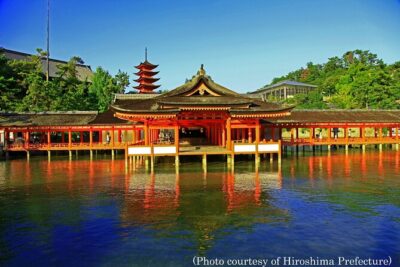
Full Day Hiroshima and Miyajima Bus Tour from Hiroshima
Read our review →
Miyajima Peace Memorial Icons of Peace and Beauty
Read our review →Browse the lists this tour appears in