
REVIEW · MIYAJIMA ISLAND TOURS
Miyajima Highlights: Itsukushima Shrine & Island Nature
The floating torii gate is only part of Miyajima’s appeal. This private walking tour pairs the famous Itsukushima Shrine with Daishoin Temple, quiet island corners, deer, food stalls, and the views and traditions that make Miyajima more than a quick photo stop. Your guide shapes the pace and focus, which is useful when you want context instead of a landmark checklist.
I especially like the private format and the cultural range. You can ask direct questions about Shinto, Buddhism, Hiroshima, food, and daily life, while guides such as Aya, Yuka, Masayo, Masa, and Mana have shared family stories and personal perspectives. The main drawback is cost: at $141.23 per person, you still pay separately for public transport, food, and optional boats or taxis.
In This Review
- Key points at a glance
- Why this Miyajima tour feels different
- Starting in Hiroshima and making the journey to Miyajima
- Meeting Miyajima’s deer and sacred island traditions
- Watching the tide at the great torii gate
- Inside UNESCO-listed Itsukushima Shrine
- Daishoin Temple, Miyajima’s quieter spiritual stop
- Senjokaku and a broad, peaceful interior
- Omotesando Street and Miyajima’s edible souvenirs
- What the $141.23 price really covers
- Who will get the most from this half-day visit
- Practical advice before you book
- Should you book Miyajima Highlights?
- FAQ
- How long does the Miyajima tour last?
- Where does the tour begin?
- Is transportation included in the tour price?
- Is the Itsukushima Shrine entrance fee included?
- Can the route be customized?
- What happens if the weather is poor?
Key points at a glance
- Private guide, private group: You receive one guide’s full attention rather than following a large tour.
- Tide changes the torii gate: At high tide, the gate appears to float. At low tide, you can walk near it and see its scale.
- Daishoin adds depth: Miyajima’s oldest temple offers a quieter, more varied visit than shrine-only sightseeing.
- Public transport is part of the plan: Allow about ¥1,340 per person, with faster private options costing extra.
- Food comes after the history: Omotesando Street is a good place to try oysters, conger eel rice bowls, and momiji manju.
- Flexible for families and cruise passengers: The itinerary can be adjusted, though the five-hour length limits how much you can add.
Why this Miyajima tour feels different

Miyajima is often treated as a single attraction: arrive, photograph the great torii, visit Itsukushima Shrine, and leave. That approach misses the island’s religious character.
This tour gives you about five hours to connect the shrine with Daishoin Temple, Senjokaku, the shopping street, and quieter areas beyond the main sights. I like that balance. You still see the symbols you came for, but you also get time to ask why the island has been regarded as sacred for centuries.
The private setting matters here. Miyajima’s customs, shrine architecture, Buddhist traditions, and links to Hiroshima can raise plenty of questions. With a dedicated guide, you can stop to ask about something that catches your attention instead of waiting for a group explanation to finish.
The guide roster includes Aya, Yuka, Masayo Kobayashi, Masa, and Mana. Your assigned guide will depend on availability, but the experience is designed around local explanation rather than a fixed script. Some guides have shared family stories, including personal connections to Hiroshima, which can add a human dimension to the visit.
This is not a luxury vehicle tour. You meet your guide on foot in Hiroshima and use public transport for the journey. That keeps the tour connected to ordinary Japanese travel, but it also means you should be ready for walking, ferry or train connections, and transport costs not included in the headline price.
More Temple & Shrine Tours in Hiroshima
- Hiroshima and Miyajima Day Trip with Itsukushima Shrine & Ferry
★ 5.0 · 378 reviews - Miyajima: Cultural Experience in Zen Temple
★ 5.0 · 258 reviews - Day Trip to Hiroshima & Miyajima with Itsukushima Shrine
★ 4.6 · 124 reviews
Starting in Hiroshima and making the journey to Miyajima
The tour begins at a hotel or train station in Hiroshima City. From there, you travel by public transportation toward Miyajima. The stated transport time is about one hour each way, so the journey takes a meaningful share of a five-hour tour.
That is not wasted time. Your guide can begin explaining Hiroshima and Miyajima before you arrive, and you get help with the practical side of the trip. One guide, Yuka, is specifically described as helping cruise passengers buy island tickets and find their way through the connections. That kind of assistance can be valuable if your visit falls between ship arrival and departure.
The standard transport allowance is listed as ¥1,340 per person. You pay this yourself, and it is separate from the tour price. Optional private transport, such as a fast boat, direct boat, or taxi, costs about ¥2,300 to ¥8,000 one way.
A direct boat to Peace Memorial Park is also offered as an option, with a stated journey of about 45 minutes. The regular ferry, JR, or train route toward Peace Memorial Park takes about an hour. Confirm the exact route and cost with the provider before you go, especially if you need to reach a cruise ship or another timed booking.
The order of the day can change. The tour information allows flexibility between Miyajima and Peace Park, although the listed stops focus mainly on Miyajima. If Hiroshima’s Peace Memorial sites are a priority, discuss that during the advance customization consultation rather than assuming the tour includes a full museum visit.
Meeting Miyajima’s deer and sacred island traditions
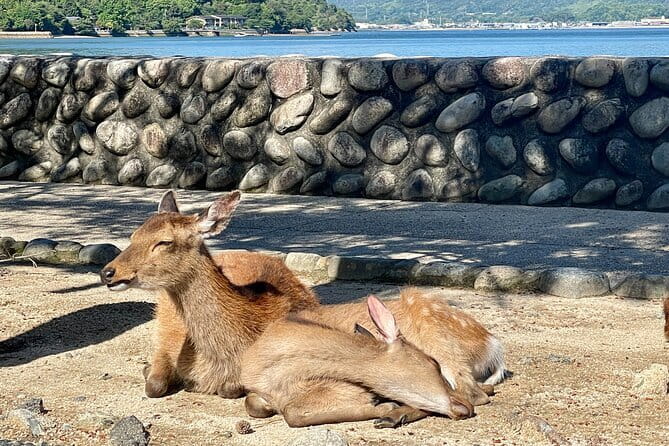
Miyajima is introduced as a sacred island, revered as the island of the gods since ancient times. Deer are described as messengers of those gods, so they become part of your first impression as you walk through the island.
The deer are charming, but the larger point is the island’s spiritual setting. Your guide can explain how the shrine, temple, sea, and mountain environment fit together. This context helps the main sights make sense. Without it, the torii is simply a famous structure in the water. With it, you begin to understand why the island has long been treated with special respect.
The tour also promises quieter areas beyond the main landmarks. That is one of its most useful features. Miyajima’s central streets can feel busy during peak periods, while a short turn away may show a calmer side of island life. The exact lanes depend on your guide and the day’s conditions, so think of this as a flexible aim rather than a guaranteed hidden route.
Watching the tide at the great torii gate
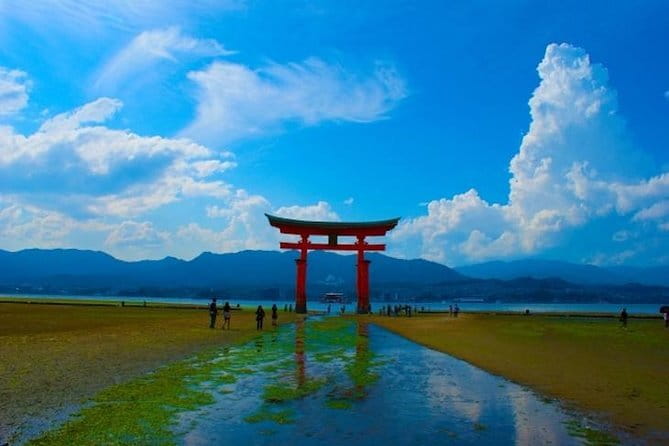
The Itsukushima Shrine torii is the visual centerpiece. At high tide, seawater surrounds its base and creates the famous floating appearance. At low tide, you can walk out near the gate and appreciate its size from ground level.
The tide is not a minor detail. It changes the experience. High tide gives you the classic view of the torii standing in the sea. Low tide gives you a closer look at its structure and scale. The tour description does not promise a particular tide, so check the tide table for your date and ask the guide how the timing affects the route.
You should also allow for changing conditions. The weather requirement means poor weather can lead to a different date or a full refund. Since the tour is outdoors and includes walking, rain can affect both comfort and the quality of the views.
The torii visit itself is listed at about 15 minutes. That is enough for photographs and a short explanation, but not a long period of quiet observation. The private format helps because your guide can adjust the stop if your group wants more time, though the overall half-day schedule still has limits.
Same city, a completely different kind of day:
- Peaceful Hiroshima & Miyajima UNESCO 1 Day Bus Tour
★ 5.0 · 5,309 reviews - Hiroshima: Hiroshima and Miyajima UNESCO Sites 1-Day Tour
★ 4.9 · 2,330 reviews - Hiroshima / Miyajima Full-day Private Tour with Government Licensed Guide
★ 5.0 · 1,298 reviews - Hiroshima Historical Walking Tour – Why A-Bomb was Dropped
★ 4.8 · 893 reviews
Inside UNESCO-listed Itsukushima Shrine
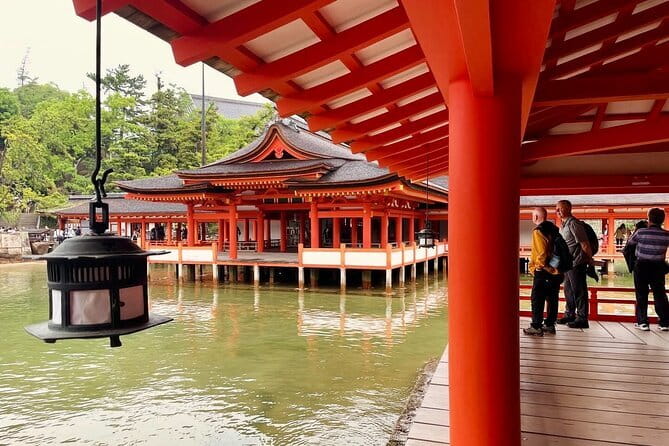
Itsukushima Shrine is built over the water and changes character as the tide moves. It is both a national treasure and a UNESCO World Heritage site, so the visit carries more weight than a standard photo stop.
The shrine’s position is the key to understanding it. The sea is not just a scenic backdrop. It shapes how the shrine looks, how you approach it, and how its spiritual setting is experienced. A guide can point out details you might otherwise pass without noticing and explain the traditions connected with the site.
About 30 minutes is set aside here, with the entrance fee included. That is a fair amount of time for a guided introduction, but you may want longer if you enjoy architecture or religious history. If you want an unhurried shrine visit, mention that when customizing the tour.
I would also keep your expectations clear: this is not a full-day religious heritage program. The tour gives you a strong introduction to Itsukushima, then moves on to other parts of the island. That variety is a strength for first-time visitors, but specialists may wish for more time at the shrine.
Daishoin Temple, Miyajima’s quieter spiritual stop
Daishoin Temple is one of the tour’s strongest choices. It is described as the oldest temple on Miyajima and sits among the island’s natural surroundings. The temple has many features to explore, and it was associated with Shogun Hideyoshi and other influential figures.
Compared with the torii and shrine, Daishoin usually feels like a more layered stop. You have religious buildings, mountain setting, and smaller details to take in. It gives your guide room to explain Buddhism and the relationship between the island’s sacred sites.
The scheduled 45 minutes is longer than the time allotted to the torii. That makes sense. Daishoin rewards a slower walk, and the extra time helps the visit feel less like a quick tick on a sightseeing list.
The climb and walking pace are worth considering. The tour is described as a walking experience, and the temple is located in a natural setting. Most people can participate, but anyone who needs a slower pace should say so when arranging the tour. A private guide can adapt more readily than a large group, but the island’s paths cannot be changed.
Senjokaku and a broad, peaceful interior
Senjokaku is part of the Itsukushima shrine complex and dates to the 16th century. It was ordered by Shogun Hideyoshi and is known for its large halls and open, wall-less spaces.
This stop offers a welcome pause after the more detailed shrine and temple visits. The spacious interior has a quiet quality, and the lack of enclosing walls lets you feel connected to the surrounding setting. It is a good place to slow down and let the day’s religious and architectural themes settle.
The visit lasts about 20 minutes. Admission is not included, so ask about the current entrance charge when planning your budget. The listing does not state the fee, and it would be unwise to assume that every stop is covered by the tour price.
Omotesando Street and Miyajima’s edible souvenirs
Omotesando Shopping Street shifts the mood from sacred buildings to island food and shopping. The route takes about 40 minutes through stores selling Miyajima specialties, including oysters, conger eel rice bowls, and momiji manju.
Food and drinks are not included, so this is your chance to choose what you want rather than paying for a preset meal. Momiji manju, a steamed bun, is especially practical as a small gift or snack. The food stop also gives you a look at the island’s commercial side, where local products and souvenirs meet the steady flow of day visitors.
I like having this stop at the end because it gives you time to browse after the more structured sightseeing. Still, 40 minutes is not enough for a leisurely meal, shrine revisit, and extensive shopping all at once. If lunch matters to you, tell your guide early. You may need to shorten another stop or accept that the tour will run close to its five-hour estimate.
What the $141.23 price really covers
At $141.23 per person, this is not the cheapest way to reach Miyajima. The price makes more sense for people who value personal guiding, cultural explanation, and an itinerary built around their interests.
The package includes the Itsukushima Shrine entrance fee, a live local guide, tour photo data, advance customization consultation, and a walking meeting with the guide in Hiroshima. It does not include lunch, drinks, public transportation, tips, or optional private transport.
For a solo visitor, the price may feel high. For a family or small group, the private format can offer better value because everyone receives the same guide’s attention and the schedule can reflect the group’s needs. Group discounts are available, though the exact terms are not provided.
I would budget beyond the advertised price for at least ¥1,340 per person in public transport, plus food and any admission charge for Senjokaku. If you choose a direct boat or taxi, the cost can rise quickly. The best value comes when you actually use the customization: ask for the history, food, religious background, or local-life details that matter to you.
Who will get the most from this half-day visit
This tour suits you if you want Miyajima with a human guide rather than a self-guided route. It is particularly useful for first-time visitors, families, cruise passengers, and anyone who wants help connecting Hiroshima’s past with Miyajima’s religious traditions.
It also works well for people who enjoy questions. Past guiding styles have included cultural, historical, social, and theological discussion, along with personal stories and local snacks. If you are a history teacher or simply enjoy detail, the private format gives you room to pursue a subject instead of accepting a short standard explanation.
Families may appreciate the flexibility and the guide’s ability to maintain a patient pace. The experience allows children to see deer, food shops, temples, and a famous gate in one outing, though the amount of walking and public transport should be considered.
This is less suitable if you want a relaxed beach day, a long meal, or a full visit to every Hiroshima attraction. Five hours passes quickly once transport is included. It is also not ideal if you dislike paying separately for basic logistics or prefer a private vehicle from start to finish.
Practical advice before you book
Wear comfortable shoes and plan for a walking day. Public transport is built into the experience, and the route can include ferry, rail, or other connections.
Check the tide forecast for the torii gate. High tide and low tide offer different views, and neither is automatically better. High tide gives you the floating effect, while low tide lets you walk close to the structure.
Use the customization consultation well. Tell the provider if your priorities are shrine architecture, Daishoin, food, Hiroshima history, family pacing, or a connection to Peace Memorial Park. Also share any fixed departure time, especially if you are visiting from a cruise ship.
The tour accepts mobile tickets, offers pickup on foot, and is near public transportation. Service animals are allowed, and most people can take part. Do not join if you have cold symptoms, as the provider asks guests with symptoms to stay away.
Cancellation is free up to 24 hours before the start time. Changes or cancellations inside that window are not refunded, and poor weather can lead to a new date or full refund.
Should you book Miyajima Highlights?
I would book this tour if you want more than the floating torii and need a guide who can adjust the day to your interests. Its best features are the private attention, the combination of shrine and temple, and the chance to hear local stories from guides such as Yuka, Masa, Aya, Masayo, or Mana, depending on assignment.
I would skip it if your budget is tight, you already understand Miyajima well, or you want a simple low-cost ferry-and-shrine visit. Remember that transport, food, and some admissions come on top of the $141.23 price.
For a first Miyajima visit, especially with family or limited time, the tour offers a sensible way to see the island’s major spiritual sights without losing sight of everyday food and local life.
FAQ
How long does the Miyajima tour last?
The tour lasts approximately five hours, including the journey between Hiroshima and Miyajima.
Where does the tour begin?
You meet your guide on foot at a hotel or train station in Hiroshima City.
Is transportation included in the tour price?
No. The tour mainly uses public transportation, and the listed transport cost is ¥1,340 per person. Fast boats, direct boats, and taxis are optional and cost about ¥2,300 to ¥8,000 one way.
Is the Itsukushima Shrine entrance fee included?
Yes. The entrance fee for Itsukushima Shrine is included. The admission fee for Senjokaku is not included.
Can the route be customized?
Yes. Advance customization consultation is included, and the order between Miyajima and Peace Park can change. Discuss your priorities with the provider before the tour.
What happens if the weather is poor?
The experience requires good weather. If it is canceled because of poor weather, you will be offered another date or a full refund. Free cancellation is also available up to 24 hours before the start time.
More Miyajima Island Tours in Hiroshima
- From Hiroshima: Hiroshima & Miyajima 1 Day Tour with Lunch
★ 4.7 · 395 reviews - Full Day Hiroshima and Miyajima Bus Tour from Hiroshima
★ 4.5 · 371 reviews - Hiroshima: Miyajima Peace Memorial Icons of Peace and Beauty
★ 4.9 · 361 reviews - Miyajima Half-day Trip Historical Walking Tour
★ 5.0 · 284 reviews
Just added around Hiroshima
- The Peace Memorial to Miyajima : Icons of Peace and Beauty★ 4.5 · 31 reviews
- Private Full Day Hiroshima Tour★ 4.5 · 29 reviews
- Hiroshima & Miyajima All-Inclusive Tour w/Licensed guide Pancho★ 5.0 · 54 reviews
- Okunoshima Rabbit Island Cycling Tour with Local Guide★ 4.5 · 17 reviews
- Shore Excursion from Hiroshima Port : Private Tour in Hiroshima★ 5.0 · 17 reviews
- Hiroshima Saijo Sake Tasting Tour with visit to 7 Breweries★ 5.0 · 104 reviews
- Miyajima Guided Tour and Fresh Oyster Farm Tour★ 5.0 · 20 reviews
- Hiroshima Country Cycling: Explore Rural Life 1 HR from City★ 5.0 · 22 reviews
Miyajima Island Tours, compared.
Peaceful Hiroshima & Miyajima UNESCO 1 Day Bus Tour
Read our review →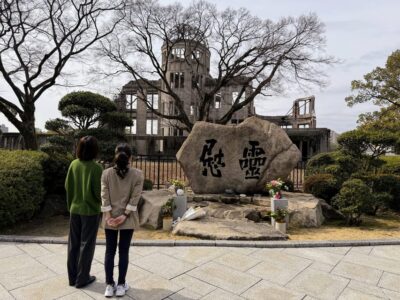
Hiroshima and Miyajima UNESCO Sites 1-Day Tour
Read our review →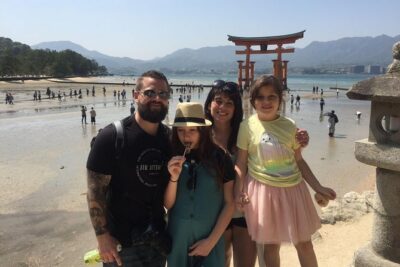
Hiroshima / Miyajima Full-day Private Tour with Government Licensed Guide
Read our review →
Osaka/Kyoto: Hiroshima Miyajima Bus Tour & Shinkansen Ticket
Read our review →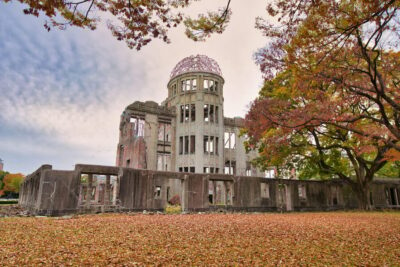
Hiroshima and Miyajima Day Trip with Itsukushima Shrine & Ferry
Read our review →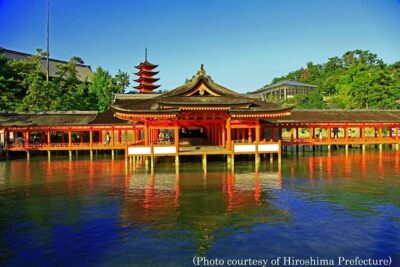
Full Day Hiroshima and Miyajima Bus Tour from Hiroshima
Read our review →
Miyajima Peace Memorial Icons of Peace and Beauty
Read our review →Browse the lists this tour appears in