

REVIEW · WALKING TOURS
Kanazawa Private/Group Walking Tour: Local & Major Highlight
Kanazawa’s best sights form a remarkably walkable chain: samurai homes, a castle, a formal garden, and a geisha quarter. This tour connects them with the stories that make each place more than a photo stop. Your guide may be Emi, Yu, Hirofumi, Aiko, or another local host, and the emphasis is on conversation rather than a memorized speech.
I like the way the tour mixes major sights with ordinary local life, especially at Omicho Market and the favorite café stop. I also like the personal approach. Yu has helped arrange restaurant bookings and sent photographs after a tour, while Hirofumi adjusted plans around a hotel and onward travel. The main consideration is time: in three hours, you get a strong orientation, but not a slow visit to every site. The walking and brief stops may feel brisk if you want long museum visits.
In This Review
- Key points at a glance
- Why this route works so well in Kanazawa
- Nagamachi Samurai District: walls, homes, and social order
- Omicho Market: Kanazawa on a plate
- Oyama Shrine: Shinto, Buddhism, and Kanazawa’s rulers
- Kanazawa Castle Park: power in thirty minutes
- The café break: a small pause with a local angle
- Kenrokuen Garden: a carefully planned view
- Higashi Chaya District: wooden teahouses and a gentle finish
- What the guides add to the experience
- Is $48 a fair price?
- Who should book this Kanazawa walk?
- Final verdict: a smart first look at Kanazawa
- FAQ
- How long does the Kanazawa walking tour last?
- What places does the tour visit?
- Is transportation included?
- Are food and drinks included?
- Can I request a hotel meet-up?
- Is the tour private or shared?
- Is the tour wheelchair accessible?
- What languages are available?
Key points at a glance
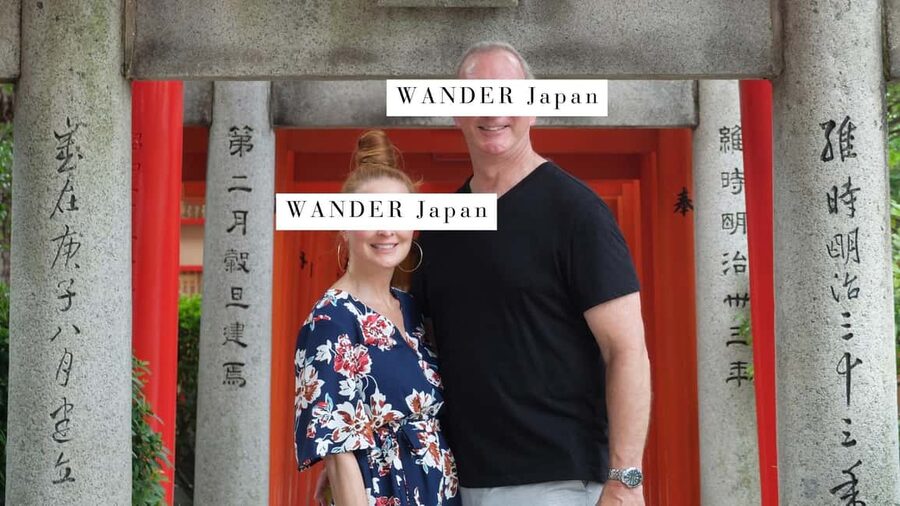
- Seven central stops in one route: Nagamachi, Omicho Market, Oyama Shrine, Kanazawa Castle, a local café, Kenrokuen Garden, and Higashi Chaya.
- Local guides with different strengths: Emi is praised for warmth and city pride, while Yu is known for clear English, stories, and helpful advice.
- A useful first-day tour: The route gives you a practical map of Kanazawa before you explore on your own.
- Food without a fixed meal: Omicho Market introduces local flavors, but food and drinks cost extra.
- Private or small-group format: You can ask questions and request changes more easily than on a large coach tour.
- Flexible access: Hotel meet-up is available on request for a central location, and the tour is wheelchair accessible.
Why this route works so well in Kanazawa

Kanazawa is compact enough to explore on foot, yet its sights tell very different stories. One hour can place you among samurai residences; the next can bring you to a seafood market, a castle gate, a Shinto shrine, and wooden teahouses once linked with geisha entertainment.
That variety is the tour’s main strength. You are not spending the whole morning inside one garden or museum. Instead, you see how power, faith, food, craft, and leisure shaped the city.
The guide also helps with the practical side of Kanazawa. You can ask where to eat, what to see after the tour, and how local customs work. Several guides have offered restaurant suggestions, and one helped with a booking during a national holiday when many places were closed. That sort of advice can save more than the cost of a meal.
The standard outing lasts three or four hours, though the advertised range is two to four hours. The exact route can change with the day, meeting point, and your selected option. A short bus ride of about 10 minutes may be used, but this is mainly a walking experience, and public transport is not included.
More Walking Tours in Kanazawa
- Kanazawa: Private Walking Tour with a Local
★ 4.8 · 141 reviews - Kanazawa Private Tour with a Local – Highlights & Hidden Gems
★ 5.0 · 116 reviews - True Kanazawa: Private Walking tour with a Local guide
★ 5.0 · 66 reviews
Nagamachi Samurai District: walls, homes, and social order
The tour commonly begins in Nagamachi, the former samurai district. Its earthen walls and preserved residences offer a quieter opening than the market or castle. You get a sense of how Kanazawa was organized under the Edo-period system, when samurai families lived according to rank and duty.
The scheduled visit is about 20 minutes. That is enough for a guided introduction and photographs, but it is not a full architectural study. Your guide’s explanation matters here because the district can otherwise look like a pleasant lane of old walls without much context.
Ask about daily life, family roles, and the difference between samurai status and the popular image of the warrior. A good guide can connect the buildings to the wider political order of Japan and to Kanazawa’s own ruling family.
This first stop is especially useful if you are arriving without much background. Hirofumi has been praised for contacting guests before the tour and shaping the start around their hotel and later plans. If you are staying outside the central area, confirm the meeting point before setting out.
Omicho Market: Kanazawa on a plate

Omicho Market brings the route into the present. Seafood, prepared foods, produce, and local specialties fill the covered market streets, with the smell of fresh fish often leading you from one stall to the next.
The tour allows about 20 minutes here. That is enough to learn how the market fits into local food culture and to identify dishes worth returning for. It is not enough for an unhurried meal, so I would treat this as an introduction rather than a food tour.
Food and drinks are not included. Bring cash and a credit card, then buy only what appeals to you. Your guide can explain unfamiliar items and point out useful places for lunch after the walk. One guest returned to a restaurant recommended by Emi the following day, which shows the practical value of asking for specific advice rather than simply collecting a list of names.
The market can be busy, and the walking space may feel tight. Keep your group together and expect to pause rather than move quickly. If food is a major reason for booking, ask at the beginning if you can spend a little more time here, knowing that another stop may need to be shortened.
Oyama Shrine: Shinto, Buddhism, and Kanazawa’s rulers

Oyama Shrine adds a religious and political layer to the route. It is associated with the Maeda family, the ruling house connected with Kanazawa Castle, and the tour uses the site to explain the relationship between the city’s leaders, local worship, and Japanese history.
You spend roughly 20 minutes at the shrine. The guide may discuss the leading figure behind Kanazawa Castle and his wife, giving a human story to the formal setting.
This is also where the tour’s explanation of Shinto and Buddhism becomes useful. Japan’s religious traditions have often existed side by side, and a short visit can raise questions about shrine customs, temple practice, and the changes brought by different periods of Japanese history. You will not receive a university lecture, but you should leave with a clearer framework for understanding the religious sites you see elsewhere in Japan.
Seasonal flowers, including plum blossoms, may add color at the right time of year. The timing of blossoms is not guaranteed, so think of them as a bonus rather than the reason to book.
Same city, a completely different kind of day:
- World Heritage Shirakawa-go and Experience Tours from Kanazawa
★ 5.0 · 4,049 reviews - Kanazawa: Kenrokuen Tea Ceremony Experience
★ 4.8 · 1,139 reviews - Kanazawa Half Day Tour (Private Guide)
★ 5.0 · 361 reviews - Kanazawa Full Day Tour (Private Guide)
★ 5.0 · 323 reviews
Kanazawa Castle Park: power in thirty minutes
From Oyama Shrine, the route continues to Kanazawa Castle Park. The walk is short, and the tour sets aside about 30 minutes for the castle area.
This is one of the places where a guide can turn grand gates and reconstructed buildings into a readable story. You learn how the castle relates to the Maeda family and to Kanazawa’s position during the Edo period. The architecture gives you the visual evidence, while the guide explains what the buildings meant.
The itinerary says you may go inside the castle. Since only about half an hour is allocated, expect an overview rather than a detailed examination of every interior. If you want to linger over construction methods, displays, or views, you may need to return independently after the tour.
That is not a flaw so much as a choice. The tour is designed to show you the city’s major pieces in one sweep. For a first visit, I prefer this kind of orientation to spending all your available time at one attraction, especially when you can come back later with a better sense of what deserves your attention.
The café break: a small pause with a local angle

A 20-minute break at a traditional café gives your feet a rest and interrupts the steady rhythm of sightseeing. The café is described as a guide favorite, with castle scenery to look at while you have tea or coffee.
The exact drink or café experience can vary. Food and beverages are extra, and the stop is not presented as a formal tea ceremony. Some tours have included matcha or a Sakura latte, so you may find a more distinctive drink than standard coffee, but you should not book expecting a guaranteed ceremonial performance.
I like this pause because it leaves room for questions. Use it to ask about modern Kanazawa, restaurant customs, local neighborhoods, or what to do next. Guides such as Yu have been especially helpful with onward recommendations, and several guests valued the chance to discuss Japan beyond the sights.
Kenrokuen Garden: a carefully planned view

Kenrokuen is one of Japan’s three famous gardens, and the tour spends about 30 minutes walking through it. This is a stop where seasonal change matters: flowers, foliage, and weather alter the mood of the paths and ponds.
Your guide can explain the principles behind traditional Japanese garden design and point out how water, trees, bridges, and borrowed views work together. The value is not only visual. Once you understand that the garden is arranged to reveal changing scenes as you walk, you begin to notice why certain viewpoints feel deliberate.
Thirty minutes gives you a good first look but not a complete garden visit at a slow pace. If gardens are your priority, plan to return on your own. The guided introduction is useful because it helps you see structure rather than simply walk around admiring plants.
Wheelchair users should discuss their needs when booking. The tour is wheelchair accessible, and Yu has adjusted routes and arrangements for guests using wheelchairs, including help getting from a cruise terminal into the city. Still, a garden with paths and changes in surface can require advance planning, so direct communication is sensible.
Higashi Chaya District: wooden teahouses and a gentle finish

The final major stop is Higashi Chaya, a traditional geisha district with preserved wooden teahouses. The tour provides about 20 minutes of guided explanation followed by free time and self-guided exploration.
This is a good place to end because the pace becomes less structured. You can look at the façades, take photographs, and decide what deserves a longer return visit. The wooden buildings give you a clear sense of a former entertainment district, though a short walk cannot explain every aspect of geisha culture or the private life of the teahouses.
The district is also a practical endpoint. Afterward, you have free time to continue exploring Kanazawa or find lunch. Depending on the option booked, drop-off may be in Kanazawa or at one of the listed city locations. Confirm the exact endpoint if you have a tight train, hotel, or dinner schedule.
What the guides add to the experience
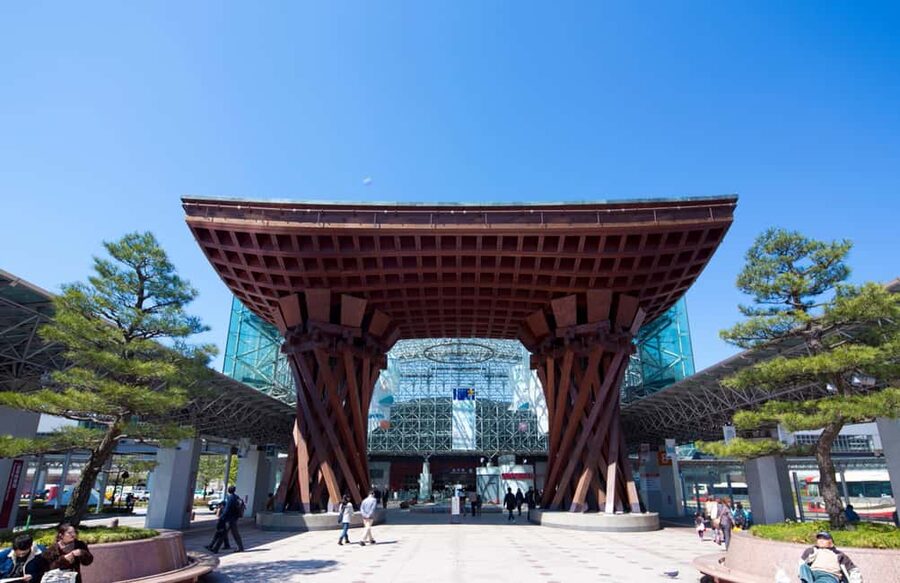
The strongest part of this tour is the human link between the places. Emi is described as warm, funny, and proud of Kanazawa, with a gift for turning local facts into a friendly conversation. Yu is often praised for excellent English, personal stories, patience with children, and useful restaurant advice.
Hirofumi has adapted the route to hotel locations and later plans. Aiko has been described as warm and proud of her city. These details matter because a private or small-group tour depends heavily on the person leading it.
English and Japanese are available. Communication has generally been strong, though one person found a guide’s English difficult to understand. If detailed historical explanation is very important to you, mention that when booking and ask about the guide assigned to your date.
Families can benefit from the flexible format. One guide handled a child’s many questions patiently, while another adjusted the pace for wheelchair users. You can ask for photographs too. Yu has taken pictures with a professional camera and sent them afterward, an unusually thoughtful extra, though it should not be treated as a guaranteed feature.
Is $48 a fair price?
At $48 per person, this tour offers good value if you want a local guide to connect Kanazawa’s main sights in a short window. You are paying for a private or small-group walking experience, personal explanations, and advice that can improve the rest of your stay.
The price does not cover meals, drinks, or public transportation. That keeps the base cost clear, but budget a little extra for the café and anything you purchase at Omicho Market.
The value is strongest on your first day in Kanazawa, when a three-hour orientation can prevent wasted time and help you choose where to return. It is less compelling if you already know the city well or prefer to spend an hour or more at each attraction.
Free cancellation up to 24 hours before the start and reserve-now, pay-later terms also make the booking fairly flexible. Check the available start times and the meeting point for your selected option, since these can vary.
Who should book this Kanazawa walk?
I would choose this tour if you want a friendly introduction to Kanazawa, especially on a first visit. It suits couples, families, solo visitors, and small groups who enjoy asking questions and learning how the city connects its past with daily life now.
It is also a strong choice for cruise passengers or anyone with limited time. The route covers the essential sights without requiring you to plan several bus journeys yourself.
You may prefer separate, longer visits if your main goal is garden photography, detailed castle interiors, extensive market eating, or a slow study of the geisha district. The route is efficient, not leisurely. Bring comfortable shoes, cash, and a credit card, and allow flexibility for weather and seasonal conditions.
Final verdict: a smart first look at Kanazawa
Book this tour if you want the city to make sense quickly. In a few hours, you move from samurai walls to market stalls, shrine traditions, castle power, garden design, and wooden teahouses, with a local person explaining the links.
I especially value the personal advice, the chance to adjust the route, and the easy transition from guided sightseeing to free time. Just keep your expectations realistic: this is an orientation with selected stops, not a full-day examination of every attraction. For most first-time visitors, that is exactly why it works.
FAQ
How long does the Kanazawa walking tour last?
The tour lasts between 2 and 4 hours, depending on the selected option. The example route is arranged as a 3 or 4-hour walking tour.
What places does the tour visit?
The example route includes Nagamachi Samurai District, Omicho Market, Oyama Shrine, Kanazawa Castle Park, a local café, Kenrokuen Garden, and Higashi Chaya District.
Is transportation included?
The experience is primarily a walking tour. A bus or coach ride of about 10 minutes may be used, but transportation and public transport costs are not included.
Are food and drinks included?
No. Food and drinks are not included. You may have time to buy food at Omicho Market or purchase tea, coffee, or another drink during the café break.
Can I request a hotel meet-up?
Hotel meet-up is available on request for a central location. The meeting point depends on the option you book.
Is the tour private or shared?
Private and small-group options are available. The exact group type depends on the option selected.
Is the tour wheelchair accessible?
Yes, the activity is listed as wheelchair accessible. Guests with specific mobility needs should communicate them when booking so the guide can plan appropriately.
What languages are available?
Live guiding is available in English and Japanese. Guides named in the available information include Emi, Yu, Hirofumi, and Aiko, though the assigned guide can vary.
Just added around Kanazawa
- Shirakawa-go, Gokayama & Takayama Private Tour From Kanazawa★ 4.7 · 21 reviews
- From Kanazawa/Toyama: Shirakawago and Takayama Day Tour★ 4.7 · 82 reviews
- Kanazawa:Traditional Experience -kimono rent at wargo★ 4.7 · 30 reviews
- Kanazawa: Samurai Swordsmanship Lesson at a rented temple★ 5.0 · 21 reviews
- Kanazawa: Private Tour with Local Guide★ 4.9 · 70 reviews
- Kanazawa Historic Brewery: Fermentation Tour, Tasting, Lunch★ 4.9 · 15 reviews
- Kanazawa: Private Food Tasting Walking Tour★ 4.7 · 25 reviews
- Kanazawa: Private Custom Tour with Local Guide★ 4.9 · 20 reviews
Walking Tours, compared.
Kyoto Geisha Walking Tour: Gion District & Hidden Gems
Read our review →
Tokyo Tsukiji Fish Market Food and Culture Walking Tour
Read our review →
Gion Magical Night Walking Tour with Geisha Trivia
Read our review →
Imperial Palace and Shogun Historical Walking Tour
Read our review →
Gion Geisha District Walking Tour – Stories of Geisha
Read our review →
Asakusa Walking Tour with Sensoji Temple Visit
Read our review →
Kyoto Gion Geisha District Walking Tour – The Stories of Geisha
Read our review →Browse the lists this tour appears in